📍New Delhi | 27 Dec, 2025, 11:06 PM
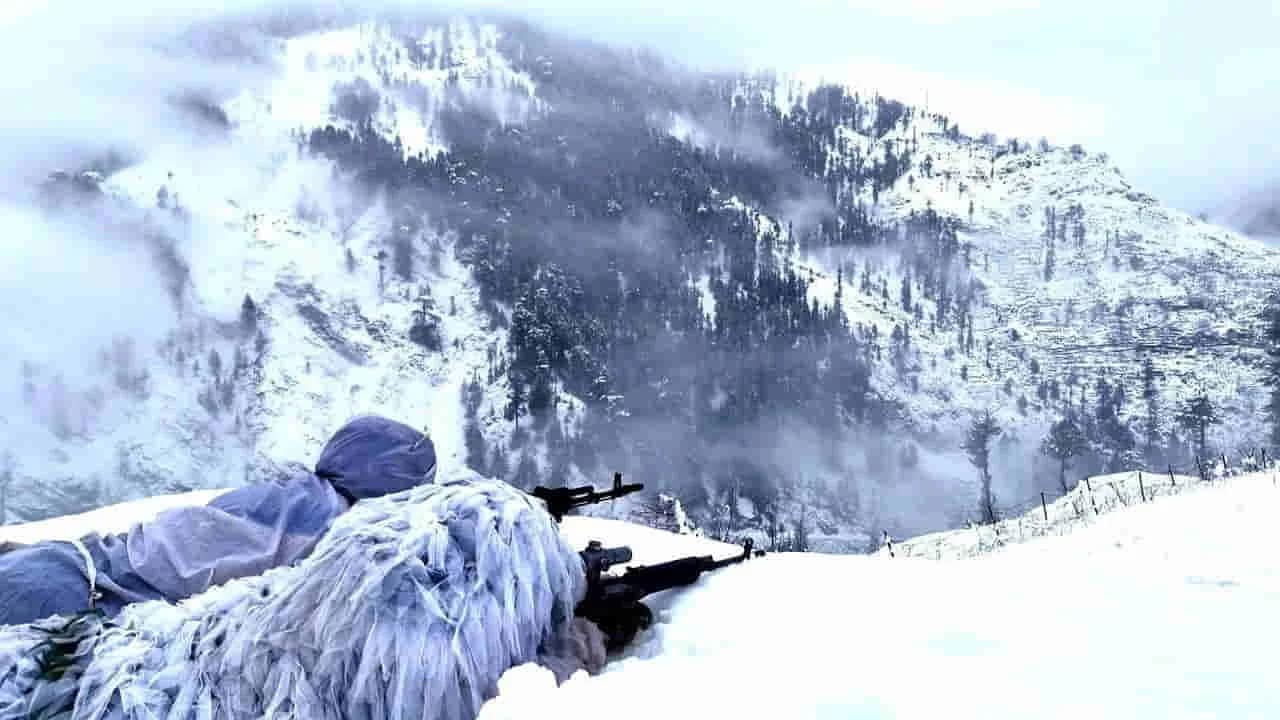
Indian Army Winter Operations: As the Himalayas lock themselves in ice and the 40-day stretch of Chillai Kalan tightens its grip on Jammu and Kashmir, life in the mountains slows to a near standstill. Roads vanish under snow, villages retreat indoors, and silence settles over the forests of Kishtwar and Doda. But for the Indian Army, winter no longer signals a pause. This year, it marks an intensification.
Defence sources say the Army has expanded counter-terrorism operations deep into snowbound and high-altitude areas of Kishtwar and Doda, determined to deny Pakistani terrorists the seasonal refuge they have traditionally relied upon. In sub-zero temperatures and near-whiteout conditions, soldiers are climbing higher, staying longer, and watching closer.

Indian Army Winter Operations: Breaking the Winter Lull
For decades, Chillai Kalan from December 21 to January 31 has brought a tactical lull. Heavy snowfall cuts off mountain routes, forcing both civilians and terrorists into relative inactivity. This winter, however, marks a deliberate shift in doctrine.
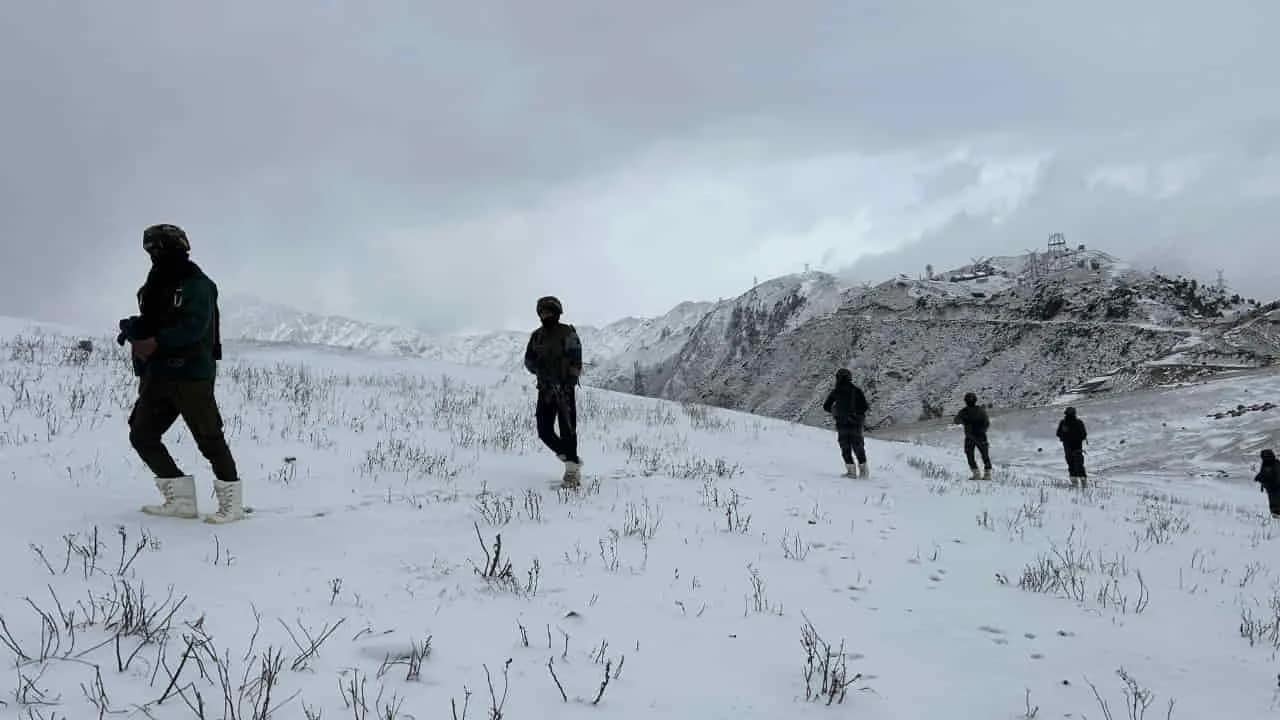
Instead of scaling down, Army units have established temporary winter bases and surveillance posts in higher reaches that are usually vacated. Patrols now criss-cross frozen ridgelines, dense forests, and narrow valleys, ensuring that no area becomes a safe haven.
Military experts describe this as a clear evolution in counter-terror strategy—one that treats winter not as an obstacle, but as an operational advantage.
Indian Army Winter Operations: Chasing Shadows in High Altitudes
Operating in such conditions is not merely a tactical challenge but a test of endurance. Soldiers trek through knee-deep snow, navigate avalanche-prone slopes, and endure nights where temperatures plunge well below freezing. Visibility is often poor, and terrain unforgiving.
Defence Sources | Winter Ops Intensified 🇮🇳
The Indian Army has stepped up counter-terrorism operations in Kishtwar and Doda during the harsh Chillai Kalan winter period. Despite sub-zero temperatures, heavy snowfall and difficult terrain, troops have pushed into higher,… pic.twitter.com/dZO8lepyjX— Raksha Samachar | रक्षा समाचार 🇮🇳 (@RakshaSamachar) December 27, 2025
Yet patrols continue relentlessly. “The idea is simple,” a source explained. “No gaps, no sanctuaries.” The Army’s presence across multiple altitude bands, valleys, mid-slopes, and high ridges creates overlapping control grids, denying terrorists any movement corridor.
Indian Army Winter Operations: Cornered and Isolated
Intelligence assessments indicate that around 30 to 35 Pakistani terrorists are currently active in the Jammu region. Sustained operations over recent months have pushed these groups out of lower, inhabited areas and into higher, desolate terrain.
Cut off from overground workers and local sympathisers whose support has significantly dried up these terrorists are believed to be seeking temporary winter hideouts. Reports suggest attempts to coerce villagers for food and shelter, but heightened vigilance and community resistance have limited such efforts.
“Their isolation is growing,” an official said. “Winter only worsens their logistical and communication constraints.”
Indian Army Winter Operations: Technology Meets Terrain
Modern technology has become a critical ally in this winter campaign. Drone surveillance, ground sensors, thermal imagers, and surveillance radars are being used to detect movement, even in dense forests or during night hours.
Heat signatures picked up by thermal devices often guide patrols, while unmanned aerial systems scan areas too dangerous for foot movement. These tools, integrated into the Army’s intelligence network, allow commanders to act swiftly on actionable inputs.
Yet, technology complements not replaces the soldier’s instinct and terrain knowledge. “Machines help,” a senior officer noted, “but it’s the soldier who still walks the snow.”
Indian Army Winter Operations: Joint Forces, One Grid
The winter operations are marked by unprecedented coordination. Alongside the Army, the Jammu and Kashmir Police, CRPF, Special Operations Group, Forest Guards, Village Defence Guards (VDGs), and the civil administration form a seamless security grid.
Intelligence is pooled, verified, and acted upon jointly. Once an area is cleared, it remains under sustained surveillance, a cycle described by officials as “surveillance–operation–surveillance.” This approach ensures terrorists cannot slip back once pressure eases.
Villages at the Frontline
In remote hamlets tucked away in snowbound valleys, the Army’s presence carries reassurance. Village Defence Guards act as sentinels, alerting forces to suspicious movements, while soldiers regularly interact with locals to counter fear and intimidation.
For villagers, seeing troops braving the same harsh conditions reinforces trust. “They are here when no one else can be,” a resident of a remote Doda village said quietly.
Indian Army Winter Operations: No Season for Terror
As snow piles high on mountain passes and temperatures plunge further, the message from the security establishment is unmistakable: winter will no longer shield terrorism.
Through endurance, technology, coordination, and community trust, the Indian Army is transforming the quiet of Chillai Kalan into a season of vigilance. Every ridge is watched, every valley scanned, and every silence questioned.
In the stillness of frozen forests, the fight continues-step by step, patrol by patrol ensuring that even in the harshest winter, peace is pursued without pause.