Home Blog Page 30

Why Mcha Bawal on Source Code of Rafael, will India be engaged in indigenous missiles like Astra and Rudram?

Rafale Source Code Explained

Rafale Source Code Explained: The 114 Rafale fighter jets between India and France are discussing the new deal. 114 The purchase of additional Rafale jets has been given initial approval i.e. the Apprentice of Necessity – AON. The deal is about Rs 3.25 lakh crore. But this time the issue is just not of the fighter jet purchase, but its "source code". The report stated that the source code of some important software from France Rafael is not ready to deliver to India. The question arises after whether it would affect the operational capacity of India and whether India would put its indigenous missiles such as Astra and Brahmaos Ng on Rafael.

This complete case is also important 114 extra Raphael Fighter jet purchases are being called the largest defense deal so far. Also 26 Rafael-Marine has already been fixed for the Navy. 18 Rafael of 114 Rafael will come directly from France to 2030 in Fly Avenue Convention, while the rest of the survivors will be assembled or manufactured in India under the 90-96 Rafael Make in India. The delivery of Rafael made in India can begin from 2031-2032. (Rafale Source Code Explained)

Rafale Source Code Explained: What Does Rafale Source Code

Rafael Fighter Jets Source Code The original part of its software system occurs. This software controls the jet’s radar, sensor, arms and mission computer. Understand in easy language, this is the "demand" of the jet.

फ्रांस की कंपनी दसॉ एविएशन और थेल्स ने इस सॉफ्टवेयर को कई सालों में डेवलप किया है। इसलिए इसे वे अपनी “प्रोप्राइटरी टेक्नोलॉजी” मानते हैं। इसी कारण फ्रांस किसी भी देश को पूरा सोर्स कोड देने से बचता है।

रिपोर्ट्स के अनुसार, अगर पूरा सोर्स कोड नहीं मिलता है तो खरीदने वाला देश खुद से जेट के सॉफ्टवेयर में बदलाव नहीं कर सकता और उसे हर बदलाव के लिए निर्माता पर निर्भर रहना पड़ता है। जिसके लिए कंपनी अलग से रकम वसूलती है या कई बार इनकार भी कर देती है। (Rafale Source Code Explained)

क्या फ्रांस ने मना किया सोर्स कोड के लिए

सूत्रों के मुताबिक फ्रांस का कहना है कि Raphael के कोर सिस्टम जैसे SPECTRA इलेक्ट्रॉनिक वारफेयर सूट और मिशन सॉफ्टवेयर अत्यंत संवेदनशील हैं। इन्हें साझा करना राष्ट्रीय सुरक्षा और इंडस्ट्री के हितों के खिलाफ हो सकता है। बता दें कि दुनिया में कोई भी जेट बनाने वाली कंपनी सोर्स कोड मुहैया नहीं कराती है।

इसी वजह से फ्रांस केवल सीमित एक्सेस देने के पक्ष में है, जिसे API यानी एप्लीकेशन प्रोग्रामिंग इंटरफेस कहा जाता है। इसका मतलब यह है कि भारत को पूरा सोर्स कोड नहीं मिलेगा, लेकिन सिस्टम के साथ काम करने के लिए जरूरी इंटरफेस उपलब्ध कराया जाएगा। (Rafale Source Code Explained)

API मॉडल क्या है और कैसे काम करता है

API मॉडल को आसान भाषा में “प्लग एंड प्ले” सिस्टम कहा जा सकता है। इसमें जेट के मूल सॉफ्टवेयर को छुए बिना नए हथियार या सिस्टम को जोड़ा जा सकता है।

इस मॉडल में भारतीय इंजीनियर सीधे सॉफ्टवेयर को नहीं बदलते, बल्कि एक इंटरफेस के जरिए अपने सिस्टम को जोड़ते हैं। इससे सुरक्षा भी बनी रहती है और जरूरत के हिसाब से बदलाव भी संभव होता है।

सूत्रों का कहना है कि भारतीय इंजीनियरों को जरूरी इंटरफेस (डेटा लिंक, रडार कम्युनिकेशन, कॉम्बैट मैनेजमेंट सिस्टम) तक बिना कोर सॉफ्टवेयर को छेड़े नियंत्रित एक्सेस मिलेगा।

यूएई जैसे देश पहले ही इस मॉडल का इस्तेमाल कर रहे हैं और उन्होंने अपने हथियारों को राफेल के साथ जोड़ने में सफलता हासिल की है। (Rafale Source Code Explained)

क्या अस्त्र-रूद्रम मिसाइल राफेल पर लग सकेंगी?

सबसे बड़ा सवाल यही है कि क्या भारत की स्वदेशी English-रूद्रम मिसाइलें राफेल पर लगाई जा सकेंगी। इस पर रक्षा सूत्रों के अनुसार जवाब हां है। अस्त्र बियोंड-विजुअल-रेंज एयर टू एयर मिसाइल है।

भारत और फ्रांस के बीच चल रही बातचीत में यह तय किया जा रहा है कि भारत को अपने हथियार राफेल पर लगाने की अनुमति मिलेगी। इसके लिए API और सॉफ्टवेयर अपग्रेड का इस्तेमाल किया जाएगा।

राफेल पर अस्त्र मिसाइल लगाने की तैयारी पहले से ही चल रही है। भारतीय नौसेना के लिए जो 26 राफेल-मरीन विमान खरीदे जा रहे हैं, उनकी डील में ही अस्त्र एमके1 मिसाइल का इंटीग्रेशन शामिल किया गया है। इन विमानों की डिलीवरी साल 2028 से शुरू होने की योजना है। (Rafale Source Code Explained)

वहीं भारतीय वायुसेना के मौजूदा और आने वाले राफेल विमानों पर भी अस्त्र एमके1 और अस्त्र एमके2 दोनों मिसाइलों को लगाने की योजना है। इसके लिए 2028 से ट्रायल्स शुरू होंगे, जिनमें अलग-अलग चरण होंगे जैसे कैरिज टेस्ट, कैप्टिव टेस्ट, रिलीज और लाइव फायरिंग। इन सभी परीक्षणों के लिए एक राफेल विमान को खास तौर पर फ्लाइंग टेस्ट बेड के तौर पर इस्तेमाल किया जाएगा।

अस्त्र मिसाइल पहले ही सुखोई-30 एमकेआई और तेजस जैसे भारतीय फाइटर जेट्स पर सफलतापूर्वक लगाई जा चुकी है। उसी तकनीक और अनुभव का उपयोग अब राफेल पर भी किया जाएगा, जिससे इस प्रक्रिया को आगे बढ़ाना आसान हो जाता है। (Rafale Source Code Explained)

इस प्रक्रिया में फ्रांसीसी कंपनियां भी शामिल होंगी, जो सॉफ्टवेयर को इस तरह अपडेट करेंगी कि राफेल के रडार और सिस्टम के साथ अस्त्र मिसाइल सही तरीके से काम कर सके।

राफेल के नए वर्जन और उनकी क्षमता

भारत के पास अभी राफेल का F3-R वर्जन है, जिसमें भारत-विशेष कई सुधार किए गए हैं। नए सौदे में जो 114 राफेल आने हैं, वे F4 स्टैंडर्ड के होंगे, जो पहले से ज्यादा आधुनिक माने जाते हैं।

इसके बाद इन्हें भविष्य में F5 स्टैंडर्ड तक अपग्रेड किया जा सकता है, जिसमें आर्टिफिशियल इंटेलिजेंस, नेटवर्क आधारित युद्ध और ड्रोन के साथ काम करने जैसी क्षमताएं शामिल होंगी।

इन नए विमानों में भारत की जरूरत के अनुसार कई बदलाव भी किए जाएंगे, जिनमें कम्युनिकेशन सिस्टम, डेटा लिंक और हथियार इंटीग्रेशन शामिल है। (Rafale Source Code Explained)

मेक इन इंडिया और इंडिजिनाइजेशन

इस डील का एक बड़ा हिस्सा “मेक इन इंडिया” से जुड़ा है। योजना के अनुसार 114 में से 18 विमान सीधे फ्रांस से आएंगे, जबकि बाकी 96 भारत में असेंबल किए जाएंगे।

शुरुआत में लगभग 30 प्रतिशत इंडिजिनस कंटेंट रहेगा, जिसे धीरे-धीरे बढ़ाकर 60 प्रतिशत तक ले जाने की योजना है। भारत चाहता है कि यह आंकड़ा 50 प्रतिशत से ज्यादा हो।

इसके लिए भारतीय कंपनियों की भागीदारी बढ़ाई जाएगी और टेक्नोलॉजी ट्रांसफर पर भी जोर दिया जा रहा है। (Rafale Source Code Explained)

सॉफ्टवेयर और नेटवर्क वॉरफेयर की भूमिका

आज के समय में फाइटर जेट सिर्फ हथियारों से नहीं, बल्कि सॉफ्टवेयर और डेटा नेटवर्क से भी ताकतवर बनते हैं। राफेल में सॉफ्टवेयर डिफाइंड रेडियो (SDR) जैसी तकनीक होती है, जिससे अलग-अलग प्लेटफॉर्म आपस में जुड़कर काम कर सकते हैं।

इससे रियल टाइम में जानकारी साझा होती है और कई प्लेटफॉर्म मिलकर एक ही लक्ष्य पर हमला कर सकते हैं। इसे नेट-सेंट्रिक वॉरफेयर कहा जाता है।

भारत चाहता है कि नए राफेल जेट भारतीय और विदेशी दोनों तरह के सिस्टम के साथ आसानी से जुड़ सकें, ताकि ऑपरेशन में तेजी और सटीकता बनी रहे। (Rafale Source Code Explained)

राफेल के अलावा भी, डीआरडीओ इसी तरह के स्वदेशी सॉफ्टवेयर सिस्टम डेवलप करने पर काम कर रहा है, ताकि भारत अपनी तकनीक पर ज्यादा नियंत्रण रख सके।

उदाहरण के तौर पर, हाल ही में लॉन्च किया गया इंडियन रेडियो सॉफ्टवेयर आर्किटेक्चर (IRSA) स्टैंडर्ड 1.0 इस तरह बनाया गया है कि भारत में बने सॉफ्टवेयर-डिफाइंड रेडियो अलग-अलग सैन्य प्लेटफॉर्म पर आसानी से एक साथ काम कर सकें।

इस तरीके से भारत महंगे विदेशी प्लेटफॉर्म को एक फिक्स सिस्टम की तरह नहीं, बल्कि एक फ्लेक्सिबल सिस्टम की तरह इस्तेमाल कर रहा है, जिसमें जरूरत के हिसाब से बदलाव किए जा सकते हैं। इससे आज के समय में, जहां सॉफ्टवेयर की तेजी और अपडेट बहुत अहम हो गए हैं, भारत अपनी सैन्य क्षमता को मजबूत बनाए रख सकता है। (Rafale Source Code Explained)

ऑपरेशन सिंदूर के बाद बढ़ी जरूरत

मई 2025 में हुए ऑपरेशन सिंदूर के बाद यह मुद्दा और ज्यादा चर्चा में आया। कुछ विशेषज्ञों का मानना था कि अगर भारत के पास पूरा सॉफ्टवेयर कंट्रोल होता तो वह तेजी से बदलाव कर सकता था।

हालांकि भारत सरकार ने आधिकारिक तौर पर इस तरह की किसी कमी को स्वीकार नहीं किया है। फिर भी, इस अनुभव के बाद भारत अब ज्यादा टेक्नोलॉजी कंट्रोल चाहता है। (Rafale Source Code Explained)

कई देशों के पास है राफेल

भारत लंबे समय से फ्रांस का बड़ा रक्षा साझेदार रहा है। कई देशों जैसे मिस्र, कतर और ग्रीस ने भी राफेल खरीदे हैं, लेकिन वे ज्यादातर फ्रांसीसी हथियारों पर निर्भर रहते हैं।

भारत की खासियत यह है कि वह अपने स्वदेशी हथियारों को इन प्लेटफॉर्म पर जोड़ना चाहता है। इसी वजह से सोर्स कोड और सॉफ्टवेयर एक्सेस का मुद्दा अहम हो गया है।

फ्रांस भी भारत के साथ सहयोग बढ़ाने के पक्ष में है, लेकिन वह अपनी कोर टेक्नोलॉजी को सुरक्षित रखना चाहता है। (Rafale Source Code Explained)
The big decision of the navy between the heavy shortage of the helicopter! Forcing Private Sector to Take Lease!

Indian Navy Helicopter Lease- Leonardo AW139
Leonardo AW139

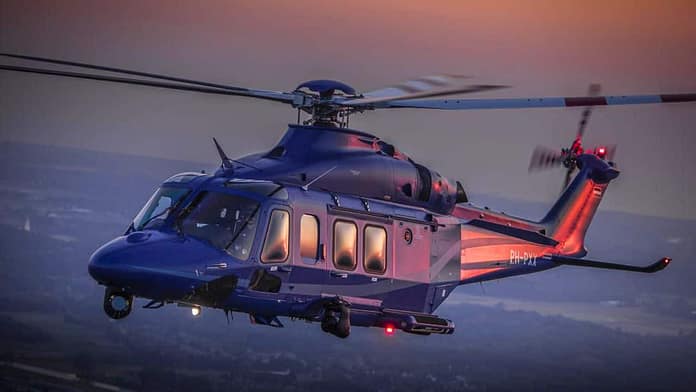
Indian Navy Helicopter Lease: Indian Navy has taken a big and important step to meet the lack of utility helicopters. Naval has first started meeting its operational needs from the Private Sector to Helicopter Lease. Under this step the navy has incorporated the AW139 Utility Helicopter on the "Vet Leage" model. One of these helicopters have been deployed on the East Coast and on the Second Western Coast.

This step is taken at a time when Indian forces Helicopter The lack of long remains. Earlier, the Indian Army has also taken the helicopter lease from private companies by adopting similar models. Now the Navy is trying to meet its needs while moving on the same path. Indian Navy Helicopter Lease

Indian Navy Helicopter Lease: What is Wet Lez

Naval The helicopter has taken from a private operator company, which will also operate and maintain them. It is called Weight Lease, which also consists of Pilot, Maintenance and Support Staff with Helicopter. The navy of long waits without this model immediately gets operational capacity.

फरवरी 2026 की शुरुआत में इन हेलीकॉप्टरों में से एक ने पूर्वी समुद्री क्षेत्र में उड़ान भरनी शुरू कर दी है। यह हेलीकॉप्टर यूटिलिटी रोल में इस्तेमाल किया जा रहा है, जिसमें लॉजिस्टिक्स सपोर्ट, कम्युनिकेशन, मेडिकल इवैक्यूएशन और सर्च ऑपरेशन जैसे काम शामिल हैं। दूसरे हेलीकॉप्टर को पश्चिमी तट पर इसी तरह के कार्यों के लिए तैनात किया गया है। (Indian Navy Helicopter Lease)

2021 में 24 में हेलीकॉप्टर लीज पर लेने की थी तैयारी

नौसेना ने पहले भी साल 2021 में 24 हेलीकॉप्टर लीज पर लेने की योजना बनाई थी। इस योजना में ग्राउंड सपोर्ट, मेंटेनेंस और ट्रेनिंग जैसी सुविधाएं भी शामिल थीं, लेकिन यह प्रोग्राम आगे नहीं बढ़ सका। इसके बाद नौसेना और कोस्ट गार्ड ने एडवांस्ड लाइट हेलीकॉप्टर मार्क-3 (एएलएच एमके3) को शामिल किया, लेकिन हाल के वर्षों में इन हेलीकॉप्टरों के साथ कई हादसे हुए।

इन हादसों में कुल चार हेलीकॉप्टर खो गए, जिनमें से दो मामलों में जान का नुकसान भी हुआ। 5 जनवरी 2025 को हुए एक बड़े हादसे के बाद पूरे एएलएच फ्लीट को कुछ समय के लिए ग्राउंड कर दिया गया था। जांच में एक तकनीकी खराबी सामने आई थी, जिसके बाद इस फ्लीट की उड़ान पर असर पड़ा। (Indian Navy Helicopter Lease)

सी किंग पड़ चुके हैं पुराने

इस बीच पुराने हेलीकॉप्टर जैसे अलुएट-3 और C King भी धीरे-धीरे सेवा से बाहर हो रहे हैं। नए हेलीकॉप्टरों की डिलीवरी में समय लग रहा है, जिससे नौसेना के सामने ऑपरेशनल गैप की स्थिति बन गई। इसी वजह से लीज मॉडल को फिर से अपनाया गया है।

नौसेना द्वारा लिए गए AW139 हेलीकॉप्टर सिविल एविएशन नियमों के तहत ऑपरेट किए जाएंगे। इसके लिए डायरेक्टरेट जनरल ऑफ सिविल एविएशन यानी डीजीसीए द्वारा तय स्टैंडर्ड ऑपरेटिंग प्रोसीजर के अनुसार काम किया जाएगा। इन हेलीकॉप्टरों का उपयोग तटीय इलाकों, जहाजों और ऑफशोर एसेट्स के बीच आवाजाही के लिए किया जाएगा।

हालांकि इन हेलीकॉप्टरों में कुछ सीमाएं भी हैं। इनमें रेस्क्यू विंच और ब्लेड फोल्डिंग की सुविधा नहीं है, जिसकी वजह से इन्हें जहाजों पर सीधे ऑपरेशन के लिए सीमित रूप से इस्तेमाल किया जा सकेगा। ऐसे में इनका उपयोग मुख्य रूप से ट्रांजिट और सपोर्ट मिशन के लिए किया जाएगा। (Indian Navy Helicopter Lease)

लियोनार्डो के AW139 को चुना

इस लीज प्रक्रिया के लिए ईस्टर्न नेवल कमांड और वेस्टर्न नेवल कमांड ने टेंडर जारी किया था। इसमें दो भारतीय कंपनियों को शॉर्टलिस्ट किया गया था। प्रतिस्पर्धा के बाद लियोनार्डो कंपनी के AW139 हेलीकॉप्टर को चुना गया, जिसने एयरबस डॉफिन N3 हेलीकॉप्टर को पीछे छोड़ा।

भारत में रक्षा खरीद प्रक्रिया के तहत हेलीकॉप्टर लीज करने का प्रावधान डीएपी 2020 में शामिल किया गया है। इसके जरिए सेना और नौसेना जैसी सेवाएं अपनी तत्काल जरूरतों को तेजी से पूरा कर सकती हैं। इसी मॉडल पर भारतीय सेना पहले से ही उत्तरी कमान में हेलीकॉप्टरों का इस्तेमाल कर रही है।

वर्तमान में सेना के पास AS350 B3 और बेल 407 जैसे हल्के हेलीकॉप्टर प्राइवेट कंपनियों से लीज पर लिए गए हैं, जिनका इस्तेमाल कठिन इलाकों में लॉजिस्टिक्स और कम्युनिकेशन के लिए किया जा रहा है। अब नौसेना ने भी इसी तरह का मॉडल अपनाकर अपनी ऑपरेशनल जरूरतों को पूरा करने की दिशा में कदम बढ़ाया है। (Indian Navy Helicopter Lease)

यूटिलिटी हेलीकॉप्टर-मैरीटाइम में है देरी

भारतीय नौसेना द्वारा हेलीकॉप्टर की कमी को पूरा करने के लिए प्राइवेट कंपनियों से चॉपर लीज पर लेने के बीच एक और अहम अपडेट सामने आया है। सेंटरम इलेक्ट्रॉनिक्स को हिंदुस्तान एयरोनॉटिक्स लिमिटेड यानी एचएएल से लगभग 66 करोड़ रुपये का ऑर्डर मिला है। यह ऑर्डर यूटिलिटी हेलीकॉप्टर-मैरीटाइम यानी यूएच-एम के लिए एईएसए रडार के डिजाइन और डेवलपमेंट से जुड़ा है, जिसे अगले दो साल में पूरा किया जाना है।

एईएसए रडार एक आधुनिक रडार तकनीक है, जो एक साथ कई टारगेट को ट्रैक करने और ज्यादा सटीक जानकारी देता है। इस रडार का इस्तेमाल यूएच-एम हेलीकॉप्टर में किया जाएगा, जो भविष्य में नौसेना के लिए एक महत्वपूर्ण प्लेटफॉर्म माना जा रहा है।

हालांकि, इस ऑर्डर से यह भी साफ संकेत मिलता है कि यूएच-एम प्रोग्राम अभी शुरुआती चरण में है। रडार के डेवलपमेंट में ही दो साल लगने हैं, इसके बाद हेलीकॉप्टर में इंटीग्रेशन, टेस्टिंग और सर्टिफिकेशन की प्रक्रिया भी होगी। ऐसे में इस हेलीकॉप्टर के ऑपरेशनल रूप से शामिल होने में अभी करीब 4 से 5 साल का समय लग सकता है। यही वजह है कि फिलहाल नौसेना को अपनी तत्काल जरूरतों को पूरा करने के लिए लीज मॉडल का सहारा लेना पड़ रहा है। (Indian Navy Helicopter Lease)

The Indian Army needs the new ‘Drone Interception System’, the Swarm Attack has to deal with the preparation, released the RFI

Military Drone Security Framework

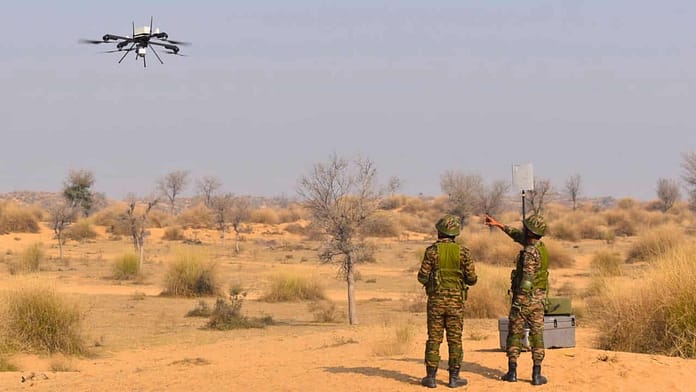
Drone Interception System RFI: Indian Army is now preparing to buy Drone Interception System. Army Air Defense Wing has released an important request for information i.e. RFI while taking lessons from Russia-Ukraine corrosion. In which information has been sought from companies for purchase of drone interception systems. This system will be specially designed to deal with small and low radar signature drones and UAS i.e. unmanned aerial systems. The threat of drones and self-arm attack in recent times is rapidly elongated, so the army is now looking for systems that can directly combat these threats. (Drone Interception System RFI)

Drone Interception System RFI: What is it RFI and why?

it RFI The Army is issued by the Air Defence Directorate and has to raise technical and operational information from the motive companies. It is not a final purchase process, but is considered the first stage of preparation of the forward tender and trial. It has been cleaned that the government can change or cancel this process anytime and the entire process will proceed under the rules of DAP 2020. (Drone Interception System RFI)

Complete network in three parts

Drone to this proposed system Interception The system is called DIS. This will be a system that can prevent the enemy drones in air and destroy them. It will have three main parts, including a drone sensor, a ground control station, and four drone interceptors. The entire system will work together through these three parts and will work as a whole of the enemy drones to eliminate it. (Drone Interception System RFI)

Drone sensor: 360 degree monitor on the sky

The drone sensor will be the most important part of this system. This sensor will be based on electronically scanned Array technology. Its work must be monitored in every direction in the sky and simultaneously identify, track, and prioritize at least 20 drones. This sensor will also hold very small drones from several kilometres away and will give details of their location, direction and height. (Drone Interception System RFI)

Ground control station: complete operation control from the same

This information will then be reached to the ground control station. This station will be a kind of control center, which will have a laptop or tablet based system. All the necessary information to the operator will appear in real time. This station will command the drone interceptor and reach him to the target. It will also facilitate data recording, allowing complete analysis after the mission. This station will be easily moved from one place to another and can be deployed quickly in the field. (Drone Interception System RFI)

Drone Interceptor: Eating the enemy itself in the air

The drone interceptor will be the most active part of this whole system. It will be a special drone that will eliminate the enemy drones in the air itself. There will be two kinds of capacity, one canetic i.e. straight-collision, dropping the enemy drone and destroying it through another high-explosive i.e. explosion. This interceptor will be fully automatic and will work on fire and forward technology. i. It will attack itself by reaching the goal once it is launched.

Prepared for deployment in every terrain

The system is being designed in such a manner that it can work in every Indian terrain. Whether the desert is, the hill is Ilaka, the area near the sea or the terrain with height, everywhere this system will be able to work. It will have the ability to run minus 20 degrees to plus 45 degrees of temperature and also work in a moisture environment. (Drone Interception System RFI)

Integration from the sky

A special part of this system is that it is an existing air defense system and AIR As a network can be connected. This will give the Army integrated command and control and all the systems will be able to work faster by joining themselves. There will also be anti-jamming capability, so that the system will work correctly even if the enemy try electronic jamming.

Role of Software and AI

The software used in it will be completely indigenous and it is also likely to integrate technology like Artificial Intelligence in the future. The system will also feature data storage, allowing a month to secure data and subsequently use it for training or analysis.

Emphasis on indigenous technology

सेना ने इस आरएफआई में कंपनियों के लिए कुछ शर्तें भी रखी हैं। इसमें कहा गया है कि कम से कम 50 प्रतिशत हिस्सा स्वदेशी होना चाहिए। यानी सिस्टम में इस्तेमाल होने वाले उपकरण, सॉफ्टवेयर और कंपोनेंट भारत में बने होने चाहिए। यह आत्मनिर्भर भारत की दिशा में एक बड़ा कदम माना जा रहा है।

कंपनियों को अपनी जानकारी 25 मार्च तक जमा करनी होगी। इसके बाद सेना इन प्रस्तावों का अध्ययन करेगी और आगे की प्रक्रिया शुरू की जाएगी। इसमें ट्रायल, टेक्निकल इवैल्यूएशन और कॉन्ट्रैक्ट नेगोशिएशन जैसे कई चरण शामिल होंगे।

इस पूरी प्रक्रिया में स्टार्टअप और एमएसएमई कंपनियों को भी मौका दिया जा रहा है। छोटे उद्यमों के लिए कुछ वित्तीय शर्तों में छूट भी दी गई है, ताकि ज्यादा से ज्यादा भारतीय कंपनियां इसमें भाग ले सकें। (Drone Interception System RFI)

बढ़ते ड्रोन खतरे के बीच अहम पहल

इस सिस्टम की जरूरत इसलिए महसूस की जा रही है क्योंकि आधुनिक युद्ध में ड्रोन का इस्तेमाल तेजी से बढ़ा है। छोटे ड्रोन भी अब बड़े नुकसान पहुंचा सकते हैं और Swarm अटैक यानी एक साथ कई ड्रोन के हमले को रोकना एक बड़ी चुनौती बन चुका है। ऐसे में यह ड्रोन इंटरसेप्शन सिस्टम सेना की सुरक्षा क्षमता को मजबूत करने की दिशा में एक महत्वपूर्ण पहल माना जा रहा है। (Drone Interception System RFI)

Proposals sought for Indian Navy, Indigenous 30MM Naval Gun, preparing to strengthen ‘Close-in Defence’ in Samandar

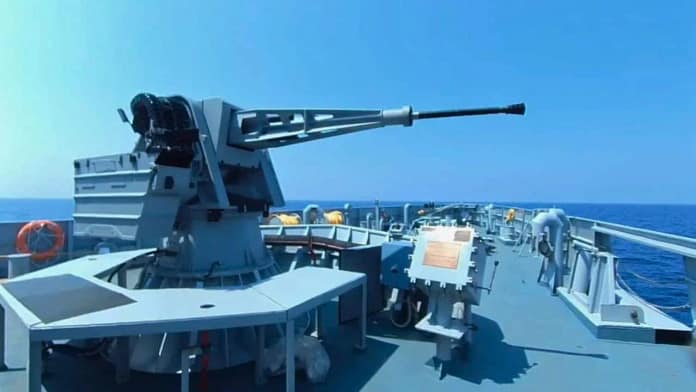
Indian Navy 30mm Naval Gun India

30mm Naval Gun India: India is now taking a big step towards its strength and increase in the sea. Under the Ministry of Defence, the Indian Navy has asked the country companies to come forward to creating a certain Wayne System Naval Surface Gun (NSG). An official document for this has been issued, called "Expression of Interest" i.e. EOI. Indian Navy Even Before EOI Continued. But it is released again.

Understand in simple language, the government wants to know which companies in the country can create a modern 30mm Naval Surface Gun and an electro-optical fire control system connected with it. If companies are found eligible, they will be given a chance to develop this system.

This step is so special because now India is slowly moving towards making such weapons themselves, which were previously purchased from abroad. 30mm Naval Gun India

30mm Naval Gun India: What 30mm Naval Gun System?

This is a weapon, which is the warship of the sea. Naval शिप पर लगाया जाता है। इसका काम बहुत पास से आने वाले खतरे को तुरंत निशाना बनाना होता है। आज के समय में खतरे सिर्फ बड़े युद्धपोत या मिसाइल नहीं हैं। अब छोटे ड्रोन, तेज स्पीड वाली नावें, और पानी के नीचे छिपकर हमला करने वाले लोग भी बड़ा खतरा बन चुके हैं। ऐसे में इस तरह की गन बहुत काम आती है।

इस गन के साथ एक खास सिस्टम जोड़ा जाएगा, जिसे इलेक्ट्रो-ऑप्टिकल फायर कंट्रोल सिस्टम (EOFCS) कहा जाता है। यह सिस्टम कैमरा, सेंसर और कंप्यूटर की मदद से टारगेट को पहचानता है और सटीक निशाना लगाने में मदद करता है। यानी यह सिर्फ एक बंदूक नहीं होगी, बल्कि एक पूरा स्मार्ट सिस्टम होगा जो खुद टारगेट को पहचानकर उस पर हमला कर सकेगा। (30mm Naval Gun India)

यह 30 एमएम गन जहाजों की नजदीकी रक्षा यानी क्लोज-इन वेपन सिस्टम का हथियार है। यह ड्रोन, तेज हमलावर नावें (फास्ट अटैक क्राफ्ट), स्विमिंग डाइवर्स और असिमेट्रिक खतरों को 3-5 किमी के अंदर मार गिराएगी। नौसेना के छोटे जहाजों (ओपीवी, एफएसी) पर मुख्य हथियार और बड़े जहाजों (डिस्ट्रॉयर, फ्रिगेट) पर बैकअप बनेगी। (30mm Naval Gun India)

यह प्रोजेक्ट क्यों है गेमचेंजर

आज का युद्ध पहले जैसा नहीं रहा। अब दुश्मन बड़े जहाज या मिसाइल ही नहीं, बल्कि छोटे-छोटे ड्रोन और तेज स्पीड वाली नावों (स्विफ्ट क्राफ्ट) से भी हमला करता है। रेड सी जैसे इलाकों में हाल के हमलों ने साफ दिखा दिया है कि पास से आने वाले इन खतरों को रोकने के लिए मजबूत क्लोज-इन डिफेंस सिस्टम कितना जरूरी है।

अब तक भारत जिन 30 मिमी गन का इस्तेमाल करता था, वे या तो बाहर से खरीदी गई थीं या उनकी क्षमता सीमित थी। लेकिन नई स्वदेशी 30 मिमी नेवल सरफेस गन के साथ EOFCS सिस्टम कई मामलों में ज्यादा आधुनिक और असरदार होगी। (30mm Naval Gun India)

यह सिस्टम रडार जामिंग की स्थिति में भी काम कर सकेगा, क्योंकि इसमें कैमरा और सेंसर आधारित टारगेटिंग होगी। इसका मतलब है कि दुश्मन अगर इलेक्ट्रॉनिक जामिंग भी करे, तब भी यह गन अपना काम जारी रखेगी।

यह गन पूरी तरह स्टेबलाइज्ड होगी, यानी समुद्र की तेज लहरों के बीच भी निशाना सटीक रहेगा। साथ ही यह नेटवर्क्ड सिस्टम होगा, जिससे जहाज अकेले नहीं, बल्कि पूरी फ्लीट एक साथ जुड़कर ऑपरेशन कर सकेगी।

यह सिस्टम जहाज के कॉम्बैट मैनेजमेंट सिस्टम (CMS) से जुड़ा होगा, जिससे पूरे जहाज के हथियार और सेंसर एक साथ काम करेंगे। गन की फायरिंग स्पीड तेज होगी और इसमें ऐसे गोला-बारूद का इस्तेमाल होगा जो टारगेट के पास जाकर फट सके (प्रॉक्सिमिटी फ्यूज)। इसे पूरी तरह समुद्री माहौल के हिसाब से बनाया जाएगा, यानी नमकीन पानी, झटकों, कंपन और -20°C से +55° से. तक के तापमान में भी यह सही काम करेगा। (30mm Naval Gun India)

साथ ही इसका रखरखाव आसान होना चाहिए, ताकि जरूरत पड़ने पर इसे मौके पर ही ठीक किया जा सके। इसमें रिमोट कंट्रोल, मैनुअल और ऑटो – तीनों मोड होंगे, यानी जरूरत के हिसाब से इसे अलग-अलग तरीके से चलाया जा सकेगा।

नौसेना को इस प्रोजेक्ट के तहत करीब 97 सिस्टम मिलने की संभावना है, जिससे दर्जनों युद्धपोतों की ताकत बढ़ेगी। साथ ही एमएसएमई और स्टार्टअप कंपनियों को भी इसमें हिस्सा लेने का मौका मिलेगा। योजना के अनुसार, सबसे कम कीमत देने वाली कंपनी (L1) को ज्यादा सिस्टम मिलेंगे, जबकि दूसरी कंपनियों (L2/L3) को भी मौका दिया जाएगा अगर वे कीमत मैच करें। सफल कंपनी को आधिकारिक सर्टिफिकेट भी मिलेगा, जो आगे के प्रोजेक्ट्स में काम आएगा। (30mm Naval Gun India)

‘मेक-II’ कैटेगरी के तहत प्रोजेक्ट

इस ईओआई का मुख्य उद्देश्य देश की कंपनियों को मौका देना है। नौसेना यह देखना चाहती है कि कौन-सी भारतीय कंपनी इस प्रोजेक्ट को संभाल सकती है। जो कंपनियां इस ईओआई का जवाब देंगी, उनमें से कुछ को चुना जाएगा और फिर उन्हें इस सिस्टम का प्रोटोटाइप यानी शुरुआती मॉडल बनाने का काम दिया जाएगा।

दिलचस्प बात यह है कि अगर सिर्फ एक कंपनी भी सभी शर्तें पूरी करती है, तो भी प्रोजेक्ट आगे बढ़ाया जाएगा। यानी सरकार इस काम में देरी नहीं करना चाहती।

यह प्रोजेक्ट “मेक-II” कैटेगरी के तहत किया जा रहा है। आसान भाषा में इसका मतलब है कि कंपनियां पहले अपने खर्च पर इस सिस्टम का प्रोटोटाइप बनाएंगी। अगर वह सफल रहता है, तो नौसेना बाद में उसी सिस्टम को खरीद सकती है। यह खरीद “बाय (इंडियन-IDDM)” कैटेगरी के तहत होगी, जिसमें पूरी तरह भारतीय डिजाइन और निर्माण को प्राथमिकता दी जाती है। इससे सरकार का पैसा भी बचता है और कंपनियों को इनोवेशन करने का मौका भी मिलता है। (30mm Naval Gun India)

इस प्रोजेक्ट की सबसे अहम शर्तों में से एक है इंडिजिनस कंटेंट (IC) यानी स्वदेशी हिस्सेदारी। इस गन सिस्टम का कम से कम 60 प्रतिशत हिस्सा भारत में बना होना चाहिए। बाद में यह बढ़ाकर 70 प्रतिशत तक करना होगा। सिर्फ इतना ही नहीं, इस स्वदेशी हिस्से का कम से कम आधा भाग भारत में बने मटेरियल, पार्ट्स या सॉफ्टवेयर से होना चाहिए। वहीं, यह नियम सिर्फ गन तक सीमित नहीं है, बल्कि इसके स्पेयर पार्ट्स, मेंटेनेंस टूल्स और टेस्टिंग इक्विपमेंट पर भी लागू होगा। सरकार की योजना है कि इस प्रोजेक्ट के जरिए पूरी सप्लाई चेन को देश के अंदर ही विकसित किया जाए। (30mm Naval Gun India)

विदेशी कंपनियों की क्या होगी भूमिका?

इस प्रोजेक्ट में विदेशी कंपनियां सीधे हिस्सा नहीं ले सकतीं, लेकिन वे भारतीय कंपनियों के साथ टेक्नोलॉजी पार्टनर के रूप में जुड़ सकती हैं। अगर कोई भारतीय कंपनी किसी विदेशी कंपनी से तकनीक लेती है, तो उसे साफ-साफ बताना होगा कि कौन-सी तकनीक ली जा रही है और उसमें स्वदेशी हिस्सेदारी का योगदान कितना है। साथ ही, बिना भारत सरकार की अनुमति के इस सिस्टम के किसी भी हिस्से की जांच या ऑडिट कोई विदेशी एजेंसी नहीं कर सकती। यह नियम सुरक्षा को ध्यान में रखते हुए रखा गया है। (30mm Naval Gun India)

कैसे होगा कंपनियों का चयन?

जो कंपनियां इस प्रोजेक्ट में हिस्सा लेना चाहती हैं, उन्हें अपने बारे में पूरी जानकारी देनी होगी। इसमें उनकी तकनीकी क्षमता, वित्तीय स्थिति, पहले किए गए प्रोजेक्ट और मैन्युफैक्चरिंग अनुभव शामिल होंगे। नौसेना इन सभी पहलुओं के आधार पर कंपनियों का मूल्यांकन करेगी और फिर कुछ कंपनियों को आगे के चरण के लिए चुनेगी। इसके बाद प्रोटोटाइप बनाया जाएगा, उसका परीक्षण होगा और सफल होने पर बड़े स्तर पर उत्पादन शुरू किया जाएगा। (30mm Naval Gun India)

भारत फोर्ज बना रही है 30 एमएम और 75 एमएम नेवल गन

भारत फोर्ज भी भारतीय नौसेना के लिए 30 मिमी और 75 मिमी नेवल गन बना रही है। कंपनी का लक्ष्य है कि ये गन 2026 के अंत तक या 2027 तक टेस्ट होकर तैयार हो जाएं। भारत फोर्ज पुणे में अपने प्लांट में इन गन्स पर काम कर रही है। यह पहली बार होगा जब इस तरह की आधुनिक नेवल गन पूरी तरह भारत में डिजाइन और बनाई जाएगी।

30 मिमी गन छोटी दूरी के खतरों के लिए है। जैसे ड्रोन, तेज नावें या समुद्र में अचानक हमला करने वाले छोटे टारगेट। यह करीब 3 से 5 किलोमीटर के दायरे में दुश्मन को निशाना बना सकती है।

75/76 मिमी गन इससे बड़ी होती है और जहाजों पर मुख्य हथियार के तौर पर इस्तेमाल होती है। अभी भारत ज्यादातर ऐसी गन बाहर से लेता है, लेकिन यह नई गन उस कमी को पूरा कर सकती है। (30mm Naval Gun India)

इन गन्स को इस तरह बनाया जा रहा है कि ये समुद्र की तेज लहरों में भी सही निशाना लगा सकें। यानी जहाज हिल रहा हो, फिर भी फायरिंग सटीक होगी। इनमें इलेक्ट्रो-ऑप्टिकल सिस्टम भी जोड़ा जाएगा, जिससे दिन और रात दोनों समय टारगेट को आसानी से देखा और निशाना बनाया जा सकेगा। अगर दुश्मन रडार को जाम कर दे, तब भी यह सिस्टम काम करेगा। इनका फायरिंग स्पीड भी तेज होगा, जिससे कम समय में ज्यादा फायर किया जा सकेगा। साथ ही इसमें अलग-अलग तरह के गोला-बारूद जैसे हाई एक्सप्लोसिव और आर्मर पियर्सिंग इस्तेमाल किए जा सकेंगे। सबसे अहम बात यह है कि इन गन्स में 70% से ज्यादा हिस्सा भारत में ही बनाया जा रहा है। (30mm Naval Gun India)

From the start of delivery of Tejas Mk1A, HAL received great relief, Air Force gave the ‘Special’ discount in the given conditions

Mk1A Delivery
File Photo

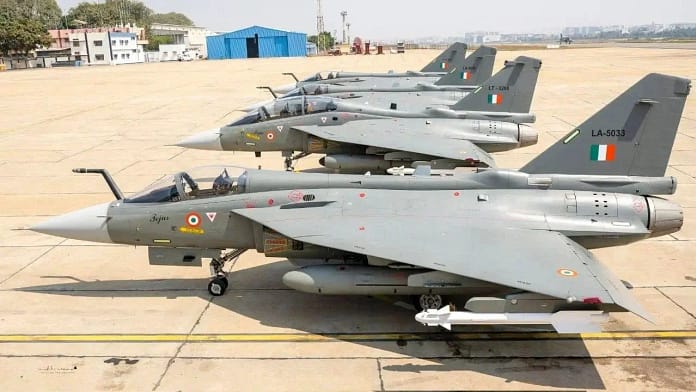
Tejas Mk1A Delivery: India’s Indigenous Combat Aircraft has made a big decision government on delivery of Tejas MK1A. Ministry of Defence and Indian Air Force has decided to exempt Hindustan Aeronautics Limited in certain conditions, so that the delivery of this Ahma Fighter Jet may begin soon.

While the most important thing in this whole decision is that no compromise will be made on the main ie "mast-hav" capabilities of the aircraft. I.e. the strength and combat ability of Tejas MK1A will be fully intact. Mk1A Delivery

Tejas Mk1A Delivery: Big decision taken after delay

Fastness MK1A program is one of the most important defense projects in India. But for the last few years, its delivery continued. It was expected that in 2024-25, the aircraft will begin to meet the air force, but it is now time bound to rise further than March 2026.

There were many reasons behind this delay. The biggest problem is the GE to come from the US F404 Delaying engine supply. Also, advanced systems like AESA radar, electronic warfare suits and weapons integrations also took time.

Considering the same reasons, the Government and the Air Force have now decided that some non-poisonous or less important work can be accomplished even later, but the aircraft will be included with the necessary capabilities. Mk1A Delivery

What’s Got HAL Discounts

Under New Arrangement HAL Relieves certain contract related conditions. This means that if some of the work are rest that the direct bearing does not have on the fighter capacity of the aircraft, the delivery of the aircraft can be started without them.

बताया जा रहा है कि पेंडिंग काम को तीन हिस्सों में बांटा गया है, माइनर, मेजर और नॉट एक्सेप्टेबल। इनमें से माइनर और कुछ मेजर कामों पर छूट दी जा सकती है।

वायुसेना इस बात के लिए तैयार है कि ऐसे विमान को स्वीकार किया जाए जिसमें कुछ काम बाद में पूरे किए जाएं, लेकिन यह छूट सिर्फ उन हिस्सों तक सीमित है जो ऑपरेशनल जरूरतों के लिए जरूरी नहीं हैं। (Tejas Mk1A Delivery)

किन चीजों पर कोई समझौता नहीं

इस पूरे फैसले का सबसे अहम हिस्सा यह है कि कुछ क्षमताओं को पूरी तरह जरूरी माना गया है। इनके बिना कोई भी विमान स्वीकार नहीं किया जाएगा।

इनमें सबसे पहले आता है मिसाइल फायरिंग ट्रायल्स। यानी विमान को अपने हथियारों का सही तरीके से इस्तेमाल करना आना चाहिए। (Tejas Mk1A Delivery)

दूसरा, रडार और इलेक्ट्रॉनिक वारफेयर सिस्टम का सही इंटीग्रेशन। यह आधुनिक युद्ध में बेहद जरूरी है, क्योंकि इससे विमान दुश्मन के रडार और मिसाइल से बच सकता है।

तीसरा, पूरा वेपन पैकेज। यानी विमान पर लगाए जाने वाले सभी हथियार सिस्टम पूरी तरह काम करने चाहिए।

इन तीनों को “नॉन-कॉम्प्रोमाइज” कैटेगरी में रखा गया है। यानी इन पर किसी भी तरह की छूट नहीं दी जाएगी। (Tejas Mk1A Delivery)

एचएएल की क्या है डिलीवरी की तैयारी

एचएएल का कहना है कि वह डिलीवरी शुरू करने के लिए तैयार है। कंपनी के अनुसार पांच तेजस एमके1ए विमान पूरी तरह तैयार हैं और इनमें सभी जरूरी क्षमताएं शामिल हैं।

इसके अलावा नौ और विमान बनाए जा चुके हैं, लेकिन वे इंजन मिलने का इंतजार कर रहे हैं।

एचएएल का यह भी कहना है कि जो देरी हुई है, वह सिर्फ मैन्युफैक्चरिंग की वजह से नहीं है, बल्कि डिजाइन और डेवलपमेंट से जुड़े कुछ काम अभी पूरे होने बाकी हैं, जिनमें एरोनॉटिकल डेवलपमेंट एजेंसी की भूमिका भी है। (Tejas Mk1A Delivery)

इससे पहले दिसंबर 2025 में इस पूरे प्रोजेक्ट की समीक्षा के लिए एक अहम बैठक हुई थी, जिसमें एचएएल ने अलग-अलग सिस्टम्स को पूरा करने के लिए टाइमलाइन दी थी।

अब अप्रैल 2026 में एक और बड़ी रिव्यू मीटिंग होने की संभावना है, जिसमें यह देखा जाएगा कि कितनी प्रगति हुई है।

इसके बाद मई 2026 में वायुसेना इस प्रोजेक्ट का व्यापक मूल्यांकन करेगी। अगर सब कुछ तय योजना के अनुसार रहा, तो 2026-27 के मध्य तक तेजस एमके1ए की डिलीवरी शुरू हो सकती है। (Tejas Mk1A Delivery)

वायुसेना के लिए क्यों जरूरी है तेजस

भारतीय वायुसेना इस समय स्क्वाड्रन की कमी से जूझ रही है। पुराने मिग-21 जैसे विमान तेजी से रिटायर हो रहे हैं, जिससे फाइटर स्क्वाड्रन की संख्या घट रही है।

ऐसे में तेजस एमके1ए एक अहम भूमिका निभाने वाला है। यह 4.5 जनरेशन का आधुनिक फाइटर जेट है, जिसमें एडवांस्ड रडार, इलेक्ट्रॉनिक वारफेयर सिस्टम और एयर-टू-एयर रिफ्यूलिंग जैसी क्षमताएं हैं।

यह न सिर्फ वायुसेना की ताकत बढ़ाएगा, बल्कि भारत की आत्मनिर्भरता को भी मजबूत करेगा। (Tejas Mk1A Delivery)

180 विमानों का बड़ा ऑर्डर

भारत ने तेजस एमके1ए के लिए कुल 180 विमानों का ऑर्डर दिया है। इसमें पहला कॉन्ट्रैक्ट 83 विमानों का 2021 में हुआ था, जिसकी कीमत करीब 48,000 करोड़ रुपये थी।

इसके बाद 2025 में 97 और विमानों का ऑर्डर दिया गया, जिसकी कीमत लगभग 62,000 करोड़ रुपये से ज्यादा है। यह भारत के डिफेंस सेक्टर में सबसे बड़े स्वदेशी ऑर्डर्स में से एक है। (Tejas Mk1A Delivery)

What is the Indian Navy’s Continuous Drill? The heart of foreign guests won in MILAN 2026

Indian Navy Continuity Drill MILAN 2026

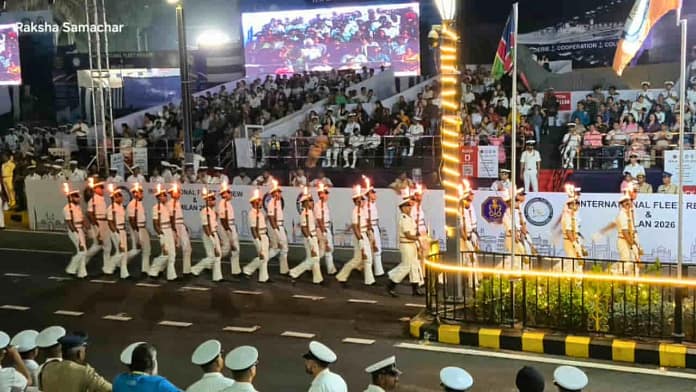
Indian Navy Continuity Drill: The evening between the R of Visakhapatnam got a different look. Thousands of people raised in the International City Parade held on the spot of the inauguration of Miln Exercise 2026. On the side of the sea when the Indian Navy’s Continuous Drill began, the viewer standing there in a few moments entangled the entire atmosphere with the rhythms and enthusiasm.

Indian Navy Continuity Drill: What Is Continuous Drill?

Continuity Drill Indian Naval Have a special welder drill. It is considered different from ordinary March or general parade. It has extremely accurate and uniform movements with Sellers Rifle. The special thing is that no verbal command is given in the middle after the drill starts. The entire drill is run without stopping and continuously. That is why it is called the drill of the continuation of the "continuity".

This drill usually consists of 24 or more sailors together. They practice by applying Beyonet with .22 Rifle Rifle. All cells stand so close that even a small mistake can spoil the whole drill. But when this team drills, every movement seems like the same body is working. Indian Navy Continuity Drill

Rifle The sound of falling on the ground, the uniform of the shoes, and the sound of the click of the arms creates a different rhythm. That is why it is also called "Drill with Thrill". It shows both with adventures and discipline. Indian Navy Continuity Drill

Why is the center of attraction made on RK?

Visakhapatnam Eastern novice is the headquarters of Command. Several important units of the Navy are deployed here. In such that when the International City Parade was held, the Naval Continuous Drill naturally became the biggest attraction.

Milan is taking part of the delegation and navy of 74 countries in 2026. This presentation of the Indian Navy on such an international platform was the performance of the professional capacity and training of the country. Foreign representatives also watch this drill with great attention. Indian Navy Continuity Drill

Manuver thrilled to the audience

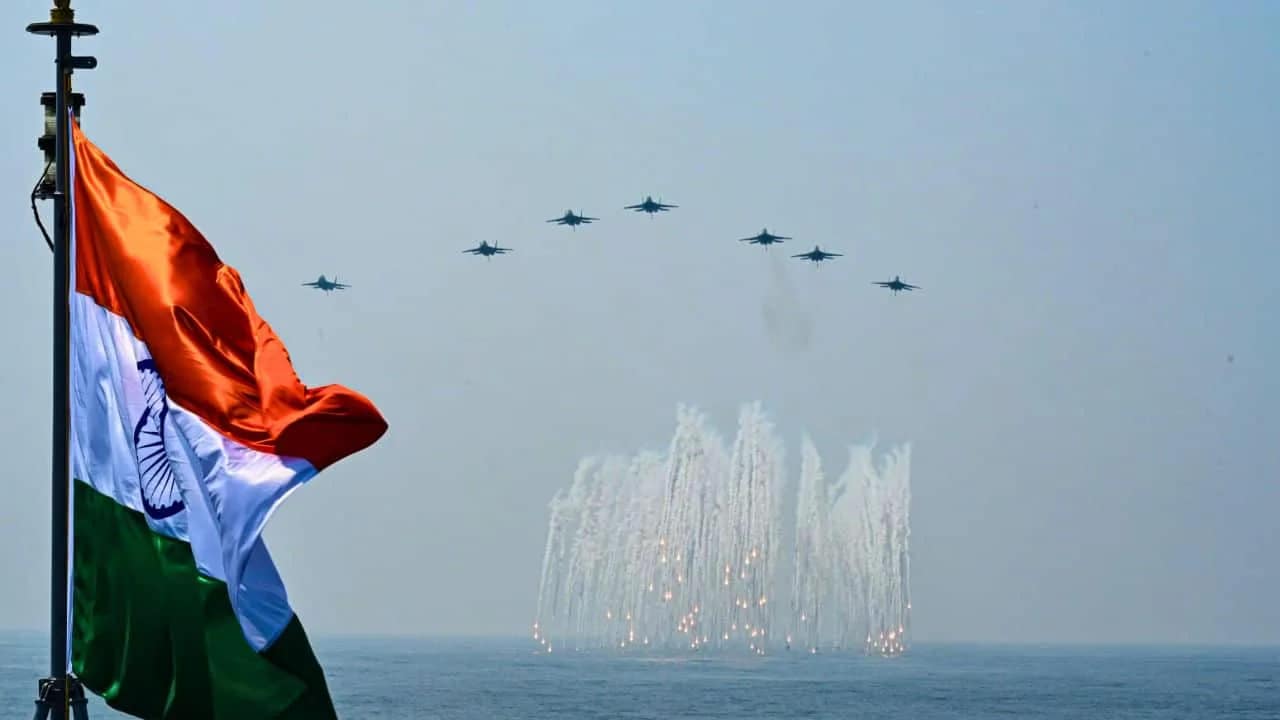
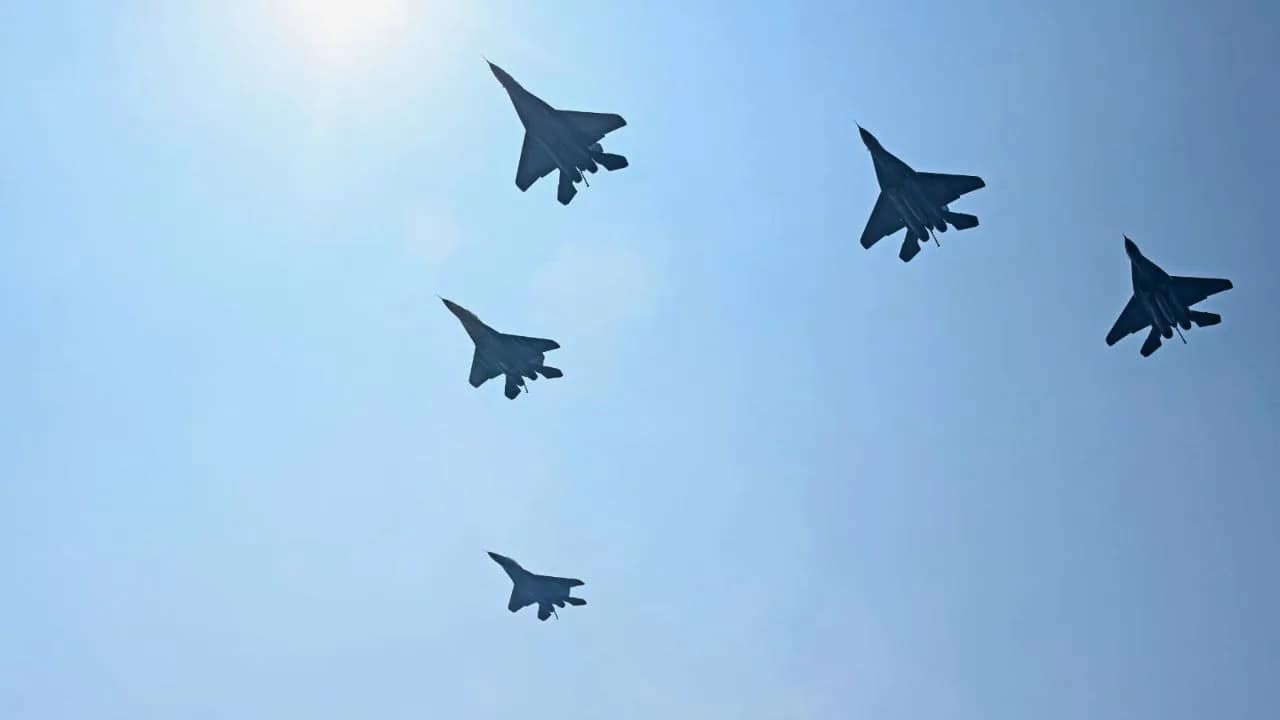
The program started with the arrival of the main guest. The atmosphere with Vande Machram and National Anthem filled with patriotism. Next the banner FlyPaste and Ariel demo created adventures in the sky. Fighter Jets and Helicopters synchronized delivers over Bay of Bengal. MH-60R Helicopter’s Breakout Manuver and Bomb Burst demo thrilled the audience.

Flypaste of Dornier, Coast Guard Aircraft and P-8I Marytime Petrol Aircraft showed naval air strength. The Combat Manuver of Search and Rescue Demo, Stething Operation and Marine Commandos glimpses operational preparations. Indian Navy Continuity Drill

The world undergoing uncertainty

Naval Heads During Parade Admiral Dinesh’s Tripathi said Millan 2026 is a historical event. He welcomed representatives from 74 countries and thanked the people of Andhra Pradesh and Visakhapatnam.

He said that this event is not just a military performance, but a symbol of friendship and cooperation. When different countries’ navys come on a platform, mutual trust increases. He also said that India and Indian Navy are committed to keeping the seas safe, free and open. Indian Navy Continuity Drill

Admiral Tripathi said that today the world is undergoing uncertainty. Many types of challenges are in front. India and Indian Navy are committed to keeping the seas safe, free and open for all together with their partner countries. He mentioned the Prime Minister’s idea that when the global ocean is busted, the world looks towards a stable and dependable lighthouse. India is ready to play that role. Indian Navy Continuity Drill

Admiral Tripathi said Milton As events are important, these bring together the navy of different countries. Whether there is a joint exercise in the sea or as a way of today, the events strengthen mutual trust and rapport. Indian Navy Continuity Drill

The light will wake up warship

As soon as the sun began to collapse, the sea anchored warships risen from the lights. The illumination of the vessels standing on the anchorage turned the sea into the city of shining. Next fireworks, laser shows and drone shows filled the sky with colors. Indian Navy Continuity Drill

MILAN 2026: Larger message of Defence Minister among 74 countries, can’t lonely deal with marine challenges. No country

MILAN 2026 Maritime Security

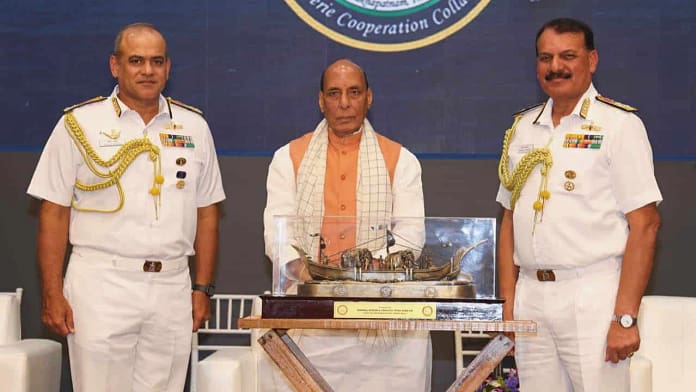
MILAN 2026 Maritime Security: Defence Minister Rajnath Singh said in the clean words on Thursday that today the challenges associated with the sea are more complicated than ever. In such times, the countries of the world have to work together. He addressed the navy chiefs and delegations from 74 countries, saying that maritime security is no longer an issue of a country, but it is the shared responsibility of the whole world.

MILAN 2026 Maritime Security: Enhanced thunderstorms with control

Visakhapatnam Multilateral Naval Exercises held in Milton Speaking at the inauguration ceremony of 2026, Defence Minister said that the world’s economy has grown rapidly over the past few decades. International trade and maritime transport have been heavily enlarged. Along with this, the control over marine paths, water pressures and marine channels has also increased. Sometimes it reaches the condition of stress. The mineral wealth that exists under the sea, especially the rare minerals, has increased the attention of the world, creating new types of competition. (MILAN 2026 Maritime Security)

Challenges that are constantly growing for the Navy

He warned that new threats as well as the traditional threats are exposed. Challenges such as maritime robbery, maritime terrism, illegal fishing, trafficking, cyber attack and blockage in the supply chain are constantly increasing. Natural disasters due to climate change are also more frequent and more intense. Humanitarian assistance and disaster relief operations have also become more urgent.

राजनाथ सिंह ने स्पष्ट किया कि कोई भी एक नौसेना, चाहे वह कितनी भी मजबूत क्यों न हो, इन सभी चुनौतियों का अकेले सामना नहीं कर सकती। उन्होंने नौसेनाओं के बीच सहयोग बढ़ाने, सूचना साझा करने और संयुक्त अभ्यास करने की जरूरत पर जोर दिया। (MILAN 2026 Maritime Security)

ग्लोबल नेवल फ्रेमवर्क पर दिया जोर

रक्षा मंत्री ने संयुक्त राष्ट्र समुद्री कानून संधि यानी यूएन कन्वेंशन ऑन द लॉ ऑफ सीज (यूएनसीएलओएस) का जिक्र करते हुए कहा कि अंतरराष्ट्रीय जलक्षेत्र से जुड़े मामलों के समाधान के लिए यह एक मजबूत लीगल फ्रेमवर्क देता है। लेकिन इसे और प्रभावी बनाने के लिए एक व्यापक ग्लोबल नेवल फ्रेमवर्क की जरूरत है। ऐसा फ्रेमवर्क देशों के बीच भरोसा बढ़ाएगा, संचार मार्गों की सुरक्षा सुनिश्चित करेगा और खुले समुद्र में आतंकवाद व अपराध जैसी गतिविधियों को रोकने में मदद करेगा। (MILAN 2026 Maritime Security)

मिलन जैसे प्लेटफॉर्म्स की है जरूरत

रक्षा मंत्री ने कहा कि आज वैश्विक व्यवस्था में बदलाव दिखाई दे रहा है। ऐसे समय में मिलन जैसे प्लेटफॉर्म प्रोफेशनल अनुभव साझा करने, आपसी भरोसा मजबूत करने और मिलकर काम करने की क्षमता बढ़ाने का अवसर देते हैं। जब अलग-अलग देशों के जहाज साथ चलते हैं, नाविक साथ में ट्रेनिंग लेते हैं और कमांडर साथ बैठकर चर्चा करते हैं, तो भौगोलिक और राजनीतिक दूरियां कम हो जाती हैं। (MILAN 2026 Maritime Security)

सागर से महासागर से समुद्री साझेदारी होगी मजबूत

उन्होंने कहा कि भारत लंबे समय से समुद्री सहयोग की जरूरत को समझता रहा है। प्रधानमंत्री नरेंद्र मोदी के विजन ‘सागर’ यानी सिक्योरिटी एंड ग्रोथ फॉर ऑल इन द रीजन से आगे बढ़कर अब ‘महासागर’ यानी म्यूचुअल एंड होलिस्टिक एडवांसमेंट फॉर सिक्योरिटी एंड ग्रोथ अक्रॉस रीजन का विचार सामने आया है। यह दिखाता है कि भारत सिर्फ अपने क्षेत्र तक सीमित नहीं है, बल्कि व्यापक समुद्री साझेदारी को मजबूत करना चाहता है।

Rajnath Singh ने कहाा कि भारत नियमित रूप से मल्टीलेटरल नेवल एक्सरसाइजेज में हिस्सा लेता है। कॉर्डिनेटेड पेट्रोलिंग, एक्सक्लूसिव इकोनॉमिक जोन की निगरानी, हाइड्रोग्राफिक सहायता और चक्रवात जैसी आपदाओं के दौरान राहत कार्यों में भी भारत सक्रिय भूमिका निभाता रहा है। उन्होंने कहा कि भारत एक विश्व-मित्र के रूप में क्षेत्र में रचनात्मक और भरोसेमंद भूमिका निभाता रहेगा। (MILAN 2026 Maritime Security)

उन्होंने मिलन 2026 को वैश्विक समुद्री समुदाय के भारत पर भरोसे का प्रतीक बताया। उन्होंने कहा कि भारत एक ऐसा न्यायपूर्ण समुद्री व्यवस्था स्थापित करना चाहता है जो अंतरराष्ट्रीय कानून और नौवहन की स्वतंत्रता पर आधारित हो। (MILAN 2026 Maritime Security)

नेवी चीफ ने मिलन को बताया समुद्री महाकुंभ

मिलन 2026 उद्घाटन समारोह में नौसेना प्रमुख एडमिरल दिनेश के त्रिपाठी ने भी मिलन को एक समुद्री महाकुंभ बताया। उन्होंने कहा कि यह ऐसा मंच है जहां दुनिया भर के मैरीन प्रोफेशनल्स एक साझा उद्देश्य के साथ इकट्ठा होते हैं। उन्होंने दोहराया कि आज की समुद्री चुनौतियां जटिल और सीमाओं से परे हैं, जिनका समाधान सहयोग और साझेदारी से ही संभव है।

एडमिरल त्रिपाठी ने कहा कि भारतीय नौसेना प्रधानमंत्री के महासागर विजन से प्रेरित है, जो साझेदारी और साझा जिम्मेदारी पर आधारित है। भारतीय नौसेना अपने सभी साझेदार देशों को बराबरी का दर्जा देती है और मानती है कि हर देश अपनी अलग ताकत लेकर आता है। (MILAN 2026 Maritime Security)

बराबरी और साझेदारी की भावना

नौसेना प्रमुख ने कहा कि भारतीय नौसेना अपने सभी समुद्री साझेदारों को बराबरी का दर्जा देती है। हर देश की अपनी खास ताकत होती है – चाहे वह अनुभव हो, भौगोलिक स्थिति हो या तकनीकी क्षमता। जब ये ताकतें एक साथ जुड़ती हैं, तो सामूहिक क्षमता बढ़ती है। इससे बदलती समुद्री चुनौतियों का सामना करने की ताकत भी मजबूत होती है। (MILAN 2026 Maritime Security)

तीन स्तरों पर काम करने की रणनीति

नौसेना प्रमुख ने बताया कि भारतीय नौसेना समुद्री सुरक्षा को मजबूत करने के लिए तीन स्तरों पर काम करती है।

इनमें वैश्विक स्तर पर भारत अपने साझेदार देशों के साथ मिलकर समग्र समुद्री सुरक्षा को बढ़ावा देता है। इसमें कानून व्यवस्था, मानवीय सहायता, पर्यावरण संरक्षण और अंतरराष्ट्रीय नियमों का पालन शामिल है।

वहीं, क्षेत्रीय स्तर पर भारत यह समझता है कि हर इलाके की जरूरत अलग होती है। इसलिए एक ही तरीका हर जगह काम नहीं करता। सहयोग को स्थानीय जरूरतों के अनुसार ढालना जरूरी है।

उन्होंने उदाहरण देते हुए बताया कि पिछले साल भारतीय नौसेना ने ‘इंडियन ओशन शिप सागर’ के रूप में एक जहाज को दक्षिण-पश्चिम हिंद महासागर क्षेत्र में तैनात किया। इसमें नौ देशों के 44 कर्मियों की मिलीजुली टीम शामिल थी। इसका मकसद अनुभव और जिम्मेदारी साझा करना था। (MILAN 2026 Maritime Security)

अब इसी पहल को आगे बढ़ाते हुए ‘आईओएस सागर 2.0’ को इस साल अप्रैल में और बड़े स्तर पर तैनात किया जाएगा।

उन्होंने पिछले साल हुए ‘अफ्रीका–इंडिया की मैरीटाइम एंगेजमेंट’ अभ्यास का भी जिक्र किया। इस अभ्यास में पूर्वी अफ्रीका के देशों के साथ मिलकर व्यावहारिक सहयोग किया गया। इससे यह संदेश गया कि अगर इरादा मजबूत हो तो दूरी कोई बाधा नहीं बनती। (MILAN 2026 Maritime Security)

पड़ोसी देशों के साथ प्राथमिकता

नौसेना प्रमुख ने कहा कि भारत की ‘नेबरहुड फर्स्ट’ यानी पड़ोसी देशों को प्राथमिकता देने की नीति भी समुद्री सुरक्षा में दिखती है। चाहे समन्वित पेट्रोलिंग हो या संकट के समय मानवीय सहायता, भारत हमेशा क्षेत्र में एक भरोसेमंद ‘फर्स्ट रिस्पॉन्डर’ की भूमिका निभाता है। (MILAN 2026 Maritime Security)

दो चरणों में होगी मिलन एक्सरसाइज

मिलन 2026 को दो चरणों में आयोजित किया जा रहा है। पहले चरण यानी हार्बर फेज में प्रोफेशनल डिस्कशंस, अंतरराष्ट्रीय समुद्री सेमिनार, विशेषज्ञों के बीच विचार-विमर्श, सांस्कृतिक कार्यक्रम और शहर भ्रमण जैसी गतिविधियां शामिल हैं। इससे देशों के बीच आपसी समझ और संबंध मजबूत होते हैं।

दूसरे चरण यानी सी फेज में समुद्र में संयुक्त अभ्यास होंगे। इनमें एंटी-सबमरीन वॉरफेयर, एयर डिफेंस, सर्च एंड रेस्क्यू ऑपरेशन और सामरिक अभ्यास शामिल हैं। इन अभ्यासों का मकसद नौसेनाओं के बीच तालमेल और सामूहिक तैयारी को मजबूत करना है। (MILAN 2026 Maritime Security)

नौ एशियान देशों के नौसेना प्रमुखों से मिले रक्षा मंत्री

मिलन के उदघाटन के दौरान रक्षा मंत्री ने नौ एशियान देशों के नौसेना प्रमुखों से भी मुलाकात की। उन्होंने कहा कि एशियान भारत की इंडो-पैसिफिक रणनीति का महत्वपूर्ण स्तंभ है। साझा सुरक्षा ही क्षेत्रीय समृद्धि की नींव है। उन्होंने एशियान देशों को भारत की रक्षा तकनीक और आत्मनिर्भर भारत के तहत विकसित इकोसिस्टम का लाभ उठाने का निमंत्रण दिया।

उन्होंने आईएनएस विक्रांत और विशाखापत्तनम क्लास डिस्ट्रॉयर जैसे जहाजों का उल्लेख करते हुए कहा कि भारत अब “बिल्डर नेवी” बन चुका है। यानी भारत अब सिर्फ जहाज खरीदने वाला देश नहीं, बल्कि खुद डिजाइन और निर्माण करने वाला देश है। (MILAN 2026 Maritime Security)

IFR-Milan 2026: India’s Strategic Worship, India’s Strategic Worship, from INS Vikrant to Invehish from INS Vikrant

IFR-Milan 2026 Indian Navy Strategic Warships

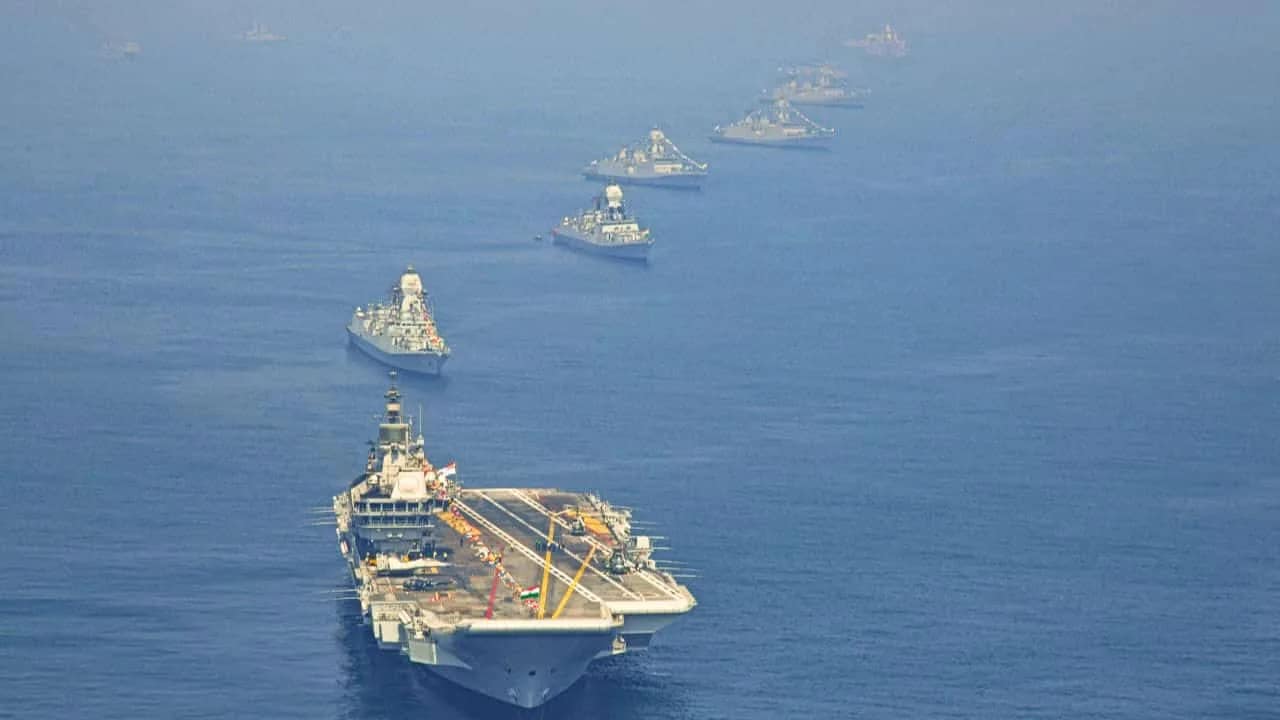
IFR-Milan 2026: On Wednesday Visakhapatnam made the largest witness of the Blue Water Strength of the Indian Navy. The International Fleet Review (IFR) 2026 held on the coast of Visakhapatnam was not just a novice parade, but it was the open performance of India’s marine strength and strategic confidence. This was the first chance after the operation shifter when many of the Indian Navy and the Strategic Warship appeared together in the queue in the world. In many years, there are occasional views.

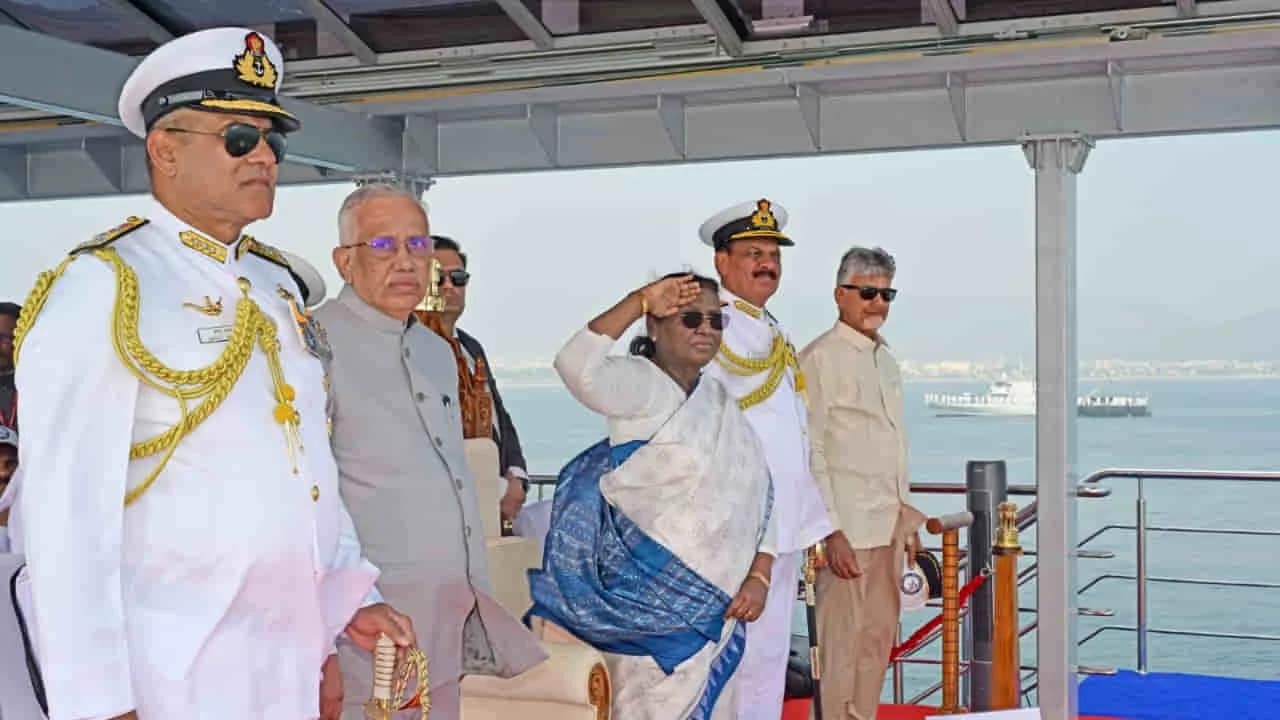
IFR was inspected by the Supreme Commander of the three forces and the President of the country Drupadi Murmu. He watched the Indigenous Offshore Petrol Vessel INS Sumeddha and reviewed the Fleet. The Indian and foreign ships standing queued in the sea conveyed a clear message that India has no longer just a coastal strength but a strong Blue Water Navy in the Indian Ocean region. (IFR-Milan 2026)

IFR-Milan 2026 Indian Navy Strategic Warships

IFR-Milan 2026: What happens Fleet Review?

Fleet Review is a program in which the country’s highest commander observes the naval ships deployed in the sea. It also takes part of the navy of friends countries. IFR has been held in Visakhapatnam in Mumbai and 2016 before in India. 2026 is being organized as the largest, as it also includes Millan Exercise and IOS Conclave.

This time, IFR covers over 70 countries’ navy. More than 50 warships, submarines and support ships of the Indian Navy appeared in it. As well as many ships of foreign navy were present in the sea. (IFR-Milan 2026)

Operation shifted fresh

पिछले साल हुए ऑपरेशन सिंदूर के बाद यह पहला बड़ा अंतरराष्ट्रीय मंच था, जहां भारतीय नौसेना की स्ट्रेटेजिक ताकत खुले तौर पर सामने आई। उस ऑपरेशन के दौरान भारत के स्वदेशी एयरक्राफ्ट कैरियर आईएनएस विक्रांत ने अपने कैरियर बैटल ग्रुप के साथ अरब सागर में अहम भूमिका निभाई थी।

आईएफआर 2026 में आईएनएस विक्रांत मुख्य आकर्षण रहा। यह भारत का पहला पूरी तरह स्वदेशी एयरक्राफ्ट कैरियर है, जिसे कोचीन शिपयार्ड में बनाया गया है। लगभग 40 हजार टन से ज्यादा वजन वाला यह विशाल जहाज भारत की समुद्री शक्ति का प्रतीक बन चुका है।

इस पर मिग-29के फाइटर जेट, कामोव हेलीकॉप्टर और एडवांस लाइट हेलीकॉप्टर ध्रुव जैसे एयरक्राफ्ट तैनात किए जा सकते हैं। आईएफआर के दौरान समुद्र में एंकर डाले खड़े विक्रांत को देखकर साफ लगा कि भारत अब दूर समुद्रों में भी अपनी एयर पॉवर को प्रोजेक्ट करने की क्षमता रखता है। (IFR-Milan 2026)

स्वदेशी डिस्ट्रॉयर और फ्रिगेट ने भी दिखाया दम

आईएफआर में प्रोजेक्ट 15बी के तहत बने विशाखापत्तनम क्लास गाइडेड मिसाइल डिस्ट्रॉयर भी शामिल थे। आईएनएस विशाखापत्तनम, आईएनएस मोरमुगाओ और अन्य जहाज आधुनिक रडार, ब्रह्मोस सुपरसोनिक क्रूज मिसाइल और लंबी दूरी के एयर डिफेंस सिस्टम से लैस हैं।

ये जहाज एंटी-एयर, एंटी-सर्फेस और एंटी-सबमरीन वारफेयर में सक्षम हैं। इनकी स्टेल्थ डिजाइन से इन्हें दुश्मन के रडार से बचने में मदद करती है।

इसी तरह प्रोजेक्ट 17ए के तहत बने नीलगिरी क्लास स्टेल्थ फ्रिगेट भी आकर्षण का केंद्र रहे। ये जहाज अधिक ऑटोमेशन, कम क्रू और आधुनिक सेंसर से लैस हैं। इनका डिजाइन पूरी तरह भारतीय नौसेना के डायरेक्टोरेट ऑफ नेवल डिजाइन द्वारा तैयार किया गया है। (IFR-Milan 2026)

पनडुब्बियों और एंटी सबमरीन वॉरशिप भी दिखे कतार में

आईएफआर में तीन भारतीय पनडुब्बियां भी दिखाई गईं। इनमें शिशु क्लास की शंकुल, सिंधु क्लास की आईएनएस सिंधुकेसरी और आईएनएस सिंधुकीर्ति शामिल थीं। ये पनडुब्बियां साइलेंट वॉरियर, लंबी दूरी की क्षमता और डीप स्ट्राइक के लिए जानी जाती हैं।

इसके अलावा अर्नाला क्लास एंटी-सबमरीन वॉरफेयर शैलो वॉटर क्राफ्ट भी मौजूद रहे। इनका मकसद तटीय इलाकों में दुश्मन की पनडुब्बियों का पता लगाना और उन्हें निष्क्रिय करना है। हिंद महासागर क्षेत्र में बढ़ती पनडुब्बी गतिविधियों को देखते हुए यह क्षमता बेहद अहम मानी जा रही है। ये जहाज सोनार, टॉरपीडो और एएसडब्ल्यू हेलीकॉप्टर से लैस हैं। हिंद महासागर क्षेत्र में बढ़ती पनडुब्बी गतिविधियों को देखते हुए इनकी भूमिका बहुत महत्वपूर्ण मानी जा रही है। (IFR-Milan 2026)

आईएनएस निस्तार की दिखी झलक

आईएफआर में डीप सबमर्जेंस रेस्क्यू व्हीकल यानी डीएसआरवी और डाइविंग सपोर्ट वेसल आईएनएस निस्तार भी देखने को मिला। इनका काम समुद्र में फंसी पनडुब्बियों के नाविकों को बचाना है। यह भारत की मानवीय और तकनीकी क्षमता दोनों को दिखाता है। नया स्वदेशी निस्तार भारतीय शिपयार्ड में बना है और यह भारत की बढ़ती तकनीकी क्षमता को दिखाता है। (IFR-Milan 2026)

IFR-Milan 2026 Indian Navy Strategic Warships

पहली बार दिखा आईएनएस अन्वेष

आईएफआर में भारतीय नौसना ने पहली बार अपने स्ट्रेटेजिक शिप आईएनएस अन्वेष (A41) को भी शोकेस किया। यह भारतीय नौसेना का एक बेहद खास और रणनीतिक जहाज है। इसे बैलास्टिक मिसाइल रेंज इंस्ट्रूमेंटेशन शिप कहा जाता है। आसान शब्दों में समझें तो यह समुद्र में तैरती हुई टेस्टिंग लैब है, जहां से लंबी दूरी की मिसाइलों का परीक्षण और ट्रैकिंग की जाती है। इसी वजह से इसे फ्लोटिंग टेस्ट रेंज भी कहा जाता है।

“अन्वेष” का मतलब होता है खोज। यह नाम इसके काम को सही तरीके से दर्शाता है, क्योंकि यह जहाज मिसाइलों को ट्रैक करता है, उनका डेटा इकट्ठा करता है और परीक्षण की पूरी प्रक्रिया को मॉनिटर करता है। (IFR-Milan 2026)

इस जहाज को रक्षा अनुसंधान एवं विकास संगठन यानी डीआरडीओ ने डिजाइन किया है और कोचीन शिपयार्ड लिमिटेड में बनाया गया है। यह पूरी तरह स्वदेशी तकनीक पर आधारित है और ‘मेक इन इंडिया’ और ‘आत्मनिर्भर भारत’ की बड़ी मिसाल माना जाता है।

आईएनएस अन्वेष को 11 मार्च 2022 को गुप्त समारोह में कमीशन किया गया था। यह जहाज डीआरडीओ के स्वामित्व में है, लेकिन इसे भारतीय नौसेना संचालित करती है। यानी इस पर नौसेना के अधिकारी और जवान तैनात रहते हैं, जबकि इसके मिशन डीआरडीओ के कार्यक्रमों से जुड़े होते हैं। (IFR-Milan 2026)

यह जहाज करीब 118 मीटर लंबा और 20 मीटर चौड़ा है। इसका कुल वजन लगभग 11,300 टन है। यह 18 नॉट्स से ज्यादा की रफ्तार से चल सकता है और बिना दोबारा सप्लाई लिए करीब 45 दिन तक समुद्र में रह सकता है। इस पर लगभग 165 लोग तैनात रहते हैं। इनमें नौसेना के अधिकारी, तकनीकी स्टाफ और वैज्ञानिक शामिल होते हैं।

आईएनएस अन्वेष की सबसे बड़ी तकनीकी खासियत इसका इंटीग्रेटेड फुल इलेक्ट्रिक प्रोपल्शन सिस्टम है। यह भारतीय नौसेना का पहला जहाज है जिसमें इस तरह की तकनीक लगी है। (IFR-Milan 2026)

इस सिस्टम से जहाज कम शोर करता है, ज्यादा स्थिर रहता है और लंबे समय तक लगातार काम कर सकता है। मिसाइल टेस्टिंग के दौरान स्थिरता बहुत जरूरी होती है, क्योंकि हल्की सी कंपन भी डेटा को प्रभावित कर सकती है।

आईएनएस अन्वेष पर लंबी दूरी का मल्टी-फंक्शन रडार लगाया गया है। यह रडार बैलिस्टिक मिसाइल को ट्रैक करने में सक्षम है। इसके अलावा इसमें इलेक्ट्रो-ऑप्टिकल ट्रैकिंग सिस्टम, टेलीमेट्री उपकरण और डेटा प्रोसेसिंग सेंटर भी हैं। जब कोई मिसाइल छोड़ी जाती है, तो यह जहाज उसकी उड़ान का पूरा डेटा रिकॉर्ड करता है।

इस पर मिसाइल लॉन्च सिस्टम भी मौजूद हैं। यानी जरूरत पड़ने पर यह जहाज खुद भी इंटरसेप्टर मिसाइल टेस्टिंग में हिस्सा ले सकता है। आईएनएस अन्वेष भारत के बैलिस्टिक मिसाइल डिफेंस कार्यक्रम के लिए बहुत महत्वपूर्ण है। भारत दो चरणों में अपनी मिसाइल डिफेंस सिस्टम डेवलप कर रहा है। इस जहाज की मदद से समुद्र में गहराई तक जाकर मिसाइल इंटरसेप्टर का परीक्षण किया जा सकता है। (IFR-Milan 2026)

21 अप्रैल 2023 को इस जहाज से एक महत्वपूर्ण इंटरसेप्टर मिसाइल टेस्ट किया गया था। यह भारत के लिए बड़ी उपलब्धि थी, क्योंकि इससे साबित हुआ कि देश समुद्र आधारित मिसाइल रक्षा क्षमता विकसित कर रहा है। आईएनएस अन्वेष हिंद महासागर में काफी दूर तक जाकर परीक्षण कर सकता है। इससे 1500 किलोमीटर तक की रेंज वाली मिसाइलों की टेस्टिंग संभव हो जाती है। (IFR-Milan 2026)

IFR-Milan 2026 Indian Navy Strategic Warships

आसमान में भी दिखा शक्ति प्रदर्शन

समुद्र के साथ-साथ आसमान में भी शक्ति प्रदर्शन हुआ। मिग-29के फाइटर जेट, पी-8आई मैरीटाइम पेट्रोल एयरक्राफ्ट, डोर्नियर और भारतीय नौसेना की रीढ़ कहे जाने वाले चीता, एएलएच, सी किंग, कोमोव और एमएच 60 आर रोमियो हेलीकॉप्टरों ने फ्लाईपास्ट किया। हॉक जेट्स ने एरियल मैन्यूवर दिखाए। (IFR-Milan 2026)

“बिल्डर नेवी” की पहचान

आईएफआर 2026 ने एक और महत्वपूर्ण संदेश दिया कि भारत अब “बायर नेवी” नहीं, बल्कि “बिल्डर नेवी” बन चुका है। पहले भारत बड़े युद्धपोत विदेशों से खरीदता था। आज एयरक्राफ्ट कैरियर से लेकर डिस्ट्रॉयर, फ्रिगेट और सबमरीन तक देश में डिजाइन और निर्माण हो रहे हैं। मझगांव डॉक, गार्डन रीच शिपबिल्डर्स, कोचीन शिपयार्ड और हिंदुस्तान शिपयार्ड जैसे संस्थान अब विश्वस्तरीय युद्धपोत बना रहे हैं। (IFR-Milan 2026)

IFR-Milan 2026 Indian Navy Strategic Warships

मैरीटाइम डिप्लोमेसी की दिखी पावर

आईएफआर-मिलन एक्सरसाइज में ईरान, अमेरिका, रूस, बांग्लादेश जापान, ऑस्ट्रेलिया और अन्य देशों की भागीदारी ने यह भी दिखाया कि भारत रणनीतिक संतुलन बनाए रखते हुए सबके साथ संबंध मजबूत कर रहा है। यह कार्यक्रम ऐसे समय में हुआ जब दुनिया कई खेमों में बंटी हुई है। इसके बावजूद विभिन्न देशों की नौसेनाएं एक ही मंच पर दिखीं।

नौसेना के प्रवक्ता कैप्टन विवेक मधवाल ने बताया कि इन आयोजनों में लगभग 72 देशों के प्रतिनिधिमंडल हिस्सा ले रहे हैं। उन्होंने कहा कि यह भागीदारी दिखाती है कि अलग-अलग देशों के बीच सहयोग कितना मजबूत हो रहा है। समुद्री सुरक्षा अब सिर्फ एक देश का मुद्दा नहीं है, बल्कि सबकी साझा जिम्मेदारी है, क्योंकि समुद्र पूरी दुनिया की साझा संपत्ति हैं। (IFR-Milan 2026)

उन्होंने यह भी कहा कि विदेशी युद्धपोतों की मौजूदगी भारत की समुद्री पहुंच और सहयोग की नीति को दर्शाती है। वहीं भारतीय नौसेना के जहाजों की संख्या और संरचना इस बात का संकेत है कि अब बेड़े में स्वदेशी जहाजों की हिस्सेदारी तेजी से बढ़ी है।

कैप्टन मधवाल के अनुसार, पहली बार स्वदेशी विमानवाहक पोत आईएनएस विक्रांत की भागीदारी, भारत में बनी कलवरी श्रेणी की पनडुब्बी की मौजूदगी और बड़ी संख्या में देश में डिजाइन और निर्मित प्लेटफॉर्म्स यह साबित करते हैं कि भारतीय नौसेना अब स्वदेशी क्षमता के मामले में काफी मजबूत हो चुकी है। (IFR-Milan 2026)

वहीं इन तीनों बड़े आयोजनों में क्वाड समूह के चारों देश भारत, अमेरिका, जापान और ऑस्ट्रेलिया विशाखापत्तनम में मौजूद थे। हालांकि अमेरिका इस कार्यक्रम के लिए अपना एक डेस्ट्रॉयर वॉरशिप भेजने वाला था, लेकिन ऑपरेशनल जरूरतों के कारण वह जहाज शामिल नहीं हो सका। हालांकि, अमेरिका की बाकी भागीदारी में कोई बदलाव नहीं हुआ। अमेरिकी पी-8 मैरीटाइम पेट्रोलिंग एय़रक्राफ्ट ने आईएफआर के फ्लाईपास्ट में हिस्सा लिया और वह एक्सरसाइज मिलन में भी शामिल होने वाला है। वहीं, भारत में अमेरिकी दूतावास के प्रवक्ता ने कहा कि आपात जरूरतों के कारण यूएसएस पिनकनी इस साल इंटरनेशनल फ्लीट रिव्यू में शामिल नहीं हो पाया। उन्होंने यह भी कहा कि अमेरिका भारत के साथ अपनी मजबूत साझेदारी को महत्व देता है और इस आयोजन की सफलता की कामना करता है। (IFR-Milan 2026)

ब्लू वॉटर में भारत का आत्मविश्वास

ब्लू वॉटर नेवी का मतलब है ऐसी नौसेना जो अपने तट से दूर, खुले महासागरों में भी लंबे समय तक अभियान चला सके। आईएफआर 2026 में दिखी जहाजों की विविधता और ताकत ने साफ किया कि भारत अब इस श्रेणी में मजबूती से खड़ा है। (IFR-Milan 2026)

Why is Visakhapatnam called ‘Sabmarins’ tombh? IFR-Milan 2026's Jung Story of 1971

Visakhapatnam Submarine Graveyard
Representative Photo

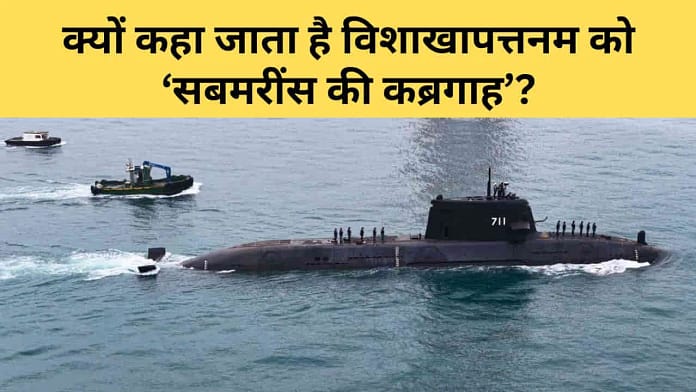
Visakhapatnam Submarine Graveyard: Visakhapatnam is going to witness the three major events of the Indian Navy these days. The International Fleet Review (IFR) in Visakhapatnam is having a large program like 2026 and Millan Exercise. But this city is not just a symbol of modern naval strength, but also a witness to history. That is why Visakhapatnam is often called "The Tombgah of Sabbaths".

The two big events are connected behind this name, Japanese at the time of World War II Submarine Immersion of RO-110 and the Pakistani submarine in the Indian-Pakistan war of 1971 in the evening of the PNS Gazi. (Visakhapatnam Submarine Graveyard)

Visakhapatnam Submarine Graveyard: 1971 was immersed to the PNS Gazi in the rust

December 1971 was time. India and pakistan The war between began. Submarine PNS Gazi, considered the greatest strength of the Navy of Pakistan, was sent to a special mission. His motive was to target the Indian Aircraft Carrier INS Vikrant of the time.

At that time INS Vikrant was active in the eastern sea and had become a major threat to Pakistan. The work of the Gazi was entrusted by laying the Mines (Marine Barudi Tunnels) around Visakhapatnam and locating the vicinity.

लेकिन 3 और 4 दिसंबर 1971 की रात को हालात बदल गए। भारतीय नौसेना के युद्धपोत आईएनएस राजपूत ने समुद्र में संदिग्ध हलचल महसूस की और डेप्थ चार्ज गिराए। कुछ देर बाद जोरदार धमाका हुआ। अगले दिन समुद्र की सतह पर तेल के धब्बे और मलबा तैरता मिला। जांच में साफ हुआ कि पीएनएस गाजी डूब चुकी है। दरअसल भारतीय नौसेना ने आईएनएस राजपूत को आईएनएस विक्रांत का डेकोय (झांसा) बनाकर इस्तेमाल किया था, ताकि गाजी को फंसाया जा सके। जिसके बाद आईएनएस विक्रांत ने पूर्वी पाकिस्तान (अब बांग्लादेश) पर नौसैनिक नाकाबंदी कर ली थी, जो युद्ध में निर्णायक साबित हुई थी। (Visakhapatnam Submarine Graveyard)

इस हादसे में सबमरीन पर सवार 93 पाकिस्तानी (11 अधिकारी और 82 नाविक) मारे गए। गाजी का मलबा विशाखापत्तनम तट से लगभग दो-ढाई किलोमीटर दूर फेयरवे ब्वॉय में करीब 100 मीटर गहराई में मिला। यह मलबा अब भी वहीं बरकरार है, और भारतीय नौसेना ने सम्मान के तौर पर इसे छेड़ा नहीं है।

भारतीय नौसेना के तत्कालीन डाइविंग सपोर्ट शिप आईएनएस निस्तार ने उस समय गाजी के मलबे की खोज और जांच में अहम भूमिका निभाई थी। (Visakhapatnam Submarine Graveyard)

55 साल बाद फिर उसी जगह ‘निस्तार’

इतिहास की सबसे दिलचस्प बात यह है कि 1971 में जिस आईएनएस निस्तार ने गाजी के मलबे को खोजा था, उसी नाम का नया पूरी तरह स्वदेशी डाइविंग सपोर्ट वेसल अब भारतीय नौसेना में शामिल हो चुका है।

यह नया आईएनएस निस्तार 18 जुलाई 2025 को नौसेना को सौंपा गया। यह देश का पहला स्वदेशी डाइविंग सपोर्ट वेसल है। इंटरनेशनल फ्लीट रिव्यू 2026 में यही निस्तार उसी समुद्र के पास मौजूद है, जहां गाजी की “कब्र” मानी जाती है।

पीएनएस गाजी पाकिस्तान की सबसे पुरानी और लंबी दूरी की सबमरीन थी। उसका डूबना पाकिस्तान के लिए बड़ा झटका था। इसलिए हर बार जब विशाखापत्तनम में बड़ा नौसैनिक आयोजन होता है, तो 1971 की यादें फिर ताजा हो जाती हैं। (Visakhapatnam Submarine Graveyard)

आईएनएस निस्तार की खासियत

आईएनएस निस्तार लगभग 120 मीटर लंबा और करीब 10,000 टन वजनी जहाज है। यह करीब 18 नॉट की रफ्तार से चल सकता है। इसमें आधुनिक डाइविंग सिस्टम लगे हैं।

सबसे अहम बात यह है कि यह डीप सबमर्जेंस रेस्क्यू व्हीकल (डीएसआरवी) को समुद्र में उतार सकता है। डीएसआरवी एक छोटा लेकिन बेहद एडवांस रेस्क्यू व्हीकल होता है, जो गहरे समुद्र में जाकर किसी फंसी हुई सबमरीन से 15-16 नाविकों को एक बार में निकाल सकता है।

अगर भविष्य में किसी भारतीय या दोस्त देश की पनडुब्बी को समुद्र में दुर्घटना हो जाए, तो निस्तार जैसे जहाज जीवनरक्षक साबित होंगे। (Visakhapatnam Submarine Graveyard)

2024 में फिर सामने आया था गाजी का मलबा

फरवरी 2024 में मिलन एक्सरसाइज के दौरान भारतीय नौसेना के डीएसआरवी ने पीएनएस गाजी के मलबे को फिर से लोकेट किया। साइड स्कैन सोनार और रिमोटली ऑपरेटेड व्हीकल की मदद से मलबे की तस्वीरें ली गईं। दरअसल भारतीय नौसेना ने मिलन 2024 में डीएसआरवी को डेमोंस्ट्रेट करने के लिए इस्तेमाल किया था। भारतीय नौसेना ने इसे “सबमरीन ग्रेवयार्ड” में ट्रेनिंग/टेस्टिंग के तौर पर इस्तेमाल किया था। हालांकि भारतीय नौसेना ने उसे छेड़ा नहीं। उसे युद्ध समाधि (वार ग्रेव) के रूप में सम्मान दिया गया। (Visakhapatnam Submarine Graveyard)

द्वितीय विश्व युद्ध में डूबी थी आरओ-110

विशाखापत्तनम के पास सिर्फ गाजी ही नहीं डूबी थी। 1944 में द्वितीय विश्व युद्ध के दौरान जापानी सबमरीन आरओ-110 भी यहीं डूबी थी। आरओ-110 द्वितीय विश्व युद्ध के समय की एक जापानी पनडुब्बी थी। यह इंपीरियल जापानी नेवी की आरओ-100 क्लास की मध्यम आकार की तटीय अटैक सबमरीन थी। आज यह बंगाल की खाड़ी में विशाखापत्तनम के पास समुद्र की गहराई में पड़ी है।

आरओ-110 को 26 जनवरी 1943 को जापान के कोबे शिपयार्ड में लॉन्च किया गया था और 6 जुलाई 1943 को इसे आधिकारिक तौर पर सेवा में शामिल किया गया। इस पनडुब्बी पर 47 अधिकारी और नाविक तैनात थे। इसका वजन पानी की सतह पर करीब 600 टन और पानी के अंदर 800 टन से ज्यादा था। इसमें चार टॉरपीडो ट्यूब लगे थे और यह आठ टॉरपीडो ले जा सकती थी। (Visakhapatnam Submarine Graveyard)

फरवरी 1944 में इसकी आखिरी समुद्री कार्रवाई हुई। 11 या 12 फरवरी 1944 को यह सबमरीन कोलंबो से कोलकाता जा रहे मित्र राष्ट्रों के जहाजों के एक काफिले पर हमला कर रही थी। इसी दौरान इसने ब्रिटिश व्यापारी जहाज एसएस एस्फालियन पर दो टॉरपीडो दागे। हमले में छह लोगों की मौत हुई और जहाज को भारी नुकसान पहुंचा।

हमले के बाद काफिले की सुरक्षा कर रहे जहाजों ने तुरंत जवाबी कार्रवाई की। रॉयल इंडियन नेवी के एचएमआईएस जमुना और रॉयल ऑस्ट्रेलियन नेवी के एचएमएएस लॉन्सेस्टन तथा एचएमएएस इप्सविच ने सोनार की मदद से पनडुब्बी का पता लगाया और उस पर डेप्थ चार्ज गिराए। कुछ देर बाद समुद्र की सतह पर तेल का बड़ा धब्बा और बुलबुले दिखाई दिए। इससे साफ हो गया कि आरओ-110 डूब चुकी है। पनडुब्बी पर सवार सभी 47 नाविक मारे गए। (Visakhapatnam Submarine Graveyard)

यह भी उल्लेखनीय है कि इससे पहले दिसंबर 1943 में आरओ-110 ने ब्रिटिश जहाज डेजी मोलर पर भी टॉरपीडो हमला किया था।

आज आरओ-110 का मलबा गाजी के आसपास ही विशाखापत्तनम तट के पास करीब 90 से 110 मीटर की गहराई में मौजूद है। 2024 में भारतीय नौसेना के डीप सबमर्जेंस रेस्क्यू व्हीकल ने इसे फिर से स्कैन किया, लेकिन सम्मान के कारण इसे वहीं छोड़ दिया गया। नौसेना इसे एक युद्ध समाधि मानती है और इसे उन सैनिकों का अंतिम विश्राम स्थल समझती है, जिन्होंने समुद्र में अपनी जान गंवाई। (Visakhapatnam Submarine Graveyard)

Pakistan-China border monitoring will be from Meerut at a cost of 406 crore! The first drone is behind making airbase because it is

Meerut Drone Airbase

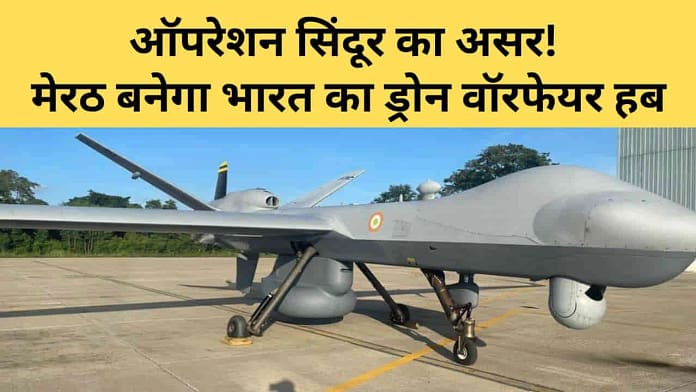
Meerut Drone Airbase: Ministry of Defence has started preparing for creating the country’s first deedicated drone airbase in Meerut. This airbase is specially drone and remotely piloted aircraft i.e. RPA will be prepared for. Its motive is to monitor the army and further strengthen the strike capacity. The entire project is responsible for the Border Roads Organization working under the Ministry of Defence i.e. BRO. (Meerut Drone Airbase)

Meerut Drone Airbase: Cost of Rs 406 crore

The project will be prepared at a cost of Rs 406 crore close to the project. This base will be built on about 900 acres of land in the Fort Road terrain of Meerut. It is being designed by taking into account modern military needs, so that High Altitude Long Endurance is HALE Drones from Categorie can be operated here. Such drones can fly for a long distance and monitor the sky for several hours. (Meerut Drone Airbase)

2,110m long and 45m wide runway

The most important part of this airbase will be 2,110m long and 45m wide runway. This Runway Just Drone Not only for, but also for aircraft like Transport Aircraft like C-295 and C-130. The lighting and navigation systems of the ICO CAT-2 standard will be installed on the runway, so as to secure takeoffs and landings even in low visibility i.e. mist or bad weather. (Meerut Drone Airbase)

1,500 drone operation every year

Two large hangers will be made on the base, the size of which will be 60 times 50 meters. These hangers will feature maintenance, repair, and rapid deployment of drones. Estimate that this base will handle around 1,500 drone operations every year. On average, four drone flights can be operated from here. It will form a Strategic Nerve Centre for Unmanned Systems. (Meerut Drone Airbase)

Why decided to make a drone base

The formulas say that this decision is not taken suddenly. behind Operation Shifter Being a big reason. India had executed this operation after a panic attack in Jammu and Kashmir’s wrestling. The drone used extensively during that. The drone played an important role in precise attacks (pricision targeting) and surveillance (servilance). With this experience, the army understood that the future war will not only be fought with traditional weapons, but the role and growth of the platform with an unmand system i.e. the pilot. (Meerut Drone Airbase)

According to a senior army officer, the threats associated with drones from Pakistan and China are constantly increasing, it has become imperative for India to create a long-term continuously working UAV (without piloted aircraft) operation network. If there will be a dedicated base separately for the drone, it will be easier to train troops, maintenance of the drone and deploy them immediately at the time of need. He says that the future defense system will tick the system with a pilot based and without data. According to them, the strength of India will increase so much that it will cause great concern for enemy countries.

He says, Modern Warfare In the drones can monitor the enemy terrain without putting troops in danger. Real-time intelligence i.e. provides instant information. Can fly for a long distance and also perform precise attack (precision targeting) when needed. A dedicated drone airbase needed in such a long time was being felt. (Meerut Drone Airbase)

Why chose meerut for project

Meerut has many strategic reasons behind choosing for this project. First of all, it is about 70 km from Delhi and is located in the centre of North India. From here it would be easier to monitor the Western border i.e. Pakistan Border and North border i.e. China. It will help to quickly detect terror infiltration or military activities. Drones from here can be easily deployed towards the Punjab, Rajasthan and Jammu region. It is also the best place to monitor the northern border.

The second reason is the current military and logistic infrastructure here. Near Meerut Hindon Airbase The Indian Air Force is an important road. This will make support and rapport easier. Apart from being part of the Uttar Pradesh Defence Industrial Corridor, the activities associated with defence are being promoted here. (Meerut Drone Airbase)

While the third biggest reason why Meerut has a large EME (Electronics and Mechanical Engineers Core) workshop. There are eight Army Base Workshops across the country under the EME Core of Indian Army. 515 of these are the headquarters of Army Base Workshop in Meerut. With this 510 Army Base Workshop also works. The headquarters of the Base Workshop Group are also in the Meerut, which correlates the rest of the workshops.

The 510 base workshop of Meerut consists of repairing and overhauling of weapon systems, multi barrel rocket launchers and heavy military vehicles such as air defense systems, guided missiles, sillka and quadrate. The main work of the EME is to repair, maintain and indigenize electronic and mechanical equipment. In the past few years, the spare parts of the pilots have also been created and tested. The complete system of repair and support of the drone under the recently held drone power (Eagle on Arm) is based on the EME workshops, with the role of the Meerut. (Meerut Drone Airbase)

Project will be completed in 85 months

The total duration of this project is fixed at 85 months. This includes a period of maintenance and monitoring for seven months pre-order planning, 18 months for construction work and afterwards. BRO has also released e-tenders for Project Management Consultancy.

This project will lead BRO’s Project Shivalik’s Chief Engineer. Once completed, it will be a sign of monitoring on the Border Region for the Indian Army.

Sources say the weather is quite supportive here. Compared to other places such as J or Ladakh, Meerut is less risky and scalable. So this place can be built a Strategic Aviation Hub, covering the entire North India. (Meerut Drone Airbase)