Operation Tiranga: In the next few months, a chapter is being written in the history of Indian forces that will be considered the largest defence reform of independent India. Integrated theater commands are being viewed as the largest defense responses. But the theater has played the most important role in shaping commands by Operation Tricolor.
Even though the name seems like a military campaign, it was actually a table top exercise (TTX), in which the three forces prepared the complete blueprint of the meeting war. In the entire process, the chiefs of the Army, Navy and Air Force, in the Aguai of General Anil Chauhan, together fixed the format of the theater command.
This exercise lasted for several months and completed its main work in April 2026. The most focus on how the three forces work together at the time of the war and how to quickly go for the decision.
What CDS said on Operation Tiranga
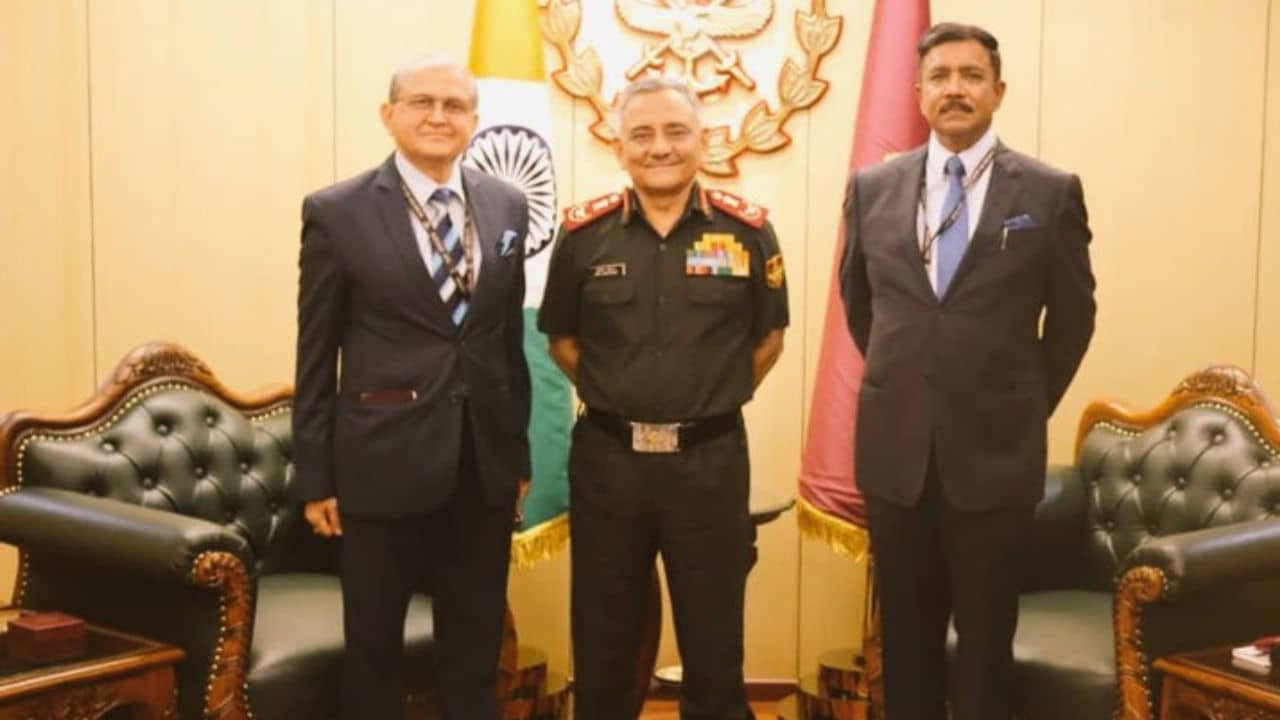
April 2026 in Bengaluru Deer Communication CDS General Anil Chauhan opened for the first time during the program called "Operation Tricolor". He clearly stated that it was not a war exercise, but the process of deep discussion and planning on creating theater commands between the three forces. He said that any interactions and discussions under "Operation Tricolor" have now been completed. i. The discussion on the big issues between the Army, the Navy and the Air Force has been over and has become a way agreed.
General Chauhan said another important thing. He told Theater Command After becoming, some of the powers of service Chiefs may be reduced, but despite this, the three forces are ready for this change. He said that this decision is being taken into account the national interest. The three forces are ready to work together for the great interest of the country by rising above their limits.
General Chauhan said the most important thing is that there is no contraindications between the three forces on the concept of the theater command. According to them, all service Chief agrees that this system is necessary for the future war. He also told that no service chief is saying that the theatre should not become the command.
However, they also believed that there is different opinions on some issues, but these differences are only about how to apply it. He told him "Manifestation" i.e. part of the implementation.
According to them, the main question is how fast this change is, in which order and how to split resources. In particular, the discussions regarding Air Assets i.e. Fighter Jets and other air resources have been high. But he said that all these issues can be solved.
CDS also pointed out that the work on the part of the three forces has been almost complete. He said he is now preparing his full report and will soon be handed over to the Defence Minister, after which the final decision will be taken.
What is Operation Tiranga
Operation Tricolor It is necessary to understand that it was not a ground operation before you understand. This operation was carried out as a "table top exercise" i.e. TTX, where the real war was not fought, but also discussed the meeting on different possible conditions. It took part by the chiefs of the Army, the Navy and the Air Force, and tried to understand how to deal with them if there are many dangers in the future.
This exercise made different situations, such as if tension increases at two borders simultaneously or the enemy is activated in the sea, how the three forces will react. All these circumstances were discussed in detail and the way to take decisions in every situation was decided.
How the table top exercises
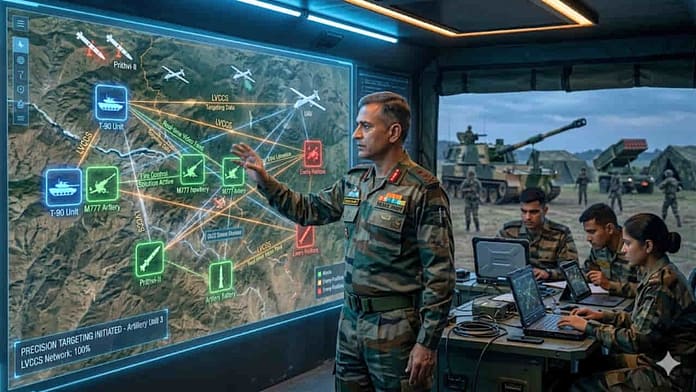
Several types of hypothetical conditions were prepared during operation tripod. These included border tensions with China, wars with Pakistan, maritime threats, cyber attacks and threats associated with space. All these situations were discussed about who will do and how to do if it happens.
Also carried out "Roll Play" in this process. That is, some officers were given the role of the theater commander, some of the deputy commander’s and some were placed in the role of service Chief. It was understood how the orders will be given, which will have the right and how the resources will be used.
Focus on Multi-Domain War
One important thing appeared during this period is that only a domain i.e. ground, air or sea-based war cannot be won. All domains need to work together. It also includes cyber attack, space technology, electronic warfare, and the battle of information. That’s why it’s called multi-domain aproch.
ऑपरेशन तिरंगा में इस बात पर खास ध्यान दिया गया कि कैसे एक कमांडर एक साथ सभी डोमेन्स को समझ सके और उनका इस्तेमाल कर सके। उदाहरण के तौर पर, अगर जमीन पर सेना आगे बढ़ रही है, तो उसी समय वायुसेना एयर सपोर्ट दे रही हो और नौसेना समुद्र में दुश्मन की सप्लाई रोक रही हो। (Operation Tiranga)
नए थिएटर कमांड्स की तैयारी
आज भारतीय सेनाएं अलग-अलग कमांड के तहत काम करती हैं। कुल मिलाकर करीब 17 कमांड हैं, जिनमें आर्मी, नेवी और वायुसेना की अपनी-अपनी व्यवस्था है। हर सर्विस का अपना अलग कमांड सिस्टम होता है। जैसे आर्मी का वेस्टर्न कमांड पाकिस्तान सीमा को देखता है, नॉर्दर्न कमांड चीन सीमा को संभालता है, जबकि वायुसेना का वेस्टर्न एयर कमांड जरूरत पड़ने पर एयर सपोर्ट देता है।
इस पूरे अभ्यास के बाद तीन बड़े थिएटर कमांड का प्रस्ताव तैयार किया गया। पहला वेस्टर्न थिएटर, जो पाकिस्तान पर फोकस करेगा। दूसरा नॉर्दर्न या ईस्टर्न थिएटर, जो चीन से जुड़े क्षेत्रों को संभालेगा। तीसरा मैरिटाइम थिएटर, जो समुद्री क्षेत्र की जिम्मेदारी संभालेगा।
इन तीनों थिएटर में अलग-अलग सेवाओं के अधिकारी कमांडर बनेंगे, लेकिन उनके साथ दूसरी सेवाओं के अधिकारी भी डिप्टी के रूप में काम करेंगे। इससे तीनों सेनाओं के बीच तालमेल बना रहेगा।
इसके अलावा एक और प्रस्ताव सामने आया, जिसमें वाइस चीफ ऑफ डिफेंस स्टाफ की नई पोस्ट बनाने की बात कही गई है, जो ऑपरेशन के स्तर पर कॉर्डिनेशन में मदद करेगा।
इसके अलावा यह भी तय हुआ कि कुछ खास संसाधन, जैसे एयर रिफ्यूलिंग एयरक्राफ्ट या बड़े सर्विलांस सिस्टम, सीधे वायुसेना के पास ही रहेंगे, ताकि जरूरत के हिसाब से उन्हें कहीं भी भेजा जा सके। (Operation Tiranga)
कौन लेगा ऑपरेशनल फैसले
इस नई व्यवस्था में सबसे बड़ा बदलाव फैसले लेने के तरीके में आएगा। अभी किसी ऑपरेशन के लिए अलग-अलग स्तर पर अनुमति लेनी पड़ती है। थिएटर कमांड में यह प्रक्रिया छोटी हो जाएगी।
इससे समय की बचत होगी और किसी भी आपात स्थिति में तेजी से प्रतिक्रिया दी जा सकेगी। साथ ही, अलग-अलग संसाधनों का बेहतर उपयोग भी हो पाएगा, क्योंकि सब कुछ एक ही कमांड के तहत होगा।
क्योंकि तीनों सेनाएं अभी अपने-अपने संसाधनों का इस्तेमाल अलग-अलग करती हैं। इससे कई बार एक ही तरह के संसाधन अलग-अलग जगहों पर उपयोग होते हैं, जिससे खर्च भी बढ़ता है और प्रभाव भी कम होता है।
थिएटर कमांड के जरिए सभी संसाधनों को एक साथ लाकर जरूरत के अनुसार इस्तेमाल किया जाएगा। इससे लॉजिस्टिक्स यानी सप्लाई सिस्टम भी मजबूत होगा और ऑपरेशन में कोई रुकावट नहीं आएगी। (Operation Tiranga)
ट्रेनिंग और तैयारी में बदलाव
थिएटर कमांड लागू होने के बाद सैनिकों की ट्रेनिंग में भी बदलाव आएगा। अब उन्हें सिर्फ अपने डोमेन की नहीं, बल्कि दूसरे डोमेन्स की भी जानकारी दी जाएगी।
इससे सैनिक और अधिकारी बेहतर तरीके से समझ पाएंगे कि युद्ध के समय किस तरह अलग-अलग सिस्टम एक साथ काम करते हैं। इससे उनकी तैयारी भी मजबूत होगी और ऑपरेशन के दौरान गलतियों की संभावना कम होगी।
अंडमान-निकोबार कमांड से मिली सीख
भारत में पहले से एक जॉइंट कमांड मौजूद है, जिसे अंडमान-निकोबार कमांड कहा जाता है। इसे मॉडल के तौर पर देखा गया।
यह कमांड तीनों सेनाओं को एक साथ लेकर काम करता है और लंबे समय से सक्रिय है। ऑपरेशन तिरंगा में इसके अनुभव का इस्तेमाल किया गया, ताकि नई व्यवस्था को बेहतर बनाया जा सके। (Operation Tiranga)
कमांड और कंट्रोल सिस्टम में बदलाव
थिएटर कमांड के साथ कमांड और कंट्रोल सिस्टम भी बदलेगा। इसमें कम्युनिकेशन, डेटा और इंटेलिजेंस को एक साथ जोड़ा जाएगा।
इसका मतलब है कि जमीन पर मौजूद सैनिक से लेकर ऊपर बैठे कमांडर तक, सभी को एक ही समय में एक जैसी जानकारी मिलेगी। इससे फैसले लेने में आसानी होगी।
थिएटर कमांड लागू होने के बाद क्या करेंगे सर्विस चीफ
सीडीएस जनरल अनिल चौहान ने साफ बताया है कि थिएटर कमांड लागू होने के बाद आर्मी चीफ, नेवी चीफ और एयर चीफ की भूमिका बदल जाएगी। पहले ये चीफ्स ऑपरेशन भी संभालते थे और अपनी-अपनी सेना की तैयारी भी करते थे, लेकिन अब ये दोनों काम अलग हो जाएंगे।
अब युद्ध लड़ने की जिम्मेदारी थिएटर कमांडर के पास होगी। यानी किसी इलाके में अगर ऑपरेशन होता है, तो वहां एक ही कमांडर तीनों सेनाओं को मिलाकर काम करेगा।
थिएटर कमांड बनने के बाद सेवा चीफ्स का मुख्य काम अपनी-अपनी सेना को तैयार रखना होगा। इसे आसान भाषा में “रेज, ट्रेन और सस्टेन” कहा जाता है। (Operation Tiranga)
रेज का मतलब है नई यूनिट बनाना, भर्ती करना और नए हथियार व उपकरण शामिल करना। ट्रेन का मतलब है सैनिकों और अधिकारियों को अच्छी ट्रेनिंग देना, ताकि वे हर स्थिति में तैयार रहें। सस्टेन का मतलब है सेना को हमेशा तैयार रखना, जिसमें हथियारों की मरम्मत, गोला-बारूद, ईंधन और दूसरी जरूरी चीजों की सप्लाई शामिल है।
इसके अलावा सेवा चीफ्स अपने-अपने फोर्स की परंपरा और सिस्टम को बनाए रखेंगे। वे जरूरत पड़ने पर थिएटर कमांडर को तैयार और ट्रेन की हुई फोर्स उपलब्ध कराएंगे। साथ ही, वे रणनीतिक स्तर पर सीडीएस की मदद भी करेंगे।
पहले सेवा चीफ्स ही ऑपरेशन भी चलाते थे और सेना भी तैयार करते थे, जिससे कई बार तालमेल की कमी और देरी होती थी। अब ऑपरेशन और तैयारी दोनों काम अलग हो जाएंगे, जिससे काम ज्यादा तेजी और बेहतर तरीके से हो सकेगा। (Operation Tiranga)
क्या होगा स्ट्रेटेजिक फोर्स कमांड (SFC) का?
थिएटर कमांड बनने की प्रक्रिया के बीच एक बड़ा सवाल यह है कि स्ट्रेटेजिक फोर्स कमांड यानी SFC का क्या होगा। इस बारे में कोई स्पष्ट संकेत नहीं मिला है। लेकिन सूत्रों का कहना है, एसएफसी को अलग ही रखा जाएगा। इसे थिएटर कमांड में शामिल नहीं किया जाएगा। क्योंकि चीन और रूस में भी स्ट्रेटेजिक फोर्सेस अलग-अलग हैं।
स्ट्रेटेजिक फोर्स कमांड की स्थापना 2003 में की गई थी। इसका मुख्य काम भारत के परमाणु हथियारों से जुड़ी पूरी व्यवस्था को संभालना है। इसमें जमीन से छोड़ी जाने वाली मिसाइलें, पनडुब्बी से दागी जाने वाली मिसाइलें और हवाई माध्यम से इस्तेमाल होने वाले परमाणु हथियार शामिल होते हैं। इनमें अग्नि मिसाइलें, सबमरीन-लॉन्च्ड बैलिस्टिक मिसाइलें (SLBM), और एयर-ड्रॉप्ड न्यूक्लियर वेपंस शामिल हैं।
फिलहाल स्ट्रेटेजिक फोर्स कमांड के वर्तमान कमांडर-इन-चीफ लेफ्टिनेंट जनरल दिनेश सिंह राणा हैं, जो सीडीएस को रिपोर्ट करते हैं।
यह कमांड पहले से ही तीनों सेनाओं का संयुक्त सिस्टम है, यानी आर्मी, नेवी और वायुसेना, तीनों की न्यूक्लियर ताकत इसमें शामिल रहती है। इसका कंट्रोल बहुत ही उच्च स्तर पर होता है और यह सीधे राष्ट्रीय नेतृत्व के दिशा-निर्देशों के तहत काम करता है।
सूत्रों ने बताया कि थिएटर कमांड का काम सामान्य युद्ध यानी जमीन, हवा और समुद्र में होने वाले ऑपरेशन को संभालना होगा। लेकिन स्ट्रेटेजिक फोर्स कमांड का काम इससे अलग और ज्यादा संवेदनशील है, क्योंकि यह परमाणु हथियारों से जुड़ा है। (Operation Tiranga)
इसी वजह से इसे किसी क्षेत्रीय थिएटर कमांडर के अधीन नहीं रखा जा सकता। अगर ऐसा किया गया तो कमांड और कंट्रोल सिस्टम में जोखिम बढ़ सकता है। इसलिए स्ट्रेटेजिक फोर्स कमांड को अलग ही रखा जाएगा, ताकि इसका कंट्रोल सीधे राष्ट्रीय स्तर पर बना रहे।
स्ट्रेटेजिक फोर्स कमांड पहले की तरह अपनी जिम्मेदारी निभाता रहेगा। यह परमाणु हथियारों की सुरक्षा, नियंत्रण और जरूरत पड़ने पर उनके इस्तेमाल की तैयारी से जुड़ा रहेगा। थिएटर कमांडर्स को इसके संसाधनों पर सीधा कंट्रोल नहीं मिलेगा।
सूत्रों का कहना है कि अगर किसी स्थिति में कॉर्डिनेशन की जरूरत पड़ेगी, तो यह काम सीडीएस के जरिए किया जाएगा। यानी स्ट्रेटेजिक फोर्स कमांड और थिएटर कमांड्स के बीच तालमेल रहेगा, लेकिन कंट्रोल अलग-अलग रहेगा। (Operation Tiranga)
थिएटर कमांड बनने के बाद कितने 4-स्टार अफसर
थिएटर कमांड लागू होने के बाद भारतीय सेना में 4-स्टार अधिकारियों की संख्या बढ़ जाएगी। अभी स्थिति यह है कि सिर्फ चार ही 4-स्टार अधिकारी होते हैं, जिनमें एक सीडीएस, एक आर्मी चीफ, एक नेवी चीफ और एक एयर चीफ शामिल हैं।
लेकिन नई व्यवस्था लागू होने के बाद कुल 8 चार-स्टार अधिकारी होंगे। इनमें सबसे ऊपर सीडीएस होंगे। उनके अलावा एक नया पद बनेगा, जिसे वाइस चीफ ऑफ डिफेंस स्टाफ (VCDS) कहा जाएगा। यह भी 4-स्टार रैंक का होगा।
इसके बाद तीनों सेनाओं के प्रमुख यानी आर्मी चीफ, नेवी चीफ और एयर चीफ पहले की तरह 4-स्टार रहेंगे। साथ ही तीन नए थिएटर कमांडर भी बनाए जाएंगे, जो अलग-अलग इलाकों की कमान संभालेंगे और ये भी 4-स्टार रैंक के होंगे। इस तरह कुल मिलाकर 8 बड़े अधिकारी होंगे। (Operation Tiranga)