Home Blog Page 28

Project-17A’s Fourth Stellth Frigate INS Taragiri Naval Incorporated, Read How Indigenous Shipbuilding Ecosystem Getting Matchur

INS Taragiri Commission
© Copyright 2017 Rajnath Singh. All rights reserved.

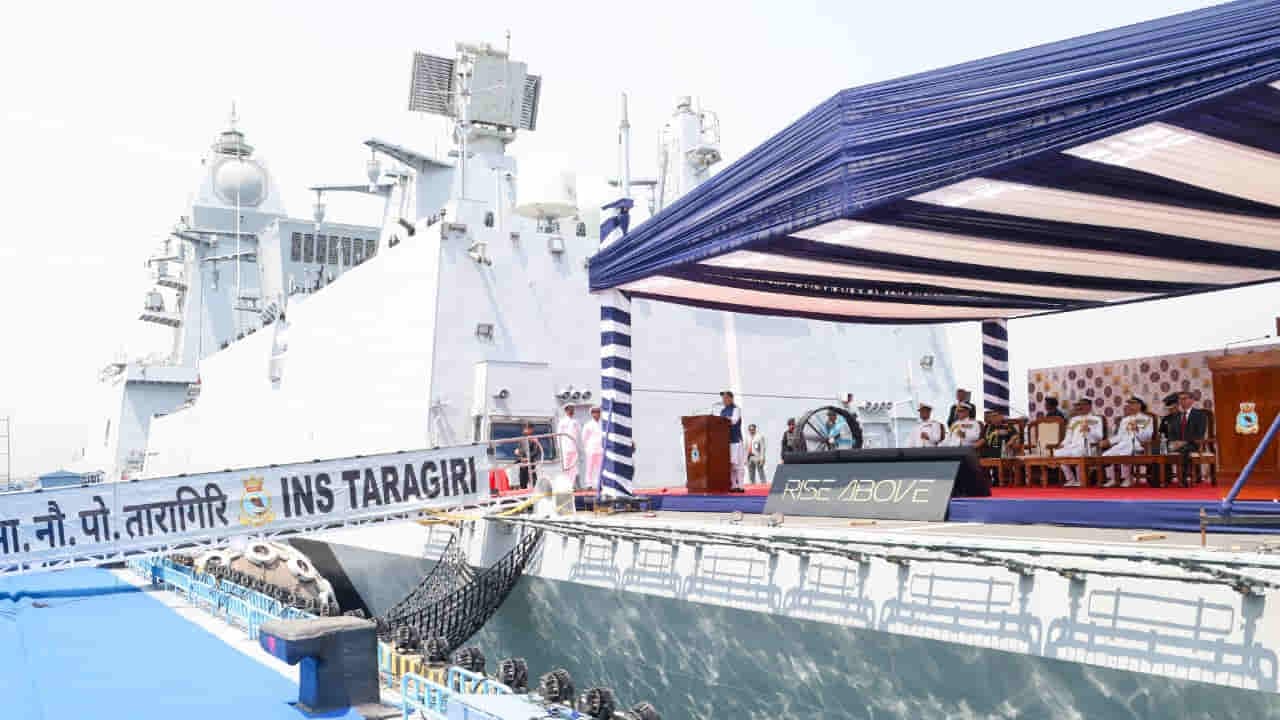
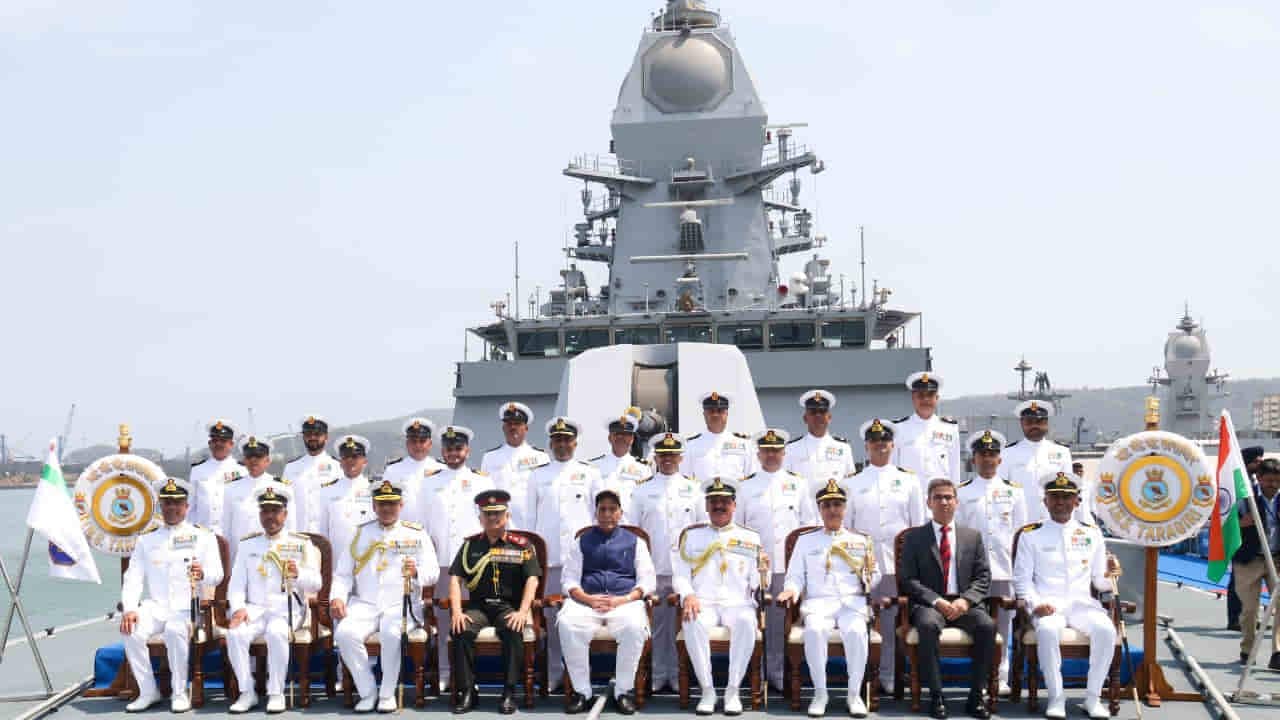
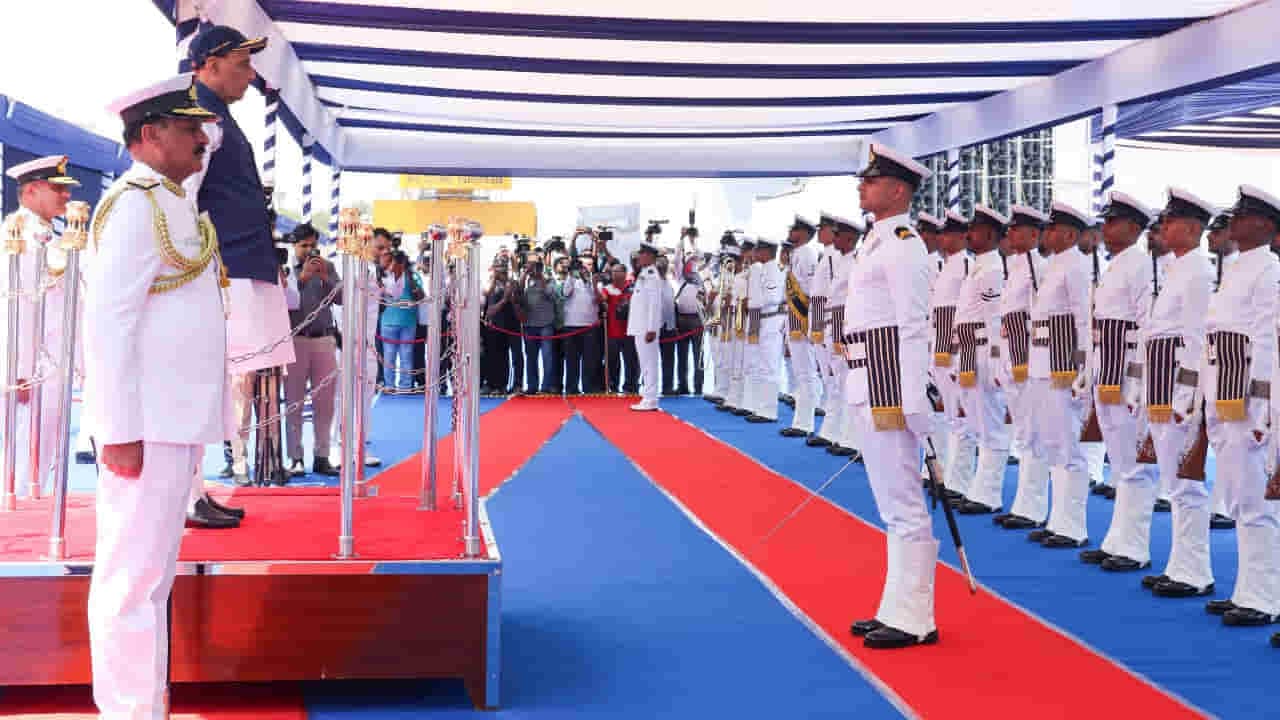
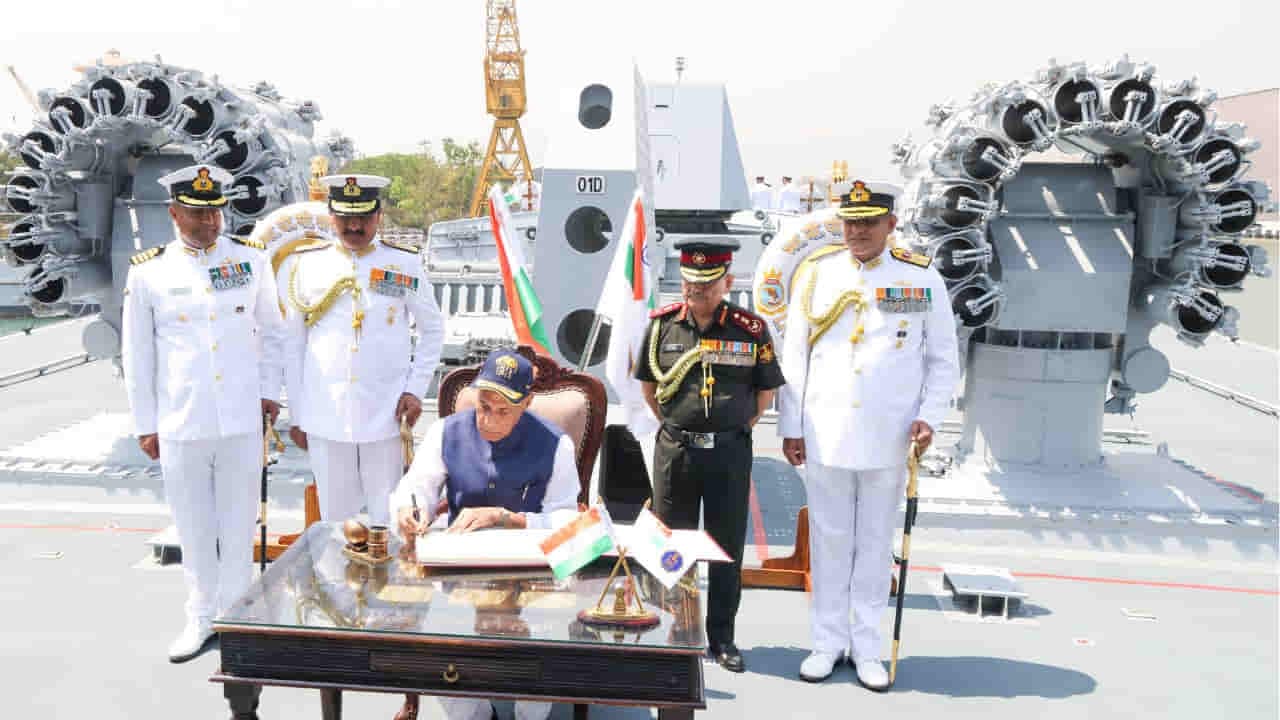
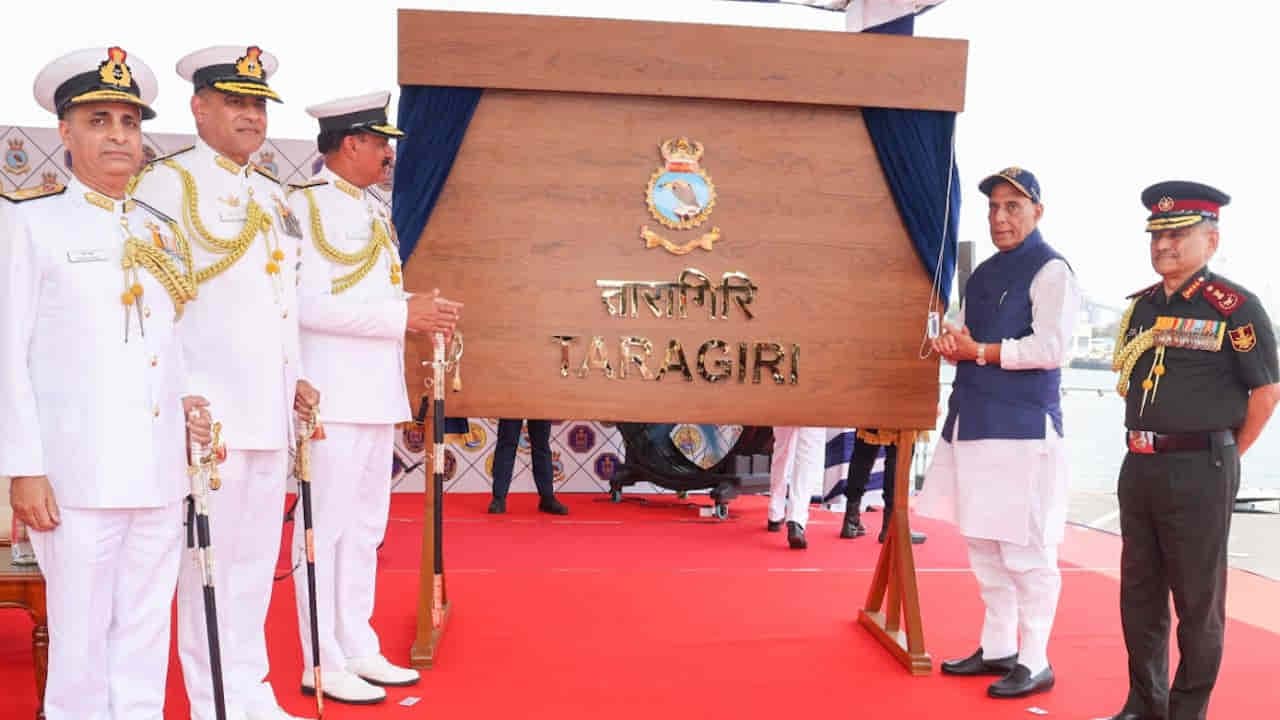
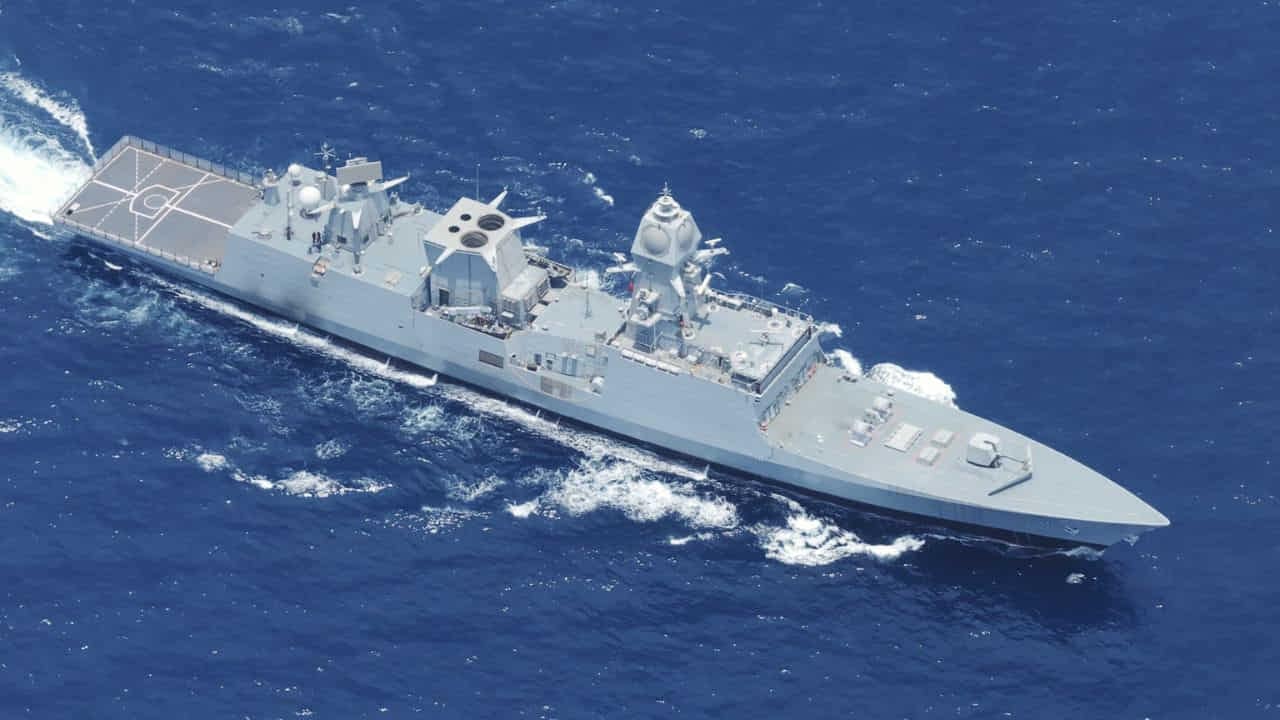
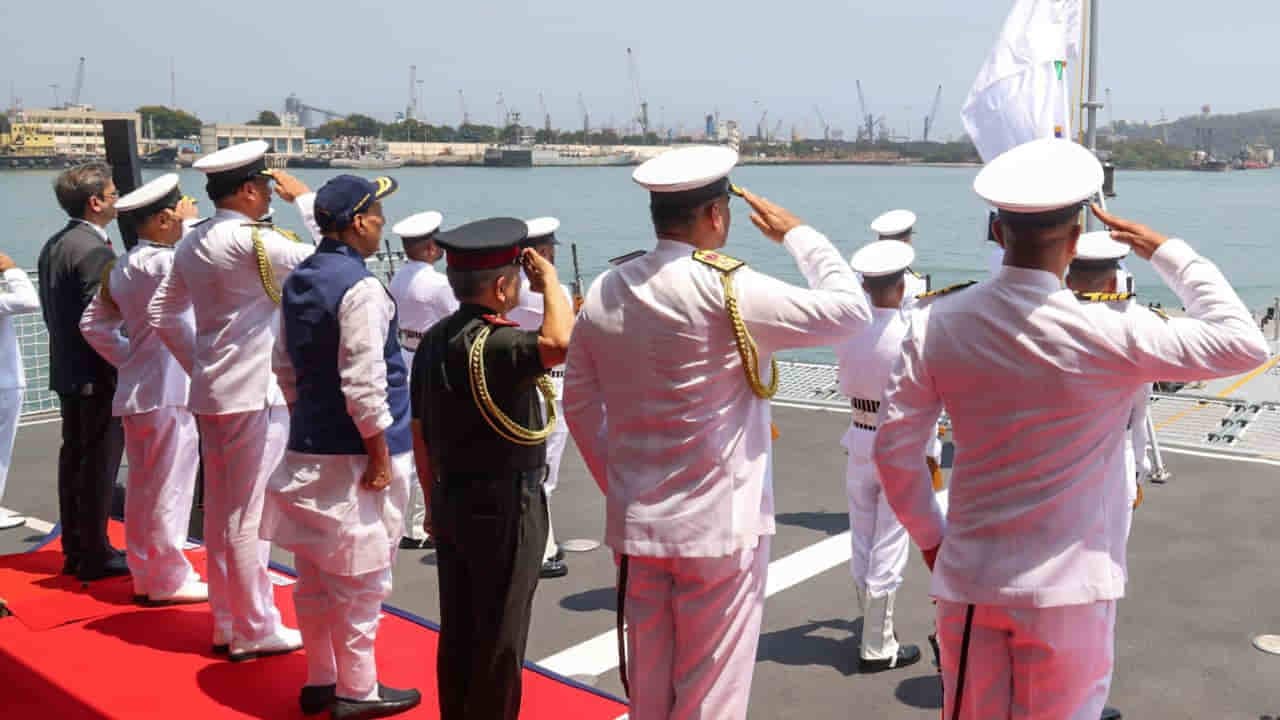
INS Taragiri Commission: The maritime capacity of India received a big boost on Friday, when the 3rd Nuclear Sabramrien INS Aritman of the country was incorporated into the Navy in Visakhapatnam. Taragiri will be part of Easter Fleet on the eastern coast.

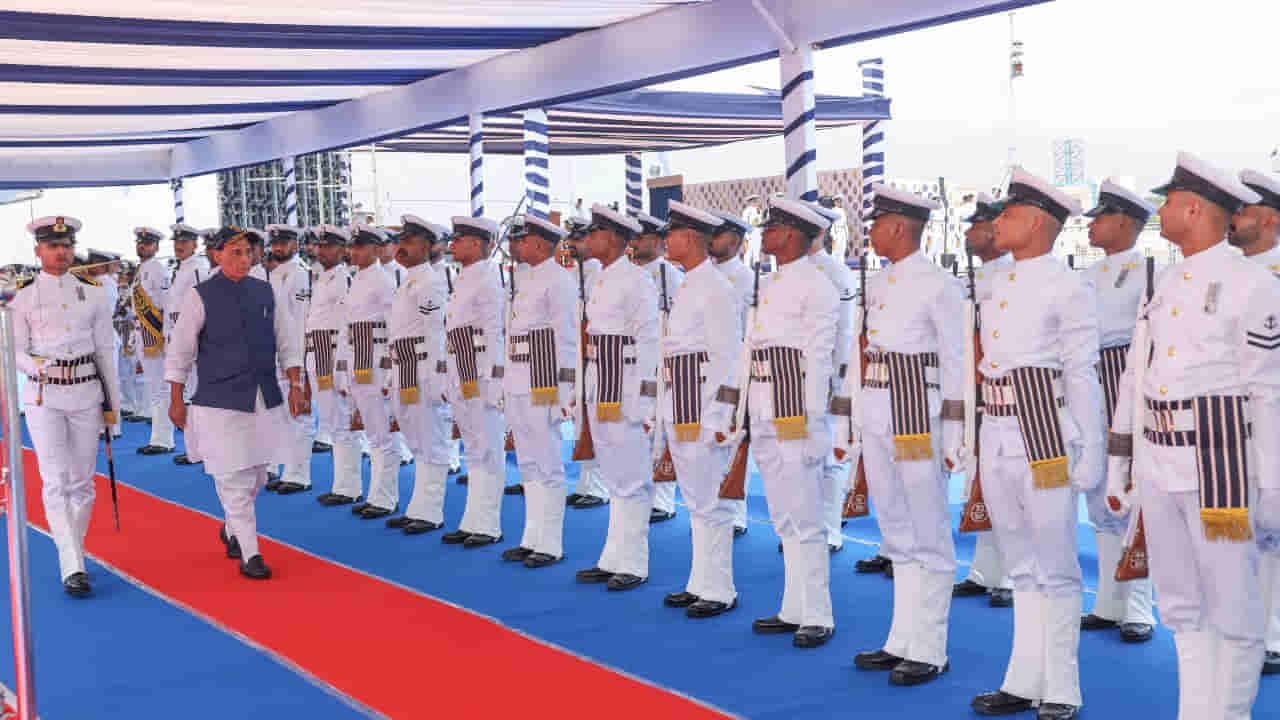
Defence Minister Rajnath Singh was present as Chief Guest on this spot. The ceremony was held at the novice Dockyard of Visakhapatnam, where many senior officers including Naval Chief Admiral Dinesh Tripathi and Chief of Defence Staff Anil Chauhan were present.

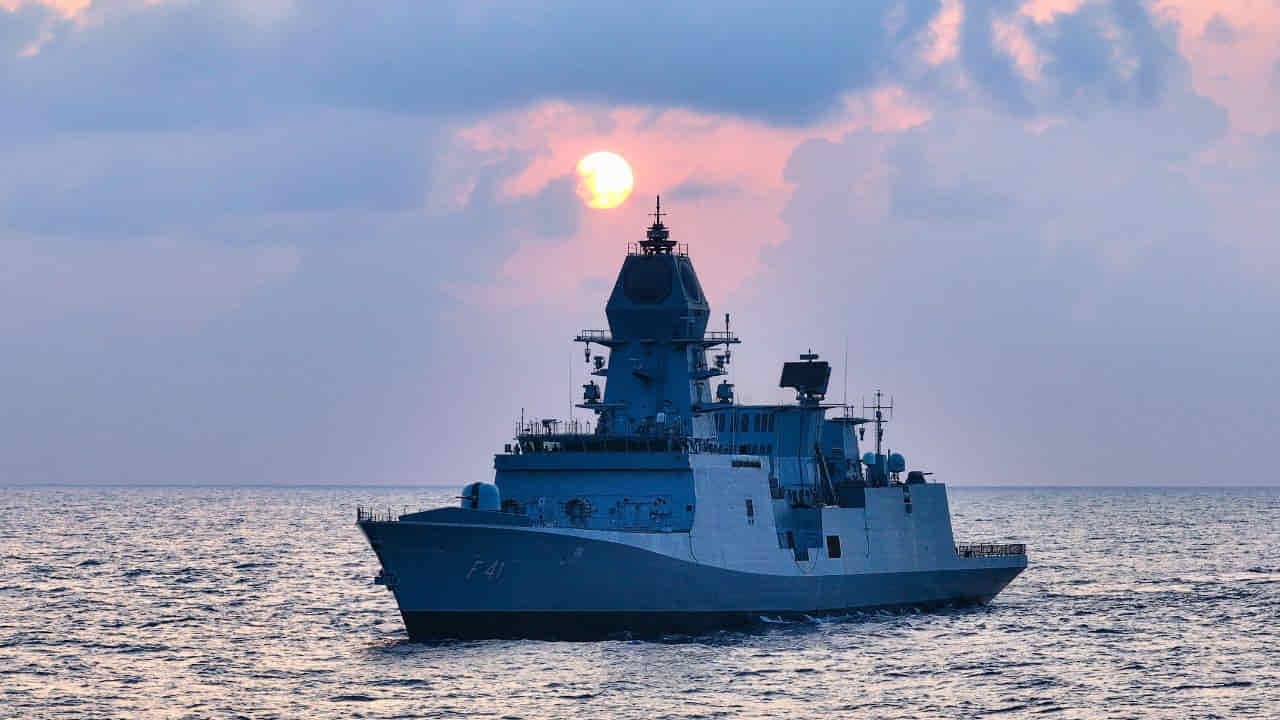
The 6,670 tonnes weighing INS Taragiri is prepared under the Project 17A and is part of the same series of modern stallth frigates, designed specifically for the Indian Navy by taking into account the new generation marine war.

INS Taragiri Commission: More than 11 thousand km long maritime limits

Defence Minister Rajnath Singh during the ceremony said INS Tarragiri Joining the Navy symbolizes India’s growing marine strength. He said that the country has a long maritime range of over 11 thousand kilometres and India is surrounded by the sea on three sides. The development of the country in such a way can not be seen separately from the sea.

He said that about 95 per cent of the country is traded by marine paths and energy security also depends on the sea. So a strong and competent navy is no longer an option but needs.

The Defence Minister also said that the Indian Navy consistently maintains its presence in the Indian Ocean region, whether it is the Persian Gulf or Malacca Jaldmiroom. In case of any crisis, the Navy always stays ahead, whether it is safe to protect people or to provide humanitarian assistance. (English)

12. Moving Things Sea English

The Defence Minister also said that in today’s time, global situations are changing rapidly and the sea is becoming the largest centre of these changes. He said that when the tension increases in the world, his influence first appears on marine trade and energy supply.

He also reported that India’s navy has proved that he doesn’t just protect the country’s interests, but is able to protect his citizens and business paths globally even when needed.

11. Distressed anxiety on the safety of internet cables

Defence Minister said that most of the data in today’s digital round moves through internet cables scattered under the sea. If these cables have any damages, it can be affected all over the world. So now maritime security is not just from the traditional perspective, but needs to be seen from a broad and future-readed approach. He said we should not only be limited to the security of our coastline, but also protect the important marine paths, choke points and digital infrastructure that are directly linked to the interests of the country. The Indian Navy is actively working in all these areas and that’s what makes us look for challenges. He said that whenever India creates and deploys modern warships such as INS Tarragiri, it resembles a guarantee of peace and prosperity throughout the region. (English)

10. Navy Chief Bole- Increased Risk on GPS and Satellite Services

So, Naval Head Admiral Dinesh Tripathi said that today’s security environment is changing rapidly and its most impact is getting to see in the marine area. The impact of ongoing tension in West Asia is also visible clean on marine trade and energy security.

The Navy chief said that no longer are just traditional threats in the marine area, but new threats such as blockage in GPS and satellite services are also exposed, making the marine operations even more complicated.

उन्होंने कहा कि आज का समुद्री सुरक्षा माहौल पहले से ज्यादा जटिल हो गया है, जहां बदलती जियोपॉलिटिक्स, नई तकनीक और नए तरह के खतरे सामने आ रहे हैं। ऐसे समय में भारतीय नौसेना का लक्ष्य है कि वह हमेशा कॉम्बैट-रेडी, भरोसेमंद और भविष्य के लिए तैयार फोर्स बनी रहे, जो कभी भी, कहीं भी देश के समुद्री हितों की रक्षा कर सके।

9. नौसेना की ताकत बढ़ाने पर जोर

नौसेना प्रमुख ने बताया कि पिछले कुछ वर्षों में भारतीय नौसेना ने लगातार अपनी ताकत बढ़ाई है। उन्होंने कहा कि हाल के समय में नौसेना ने कई नए जहाज, पनडुब्बियां और एयरक्राफ्ट स्क्वाड्रन को शामिल किया है।

उन्होंने यह भी कहा कि देश के दोनों समुद्री तटों यानी पश्चिमी और पूर्वी हिस्सों पर नौसेना की क्षमता को मजबूत किया जा रहा है, ताकि हर तरह की चुनौती का सामना किया जा सके। (INS Taragiri Commission)
8. पुराने तारागिरी की विरासत का किया जिक्र

नौसेना प्रमुख ने अपने संबोधन में पुराने आईएनएस तारागिरी की विरासत को भी याद किया। उन्होंने बताया कि इसका नाम पहले लियंडर क्लास फ्रिगेट पर रखा गया था, जो 1980 में नौसेना में शामिल हुआ था और जिसने एंटी-सबमरीन वॉरफेयर और ऑपरेशनल इनोवेशन में अहम भूमिका निभाई थी।

उन्होंने बताया कि पुराने तारागिरी ने 1999 के गुजरात चक्रवात के दौरान राहत और बचाव कार्यों में अहम भूमिका निभाई थी। इसके अलावा 2004 की सुनामी के समय श्रीलंका में मानवीय सहायता पहुंचाने में भी इस जहाज ने महत्वपूर्ण योगदान दिया था।

उन्होंने कहा कि उस समय इस जहाज पर सी किंग हेलीकॉप्टर का संचालन एक बड़ी तकनीकी उपलब्धि मानी जाती थी, जिससे नौसेना की एंटी-सबमरीन क्षमता में भी सुधार हुआ था। (INS Taragiri Commission)

7. आधुनिक तकनीक से लैस नया युद्धपोत

नई आईएनएस Tarraguri पूरी तरह आधुनिक तकनीक से लैस है। यह करीब 6,670 टन वजनी युद्धपोत है, जिसे मुंबई स्थित मझगांव जॉक शिपबिल्डर्स में बनाया गया है। इस जहाज को बनाने में 75 प्रतिशत से ज्यादा स्वदेशी सामग्री का इस्तेमाल किया गया है। इसके निर्माण में देश के 200 से ज्यादा एमएसएमई यानी छोटे और मध्यम उद्योगों ने योगदान दिया है।

6. स्टेल्थ डिजाइन से दुश्मन के लिए चुनौती

आईएनएस तारागिरी की सबसे बड़ी खासियत इसका स्टेल्थ डिजाइन है। इसका मतलब यह है कि इसे इस तरह डिजाइन किया गया है कि यह दुश्मन के रडार पर आसानी से नजर नहीं आता।

इसका रडार क्रॉस सेक्शन काफी कम रखा गया है और इसके बाहरी ढांचे को इस तरह बनाया गया है कि यह समुद्र में आसानी से छिपा रह सके। इसके अलावा इसमें कम इंफ्रारेड सिग्नेचर तकनीक भी दी गई है, जिससे दुश्मन के सेंसर इसे पकड़ने में मुश्किल महसूस करते हैं।

5. लगे हैं आधुनिक हथियार और कॉम्बैट सिस्टम

इस युद्धपोत में आधुनिक हथियारों का पूरा सेट लगाया गया है। इसमें सुपरसोनिक सर्फेस-टू-सर्फेस मिसाइल सिस्टम, मीडियम रेंज सर्फेस-टू-एयर मिसाइल और एंटी-सबमरीन वॉरफेयर सिस्टम शामिल हैं।

इन सभी सिस्टम को एक आधुनिक कॉम्बैट मैनेजमेंट सिस्टम से जोड़ा गया है, जिससे जहाज का क्रू तेजी से फैसले ले सकता है और तुरंत कार्रवाई कर सकता है।

4. तेज रफ्तार और लंबी तैनाती की क्षमता

आईएनएस तारागिरी में सीओडीओजी यानी कंबाइंड डीजल ऑर गैस प्रोपल्शन सिस्टम लगाया गया है। इससे जहाज जरूरत के हिसाब से डीजल इंजन या गैस टरबाइन का इस्तेमाल कर सकता है।

इस वजह से यह जहाज तेज रफ्तार से चल सकता है और लंबे समय तक समुद्र में तैनात रह सकता है। यह खासियत इसे अलग-अलग तरह के मिशन के लिए सक्षम बनाती है। (INS Taragiri Commission)

3. कई तरह के मिशन के लिए तैयार

आईएनएस तारागिरी को सिर्फ युद्ध के लिए ही नहीं बनाया गया है, बल्कि यह कई तरह के ऑपरेशन में काम आ सकता है। यह जहाज हाई इंटेंसिटी कॉम्बैट के साथ-साथ ह्यूमैनिटेरियन असिस्टेंस एंड डिजास्टर रिलीफ जैसे मिशन में भी इस्तेमाल किया जा सकता है।

2. प्रोजेक्ट-17 अल्फा के तहत सात फ्रिगेट

आईएनएस तारागिरी (एफ41) एक आधुनिक नीलगिरी क्लास स्टेल्थ गाइडेड मिसाइल फ्रिगेट है, जिसे प्रोजेक्ट-17 अल्फा के तहत तैयार किया गया है। प्रोजेक्ट-17 अल्फा के तहत कुल सात ऐसे फ्रिगेट बनाए जा रहे हैं। इनमें चार जहाज मझगांव डॉक द्वारा और तीन जहाज गार्डन रीच शिपबिल्डर्स एंड इंजीनियर्स द्वारा बनाए जा रहे हैं। इनमें चार नीलगिरी क्लास स्टेल्थ फ्रिगेट भारतीय नौसेना में शामिल हो चुके हैं। इनमें आईएनएस नीलगिरी, आईएनएस उदयगिरि, आईएनएस हिमगिरि और अब आईएनएस तारागिरी शामिल हैं।

इसके अलावा कुछ अन्य जहाज जैसे दुनागिरी पहले ही नौसेना को डिलीवर हो चुके हैं, लेकिन उनका कमीशन होना अभी बाकी है। वहीं महेंद्रगिरि और विंध्यगिरि जैसे अन्य युद्धपोत अलग-अलग निर्माण और परीक्षण के चरण में हैं। इन जहाजों को सी ट्रायल यानी समुद्री परीक्षण के बाद ही नौसेना में शामिल किया जाता है।

इन फ्रिगेट्स का सबसे बड़ा फायदा यह है कि ये भारतीय नौसेना की ब्लू-वॉटर क्षमता को मजबूत करते हैं। इसका मतलब है कि अब भारतीय नौसेना सिर्फ अपने तटों की रक्षा तक सीमित नहीं है, बल्कि दूर समुद्र में भी लंबे समय तक ऑपरेशन कर सकती है। स्टेल्थ डिजाइन, तेज मिसाइलें और पनडुब्बी रोधी क्षमता के चलते ये युद्धपोत एक साथ कई तरह के खतरों का सामना करने में सक्षम हैं।

1. इस साल 15 शिप शामिल करने का लक्ष्य

नौसेना का लक्ष्य 2035 तक 200 से ज्यादा जहाजों की फ्लीट तैयार करना है। जिनमें अभी सभी 50 से ज्यादा शिप भारतीय यार्ड्स में ही बन रहे हैं।

अगर साल 2025 की बात करें, तो इस दौरान भारतीय नौसेना में कुल 12 नए युद्धपोत, एक पनडुब्बी और एक एयरक्राफ्ट स्क्वाड्रन को शामिल किया गया। वहीं, साल 2026 में यह रफ्तार और बढ़ने की उम्मीद है। नेवी चीफ के मुताबिक इस साल करीब 15 नए युद्धपोत नौसेना में शामिल किए जा सकते हैं। इस तेज रफ्तार के पीछे कई कारण हैं। सबसे बड़ा कारण है भारत का मजबूत होता स्वदेशी शिपबिल्डिंग सिस्टम। मझगांव डॉक, गार्डन रीच शिपबिल्डर्स, कोचीन शिपयार्ड और एलएंडटी जैसे शिपयार्ड अब एक साथ कई जहाजों का निर्माण कर रहे हैं। इसके साथ ही मॉड्यूलर कंस्ट्रक्शन तकनीक अपनाई जा रही है, जिससे अलग-अलग हिस्सों को पहले तैयार करके बाद में जोड़ा जाता है, और समय की बचत होती है।

वहीं, पहले किसी भी नए जहाज की पहली यूनिट बनने में ज्यादा समय लगता था, लेकिन अब उसी क्लास के अगले जहाज कम समय में तैयार हो रहे हैं। अनुभव और तकनीकी सुधार की वजह से अब बाद के जहाज 20 से 30 प्रतिशत कम समय में बन जाते हैं। इसके अलावा पहले नौसेना किसी जहाज को कमीशन करने से पहले कम से कम पांच सॉर्टी करती थी, जहां जहाज का परीक्षण करती थी, लेकिन अब 1-2 सॉर्टी में ही अप्रूवल मिल जाता है। इसकी वजह है कि जहाज बनाने वाली कंपनियों को इस बात का अनुभव हो गया कि नौसेना की असल जरूरत क्या है, जिसका फायदा जल्दी कमीशनिंग में देखने को मिल रहा है।

इसके अलावा आत्मनिर्भर भारत और मेक इन इंडिया जैसी योजनाओं ने भी इस रफ्तार को बढ़ाया है। अब जहाजों में 75 प्रतिशत से ज्यादा स्वदेशी सामग्री इस्तेमाल हो रही है और सैकड़ों छोटे और मध्यम उद्योग इसमें योगदान दे रहे हैं। सरकार की नीतियों और बेहतर प्रोजेक्ट मैनेजमेंट ने भी निर्माण प्रक्रिया को तेज किया है। (INS Taragiri Commission)

Exclusive: Big Lessons Found from Operation Sindoor! NCST Generation Air Defense Gun for Dealing with Swarm Drone

ADG NG Air Defence Gun RFI

ADG NG Air Defence Gun RFI: Indian Army is now making big preparations while taking lessons from operation shifter. To further strengthen the Army’s air defense capacity, the Army’s Air Defence Wing has released the Request for Information for the purchase of the new generation air defense gun i.e. ADG-NG. The move has been taken at a time when new threats such as drones, swarm drones, cruise missiles, and precision guided Muniitions are rising rapidly in the battlefield.

The army believes that the enemy is now using small and cheap weapons instead of large platforms, compared to traditional fighter jets or helicopters. Attacks are also being carried out through drones. Several drones are attacked once, which increases pressure on the air defense system. In such a gun system is felt the need for a gun that can immediately eliminate these dangers in low cost.

ADG NG Air Defense Gun RFI: Operation Synergy

In RFI Operation Shifter Also referring to. It has been reported that the enemy on the western front used the drone and the Swarm drone for both surveillance and attack. These attacks targeted civil and defense bases.

Given these changing threats now a new generation gun system is being felt needed. This system can identify the targets in time, track it and eliminate it in low cost, so as to protect critical bases from any major losses.

This is why the army now wants a gun system that can track and neutralize more targets in less time. ADG-NG is being prepared by taking into account the same need. (ADG NG Air Defence Gun RFI)

How to Work This Gun

Army Air Defense works to protect it in every season of important bases present in the War area and the rear areas. Protecting these bases from enemy airstrikes is its responsibility.

New Air Defense Gun It will also be applied to the vehicle or to be taken by stretching it. The electro-optical fire control system will be applied, allowing it to attack it by identifying the target itself.

This system will target different types of threats. It includes fighter aircraft, helicopters, drones, remote piloted aircraft, cruise missiles and precision guided weapons.

The new air defense gun will be designed in such a way that it can handle many kinds of air hazards together. It includes weapons such as fixed wing aircraft, helicopter, drone, cruise missile and rocket-artillery-mortar.

Its main task will be to recognize the target quickly, track it and eliminate it accurately at the right time. The particular thing is that this system will also be effective against flying targets at low altitudes, which often escape from the radar. (ADG NG Air Defence Gun RFI)

What will be technical merits

The marching capacity of this gun is kept at least 4 kilometres or more. It will also target the targets coming from a speed of 500 meters per second. The firing speed will be at least 300 rounds per minute, allowing more fires in less time. Its effective height will be 2500 m or more. It also includes small targets such as micro aircraft, para motor, paraglyder and small drones.

The ammunition used in it will also be modern. It will have rounds with programmable and proximity fuse, which can burst itself by reaching the target. Also, general high exclusive rounds and training commissions will be included.

The gun will have automatic loading system, saving time during firing. It can be operated with low crew and two people will be able to reload it.

Power and System Integration

Gun will have its power system, which will include both generator and battery. Silent operation can also be done through the battery, making it difficult for the enemy to assess its location.

This system will be modular, i.e. it can be changed as needed. Also it can be combined with the existing radar and navigation system. (ADG NG Air Defence Gun RFI)

Sensor & Fire Control System

The biggest strength of this gun will be its electro-optical fire control system. It will have the ability to work in both Day and Night. With the help of the camera, thermal imaging and laser range finder it will also identify the distant target.

If the electronic system fails for some reason, it will also be run through the manual open site. This means that it will not be completely closed even in bad situations. The system will also feature the recording, which will allow the operation to be viewed later. (ADG NG Air Defence Gun RFI)

Ability to work in every terrain

The army wants this gun to work in every kind of terrain. Whether there are high mountain terrains, deserts or general grounds, it can be deployed everywhere. Its movement speed in the plains can be up to 50 kilometres per hour, while the mountains will have a capacity of 30 kilometres per hour and 20 kilometres per hour in the off road.

This system will be designed to work in temperatures ranging from -30 degrees to +55 degrees. Also, it can be used from sea level to 4.5 km height.

The Ministry of Defence has also sought information from companies to how different targets can be identified. It includes from small drones to helicopters and fighter jets.

Fighter jets such as DJI Mavic Pro 3 drones, chita helicopters and Rafael have been taken as an example. (ADG NG Air Defence Gun RFI)

Field trial in India

The Army will adopt a two-bid system to buy this system. The first technical evaluation will be followed and the commercial bid will be opened. Field trials will be made only in India where its capacity will be tested in different conditions.

The project has a special emphasis on indigenous stakes. At least 50 percent of the indigenous content is essential, i.e. it will be made in India.

The project is open for both Government and Private Sector companies. Many companies working in the defence sector can participate in it. They have to inform their technical capacity, production capacity and support system.

The army has also asked companies how quickly they can produce and how many guns can supply.

Pre-submission meeting is laid in the middle of April, where companies will have the chance to overcome their doubts. Ministry of Defence has asked companies to submit their responses to June 11. Further process will be started. (ADG NG Air Defence Gun RFI)

These air defense guns used in operation shifter

Indian Army During Operation Sindoor Air Defense Units faced massive drone attacks. On the western front, Pakistan used more than 600 small drones and swarm drones to monitor the motive and attack military bases. The Army Air Defense adopted a multi-layer system to tackle these threats, which used both guns and missiles.

The most commonly used boforce L-70 40mm anti-aircraft gun used in this operation. This gun was with upgraded system, including electro-optical fire control system and proximity fuse recognition. Its firing speed is more than 300 rounds per minute and it dropped several drones.

Also ZU-23-2 twin barrel gun used. This is a gun with light and fast firing, which proved to be quite efficient in dropping small drones. While the vehicle mounted ZU-23-4 sillka gun system was also deployed in some places, which can move faster.

इन गन्स के साथ मिसाइल सिस्टम जैसे पिचोरा और ओसा-का भी इस्तेमाल हुए, जबकि सभी सिस्टम को एक साथ जोड़ने के लिए आधुनिक कमांड और कंट्रोल नेटवर्क का सहारा लिया गया। ऑपरेशन के दौरान इन गन्स ने बड़ी संख्या में ड्रोन को गिराकर महत्वपूर्ण ठिकानों की सुरक्षा की। (ADG NG Air Defence Gun RFI)

Explainer: Why is Russia-France-US and Israel making distances from India? What is the country’s new Military Diplomacy Plan?

India Defence Attache Reshuffle
File Photo: ADGPI

India Defence Attache Reshuffle: India has started preparing to make a major change in its military deplomacy, which will have a direct impact in many countries. The Parliamentary Committee informed that India is now preparing a major change in its defence attic network deployed abroad. Now India is reducing its presence in countries where it has long been buying weapons. While, under the new strategy, the Indian arms’ purchasers exist. This change is being implemented in a step-by-step manner and aims to increase defence exports.

India Defence Attache Reshuffle: What Is Defence Attachie And What Is Its Role

Defence Attachie There is a senior military officer positioned in the Embassy of any country. Its work is to strengthen defence cooperation between two countries, exchange military information and maintain strategic dialogue.

The role of these officers so far has been more important in the countries, from which India bought weapons and military techniques. But now this system is being replaced.

Under the new policy, Defence Attachie will not just remain a military contact officer, but also represent India’s defence industry. (India Defence Attache Reshuffle)

Why did CDS decide

Chief of Defence Staff Anil Chauhan Discussed during negotiations with Parliamentary Defence Standing Committee on this change in Defence Attaches. This is the same committee, whose recent report was introduced in Lok Sabha last week.

Chief of Defence Staff Anil Chauhan told the Parliamentary Defence Committee that India now wants to play the role of an exporter. It is necessary to change the focus of military diplomacy.

He clarified that a large number of atachis were deployed from countries where India imported weapons. Now they are being sent to countries where Indian defence products are likely to be demanded.

Deployment in which countries are decreasing

Under this change, India has started reducing its military diplomatic presence in countries that have long been its leading supplier. These include countries like Russia, France, America and Israel.

The last year’s figures show that India’s total arms had come from the same countries between 2021 to 2025. Russia remained the largest supplier with about 40 percent stake alone, while France and Israel’s contributions were also huge.

Now the number of attachments in these countries is being reduced, as India’s role is primarily the buyer’s role here.

Where is the presence of India

On the other hand, India is now expanding its presence in areas where Defence Exports The possibilities are high. Defence needs are increasingly increasing in many countries of Southeast Asia, Africa and Latin America. These countries have limited budgets, so they look for options that are cheap, trustworthy and durable.

India is introducing itself in the same form and strengthening its reach to these countries through the Defence Attachie Network. (India Defence Attache Reshuffle)

Fast Growing Indian Defence Export

India’s defence exports have grown steadily over the past few years. The figure reached Rs 23,682 crore in FY 2024-25, which is about 12 percent higher than last year.

सरकार ने लक्ष्य रखा है कि 2029-30 तक इसे बढ़ाकर 50,000 करोड़ रुपये किया जाए।

इस लक्ष्य को हासिल करने के लिए निर्यात को बढ़ावा देना जरूरी है, और इसी दिशा में डिफेंस अटैची नेटवर्क को फिर से व्यवस्थित किया जा रहा है।

हाल ही में जारी English की एक रिपोर्ट के मुताबिक 2016-20 से 2021-25 के बीच भारत के हथियार आयात में करीब 4 फीसदी की कमी आई है। इसके बावजूद भारत अब भी दुनिया का दूसरा सबसे बड़ा सैन्य उपकरण आयातक बना हुआ है और वैश्विक हथियार आयात में उसकी हिस्सेदारी लगभग 8.2 फीसदी है।

क्या-क्या बेच रहा है भारत

भारत अब दुनिया के करीब 100 देशों को रक्षा उपकरण निर्यात कर रहा है। इनमें मिसाइल, आर्टिलरी गन, रॉकेट, आर्मर्ड व्हीकल, ऑफशोर पेट्रोल वेसल, रडार, सर्विलांस सिस्टम और गोला-बारूद जैसे कई उत्पाद शामिल हैं।

इसमें निजी कंपनियों और सरकारी रक्षा उपक्रमों दोनों का योगदान है। निजी सेक्टर ने इस क्षेत्र में तेजी से अपनी जगह बनाई है। (India Defence Attache Reshuffle)

ब्रह्मोस की बढ़ रही मांग

भारत अब छोटे उपकरणों के साथ-साथ बड़े और एडवांस हथियार सिस्टम भी निर्यात करने की दिशा में आगे बढ़ रहा है। ब्रह्मोस मिसाइल इसका प्रमुख उदाहरण है। फिलीपींस को इस मिसाइल सिस्टम की आपूर्ति पहले ही की जा चुकी है। इसके अलावा इंडोनेशिया के साथ भी इस मिसाइल को लेकर बातचीत चल रही है।

इसके साथ ही हल्के लड़ाकू विमान, एडवांस हेलीकॉप्टर और अन्य प्लेटफॉर्म भी निर्यात के लिए तैयार किए जा रहे हैं। (India Defence Attache Reshuffle)

क्या होगी डिफेंस अटैची की नई भूमिका

अब डिफेंस अटैची की जिम्मेदारी सिर्फ सैन्य संपर्क तक सीमित नहीं रहेगी। उन्हें यह निर्देश दिए गए हैं कि वे भारत के पूरे रक्षा उद्योग का प्रतिनिधित्व करें। इसमें सरकारी कंपनियों के साथ-साथ निजी कंपनियां भी शामिल हैं। इसका मतलब यह है कि अब अटैची विदेशी देशों में जाकर भारतीय रक्षा उत्पादों को बढ़ावा देने और नए बाजार तलाशने का काम करेंगे।

नीति सुधारों का असर

सरकार ने पिछले कुछ वर्षों में रक्षा उत्पादन और निर्यात को बढ़ावा देने के लिए कई अहम सुधार किए हैं। लाइसेंसिंग प्रक्रिया को आसान बनाया गया है, कई कंपोनेंट्स को लाइसेंस की जरूरत से बाहर किया गया है और निर्यात अनुमति प्रक्रिया को सरल किया गया है। इन सुधारों के कारण रक्षा क्षेत्र में कंपनियों की संख्या बढ़ी है और निर्यात में तेजी आई है। (India Defence Attache Reshuffle)

शिपबिल्डिंग सेक्टर पर जोर

भारत अब खुद को वैश्विक शिपबिल्डिंग हब के रूप में भी स्थापित करने की कोशिश कर रहा है। इसके तहत अंतरराष्ट्रीय कंपनियों को भारत में निवेश और तकनीकी सहयोग के लिए आमंत्रित किया जा रहा है। इसका उद्देश्य समुद्री क्षमता को मजबूत करना और नए रोजगार के अवसर पैदा करना है।

हालांकि भारत अभी भी दुनिया का दूसरा सबसे बड़ा हथियार आयातक बना हुआ है, लेकिन इसमें धीरे-धीरे कमी आ रही है। इससे साफ है कि भारत अब आयात पर निर्भरता कम करने और निर्यात बढ़ाने की दिशा में आगे बढ़ रहा है।

चरणबद्ध तरीके से हो रहा बदलाव

डिफेंस अटैची नेटवर्क में यह बदलाव एक साथ नहीं किया गया है, बल्कि इसे चरणों में लागू किया गया है। पहले चरण में उन देशों से अटैचियों को हटाया गया जहां से आयात होता था, जबकि दूसरे चरण में नए बाजार वाले देशों में उनकी तैनाती बढ़ाई गई। इस पूरी प्रक्रिया का मकसद यह है कि भारत की सैन्य कूटनीति सीधे उसके आर्थिक और रणनीतिक लक्ष्यों को मजबूत करे। (India Defence Attache Reshuffle)

Training of T-90 tank gunners will be run without pill! AI Based Virtual Warfield Simulator to purchase Indian Army

T-90 Gunnery Simulator
T-90 BHISHMA

T-90 Gunnery Simulator: Indian Army will now train T-90 Bhishma Tank crew on simulators. The Ministry of Defence has released the RFI for investment to buy a close 50 basic gunary simulators. Through these simulators, the tank gunners will be taken to the real firing range without training.

This simulator will be specially designed by taking into account the gunner and commander of the T-90 tank, so that they can practice better in an atmosphere like real war.

T-90 Gunnery Simulator: Real firing experience

The Army has cleaned that this simulator will not just be a simple system training on the screen, but it will have a complete experience like real firing. Inside the tank Exactly real T-90 As will be built, in which the gunner’s seat, controls and display systems will work the same way.

It will teach the entire process of identifying the enemy to the gunner, tracking him, slogan, and fire. The main cannon of 125mm, 7.62mm machine gun, Invar missile and smoke grenade launcher will also be taught. T-90 Gunnery Simulator

Sounds and shocks

this Simulator There will be a special point of view that it will be given a complete experience of not just visual, but also voice and shocks. When the tank fire will feel blow and flash on the screen will also appear.

इंजन की आवाज, ऑटो लोडर के चलने की आवाज, दुश्मन की फायरिंग और युद्ध में बम फटने की आवाजें भी सुनाई देंगी। इससे ट्रेनिंग लेने वाला सैनिक मानसिक रूप से उसी स्थिति में पहुंच जाएगा, जैसा असली युद्ध के दौरान होता है। (T-90 Gunnery Simulator)

मशीन में होगा आर्टिफिशियल इंटेलिजेंस का इस्तेमाल

इस सिमुलेटर में आर्टिफिशियल इंटेलिजेंस यानी एआई का खास इस्तेमाल किया जाएगा। इसमें दुश्मन के टारगेट एआई के जरिए तैयार किए जाएंगे, जो हर अभ्यास के साथ ज्यादा मुश्किल होते जाएंगे।

इंस्ट्रक्टर चाहे तो कठिनाई का स्तर खुद भी तय कर सकता है। इसके अलावा सिस्टम खुद ही यह देखेगा कि ट्रेनिंग लेने वाला सैनिक कहां गलती कर रहा है और उसे सुधारने के सुझाव भी देगा। (T-90 Gunnery Simulator)

अलग-अलग इलाकों में होगी ट्रेनिंग

इस सिस्टम में भारत के अलग-अलग सीमावर्ती इलाकों जैसा माहौल बनाया जाएगा। इसमें पश्चिमी सीमा, नियंत्रण रेखा और वास्तविक नियंत्रण रेखा जैसे क्षेत्रों के हालात शामिल होंगे।

रेगिस्तान, मैदान, नदी के इलाके, ऊंचाई वाले पहाड़ी क्षेत्र और शहरी इलाकों जैसे अलग-अलग टेरेन में ट्रेनिंग दी जाएगी। इससे सैनिकों को हर तरह के ऑपरेशन के लिए तैयार किया जा सकेगा। (T-90 Gunnery Simulator)

ट्रेनिंग पर नजर रखेगा इंस्ट्रक्टर

इस सिस्टम में एक इंस्ट्रक्टर स्टेशन भी होगा, जहां से ट्रेनिंग पर नजर रखी जाएगी। इंस्ट्रक्टर यह देख सकेगा कि सैनिक कैसे प्रदर्शन कर रहे हैं, कहां गलती कर रहे हैं और उन्हें कैसे सुधारना है। साथ ही बाहर लगे डिस्प्ले पर दूसरे सैनिक भी ट्रेनिंग को देख सकेंगे।

जरूरत पड़ने पर सिस्टम में जानबूझकर खराबी भी डाली जा सकती है, ताकि सैनिकों को इमरजेंसी स्थिति से निपटना सिखाया जा सके।

साइज और मजबूती पर खास ध्यान

सेना ने सिमुलेटर के डिजाइन को लेकर भी स्पष्ट निर्देश दिए हैं। इसे मिलिट्री ग्रेड मजबूती के साथ बनाया जाना होगा, ताकि यह अलग-अलग मौसम और कठिन परिस्थितियों में काम कर सके।

यह सिस्टम इतना कॉम्पैक्ट होगा कि इसे अशोक लेलैंड स्टैलियन ट्रक में रखा जा सके। इसका वजन और साइज भी तय सीमा के भीतर होना चाहिए, ताकि इसे आसानी से एक जगह से दूसरी जगह ले जाया जा सके।

यह सिमुलेटर -10 डिग्री से लेकर 45 डिग्री तक के तापमान में काम कर सकेगा और दिन में 12 से 16 घंटे तक लगातार चलने में सक्षम होगा। इसमें बैकअप पावर के लिए यूपीएस की सुविधा भी होगी। (T-90 Gunnery Simulator)

लंबी सर्विस लाइफ और मेंटेनेंस की व्यवस्था

सेना ने इस सिमुलेटर की सर्विस लाइफ करीब 15 साल तय की है। कंपनियों को यह भी सुनिश्चित करना होगा कि वे लंबे समय तक इसके स्पेयर्स और मेंटेनेंस की सुविधा दे सकें।

साथ ही, अगर किसी कंपनी को प्रोडक्शन बंद करना हो, तो उसे पहले से सूचना देनी होगी, ताकि जरूरी पार्ट्स का स्टॉक तैयार किया जा सके। (T-90 Gunnery Simulator)

खरीद प्रक्रिया में स्वदेशी कंपनियों को प्राथमिकता

यह पूरी प्रक्रिया आत्मनिर्भर भारत के तहत की जा रही है। इसका मतलब है कि इसमें भारतीय कंपनियों को प्राथमिकता दी जाएगी। सेना कंपनियों से यह भी पूछ रही है कि उनके प्रोडक्ट में कितना हिस्सा भारत में बना है। इसके आधार पर आगे चयन किया जाएगा। (T-90 Gunnery Simulator)

Bad news for China-Pakistan; IAF’s ‘Baj’ will form and upgrades big missiles going to air in malignant, Mig-29

MiG-29 ASRAAM missile upgrade
IAF/Gp Captain Indranil Nandi

MiG-29 ASRAAM upgrade plant: Indian Air Force is preparing to make its favourite ‘Baj’ i.e. MiG-29 fighter aircraft (Fulcrum) more fatal. Air Force Mig-29 is preparing for ASRAAM i.e. Advanced Short Range Air-to-Air Missile. Air Force has also started the procedure for it. Recently, Air Force has released RFP i.e. request for proposal, which has been tendered from indigenous companies.

Under this upgrade, 56 aircraft of MiG-29 Fleet, including 48 fighters and 8 trainers, will be integrated and certified of the ASRAAM missile. Also new launcher, testing equipment, spares and training will be part of this project.

MiG-29 ASRAAM upgrades: why it is necessary to upgrade

Mig-29 Indian Air Force One of the important is the fighter aircraft, which has been upgraded to the MiG-29UPG version. However, some of the missiles used in it have now been outdated. The R-73 missile used in the short rangefight i.e. Cloose Combat is based on the 1980s technology, with a range of 10-15 km. For Medium Range R-77 The missile is also used.

In today’s time when Air Combat is rapidly changing, where better sensors, electronic warfare and new missile technology is needed. With the introduction of the latest missile like ASRAAM, MiG-29’s Combat capacity will remain, but also in the Modern Dogfight its superiority will remain. (MiG-29 ASRAAM upgrade plant)

MiG-29 ASRAAM missile upgrade
Photo Source: IAF

What is ASRAAM Missile

ASRAAM A short range is air-to-air missile (with in-visual range-WVR), which has been developed by the UK company MBDA. This missile can fly at a speed of more than Mac-3 and its range is considered more than 25 kilometres. ASRAAM was incorporated in the Royal Air Force (RAF) in the year 1998.

It contains advanced infrared imaging seize, which can better identify the enemy plane. It is also capable of avoiding techniques like missile flares and jamming.

A merit of ASRAAM is also that it can also be used in lock-on bifor launch (LOBL) and lock-on after launch (LOAL) mode. The pilot in the lock-on bifor launch mode sees the aircraft of the first enemy from its screen or helmets and locks the missile at the same time to the target. When locked, the missile is fired. The advantage of this is that the missile is already caught to the target, so the chances of hitting are high.

While the lock-on after launch is much advanced. This mode gives the missile stains before the pilot is completely locked. The missile moves in the air and locks itself by finding the target. The pilot in it just tells the direction to which the enemy is on. The rest of the work does the missile itself.

The biggest advantage of this is that the pilot does not have to put the enemy directly. He can attack either in the side or in the way away. Many times the enemy does not even know that the missile is coming to his side. (MiG-29 ASRAAM upgrade plant)

MiG-29 ASRAAM missile upgrade
Air Chief Marshal AP Singh with MiG-29 UPG on March 12, 2019

How to combat China’s PL-10 and Pakistan’s PL-10E

भारत के मुकाबले चीन और पाकिस्तान भी अपने फाइटर जेट में आधुनिक शॉर्ट रेंज मिसाइलें इस्तेमाल कर रहे हैं। चीन की PL-10 और उसका एक्सपोर्ट वर्जन PL-10E ऐसी ही मिसाइलें हैं। चीन की PL-10 मिसाइल को साल 2015 में सेवा में शामिल किया गया था। इसका डेवलपमेंट 2004 में शुरू हुआ था और 2010 में इसका डिजाइन मंजूर हुआ। इसके बाद 2013 से इसका प्रोडक्शन शुरू हो गया।

यह मिसाइल खास तौर पर चीन के नए फाइटर जेट जैसे जे-10सी, जे-16 और जे-20 के लिए बनाई गई है। यह एक शॉर्ट रेंज इंफ्रारेड गाइडेड मिसाइल है, यानी यह दुश्मन के विमान की गर्मी को ट्रैक करके उसे निशाना बनाती है।

पीएल-10 की रेंज आम तौर पर करीब 20 किलोमीटर बताई जाती है, लेकिन कुछ परिस्थितियों में यह 30 किलोमीटर तक भी जा सकती है। इसकी स्पीड मैक-4 तक पहुंच सकती है, जो इसे काफी तेज बनाती है।

अगर ASRAAM से तुलना करें, तो पीएल-10 की टॉप स्पीड ज्यादा है। लेकिन ASRAAM में बड़ा रॉकेट मोटर लगा होता है, जिससे यह ज्यादा देर तक रफ्तार बनाए रख सकती है और लंबी दूरी तक असरदार बनी रहती है।

पाकिस्तान ने भी इस मिसाइल का इस्तेमाल शुरू कर दिया है। वह पीएल-10ई वर्जन को अपने जेएफ-17 ब्लॉक-3 फाइटर जेट में लगा रहा है। यह डील चीन और पाकिस्तान के बीच रक्षा सहयोग का हिस्सा है।

मिग-29 में हुए क्या-क्या अपग्रेड

हाल ही में 12 मार्च को एयर फोर्स चीफ एयर चीफ मार्शल एपी सिंह ने आदमपुर एयरबेस पर अपग्रेड हुए मिग-29 यूपीजी को उड़ाया था। भारतीय वायुसेना के मिग-29यूपीजी एयरक्राफ्ट पहले से ही कई अपग्रेड से गुजर चुके हैं। शुरुआत में 6 मिग-29 विमानों का अपग्रेड रूस में किया गया था, जबकि बाकी विमानों को भारत में नासिक स्थित 11 बेस रिपेयर डिपो में अपग्रेड किया गया। वायुसेना के अधिकारियों के अनुसार, हर एक मिग-29 को अपग्रेड करने में करीब 15 मिलियन डॉलर खर्च आया है। अपग्रेड के बाद मिग-29यूपीजी की क्षमता काफी हद तक एफ-16 ब्लॉक 70 जैसे आधुनिक फाइटर के बराबर मानी जा रही है।

इसमें नया झुक-एमई रडार लगाया गया है, जो एक साथ कई टारगेट को ट्रैक कर सकता है। हवाई मोड में यह करीब 120 किलोमीटर दूर तक दुश्मन के विमान को पहचान सकता है। यह एक साथ 10 टारगेट को ट्रैक कर सकता है और उनमें से 4 पर एक साथ हमला किया जा सकता है। इसके अलावा इसमें एडवांस एवियोनिक्स, ग्लास कॉकपिट और इन-फ्लाइट रिफ्यूलिंग जैसी सुविधाएं भी जोड़ी गई हैं।

मिग-29यूपीजी में ईएलटी-568 जैमर भी लगाया गया है। यह सिस्टम दुश्मन के रडार और मिसाइलों को भ्रमित करने में मदद करता है। इससे विमान पर हमला करना मुश्किल हो जाता है।

इसके अलावा मिग-29 में डी-29 इलेक्ट्रॉनिक वॉरफेयर सूट भी लगाया गया है, जो दुश्मन के रडार को पहचान कर उसे जाम करने में मदद करता है। इसे भारत में ही डिफेंस एवियोनिक्स रिसर्च एस्टेब्लिशमेंट ने बनाया है और इसका निर्माण बीईएल ने किया है। इसके साथ ही इसमें आईआरएसटी यानी इंफ्रारेड सर्च एंड ट्रैक सिस्टम भी है, जो बिना रडार ऑन किए दुश्मन के विमान को ट्रैक कर सकता है।

इसके अलावा इसमें सिक्योर डेटा लिंक भी लगाया गया है, जिससे यह अवाक्स और ग्राउंड रडार से जुड़कर जानकारी ले सकता है। (MiG-29 ASRAAM missile upgrade)

MiG-29 ASRAAM missile upgrade

मिग-29 का इंजन भी बदला

मिग-29 यूपीजी में नए सीरीज-3 आरडी-33 इंजन भी लगाया गया है। जहां चीन का जे-11 फाइटर जेट थ्रस्ट-टू-वेट रेशियो के मामले में करीब 1 पर है, वहीं मिग-29 यूपीजी का यह अनुपात लगभग 1.11 तक पहुंच जाता है। जिससे मिग-29 ज्यादा वजन के साथ भी बेहतर प्रदर्शन कर सकता है।

मिग-29 के आरडी-33 इंजन की खासियत यह है कि यह बहुत तेजी से पावर जनरेट करता है, जिससे पायलट को अचानक स्पीड और ऊंचाई बदलने में मदद मिलती है। यही वजह है कि हवाई लड़ाई के दौरान यह दुश्मन की मिसाइलों से बचने और जवाबी हमला करने में ज्यादा सक्षम माना जाता है। इन इंजनों का निर्माण भारत में ही एचएएल के कोरापुट डिवीजन में लाइसेंस के तहत किया जा रहा है। इस अपग्रेड के बाद मिग-29 अब सात हार्ड पॉइंट्स पर करीब 4,500 किलोग्राम तक हथियार ले जा सकता है, जिससे इसकी स्ट्राइक क्षमता बढ़ गई है।

इसके अलावा इस अपग्रेड से मिग-29 की रेंज में भी करीब 40 प्रतिशत तक बढ़ोतरी हुई है। अब यह विमान सिर्फ अपने इंटरनल फ्यूल के सहारे करीब 2,100 किलोमीटर तक मिशन पूरा कर सकता है। साथ ही इसमें एयर-टू-एयर रिफ्यूलिंग के लिए रिट्रैक्टेबल प्रोब भी जोड़ा गया है, जिससे जरूरत पड़ने पर उड़ान के दौरान ही ईंधन भरा जा सकता है। (MiG-29 ASRAAM missile upgrade)

MiG-29 ASRAAM missile upgrade

बढ़ जाएगी मिग-29 की लाइफ

मिग-29यूपीजी एयरक्राफ्ट को अभी कई साल तक सेवा में रखा जाना है। भारतीय वायुसेना का प्लान इसे 2033–37 तक रिटायर करने का है। इस वजह से इसमें लगातार नए अपग्रेड किए जा रहे हैं, ताकि यह आधुनिक युद्ध की जरूरतों के मुताबिक काम करता रहे। ASRAAM का इंटीग्रेशन इसी दिशा में एक बड़ा कदम माना जा रहा है। भारतीय वायुसेना के पास फिलहाल मिग-29 की तीन स्क्वाड्रन हैं, जो अलग-अलग इलाकों में तैनात हैं। इन एयरक्राफ्ट का इस्तेमाल एयर डिफेंस और इंटरसेप्शन मिशन में किया जाता है। इन बदलावों के चलते इस विमान की उम्र करीब 10 साल तक बढ़ गई है। इसके रखरखाव की लागत भी कम हुई है और इसकी ऑपरेशनल रेंज भी पहले से ज्यादा हो गई है।

इन सभी अपग्रेड के बाद मिग-29यूपीजी अब एक आधुनिक 4 जेनरेशन फाइटर के बराबर माना जाता है। इसकी लड़ाकू क्षमता और इलेक्ट्रॉनिक वॉरफेयर ताकत दोनों में बड़ा सुधार हुआ है। अब यह विमान पहले की तुलना में ज्यादा समय तक उड़ान भर सकता है और ज्यादा प्रभावी तरीके से मिशन पूरा कर सकता है। (MiG-29 ASRAAM missile upgrade)

किन मिसाइलों की जगह लेगी ASRAAM

मिग-29 में अभी दो तरह की एयर-टू-एयर मिसाइलें इस्तेमाल होती हैं। मीडियम रेंज के लिए आर-77 मिसाइल और शॉर्ट रेंज मिसाइल के लिए आर-73 मिसाइल लगी है।

अब वायुसेना आर-77 की जगह स्वदेशी अस्त्र मार्क-1 और आने वाले समय में अस्त्र मार्क-2 को शामिल करने की योजना बना रही है। वहीं आर-73 की जगह ASRAAM को लाया जा रहा है।

इस बदलाव के बाद मिग-29 पूरी तरह आधुनिक मिसाइल सिस्टम से लैस हो जाएगा, जिसमें लंबी दूरी के लिए अस्त्र और नजदीकी लड़ाई के लिए ASRAAM का कॉम्बिनेशन होगा। (MiG-29 ASRAAM missile upgrade)

MiG-29 ASRAAM missile upgrade

दो कंपनियां बनाती हैं ASRAAM

ASRAAM मिसाइल को मुख्य रूप से दो कंपनियां बनाती हैं। पहली कंपनी है ब्रिटेन की MBDA है, जो इस मिसाइल की असली और मुख्य निर्माता यानी ओईएम है। दुनिया भर में जो ASRAAM मिसाइल इस्तेमाल होती है, उसकी सप्लाई भी यही कंपनी करती है। यूके, ऑस्ट्रेलिया और कई फाइटर जेट जैसे टाइफून और एफ-35 में यही मिसाइल लगाई जाती है।

वहीं, दूसरी कंपनी है भारत डायनैमिक्स लिमिटेड यानी BDL, जो भारत की सरकारी रक्षा कंपनी है। साल 2021 में दोनों कंपनियों के बीच एक समझौता हुआ था, जिसके तहत भारत में ही ASRAAM मिसाइल को जोड़ने और तैयार करने का काम शुरू हुआ। अब हैदराबाद में बीडीएल इस मिसाइल की असेंबली, टेस्टिंग और इंटीग्रेशन करती है।

एक जैसी मिसाइलों से मिलेगा फायदा

वायुसेना अब अपने अलग-अलग फाइटर एयरक्राफ्ट में एक जैसी मिसाइलों का इस्तेमाल करने की दिशा में काम कर रही है। ASRAAM को पहले ही तेजस मार्क-1ए और जगुआर जैसे एयरक्राफ्ट में शामिल किया जा चुका है। भारतीय वायुसेना की योजना है कि धीरे-धीरे इस मिसाइल को सभी फाइटर जेट में लगाया जाए।

अगर मिग-29 में भी यही मिसाइल लगती है, तो ट्रेनिंग और मेंटेनेंस आसान हो जाएगा। पायलट एक ही तरह की मिसाइल पर ट्रेनिंग ले सकेंगे और लॉजिस्टिक्स भी सरल हो जाएगा। (MiG-29 ASRAAM missile upgrade)

कैसे होगा इंटीग्रेशन

आरएफपी के मुताबिक, इस प्रोजेक्ट में मिसाइल को एयरक्राफ्ट के साथ पूरी तरह जोड़ना और उसकी टेस्टिंग शामिल होगी। इसके अलावा 98 नए लॉन्चर दिए जाएंगे, जिनमें प्रोटोटाइप और प्रोडक्शन दोनों शामिल हैं।

इसके साथ ही टेस्टिंग उपकरण, स्पेयर्स और मेंटेनेंस टूल्स भी दिए जाएंगे। वायुसेना के 30 कर्मियों को इस सिस्टम के लिए खास ट्रेनिंग भी दी जाएगी, जो नासिक स्थित 11 बेस रिपेयर डिपो में होगी।

इस प्रक्रिया में एयरक्राफ्ट के सॉफ्टवेयर, फायर कंट्रोल सिस्टम और अन्य सिस्टम को भी अपडेट किया जाएगा, ताकि मिसाइल पूरी तरह से काम कर सके। (MiG-29 ASRAAM missile upgrade)

MiG-29 ASRAAM missile upgrade

हाई एल्टीट्यूड में शानदार परफॉरमेंस

In 2020 ladakh में भारत-चीन के बीच हुए गतिरोध के दौरान हल्के वजन के चलते मिग-29 यूपीजी ने शानदार प्रदर्शन किया था। ऊंचाई वाले कठिन इलाकों में इसकी क्षमता को देखते हुए इसे “ड्रैगन स्लेयर” का नाम भी दिया गया। 2020 में पूरी लद्दाख में स्टैंडऑफ के दौरान मिडियम-वेट फाइटर जैसे मिग-29 यूपीजी और राफेल ने उच्च हिमालयी इलाकों में बेहतर प्रदर्शन किया, जबकि भारी फाइटर जेट जैसे सुखोई-30 एमकेआई को पतली हवा के चलते कुछ चुनौतियों का सामना करना पड़ता है।

लद्दाख में तैनाती के दौरान मिग-29 यूपीजी को लेह और थोइस एयरबेस पर ऑपरेट किया गया। लेह करीब 10,600 फीट और थोइस लगभग 9,800 फीट की ऊंचाई पर स्थित हैं। इन एयरबेस से मिग-29 ने नियमित सॉर्टीज उड़ाईं और हिमालयी इलाकों में पेट्रोलिंग की। (MiG-29 ASRAAM missile upgrade)

मिग-29 यूपीजी की ताकत का सबसे बड़ा कारण उसका हल्का वजन है। इसका मैक्स टेकऑफ वेट करीब 27 टन है, जबकि सुखोई-30 एमकेआई लगभग 38 टन का होता है। ऊंचाई वाले इलाकों में जहां हवा पतली होती है, वहां हल्का विमान ज्यादा आसानी से लिफ्ट और थ्रस्ट हासिल कर पाता है। यही वजह है कि मिग-29 ऐसे इलाकों में ज्यादा सहज तरीके से ऑपरेट करता है। (MiG-29 ASRAAM missile upgrade)

The threat of ‘Chinese intrusion’ in the drone supplied to the Army, now must pass 20 point security test

Military Drone Security Framework

Military Drone Security Framework: The Ministry of Defence has taken a big and strict decision on the drone used in the Army. Now no drone will be directly included in the army. Now every drone purchased for Indian forces will have to pass 20 point security tests. The move has been taken in view of the danger that Chinese hardware or software have been found inside the drone used in the name of "Med in India".

The decision came in such a time when within the army it was increasing the concern that some drones are Indian in appearance, but the important component inside them can be foreign, which can become a threat to safety.

Military Drone Security Framework: Build New Drone Security Framework

Ministry of Defence Created a new security framework under which every drone has to undergo strict investigation before purchase. This framework is designed together with the Army, Navy and Air Force. The main purpose of this is to ensure that no drone system is involved in the army without complete investigation.

Read also: Military drones will be stringent to create rules, Chinese parts will take full break, new security framework ready

In this new system Drone Not just based on flight capacity, but will also be checked based on the robustness of its cyber security, data security and control system. (Military Drone Security Framework)

The danger of China is connected

Indian agencies found that many Drone There are parts that are made in China. It can monitor or control the activities of the drone through hardware or firmware.

इसका खतरा सिर्फ जासूसी तक सीमित नहीं है। अगर किसी ड्रोन का कंट्रोल बाहर से लिया जा सके, तो वह मिशन के दौरान गलत दिशा में जा सकता है या संवेदनशील जानकारी बाहर भेज सकता है। इसी वजह से अब हर ड्रोन को पूरी तरह जांचने का फैसला लिया गया है। (Military Drone Security Framework)

सीमा पर हुई घटना ने बढ़ाई चिंता

पिछले साल एक घटना ने इस खतरे को और गंभीर बना दिया। पूर्वी सेक्टर में चीन सीमा के पास उड़ रहा एक भारतीय ड्रोन अचानक अपनी दिशा से भटक गया और चीन के नियंत्रण वाले इलाके में पहुंच गया। रिपोर्ट के मुताबिक, चीन की पीपुल्स लिबरेशन आर्मी ने उस Drone का कंट्रोल अपने हाथ में ले लिया। कुछ समय तक उसे ऑपरेट करने के बाद उन्होंने उसे वापस लौटा दिया। यह ड्रोन इजरायली तकनीक पर बेस्ड था और इसमें एन्क्रिप्टेड डेटा लिंक भी था, इसके बावजूद उसका कंट्रोल छिन जाना सुरक्षा के लिहाज से बेहद संवेदनशील था।

सात बड़े खतरों की हुई पहचान

नए फ्रेमवर्क में ड्रोन से जुड़े सात प्रमुख खतरों की पहचान की गई है। इसमें ड्रोन और ग्राउंड कंट्रोल स्टेशन के बीच कम्युनिकेशन लिंक को इंटरसेप्ट करना, जीपीएस जैमिंग या स्पूफिंग, फर्मवेयर के जरिए कंट्रोल हासिल करना, डेटा चोरी, इंटरनेट के जरिए डेटा बाहर भेजना, बाहर से भेजे गए मैलिशियस अपडेट और नेटवर्क से जुड़े डिवाइसेस के जरिए अतिरिक्त डेटा कलेक्शन शामिल हैं। इन सभी खतरों को ध्यान में रखते हुए टेस्टिंग सिस्टम तैयार किया गया है, ताकि ड्रोन के हर हिस्से को अलग-अलग स्तर पर जांचा जा सके। (Military Drone Security Framework)

कैसे काम करेगा 20 पॉइंट टेस्ट सिस्टम

रक्षा मंत्रालय ने जो नया सिस्टम बनाया है, उसमें कुल 20 टेस्ट होंगे। इनमें 10 हार्डवेयर से जुड़े होंगे और 10 सॉफ्टवेयर से। हार्डवेयर टेस्ट में ड्रोन के अंदर लगे इंटीग्रेटेड सर्किट की जांच की जाएगी। यह देखा जाएगा कि कहीं उनमें छेड़छाड़ तो नहीं हुई है। इसके अलावा सिक्योर बूट सिस्टम, प्रिंटेड सर्किट बोर्ड की परतों की जांच और अलग-अलग हिस्सों के बीच होने वाले कम्युनिकेशन की सिक्योरिटी भी चेक की जाएगी।

वहीं सॉफ्टवेयर टेस्ट में यह देखा जाएगा कि ड्रोन में इस्तेमाल हो रहे क्रिप्टोग्राफिक-की कितनी सुरक्षित हैं। ऑपरेटिंग सिस्टम की मेमोरी प्रोटेक्शन, डेटा ट्रांसफर के दौरान सिक्योरिटी और फर्मवेयर को बिना अनुमति बदले जाने से रोकने की क्षमता की भी जांच होगी। साथ ही यह देखा जाएगा कि ड्रोन का ऑपरेटिंग सिस्टम, डेटा ट्रांसफर और कंट्रोल सिस्टम सुरक्षित है या नहीं। इसमें यह भी जांचा जाएगा कि कहीं ड्रोन को दूर से हैक करके कंट्रोल तो नहीं किया जा सकता।

आठ अहम हिस्सों पर खास नजर

ड्रोन के आठ हिस्सों को सबसे ज्यादा संवेदनशील माना गया है। इनमें इलेक्ट्रॉनिक स्पीड कंट्रोलर, फ्लाइट कंट्रोलर, उसका फर्मवेयर, ट्रांसमिशन यूनिट, आईएनएस और जीपीएस मॉड्यूल, सेंसर, ग्राउंड डेटा टर्मिनल और ग्राउंड कंट्रोल स्टेशन का सॉफ्टवेयर शामिल हैं। इन हिस्सों में अगर कोई भी कमजोरी होती है, तो पूरा सिस्टम खतरे में आ सकता है। इसलिए इन पर सबसे ज्यादा सख्ती रखी गई है। (Military Drone Security Framework)

किन ड्रोन पर लागू होंगे नियम

अभी यह नियम छोटे और हल्के ड्रोन पर लागू किया गया है, जिन्हें लो, स्लो और स्मॉल कैटेगरी में रखा जाता है। इसमें नैनो, माइक्रो और छोटे क्वाडकॉप्टर और हेक्साकॉप्टर जैसे ड्रोन शामिल हैं। ये वही ड्रोन हैं, जो सेना में निगरानी, टोही और सीमित ऑपरेशन के लिए सबसे ज्यादा इस्तेमाल होते हैं। इन्हीं में सबसे ज्यादा सुरक्षा खतरे भी सामने आए हैं।

टेस्टिंग कहां और कैसे होगी

Drone की जांच भारत में ही होगी। इसके लिए सिर्फ उन्हीं लैब को अनुमति दी जाएगी, जो एनएबीएल से मान्यता प्राप्त हों या अंतरराष्ट्रीय स्तर पर मान्यता हासिल कर चुकी हों। फिलहाल क्वालिटी काउंसिल ऑफ इंडिया ही एक ऐसी संस्था है, जो पूरी टेस्टिंग प्रक्रिया को संभाल सकती है। इसके अलावा डायरेक्टरेट जनरल ऑफ क्वालिटी एश्योरेंस सिकंदराबाद में एक नई टेस्टिंग सुविधा तैयार कर रहा है। (Military Drone Security Framework)

गलत जानकारी देने पर सख्त कार्रवाई

अगर कोई कंपनी अपने ड्रोन के पार्ट्स या सॉफ्टवेयर के बारे में गलत जानकारी देती है, तो उसके खिलाफ तुरंत कार्रवाई होगी। ऐसे विक्रेताओं को सीधे सस्पेंड किया जा सकता है या भविष्य के कॉन्ट्रैक्ट से बाहर किया जा सकता है और ब्लैकलिस्ट भी किया जा सकता है।

रक्षा उत्पादन विभाग एक सेंट्रल डेटाबेस भी बनाएगा, जिसमें उन कंपनियों और ड्रोन मॉडल्स की जानकारी होगी जो सभी टेस्ट पास कर चुके हैं। एक बार मंजूरी मिलने के बाद उसी मॉडल को दोबारा टेस्ट की जरूरत नहीं होगी, जब तक उसमें कोई बदलाव न किया जाए।

इसके अलावा ड्रोन को सेना में शामिल करने के बाद भी उसकी निगरानी जारी रहेगी। समय-समय पर उसके सॉफ्टवेयर अपडेट और सुरक्षा जांच की जाएगी। अगर किसी ड्रोन में बाद में कोई कमजोरी पाई जाती है, तो उसे तुरंत ठीक किया जाएगा या सिस्टम से हटाया जा सकता है। (Military Drone Security Framework)

बनी हुई है सप्लाई चेन की चुनौती

हालांकि यह नया फ्रेमवर्क काफी सख्त है, लेकिन एक बड़ी चुनौती अभी भी बनी हुई है। भारत में चिप स्तर पर पूरी तरह स्वदेशी निर्माण अभी शुरुआती चरण में है। पहले एक सॉफ्टवेयर सिस्टम के जरिए हार्डवेयर के सोर्स को ट्रैक किया जाता था, लेकिन नवंबर 2024 में उसे बंद कर दिया गया। इसके बाद सप्लाई चेन की पूरी ट्रेसबिलिटी अभी भी एक अधूरी कड़ी बनी हुई है। इस वजह से यह सुनिश्चित करना मुश्किल होता है कि हर पार्ट पूरी तरह सुरक्षित है या नहीं। इसलिए फिलहाल टेस्टिंग और सर्टिफिकेशन पर ज्यादा जोर दिया जा रहा है। (Military Drone Security Framework)

The Parliamentary Committee on Sainik Schools said that it would be a great deal, budget and infrastructure.

Sainik Schools India
Image Gallery

Sainik Schools: The Standing Committee on Defence of Parliament on Sainik Schools of the country has made great recommendation. The focus of these schools should not be limited to recruitment only in the Armed Forces, as reported recently released Parliamentary Committee. The committee says that students should be prepared to create careers in defence related areas such as Defence Research, Innovation, Design and Medicine as well.

This recommendation is given in the recent report of the committee, stating that the form of war and security has changed over time. Students are also required to prepare for new technology and modern areas. (Sainik Schools)

Sainik Schools: Now only the army will not remain limited Careers

The main objective of Sainik Schools is to prepare students for National Defence Academy (NDA) and Naval Academy. Most students who read here dream of visiting the Army, Navy or Air Force.

लेकिन समिति ने कहा है कि अब छात्रों को उनकी रुचि और क्षमता के अनुसार अन्य विकल्प भी दिए जाने चाहिए। इसमें डिफेंस टेक्नोलॉजी, साइबर सिक्योरिटी, रिसर्च, मेडिकल और डिजाइन जैसे क्षेत्र शामिल हैं। इससे छात्रों के सामने करियर के ज्यादा रास्ते खुलेंगे। (Sainik Schools)

देश में कितने हैं सैनिक स्कूल

देश में इस समय कुल 33 Sainik School हैं, जो 1961 से केंद्र और राज्य सरकारों के मिल कर चलाए जा रहे हैं। इसके अलावा राष्ट्रीय मिलिट्री स्कूल और देहरादून स्थित राष्ट्रीय इंडियन मिलिट्री कॉलेज भी रक्षा मंत्रालय के तहत काम करते हैं।

आरआईएमसी की स्थापना 1922 में हुई थी और राष्ट्रीय मिलिट्री स्कूल 1925 से शुरू हुए। ये दोनों पूरी तरह केंद्र सरकार के अधीन हैं। वहीं सैनिक स्कूल केंद्र और राज्य सरकारों के सहयोग से चलते हैं।

इन संस्थानों का उद्देश्य शुरू से ही सेना के लिए अधिकारियों को तैयार करना और देश के अलग-अलग हिस्सों से युवाओं को समान अवसर देना रहा है। (Sainik Schools)

नए विषयों को पाठ्यक्रम में शामिल करने की सिफारिश

रिपोर्ट में कहा गया है कि सैनिक स्कूल, राष्ट्रीय मिलिट्री स्कूल और राष्ट्रीय इंडियन मिलिट्री कॉलेज के छात्रों को रक्षा से जुड़े दूसरे क्षेत्रों जैसे रिसर्च, इनोवेशन, डिजाइन और मेडिकल फील्ड में भी जाने के लिए प्रेरित किया जाना चाहिए। इससे छात्रों को ज्यादा अवसर मिलेंगे और वे अलग-अलग क्षेत्रों में देश की सेवा कर सकेंगे।

समिति ने यह भी सुझाव दिया है कि सैनिक स्कूलों के पाठ्यक्रम में आधुनिक तकनीक से जुड़े विषय शामिल किए जाएं। इसमें आर्टिफिशियल इंटेलिजेंस, साइबर वारफेयर, स्पेस वारफेयर, ड्रोन टेक्नोलॉजी, क्वांटम टेक्नोलॉजी और डायरेक्टेड एनर्जी जैसे विषय शामिल हैं।

इन विषयों के जरिए छात्रों को नई तरह के युद्ध और सुरक्षा चुनौतियों के बारे में जानकारी मिलेगी। साथ ही वे आधुनिक तकनीक के साथ कदम से कदम मिलाकर चल सकेंगे। (Sainik Schools)

मल्टी-डायरेक्शनल शिक्षा पर जोर

report में कहा गया है कि रक्षा मंत्रालय को इन स्कूलों के जरिए छात्रों में शुरुआती स्तर से ही जागरूकता बढ़ानी चाहिए। इसके लिए एक मल्टी-प्रॉन्ग्ड अप्रोच अपनाने की बात कही गई है, जिसमें छात्रों को अलग-अलग क्षेत्रों के बारे में जानकारी दी जाए और उनकी पसंद के मुताबिक मार्गदर्शन किया जाए।

इसका उद्देश्य छात्रों का समग्र विकास करना है, ताकि वे जिम्मेदार नागरिक बन सकें और देश के भविष्य में योगदान दे सकें। (Sainik Schools)

नए सैनिक स्कूल खोलने की योजना

सरकार पहले ही देश में 100 नए सैनिक स्कूल खोलने की योजना शुरू कर चुकी है। ये स्कूल एनजीओ, प्राइवेट संस्थानों और राज्य सरकारों के साथ साझेदारी में खोले जा रहे हैं। अब तक 86 नए स्कूलों को मंजूरी मिल चुकी है।

इन नए स्कूलों के जरिए ज्यादा से ज्यादा छात्रों को सैनिक शिक्षा से जोड़ने की कोशिश की जा रही है। (Sainik Schools)

फंडिंग और इंफ्रास्ट्रक्चर की समस्या

समिति ने अपनी रिपोर्ट में यह भी बताया है कि कई सैनिक स्कूलों को बजट और इंफ्रास्ट्रक्चर से जुड़ी समस्याओं का सामना करना पड़ रहा है। खासकर राज्य सरकारों से मिलने वाली आर्थिक मदद काफी नहीं है।

इस वजह से स्कूलों के रखरखाव, स्टाफ सुविधाओं और अन्य जरूरी कामों में दिक्कत आती है। समिति ने सुझाव दिया है कि इन स्कूलों को पर्याप्त फंड दिया जाए ताकि उनकी जरूरतें पूरी हो सकें। (Sainik Schools)

सरकार को दिए निर्देश

समिति ने रक्षा मंत्रालय से कहा है कि वह वित्त मंत्रालय के साथ मिलकर सैनिक स्कूलों के लिए पर्याप्त बजट सुनिश्चित करे। इसके साथ ही पुराने 33 सैनिक स्कूलों के आधुनिकीकरण पर भी ध्यान देने को कहा गया है।

रिपोर्ट में यह भी कहा गया है कि नए स्कूलों को फीस सपोर्ट, ट्रेनिंग ग्रांट और अन्य सुविधाएं समय पर दी जानी चाहिए, ताकि उनकी गुणवत्ता बनी रहे। (Sainik Schools)

Special Report: Major changes in the armored core of the Indian Army! Now every tank unit will be equipped with drones. These special "Squadron"

Indian Army
Indian Army

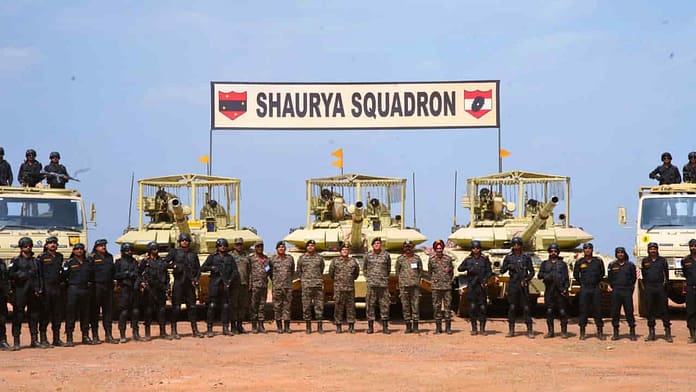
Shaurya Squadron Indian Army: Indian Army is now increasingly changing ways to fight their wars. Recent conflicts such as Russia-Ukraine War, Operation Cindoor and the US-Iran have cleaned that modern wars are not just won by tanks, canops and soldiers, but technology, especially drones have a huge role. This is why the Indian Army is now going to make major changes in the Armored Corps i.e. tank units after its infantry.

Army Now Armored The regiment is preparing to add a new unit in the name "Surya Squadron". It will not be a general unit, but a modern Tactical Force equipped with drones and advanced technology like Ashni Platoon of Infantry, which will manifold the strength of the tanks. Indian Army

Shaurya Squadron Indian Army: Why It Is Important

The wars in the past few years have shown the world that the drones have now become a game changer. In Russia-Ukraine war several times it was observed that small drones also destroyed expensive tanks. While the drone attack and surveillance in the Middle East changed the direction of the war.

The Indian army has decided to learn from these experiences now just Tank It’s not enough to depend on the Armored Vehicles. They need to make a drone-enabled. Now the tanks will work not on the ground, but with the ability to attack the sky. Indian Army

What's New Squadron

Saurya Squadron is a new and modern Tactical Unit of the Indian Army, specifically designed for multi-domain operations. It’s a unit that can work together in an easy language. These proposed squadrons will be made at the company level inside the armored regiment. This means that the drone units will be combined directly with the frontline fighter units, and not they will be placed different at the top level.

Normally there are about a dozen tanks and over a hundred seals in the company of an armored regiment. The aim of deploying drones at the same level is to make monitoring, target detection and attacking process faster and more effective.

This unit will monitor the enemy, find the target, attack the need immediately and keep active in the field continuously. Its motive is to look far, walk in depth and continue operation for a long time.

This unit first Command Under the Sudarshan Chakra Core is residing in the White Tiger Division. Recently it was also tested in the Babina firing range during the "Amog Flame Exercise" where it performed its capabilities successful. Indian Army

New pair of tanks with drones

Now the focus of the Indian Army is that the tank and the drone work together. The first tanks went forward and they found limited enemy information. But now the drones will already give information to the location, movement and arms of the enemy from the sky.

This will make the tank units more safe and effective. If the enemy is hidden somewhere, the drone will already recognize him. After that the tank or drone can attack it accurately.

That's not, now the drones next to the tank column will work like "Skout". That’s how they’ll clean, give danger information and attack themselves when needed. Indian Army

The drone unit will be in every armored regiment

According to the sources, the focus of these squadrons will be on surveillance as well as on attack. It will include the ability to attack enemy tanks and logistic bases through the First Person View (FPV) drone.

However, the formulas have also cleaned that this concept of "Surya Squadron" is now in the early stage and it is gradually being developed.

The Army plans to deploy a deadly drone platoon or spurya squadron in every armored regiment in the coming time. It will have about 20 to 25 trained soldiers, especially those in drone operation. Tell that the army has about 60 to 67 armored regiments by incorporating the President Guard. Each of which has about 45-50 tanks and is divided into several squadrons. Indian Army

The Indian Army has a major war tank of around 4000-4200. These include tanks like T-90 Bhishma, T-72 Invincible and Arjun MK1A. Armored regiments of the Army run and use the same tanks.

These units have different types of drones. Some drones will be just for monitoring, to attack some enemy and there will be some that will continue to hander on the target and explode themselves at the right time.

This unit will work both "eye and arms" for tank units. Indian Army

The strengths seen in the Amogic Flame Exercise

Shoreya Squadron was seen in the "Amogh Flame Exercise" recently held in the Babina Field Firing Range. Where the Jangral Officer Commander in Chief Lieutenant General Endurance Seth of the Southern Command also reached this exercise. The tanks, attack helicopters, fighter jets, drones and air defense systems in this exercise were simultaneously monitored.

It was the first time when the multi-domain operation was performed at such a large level. It gave the drone real-time surveillance, identified the target and then helped the exact attack.

Let’s say that Lt. General Endurance Seth will soon handle the responsibility of Vice Chief of Army Staff in Delhi.

"The Indian Army exhibited the Saurya Squadron during the Amogha Flame Exercise," wrote in the Twit on behalf of the Sadarne command. This is a new and modern Tactical Unit, which White Tiger Division has prepared under Sudarshan Chakra Core. Indian Army

In this exercise, Shoreya Squadron was tested in an atmosphere like real war. This unit showed how it can simultaneously monitor the enemy, understand its activities and then accurately attack the right time.

The special thing of the Asurya Squadron is that it is built to monitor far, go deep into the enemy terrain and continue operation for a long time. It is able to respond promptly and accurately by raising real time information.

This exercise cleaned that in the coming time this unit can play a very important role in the battlefield and significantly increase the strength of the army. Indian Army

Ashni, Shaktibaan and Divyastra in Infantry

On July 26, last year, on Kargil Vijay Day, the Army Chief General Byendra Dwivedi had announced to build new UAV/Drone-centric structures such as Ashni Platoon, Shaktiban Regiment, Bhairav Battalion and Divine Battery. All these units are mainly designed for infantry and artillery, to equip the traditional forces with modern drone battle capacity.

Ashni Platoons are residing inside the Infantry Battalions. This platform with 20-25 specialized trained troops in each battalion is equipped with allotton Surveillance, Reconsence, FPV Strike, and Loiting Munition (Kamikaje Drone). It is aimed at giving organic drone capacity to every infantry unit, to strike ground forces real-time intelligence and precision. The Army plans to prepare Ashni Platoon in every Infantry unit.

Strengthening regiments are also prepared under Artillery. These are the UAV/C-UAV based special artillery regiments, equipped with long-distance drone swarm, lotering munition and counter-drone systems. These provide deep strike and anti-drone defense on Battlefield.

Bhairav Battalion Special Forces/Light Commando Units are a link between fatal and special forces. These are for drone-integrated commando operations, where there is a focus on the Swarm drone, overwatch and shock action. 25-30 Such battalions are being residing.

At the same time, the Gastronomy Battery Artillery has the combination of the loting munition and surveillance assets. These moves attack accurately in real-time by tracking targets, increasing artillery’s marching capacity manifold.

ये स्ट्रक्चर ‘डेकेड ऑफ ट्रांसफॉर्मेशन’ (2023-2032) का हिस्सा हैं, जो रुद्र ब्रिगेड्स के साथ मिलकर सेना को अगली पीढ़ी के युद्ध के लिए तैयार कर रही हैं। ड्रोन को सबसे निचले स्तर तक इंटीग्रेट करके भारतीय सेना फ्यूचर-रेडी बन रही है, जहां हर सैनिक ईगल इन द आर्म की तरह ड्रोन से लैस होगा। यह परिवर्तन सीमा पर चीन-पाकिस्तान थ्रेट्स के जवाब में महत्वपूर्ण है। (Shaurya Squadron Indian Army)

सेना की “ड्रोन-फर्स्ट” अप्रोच

भारतीय सेना अब धीरे-धीरे “ड्रोन-फर्स्ट” रणनीति की ओर बढ़ रही है। इसका मतलब है कि अब युद्ध में सबसे पहले ड्रोन का इस्तेमाल होगा, उसके बाद बाकी हथियारों का।

भारतीय सेना की इन्फैंट्री में पहले ही अश्नि प्लाटून, शक्तिबाण और दिव्यास्त्र जैसे ड्रोन यूनिट्स तैनात की जा चुकी हैं। अब उसी मॉडल को आर्मर्ड में भी लागू किया जा रहा है।

सेना का लक्ष्य है कि 2027 तक हर सैनिक को बेसिक ड्रोन ऑपरेशन की ट्रेनिंग मिल जाए। इसके लिए देशभर के कई मिलिट्री संस्थानों में ट्रेनिंग सेंटर भी बनाए गए हैं। (Shaurya Squadron Indian Army)

रुद्र ब्रिगेड और मल्टी-डोमेन वॉर

सेना अब सिर्फ यूनिट लेवल पर ही नहीं, बल्कि ब्रिगेड लेवल पर भी बदलाव कर रही है। “रुद्र ब्रिगेड” जैसे नए स्ट्रक्चर बनाए जा रहे हैं, जिनमें टैंक, इन्फैंट्री, आर्टिलरी और ड्रोन सभी को एक साथ जोड़ा जा रहा है।

इससे सेना की मारक क्षमता और प्रतिक्रिया समय दोनों बेहतर होंगे। दुश्मन पर तेजी से और सटीक हमला करना आसान हो जाएगा। (Shaurya Squadron Indian Army)

F-INSAS will purchase the army under the program 15,000 Holographic Reflux Sites, finish the enemy in one click!

Holographic Reflex Sight India RFI

Holographic Reflex Sight India RFI: The Ministry of Defense under the Future Infantry Solzer Program (F-INSAS) to modernize the Indian Army has started the process of buying 15,000 holographic reflex sites for the Army. RFI has been released for this. This equipment will help to make the sprinting of the seals faster and precise than ever. It is important that the entire process is being carried out under ‘Make in India’ and ‘Solar India’ to create these equipments in the country.

Holographic Reflex Sight India RFI: What is Holographic Reflex Site and Why Is Necessary

In simple terms, the Holographic Reflux site is a modern sprinting equipment, which Rifle applied on. The first used to use Iron Sites i.e. ordinary scars, which took a little time to focus the target. But in this new technique the seals appear a holographic retical i.e. glazed scar, which can target the target very fast.

This equipment will be mainly used with 7.62×51mm asolt rifle, but also can be easily applied to 7.62×39mm rifle.

The greatest feature of this technique is that both young people can keep their eyes open and firing. This can also be accurately targeted on the enemy while keeping an eye on the surrounding conditions. In war-like situations where every second is critical, this equipment will prove to be quite helpful. (Holographic Reflex Sight India RFI)

Work in every season and every terrain

RFI It is said that these sites will be used in different areas of the country. It includes from the desert of the western border to the high mountains of the north-east. i. This equipment will also work up to a height of 18,000 feet.

The site will continue to work continuously, whether the weather is not bad, such as fast rain, dust, snow or fast sunlight. Temperature minus will not affect its performance even when it ranges from 20 degrees to plus 45 degrees. And Jen-2 or Jen-3 image will work easily with the intensifier. Even at night, it can be used with a night vision device, allowing soldiers to easily see and target the enemy even in the dark. These designs will be modular, i.e. in the future they will be upgraded easily without much changes. (Holographic Reflex Sight India RFI)

The strength of the soldiers will increase manifold

This equipment will increase both the firing speed and accuracy of the troops. Earlier where the target instrument took time, the enemy will now be fired immediately as soon as possible. It does not have a paralax error, i.e. not changing the eye condition.

The most important thing is that if the front glass of this site is partially broken, the reticle works. This is the biggest feature of the holographic site. i. The soldier can continue his firing even if there is damage during the war. That’s why it’s also called "third eye" for soldiers.

It should also have long battery life, so that it does not need to be charged or replaced repeatedly. Even if the soldiers are wearing gloves, it can easily press the button. It can also be used comfortably by wearing helmets or gas masks and no problems with a rifle rail cover or charging handle.

Ministry of Defence has sought information from companies by releasing RFI. The aim is to know which Indian or foreign companies can create such equipment. Companies have to respond to by 28 April.

There will be technical checks, then the trial will be done. The trial will see how good the equipment works in real conditions. It will be tested in conditions like high mountain, desert, rain and dust. The company that will succeed in all these tests will be likely to get further contracts. (Holographic Reflex Sight India RFI)

‘Solar India’

A great objective of this entire purchase process is to make the country self-sufficient in the defence sector. Government wants to become more and more equipment in India. This will help companies in the country, increase employment and reduce foreign dependence.

The Indian companies have also been asked how many percent of the equipment can be made in the country and can they produce completely indigenous through technology transfer. If this plan is successful, India can become self-sufficient in this technique in the coming time.

Companies have been asked how much part their product is made in India, what is the plan for technology transfer and where necessary parts will come from.

The "No Cost No Commitment" basis for trials is placed, i.e. companies have to test their products without any payment. This test will be done in conditions such as altitude areas, deserts, rains, dust, recoils and falls. For this, the vendor has to give its prototype.

ट्रेनिंग के मामले में भी कंपनियों से पूछा गया है कि वे सैनिकों और तकनीकी स्टाफ को कैसे ट्रेनिंग देंगे, क्या कंप्यूटर बेस्ड ट्रेनिंग देंगे और ट्रेन-द-ट्रेनर सिस्टम होगा या नहीं।

वहीं वेंडर चुनने की प्रक्रिया में स्टार्टअप और एमएसएमई कंपनियों को इसमें कुछ छूट भी दी गई है। (Holographic Reflex Sight India RFI)

अभी क्या स्थिति है सेना में

फिलहाल भारतीय सेना में यह तकनीक सीमित संख्या में इस्तेमाल हो रही है। इन्हें अभी चुनिंदा यूनिट्स में ही इस्तेमाल किया जा रहा है, जैसे घातक प्लाटून, पैरा एसएफ और वे इन्फैंट्री यूनिट्स जो फ्यूचर इन्फैंट्री सोल्जर प्रोग्राम (एफ-इंसास) के तहत आधुनिक उपकरणों से लैस हैं। कुल मिलाकर इनकी संख्या अभी कुछ हजार के आसपास ही है। कुछ यूनिट्स, खासकर स्पेशल फोर्सेस और घातक प्लाटून में ऐसे इक्विपमेंट पहले से मौजूद हैं। लेकिन अब इन्हें बड़े स्तर पर लाने की तैयारी है।

सबसे पहले बात करें स्वदेशी विकल्प की, तो भारत इलेक्ट्रॉनिक्स लिमिटेड यानी बीईएल की होलोग्राफिक वेपन साइट सबसे ज्यादा इस्तेमाल में आ रही है। इसे डीआरडीओ के सहयोग से बनाया गया है। यह साइट सिग-716आई बैटल राइफल, एके-203 असॉल्ट राइफल, इंसास और अन्य क्लोज क्वार्टर बैटल हथियारों पर लगाई जा रही है। यह एफ-इंसास प्रोग्राम का हिस्सा है और 2022 से धीरे-धीरे सेना में शामिल की जा रही है। इसकी खासियत यह है कि सैनिक दोनों आंखें खुली रखकर निशाना लगा सकता है, इसमें पैरालैक्स की समस्या नहीं होती, दिन और रात दोनों समय काम करती है और मजबूत होने के साथ-साथ अपेक्षाकृत सस्ती भी है। (Holographic Reflex Sight India RFI)

इसके अलावा कुछ इम्पोर्टेड साइट्स भी इस्तेमाल हो रही हैं, जिनमें ईओटेक EXPS3 और 512 मॉडल शामिल हैं। ये मुख्य रूप से पैरा एसएफ, एनएसजी और अन्य स्पेशल फोर्सेस के पास हैं। इन्हें एम4ए1 कार्बाइन, एके-203 और सिग-716 जैसी राइफलों पर लगाया जाता है। इनकी सबसे बड़ी खासियत यह है कि ये दुनिया की सबसे भरोसेमंद होलोग्राफिक साइट्स मानी जाती हैं। अगर इनका फ्रंट ग्लास टूट भी जाए, तब भी रेटिकल काम करता रहता है, जो युद्ध में बहुत अहम होता है।

इसके अलावा कुछ अन्य साइट्स भी सीमित संख्या में मौजूद हैं। डीआरडीओ की इंडिजिनस साइट, जिसे इगनेटा कहा जाता है, अभी डेवलपमेंट और ट्रायल के चरण में है और इसे सिग सॉयर, एके-47 और उग्रम जैसी राइफलों के लिए तैयार किया जा रहा है। (Holographic Reflex Sight India RFI)

जानें फ्यूचर इन्फैंट्री सोल्जर प्रोग्राम के बारे में

भारतीय सेना का फ्यूचर इन्फैंट्री सोल्जर प्रोग्राम, जिसे एफ-इंसास (F-INSAS) कहा जाता है, एक ऐसा बड़ा प्रोजेक्ट है जिसका मकसद सैनिकों को आधुनिक युद्ध के लिए पूरी तरह तैयार करना है। इस सिस्टम में हथियार, बुलेटप्रूफ जैकेट, हेलमेट, नाइट विजन, कम्युनिकेशन और डिजिटल नेटवर्क जैसी सभी चीजें शामिल होती हैं, ताकि वह ज्यादा सुरक्षित, तेज और घातक बन सके।

यह योजना करीब 2007-08 में शुरू हुई थी। उस समय लक्ष्य था कि 2020 तक सेना की सभी इन्फैंट्री बटालियनों को आधुनिक इक्विपमेंटों से लैस कर दिया जाए। 2015 में इसमें बड़ा बदलाव किया गया। पहले यह एक ही बड़ा प्रोग्राम था, लेकिन बाद में इसे दो हिस्सों में बांट दिया गया। पहला हिस्सा था सैनिकों के हथियार और व्यक्तिगत इक्विपमेंट, जैसे असॉल्ट राइफल, हेलमेट, बुलेटप्रूफ जैकेट, जूते और अन्य जरूरी चीजें। दूसरा हिस्सा था बैटलफील्ड मैनेजमेंट सिस्टम, यानी ऐसा डिजिटल सिस्टम जिससे सैनिक को रीयल टाइम में जानकारी मिल सके कि दुश्मन कहां है, उसके साथी कहां हैं और किस दिशा से हमला हो सकता है।

इसके बाद 2022 में इस प्रोग्राम को नया रूप मिला। रक्षा मंत्री ने इसका एक अपडेटेड वर्जन सेना को सौंपा। इसमें कई नई चीजें शामिल थीं, जैसे नया कैमोफ्लाज यूनिफॉर्म, एडवांस्ड हेलमेट, मजबूत बॉडी आर्मर, नाइट विजन डिवाइस, थर्मल इमेजर और बेहतर कम्युनिकेशन सिस्टम। इसके साथ ही नई एके-203 असॉल्ट राइफल भी दी गई, जो पुरानी इंसास राइफल की जगह ले रही है। (Holographic Reflex Sight India RFI)

फिलहाल यह प्रोग्राम धीरे-धीरे लागू किया जा रहा है। कई यूनिट्स, खासकर जो सीमा पर तैनात हैं, उन्हें नए इक्विपमेंट मिल चुके हैं। सैनिकों को बेहतर राइफल, मजबूत सुरक्षा गियर और आधुनिक इक्विपमेंट दिए जा रहे हैं। वहीं दूसरी तरफ डीआरडीओ और निजी कंपनियां डिजिटल सिस्टम पर काम कर रही हैं, जिससे सैनिक को युद्ध के दौरान हर जानकारी तुरंत मिल सके।

आने वाले समय में इसमें और भी नई तकनीक जुड़ सकती है। जैसे सैनिक हेलमेट या चश्मे के जरिए ही दुश्मन की लोकेशन देख सके, ड्रोन से मिल रही जानकारी सीधे उसके सामने दिखाई दे, और वह तेजी से फैसले ले सके। इसे और बेहतर बनाने के लिए “स्मार्ट सोल्जर” जैसी पहल भी चल रही है।

इस प्रोग्राम का सबसे बड़ा फायदा यह है कि सैनिक की फायरपावर बढ़ेगी। नई राइफल से वह ज्यादा दूर और सटीक निशाना लगा सकेगा। साथ ही, बेहतर बॉडी आर्मर और हेलमेट उसे दुश्मन की गोली से बचाने में मदद करेंगे। हल्के और आरामदायक इक्विपमेंट होने से उसकी मूवमेंट भी बेहतर होगी। सबसे अहम बात यह है कि डिजिटल सिस्टम के जरिए उसे हर समय पूरी स्थिति की जानकारी मिलती रहेगी, जिससे वह ज्यादा समझदारी से लड़ाई लड़ सकेगा।

कुल मिलाकर, एफ-इंसास अब सिर्फ एक प्रोजेक्ट नहीं रहा, बल्कि भारतीय सेना के आधुनिकीकरण की पूरी सोच बन चुका है। यह धीरे-धीरे आगे बढ़ रहा है और आने वाले समय में भारतीय सैनिक को तकनीक से लैस एक “स्मार्ट फाइटर” बना देगा, जो हर तरह की चुनौती का सामना करने के लिए तैयार होगा। (Holographic Reflex Sight India RFI)

Preparation of the largest defense reforms; what the government said in the parliamentary committee on the theater commands, how will the next 3 months change the entire military structure?

India Theatre Commands
3 Service Chiefs and CDS (File Photo)

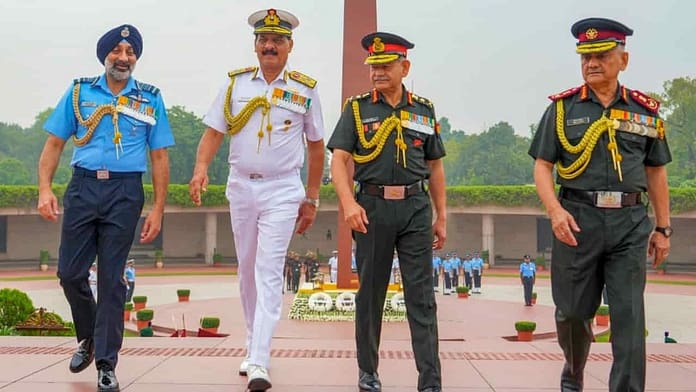
India Theatre Commands: The next few months are extremely important for Indian forces. On the one hand, CDS, Navy Chief will retire until the end of May, the existing Army Chief will retire until the end of June. While on the other hand, the government is in preparation for creating three integrated theatre commands, the Army, Navy and Air Force will work together. The fresh report of the Parliamentary Committee on this pointed out that there has been considerable progress in this direction and has become agreed in almost all sides.

According to the report, there is now a discussion on some final issues and administrative work as well as moving forward. It may be a big decision on it by May that is being considered. Trying to get the approval of this plan before the Chief of Defence Staff is retired in May of General Anil Chauhan. It can be soon approved by Cabinet Committee on Security. This change is being considered to be very important to increase synergy between Army, Navy and Air Force. (India Theatre Commands)

India Theatre Commands: What Are Theatre Commands

Theatre Commands का मतलब है कि किसी खास इलाके या दुश्मन के हिसाब से सेना की तीनों शाखाओं को एक कमांड के तहत लाया जाए। अभी भारत में आर्मी, नेवी और एयर फोर्स के अलग-अलग कमांड हैं, जो अपने-अपने तरीके से काम करते हैं।

नए सिस्टम में एक ही कमांडर के तहत तीनों सेनाएं मिलकर ऑपरेशन चलाएंगी। इससे फैसले जल्दी होंगे और युद्ध के समय तालमेल बेहतर रहेगा। (India Theatre Commands)

रक्षा मंत्रालय ने क्या कहा संसदीय कमेटी को

संसदीय कमेटी को रक्षा मंत्रालय ने बताया कि थिएटर कमांड्स बनाने की दिशा में अच्छा काम हुआ है और ज्यादातर मुद्दों पर सहमति बन चुकी है। अब कुछ महत्वपूर्ण बिंदुओं पर चर्चा चल रही है, जिन्हें चीफ्स ऑफ स्टाफ कमिटी यानी सीओएससी अंतिम रूप दे रही है। साथ ही, प्रशासनिक स्तर पर भी तैयारियां लगातार जारी हैं, ताकि जब फैसला हो, तो उसे तुरंत लागू किया जा सके।

सरकार का मानना है कि आज का युद्ध पहले जैसा नहीं रहा। अब लड़ाई सिर्फ जमीन, हवा या समुद्र तक सीमित नहीं है, बल्कि साइबर, स्पेस और मल्टी-डोमेन में भी होती है। ऐसे में सेना के ढांचे में बदलाव करना जरूरी हो गया है, ताकि आधुनिक युद्ध की जरूरतों के हिसाब से तेजी और बेहतर तरीके से काम किया जा सके।

Ministry of Defence ने यह भी कहा है कि थिएटर कमांड्स का एक बड़ा फायदा यह होगा कि तीनों सेनाओं के बीच “जॉइंटनेस” यानी मिलकर काम करने की संस्कृति मजबूत होगी। अभी अलग-अलग सिस्टम होने की वजह से कई बार तालमेल की कमी दिखती है, लेकिन नए ढांचे में यह समस्या काफी हद तक खत्म हो जाएगी। (India Theatre Commands)

तीन बड़े थिएटर कमांड्स की योजना

अभी भारत में करीब 17 अलग-अलग सिंगल सर्विस कमांड्स हैं। जैसे आर्मी के अलग कमांड, एयर फोर्स के अलग और नेवी के अलग कमांड्स हैं। थिएटर कमांड्स बनने के बाद इन सभी को मिलाकर तीन बड़े कमांड बनाए जाएंगे। इसका मतलब यह नहीं है कि पुराने कमांड पूरी तरह खत्म हो जाएंगे, बल्कि उनका रोल बदल जाएगा।

दुश्मन के हिसाब से बनेगा नया स्ट्रक्चर

सूत्रों के मुताबिक भारत जिस नए Theater Command सिस्टम की तैयारी कर रहा है, उसकी सबसे खास बात यह है कि यह सिर्फ नक्शे के हिसाब से नहीं, बल्कि दुश्मन के हिसाब से बनाया जा रहा है। यानी पहले की तरह सिर्फ इलाके के आधार पर कमांड नहीं होगी, बल्कि जहां से खतरा है, उसी हिसाब से पूरी सैन्य ताकत को एक जगह लाकर रखा जाएगा।

इस नए मॉडल में तीन बड़े थिएटर कमांड नॉर्दर्न, वेस्टर्न और मैरिटाइम बनाए जाने की योजना है। हर कमांड का अपना अलग रोल होगा और उसमें तीनों सेनाओं के संसाधन एक साथ काम करेंगे। (India Theatre Commands)

नॉर्दर्न थिएटर कमांड: चीन के खिलाफ सबसे बड़ा फ्रंट

नॉर्दर्न थिएटर कमांड का सबसे बड़ा फोकस चीन के साथ लगने वाली सीमा यानी एलएसी पर होगा। इसमें लद्दाख से लेकर अरुणाचल प्रदेश तक का पूरा इलाका शामिल होगा। इसके साथ ही पूर्वी सेक्टर में बांग्लादेश और म्यांमार से जुड़े इलाकों पर भी नजर रखी जाएगी, ताकि पूरे पूर्वी मोर्चे को एक साथ कंट्रोल किया जा सके।

इस कमांड का हेडक्वार्टर लखनऊ में बनाया जा सकता है। इसके पीछे वजह यह है कि लखनऊ भौगोलिक रूप से इस पूरे क्षेत्र के बीच में पड़ता है और यहां से कमांड और कंट्रोल करना आसान होगा।

इस थिएटर कमांड में आर्मी की नॉर्दर्न, सेंट्रल और ईस्टर्न कमांड्स के कुछ हिस्सों को शामिल किया जाएगा। साथ ही एयर फोर्स की वेस्टर्न, सेंट्रल और ईस्टर्न कमांड्स के एयर एसेट्स भी इसमें शामिल होंगे। यानी लड़ाई की स्थिति में जमीन और हवा दोनों से एक साथ कार्रवाई हो सकेगी। (India Theatre Commands)

इसका कमांडर तीन-स्टार रैंक का अधिकारी होगा, जो आर्मी या एयर फोर्स दोनों में से किसी से भी हो सकता है। माना जा रहा है कि इसमें रोटेशन सिस्टम भी हो सकता है, ताकि दोनों सेनाओं को बराबर मौका मिले।

इस कमांड का मुख्य उद्देश्य चीन की पीपुल्स लिबरेशन आर्मी के खिलाफ मजबूत डिफेंस तैयार करना और जरूरत पड़ने पर जवाबी कार्रवाई यानी काउंटर-ऑफेंसिव करना होगा। पिछले कुछ सालों में एलएसी पर जो तनाव देखने को मिला है, उसके बाद इस कमांड की अहमियत और बढ़ जाती है। (India Theatre Commands)

वेस्टर्न थिएटर कमांड: पाकिस्तान फ्रंट पर तेजी से जवाब

वेस्टर्न थिएटर कमांड पूरी तरह पाकिस्तान को ध्यान में रखकर तैयार किया जा रहा है। इसका इलाका सियाचिन में साल्टोरो रिज से लेकर रण ऑफ कच्छ तक फैला होगा। इसके साथ ही जम्मू-कश्मीर में चल रहे काउंटर इंसर्जेंसी और काउंटर टेररिज्म ऑपरेशंस भी इसी कमांड के तहत आएंगे।

इसका हेडक्वार्टर जयपुर में बनाया जा सकता है। जयपुर की लोकेशन पश्चिमी मोर्चे के लिए रणनीतिक रूप से काफी अहम मानी जाती है, क्योंकि यहां से पूरे बॉर्डर पर नजर रखना आसान होता है। (India Theatre Commands)

इस थिएटर में आर्मी की वेस्टर्न और साउथ-वेस्टर्न कमांड्स के हिस्से शामिल होंगे। इसके अलावा एयर फोर्स के जरूरी स्क्वाड्रन्स भी इसमें जोड़े जाएंगे। यानी अगर किसी भी तरह के तनाव की स्थिति बनती है, तो आर्मी और एयर फोर्स मिलकर तुरंत कार्रवाई कर सकेंगे।

इस कमांड का नेतृत्व भी तीन-स्टार जनरल करेगा, लेकिन यहां आर्मी अफसर को कमांड सौंपी जाा सकती है, क्योंकि पाकिस्तान के साथ जमीन पर टकराव की संभावना ज्यादा रहती है।

इस थिएटर का सबसे बड़ा उद्देश्य यह है कि पाकिस्तान के साथ किसी भी तरह की पारंपरिक लड़ाई या “कोल्ड स्टार्ट” जैसे ऑपरेशन में तेजी से और प्रभावी कार्रवाई की जा सके। अभी तक अलग-अलग कमांड्स के चलते फैसलों में देरी हो सकती थी, लेकिन अब एक ही कमांडर के पास पूरा कंट्रोल होगा, जिससे प्रतिक्रिया का समय कम हो जाएगा। (India Theatre Commands)

मैरिटाइम थिएटर कमांड: नेवी की समुद्र में बढ़ेगी ताकत

तीसरा और बेहद महत्वपूर्ण थिएटर कमांड होगा मैरिटाइम थिएटर कमांड, जो पूरी तरह समुद्री क्षेत्र पर फोकस करेगा। इसमें हिंद महासागर, अरब सागर और बंगाल की खाड़ी जैसे इलाके शामिल होंगे। इसके साथ ही इंडियन ओशन रीजन में चीन की बढ़ती मौजूदगी पर भी नजर रखी जाएगी।

इसके हेडक्वार्टर के लिए तिरुवनंतपुरम, कारवार या कोयंबटूर में से किसी एक जगह को चुना जा सकता है। हालांकि तिरुवनंतपुरम की लोकेशन समुद्री ऑपरेशंस के लिए ज्यादा उपयुक्त मानी जाती है।

इस थिएटर में नेवी की ईस्टर्न और वेस्टर्न कमांड्स के सभी एसेट्स शामिल होंगे। इसके अलावा एयर फोर्स के कुछ समुद्री ऑपरेशन से जुड़े स्क्वाड्रन्स और आर्मी की कोस्टल यूनिट्स भी इसमें शामिल होंगी। यानी समुद्र से जुड़े हर ऑपरेशन को एक ही कमांड के तहत लाया जाएगा।

इस कमांड का नेतृत्व नेवी के फ्लैग ऑफिसर यानी एडमिरल रैंक के अधिकारी के पास होगा। यह स्वाभाविक भी है, क्योंकि समुद्री ऑपरेशंस में नेवी की भूमिका सबसे ज्यादा होती है।

इस थिएटर का मुख्य उद्देश्य समुद्री रास्तों की सुरक्षा सुनिश्चित करना होगा। खासकर स्ट्रेट ऑफ होर्मुज से लेकर मलक्का स्ट्रेट तक, जहां से दुनिया का बड़ा व्यापार गुजरता है। इसके अलावा इंडो-पैसिफिक क्षेत्र में चीन की बढ़ती नौसैनिक ताकत को संतुलित करना भी इसका अहम लक्ष्य होगा। (India Theatre Commands)

कुल 197 जॉइंटनेस इनिशिएटिव्स तय

आज के समय में सेना की ताकत सिर्फ हथियारों से नहीं, बल्कि इस बात से तय होती है कि तीनों सेनाएं – आर्मी, नेवी और एयर फोर्स – मिलकर कितनी अच्छी तरह काम करती हैं। इसी को “जॉइंटनेस और इंटीग्रेशन” कहा जाता है। आसान भाषा में समझें तो इसका मतलब है तीनों सेनाओं का एक टीम की तरह काम करना, ताकि युद्ध के समय पूरी ताकत एक साथ इस्तेमाल हो सके।

सरकार और रक्षा मंत्रालय का मानना है कि यही जॉइंटनेस और इंटीग्रेशन भविष्य के युद्धों में जीत की सबसे बड़ी कुंजी है। इसी सोच के तहत कुल 197 अलग-अलग पहलें यानी इनिशिएटिव्स तय किए गए हैं। ये पहलें कई महत्वपूर्ण क्षेत्रों में फैली हुई हैं, जैसे ऑपरेशन और इंटेलिजेंस, नई सैन्य क्षमता का विकास, कम्युनिकेशन और आईटी सिस्टम, लॉजिस्टिक्स यानी सप्लाई सिस्टम, ट्रेनिंग, मेंटेनेंस, मानव संसाधन, प्रशासन और कानूनी व्यवस्था।

इन सभी क्षेत्रों में सुधार करके यह सुनिश्चित किया जा रहा है कि तीनों सेनाएं अलग-अलग नहीं, बल्कि एक साथ मिलकर काम करें।

इन 197 पहलों को अलग-अलग चरणों में लागू किया जा रहा है। पहले चरण में वे काम शामिल थे, जो थिएटर कमांड्स की घोषणा से पहले पूरे किए जाने थे। इस चरण में कुल 50 काम तय किए गए थे, जिनमें से 29 पूरे हो चुके हैं।

दूसरे चरण में थिएटर कमांड्स की घोषणा के बाद से लेकर उनके पूरी तरह काम शुरू करने तक पूरे किए जाएंगे। इस चरण में 62 काम तय किए गए हैं, जिनमें से 12 पर काम पूरा हो चुका है और बाकी पर तेजी से काम चल रहा है।

तीसरा चरण वह है, जो थिएटर कमांड्स के पूरी तरह ऑपरेशनल होने के बाद भी जारी रहेगा। इसमें 51 काम शामिल हैं, जिनमें से 7 पूरे किए जा चुके हैं। यानी यह प्रक्रिया सिर्फ एक बार की नहीं है, बल्कि लगातार चलने वाला सुधार है।

अगर इन तीनों चरणों को मिलाकर देखें, तो कुल 163 काम इस मुख्य सेट में आते हैं, जिनमें से अब तक 48 पूरे हो चुके हैं। इसके अलावा 34 ऐसे काम भी हैं, जो थिएटर कमांड्स बनने से सीधे जुड़े नहीं हैं, लेकिन सेना की जॉइंटनेस बढ़ाने के लिए जरूरी हैं। इनमें से 10 काम पूरे हो चुके हैं। (India Theatre Commands)

क्या हैं फोर्स एप्लीकेशन और फोर्स जनरेशन

थिएटर कमांड बनने के बाद अब सर्विस चीफ यानी आर्मी, नेवी और एयर फोर्स के प्रमुख “फोर्स जनरेशन” पर ध्यान देंगे। यानी भर्ती, ट्रेनिंग, उपकरण और तैयारी उनकी जिम्मेदारी होगी। फोर्स जनरेशन यानी सेना को तैयार करना – भर्ती, ट्रेनिंग, हथियार आदि – यह काम सर्विस चीफ्स करेंगे।

जबकि फोर्स एप्लीकेशन यानी असली ऑपरेशन की जिम्मेदारी थिएटर कमांडर के पास होगी। इससे कमांडर पूरी तरह युद्ध और ऑपरेशन पर ध्यान दे पाएगा।

सथ ही, रणनीतिक और ऑपरेशनल प्लानिंग को नए तरीके से व्यवस्थित किया जाएगा। अब पूरे ऑपरेशन की जिम्मेदारी एक ही कमांडर के पास होगी। इससे “यूनिटी ऑफ कमांड” बनेगी। पहले अलग-अलग कमांड होने की वजह से कई बार तालमेल की समस्या आती थी, लेकिन अब यह समस्या कम हो जाएगी। एक ही कमांडर पूरे ऑपरेशन को प्लान करेगा और तीनों सेनाएं मिलकर काम करेंगी। (India Theatre Commands)

अगले तीन महीनों में कई बड़े बदलाव

अगले तीन महीनों में भारतीय सेना के शीर्ष स्तर पर कई बड़े बदलाव देखने को मिलेंगे। इसकी शुरुआत नए चीफ ऑफ डिफेंस स्टाफ यानी सीडीएस की नियुक्ति से होगी। मौजूदा सीडीएस जनरल अनिल चौहान को पिछले साल सितंबर में एक्सटेंशन दिया गया था, जो 30 मई तक है। यानी मई के अंत तक नए सीडीएस की नियुक्ति तय मानी जा रही है।

सरकार अप्रैल के अंत तक इस पर फैसला ले सकती है। रक्षा मंत्रालय के 2022 के नियमों के मुताबिक, सीडीएस पद के लिए वही अधिकारी चुने जा सकते हैं जो तीन-स्टार रैंक के हों, यानी लेफ्टिनेंट जनरल, एयर मार्शल या वाइस एडमिरल। ये अधिकारी या तो सेवा में हों या रिटायर हो चुके हों, लेकिन उनकी उम्र नियुक्ति के समय 62 साल से कम होनी चाहिए। (India Theatre Commands)

इस नियम में 2019 के पुराने नियम में बदलाव करके यह दायरा बढ़ाया गया था, जिसके बाद जनरल अनिल चौहान को भी 2022 में सीडीएस बनाया गया था। इसका मतलब यह है कि सरकार के पास काफी बड़ा विकल्प है और 150 से ज्यादा तीन-स्टार अधिकारी इस पद के लिए संभावित उम्मीदवार हो सकते हैं।

हालांकि अगर सरकार चाहे, तो वह इस नियम से आगे जाकर मौजूदा सेना प्रमुखों में से भी किसी को सीडीएस बना सकती है। इसलिए अभी यह कहना मुश्किल है कि अगला सीडीएस कौन होगा।

सीडीएस के अलावा आर्मी और नेवी में भी बड़े बदलाव होने वाले हैं। नौसेना प्रमुख एडमिरल दिनेश त्रिपाठी 31 मई को रिटायर हो रहे हैं, जबकि थलसेना प्रमुख जनरल उपेंद्र द्विवेदी 30 जून को रिटायर होंगे। ऐसे में इन दोनों पदों पर भी नए चेहरों की नियुक्ति होगी।

अप्रैल की शुरुआत में ही आर्मी के शीर्ष अधिकारियों में फेरबदल की योजना बनाई जा चुकी है। लेफ्टिनेंट जनरल धीरज सेठ दिल्ली में वाइस चीफ ऑफ आर्मी स्टाफ की जिम्मेदारी संभालेंगे। उनके स्थान पर लेफ्टिनेंट जनरल संदीप जैन को साउदर्न आर्मी कमांड का नया कमांडर बनाया जाएगा।

वहीं, मौजूदा वाइस चीफ लेफ्टिनेंट जनरल पीपी सिंह, लेफ्टिनेंट जनरल मनोज कटियार की जगह वेस्टर्न कमांड की कमान संभालेंगे, जो 31 मार्च को रिटायर हो रहे हैं। इसी दिन ईस्टर्न आर्मी कमांडर लेफ्टिनेंट जनरल आरसी तिवारी भी रिटायर होंगे और उनकी जगह लेफ्टिनेंट जनरल वीएमबी कृष्णन को जिम्मेदारी दी जाएगी, जो अभी क्वार्टर मास्टर जनरल के पद पर हैं।

यह सारे बदलाव इस बात पर निर्भर करते हैं कि मौजूदा कमांड सिस्टम जारी रहता है या नहीं। अगर जल्द ही इंटीग्रेटेड थिएटर कमांड्स लागू हो जाते हैं, तो सेना के पूरे ढांचे में बड़े स्तर पर बदलाव, प्रमोशन और नई नियुक्तियां देखने को मिल सकती हैं। (India Theatre Commands)