Home Blog Page 14

Indian Army Will Buy 450 New Carl Gustaf Mark-IV Launcher, Know How Fatal It’s Anti-Tank Weapon System

Carl Gustaf M4 Rocket Launcher RFP
(Image for reference only. AI-Generated Image)

Carl Gustaf M4 Rocket Launcher: Indian Army is taking another big step towards enhancing the marching capacity of its infantry units. Indian Army is preparing to buy Karl Gustaf Mark-4 Multi-Roll Shoulder-Fired Weapon soon. The Army has released the Request for Proposal (RFP) to buy 450 units of light-weight rocket launchers. This purchase will not only include launchers, but also necessary accessories, spare parts, technical documents and support systems.

The Battle Force has to act faster in different types of war zones. The need for light but powerful weapons in mountainous areas, forests, bordering areas and urban wars is constantly growing. Carl Gustaf Mark-4 will meet the corresponding need of the army.

Carl Gustaf M4 Rocket Launcher: What is Carl Gustaf Mark-IV?

Carl Gustaf मार्क-IV दुनिया की सबसे आधुनिक 84 मिलीमीटर रिकॉयलेस राइफल सिस्टम में से एक है। इसे स्वीडन की रक्षा कंपनी साब ने डेवलप किया है। यह ऐसा हथियार है जिसे एक सैनिक आसानी से अपने कंधे पर लेकर युद्ध क्षेत्र में पहुंच सकता है और जरूरत पड़ने पर दुश्मन के बख्तरबंद वाहन, बंकर, इमारत, फायरिंग पोजीशन या अन्य सैन्य ठिकानों पर हमला कर सकता है।

इसकी सबसे बड़ी ताकत इसका हल्का वजन और मल्टीपर्पज इस्तेमाल है। एक ही लॉन्चर से अलग-अलग प्रकार के गोला-बारूद दागे जा सकते हैं। इसी के चलते इसे केवल एंटी-टैंक वेपन नहीं, बल्कि मल्टी-रोल वेपन सिस्टम भी माना जाता है। (Carl Gustaf M4 Rocket Launcher)

पहले से कहीं हल्का और आधुनिक

कार्ल गुस्ताफ मार्क-IV वर्जन पहले के मॉडल की तुलना में काफी हल्का बनाया गया है। इसका वजन साइटिंग सिस्टम और बाइपॉड को छोड़कर 6.6 से 7 किलोग्राम है, जबकि पुराने मॉडल इससे काफी भारी थे। वजन कम होने के कारण सैनिक इसे लंबे समय तक अपने साथ लेकर चल सकते हैं।

इसकी कुल लंबाई लगभग 95 सेंटीमीटर है। यानी यह एक मीटर से भी छोटा है। छोटे आकार के कारण इसे तंग गलियों, पहाड़ी रास्तों, घने जंगलों और इमारतों के भीतर भी आसानी से इस्तेमाल किया जा सकता है।

मार्क-IV को हल्का बनाने के लिए इसमें आधुनिक सामग्री का उपयोग किया गया है। इसके बाहरी हिस्से में कार्बन फाइबर और अंदर टाइटेनियम लाइनर लगाया गया है। इससे हथियार का वजन कम हुआ है, लेकिन मजबूती पर कोई असर नहीं पड़ा।

इसके पीछे का वेंटुरी सेक्शन भी नए तरीके से डिजाइन किया गया है, जिससे इसकी लंबाई और वजन दोनों कम हुए हैं। यही कारण है कि यह मॉडल पहले की तुलना में ज्यादा संतुलित माना जाता है। (Carl Gustaf M4 Rocket Launcher)

बैरल लाइफ 15 साल

आरएफपी के मुताबिक, Indian Army के लिए खरीदा जाने वाला कार्ल गुस्ताफ मार्क-IV एक 84 मिलीमीटर कैलिबर का हल्के वजन वाला रिकॉयलेस रॉकेट लॉन्चर होगा। यह सिंगल-शॉट फायरिंग सिस्टम पर काम करेगा, यानी एक बार में एक ही रॉकेट दागा जाएगा और उसके बाद अगला राउंड लोड किया जाएगा।

आरएफपी में स्पष्ट किया गया है कि इस लॉन्चर की बैरल लाइफ कम से कम 1,500 राउंड या 15 साल होनी चाहिए। यानी निर्धारित रखरखाव के साथ इसे लंबे समय तक सेवा में इस्तेमाल किया जा सके।

एक ही लॉन्चर से कई तरह के टारगेट्स पर हमला

सेना ने यह भी शर्त रखी है कि नए लॉन्चर की सटीकता (एक्यूरेसी) मौजूदा 84 मिलीमीटर कार्ल गुस्ताफ मार्क-III के बराबर या उससे बेहतर होनी चाहिए, ताकि टारगेट पर पहले जैसी या उससे अधिक प्रभावी फायरिंग की जा सके।

लॉन्चर को इस तरह डिजाइन किया जाना चाहिए कि वह भारतीय सेना के पास पहले से मौजूद 84 मिलीमीटर के सभी गोला-बारूद को दाग सके। इसके साथ ही भविष्य में डेवलप होने वाले नए गोला-बारूद के साथ भी यह पूरी तरह काम कर सके।

कार्ल गुस्ताफ मार्क-IV की सबसे बड़ी खासियत यह है कि यह केवल एक तरह का रॉकेट लॉन्चर नहीं है, बल्कि एक ऐसा हथियार है जो अलग-अलग मिशनों के लिए अलग-अलग प्रकार के गोला-बारूद का इस्तेमाल कर सकता है। यही वजह है कि दुनिया की कई सेनाएं इसे अपनी इन्फैंट्री यूनिट्स का महत्वपूर्ण हथियार मानती हैं।

कार्ल गुस्ताफ मार्क-IV के लिए 84 मिलीमीटर कैलिबर के कई प्रकार के गोले उपलब्ध हैं। मिशन के अनुसार सैनिक अलग-अलग राउंड का चयन कर सकते हैं।

यदि सामने दुश्मन का बख्तरबंद वाहन या टैंक हो, तो हाई एक्सप्लोसिव एंटी-टैंक (हीट) राउंड का उपयोग किया जाता है। इसकी विशेष डिजाइन धातु की मोटी परत को भेदकर अंदर विस्फोट करती है।

अगर टारगेट किसी इमारत, बंकर या दीवार के पीछे छिपा हो, तो हाई एक्सप्लोसिव ड्यूल पर्पज (एचईडीपी) राउंड इस्तेमाल किया जाता है। यह पहली बाधा को तोड़ कर और फिर अंदर विस्फोट करता है।

इसी तरह सैनिकों के समूह के खिलाफ हाई एक्सप्लोसिव (एचई) राउंड का उपयोग किया जाता है। इसके अलावा धुआं फैलाने वाले स्मोक राउंड और रात के समय रोशनी करने वाले इल्यूमिनेशन राउंड भी उपलब्ध हैं। (Carl Gustaf M4 Rocket Launcher)

माइनस 20 डिग्री से लेकर प्लस 50 डिग्री सेल्सियस तक करे काम

भारतीय सेना ने यह भी स्पष्ट किया है कि यह हथियार भारत के धूलभरे, गर्म और अधिक नमी वाले इलाकों में बिना किसी रुकावट के काम करने में सक्षम होना चाहिए। यानी रेगिस्तान, जंगल, पहाड़ी और तटीय क्षेत्रों जैसी सभी परिस्थितियों में इसकी कार्यक्षमता प्रभावित नहीं होनी चाहिए।

विश्वसनीयता के मामले में भी नया लॉन्चर कार्ल गुस्ताफ मार्क-III के बराबर या उससे बेहतर प्रदर्शन करने वाला होना चाहिए। साथ ही इसकी मेंटेनेंस आसान होनी चाहिए, ताकि सैनिक बिना किसी विशेष औजार के इसे खोलकर साफ कर सकें, नियमित जांच कर सकें और जरूरत पड़ने पर इसके पुर्जों को आसानी से बदल या मरम्मत कर सकें।

इसके अलावा सेना ने यह भी शर्त रखी है कि माइनस 20 डिग्री सेल्सियस से लेकर प्लस 50 डिग्री सेल्सियस तक के तापमान में भी लॉन्चर की क्षमता पर कोई असर नहीं पड़ना चाहिए। यानी यह हथियार लद्दाख की कड़ाके की ठंड से लेकर राजस्थान के रेगिस्तान जैसी भीषण गर्मी तक हर मौसम में समान रूप से प्रभावी ढंग से काम करने में सक्षम होना चाहिए। (Carl Gustaf M4 Rocket Launcher)

कैसे करता है काम?

कार्ल गुस्ताफ मार्क-IV एक सिंगल-शॉट ब्रीच-लोडिंग रिकॉयलेस सिस्टम है। हर बार फायरिंग के बाद पीछे से नया गोला-बारूद डाला जाता है और फिर अगला शॉट तैयार होता है।

सामान्य तौर पर इसे दो सैनिक चलाते हैं। एक सैनिक लॉन्चर संभालता है जबकि दूसरा गोला-बारूद लोड करता है। हालांकि जरूरत पड़ने पर एक सैनिक भी इसे अकेले चला सकता है, लेकिन उस हालात में फायरिंग की स्पीड कम हो जाती है। कार्ल गुस्ताफ लगभग एक मिनट में छह राउंड तक दाग सकता है। (Carl Gustaf M4 Rocket Launcher)

निशाना लगाने के लिए आधुनिक सिस्टम

मार्क-IV में अलग-अलग प्रकार की साइट लगाई जा सकती हैं। इसमें साधारण आयरन साइट, रेड डॉट साइट, टेलीस्कोपिक साइट और आधुनिक डिजिटल फायर कंट्रोल सिस्टम का इस्तेमाल किया जा सकता है।

आरएफपी के अनुसार लॉन्चर में एफसीडी-558 फायर कंट्रोल डिवाइस और रेड डॉट साइट लगाने की सुविधा होनी चाहिए। इससे गनर टारगेट पर तेजी और अधिक सटीकता के साथ निशाना लगा सकेगा।

इसके ऊपर पिकाटिनी रेल दी गई है, जिस पर जरूरत के अनुसार अतिरिक्त उपकरण लगाए जा सकते हैं। इससे अलग-अलग मिशनों के अनुसार हथियार को आसानी से तैयार किया जा सकता है। आधुनिक डिजिटल साइट लगाने पर टारगेट की दूरी, ऊंचाई और अन्य जरूरी जानकारी देखकर ज्यादा सटीक निशाना लगाया जा सकता है। (Carl Gustaf M4 Rocket Launcher)

सैनिकों की सुरक्षा का भी ध्यान

मार्क-IV में कई ऐसे फीचर जोड़े गए हैं, जो सैनिकों की सुरक्षा बढ़ाते हैं। इसमें ट्रैवल सेफ्टी कैच दिया गया है, जिससे जरूरत पड़ने पर हथियार को लोडेड स्थिति में भी सुरक्षित रखा जा सकता है।

इसके अलावा इसमें एडजस्ट होने वाला शोल्डर रेस्ट और आगे पकड़ने के लिए बेहतर ग्रिप दी गई है। इससे लंबे समय तक हथियार इस्तेमाल करने में भी सैनिक को कम थकान होती है। (Carl Gustaf M4 Rocket Launcher)

बैरल की स्थिति खुद बताएगा सिस्टम

इस हथियार में डिजिटल शॉट काउंटर भी लगाया गया है। यह रिकॉर्ड रखता है कि लॉन्चर से अब तक कितने राउंड दागे जा चुके हैं। इससे तकनीकी टीम को यह पता चलता रहता है कि बैरल की कितनी लाइफ बची है और कब उसकी जांच या बदलाव की जरूरत पड़ेगी। कंपनी के अनुसार इसकी बैरल लाइफ एक हजार से अधिक फुल कैलिबर राउंड तक हो सकती है।

कितनी दूर तक कर सकता है हमला

मार्क-IV की मारक क्षमता इस्तेमाल किए जाने वाले गोले पर निर्भर करती है। आरएफपी के मुताबिक, इसकी मारक क्षमता की बात करें तो हाई एक्सप्लोसिव Anti-tank (HEAT) गोले के साथ इसकी प्रभावी रेंज कम से कम 350 मीटर होनी चाहिए। वहीं हाई एक्सप्लोसिव (HE) गोले के साथ यह कम से कम 800 मीटर तक सटीक हमला करने में सक्षम होना चाहिए।

चलते हुए बख्तरबंद वाहन के खिलाफ इसकी प्रभावी दूरी लगभग 350 से 400 मीटर मानी जाती है। यदि टारगेट स्थिर हो, तो यह दूरी लगभग 500 मीटर तक हो सकती है।

हाई एक्सप्लोसिव और स्मोक राउंड के साथ यह लगभग एक किलोमीटर तक प्रभावी फायर कर सकता है। आधुनिक गाइडेड गोला-बारूद के साथ इसकी दूरी इससे भी अधिक हो सकती है। (Carl Gustaf M4 Rocket Launcher)

भारत में ही बनेगा कार्ल गुस्ताफ मार्क-IV

सूत्रों के मुताबिक, भारत में इस हथियार का निर्माण हरियाणा के झज्जर स्थित मेट सिटी में स्थापित साब की नई फैक्टरी में किया जाएगा। यह स्वीडन के बाहर कार्ल गुस्ताफ मार्क-IV की पहली प्रोडक्शन युनिट है। इसे स्थापित करने की घोषणा वर्ष 2022 में की गई थी।

डिफेंस सेक्टर में पहला 100 प्रतिशत एफडीआई प्रोजेक्ट

साल 2023 में भारत सरकार ने साब को इस परियोजना के लिए 100 प्रतिशत विदेशी प्रत्यक्ष निवेश (एफडीआई) की मंजूरी दी। इसके बाद कंपनी ने साब एफएफवीओ इंडिया प्राइवेट लिमिटेड के नाम से अपनी भारतीय युनिट बनाई, जो पूरी तरह साब के स्वामित्व वाली कंपनी है।

रक्षा क्षेत्र में इसे एक महत्वपूर्ण कदम माना गया क्योंकि इससे आधुनिक रक्षा उपकरणों का उत्पादन भारत में शुरू होने का रास्ता खुला।

मार्च 2024 में झज्जर स्थित संयंत्र का निर्माण कार्य आधिकारिक रूप से शुरू हुआ। फैक्टरी में केवल लॉन्चर ही नहीं, बल्कि कई महत्वपूर्ण पुर्जों का भी निर्माण किया जाएगा। इनमें कार्बन फाइबर ट्यूब, आधुनिक साइटिंग सिस्टम और अन्य अपग्रेडेड कंपोनेंट शामिल हैं।

सूत्रों का कहना है कि यहां बने कुछ कंपोनेंट दुनिया के दूसरे देशों में उपयोग होने वाले कार्ल गुस्ताफ सिस्टम के लिए भी भेजे जा सकते हैं।

वहीं, भारत में उत्पादन शुरू होने से सेना को हथियारों की आपूर्ति के लिए विदेश पर पहले जैसी निर्भरता नहीं रहेगी। स्पेयर पार्ट्स, मरम्मत और तकनीकी सहायता भी कम समय में उपलब्ध कराई जा सकेगी। इससे लॉजिस्टिक व्यवस्था बेहतर होगी और रखरखाव का समय कम लगेगा। (Carl Gustaf M4 Rocket Launcher)
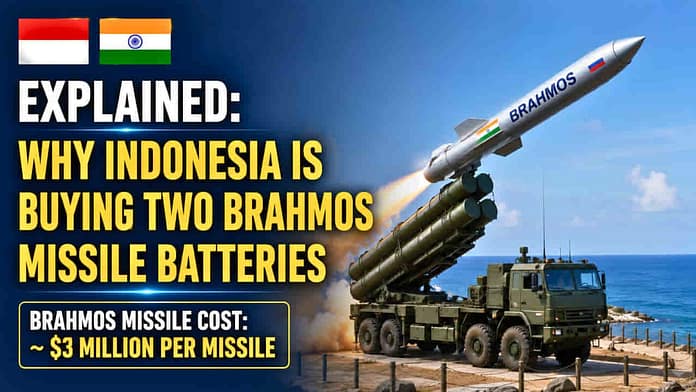
Explained: Two Brahmos Missile Batteries Why Want Indonesia? Why is the world’s most fatal Coastal Defense System

India-Indonesia BrahMos Missile Deal
(Image for reference only. AI-Generated Image)

India-Indonesia BrahMos Missile Deal: Prime Minister Narendra Modi’s new direction to defence cooperation between India and Indonesia during the visit to Indonesia. Both countries have agreed to enhance cooperation in many critical areas associated with Brahmaos missile systems, arms air-to-air missiles, marine security, defence technology, military training, joint practice and defense industry. According to the sources, India will give Indonesia two Brahmaos missile batteries worth around 20 crore US dollars (approximately Rs 1,900 crore) under these agreements. The proposal is being considered one of the largest defence cooperations of India and Indonesia so far.

Let's say that the defence news had already mentioned two days ago "One no longer seeks extra Brahmaos missile batteries.”

India-Indonesia BrahMos Missile Deal: What Is Brahmos Battery?

People usually understand that only missiles are sold to a country, but the reality is different from it. Any modern missile system includes not only the missile, but the entire operational network. The same network is called a missile battery.

single Brahmos Battery Includes four mobile launchers in general. Several missiles can be deployed on each launcher. Also the battery consists of about 12 ready-made missiles, command posts, mobile commands and control systems, communication equipments, power supply vehicles, re-loading vehicles, technical support vehicles, and many tools associated with maintenance.

i. He is able to identify the target at his level, launch the missile, and operate the operation after deploying a battery.

How does Brahmos battery work for coastal protection?

According to the sources, the Brahmos Batteries that meet Indonesia will be used primarily for Coastal Defense i.e. coastal protection.

If the warship of an enemy, anfibeus attacking ship or other large marine platforms move toward the maritime zone of Indonesia, the coastal radar and surveillance systems will first identify it. The command center will then analyze the distance, direction and speed of the target.

When the target is confirmed, the Brahmaos missile is stained with the mobile launcher. The missile moves to the target flying closer to the sea surface at an extremely fast pace after the launch and strikes the exact point at the scheduled point.

World’s fastest supersonic cruise missiles included

Brahmaos is counted in the world’s fastest operational supersonic cruise missiles. It can fly almost from Mac 2.8 to 3 speeds. This means its speed can reach about 3,400 to 3,700 kilometres per hour. Very little time left to respond to the enemy ships or air defense system due to so much speed.

Most subsonic cruise missiles are significantly slower than Brahmaos. This is the greatest strength. (India-Indonesia BrahMos Missile Deal)

How much is the range of Brahmaos?

Currently different versions of Brahmaos can attack different distances. The marching capacity of the ground attacking version has reached about 500 kilometres. While the effective range of versions that are stained from the ship is about 400 kilometres.

सूत्रों के अनुसार, ब्रह्मोस के पुराने संस्करण की रेंज लगभग 290 किलोमीटर थी। बाद में तकनीकी सुधारों के जरिए इसकी मारक क्षमता बढ़ाई गई।

ब्रह्मोस को इतनी सटीक मिसाइल क्यों माना जाता है?

ब्रह्मोस की सबसे बड़ी विशेषता इसकी प्रिसीजन स्ट्राइक क्षमता है। मिसाइल लॉन्च होने के बाद पहले चरण में इनर्शियल नेविगेशन सिस्टम की मदद से उड़ान भरती है। इसके बाद जीपीएस, ग्लोनास और अन्य नेविगेशन तकनीकों की सहायता से अपनी दिशा बनाए रखती है।

अंतिम चरण में इसका एक्टिव रडार सीकर अपने टारगेट की पहचान करता है और बेहद कम ऊंचाई पर उड़ते हुए सीधे टारगेट पर हमला करता है।

समुद्र की सतह के बेहद करीब उड़ने की इस तकनीक को सी-स्किमिंग प्रोफाइल कहा जाता है। इससे दुश्मन के रडार को मिसाइल का पता काफी देर से चलता है। (India-Indonesia BrahMos Missile Deal)

मिसाइल को रोकना क्यों मुश्किल?

किसी भी मिसाइल को रोकने के लिए एयर डिफेंस सिस्टम के पास पर्याप्त समय होना चाहिए। ब्रह्मोस बहुत तेज रफ्तार से उड़ती है और आखिरी चरण में ऊंचाई कम कर लेती है। साथ ही यह उड़ान के दौरान दिशा भी बदल सकती है। इस कारण दुश्मन के डिफेंस सिस्टम के लिए इसकी सही दिशा का अनुमान लगाना कठिन हो जाता है।

इसी वजह से इसे आधुनिक नौसैनिक युद्ध में बेहद प्रभावी हथियार माना जाता है।

किन प्लेटफॉर्म से दागी जा सकती है ब्रह्मोस?

ब्रह्मोस की सबसे बड़ी विशेषता इसकी बहुउद्देश्यीय क्षमता है। इसे जमीन से मोबाइल लॉन्चर के जरिए दागा जा सकता है। भारतीय नौसेना के कई युद्धपोत भी इससे लैस हैं। भारतीय वायुसेना के सु-30 एमकेआई लड़ाकू विमान से भी इसका एयर-लॉन्च वर्जन का सफलतापूर्वक इस्तेमाल किया जा रहा है।

इसके अलावा पनडुब्बी से दागे जाने वाले संस्करण पर भी लंबे समय से काम किया जा रहा है। यही वजह है कि ब्रह्मोस को मल्टी-प्लेटफॉर्म सुपरसोनिक क्रूज मिसाइल कहा जाता है। (India-Indonesia BrahMos Missile Deal)

इंडोनेशिया को ब्रह्मोस की जरूरत क्यों पड़ रही है?

indonesia दुनिया के सबसे बड़े द्वीपीय देशों में शामिल है। उसके पास करीब 17 हजार द्वीप हैं और उसकी समुद्री सीमा हजारों किलोमीटर तक फैली हुई है। ऐसे में इतनी बड़ी समुद्री सीमा की सुरक्षा करना किसी भी देश के लिए बड़ी चुनौती होती है।

इंडोनेशिया अपनी तटीय सुरक्षा को मजबूत करने के लिए लंबे समय से आधुनिक मिसाइल सिस्टम की तलाश में था। खासकर दक्षिण चीन सागर और इंडो-पैसिफिक क्षेत्र में बढ़ती सैन्य गतिविधियों को देखते हुए इंडोनेशिया ऐसी मिसाइल चाहता था, जो दुश्मन के युद्धपोतों को काफी दूरी से ही रोक सके। ब्रह्मोस उसकी इसी जरूरत को पूरा करता है। इसकी लंबी मारक क्षमता, तेज रफ्तार और सटीक निशाना इसे तटीय रक्षा के लिए उपयुक्त बनाते हैं।

ऑपरेशन सिंदूर में किया साबित

ऑपरेशन सिंदूर में ब्रह्मोस की क्षमता ने दुनिया का ध्यान अपनी ओर खींचा। भारतीय सशस्त्र बलों ने ऑपरेशन सिंदूर के दौरान इस मिसाइल का इस्तेमाल तय किए गए टारगेट्स पर सटीक हमला करने के लिए किया था।

सूत्रों के मुताबिक, इस ऑपरेशन के बाद कई देशों ने ब्रह्मोस की वास्तविक ऑपरेशनल क्षमता में रुचि दिखाई। किसी भी वेपन सिस्टम के लिए वास्तविक परिस्थितियों में प्रदर्शन सबसे बड़ा प्रमाण माना जाता है। इसी कारण अब कई मित्र देशों ने भारत के साथ ब्रह्मोस खरीदने को लेकर बातचीत तेज कर दी है।

फिलीपींस के बाद इंडोनेशिया दूसरा बड़ा ग्राहक

भारत ने पहली बार वर्ष 2022 में philippines के साथ ब्रह्मोस निर्यात का बड़ा समझौता किया था। उस सौदे के तहत फिलीपींस ने अपनी तटीय सुरक्षा के लिए तीन ब्रह्मोस बैटरियां खरीदी थीं।

सूत्रों के अनुसार, वियतनाम के साथ भी मिसाइल निर्यात को लेकर समझौता हो चुका है। इसके अलावा इंडोनेशिया के साथ दो बैटरियों का प्रस्ताव अंतिम चरण में पहुंच गया है। इसके अलावा पश्चिम एशिया, अफ्रीका और दक्षिण-पूर्व एशिया के कई अन्य देश भी इस मिसाइल में रुचि दिखा रहे हैं। (India-Indonesia BrahMos Missile Deal)

डीआरडीओ और ब्रह्मोस एयरोस्पेस की क्या है भूमिका?

ब्रह्मोस मिसाइल का विकास भारत के डिफेंस रिसर्च एंड डेवलपमेंट ऑर्गेनाइजेशन (डीआरडीओ) और रूस की एनपीओ मशीनोस्ट्रोयेनिया के संयुक्त सहयोग से किया गया है।

इसके प्रोडक्शन और डिस्ट्रिब्यूशन की जिम्मेदारी ब्रह्मोस एयरोस्पेस प्राइवेट लिमिटेड के पास है।

भारत में मिसाइल के कई महत्वपूर्ण हिस्सों का निर्माण अब स्वदेशी उद्योग कर रहा है। समय के साथ इसमें स्वदेशी तकनीक और भारतीय कंपोनेंट्स की हिस्सेदारी लगातार बढ़ाई गई है।

रक्षा विशेषज्ञों के अनुसार, यही कारण है कि अब ब्रह्मोस भारत के रक्षा निर्यात का सबसे महत्वपूर्ण उत्पाद बन चुका है। (India-Indonesia BrahMos Missile Deal)

क्या है ब्रह्मोस-एनजी?

ब्रह्मोस के मौजूदा वर्जन के साथ-साथ भारत इसका नया ब्रह्मोस-एनजी (नेक्स्ट जेनरेशन) वर्जन भी विकसित कर रहा है। इसे इस तरह डिजाइन किया जा रहा है कि इसे ज्यादा प्रकार के लड़ाकू विमानों, युद्धपोतों और पनडुब्बियों से आसानी से दागा जा सके। इसका आकार मौजूदा ब्रह्मोस मिसाइल से छोटा और वजन लगभग आधा होगा, जिससे इसे ले जाना और ऑपरेट करना आसान होगा।

ब्रह्मोस-एनजी का वजन करीब 1.5 टन होगा, जबकि मौजूदा ब्रह्मोस मिसाइल का वजन लगभग 3 टन है। इसकी लंबाई करीब 6 मीटर और व्यास लगभग 50 सेंटीमीटर होगा। यह लगभग मैक 3.5 यानी ध्वनि की गति से साढ़े तीन गुना अधिक रफ्तार से उड़ सकेगी। इसकी मारक क्षमता लगभग 290 किलोमीटर होगी। साथ ही इसमें आधुनिक एईएसए आधारित सीकर और कम रडार क्रॉस सेक्शन (आरसीएस) जैसी तकनीकें होंगी, जिससे दुश्मन के रडार के लिए इसे पहचानना पहले की तुलना में अधिक कठिन होगा।

फिलहाल भारतीय वायुसेना का सु-30 लड़ाकू विमान भारी वजन के कारण एक समय में केवल एक ब्रह्मोस-ए मिसाइल लेकर उड़ सकता है। लेकिन ब्रह्मोस-एनजी के हल्का होने के कारण यही विमान एक साथ तीन ब्रह्मोस-एनजी मिसाइलें ले जा सकेगा। सूत्रों का कहना है कि भविष्य में इसमें पांच मिसाइलें ले जाने की क्षमता भी विकसित की जा सकती है।

एक साथ अधिक मिसाइलें ले जाने की क्षमता मिलने से सु-30 एक ही मिशन में कई अलग-अलग टारगेट्स पर हमला कर सकेगा। इसमें दुश्मन के युद्धपोत, एयरबेस, रडार स्टेशन, मिसाइल लॉन्च साइट और अन्य महत्वपूर्ण सैन्य ठिकाने शामिल हो सकते हैं। ब्रह्मोस-एनजी को सु-30 के एलसीए तेजस, मिग-29के जैसे लड़ाकू विमानों के साथ भी जोड़ने की योजना है। (India-Indonesia BrahMos Missile Deal)

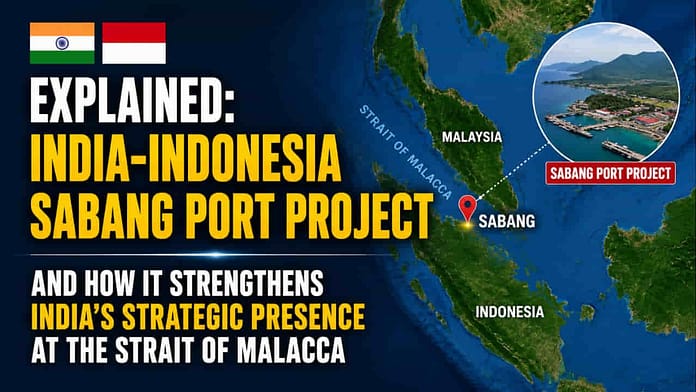
Explained: India’s big success on the Malacca Straight! Learn how China’s ‘String of Pearls’ strategy will be answered by Sabang Port?

India-Indonesia Sabang Port Project
(Image for reference only. AI-Generated Image)

India-Indonesia Sabang Port Project: प्रधानमंत्री नरेंद्र मोदी की इंडोनेशिया यात्रा के दौरान दोनों देशों ने रक्षा, समुद्री सुरक्षा, ब्लू इकोनॉमी, बंदरगाह विकास और कनेक्टिविटी से जुड़े कई अहम फैसलों पर सहमति जताई। इन्हीं में सबसे महत्वपूर्ण समझौतों में से एक इंडोनेशिया के सबांग पोर्ट के संयुक्त विकास का है। इस प्रोजेक्ट से भारत की एक्ट ईस्ट पॉलिसी और इंडो-पैसिफिक रणनीति को मजबूती मिलेगी।

सूत्रों के अनुसार, सबांग पोर्ट का विकास भारत और इंडोनेशिया के बीच कई सालों से चल रही समुद्री साझेदारी का हिस्सा है। यह प्रोजेक्ट ऐसे स्थान पर स्थित है, जहां से दुनिया के सबसे व्यस्त समुद्री मार्गों में शामिल मलक्का जलडमरूमध्य की गतिविधियों पर नजर रखी जा सकती है। यही वजह है कि इस प्रोजेक्ट को आर्थिक और रणनीतिक दोनों दृष्टि से महत्वपूर्ण माना जा रहा है।

India-Indonesia Sabang Port Project: आखिर कहां है सबांग पोर्ट?

सबांग पोर्ट indonesia के अचे प्रांत में स्थित वेह द्वीप पर बना हुआ है। यह द्वीप सुमात्रा के सबसे उत्तरी हिस्से में है। भौगोलिक दृष्टि से इसकी सबसे बड़ी खासियत यह है कि यह मलक्का जलडमरूमध्य के पश्चिमी प्रवेश द्वार के बिल्कुल पास स्थित है। यह स्ट्रेट मलेशिया और इंडोनेशिया के बीच स्थित है। इसकी लंबाई लगभग 800 किलोमीटर है। वहीं, कुछ जगहों पर चौड़ाई मात्र 2.8 किलोमीटर तक सिकुड़ जाती है।

Malacca Jaldmiroom हिंद महासागर को दक्षिण चीन सागर और प्रशांत महासागर से जोड़ता है। दुनिया के अधिकांश मालवाहक जहाज, तेल टैंकर और कंटेनर शिप इसी समुद्री मार्ग का इस्तेमाल करते हैं। इसलिए इस क्षेत्र को वैश्विक समुद्री व्यापार की सबसे महत्वपूर्ण लाइफलाइन माना जाता है।

मलक्का जलडमरूमध्य इतना महत्वपूर्ण क्यों है?

दुनिया के समुद्री व्यापार का बड़ा हिस्सा इसी रास्ते से गुजरता है। हर साल हजारों जहाज इस मार्ग का इस्तेमाल करते हैं। मध्य-पूर्व से निकलने वाला कच्चा तेल, प्राकृतिक गैस और एशियाई देशों के बीच होने वाला व्यापार इसी रास्ते से आगे बढ़ता है।

वैश्विक समुद्री व्यापार का लगभग एक चौथाई हिस्सा इसी मार्ग से गुजरता है। चीन, जापान, दक्षिण कोरिया और कई अन्य एशियाई देशों की ऊर्जा आपूर्ति भी काफी हद तक इसी समुद्री रास्ते पर निर्भर है।

यही कारण है कि मलक्का जलडमरूमध्य को दुनिया के सबसे महत्वपूर्ण मैरिटाइम चोकपॉइंट्स में गिना जाता है। यदि किसी कारण से इस मार्ग पर यातायात प्रभावित होता है तो उसका असर वैश्विक व्यापार और ऊर्जा आपूर्ति पर भी पड़ सकता है।

भारत के लिए क्यों खास है सबांग?

सबांग पोर्ट की सबसे बड़ी रणनीतिक विशेषता इसकी भारत से निकटता है। यह बंदरगाह भारत के Great Nicobar द्वीप से लगभग 160 किलोमीटर की दूरी पर स्थित है।

भारत इस समय ग्रेट निकोबार में एक बड़े ट्रांसशिपमेंट पोर्ट, अंतरराष्ट्रीय एयरपोर्ट, बिजली प्रोजेक्ट और अन्य समुद्री बेसिक इंफ्रास्ट्रक्चर का विकास कर रहा है। ऐसे में सबांग और ग्रेट निकोबार एक-दूसरे के पूरक समुद्री केंद्र बन सकते हैं।

सूत्रों का कहना है कि दोनों स्थानों की भौगोलिक स्थिति भारत को मलक्का जलडमरूमध्य के दोनों ओर बेहतर समुद्री पहुंच उपलब्ध करा सकती है। इससे समुद्री निगरानी, जहाजों की आवाजाही और लॉजिस्टिक सपोर्ट की क्षमता मजबूत हो सकती है।

केवल बंदरगाह नहीं, समुद्री नेटवर्क का हिस्सा

विशेषज्ञों के अनुसार, सबांग प्रोजेक्ट को केवल एक बंदरगाह के रूप में नहीं देखा जा रहा है। इसका उद्देश्य पूरे क्षेत्र में समुद्री कनेक्टिविटी को मजबूत करना है।

भारत और इंडोनेशिया पहले से अंडमान-निकोबार और अचे क्षेत्र के बीच व्यापार, पर्यटन और समुद्री संपर्क बढ़ाने पर काम कर रहे हैं। इसी दिशा में सबांग पोर्ट को एक बड़े समुद्री नेटवर्क के रूप में विकसित करने की योजना बनाई गई है।

इस नेटवर्क में कंटेनर परिवहन, जहाजों को ईंधन उपलब्ध कराना, मरम्मत सुविधाएं, समुद्री लॉजिस्टिक्स, मत्स्य क्षेत्र और पर्यटन जैसे कई क्षेत्र शामिल हो सकते हैं। (India-Indonesia Sabang Port Project)

ग्रेट निकोबार प्रोजेक्ट से क्या होगा फायदा?

भारत का ग्रेट निकोबार प्रोजेक्ट देश की सबसे बड़ी समुद्री आधारभूत प्रोजेक्टओं में शामिल है। इसके तहत अंतरराष्ट्रीय कंटेनर ट्रांसशिपमेंट टर्मिनल, ग्रीनफील्ड एयरपोर्ट, ऊर्जा संयंत्र और आधुनिक टाउनशिप विकसित की जा रही है।

अभी भारत के काफी कंटेनर कोलंबो, सिंगापुर और पोर्ट क्लांग जैसे विदेशी बंदरगाहों के माध्यम से ट्रांसशिपमेंट किए जाते हैं। ग्रेट निकोबार प्रोजेक्ट का उद्देश्य इस निर्भरता को कम करना है।

यदि ग्रेट निकोबार और सबांग दोनों समुद्री केंद्र एक-दूसरे के साथ मिलकर काम करते हैं, तो पूरे अंडमान सागर क्षेत्र में समुद्री गतिविधियां बढ़ सकती हैं। इससे व्यापारिक जहाजों को अतिरिक्त सेवाएं भी उपलब्ध हो सकेंगी।

चीन के लिए क्यों महत्वपूर्ण है मलक्का मार्ग?

चीन अपनी ऊर्जा जरूरतों का बड़ा हिस्सा समुद्री रास्ते से पूरा करता है। चीन के आयातित कच्चे तेल का अधिकांश भाग Malacca Jaldmiroom से होकर गुजरता है।

चीन के रणनीतिक विशेषज्ञ लंबे समय से इसे “मलक्का डिलेमा” कहते रहे हैं। इसका मतलब यह है कि यदि किसी संकट के समय इस समुद्री मार्ग पर बाधा आती है तो चीन की ऊर्जा आपूर्ति प्रभावित हो सकती है।

इसी कारण चीन ने “स्ट्रिंग ऑफ पर्ल्स” रणनीति के तहत पिछले कई सालों में हिंद महासागर क्षेत्र में विभिन्न बंदरगाहों और समुद्री प्रोजेक्टओं में निवेश किया है। पाकिस्तान के ग्वादर, श्रीलंका के हम्बनटोटा और म्यांमार के क्योकफ्यू जैसे बंदरगाह इसी व्यापक रणनीति का हिस्सा माने जाते हैं।

रक्षा सूत्रों का कहना है कि भारत और इंडोनेशिया का सबांग सहयोग किसी देश के खिलाफ नहीं, बल्कि समुद्री सुरक्षा, व्यापार और क्षेत्रीय सहयोग को मजबूत करने की दिशा में उठाया गया कदम है। हालांकि इसकी रणनीतिक स्थिति इसे अंतरराष्ट्रीय स्तर पर बेहद महत्वपूर्ण बना देती है।

सबांग पोर्ट का संयुक्त विकास कैसे होगा?

भारत और इंडोनेशिया के बीच जिस सबांग पोर्ट परियोजना पर सहमति बनी है, उसका उद्देश्य केवल बंदरगाह का विस्तार करना नहीं है। रक्षा और समुद्री मामलों से जुड़े सूत्रों के अनुसार, इसे एक ऐसे आधुनिक समुद्री केंद्र के रूप में विकसित किया जाएगा, जहां व्यापारिक जहाजों के साथ-साथ समुद्री लॉजिस्टिक्स, ईंधन आपूर्ति, जहाजों की मरम्मत और अन्य आवश्यक सेवाएं भी उपलब्ध हों।

इसके तहत बंदरगाह के बुनियादी ढांचे को मजबूत किया जाएगा। बड़े जहाजों के लिए बर्थिंग सुविधा बेहतर बनाई जाएगी, कंटेनर हैंडलिंग क्षमता बढ़ाई जाएगी और आधुनिक समुद्री उपकरण लगाए जाएंगे। इसके साथ ही समुद्री सुरक्षा से जुड़ी सुविधाओं का भी विस्तार किया जाएगा। (India-Indonesia Sabang Port Project)

क्या होता है ड्यूल-यूज इंफ्रास्ट्रक्चर?

समुद्री विशेषज्ञ अक्सर इस तरह की परियोजनाओं के लिए ड्यूल-यूज इंफ्रास्ट्रक्चर शब्द का इस्तेमाल करते हैं। इसका मतलब ऐसे इंफ्रास्ट्रक्चर से होता है जिसका उपयोग सामान्य व्यापारिक गतिविधियों के साथ-साथ जरूरत पड़ने पर सरकारी या सुरक्षा एजेंसियां भी कर सकें।

उदाहरण के तौर पर किसी बंदरगाह पर बनाए गए बड़े जेटी, ईंधन भंडारण केंद्र, गोदाम, संचार प्रणाली और मरम्मत सुविधाओं का उपयोग सामान्य कार्गो जहाज भी कर सकते हैं और आवश्यकता पड़ने पर नौसेना या तटरक्षक बल के जहाज भी।

भारतीय नौसेना को कैसे मिलेगा फायदा?

सूत्रों के अनुसार, यदि सबांग पोर्ट पूरी तरह विकसित हो जाता है तो भारतीय नौसेना को हिंद महासागर के पूर्वी हिस्से में बेहतर लॉजिस्टिक सहायता मिल सकती है।

जब कोई युद्धपोत लंबी दूरी के मिशन पर जाता है, तो उसे समय-समय पर ईंधन, भोजन, पानी, तकनीकी जांच और अन्य आवश्यक सामग्री की जरूरत पड़ती है। यदि आसपास ऐसी सुविधाएं उपलब्ध हों तो जहाजों को अपने मूल बेस पर लौटने की आवश्यकता कम पड़ती है।

इसी तरह समुद्री निगरानी, मानवीय सहायता, आपदा राहत और संयुक्त अभ्यास जैसे अभियानों के दौरान भी बेहतर सहयोग संभव हो सकता है। (India-Indonesia Sabang Port Project)

समुद्री निगरानी कैसे होगी मजबूत?

सबांग पोर्ट की सबसे बड़ी खूबी उसकी लोकेशन है। यहां से मलक्का जलडमरूमध्य के प्रवेश क्षेत्र की समुद्री गतिविधियों पर नजर रखना अपेक्षाकृत आसान माना जाता है।

आज समुद्री निगरानी केवल जहाजों से नहीं होती। इसके लिए तटीय रडार, सैटेलाइट, ऑटोमैटिक आइडेंटिफिकेशन सिस्टम (एआईएस), समुद्री संचार नेटवर्क और विभिन्न देशों के बीच साझा की जाने वाली सूचनाओं का भी उपयोग किया जाता है।

यदि किसी जहाज की गतिविधि सामान्य पैटर्न से अलग दिखाई देती है तो उसकी जानकारी संबंधित एजेंसियों तक पहुंचाई जा सकती है।

इसी प्रकार समुद्री डकैती, हथियारों की तस्करी, मानव तस्करी, अवैध मछली पकड़ने और संदिग्ध जहाजों की पहचान करने में भी ऐसे नेटवर्क मदद करते हैं। (India-Indonesia Sabang Port Project)

एक-दूसरे के पूरक कैसे बन सकते हैं ग्रेट निकोबार और सबांग?

विशेषज्ञों का कहना है कि ग्रेट निकोबार और सबांग की भूमिका अलग-अलग हो सकती है।

ग्रेट निकोबार को बड़े अंतरराष्ट्रीय कंटेनर ट्रांसशिपमेंट हब के रूप में डेवलप किया जा रहा है, जहां बड़े कंटेनर जहाज अपना माल दूसरे जहाजों में स्थानांतरित कर सकेंगे।

दूसरी ओर, सबांग पोर्ट समुद्री सेवाओं का केंद्र बन सकता है। यहां जहाजों को ईंधन, तकनीकी सहायता, मरम्मत, समुद्री लॉजिस्टिक्स और अन्य सेवाएं उपलब्ध कराई जा सकती हैं। (India-Indonesia Sabang Port Project)

Indonesia will buy Astra Mk-1 missile from India! Su-30 fighter jet will be deployed, know the whole deal

Astra Missile Indonesia Deal
(Image for reference only. AI-Generated Image)

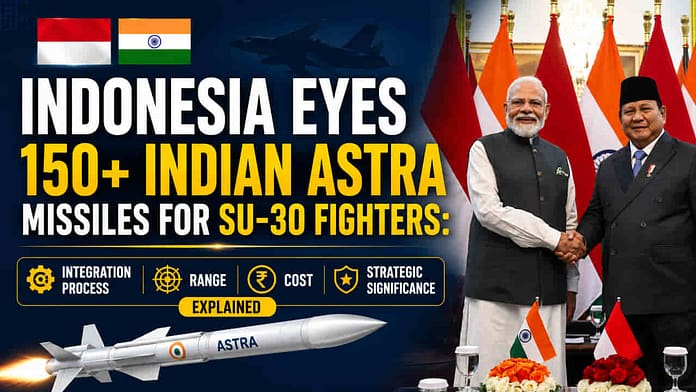
Astra Missile Indonesia Deal: Prime Minister Narendra Modi’s Indonesia visit has brought new strength to defence cooperation between the two countries. During Travel Brahmos Missile cooperation, air-to-air missile cooperation, military training, maritime security and defence technology agreed on several important agreements and initiatives. It is important that Indonesia seeks to buy Air-to-Air missiles in India for its Su-27 and Su-30 fighter aircraft. Indonesia is considering buying more than 150 Astra MK-1 missiles. As well as the possibility of incorporating long-distance Astra MK-2 missiles in the future.

The air-to-air missile cooperation between India and Indonesia will not only strengthen the defence relationship and strengthen the two countries. While buying Indian Australia missile from Indonesia will give India’s defence exports a big incentive and ‘Make in India’ campaign will get global identity.

Also, the defence technology, military training and technical cooperation between the two countries will increase. This collaboration will also strengthen India’s indigenous missile development programme and defence research.

Astra Missile Indonesia Deal: Why Demand for Enhanced Astra Missile

The Indonesian Air Force comprises of fighter aircraft of many countries. It includes 33 US F-16, 5 Russian Su-27 and 11 Su-30, and 6 Rafael aircraft of France. The biggest challenge in Indonesia is the timely supply of weapons and missiles of the Russian origin. The supply of spare parts and missiles has been affected since Russia has been changed in the past few years. Indonesia is looking for alternatives that provide reliable supply chains with technically modern.

Sources say that this purchase also includes connecting missiles with Indonesian fighter jets, pilots and technical staff training and logistic support.

What is the Astra MK-1 missile range

Astra MK-1 India’s first indigenous Beyond Visual Range is Air-to-Air Missile. It has been developed to make the enemy fighter plane scared quite far.

If the missile is stained on the target (head-on) coming from the front, its marching capacity is about 110 kilometres. While, if the target is going away from the missile (Tel-Chase), its effective range is about 20 to 40 kilometres.

Sources say that the failure of the missile has been improved in recent years. It has been worked towards delivering about 160 kilometres by increasing its effective range based on operational experiences and tests, enabling it to target targets by more distances than before.

Technically, this missile can fly over Mac 4.5 i.e. more than 5,500 kilometres per hour. Its length is about 3.6 to 3.84 m, weight is about 154 kg and diameter is 178 millimeters. It has a pre-fragmented high-explosive warhead of about 15 kg, prepared for maximum damage by reaching the target.

The missile features a single-pulse smokeless solid rocket motor, making the smoke scar much lower during the flight, making it less RCS and harder to recognize it for the enemy. Astra Missile Indonesia Deal

Why Integration is considered easy on Su-30

According to the defence experts, the Su-27 and Su-30 fighter aircraft of Indonesia are of the same flanker family on which Indian Air Force Su-30MKI Made.

Indian Air Force has been operating the Astra missile on Su-30 for several years. So the process of connecting this missile on the plane of Indonesia is being considered relatively easy.

Although both aircraft have a difference of some electronic and avionics, the basic platform is extremely low as the need for large structural changes.

How is the integration of a missile

Any new missile cannot be blown directly under the plane. Long technical process is complete for this.

First of all, it is ensured that the hardpoints of the missile plane may take place safely in places where weapons are planted. Special launch rails and adapters are installed for this.

इसके बाद विमान के वेपन मैनेजमेंट सिस्टम में बदलाव किए जाते हैं ताकि कॉकपिट से मिसाइल को कंट्रोल किया जा सके।

इसके बाद फायर कंट्रोल सिस्टम और विमान के रडार को मिसाइल के साथ जोड़ा जाता है ताकि टारगेट की जानकारी लगातार मिसाइल तक पहुंचती रहे।

जब यह प्रक्रिया पूरी हो जाती है तब ग्राउंड टेस्ट, कैरी टेस्ट, सेपरेशन टेस्ट और आखिर में एक्चुअल फायरिंग ट्रायल्स किए जाते हैं। (Astra Missile Indonesia Deal)

अस्त्र मिसाइल को कैसे मिलता है टारगेट

English भारत की पहली स्वदेशी लंबी दूरी की एयर-टू-एयर मिसाइल है, जिसे डीआरडीओ ने विकसित किया है और इसका उत्पादन भारत डायनेमिक्स लिमिटेड (बीडीएल) कर रही है।

अस्त्र एक बियॉन्ड विजुअल रेंज एयर-टू-एयर मिसाइल है। इसका मतलब है कि यह ऐसे टारगेट पर भी हमला कर सकती है जिसे पायलट अपनी आंखों से नहीं देख सकता।

जब विमान का रडार किसी दुश्मन विमान को खोज लेता है तो उसकी स्थिति, गति और दिशा की जानकारी मिसाइल के कंप्यूटर में भेजी जाती है।

मिसाइल लॉन्च होने के बाद शुरुआती चरण में इनर्शियल नेविगेशन सिस्टम के आधार पर आगे बढ़ती है। उड़ान के दौरान विमान से डेटालिंक के जरिए टारगेट की नई जानकारी लगातार भेजी जाती रहती है।

जब मिसाइल टारगेट के काफी करीब पहुंच जाती है, तब उसका एक्टिव रडार सीकर अपने आप चालू हो जाता है। इसके बाद मिसाइल स्वयं टारगेट को खोजकर उसका पीछा करती है और उस पर हमला करती है।

इसी कारण इसे फायर एंड फॉरगेट कैटेगरी की मिसाइल माना जाता है।

रडार और सीकर कैसे करते हैं काम

Astra MK-1 में टारगेट तक पहुंचने के लिए कई आधुनिक तकनीकों का इस्तेमाल किया गया है। उड़ान की शुरुआत में यह इनर्शियल नेविगेशन सिस्टम की मदद से आगे बढ़ती है। बीच की उड़ान में लड़ाकू विमान से डेटालिंक के जरिए टारगेट की नई जानकारी मिलती रहती है। अंतिम चरण में इसका स्वदेशी एक्टिव रडार सीकर अपने आप टारगेट को खोजकर उसका पीछा करता है और सटीक हमला करता है।

अस्त्र मिसाइल का सबसे महत्वपूर्ण हिस्सा उसका एक्टिव रडार सीकर है। शुरुआती उड़ान के दौरान मिसाइल पूरी तरह विमान पर निर्भर रहती है।

यदि टारगेट दिशा बदलता है तो सीकर लगातार उसका पीछा करता रहता है। मिसाइल में इलेक्ट्रॉनिक जैमिंग से बचने के लिए ईसीसीएम (इलेक्ट्रॉनिक काउंटर-काउंटर मेजर्स) क्षमता भी दी गई है, जिससे दुश्मन द्वारा रडार को भ्रमित करने की कोशिश का असर कम हो जाता है। (Astra Missile Indonesia Deal)

अस्त्र मिसाइल की कितनी है कीमत?

सूत्रों और उपलब्ध जानकारी के अनुसार, अस्त्र एमके-1 मिसाइल की एक यूनिट की कीमत लगभग 7 से 8 करोड़ रुपये है। यही कीमत इसे दुनिया की आधुनिक बियॉन्ड विजुअल रेंज एयर-टू-एयर (BVRAAM) मिसाइलों में सबसे किफायती विकल्पों में शामिल करती है।

अस्त्र एमके-2 की आधिकारिक कीमत अभी सार्वजनिक नहीं की गई है। हालांकि, इसमें अधिक लंबी मारक क्षमता और ड्यूल-पल्स रॉकेट मोटर जैसी नई तकनीक जोड़ी जा रही है। ऐसे में इसकी कीमत करीब 9 से 10 करोड़ रुपये प्रति मिसाइल हो सकती है।

यदि कीमत की तुलना की जाए, तो भारत की अस्त्र एमके-1 सबसे सस्ती है। रूस की आर-77 मिसाइल की कीमत पहले कम थी, लेकिन हाल के सालों में सप्लाई चेन की दिक्कतों के कारण इसकी कीमत बढ़ गई है और अब इसकी एक मिसाइल की लागत लगभग 8.5 से 10 करोड़ रुपये या उससे अधिक मानी जाती है।

चीन की पीएल-15 मिसाइल की अनुमानित कीमत लगभग 8.5 से 10.5 करोड़ रुपये प्रति यूनिट है।

अमेरिका की AIM-120 (AMRAAM) मिसाइल के आधुनिक संस्करण की कीमत करीब 9.5 करोड़ से 15 करोड़ रुपये प्रति मिसाइल तक है।

वहीं यूरोप की मीटिओर (Meteor) मिसाइल सबसे महंगी है। इसकी एक मिसाइल की कीमत लगभग 18 से 20 करोड़ रुपये तक है।

अस्त्र की सबसे बड़ी ताकत इसकी कम कीमत और स्वदेशी निर्माण है। विदेशी मिसाइलों की तुलना में इसे खरीदने में कम खर्च आता है और इसके रखरखाव पर भी कम लागत आती है।

चूंकि यह पूरी तरह भारतीय तकनीक पर आधारित है, इसलिए इसके लिए किसी तीसरे देश की मंजूरी लेने की जरूरत नहीं पड़ती। स्पेयर पार्ट्स, मरम्मत और सॉफ्टवेयर अपग्रेड भी देश के भीतर ही किए जा सकते हैं।

रूस की R-77 मिसाइल लंबे समय से कई देशों द्वारा इस्तेमाल की जा रही है, लेकिन हाल के वर्षों में सप्लाई और स्पेयर पार्ट्स की उपलब्धता प्रभावित हुई है।

यूरोप की मीटिओर मिसाइल तकनीकी रूप से बेहद आधुनिक मानी जाती है, लेकिन इसकी ऊंची कीमत के कारण केवल कुछ ही देश इसे खरीद पाते हैं।

अमेरिका की एम्राम मिसाइल दुनिया में सबसे ज्यादा इस्तेमाल होने वाली एयर-टू-एयर मिसाइलों में शामिल है, लेकिन इसके निर्यात पर अमेरिकी नियम लागू होते हैं और खरीद प्रक्रिया भी काफी जटिल होती है।

चीन की पीएल-15 लंबी दूरी की मिसाइल है, लेकिन इसकी उपलब्धता सीमित है और इसका निर्यात भी चुनिंदा देशों तक ही रहता है। (Astra Missile Indonesia Deal)

केवल मिसाइल नहीं, पूरा वेपन पैकेज मिलेगा

किसी भी देश को केवल मिसाइलें नहीं बेची जातीं। इसके साथ एक पूरा ऑपरेशनल पैकेज दिया जाता है।

इस पैकेज में मिसाइलों के अलावा लॉन्चर इंटरफेस, टेस्ट इक्विपमेंट, स्पेयर पार्ट्स, ग्राउंड सपोर्ट सिस्टम, तकनीकी दस्तावेज, सॉफ्टवेयर अपडेट और रखरखाव से जुड़ी सुविधाएं भी शामिल होती हैं।

इसके अलावा मिसाइलों की नियमित जांच, स्टोरेज, परिवहन और समय-समय पर उनकी सर्विसिंग की व्यवस्था भी बनाई जाती है।

बीडीएल करेगी मिसाइलों का उत्पादन

अस्त्र मिसाइल का डिजाइन डीआरडीओ ने विकसित किया है, जबकि इसका उत्पादन भारत डायनेमिक्स लिमिटेड (बीडीएल) करती है।

बीडीएल मिसाइल के सभी प्रमुख हिस्सों को जोड़ने, अंतिम परीक्षण करने और गुणवत्ता जांच के बाद उसे भारतीय वायुसेना या निर्यात के लिए तैयार करती है।

यदि इंडोनेशिया का ऑर्डर अंतिम रूप लेता है, तो मिसाइलों का उत्पादन चरणबद्ध तरीके से किया जाएगा ताकि सप्लाई समय पर पूरी हो सके। (Astra Missile Indonesia Deal)

ऑपरेशनल ट्रेनिंग भी होगी महत्वपूर्ण

सूत्रों के अनुसार नई मिसाइल मिलने के बाद सबसे महत्वपूर्ण काम पायलटों की ट्रेनिंग होती है। पायलटों को यह सिखाया जाता है कि किस दूरी पर मिसाइल दागना सबसे प्रभावी रहेगा, किस प्रकार के टारगेट पर कौन-सा मोड इस्तेमाल करना है और किस परिस्थिति में फायरिंग नहीं करनी चाहिए।

इसके साथ ही ग्राउंड क्रू को मिसाइल को सुरक्षित तरीके से विमान पर लगाने, उसकी जांच करने, सॉफ्टवेयर अपडेट करने और तकनीकी निरीक्षण की ट्रेनिंग भी दी जाती है। (Astra Missile Indonesia Deal)

Don’t miss the ship in the sea Snipp! Indian Naval Igla-Verba Missiles to drive the enemy drone-helicopter

Indian Navy Stabilized Launcher
(Image for reference only. AI-Generated Image)

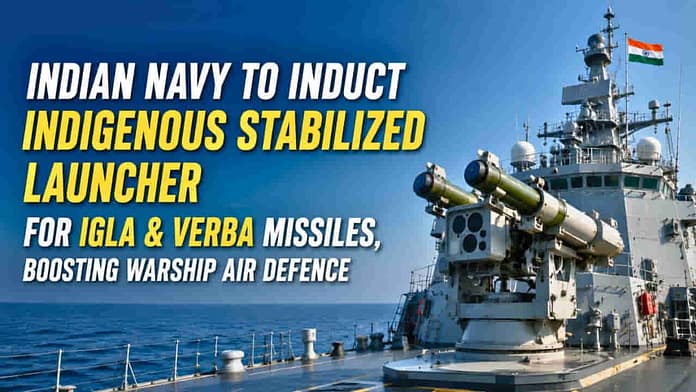
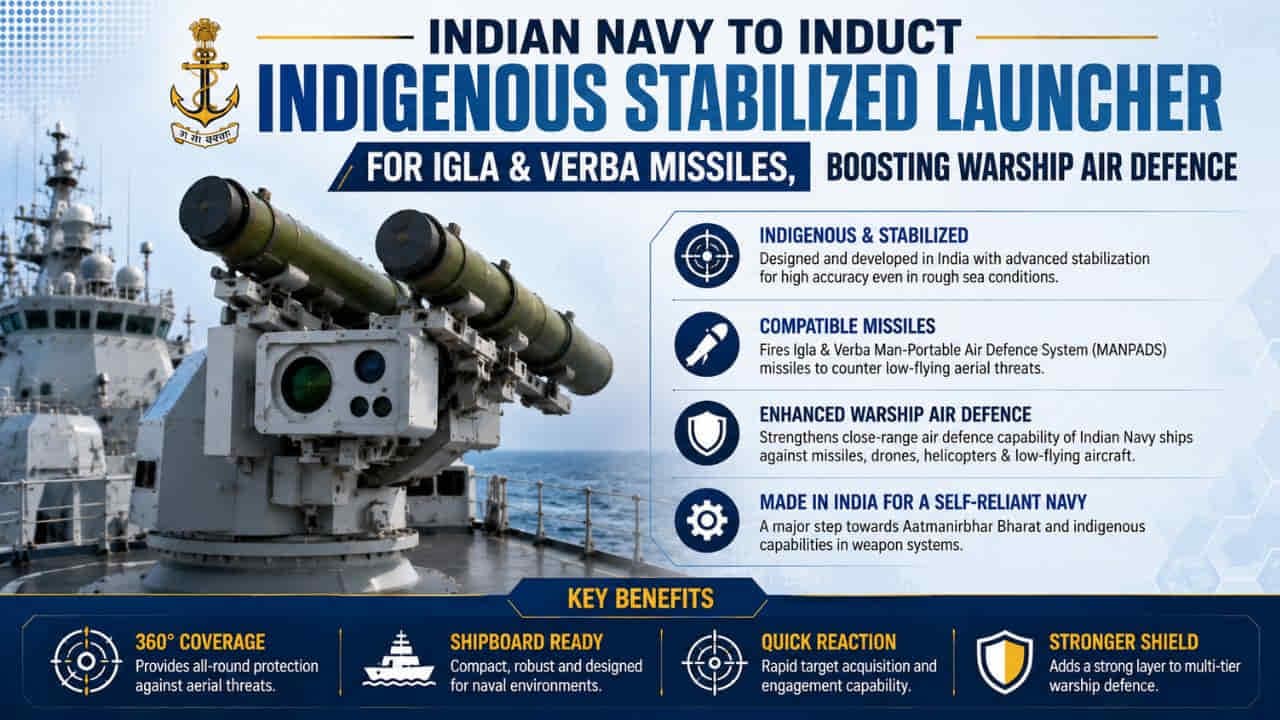
Indian Navy Stabilized Launcher: The Indian Navy is taking a big step towards further strengthening the nearest air security of its warships. The Ministry of Defence has started the process of developing indigenously stabilized launcher system for the Man-Portable Air Defense System (Manpads) under the Make-2 model. Under this project, such a launcher will be prepared, which can be applied to the Naval Warships and from which the EU-S and Verba missiles of the Russian origin are remotely stained.

This system will be included as the new capacity of the Indian Navy. It aims to better protect Warships from air hazards such as helicopters, drones, fighter aircraft and anti-ship missiles coming to low altitudes. Nevy needs at least 40 launcher systems at the beginning. But before this, the industry putter has to show its potential by creating a prototype. After his successful trial, the process of mass purchase will proceed.

Indian Navy Stabilized Launcher: Why does the missile stain from the sea hard

At the moment near Indian Navy English The missiles of the category are present. They normally stain the soldiers on their shoulders. The missile can be easily stained on the ground, but when it comes to the sea, the situation is completely different.

Ships in the sea keep moving up and down due to frequent waves. It is called roll, pitch, and sow in novice language. In such a situation, it is not easy to mark the missile on the target for the operator. If the target is flying faster, the chances of missing scars are increased.

Sources say that the Indian Navy felt the need for such a launcher given the same challenge, which could handle the ship’s move and help the missile to launch in the right direction.

What Will Stableized Launcher System

Naval The launcher that needs will be fully variable. Inside the launcher there will be sensors and motors that will instantly identify every walk and every movement of the ship.

If the ship bends to the right due to a wave, the launcher will at the same time balance itself in the opposite direction. Similarly, the ship will move upwards or forwards, the launcher will also continuously fix its position. The advantage of the missile will be to maintain a constant lock on the target.

This system will fully operate from remote control. The operator will not have to put on the missile shoulder. He will control the launcher in a safe place and will stain a missile or multiple missiles simultaneously when needed. Indian Navy Stabilized Launcher

Indian Navy Stabilized Launcher
(Image for reference only. AI-Generated Image)

Electro-optical fire control system will be the most important part

Integrated electro-optical fire control system (EOFCs) will be applied in the launcher. This will be the "demag" of the whole system.

Its work will not only show targets, but also need to find, identify targets, track continuously and prepare the right fire control solution for missile stains.

जब कोई ड्रोन, हेलीकॉप्टर या कम ऊंचाई पर उड़ने वाली मिसाइल जहाज की ओर बढ़ेगी, तो सबसे पहले यही सिस्टम उसे खोजेगा। इसके बाद उसकी दिशा, गति और दूरी का लगातार आकलन करेगा। जब सिस्टम को लगेगा कि मिसाइल दागने का सही समय है, तब ऑपरेटर को फायरिंग की अनुमति देगा। (Indian Navy Stabilized Launcher)

इग्ला और वर्बा दोनों मिसाइलों से होगा ऑपरेशन

रक्षा मंत्रालय ने तकनीकी जरूरतों में स्पष्ट किया है कि लॉन्चर को इस तरह से बनाया जाए कि वह इग्ला-एस और वर्बा जैसी बहुत कम दूरी की एरियल डिफेंस मिसाइलों के साथ काम कर सके।

इन मिसाइलों का इस्तेमाल कम ऊंचाई पर उड़ने वाले टारगेट्स को नष्ट करने के लिए किया जाता है। इनमें हेलीकॉप्टर, ड्रोन, कम ऊंचाई पर उड़ने वाले विमान और एंटी-शिप मिसाइल जैसे खतरे शामिल हैं।

वहीं, लॉन्चर को इस तरह डिजाइन किया जाएगा कि वह दो या चार मिसाइलों के कॉन्फिगरेशन में उपलब्ध हो सके। यानी लॉन्चर को दो अलग-अलग कॉन्फिगरेशन में डेवलप किया जाएगा। इसमें एक साथ दो या चार इग्ला मिसाइलें लगाई जा सकेंगी। इसका मतलब यह है कि ऑपरेशन की जरूरत के अनुसार युद्धपोत पर अलग-अलग क्षमता वाले लॉन्चर लगाए जा सकेंगे।

इस सिस्टम में दो तरह की फायरिंग क्षमता होगी। पहली सिंगल लॉन्च होगी, जिसमें केवल एक मिसाइल दागी जाएगी।

दूसरी साल्वो लॉन्च होगी। इसमें ऑपरेटर बहुत कम समय के अंतराल में एक के बाद एक कई मिसाइलें दाग सकेगा। यदि सामने एक से ज्यादा हवाई खतरे हों या किसी तेजी से बढ़ते टारगेट को रोकने के लिए दो मिसाइलें एक साथ दागनी हों, तो साल्वो मोड इस्तेमाल किया जा सकेगा।

डे और नाइट दोनों समय करेगा काम

नया लॉन्चर केवल दिन में ही नहीं बल्कि रात में भी समान क्षमता से काम करेगा। इसके लिए इसमें डे-नाइट इलेक्ट्रो-ऑप्टिकल फायर कंट्रोल सिस्टम लगाया जाएगा।

इस सिस्टम में आधुनिक कैमरे, थर्मल इमेजिंग और टारगेट पर नजर रखने वाली तकनीक शामिल होगी। इससे ऑपरेटर अंधेरे, धुंध या खराब मौसम में भी टारगेट की पहचान कर सकेगा।

सूत्रों के अनुसार यही सिस्टम टारगेट को खोजेगा, उसकी लगातार ट्रैकिंग करेगा और मिसाइल दागने के लिए जरूरी फायर कंट्रोल सॉल्यूशन भी तैयार करेगा। (Indian Navy Stabilized Launcher)

छोटा साइज, ताकि हर तरह के वॉरशिप पर लगाया जा सके

मंत्रालय चाहता है कि लॉन्चर का साइज ज्यादा बड़ा न हो। इसलिए इसकी डिजाइन कॉम्पैक्ट रखी जाएगी। सूत्रों के मुताबिक लॉन्चर का कुल वजन लगभग 800 किलोग्राम से कम रखा जाएगा। इसमें इलेक्ट्रो-ऑप्टिकल सिस्टम भी शामिल होगा।

छोटा साइज होने का फायदा यह होगा कि इसे बड़े डिस्ट्रॉयर और फ्रिगेट के अलावा छोटे कॉर्वेट और दूसरे नौसैनिक प्लेटफॉर्म पर भी आसानी से लगाया जा सकेगा।

रक्षा मंत्रालय ने साफ कहा है कि लॉन्चर में इतनी स्टैबिलिटी होनी चाहिए कि इग्ला, वर्बा और भविष्य के VSHORDS जैसी मिसाइलों का सीकर आसानी से टारगेट पर लॉक कर सके।

मिसाइल का सीकर टारगेट की गर्मी या इंफ्रारेड सिग्नेचर को पहचानता है। यदि लॉन्चर लगातार हिलता रहे तो सीकर टारगेट खो सकता है। स्टेबलाइजेशन सिस्टम इसी समस्या को कम करेगा। (Indian Navy Stabilized Launcher)

जहाज के हिसाब से बदले जा सकेंगे फायरिंग एंगल

हर युद्धपोत की बनावट अलग होती है। इसलिए रक्षा मंत्रालय ने यह भी शर्त रखी है कि लॉन्चर के फायरिंग एंगल को जहाज के डिजाइन के अनुसार बदला जा सके।

इसके लिए लॉन्चर में मैकेनिकल और इलेक्ट्रिकल स्टॉपर्स लगाए जाएंगे। इनकी मदद से फायरिंग का क्षेत्र सीमित किया जा सकेगा, ताकि मिसाइल गलती से जहाज के किसी हिस्से की ओर न जाए।

साथ ही एक अलग रिमोट सेफ्टी स्विच भी होगा। जरूरत पड़ने पर इससे लॉन्चर को तुरंत सक्रिय या निष्क्रिय किया जा सकेगा।

रिमोट कंट्रोल से होगा पूरा ऑपरेशन

इस सिस्टम के साथ एक मल्टी-फंक्शन डिस्प्ले यूनिट भी दी जाएगी। इसमें एलईडी स्क्रीन और सॉफ्ट-टच या पुश बटन होंगे। इसी कंट्रोल यूनिट से ऑपरेटर लॉन्चर को चालू करेगा, सिस्टम की जांच करेगा, कैलिब्रेशन करेगा, टारगेट चुनेगा और मिसाइल दागेगा।

इस सिस्टम में एक इंटरनल रिकॉर्डिंग यूनिट भी होगी, जो हर ऑपरेशन का पूरा रिकॉर्ड अपने आप सुरक्षित रखेगी। इसमें टारगेट की जानकारी, फायरिंग कमांड, सिस्टम की स्थिति और अन्य तकनीकी डेटा दर्ज होगा। इससे बाद में ऑपरेशन का विश्लेषण और तकनीकी जांच करना आसान होगा।

भारत में ही डिजाइन और विकास पर रहेगा पूरा जोर

इस प्रोजेक्ट के तहत देश के भीतर ही उसकी पूरी तकनीक डेवलप की जाएगी। इसलिए कंपनियों से पूछा गया है कि सिस्टम का डिजाइन और डेवलपमेंट भारत में ही किया जाएगा या नहीं।

यदि किसी विदेशी कंपनी के साथ तकनीकी साझेदारी, जॉइंट वेंचर या समझौता है, तो उसकी पूरी जानकारी देनी होगी। साथ ही यह भी बताना होगा कि कौन-कौन सी तकनीक विदेश से आएगी और भविष्य में उसे पूरी तरह स्वदेशी बनाने की क्या योजना होगी।

रक्षा मंत्रालय यह भी जानना चाहता है कि प्रोटोटाइप तैयार होने के बाद उसकी डिजाइन और इंटेलेक्चुअल प्रॉपर्टी राइट्स किसके पास रहेंगे और जरूरत पड़ने पर किसी सरकारी रक्षा कंपनी को टेक्नोलॉजी ट्रांसफर किया जा सकेगा या नहीं।

बता दें कि यह प्रोजेक्ट डिफेंस एक्विजिशन प्रोसिजर-2020 की मेक-2 कैटेगरी के तहत लाया गया है। इस मॉडल में उद्योग अपनी तकनीक के आधार पर प्रोटोटाइप विकसित करता है। सफल परीक्षण के बाद ही रक्षा मंत्रालय बड़े स्तर पर खरीद का निर्णय लेता है। (Indian Navy Stabilized Launcher)

कितने प्रतिशत होगा स्वदेशी कंटेंट

इस परियोजना में आत्मनिर्भरता सबसे अहम शर्तों में शामिल है। इसलिए कंपनियों को यह भी बताना होगा कि प्रोटोटाइप तैयार करते समय और बड़े स्तर पर उत्पादन शुरू होने के बाद सिस्टम में स्वदेशी हिस्सेदारी कितनी होगी।

रक्षा सूत्रों के मुताबिक हर प्रमुख कंपोनेंट की सूची भी देनी होगी। कौन-सा हिस्सा कंपनी खुद बनाएगी, कौन-सा भारत की दूसरी कंपनी से लिया जाएगा और कौन-सा विदेश से आएगा, इसकी पूरी जानकारी देनी होगी।

यदि कोई महत्वपूर्ण पार्ट आयातित है, तो उसके लिए लंबी अवधि की सप्लाई और भविष्य में स्वदेशी उत्पादन की योजना भी बतानी होगी।

रक्षा मंत्रालय ने कंपनियों से प्रोटोटाइप तैयार करने की समयसीमा भी मांगी है। इसमें डिजाइन, मैन्युफैक्चरिंग, इंटीग्रेशन, क्वॉलिटी टेस्टिंग और टेक्निकल इवैल्युशन का पूरा कार्यक्रम शामिल होगा।

इसके बाद यदि सिस्टम सफल रहता है, तो बड़े स्तर पर उत्पादन शुरू करने में कितना समय लगेगा, इसकी भी जानकारी देनी होगी। कंपनियों को यह भी बताना होगा कि वे हर महीने या हर साल कितने लॉन्चर तैयार कर सकती हैं और जरूरत बढ़ने पर उत्पादन क्षमता कैसे बढ़ाएंगी। (Indian Navy Stabilized Launcher)

कई चरणों में होगी टेस्टिंग

सूत्रों का कहना है कि सबसे पहले इसके शोर ट्रायल किए जाएंगे। इनमें जमीन पर सिस्टम के सभी मैकेनिकल, इलेक्ट्रॉनिक और फायर कंट्रोल सिस्टम की जांच की जाएगी। इसके बाद लॉन्चर को जहाज पर लगाकर शिपबोर्न ट्रायल किए जाएंगे। इन परीक्षणों में एक्चुअल मिसाइल फायरिंग भी शामिल होगी।

इसके अलावा इलेक्ट्रोमैग्नेटिक इंटरफेरेंस, इलेक्ट्रोमैग्नेटिक कंपैटिबिलिटी, लेजर रेंज फाइंडर, इलेक्ट्रो-ऑप्टिकल सिस्टम, शॉक और वाइब्रेशन जैसे कई परीक्षण भी होंगे। इनका उद्देश्य यह सुनिश्चित करना है कि समुद्र में भी सिस्टम बिना किसी रुकावट के काम करे।

रक्षा मंत्रालय ने कंपनियों से यह भी पूछा है कि क्या वे भारतीय नौसेना की सुविधाओं या भारतीय समुद्री क्षेत्र में नो कॉस्ट, नो कमिटमेंट आधार पर फील्ड इवैल्यूएशन ट्रायल करने के लिए तैयार हैं। (Indian Navy Stabilized Launcher)

लॉन्चर खुद करेगा अपनी तकनीकी जांच

इस सिस्टम में बिल्ट-इन टेस्ट सुविधा भी होगी। यानी लॉन्चर समय-समय पर अपनी तकनीकी स्थिति की खुद जांच करेगा।

यदि किसी सेंसर, मोटर, कंट्रोल यूनिट या दूसरे हिस्से में कोई खराबी आती है, तो सिस्टम ऑपरेटर को तुरंत जानकारी देगा। इससे तकनीकी समस्या का पता लगाने में कम समय लगेगा और मरम्मत भी जल्दी हो सकेगी।

साथ ही लॉन्चर में लगी इंटरनल रिकॉर्डिंग यूनिट हर गतिविधि का पूरा रिकॉर्ड रखेगी। टारगेट की पहचान, ट्रैकिंग, फायरिंग कमांड और सिस्टम की स्थिति से जुड़ा डेटा सुरक्षित रहेगा, जिससे बाद में उसका विश्लेषण किया जा सकेगा।

रक्षा मंत्रालय ने स्पष्ट किया है कि उचित रखरखाव के साथ इस सिस्टम की सर्विस लाइफ 10 साल से अधिक होनी चाहिए।

कंपनियों को बताना होगा कि मरम्मत की प्रक्रिया कैसी होगी, कितने विशेष उपकरणों की जरूरत पड़ेगी और क्या भारतीय नौसेना को मौके पर ही तकनीकी सहायता दी जाएगी।

इसके अलावा स्पेयर पार्ट्स की उपलब्धता, ऑन-साइट वारंटी, लाइफ-साइकिल सपोर्ट और पूरे सिस्टम के रखरखाव का विस्तृत प्रस्ताव भी देना होगा। (Indian Navy Stabilized Launcher)

Explainer: What is the new drone command structure of the Indian Army? Pictures of wars such as Baja Battalion from Ashni Platoon

Indian Army Drone Command Structure
(Image for reference only. AI-Generated Image)

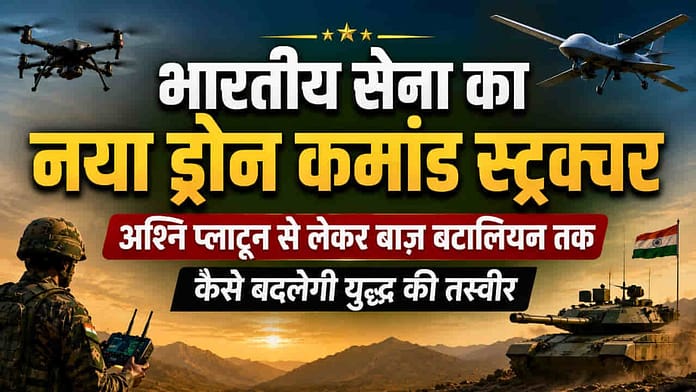
Indian Army Drone Command Structure: Drones have now become part of the Modern Warfare. Now only tanks, cannons and fighters do not decide the strength of an army, but also drones have become the most important part of the war. Ukraine war, West Asia’s struggle and many recent military campaigns have shown that from small FPV drones to long-distance flying Surveillance drones, every category of unmanned systems are now changing the way of war.

While the Indian Army is also renewing its drone network in line with the same changes. These include Battle of orders such as Ashni Platoon, Shaurya Squadron, Shaktiman Regiment, and Baj Battalion.

Indian Army Drone Command Structure: Why Indian Army Needs

The first drone used was limited to only monitor the activities of the enemy, but now the same drones are getting used to attack directly, guide the firing of the artillery, raise electronic intelligence and attack the enemy’s supply line.

यूक्रेन युद्ध में छोटे एफपीवी ड्रोन ने महंगे टैंक, आर्मर्ड व्हीकल्स और कमांड पोस्ट तक को निशाना बनाया। इसी युद्ध ने दुनिया की सेनाओं को यह समझाया कि ड्रोन को अलग हथियार नहीं बल्कि पूरी मिलिट्री स्ट्रक्चर का हिस्सा बनाना होगा।

सूत्रों का कहना है कि पहले अधिकांश ड्रोन हेडक्वॉर्टर या स्पेशल सर्विलांस यूनिट्स के पास रहते थे। किसी बटालियन को ड्रोन की जरूरत पड़ती थी तो उसे दूसरे स्तर से सहायता लेनी पड़ती थी। लेकिन नए मॉडल में यह व्यवस्था बदल गई है। अब हर स्तर के कमांडर के पास उसी के मिशन के अनुरूप ड्रोन उपलब्ध रहेंगे। इससे सूचना मिलने और कार्रवाई शुरू होने के बीच का समय काफी कम हो जाएगा।

चार स्तर पर तैयार किया गया नया ड्रोन स्ट्रक्चर

भारतीय सेना ने भी इसी अनुभव को ध्यान में रखते हुए ड्रोन को केवल कुछ विशेष यूनिट्स तक सीमित रखने के बजाय इन्फेंट्री, आर्मर्ड, आर्टिलरी और आर्मी एविएशन कॉर्प्स तक पहुंचाने की योजना बनाई।

यह पूरा स्ट्रक्चर चार अलग-अलग स्तरों पर काम करता है। पहला स्तर इन्फेंट्री यानी पैदल सेना के लिए है। दूसरा आर्मर्ड फॉर्मेशन यानी टैंक रेजिमेंट्स के लिए, तीसरा आर्टिलरी के लिए और चौथा आर्मी एविएशन कॉर्प्स के तहत पूरे थिएटर स्तर पर काम करने वाली केंद्रीय ड्रोन यूनिट्स के लिए तैयार किया गया है।

इस सिस्टम का मकसद यह है कि हर स्तर पर मौजूद कमांडर को उसकी जरूरत के अनुसार ड्रोन उपलब्ध रहें और किसी भी मिशन के लिए अलग से संसाधन मांगने की जरूरत न पड़े। (Indian Army Drone Command Structure)

अश्नि प्लाटून बनी इन्फेंट्री की नई आंख

सूत्रों के मुताबिक इन्फेंट्री बटालियनों में अश्नि प्लाटून नाम की विशेष ड्रोन टीम बनाई गई है। इन प्लाटून का काम सबसे आगे तैनात सैनिकों को रियल टाइम जानकारी देना और जरूरत पड़ने पर तुरंत सटीक हमला करना है।

भारतीय सेना की लगभग 380 से 385 इन्फेंट्री बटालियनों में ऐसी प्लाटून बनाई जा चुकी हैं। हर प्लाटून में लगभग 20 से 25 विशेष रूप से प्रशिक्षित सैनिक शामिल होते हैं।

इन सैनिकों को केवल ड्रोन उड़ाने की ट्रेनिंग नहीं दी जाती, बल्कि ड्रोन की मरम्मत, बैटरी प्रबंधन, मिशन प्लानिंग और फील्ड में तकनीकी सहायता की भी जिम्मेदारी दी जाती है।

सूत्रों के अनुसार अश्नि प्लाटून किसी अलग ब्रिगेड या डिवीजन का हिस्सा नहीं होती, बल्कि सीधे इन्फेंट्री बटालियन कमांडर के नियंत्रण में रहती है। इसका सबसे बड़ा फायदा यह है कि ड्रोन से मिलने वाली जानकारी तुरंत कमांडर तक पहुंच जाती है।

Indian Army Drone Command Structure
(Image for reference only. AI-Generated Image)

एफपीवी ड्रोन और लॉइटरिंग म्यूनिशन का इस्तेमाल

सूत्रों के मुताबिक अश्नि प्लाटून के पास कई प्रकार के ड्रोन उपलब्ध रहते हैं। इनमें सर्विलांस ड्रोन, एफपीवी ड्रोन और लॉइटरिंग म्यूनिशन शामिल हैं।

एफपीवी यानी फर्स्ट पर्सन व्यू ड्रोन ऑपरेटर को ड्रोन के कैमरे से लाइव विजुअल दिखाते हैं। इससे सैनिक दुश्मन की स्थिति को बेहद करीब से देख सकते हैं। अगर टारगेट की पुष्टि हो जाए तो यही ड्रोन सटीक हमला भी कर सकते हैं। लॉइटरिंग म्यूनिशन अलग तरीके से काम करते हैं। ये पहले तय क्षेत्र में कुछ समय तक उड़ते रहते हैं और टारगेट मिलने पर उसी पर हमला करते हैं। इससे तेजी से बदलती युद्ध स्थिति में भी सटीक कार्रवाई संभव होती है।

सूत्रों के अनुसार प्रत्येक अश्नि प्लाटून के पास सर्विलांस और अटैक कैटेगरी के कई ड्रोन उपलब्ध रहते हैं, जिससे बटालियन स्तर पर ही निगरानी और प्रिसीजन स्ट्राइक की क्षमता डेवलप हो जाती है।

‘ईगल ऑन द आर्म’ कॉन्सैप्ट पर आधारित है मॉडल

अश्नि प्लाटून का मूल विचार “ईगल ऑन द आर्म” कॉन्सैप्ट पर आधारित है। इसका अर्थ यह है कि इन्फेंट्री कमांडर के पास स्वयं ड्रोन की क्षमता मौजूद हो और उसे अलग से किसी अन्य यूनिट पर निर्भर न रहना पड़े। इससे किसी भी ऑपरेशन में जानकारी जुटाने और कार्रवाई करने के बीच लगने वाला समय काफी कम हो जाता है।

यदि किसी पहाड़ी क्षेत्र, जंगल, शहरी इलाके या सीमा पर दुश्मन की हलचल दिखाई देती है तो बटालियन स्तर पर ही तुरंत फैसला लिया जा सकता है। इस प्रक्रिया में अलग-अलग मुख्यालय से अनुमति लेने में समय नहीं लगता। (Indian Army Drone Command Structure)

शौर्य स्क्वाड्रन से टैंकों को मिल रही नई ताकत

आर्मर्ड फॉर्मेशन के लिए शौर्य स्क्वाड्रन बनाए जा रहे हैं। सूत्रों के मुताबिक इन स्क्वाड्रन को टी-90 भीष्म, टी-72 अजेय और अर्जुन एमके-1ए जैसे मुख्य युद्धक टैंकों के साथ जोड़ा जा रहा है।

इनका उद्देश्य टैंक कमांडर को बैटल फील्ड में फॉरवर्ड एरिया की जानकारी देना है। इस नए मॉडल में टैंक केवल अपनी तोप और सेंसर पर निर्भर नहीं रहेंगे। टैंक के आगे बढ़ने से पहले ड्रोन लगातार आगे उड़कर दुश्मन की गतिविधियों पर नजर रखेंगे। युद्ध में सबसे बड़ा खतरा टैंक के सामने मौजूद दुश्मन नहीं बल्कि छिपे हुए एंटी-टैंक हथियार होते हैं। एफपीवी ड्रोन, एंटी-टैंक गाइडेड मिसाइल और टॉप-अटैक हथियार टैंकों को काफी नुकसान पहुंचा सकते हैं। जरूरत पड़ने पर अटैक ड्रोन या लॉइटरिंग म्यूनिशन से टारगेट पर कार्रवाई भी की जा सकती है।

सूत्रों के मुताबिक प्रत्येक शौर्य स्क्वाड्रन में भी लगभग 20 से 25 प्रशिक्षित सैनिक शामिल है, जो सर्विलांस, एफपीवी, अटैक और स्वार्म ड्रोन को ऑपरेट करते हैं।

ड्रोन से मिली तस्वीरें सीधे टैंक कमांडर तक पहुंचेंगी। इससे टारगेट की पहचान कर फायरिंग का फैसला अधिक सटीक तरीके से लिया जा सकता है। वहीं, इन यूनिट्स की ट्रेनिंग बाबिना फील्ड फायरिंग रेंज सहित कई सैन्य क्षेत्रों में की जा चुकी है।

शक्तिमान रेजिमेंट से बदलेगी आर्टिलरी की भूमिका

आर्टिलरी के लिए शक्तिमान रेजिमेंट तैयार की जा रही हैं। इनका मुख्य काम लंबी दूरी तक सटीक हमला करना है।
ये रेजिमेंट केवल तोपों की फायरिंग तक सीमित नहीं रहेंगी। इनके पास लॉन्ग रेंज लॉइटरिंग म्यूनिशन, अटैक ड्रोन और अन्य आधुनिक मानव रहित सिस्टम होंगे। ड्रोन पहले लक्ष्य की पहचान करेंगे। उसके बाद जरूरत के अनुसार या तो खुद हमला करेंगे या आर्टिलरी यूनिट को सटीक निर्देश देंगे।

पारंपरिक आर्टिलरी में पहले टारगेट की जानकारी अलग स्रोतों से आती थी। अब ड्रोन सीधे लक्ष्य की लाइव तस्वीर भेज सकते हैं। यदि पहला गोला टारगेट से थोड़ा दूर गिरता है तो ड्रोन तुरंत नई जानकारी भेज सकता है। इसके बाद अगली फायरिंग पहले से अधिक सटीक हो सकती है।

इसी प्रक्रिया को आधुनिक सैन्य भाषा में सेंसर-टू-शूटर लूप कहा जाता है। इससे प्रतिक्रिया का समय काफी कम हो जाता है।

ड्रोन और आर्टिलरी मिलकर बना सकते हैं ‘किल वेब’

भविष्य का युद्ध केवल ‘किल चेन’ तक सीमित नहीं रहेगा। बल्कि अब सेनाएं ‘किल वेब’ के कॉन्सैप्ट पर काम कर रही हैं। इसमें ड्रोन, आर्टिलरी, इलेक्ट्रॉनिक वारफेयर सिस्टम, सैटेलाइट और कमांड सेंटर एक साथ जुड़े रहते हैं। शक्तिमान रेजिमेंट केवल ड्रोन नहीं उड़ाएंगी बल्कि इलेक्ट्रॉनिक वारफेयर और काउंटर ड्रोन सिस्टम के साथ भी कॉर्डिनेशन करेंगी।

यदि दुश्मन इलेक्ट्रॉनिक जैमिंग या अन्य इलेक्ट्रॉनिक तरीका अपनाता है तो उसी के मुताबिक ऑपरेशन की योजना तैयार की जा सकेगी। (Indian Army Drone Command Structure)

बाज बटालियन करेंगी पूरे थिएटर की निगरानी

ड्रोन कमांड स्ट्रक्चर का सबसे ऊपरी स्तर Baj Battalion हैं। जिन्हें हाल ही में तैयार किया गया है। ये यूनिट्स आर्मी एविएशन कॉर्प्स के तहत काम करेंगी और पूरे थिएटर स्तर पर लंबी दूरी के ड्रोन ऑपरेशन संभालेंगी।

इनके पास मीडियम एल्टीट्यूड लॉन्ग एंड्योरेंस, हाई एल्टीट्यूड लॉन्ग एंड्योरेंस और अन्य बड़े मानव रहित प्लेटफॉर्म संचालित करने की क्षमता होगी। इनका इस्तेमाल लंबी दूरी की निगरानी, इंटेलिजेंस जुटाने, गहरे इलाकों की निगरानी और स्पेशल मिशनों में किया जा सकता है। यह पूरे भारतीय सेना के लिए ड्रोन कमांड सेंटर की तरह काम कर सकती हैं।

सूत्रों के मुताबिक, बाज बटालियन केवल ड्रोन उड़ाने तक सीमित नहीं रहेंगी। यहीं पर बड़े ड्रोन की तकनीकी देखभाल, सॉफ्टवेयर अपडेट, मिशन प्लानिंग, पायलट ट्रेनिंग, डेटा एनालिसिस और नई रणनीतियों पर भी काम किया जाएगा। यानी यह पूरी सेना के लिए सेंट्रलाइज्ड ड्रोन हब की तरह काम करेंगी।

कमांड एंड कंट्रोल सिस्टम भी बदलेगा

सूत्रों का कहना है कि इतनी बड़ी संख्या में ड्रोन तभी असरदार होंगे जब उनका कमांड एंड कंट्रोल सिस्टम मजबूत हो। इसके लिए सुरक्षित डेटा लिंक, एन्क्रिप्टेड कम्युनिकेशन, आर्टिफिशियल इंटेलिजेंस आधारित डेटा प्रोसेसिंग और रियल टाइम वीडियो शेयरिंग की जरूरत होगी। ड्रोन से मिलने वाली जानकारी कुछ ही सेकंड में बटालियन, ब्रिगेड, डिवीजन और थिएटर कमांड तक पहुंच सकेगी। यही नेटवर्क-सेंट्रिक वॉरफेयर की सबसे बड़ी खूबी है। (Indian Army Drone Command Structure)

China-Pakistan’s submarines will not be hidden in the sea track

Indian Navy Sonar System
(Image for reference only. AI-Generated Image)

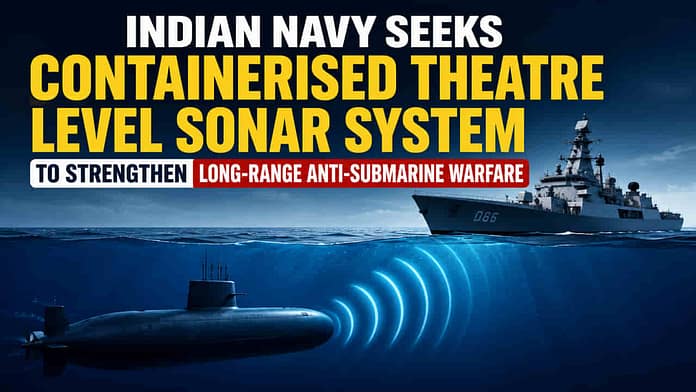
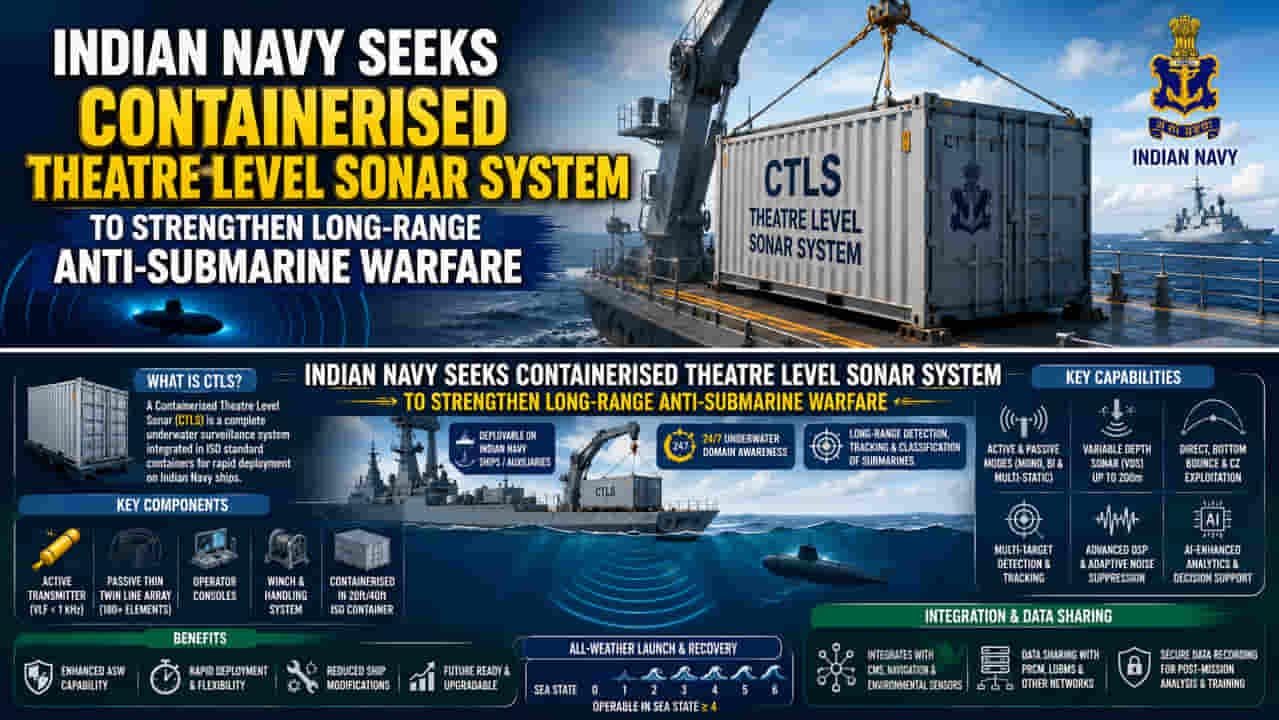
Indian Navy Sonar System: Indian Navy is preparing to keep a panty on enemy activities under the sea. Ministry of Defence has released the Request for Information (RFI) for Containerized Theater Level Sonar (CTLS). The motive of this system is to maintain constant monitoring underwater, detect long distances of submarines and strengthen anti-submarine warfare capacity at the theater level. This system will be applied as a container on suitable ships of the Indian Navy, according to the need to deploy it faster on different platforms.

Indian Navy Sonar System: What is Containerized Theater Level Sonar

CTLS is a modern sonar system, which will be prepared within a standard container. The biggest advantage of this is that it can be imposed or deleted even without any changes on a ship. This allows the Navy to use the same system as needed on different ships.

This system will include low frequency active transmitter, passive receiver array, operator console, winch and handling system, according to RFI. The complete system will remain integrated within the container and only have limited changes to the ship. Indian Navy Sonar System

Underwater long distance monitor

Ministry of Defence wants the new system to work effectively even in deep sea, shallow water and complex coastal areas. Its main work is to detect, identify and track submarines and other targets present within the water.

The system will be developed in such a way that it can simultaneously monitor multiple targets and be able to continuously monitor for a long time. through Indian Navy It will help to better understand the strategic image that is formed under the sea. Indian Navy Sonar System

Work will do in both active and passive mode

CTLS will not rely only on a kind of sonar as per RFI. It has both active and passive capacity.

The system in the active mode will identify the front present target by sending the sound wave. While in the Passive mode, it will only identify the vessels within the water and the sounds from the waters.

Both modes can be used simultaneously. This will make mono-static, by-static and multi-static operation possible, which are considered quite important in modern anti-submarine operation.

Indian Navy Sonar System
(Image for reference only. AI-Generated Image)

Low frequency active sonar will be the biggest strength

The active part of the system according to the document will work on the frequency less than a kilohertz. The sound waves of low frequency go up to a greater distance in the ocean, so it is considered more effective in detecting long-distance submarines.

In System Variable Depth Sonar To be applied, which can be lowered within water for about 200 meters. This will make better detection according to the sound conditions present in different layers of the sea. At the same time the system will adjust its depth control automatically according to marine conditions.

Passive receiver Array will hear consecutive Sea voice

The passive part of CTLS will be Based on the Twin Thin Line Receiver Array. Each era will have at least 180 acoustic elements, which can also record extremely light sounds in the sea.

This system will work on frequency from 10Hz to 2KHz. It can identify hydrodynamic noises that are formed in machinery, propellers and water of submarines. The system will also include modern technology like beam forming, adaptive noise compression and target motion analysis.

The target will also identify between noise

Within the sea there is not always a quiet atmosphere. Waves, ships, marine organisms and seasons continue to cause constant noise. It is challenging to identify targets in such an environment.

This is why advanced digital signal processing has been sought in RFI. The system should be able to find, determine and identify the target, even in the event of high noise and riverburization. It will also facilitate operator assisted tracking with automatic tracking.

Deploying container will be faster than design

CTLS will be prepared in ISO standard container of 20 or 40 feet. This will allow it to be expelled and removed on different ships.

The system will be modularized, so that the active module, passive module, processing unit and operator console can be changed or upgraded separately when needed. Naval has also sought at least 15 years of service life.

Artificial Intelligence Will Also Part

Modern operator consoles have been sought in RFI. These consoles will have high resolution displays, with features like waterfall display, track table, tactical display and daemon analysis.

The system will also include technology such as Artificial Intelligence based alerts, decigen support tools and multimodal data fusions. This allows the operator to make more accurate decisions in less time. Indian Navy Sonar System

The possibility of success will tell before the mission begins

CTLS will also have a special modeling and induction software. It will analyze information like sea depth, temperature, sound wellness profile, sea level texture and surrounding noise.

Depending on this, the system will already tell how much it is likely to detect the submarine in an area, in which direction the sensoring will yield better results and what circumstances can be encountered during the mission. Indian Navy Sonar System

Indian Navy will also be connected with the existing system

Ministry of Defence Wants New Sonar Easily connect with the existing Combat Management System of Indian Navy. Also it will share data from navigation sensors, environmental sensors and other onboard systems as well.

The data recorded during the mission will securely store and can be used for subsequent training and analysis. Artificial Intelligence based upgrades can also be added to the future. Indian Navy Sonar System

Strict standard fixed for vendors

There are also several conditions for companies in RFI. The company applying must be a manufacturer or system integrator. Experience in the defence sector, adequate financial capacity, maintenance and repair facility and necessary licenses will also be mandatory.

रक्षा मंत्रालय ने स्पष्ट किया है कि पहले टेक्निकल मूल्यांकन होगा। इसके बाद चयनित कंपनियों के सिस्टम का भारत में बिना किसी वित्तीय प्रतिबद्धता के ट्रायल कराया जाएगा। सफल मूल्यांकन के बाद आगे की खरीद प्रक्रिया शुरू होगी। (Indian Navy Sonar System)

Will DRDO become a new secret armor of Indian tanks? The enemy drones, ATGM and top-attack missiles will be neutral!

DRDO Active Protection System
(Image for reference only. AI-Generated Image)

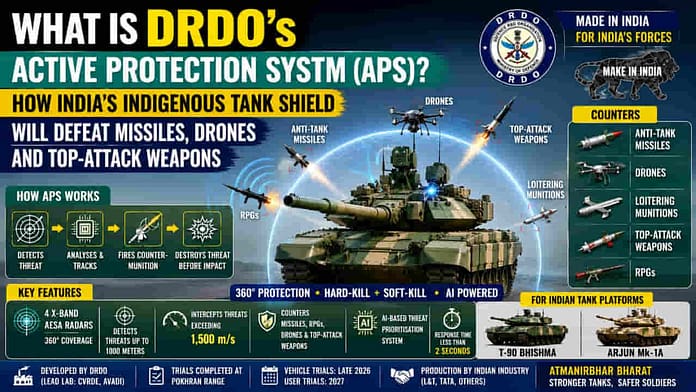
DRDO Active Protection System: Defence Acquisition Council (DRO)DAC) Discussion on this technique has been accelerated after giving the Active Protection System (APS) for Indian Army tanks to the Expert of Necessity (AON). While in the press release issued on behalf of the Government it is not clear that indigenous APS will be selected for the Army or any foreign system will be adopted. But the formulas say it’s got the APS made of AON DRDO. While speaking of foreign systems, systems like Israel’s Trophy System, Arena-M and Afgnit, Russia are also going to count in options. But the government’s priority will be indigenous.

The forces around the world after the Ukraine war have begun to see the safety of the tanks with new perspectives. Modern anti-tank guided missiles, top-attack weapons, drones and looting Muniition has brought the boundaries of traditional tank security. The active protection system is now being considered the essential part of the modern tank.

DRDO Active Protection System: What Is Active Protection System?

Active Protection System APS is a smart security system that identifies the tank’s attacking missile, rocket or drone before reaching the tank and tries to passivate or destroy the way.

So far the tanks were mainly dependent on coarse steel, composite armor and exclusive reactive armor. These security layers are made to withstand attack. Its reversal APS does not wait for the attack, but tries to prevent the danger already. This is the biggest change in the modern war.

How Does Work APS

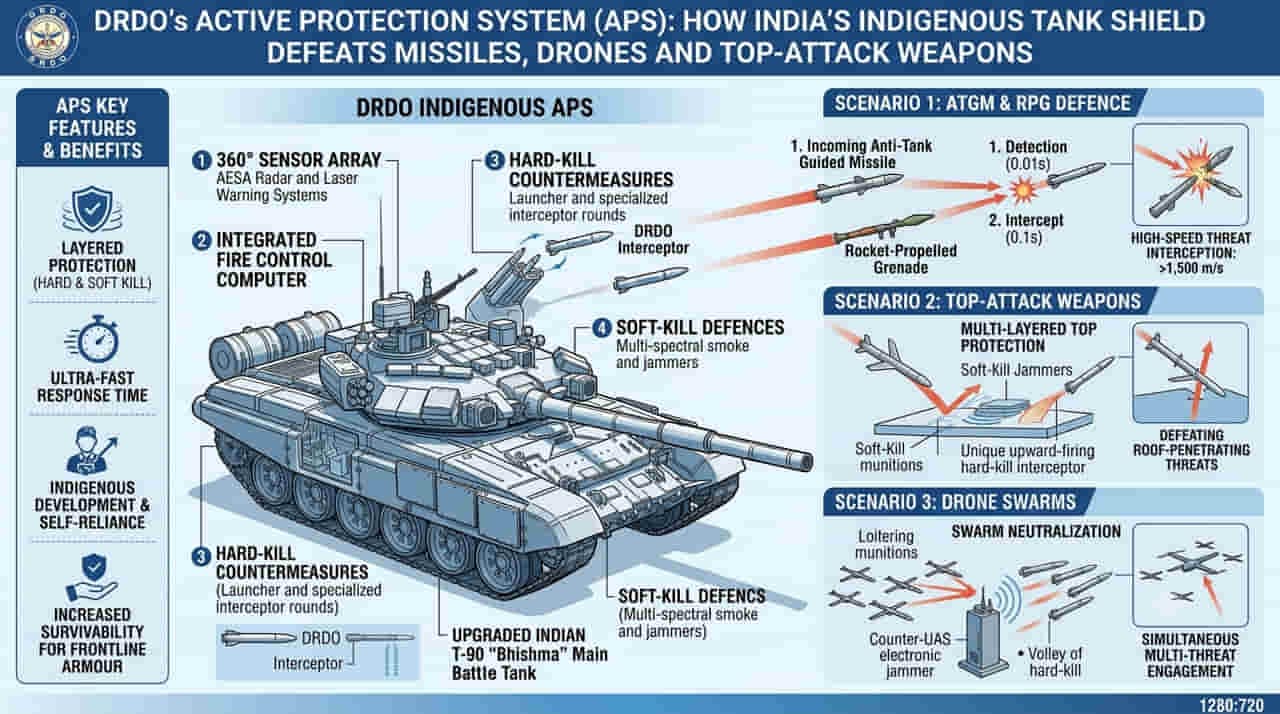
APS Multiple Modern Sensors, Radar & Computer Based Fire Control System Works with. First X-band radar or other sensors constantly monitor the surrounding area. As soon as an anti-tank missile, RPG, drone or other weapon moves towards the tank, the system calculates its direction, speed and possible location of collision.

After this, in less than a few seconds, the computer decides how to answer. If the threat is severe, the countermunition is stained from the launcher, which destroys that missile or drone in the air itself.

The whole process is so fast that several times the crew of the tank has taken the system action before the danger is realized.

Two Ways Active Protection System

APS mainly has two categories. First Soft-Chill System. The incoming missile is not destroyed, but its guiding system is condensed. It is used for laser winding receiver, infrared jammer, smoke grenade and electronic counter Major. It is aimed at allowing the missile to wander from the target.

The second is the hard-kill system. It is considered more modern and effective. It stains small interceptor or special countermunition after identifying the radar danger, which destroy the missile or rocket a few meters before the tank. At the same time, the modern forces are now beginning to use both techniques to ensure safety at multiple levels. (DRDO Active Protection System)

DRDO Active Protection System
(Image for reference only. AI-Generated Image)

extremely special APS making DRDO

According to formulas DRDO T-90 of Indian Army is devising indigenous APS for Armored Fighting Vehicles like Bhishma and Arjun. It is making DRDO’s Chennai-based Avadi Combat Vehicles Research and Development Assessment (CVRDE).

This APS is being designed to deliver 360 degrees of protection around the tank, according to sources. It will consist of four X-band AESA radar and radar, laser and electro-optical sensor combined. The two reciprocating launchers will be installed with this and every launcher will have two-counter munitions.

This system will be able to detect the danger coming from a distance of about 1,000 meters. It is being claimed that it can also intercept missiles or other weapons from more than 1,500 meters per second.

Both hard-kill and soft-kill technologies are being included together in this system. The system aims to protect the tank from anti-tank guided missiles, RPGs, drones, looting munuitions and top-attack weapons.

The formulas pointed out that the blast-framementation warhead or the Kinetic interceptor base hard-kill countermeasure will be applied in this system. The Response Time will be extremely low and it is being prepared to protect the tank from threats like top-attack missile, anti-tank guided missile (ATGM), RPG, drone and looting Muniition. The Artificial Intelligence Based Threat Prioritization feature in it is also being developed, so that the system can first take the greatest danger in the event of multiple threats simultaneously.

Ready for Arjun MK-1A tank

The prototype has been prepared as per the formulas. Major parts such as command processor, fire control unit, reload mechanism and sensor fusion module are successfully working. While important components such as the launch tube, solid propelent and blast warhead have been developed in other laboratories of DRDO.

In addition to CVRDE in this project, LRDE has been collaborating with radar and electronics, TBRL terminal ballistics and HEMRL blast countermeasures.

First of all this APS Arjun MK-1A The tank is being prepared, but it can also be applied on T-90 broom tanks, for this it is given modular design. It aims to fit it easily even on old tanks. (DRDO Active Protection System)

Testimonials

Sources pointed out that early trials of DRDO’s Indigenous Active Protection System (APS) have been carried out in the Pokhran Field firing range of Rajasthan. The system’s ability to be tested in different conditions in these tests. Tested against threats such as RPG-7 Simulant and Laser-guided anti-tank guided missile (ATGM). The purpose of these trials was to see how quickly the system can identify the incoming danger and prevent it from time to time.

According to the formulas, now the vehicle-based trials will be carried out at the next stage of the project. Under this year, Arjun MK-1A plans to be tested by placing the system on the tank. These trials will be made in the Combat Award of DRDO, CVRDE. The User Trial will also be made with the Indian Army.

The system has gained more than 90 percent success rate in early trials as per formulas. The system also performed great in conditions like desert environment, dust and fast air. During the trials it was able to successfully identify and prevent threats such as RPG and laser-guide missiles. The performance of radar, sensor fusion and fire control system has also been superb. At the same time, responsible time has been extremely low from the identity of the danger.

Sources pointed out that DRDO for mass production can work on technology transfer models with private defense companies. There has not been a final selection of a company right now, but Larson & Toubro (L&T), Tata Advanced Systems, India Forge and some other Indian defence companies are being viewed as potential partners. (DRDO Active Protection System)

Preparation of protection from top-attack weapons

The biggest threat in the modern war is not only the missiles coming from the front. Now many anti-tank missiles attack from above. The upper part of the tank is considered relatively weak. The ability to protect against top-attack threats is also being developed in the system of DRDO.

Both audio-visual warnings, soft-kills and hard-kills will be equipped with both measures, with 360 degree protection to new APS as per documents linked to DAC. (DRDO Active Protection System)

Why Indian Army Needs

Ukraine War showed almost all the forces of the world that only thicker armers are not quite. Drones, loiteringmunition and modern anti-tank missiles damaged a large number of tanks. The missiles attacked above in many cases also deactivated heavy-security tanks.

After the same experience, India is also preparing to take the safety of its tank fleet to a new level.

How many T-90 tanks are near Indian Army

Over 1,200 Indian Army T-90 BEST Tanks are in service. Also Arjun main combat tanks are also part of the army.

No indigenous hard-kill active protection system is currently deployed on these tanks. They are mainly protected from composite armor and exclusive reactive armor. Whereas, the survival rate of these tanks can be significantly improved after receiving the APS. (DRDO Active Protection System)

Foreign systems are also options

Israel’s Trophy APS is considered the hard-kill system used in the world’s most war. It has been successfully intercepted several times in the real war.

Arena-M and Afghanit systems of Russia also come in the hard-kill category. In recent months, the pictures of the new version of Erina-M have also appeared on the T-90M tank of Russia. This system is being upgraded to tackle modern drones and top-attack threats.

Companies from UK and Germany are also working on their own active protection system, while Saab’s solution is considered primarily based on soft-kill technology.

The declaration of cooperation between Larson and Toubro and Israel’s Rafael company has already been announced in India with the creation and integration of Trophy APS. (DRDO Active Protection System)

How cheap is Indigenous System?

According to the formulas, the indigenous APS of DRDO can cost about Rs 12 to 15 crore per tank.

The estimated cost of foreign systems such as Afghanit of Russia is reported from 18 to 22 crore per tank.

India’s dependence on spare parts and supply chains can also decrease if the indigenous system remains successful. (DRDO Active Protection System)

Smart Multi-Copter Surveillance Drone for Indian Navy will keep track of 20 kilometres away at 30 targets

Indian Navy Tactical Multi-Copter Surveillance Drone
(Image for reference only. AI-Generated Image)

Indian Navy Multi-Copter Surveillance Drone: Indian Navy is preparing to further strengthen the security of its novice bases and sensitive bases. The Ministry of Defence has released the Request for Information (RFI) for the purchase of Tactical Multi-Copter Surveillance Drone, also known as Spotter Drone.

Indian drone according to defence sources Naval The coastal bases of the, naval bases and other important campuses will be used for frequent monitoring. The main objective is to monitor real time both day and night, detect suspicious activities and provide immediate information to security forces.

Indian Navy Multi-Copter Surveillance Drone: Two Parts Will Complete Drone System

The proposed system will consist of two main parts. The first part will be the aerial platform, including vertically takeoff and landing multi-copter drone. The second part will be the ground control station, thereby operating the entire drone.

There will also be a strong storage box with a drone, in which the equipment can be kept safe. The complete system will be prepared in such a way that the operation can be started by taking it to any place in a short time.

360 degree monitor camera will be the biggest strength

The stabilized electro-optical and infrared camera will be applied in the drone. This camera will continuously monitor all directions.

The camera will feature automatic target tracking, allowing more than 30 targets to be monitored simultaneously. The operator can quickly zoom on a target when needed.

इलेक्ट्रो-ऑप्टिकल कैमरे में कम से कम 30 गुना ऑप्टिकल जूम और दो गुना डिजिटल जूम होगा। वहीं इंफ्रारेड कैमरे में छह गुना डिजिटल जूम और हाई डेफिनिशन इमेजिंग की सुविधा होगी, जिससे रात में भी स्पष्ट तस्वीर मिल सकेगी।

ग्राउंड कंट्रोल स्टेशन रहेगा पूरी उड़ान का कंट्रोल सेंटर

ड्रोन का ऑपरेशन एक मैन-पोर्टेबल ग्राउंड कंट्रोल स्टेशन से किया जाएगा। इसमें चार्ट से लैस टफबुक, आरएफ कम्युनिकेशन सेट, जॉयस्टिक कंट्रोलर और एलईडी डिस्प्ले होगा।

आरएफ कम्युनिकेशन सेट ड्रोन और कंट्रोल स्टेशन के बीच सुरक्षित डेटा लिंक बनाए रखेगा। इसकी मदद से जरूरत पड़ने पर चलते हुए वाहन या दूसरे प्लेटफॉर्म से भी ड्रोन को कंट्रोल किया जा सकेगा।

टफबुक और कम्युनिकेशन सेट के लिए अतिरिक्त बैटरियां भी दी जाएंगी ताकि लंबे समय तक ऑपरेशन जारी रखा जा सके।

समुद्र में कठिन मौसम में भी करेगा काम

यह ड्रोन खास तौर पर समुद्री वातावरण को ध्यान में रखकर डिजाइन किया जाएगा। यह दिन और रात दोनों समय काम करेगा। बारिश और तेज समुद्री हवाओं के दौरान भी इसकी उड़ान पर कोई असर नहीं पड़ेगा।

ड्रोन की सर्विस सीलिंग दो हजार फीट एजीएल तक होगी। इलेक्ट्रो-ऑप्टिकल और इंफ्रारेड कैमरे के साथ यह कम से कम 40 नॉट की क्रूज स्पीड बनाए रखने में सक्षम होगा।

लॉन्च पॉइंट से इसका ऑपरेशन रेडियस कम से कम 20 किलोमीटर रखा गया है। एक बार उड़ान भरने के बाद यह कम से कम 120 मिनट तक लगातार मिशन पूरा कर सकेगा।

उड़ान के दौरान बदल सकेगा कंट्रोल स्टेशन

इस ड्रोन की एक सबसे बड़ी खूबीयह होगी कि उड़ान के दौरान इसे एक ग्राउंड कंट्रोल स्टेशन से दूसरे स्टेशन को सौंपा जा सकेगा। इससे यदि ऑपरेशन एरिया बदलता है या किसी अन्य टीम को ड्रोन का कंट्रोल देना हो तो मिशन बिना रोके जारी रखा जा सकेगा।

इसके अलावा सिस्टम में एंटी-जैमिंग तकनीक भी होगी ताकि दुश्मन की इलेक्ट्रॉनिक जामिंग के बावजूद ड्रोन सुरक्षित तरीके से काम करता रहे।

तेज हवा और बारिश में भी होगी सुरक्षित लैंडिंग

ड्रोन को चार मीटर गुणा चार मीटर के छोटे खुले क्षेत्र से भी उड़ाया और उतारा जा सकेगा। यह 30 नॉट तक की हवा में सुरक्षित टेकऑफ और लैंडिंग कर सकेगा। सबसे महत्वपूर्ण बात यह है कि इसकी लैंडिंग पूरी तरह ऑटोमैटिक होगी। लैंडिंग पूरी तरह से ऑपरेटर फ्री होगी।

यदि डेटा लिंक टूट भी जाता है, बैटरी डाउन हो जाती है या जैमिंग का खतरा महसूस हो तो ड्रोन अपने आप लॉन्च पॉइंट पर लौट आएगा या पहले से तय सुरक्षित स्थान पर पहुंच जाएगा। (Indian Navy Tactical Multi-Copter Surveillance Drone)

सुरक्षित डेटा लिंक और जियोफेंसिंग भी होगी

आरएफआई ने कहा गया है कि ड्रोन में जीएनएसएस आधारित Navigation System होगा, जिसमें जियोफेंसिंग सुविधा भी शामिल रहेगी।

वीडियो और टेलीमेट्री के लिए सुरक्षित और एन्क्रिप्टेड डेटा लिंक होगा। यह एक हजार फीट या उससे अधिक ऊंचाई पर 30 किलोमीटर तक लाइन ऑफ साइट कम्युनिकेशन बनाए रख सकेगा।

रक्षा मंत्रालय ने यह भी स्पष्ट किया है कि इस्तेमाल होने वाली आरएफ फ्रीक्वेंसी भारतीय नौसेना के अन्य इलेक्ट्रॉनिक उपकरणों में किसी प्रकार का इंटरफेरेंस नहीं करेगी।

चार घंटे में चार्ज होगी बैटरी

ड्रोन की बैटरियां पूरी तरह पोर्टेबल होंगी। इन्हें सामान्य 220 वोल्ट बिजली सप्लाई से चार्ज किया जा सकेगा। पूरी बैटरी चार घंटे के भीतर चार्ज हो जाएगी। प्रत्येक ड्रोन के साथ दो अतिरिक्त बैटरी सेट भी उपलब्ध कराए जाएंगे ताकि लगातार मिशन चलाया जा सके। (Indian Navy Tactical Multi-Copter Surveillance Drone)

ऑपरेटर को एक स्क्रीन पर मिलेगी पूरी जानकारी

ग्राउंड कंट्रोल स्टेशन में मल्टी-सेंसर फ्यूजन स्क्रीन होगी। इस पर दिन और रात दोनों समय कैमरे की तस्वीरें डिजिटल मैप के साथ दिखाई देंगी। वीडियो लगातार रिकॉर्ड होगा और जरूरत पड़ने पर निगरानी केंद्र की एलसीडी स्क्रीन पर भी भेजा जा सकेगा। ऑपरेटर इसी स्टेशन से ड्रोन को उड़ाएगा, दिशा बदलेगा, कैमरा नियंत्रित करेगा और पूरे मिशन की निगरानी करेगा।

नहीं लगेगा जंग

ड्रोन के सभी हिस्से समुद्री वातावरण को ध्यान में रखकर बनाए जाएंगे। इसके सभी एयरफ्रेम और अन्य पुर्जे ऐसे मटेरियल से बनाए जाएंगे, जिन पर समुद्री नमी और खारे पानी का असर न पड़े। ड्रोन को रखने के लिए मजबूत और सुरक्षित स्टोरेज बॉक्स दिया जाएगा, जिसे एक या दो व्यक्ति आसानी से उठा सकेंगे। इस बॉक्स का वजन 30 किलोग्राम से अधिक नहीं होगा। पूरा सिस्टम इस तरह तैयार किया जाएगा कि इसे 10 मिनट से भी कम समय में ऑपरेशन के लिए तैयार किया जा सके।

ड्रोन में रात के समय पहचान के लिए स्ट्रोब या फ्लैशिंग लाइट लगी होगी। इसे माइनस 10 डिग्री सेल्सियस से लेकर 55 डिग्री सेल्सियस तापमान और 99 प्रतिशत तक नमी वाले वातावरण में भी सुरक्षित रखा जा सकेगा। इसके लैंडिंग गियर पर एंटी-स्लिप मटेरियल लगाया जाएगा, जिससे गीली या फिसलन वाली सतह पर भी सुरक्षित लैंडिंग हो सके। (Indian Navy Tactical Multi-Copter Surveillance Drone)

सुरक्षा के कई अतिरिक्त फीचर

सुरक्षा के लिहाज से भी इसमें कई आधुनिक फीचर दिए जाएंगे। ड्रोन में मोटर, रोटर और पावर सोर्स के लिए रिडंडेंसी होगी, यानी किसी एक हिस्से में खराबी आने पर भी दूसरा सिस्टम काम करता रहेगा। इसके अलावा लो बैटरी, कम्युनिकेशन लिंक टूटने, ज्यादा कंपन और जैमिंग जैसी स्थिति के लिए अलग-अलग अलार्म दिए जाएंगे।

जरूरत पड़ने पर ऑपरेटर फ्लाइट कंट्रोलर में मौजूद रिकॉर्ड किए गए डेटा को पूरी तरह मिटा भी सकेगा, ताकि संवेदनशील जानकारी सुरक्षित रहे।

लो बैटरी, कम्युनिकेशन फेलियर, हाई वाइब्रेशन और जैमिंग के लिए अलग-अलग अलार्म दिए जाएंगे।

ड्रोन अपनी उड़ान से जुड़ा पूरा डेटा लगातार 12 घंटे तक रिकॉर्ड करेगा। यह डेटा ऐसे फॉर्मेट में सेव होगा, जिसे आसानी से किसी दूसरे कंप्यूटर में ट्रांसफर किया जा सके। ड्रोन को क्लिप-ऑन यूनिट्स की मदद से जोड़ा जाएगा और हर हिस्से पर स्पष्ट पहचान और गाइडिंग मार्किंग्स होंगी, ताकि असेंबली के दौरान किसी तरह की गलती न हो।

सुरक्षित लैंडिंग और रास्ते में आने वाली बाधाओं से बचने के लिए इसमें लाइडार सेंसर लगाया जाएगा, जो टेरेन ट्रैकिंग और कोलिजन अवॉइडेंस में मदद करेगा। (Indian Navy Tactical Multi-Copter Surveillance Drone)

दस साल तक मिलेगा तकनीकी सपोर्ट

रक्षा मंत्रालय ने कंपनियों से कहा है कि वे कम से कम दस वर्ष तक इस सिस्टम के लिए स्पेयर पार्ट्स, मरम्मत और तकनीकी सहायता उपलब्ध कराएं। वारंटी कम से कम तीन वर्ष की होगी। एक वर्ष के लिए ऑनबोर्ड स्पेयर और पांच वर्ष के लिए बेस तथा डिपो स्तर के स्पेयर भी उपलब्ध कराने होंगे।

इसके अलावा ऑपरेटरों, तकनीकी कर्मचारियों और प्रशिक्षण संस्थानों के लिए अलग-अलग प्रशिक्षण कार्यक्रम भी देना होगा।

केवल भारतीय कंपनियां ही होंगी पात्र

रक्षा सूत्रों के मुताबिक यह खरीद भारतीय-आईडीडीएम श्रेणी के तहत की जाएगी। इसलिए केवल भारतीय कंपनियां या भारतीय सिस्टम इंटीग्रेटर ही इसमें भाग ले सकेंगे।

कंपनी पर किसी प्रकार का बैन नहीं होना चाहिए। उसके पास रक्षा निर्माण का अनुभव, पर्याप्त वित्तीय क्षमता और आवश्यक औद्योगिक लाइसेंस होना जरूरी होगा।

इसके साथ ही कंपनियों को यह भी साबित करना होगा कि वे भारत में ही मेंटेनेंस, रिपेयर और ओवरहॉल की सुविधा उपलब्ध करा सकती हैं। (Indian Navy Tactical Multi-Copter Surveillance Drone)

52,000 crore mega projects approved in DAC, first time the forces will find together 10 hightech weapons, read the whole list

DAC Rs 52000 Crore Defense Approval
(Image for reference only. AI-Generated Image)

DAC Rs 52000 Crore Defence Approval: The Defence Minister Rajnath Singh chaired by the Defence Minister Rajnath Singh to modernize the Indian Army, Navy and Air Force on Friday the Defence Acquisition Council (DAC) meeting was given a close Rs 52,000 crore capital procurement proposals to the Expert of Necessity (AON). The approval is given at a time when the capabilities such as drones, electronic warfares, network-based operations, and long-distance surveillance have become an important part of any military campaign.

The most emphasis in this time-approved proposals is given on the Anti-Drone Security, Air Defense, Tank Safety, Loitingmission, Naval Surveillance and High Altitude Surveillance platform.

DAC Rs 52000 Crore Defense Approval: The largest focus for Indian Army Anti-Drone and Air Defense

According to formulas DAC has approved six major systems for the Indian Army. All of these aims to enhance the safety of soldiers in the modern war and combat enemy drones, tanks, helicopters and missiles.

The most important system in it Sky wave is anti-UAV electronic warfare system. In the past few years, the Russian-Ukraine war, the conflict of West Asia and the drone activities in the border areas of India have clarified that only traditional air defenses are not quite. Small and medium-sized drones are now used in surveillance, weapons dropping and suicidal attacks.

According to sources, the sky wave will be used to detect the enemy drone, track them and jam their communication network and navigation signal when needed. This will give anti-drone protection to the forward deployment formation of the Army. (DAC Rs 52000 Crore Defence Approval)

Mortality of Infantry to Increase MPTGM

DAC Man Portable Anti Tank Guided Missile (DAC)MPTGM) The system is also approved. This is the indigenous missile developed by DRDO.

According to the defence formulas, it can be stained on the soldier shoulder or through the tripod. The aim is to destroy the enemy tanks and armored vehicles in a short distance accurately. It has used modern guidings technology, which can be attacked with more accuracy on the target.

MRSAM will give medium distance air protection

Medium Range Surface to Air Missiles to Indian ArmyMRSAM) System will also be found. It is based on the missile system of Barack-8 Family built in collaboration with DRDO and Israel.

The formulas say that this system will be able to prevent air hazards such as medium-range fighter aircraft, helicopters, cruise missiles and large drones. It consists of modern radar, command and control system and interceptor missiles. (DAC Rs 52000 Crore Defence Approval)

V-SHORADS Will Become Final Security Armor

V-Sorads for Indian Army (V-SHORADS) 4th generation Man Portable Air defense system is also approved.

It has multi-spectral securing technology used. This reduces the impact of flares or other electronic counter Majors left by the enemy. It will serve as the Last Line of Defense against the helicopter, drone and fighter plane flying at low altitude. (DAC Rs 52000 Crore Defence Approval)

टैंकों की सुरक्षा के लिए एक्टिव प्रोटेक्शन सिस्टम

डीएसी ने पहली बार टैंकों के लिए Active Protection System को भी मंजूरी दी है। आधुनिक युद्ध में टैंक केवल मोटे कवच के भरोसे सुरक्षित नहीं रह सकते। आज एंटी-टैंक गाइडेड मिसाइल और रॉकेट बहुत तेजी से हमला करते हैं। एक्टिव प्रोटेक्शन सिस्टम ऐसे हथियारों का पता लगाकर उन्हें टैंक तक पहुंचने से पहले हवा में ही नष्ट करता है। इससे टैंक और उसमें मौजूद क्रू को सुरक्षा मिलती है।

जेट बेस्ड कामिकाजे ड्रोन भी होंगे शामिल

डीएसी में भारतीय सेना को जेट बेस्ड कामिकाजे ड्रोन सिस्टम की भी मंजूरी मिली है। यह पारंपरिक प्रोपेलर आधारित लॉइटरिंग म्यूनिशन से अलग होगा। जेट इंजन की वजह से इसकी रफ्तार ज्यादा होगी। यह पहले टारगेट एरिया में मंडराएगा और फिर पहचान होने पर सीधे टारगेट से टकराकर हमला करेगा। इसे इलेक्ट्रॉनिक वारफेयर क्षमता और कम ऑपरेशन कॉस्ट को ध्यान में रखकर डेवलप किया जा रहा है। (DAC Rs 52000 Crore Defence Approval)

नौसेना को मिलेगी नई समुद्री सुरक्षा क्षमता

भारतीय नौसेना के लिए डीएसी ने तीन प्रमुख प्रस्तावों को मंजूरी दी है। इनमें सबसे पहले मल्टी इन्फ्लुएंस ग्राउंड माइन (एमआईजीएम) शामिल है। यह सामान्य समुद्री माइंस से अलग है। इसमें चुंबकीय, ध्वनि और दबाव जैसे कई सेंसर लगे होते हैं। किसी दुश्मन जहाज या पनडुब्बी की गतिविधि के आधार पर यह एक्टिव हो सकती है। इसका उद्देश्य दुश्मन की समुद्री आवाजाही को सीमित करना है।

दूसरा महत्वपूर्ण सिस्टम नेवल शिपबोर्न अनमैन्ड एरियल सिस्टम (NSUAS) है। यह जहाज से उड़ान भरने वाला ड्रोन सिस्टम होगा। इसमें लगे आधुनिक सेंसर समुद्र में काफी दूर तक निगरानी कर सकेंगे। इससे नौसेना की सिचुएशनल अवेयरनेस यानी आसपास की गतिविधियों की जानकारी बेहतर होगी।

तीसरा प्रस्ताव इलेक्ट्रिक प्रोपल्शन सिस्टम के लिए लैंड बेस्ड टेस्टिंग फैसिलिटी का है। यह कोई हथियार सिस्टम नहीं बल्कि टेस्टिंग सेंटर होगा। यहां भविष्य के नौसैनिक जहाजों और अन्य प्लेटफॉर्म में इस्तेमाल होने वाले इलेक्ट्रिक मोटर तथा प्रोपल्शन सिस्टम का ट्रायल किया जाएगा। (DAC Rs 52000 Crore Defence Approval)

वायुसेना को मिलेगा हाई एल्टीट्यूड स्यूडो सैटेलाइट

भारतीय वायुसेना के लिए सबसे महत्वपूर्ण स्वीकृति फिक्स्ड विंग हाई एल्टीट्यूड स्यूडो सैटेलाइट (FW-HAPS) की है।

यह सामान्य ड्रोन और सैटेलाइट के बीच की तकनीक मानी जाती है। यह लगभग 18 से 20 किलोमीटर की ऊंचाई पर लंबे समय तक उड़ सकता है। इसकी सबसे बड़ी खासियत यह है कि यह एक से दो माह तक लगातार एक ही इलाके की निगरानी कर सकता है। खास बात यह है कि यह सौर ऊर्जा पर चलता है।

सूत्रों के अनुसार इस प्लेटफॉर्म का उपयोग इंटेलिजेंस, सर्विलांस एंड रिकॉनिसेंस (आईएसआर), दूरसंचार और रिमोट सेंसिंग जैसे कार्यों के लिए किया जाएगा। सैटेलाइट की तुलना में इसकी लागत कम होती है और जरूरत के अनुसार इसे किसी विशेष क्षेत्र में तैनात किया जा सकता है। (DAC Rs 52000 Crore Defence Approval)

बदलते युद्ध के अनुसार तैयार हो रही हैं तीनों सेनाएं

रक्षा सूत्रों का कहना है कि इस बार जिन सिस्टम्स को मंजूरी दी गई है, वे पारंपरिक हथियारों से अलग नई पीढ़ी की सैन्य तकनीकों पर आधारित हैं। इनमें एंटी-ड्रोन सिस्टम, इलेक्ट्रॉनिक वारफेयर, मल्टी-लेयर एयर डिफेंस, एक्टिव टैंक सुरक्षा, लॉइटरिंग म्यूनिशन, समुद्री ड्रोन, स्मार्ट माइंस और हाई एल्टीट्यूड सर्विलांस प्लेटफॉर्म जैसी क्षमताएं शामिल हैं।

सूत्रों के अनुसार इन सिस्टम्स का उद्देश्य तीनों सेनाओं की नेटवर्क आधारित युद्ध क्षमता, स्थिति की वास्तविक समय में जानकारी, सैनिकों की सुरक्षा और तेजी से निर्णय लेने की क्षमता को मजबूत करना है। सरकार का जोर स्वदेशी रक्षा उत्पादन और आत्मनिर्भर भारत अभियान के अनुरूप अधिकतम घरेलू तकनीक और उद्योग को बढ़ावा देने पर भी बना हुआ है।

हालांकि यह केवल एओएन है। यानी अभी खरीद की आवश्यकता को मंजूरी मिली है। अंतिम संख्या, लागत और सप्लायर का चयन टेंडर, तकनीकी मूल्यांकन और कीमत तय होने के बाद किया जाएगा। (DAC Rs 52000 Crore Defence Approval)