Home Blog Page 12

Cargill’s Most Hazardous Officer! The most feared Pakistani army was killed on an gesture.

Kargil War Artillery OP Officer
(Image for representational purpose only. AI-Generated Image)

Kargil War Artillery OP Officer: Kargil comes in the name of Tiger Hill, Tollling and Point 5140, first when it comes to war. But there were also some soldiers in this war, whose name was very little people heard, while their role became the strongest foundation of victory. These were the Artillery Observation Post (OP) Officer of the Indian Army. During the Kargil war, the Pakistani fauj was first targeted, as the OP officers monitored their activities, they found the gesture of the Indian artillery.

Kargil War Artillery OP Officer: Why most were at risk in Cargil War OP Officer

One such officer was the Captain Satish Kumar of 15 field regiment. He was whole Cargill War While staying on the front in advance, not only guided the artillery, but also saved the death on three different occasions from the very close. His story is included in those unheard chapters of the Kargil War without which the image of the success of the Indian Army is not complete.

During the Kargil war, Indian Cannons were deployed several kilometres behind the mountains. The bunkers of the enemy from there were not visible directly. The responsibility of giving correct direction and correct distance to the cannons in such a was the Artillery Observation Post (OP) officers.

A OP team generally consisted of three people. The first was the OP officer, who monitored the activities of the enemy with the help of telescopes and maps. The second technical assistant was, which analyzed the place of the shells falling. The third radio operator had access to the battery commander behind through the wireless.

The small team during the war was positioned on high hills extremely close to the enemy. They had telescopes, radio sets, batteries and maps, making their identity easily. The Pakistani army knew that if the OP team was active, in a few minutes the Indian cannon’s ammunition would be so precise that their bunkers won’t be safe. That was why Pakistani sniper, mortar and artillery first tried to target the OP team. (Kargil War Artillery OP Officer)

Tokhana’s Eyes Saying OP Officer

As per the officers of the Army, OP Officer any Artillery Regiment consists of "eye". In the way that the laser designer in modern weapons identifies the target, the work in the Cargill War carried out the OP officer.

They saw the shells falling on the bunkers of the enemy from the height of the hill and immediately showed improvements on the radio. As if a few meters from the ammunition fell to the left, he described the new direction. The next ammunition fell to the more accurate location than ever before. After a few rounds the ammunition began to occur directly on the bunkers of the enemy.

That was why the OP officer in the Kargil war was not only the Observer, but the most important parts of the entire Artillery action were considered. (Kargil War Artillery OP Officer)

The most difficult in the Batalik sector was the responsibility

The posting of Capton Satish Kumar was in the Batik sector. It is counted in the toughest war zones of Ilaka Kargil. The more focus of the media during the Cargill War was on Dras, Tollling and Tiger Hill, but Batalik Even the extremely hard battle was fought. The hills here were more high, the slopes were more steep and the way was extremely hard.

That’s why the plain land was very low to deploy the cannons here. Many places had to keep the cannons in such a situation, from which they had to stain the shells on the high angle. It is called high angle fire.

Why was High Angle Fire Challenge

The 105 mm Indian Field Gun (IFG) of the Indian Army in the Batalik Sector was included in the main weapons. These cannons were deployed several kilometres behind the Indus River in the Dah region. In general conditions, the cannons fire from a relatively straight angle, but due to the high hills of Batalik, the shells had to be stained with a high angle.

The shella in the high angle fire reaches the target by taking more height. It is possible to reach bunkers made in the rocks and caves of the enemy, but it is extremely difficult to maintain its accuracy. The role of the OP officer in the same would become even more important.

Captain Satish Kumar, climbing the hills with his team, monitored every activity of the enemy and constantly sending the correct instructions to Artillery. (Kargil War Artillery OP Officer)

15 Field regiment rains 45 thousand shells

During the Kargil War, 15 field regiment scored tremendously in the Batalik sector.

Retired Major General Sanjay Saran, who was the commanding officer of 15 field regiment at that time and chordinating the artillery operation in the Batalik-Turtuk sector. He pointed out that about 45,000 shells were stained from 105 mm IFG only in 45 days.

There was so much firing that the barrel of many cannons had to be replaced in the war zone. He told that the new joining gunners in the regiment during the war also went on to the Kargil War, more rounds than the rounds that were not in their entire military career.

Captain Satish Kumar was awarded Chief of Army Staff Comment Card after the war for this outstanding contribution. (Kargil War Artillery OP Officer)

1/11 Gorkha Rifles played with Ahmad role

Batalik Captain Satish Kumar in Sector worked with advance fighter units like 1/11 Gorakh Rifles, 12 J&K Light Infantry and 22 Grenderiers. Captain Satish Kumar, before the infantry had to attack a Pakistani quartet or bunker, came to the height of the hill with his OP team to explore the enemy status.

On the basis of the instructions sent on their behalf, Indian cannons carried out an exact movement from several kilometres away. When the enemy weakened after a heavy catastrophe, the Indian infantry went ahead and captured them.

This rapport between Artillery and Infantry in the Cargill War made the largest strength of the Indian Army. During the Kargil war, the Indian Army scored more than 2.5 lakh shells and rockets. Artillery’s role in destroying strong bunkers built on high peaks of the enemy remained the most important. (Kargil War Artillery OP Officer)

Three-time deaths returned by Captain Satish Kumar

कारगिल युद्ध के दौरान कैप्टन सतीश कुमार तीन बार मौत के बेहद करीब पहुंचे, लेकिन हर बार बाल-बाल बच निकले। मई 1999 में गनासोक हाइट्स पर वह अपनी ओपी टीम के साथ 1/11 गोरखा राइफल्स को आर्टिलरी सहायता दे रहे थे। दुश्मन के बंकरों पर नजर रखते हुए उन्हें अचानक लगा कि उनकी मौजूदा पोजीशन सुरक्षित नहीं है। उन्होंने अपनी टीम को तुरंत वहां से हटने का आदेश दिया। कुछ ही सेकंड बाद उसी स्थान पर पाकिस्तानी सेना का मोर्टार गोला गिरा और लगातार गोलाबारी शुरू हो गई।

जून 1999 में एरिया स्प्रिंग में लेफ्टिनेंट जी.एस. घुमन के साथ तैनाती के दौरान एक पाकिस्तानी स्नाइपर की गोली उनके बालों को छूते हुए निकल गई, लेकिन वे सुरक्षित बच गए।

वहीं जुलाई 1999 में खालूबर रिज पर 22 ग्रेनेडियर्स के साथ अभियान के दौरान उनके कान के पास से लगातार तीन गोलियां निकलीं। कैप्टन सतीश कुमार ने तुरंत साथियों को सतर्क किया। तलाशी में एक पाकिस्तानी सैनिक जी-3 राइफल के साथ छिपा मिला, जो पीछे छूट जाने के बाद किसी भारतीय अधिकारी को निशाना बनाना चाहता था।

इन्हीं अभियानों के दौरान उन्होंने एक ऐसी घटना भी देखी, जिसमें चट्टान की गुफा में शरण लेने वाले एक भारतीय जवान के ऊपर सीधे पाकिस्तानी गोला गिरा और उसकी मौके पर ही मौत हो गई, जबकि उसके आसपास मौजूद अन्य सैनिक सुरक्षित बच गए। (Kargil War Artillery OP Officer)

प्वाइंट 5203 पर एक साथ लगाए गए तीन ओपी

बटालिक सेक्टर में स्थित प्वाइंट 5203 भारतीय सेना के लिए सबसे कठिन लक्ष्यों में से एक था। इस ऊंचाई पर बने पाकिस्तानी बंकरों पर प्रभावी गोलाबारी सुनिश्चित करने के लिए कैप्टन सतीश कुमार को एक नहीं, बल्कि तीन अलग-अलग ऑब्जर्वेशन पोस्ट तैनात करनी पड़ीं।

अलग-अलग एंगल से दुश्मन की स्थिति देखने के बाद ही तोपों को सही निर्देश दिए जा सके। इससे भारतीय गोलाबारी की सटीकता बढ़ी और इन्फैंट्री को आगे बढ़ने में मदद मिली। (Kargil War Artillery OP Officer)


‘Astra’ to the world after Operation Sitdoor, 6 countries in the race of buying

Astra Missile Export
(Image for representational purpose only. AI-Generated Image)

Astra Missile Export: India’s Indigenous Astra Beyond Visual Range Air-to-Air Missile is now drawing the attention of many countries in the world. The international demand for this missile has grown rapidly after its successful use by the Indian Air Force in Operation Sindoor. After the initial agreement with Indonesia, now at least six countries including Armenia, Saudi Arabia are looking to buy this missile or put on their fighter planes.

According to the sources, in-principal agreement has been taken to the arms missile between India and Indonesia. The agreement was announced during this month Jakarta Yatra of Prime Minister Narendra Modi. Now the number of missiles between the two countries and the total price of the deal will be negotiated further.

Astra Missile Export: Enhanced World Trust After Operation Shifter

Astra missile The greatest strength of this is that it has proved its potential even in real war. This missile was successfully used from the Sukhoi-30 MKI fighter planes of Indian Air Force during operation shifts. It was followed by the "Combat Pruvan" i.e. the status of successful weapons in the real war.

This identity is considered very important for any weapons in the defence sector. The reliance of other countries grows rapidly on the weapons that have been successful in the real war. This is why many countries are now showing interest in this indigenous weapon of India. Astra Missile Export

Armenia, at the forefront, Saudi Arabia also in negotiation

According to the formulas, Armenia India is at the forefront of buying weapon missiles. The missile between the two countries is discussing the Advance Stage on the Sukhoi-30 SM fighter planes of Armenia.

Armenia has already become India’s largest defence customer. He has purchased many weapons like Sky Air Defense System, Pinaca Multi Barrel Rocket Launcher, Swati Weapon Locating Radar, Advanced Towed Artillery Gun System (ATAGS) and Jane Anti-Drone System from India. Now his interest in the Astra missile also shows the growing trust on India’s defence industry.

Saudi Arabia on the other hand is also interacting with India on this missile. According to the information, Saudi Air Force’s F-15S, F-15SA and Eurofighter typhoon are discussing the possibilities of imposing weapon missiles on fighter jets.

Indonesia can become the first foreign client

Prime Minister Narendra Modi Jakarta During the visit, the Astra missile between India and Indonesia was agreed in principle. The technical and commercial negotiations are followed by the defence authorities of both countries.

How many missiles will be purchased under the deal and how much the total price will be decided during contract negotiations. Indonesia also has the Sukhoi fighter aircraft, so the integration of the Astra missile is being considered relatively easy. Astra Missile Export

What is Armor Missile

English India’s first fully indigenous Beyond Visual Range is Air-to-Air Missile. This means that it is a missile that can target the enemy fighter plane quite ahead of the distance from the pilot’s eyes. It is also being combined with other fighter jets including Su-30MKI and Tejas MK-1A of Indian Air Force.

इस मिसाइल को डीआरडीओ की हैदराबाद स्थित डिफेंस रिसर्च एंड डेवलपमेंट लेबोरेटरी (डीआरडीएल) ने तैयार किया है। इसका उत्पादन भारत डायनेमिक्स लिमिटेड (बीडीएल) करती है।

अस्त्र का विकास भारत के लिए इसलिए भी महत्वपूर्ण है क्योंकि पहले इस श्रेणी की मिसाइलों के लिए देश को विदेशी कंपनियों पर निर्भर रहना पड़ता था। (Astra Missile Export)

अस्त्र एमके-1 की खूबियां

अस्त्र एमके-1 लगभग 154 किलोग्राम वजनी मिसाइल है। इसकी लंबाई करीब 3.84 मीटर और व्यास 178 मिलीमीटर है। इसमें लगभग 15 किलोग्राम का प्री-फ्रैगमेंटेड हाई एक्सप्लोसिव वारहेड लगाया गया है।

यह मिसाइल मैक 4.5 यानी ध्वनि की गति से लगभग साढ़े चार गुना अधिक रफ्तार से उड़ सकती है। इसकी मारक क्षमता सामान्य परिस्थितियों में 80 से 110 किलोमीटर तक है। कुछ एडवांस वर्जन में इसकी इफेक्टिव रेंज और बढ़ाई गई है।

मिसाइल में सिंगल-पल्स स्मोकलेस सॉलिड रॉकेट मोटर लगी है। यह लॉन्च के समय बहुत कम धुआं छोड़ती है, जिससे लड़ाकू विमान की स्थिति का पता लगाना दुश्मन के लिए कठिन हो जाता है।

कैसे करती है टारगेट पर हमला

अस्त्र मिसाइल में कई आधुनिक तकनीकों का इस्तेमाल किया गया है। शुरुआत में यह फाइबर ऑप्टिक जायरोस्कोप आधारित इनर्शियल नेविगेशन सिस्टम की मदद से उड़ान भरती है। बीच रास्ते में लड़ाकू विमान से डेटा लिंक के जरिए इसे लगातार नई जानकारी मिलती रहती है।

लक्ष्य के पास पहुंचने के बाद इसका एक्टिव रडार सीकर खुद टारगेट को खोजकर उस पर सटीक हमला करता है। इस तकनीक की वजह से मिसाइल अंतिम चरण में भी तेजी से दिशा बदल सकती है और तेज गति से उड़ रहे लड़ाकू विमान को निशाना बना सकती है। (Astra Missile Export)

अस्त्र एमके-2 में बढ़ी दूरी और ताकत

डीआरडीओ ने अस्त्र के दूसरे वर्जन एमके-2 का भी सफल परीक्षण किया है। इस मिसाइल की मारक क्षमता 160 से 240 किलोमीटर तक मानी जा रही है।

एमके-2 में सबसे बड़ा बदलाव इसकी ड्यूल-पल्स रॉकेट मोटर है। यह तकनीक मिसाइल को उड़ान के अंतिम चरण में दोबारा अतिरिक्त ऊर्जा देती है। इससे टारगेट के पास पहुंचने तक इसकी गति और मारक क्षमता बनी रहती है।

इस वर्जन में बेहतर एईएसए बेस्ड सीकर, एडवांस लेजर फ्यूज और बड़ा नो-एस्केप जोन भी शामिल किया गया है। इसका मतलब है कि टारगेट के बच निकलने की संभावना काफी कम हो जाती है।

एमके-3 में होगी रैमजेट तकनीक

डीआरडीओ अस्त्र के तीसरे वर्जन एमके-3 पर भी काम कर रहा है। इसे गांडीव भी कहा जा रहा है। इसमें सॉलिड फ्यूल डक्टेड रैमजेट इंजन लगाया जा रहा है। यह तकनीक मिसाइल को लंबे समय तक हाई स्पीड बनाए रखने में मदद करती है। इसकी संभावित मारक क्षमता 300 किलोमीटर से अधिक रखने का लक्ष्य है।

रैमजेट तकनीक के कारण मिसाइल पूरे उड़ान मार्ग में पर्याप्त ऊर्जा बनाए रखती है और दूर स्थित तेज गति वाले लक्ष्यों पर भी प्रभावी हमला कर सकती है। (Astra Missile Export)

कीमत भी बड़ी ताकत

रक्षा सूत्रों का कहना है कि अस्त्र मिसाइल की सबसे बड़ी खूबियों में इसकी कीमत भी शामिल है। यह चीन, यूरोप, अमेरिका और रूस की मिसाइलों की तुलना में करीब 70 प्रतिशत तक सस्ती है। कम लागत के बावजूद इसकी मारक क्षमता और तकनीकी प्रदर्शन दुनिया की कई आधुनिक एयर-टू-एयर मिसाइलों के बराबर माना जा रहा है।
इसी वजह से जिन देशों के पास सीमित रक्षा बजट है, उनके लिए यह एक आकर्षक विकल्प बनकर उभरी है।

इसका मुकाबला पीएल-15 (चीन), मेटियोर (यूरोप/एमबीडीए), एआईएम-120डी (अमेरिका), आर-77, पीएल-17 (चीन), आर-37एम (रूस), एआईएम-260 (अमेरिका) से है।

बढ़ती मांग के बीच निजी कंपनियां भी करेंगी निर्माण

अब तक अस्त्र मिसाइल का निर्माण मुख्य रूप से भारत डायनेमिक्स लिमिटेड करती रही है। लेकिन लगातार बढ़ती घरेलू और अंतरराष्ट्रीय मांग को देखते हुए केंद्र सरकार ने इसके उत्पादन में निजी क्षेत्र को भी शामिल करने का फैसला किया है।

इस कदम का उद्देश्य उत्पादन क्षमता बढ़ाना और समय पर सप्लाई सुनिश्चित करना है। इससे भारतीय रक्षा उद्योग में निजी कंपनियों की भागीदारी भी बढ़ेगी। (Astra Missile Export)

Indian Navy got the new Submarine Hunter MH-60R Sihawk, the power of India increased from Operation Sindoor to the Indian Ocean!

MH-60R Seahawk Indian Navy
(Image for representational purpose only. AI-Generated Image)

MH-60R Seahawk Indian Navy: Another important step towards further strengthening the maritime strength of the Indian Navy has been taken. The U.S. has handed over another state-of-the-art MH-60R ‘Sihawk’ multi-roll naval helicopter. This helicopter was delivered to the Indian Navy in Kochi, Kerala last week. The US embassy confirmed that two more helicopters are going to reach India this week. The number of sehawk helicopters present near the Indian Navy with their delivery will reach 21.

The US embassy said on social media platform X that this state-of-the-art helicopter developed by Lockheed Martin symbolizes the robustness of India-US defence partnership. The U.S. Ambassador Sergio Gor also welcomed the delivery that it will further strengthen the shared commitment and strengthen of both countries towards marine security and free and open Hindu-Pacific region.

MH-60R Seahawk Indian Navy: 24 Big Agreement to Helicopters

India under the Foreign Military Sales (FMS) programme with US in February 2020 MH-60R (MH-60R) ‘Romio’ had compromised buying helicopters. The price of this deal was about 2.6 billion US dollars. The American company manufactures these helicopters Cicorsky Aircraft, which is now part of Lockheed Martin.

The delivery of these helicopters started from 2021 years. By July 2026 21 helicopters have been found to India, while the delivery of the last three helicopters is still the rest.

Now how many helicopters are ready for operation

भारतीय नौसेना के सूत्रों के अनुसार, अभी तक मिले हेलीकॉप्टरों में से 15 हेलीकॉप्टर पूरी तरह ऑपरेशनल हैं और विभिन्न युद्धपोतों पर तैनात किए जा चुके हैं।

तीन हेलीकॉप्टर अमेरिका में भारतीय पायलटों और तकनीकी कर्मचारियों की ट्रेनिंग के लिए रखे गए हैं। वहीं, हाल में पहुंचे तीन हेलीकॉप्टरों की जांच, दस्तावेजी प्रक्रिया और वैलिडेशन के बाद उन्हें भी जल्द नौसेना के बेड़े में शामिल किया जाएगा। (MH-60R Seahawk Indian Navy)

दो स्क्वाड्रन में हो चुकी है तैनाती

सीहॉक हेलीकॉप्टरों के लिए भारतीय नौसेना ने दो अलग-अलग स्क्वाड्रन तैयार किए हैं। पहला स्क्वाड्रन आईएनएएस 334 ‘सीहॉक्स’ है, जिसे 6 मार्च 2024 को आईएनएस गरुड़, कोच्चि में कमीशन किया गया था। यह स्क्वाड्रन ट्रेनिंग और ऑपरेशनल मदद दोनों की जिम्मेदारी संभालता है।

दूसरा स्क्वाड्रन आईएनएएस 335 ‘ऑस्प्रेय्स’ है, जिसे 17 दिसंबर 2025 को आईएनएस हंसा, गोवा में कमीशन किया गया। यह पश्चिमी समुद्री क्षेत्र में पूरी तरह ऑपरेशनल स्क्वाड्रन है।

इन दोनों स्क्वाड्रनों के हेलीकॉप्टर आईएनएस विक्रांत, आईएनएस विक्रमादित्य, आधुनिक विध्वंसक युद्धपोतों और फ्रिगेट्स पर तैनात किए जा सकते हैं। (MH-60R Seahawk Indian Navy)

क्यों खास है MH-60R सीहॉक

एमएच-60 ‘रोमियो’ दुनिया के सबसे आधुनिक नौसैनिक हेलीकॉप्टरों में शामिल है। यह अमेरिकी सेना के प्रसिद्ध ब्लैक हॉक हेलीकॉप्टर का समुद्री संस्करण है। इसमें जहाज पर कम जगह घेरने के लिए फोल्ड होने वाले मुख्य रोटर ब्लेड और मुड़ने वाली टेल लगाई गई है।

यह दो टर्बोशाफ्ट इंजन से चलता है। हेलीकॉप्टर में तीन से चार सदस्यीय क्रू रहता है और इसमें पांच अतिरिक्त सैनिक या कर्मी बैठ सकते हैं। इसकी अधिकतम गति लगभग 330 किलोमीटर प्रति घंटा है, जबकि इसकी ऑपरेशनल रेंज लगभग 830 किलोमीटर है। यह लगभग 3,000 किलोग्राम तक का भार ले जाने में सक्षम है।

पनडुब्बियों का लग सकता है पता

सीहॉक हेलीकॉप्टर की सबसे बड़ी ताकत इसकी एंटी-सबमरीन वारफेयर (एएसडब्ल्यू) क्षमता है। इसमें डिपिंग सोनार लगा होता है, जिसे समुद्र में नीचे उतारकर पानी के भीतर मौजूद पनडुब्बियों का पता लगाया जाता है। इसके अलावा यह बड़ी संख्या में सोनोबॉय भी समुद्र में गिरा सकता है। ये छोटे सेंसर समुद्र के भीतर होने वाली ध्वनि को रिकॉर्ड करके पनडुब्बियों की गतिविधि का पता लगाते हैं।

हेलीकॉप्टर में लगा मल्टी-मोड रडार समुद्र की सतह और उसके आसपास मौजूद टारगेट्स की पहचान करता है। दुश्मन की पनडुब्बी मिलने पर यह एमके-54 लाइटवेट टॉरपीडो से हमला कर सकता है।

भारत ने साल 2024 में अमेरिका से 500 से अधिक आधुनिक सोनोबॉय खरीदने का फैसला किया था। इसी साल अमेरिका ने 53 एमके-54 टॉरपीडो की बिक्री को भी मंजूरी दी थी, ताकि सीहॉक हेलीकॉप्टरों की मारक क्षमता और बढ़ाई जा सके। (MH-60R Seahawk Indian Navy)

समुद्र की सतह पर भी कर सकता है हमला

MH-60R केवल पनडुब्बियों के खिलाफ ही नहीं, बल्कि समुद्र की सतह पर मौजूद दुश्मन के जहाजों के खिलाफ भी प्रभावी हथियार है।

यह एजीएम-114 हेलफायर मिसाइल, मशीन गन और अन्य आधुनिक हथियारों से लैस किया जा सकता है। इसमें लगे इलेक्ट्रो-ऑप्टिकल सेंसर, लेजर रेंज फाइंडर, इलेक्ट्रॉनिक सपोर्ट मेजर्स, इन्फ्रारेड जैमर, मिसाइल अप्रोच वार्निंग सिस्टम और ग्लास कॉकपिट इसे हर मौसम और दिन-रात में ऑपरेशन करने की क्षमता देते हैं।

इसका रडार समुद्र में मौजूद छोटे टारगेट्स और यहां तक कि पनडुब्बियों के पेरिस्कोप तक की पहचान करने में सक्षम माना जाता है। (MH-60R Seahawk Indian Navy)

भारतीय जरूरतों के अनुसार किए जा रहे अपग्रेड

भारतीय नौसेना के लिए आने वाले एमएच-60आर हेलीकॉप्टरों में इंडिया यूनिक इक्विपमेंट (आईयूई) भी जोड़े जा रहे हैं। इनमें स्वदेशी इलेक्ट्रॉनिक वारफेयर सूट, सुरक्षित संचार प्रणाली और भारतीय जरूरतों के अनुरूप अन्य उपकरण शामिल हैं। पहले से सेवा में मौजूद हेलीकॉप्टरों को भी चरणबद्ध तरीके से अमेरिका भेजकर इन्हीं मानकों के अनुसार अपग्रेड किया जाएगा।

इन हेलीकॉप्टरों का भारतीय विमानवाहक पोत आईएनएस विक्रांत पर भी सफल परीक्षण किया जा चुका है। भारतीय नौसेना के अनुसार, इन्हें भारतीय मौसम और समुद्री परिस्थितियों के अनुरूप पूरी तरह परखा गया है।

पुराने सी किंग हेलीकॉप्टरों की ले रहे हैं जगह

एमएच-60आर हेलीकॉप्टर ब्रिटेन मूल के सी किंग एमके-42बी हेलीकॉप्टरों की जगह ले रहे हैं। सी किंग हेलीकॉप्टर करीब 40 सालों तक भारतीय नौसेना की सेवा में रहे और जून 2026 में उन्हें चरणबद्ध तरीके से सेवा से हटाया गया।

नई पीढ़ी के सीहॉक हेलीकॉप्टर आने के बाद नौसेना की पनडुब्बी रोधी क्षमता, समुद्री निगरानी और जहाज आधारित हवाई अभियानों में उल्लेखनीय सुधार हुआ है। (MH-60R Seahawk Indian Navy)

ऑपरेशन सिंदूर और नौसैनिक अभ्यासों में हुआ इस्तेमाल

भारतीय नौसेना प्रमुख रहे एडमिरल दिनेश के. त्रिपाठी ने दिसंबर 2025 में दूसरे स्क्वाड्रन के कमीशनिंग के दौरान बताया था कि एमएच-60आर हेलीकॉप्टरों का इस्तेमाल ऑपरेशन सिंदूर के दौरान किया गया था और उन्होंने अपनी निर्धारित भूमिका प्रभावी तरीके से निभाई।

इन हेलीकॉप्टरों को ट्रोपेक्स-25 सहित कई बड़े नौसैनिक अभ्यासों में भी तैनात किया जा चुका है। इनके आधुनिक सेंसर और नेटवर्क आधारित सिस्टम युद्धपोतों को समुद्री क्षेत्र की बेहतर जानकारी उपलब्ध कराते हैं।

7,995 करोड़ का सस्टेनमेंट पैकेज भी हुआ लागू

हेलीकॉप्टरों की लंबे समय तक बेहतर उपलब्धता बनाए रखने के लिए भारत ने दिसंबर 2025 में लगभग 7,995 करोड़ का सस्टेनमेंट पैकेज भी साइन किया था। इस पांच सालीय पैकेज में स्पेयर पार्ट्स, तकनीकी सहायता, ट्रेनिंग, मरम्मत, उपकरण, नियमित निरीक्षण और भारत में इंटरमीडिएट स्तर की रिपेयर सुविधाएं तैयार करना शामिल है। रक्षा मंत्रालय के अनुसार, इससे धीरे-धीरे रखरखाव के लिए अमेरिका पर निर्भरता कम होगी और भारत के भीतर ही मरम्मत एवं तकनीकी क्षमता विकसित होगी। (MH-60R Seahawk Indian Navy)

हिंद महासागर में बढ़ी समुद्री निगरानी क्षमता

भारतीय नौसेना लंबे समय से 100 से अधिक मल्टी-रोल नौसैनिक हेलीकॉप्टरों की आवश्यकता बता रही है। फिलहाल एमएच-60आर हेलीकॉप्टर हिंद महासागर क्षेत्र में पनडुब्बियों की निगरानी, समुद्री मार्गों की सुरक्षा, विमानवाहक पोतों की सुरक्षा, खोज एवं बचाव अभियान, मेडिकल इवैक्यूएशन और लंबी दूरी की समुद्री निगरानी जैसे कई महत्वपूर्ण कार्यों में इस्तेमाल किए जा रहे हैं।

इन हेलीकॉप्टरों के आने से भारतीय नौसेना की जहाज आधारित हवाई क्षमता पहले की तुलना में काफी मजबूत हुई है और आधुनिक युद्धपोतों को एक ऐसी हवाई ताकत मिली है, जो समुद्र के ऊपर और समुद्र के नीचे दोनों तरह के खतरों पर लगातार नजर रखने में सक्षम है। (MH-60R Seahawk Indian Navy)

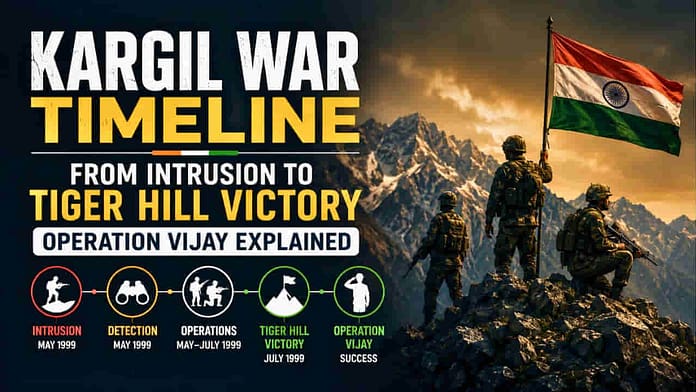
27 years later the entire truth of Kargil war! From Tollling to Tiger Hill – When, Where and How to Revenge War, Read the whole timeline

Kargil War Timeline 1999
(Image for representational purpose only. AI-Generated Image)

Kargil War Timeline 1999: The Cargil War has passed 27 years. It is counted in the most important battles of India’s military history. In the year 1999, Pakistan planned to capture the high peaks of J&K Kargil, Dras, Batalik and Mushkoh Sector in a determining manner. At the beginning it was considered to be the infiltration of terrorists, but in a few days it became clear that behind it was the well-planned action of the Pakistan army.

The Cargill War had not started suddenly. Pakistan’s activities began to be sharp since February 1999. According to the documents of the Indian Army, many events took one after one, who eventually took the form of a large military campaign. The events between February to June 1999 set the direction of the war. Let us know the whole timeline of this whole event.

Kargil War Timeline 1999: February 1999: Intrusion started from the Muskoh Sector

In February 1999, the Pakistan Army had started infiltration in the Muskoh sector, according to the record of the Indian Army. At that time it seemed common activities, but later discovered that Pakistani Army He was preparing to collect high hills in a well-planned manner.

These areas have heavy snowfall during winter. Many high checkpoints had to be evacuated due to the season. Pakistan made its presence in many places in the Indian region by taking advantage of the same situation. (Kargil War Timeline 1999)

April 1999: The issue of infiltration that was lifted in maneuvers

अप्रैल 1999 में बादामी बाग (श्रीनगर) स्थित 15 कोर मुख्यालय में एक कोर वार गेम आयोजित किया गया। इस अभ्यास के दौरान 70 इन्फैंट्री ब्रिगेड के कमांडर ब्रिगेडियर देविंदर सिंह ने टाइगर हिल और अन्य बिना कब्जे वाली चोटियों में संभावित घुसपैठ का मुद्दा उठाया।

उस समय यह केवल एक सैन्य आकलन माना गया, लेकिन कुछ हफ्तों बाद यही आशंका असलियत में बदल गई।

3-5 मई: स्थानीय चरवाहे ने सबसे पहले देखी घुसपैठ

3 मई 1999 को Batalik सेक्टर के स्थानीय निवासी ताशी नामग्याल ने कुछ काले पठानी सूट पहने कुछ संदिग्ध लोगों को ऊंची पहाड़ियों पर देखा। उन्होंने तुरंत इसकी जानकारी भारतीय सेना को दी। इसी के बाद पता चला कि पाकिस्तान कुछ बड़ी तैयारी कर रहा है। सेना ने सूचना मिलने के बाद 5 मई को इलाके में पेट्रोलिंग बढ़ाई और हालात की जानकारी लेना शुरू कर दिया। (Kargil War Timeline 1999)

9 मई: कारगिल के गोला-बारूद डिपो पर हमला

रविवार 9 मई 1999 को पाकिस्तान ने Cargill स्थित भारतीय सेना के अम्युनिशन डंप पर भारी गोलाबारी की। पाकिस्तानी सेना ने दोपहर से गोलाबारी शुरू की, जो 10 मई तक चली। इस हमले में गोला-बारूद के भंडार को काफी नुकसान पहुंचा। कारगिल शहर के बारू इलाके में भारतीय सेना का बड़ा गोला-बारूद डंप (अम्युनिशन डंप) था, जो पहाड़ियों में फैला हुआ था और कारगिल शहर के बेहद करीब था।

यह पहली बार था जब पाकिस्तानी सेना ने खुले तौर पर भारी तोपखाने का इस्तेमाल किया। विस्फोट 2-3 दिनों तक चले, और गोले-बारूद उड़कर आसपास बिखर गए। (Kargil War Timeline 1999)

10 मई: सेना प्रमुख विदेश दौरे पर

10 मई को तत्कालीन सेना प्रमुख जनरल वीपी मलिक पोलैंड और चेकोस्लोवाकिया के आधिकारिक दौरे पर रवाना हुए। इसी दौरान सीमा पर हालात तेजी से बदल रहे थे। बाद में जनरल मलिक को स्थिति की गंभीरता देखते हुए अपना दौरा बीच में छोड़कर भारत लौटना पड़ा। (Kargil War Timeline 1999)

11 मई: वायुसेना से हेलीकॉप्टर मदद मांगी

11 मई 1999 को उधमपुर स्थित उत्तरी कमान मुख्यालय ने भारतीय वायुसेना से एमआई-25, एमआई-35 अटैक हेलीकॉप्टर और हथियारबंद एमआई-17 हेलीकॉप्टरों की मांग की। हालांकि उस समय यह अनुरोध स्वीकार नहीं किया गया। कारण यह बताया गया कि कारगिल क्षेत्र की ऊंचाई इन हेलीकॉप्टरों की प्रभावी ऑपरेटिंग सीमा से अधिक थी।

12 और 13 मई: द्रास सेक्टर में भी हुई घुसपैठ की पुष्टि

12 मई को पहली बार Dr. सेक्टर में भी दुश्मन की मौजूदगी का पता चला। इसके अगले ही दिन यानी 13 मई को कारगिल के अम्युनिशन डंप पर हुए हमले के केवल चार दिन बाद द्रास स्थित भारतीय सेना का ट्रांजिट कैंप भी पाकिस्तान की भारी गोलाबारी का शिकार हुआ। इससे भारतीय सेना को स्पष्ट संकेत मिल गया कि यह सामान्य सीमा उल्लंघन नहीं, बल्कि बड़े सैन्य अभियान का हिस्सा है।

14 मई: वायुसेना की मदद पर हुई अहम बैठक

14 मई 1999 को तत्कालीन उप सेना प्रमुख लेफ्टिनेंट जनरल चंद्र शेखर ने चीफ्स ऑफ स्टाफ कमेटी की बैठक में भारतीय वायुसेना को अभियान में शामिल करने की जरूरत पर जोर दिया। उस समय तत्कालीन वायुसेना प्रमुख एयर चीफ मार्शल अनिल यशवंत टिपनिस ने कहा कि इसके लिए भारत सरकार की औपचारिक मंजूरी आवश्यक होगी।

इसी दिन एक और महत्वपूर्ण घटना हुई। 4 जाट रेजिमेंट के कैप्टन सौरभ कालिया के नेतृत्व में पांच सैनिकों (सिपाही अर्जुन राम बसावनबिहा, सिपाही भंवर लाल बागरिया, सिपाही भिखा राम, सिपाही मूला राम और सिपाही नरेश सिंह) की गश्ती टीम बजरंग पोस्ट (काकसर सेक्टर, ऊंचाई लगभग 13,000–14,000 फीट) की ओर गई, लेकिन यह दल वापस नहीं लौटा। यह कारगिल युदध की शुरुआत की पहली बड़ी क्षति थी।

पाकिस्तानी सेना (नॉर्दर्न लाइट इन्फेंट्री और रेंजर्स) ने उन पर हमला बोल दिया। घंटों तक भीषण गोलीबारी हुई। गोला-बारूद खत्म होने के बाद कालिया ने बेस कैंप से संपर्क किया और रीइन्फोर्समेंट मांगी। लेकिन इससे पहले ही पाकिस्तानी प्लाटून ने उन्हें घेर लिया और जिंदा पकड़ लिया। कैप्टन सौरभ कालिया और उनके पांच साथियों को 15 मई से 7 जून 1999 तक (लगभग 22-23 दिन) पाकिस्तानी हिरासत में रखा गया। पोस्टमार्टम रिपोर्ट के अनुसार उन्हें बेहद क्रूर यातनाएं दी गईं। 9 जून 1999 को पाकिस्तानी सेना ने उनके क्षत-विक्षत शव भारतीय पक्ष को सौंपे। जिसके बाद भारत ने पाकिस्तान के खिलाफ जिनेवा कन्वेंशन के उल्लंघन का नोटिस भेजा।

16 मई: कैप्टन अमित भारद्वाज की टुकड़ी पर हमला

लापता गश्ती दल की तलाश के लिए 16 मई को कैप्टन अमित भारद्वाज के नेतृत्व में एक प्लाटून भेजी गई। जांच के दौरान इस दल पर घात लगाकर हमला किया गया। इस मुठभेड़ में कैप्टन अमित भारद्वाज और एक जूनियर कमीशंड अधिकारी शहीद हो गए।

इसी दिन 8 माउंटेन डिवीजन की 56 माउंटेन ब्रिगेड को कश्मीर घाटी से द्रास भेजने का आदेश दिया गया। यह फैसला युद्ध की दिशा बदलने वाला साबित हुआ क्योंकि इसके बाद बड़े स्तर पर सैनिकों की तैनाती शुरू हुई। (Kargil War Timeline 1999)

17 मई: पहली बार हुई कैबिनेट कमेटी ऑन सिक्योरिटी की बैठक

17 मई 1999 को नई दिल्ली के साउथ ब्लॉक में कैबिनेट कमेटी ऑन सिक्योरिटी (सीसीएस) की पहली बैठक हुई।
इस बैठक में रक्षा मंत्री और विदेश मंत्री को कारगिल की स्थिति की जानकारी दी गई। सेना ने वायुसेना को अभियान में शामिल करने का प्रस्ताव रखा, लेकिन उस समय इसे मंजूरी नहीं मिली। (Kargil War Timeline 1999)

20 मई: सेना प्रमुख लौटे भारत

हालात की गंभीरता को देखते हुए 20 मई को सेना प्रमुख जनरल वी. पी. मलिक अपना विदेश दौरा बीच में छोड़कर भारत लौट आए। उनके लौटने के बाद सैन्य अभियान की गति और योजना दोनों में तेजी आई।

22 मई: टाइगर हिल और तोलोलिंग पर पहला बड़ा हमला

22 मई 1999 को 56 माउंटेन ब्रिगेड ने द्रास सेक्टर की जिम्मेदारी संभाली।

उसी दिन टाइगर हिल, तोलोलिंग और पॉइंट 5140 पर कब्जा वापस लेने के लिए पहला बड़ा सैन्य हमला शुरू किया गया। हालांकि यह हमला सफल नहीं हो सका और भारतीय सेना को भारी चुनौतियों का सामना करना पड़ा। ऊंची पहाड़ियों पर बैठे पाकिस्तानी सैनिकों को सामरिक बढ़त हासिल थी। (Kargil War Timeline 1999)

23 से 27 मई: अतिरिक्त सैन्य बल की तैनाती

23 मई को 79 माउंटेन ब्रिगेड को मुश्कोह सेक्टर भेजा गया ताकि वहां की जिम्मेदारी संभाली जा सके। 24 मई को प्रधानमंत्री की अध्यक्षता में हुई सीसीएस बैठक में भारतीय वायुसेना के इस्तेमाल की मंजूरी दी गई। साथ ही स्पष्ट निर्देश दिया गया कि अभियान के दौरान वास्तविक नियंत्रण रेखा (एलओसी) या अंतरराष्ट्रीय सीमा पार नहीं की जाएगी।

26 मई 1999 को भारतीय वायुसेना ने ऑपरेशन सफेद सागर शुरू किया। पहले ही दिन तीन विमान और हेलीकॉप्टर खोने के बाद वायुसेना ने अपनी रणनीति में बदलाव किया और ऊंचाई पर स्थित लक्ष्यों के अनुसार अभियान को फिर से तैयार किया।

इसी दौरान 26-27 मई को पाकिस्तान सेना प्रमुख और रावलपिंडी स्थित चीफ ऑफ जनरल स्टाफ के बीच हुई बातचीत भारतीय एजेंसियों ने इंटरसेप्ट की। इन बातचीतों से पहली बार स्पष्ट प्रमाण मिला कि कारगिल घुसपैठ में पाकिस्तान सेना सीधे तौर पर शामिल थी, न कि केवल आतंकवादी या घुसपैठिए।

27 मई: 6 माउंटेन डिवीजन को भी किया गया एक्टिव

27 मई 1999 को सेना मुख्यालय ने 6 माउंटेन डिवीजन को सोनमर्ग के पास जोजिला दर्रे तक पहुंचने का आदेश दिया। इसका उद्देश्य जरूरत पड़ने पर अतिरिक्त सैन्य बल उपलब्ध कराना था।

इसी समय भारतीय एजेंसियों द्वारा इंटरसेप्ट की गई बातचीत से यह भी साफ हो गया कि कारगिल की पूरी योजना पाकिस्तान सेना की टॉप लीडरशिप उस समय जनरल परवेज मुशर्रफ की जानकारी में बनाई गई थी।

31 मई: प्रधानमंत्री ने माना युद्ध जैसे हालात

31 मई 1999 को तत्कालीन प्रधानमंत्री अटल बिहारी वाजपेयी ने सार्वजनिक रूप से कहा कि कारगिल में युद्ध जैसी स्थिति बन चुकी है। इसके बाद सैन्य और प्रशासनिक स्तर पर फैसलों में तेजी आने लगी। (Kargil War Timeline 1999)

1 जून: 8 माउंटेन डिवीजन ने संभाली कमान

1 जून को 8 माउंटेन डिवीजन के टैक्टिकल मुख्यालय ने मुश्कोह और द्रास सेक्टर की जिम्मेदारी संभाल ली। यहीं से भारतीय सेना ने अलग-अलग क्षेत्रों में योजनाबद्ध तरीके से जवाबी अभियान शुरू किया।

4 जून: स्पेशल फोर्स की एंट्री

4 जून 1999 को 9 पैरा स्पेशल फोर्स की बटालियन, जिसकी कमान कर्नल जॉन एबॉट के पास थी, कारगिल पहुंची।
इसके बाद 50 पैरा ब्रिगेड, जिसकी कमान ब्रिगेडियर प्रभोध भारद्वाज संभाल रहे थे, को भी अभियान में शामिल किया गया। इन विशेष बलों को कठिन पर्वतीय इलाकों में विशेष ऑपरेशन के लिए लगाया गया।

6 जून: बोफोर्स तोप का इस्तेमाल

6 जून को भारतीय सेना ने पहली बार बोफोर्स एफएच-77बी हॉवित्जर का लंबी दूरी से सीधे टारगेट पर फायर करने का प्रयोग तोलोलिंग में किया। सामान्य तौर पर बोफोर्स का उपयोग अप्रत्यक्ष गोलाबारी के लिए किया जाता है, लेकिन कारगिल की ऊंची पहाड़ियों में इसे सीधे टारगेट पर दागा गया। इससे दुश्मन के बंकरों को भारी नुकसान पहुंचा और आगे के हमलों के लिए रास्ता तैयार हुआ।

12 जून: तोलोलिंग पर पहला बड़ा हमला

12 जून 1999 को 8 माउंटेन डिवीजन के नेतृत्व में 56 माउंटेन ब्रिगेड ने तोलोलिंग हाइट्स और पॉइंट 5140 पर बड़ा हमला शुरू किया।

यह हमला बेहद कठिन था क्योंकि पाकिस्तानी सैनिक ऊंची चोटियों पर बैठे थे, जबकि भारतीय सैनिकों को नीचे से चढ़ाई करते हुए हमला करना पड़ रहा था। (Kargil War Timeline 1999)

13 जून: तोलोलिंग पर फहराया तिरंगा

13 जून 1999 कारगिल युद्ध का महत्वपूर्ण दिन माना जाता है। 2 राजपूताना राइफल्स ने भीषण लड़ाई के बाद तोलोलिंग हाइट्स पर कब्जा कर लिया। यह कारगिल युद्ध में भारतीय सेना की पहली बड़ी टैक्टिकल जीत थी।
तोलोलिंग की जीत से द्रास क्षेत्र में भारतीय सेना की स्थिति मजबूत हुई और आगे के अभियानों के लिए आधार तैयार हुआ।

17 जून: पॉइंट 5140 की ओर बढ़ा अभियान

17 जून को 13 जम्मू एंड कश्मीर राइफल्स ने रॉकी नॉब क्षेत्र में दिन के उजाले में हमला किया। यह अभियान सफल रहा और भारतीय सेना ने आगे बढ़ने के लिए महत्वपूर्ण सामरिक स्थिति हासिल कर ली।

19 जून: पॉइंट 5140 पर कब्जा

19 जून 1999 को 13 जम्मू एंड कश्मीर राइफल्स ने पॉइंट 5140 पर सफल हमला किया। यह द्रास क्षेत्र की सबसे ऊंची टैक्टिकल चोटियों में से एक थी। इसी अभियान के दौरान कैप्टन विक्रम बत्रा ने “ये दिल मांगे मोर” का मैसेज दिया था, जो बाद में पूरे देश में चर्चा का विषय बना।

पॉइंट 5140 पर कब्जा मिलने के बाद भारतीय सेना को टाइगर हिल की दिशा में आगे बढ़ने में महत्वपूर्ण बढ़त मिली।

28 जून: मारपोला रिज पर सफलता

28 जून को भारतीय सेना ने मारपोला रिज क्षेत्र में अभियान शुरू किया। 56 माउंटेन ब्रिगेड के नेतृत्व में 2 राजपूताना राइफल्स ने ब्लैक रॉक क्षेत्र में सफलता हासिल की, जबकि 18 गढ़वाल राइफल्स ने पॉइंट 4700 पर कब्जा कर लिया।

इन सफलताओं से द्रास क्षेत्र में पाकिस्तान की कई अग्रिम पोस्ट दबाव में आ गईं।

1 जुलाई: सैंडो टॉप पर स्पेशल ऑपरेशन

1 जुलाई को 9 पैरा स्पेशल फोर्स ने टारगिल हिल के नीचे सैंडो टॉप पर विशेष अभियान शुरू किया। दिन निकलने के बाद दुश्मन की नजर पड़ने पर स्पेशल फोर्सेज को आर्टिलरी की आड़ लेकर पीछे हटना पड़ा। इसके बाद अभियान की रणनीति में बदलाव किया गया।

3 और 4 जुलाई: टाइगर हिल की निर्णायक लड़ाई

3 जुलाई 1999 को 92 माउंटेन ब्रिगेड, जिसकी कमान ब्रिगेडियर एमपीएस बाजवा के पास थी, उन्होंने 18 ग्रेनेडियर्स के साथ मिलकर टाइगर हिल पर हमला शुरू किया। 4 जुलाई की सुबह भारतीय सैनिक टाइगर हिल की चोटी तक पहुंच गए। हालांकि शुरुआती घोषणा समय से पहले कर दी गई थी, लेकिन लगातार लड़ाई के बाद भारतीय सेना ने पूरी चोटी पर नियंत्रण स्थापित कर लिया। उसी दिन 79 माउंटेन ब्रिगेड के नेतृत्व में ब्रिगेडियर रमेश कक्कड़ ने पॉइंट 4875 पर भी सफल हमला किया।

7 जुलाई: ट्विन बंप पर कब्जा

7 जुलाई को 2 नागा रेजिमेंट ने ट्विन बंप पर कब्जा कर लिया। इस सफलता से पॉइंट 4875 के आसपास भारतीय सेना की स्थिति और मजबूत हो गई। पॉइंट 4875 (टाइगर हिल कॉम्प्लेक्स का हिस्सा) मुश्कोह वैली में स्थित एक प्रमुख ऊंची चोटी थी। पाकिस्तानी सेना ने इसकी चोटियों पर कब्जा करके भारतीय सैनिकों और सप्लाई काफिले पर तोपों और मोर्टार से हमला कर रही थी।

2 नागा रेजिमेंट (कमांडिंग ऑफिसर कर्नल डी.के. बादोला) को 27 जून 1999 को द्रास-मश्कोह सेक्टर में शामिल किया गया। सिर्फ 7 दिनों के एक्रोमेटाइजेशन (ऊंचाई के अभ्यस्त होने) के बाद ही उन्हें ट्विन बंप्स पर हमला करने का काम सौंपा गया। यह हमला टाइगर हिल पर हमला कर रही इकाइयों (जैसे 8 सिख) पर दबाव कम करने के लिए था। आर्टिलरी से ट्विन बंप्स पर भारी गोलाबारी की गई। इससे पाकिस्तानी ठिकानों को काफी नुकसान पहुंचा।
ट्विन बंप्स पर कब्जे के बाद पाकिस्तानी सेना को पॉइंट 4875 और टाइगर हिल क्षेत्र से पीछे हटना पड़ा।

2 नागा रेजिमेंट को इस ऑपरेशन में भारी कीमत चुकानी पड़ी। उनके लगभग 18 सैनिक शहीद हुए। यूनिट को बैटल ऑनर: मुश्कोह, थिएटर ऑनर: कारगिल और सीओएएस यूनिट सिटेशन का सम्मान मिला।

10 जुलाई: पाकिस्तान ने हार मानी

लगातार सैन्य दबाव के बाद 10 जुलाई 1999 को पाकिस्तान ने संघर्षविराम स्वीकार किया। पाकिस्तान के डायरेक्टर जनरल मिलिट्री ऑपरेशंस (डीजीएमओ) ने 10 जुलाई से सैनिकों की वापसी शुरू करने और 16 जुलाई तक इसे पूरा करने पर सहमति दी। मश्कोह से 12–15 जुलाई, द्रास से 14–15 जुलाई और बटालिक से 15–16 जुलाई तक वापसी की बात हुई।

16 जुलाई: पीछे हटने के वादे से मुकरा पाकिस्तान

16 जुलाई को भारतीय सेना ने पाया कि पाकिस्तान ने तय समय के अनुसार सभी क्षेत्रों से सैनिक नहीं हटाए हैं।
इसके बाद कई स्थानों पर भारतीय सेना ने अभियान जारी रखा। कुछ क्षेत्रों में पाकिस्तानी सैनिक अभी भी भारतीय क्षेत्र पर मौजूद थे। वहीं, वापसी के दौरान पाकिस्तान ने कई जगहों पर माइंस और बूबी ट्रैप बिछा दिए थे।
जबकि तीन प्रमुख फीचर्स पर पाकिस्तान की उपस्थिति अभी भी बनी हुई थी।

21 जुलाई: अंतिम सैन्य कार्रवाई की मंजूरी

21 जुलाई 1999 को प्रधानमंत्री अटल बिहारी वाजपेयी से शेष घुसपैठियों को पूरी तरह बाहर निकालने के लिए अंतिम सैन्य कार्रवाई की अनुमति मांगी गई। उसी दिन अनुमति मिलने के बाद भारतीय सेना ने शेष क्षेत्रों में अभियान शुरू किया।

26 जुलाई: कारगिल विजय दिवस

26 जुलाई 1999 को भारतीय सेना ने घोषणा की कि सभी घुसपैठियों और पाकिस्तानी सैनिकों को कब्जे वाले क्षेत्रों से पूरी तरह बाहर निकाल दिया गया है। इसी दिन को हर वर्ष कारगिल विजय दिवस के रूप में मनाया जाता है।

अगस्त में भी जारी रही सैन्य कार्रवाई

इसके बाद भी पाकिस्तान की ओर से तोपखाने की गोलाबारी जारी रही। 20 अगस्त 1999 को भारतीय तोपखाने ने पोस्ट 44 पर भारी जवाबी कार्रवाई की। यह पोस्ट पॉइंट 13620 के पास स्थित थी। युद्ध समाप्त होने के बाद भी सेना ने सीमावर्ती इलाकों की सुरक्षा मजबूत करने का काम जारी रखा। मध्य अगस्त 1999 में 8 माउंटेन डिवीजन को कारगिल क्षेत्र की सुरक्षा मजबूत करने और खाली स्थानों पर परमानेंस डिफेंस सिस्टम तैयार करने का आदेश दिया गया। (Kargil War Timeline 1999)

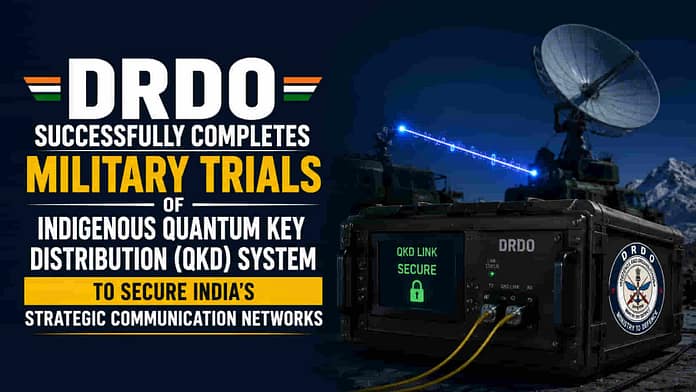
Now the enemy won’t hack India’s Secret Message! DRDO completed the Military Trials of Quantum Communication

DRDO Quantum Communication
(Image for representational purpose only. AI-Generated Image)

DRDO Quantum Communication: India has achieved another great achievement in the field of Secure Military Communication. The Defence Research and Development Organisation (DRDO) has successfully completed the Military Field Trial of the Distribution (QKD) system of Fiber Based Quantum. This system prepares a secure communication network, which can not hear or beat in the way. DRDO has prepared this technique together with Bengaluru’s Indian company Takbit Labs.

According to the formulas, it was tested in the Military Ecosystem, the system will play an important role in protecting India’s Strategic Communication Network in the future. This technique is also considered a key step towards creating a multi-hop quantum network on a large scale.

DRDO Quantum Communication: What is Quantum's Distribution System

Usually when a message is sent via the Internet or a secure network, it is converted to encryption i.e. special code. To open this code requires a digital "key" i.e. key.

About Us Distribution of quantum The role of (QKD) begins. This technique sends that digital key from one place to another such that if a third person tries to catch or read it in the middle, the system immediately gives its information to both authorized parties.

I.e. before the message is stolen, one has intervened in the network.

How is this technique different from general encryption

Most Secure Mathematical Communications are based on encryption in the world today. Similar security is used in banking, military network, government data and internet services.

But experts believe that future Quantum Computer There will be so much potential that they will be able to break down several encryption systems that are used today.

Many countries in the world are working on quantum communication, given the same danger.

The biggest feature of QKD is that its safety is not only based on math, but based on the rules of quantum Physics. So if one tries to steal information in the middle then the quantum state itself changes and the system immediately alerts.

How it works

Quantum Communication To send information in photon i.e. extremely small particles of light are used. These photons have special type of quantum information. If a person tries to measure or copy them in a way, then the original state of these changes.

This change tells the security system that someone has tried to decipher the communication. It is then re-groomed and not suspected communication response. That’s why it’s considered one of the world’s most secure communication technology. (DDO Quantum Communication)

What kind of system is designed by DRDO

The system that DRDO has tested fiber-based Quantum The distribution system of. This technology can work with the already existing optical fiber network. The need for laying new cable decreases and the existing communication structure can be used.

DRDO says that this system will not be limited to only one link, but will be the basis of a multi-hop network connecting multiple secure networks by moving forward.

Role of Tackbit Labs

In this project, Bangalore-based Takbit Labs have also worked with DRDO. This Indian company works in areas like quantum cybersecurity, quantum random number generators and post-quantum cryptography.

According to DRDO, the technology developed at the laboratory level was worked to transform the actual product into the same partnership. (DDO Quantum Communication)

DRDO has been working on quantum technology for many years

To pursue research on quantum technology DRDO The quantum Technology Research Centre (QTRC) was established at the Metcof House Complex, Delhi in May 2025. There are many modern uses associated with safe quantum communication, quantum sensing and post-quantum cybersecurity in this centre.

This research center has been designed to investigate single photon source, test laser characterization, quantum distribution technology, ultra small atomic clock, atomic magnetometer and other state-of-the-art laboratories. Here scientists are constantly working on new technologies for future safe military networks.

पिछले कई सालों से डीआरडीओ लगातार क्वांटम कम्युनिकेशन पर अनुसंधान कर रहा है। वर्ष 2022 में डीआरडीओ ने प्रयागराज और विंध्याचल के बीच लगभग 100 किलोमीटर से अधिक की दूरी पर देश का पहला इंटरसिटी क्वांटम कम्युनिकेशन लिंक सफलतापूर्वक प्रदर्शित किया था। उस समय पहली बार सामान्य टेलीकॉम फाइबर के जरिए सुरक्षित क्वांटम की डिस्ट्रीब्यूशन का प्रदर्शन किया गया था।

इसके बाद आईआईटी दिल्ली के साथ मिलकर डीआरडीओ ने एक किलोमीटर से अधिक दूरी तक फ्री स्पेस ऑप्टिकल लिंक के जरिए एंटैंगलमेंट आधारित सुरक्षित संचार का सफल प्रदर्शन किया था।

उस परीक्षण के दौरान क्वांटम बिट एरर रेट सात प्रतिशत से कम रही, जिसे इस प्रकार के परीक्षणों में अच्छा माना जाता है। सुरक्षित की तैयार करने की गति भी सफल रही थी।

आईआईटी दिल्ली के साथ मिला बड़ा अनुभव

डीआरडीओ के डीआरडीओ-इंडस्ट्री-अकादमिया सेंटर ऑफ एक्सीलेंस के तहत आईआईटी दिल्ली में क्वांटम कम्युनिकेशन पर लगातार अनुसंधान चल रहा है। पिछले साल वैज्ञानिकों ने क्वांटम साइबर सिक्योरिटी से जुड़ा सफल प्रदर्शन किया था। इसमें यह दिखाया गया कि भविष्य में क्वांटम नेटवर्क और क्वांटम इंटरनेट जैसे सिस्टम विकसित किए जा सकते हैं। (DRDO Quantum Communication)

एंटैंगलमेंट आधारित क्यूकेडी क्या होती है

डीआरडीओ जिस तकनीक पर काम कर रहा है, उसमें क्वांटम एंटैंगलमेंट का इस्तेमाल भी शामिल है। इसे सामान्य क्यूकेडी की तुलना में अधिक सुरक्षित माना जाता है।

एंटैंगलमेंट ऐसी अवस्था होती है जिसमें दो फोटॉन एक-दूसरे से विशेष रूप से जुड़े रहते हैं। चाहे दोनों के बीच कितनी भी दूरी हो, यदि कोई तीसरा व्यक्ति उनमें से किसी एक को छूने या मापने की कोशिश करता है तो दोनों की क्वांटम अवस्था प्रभावित हो जाती है।

यही बदलाव अधिकृत उपयोगकर्ताओं को तुरंत बता देता है कि कम्युनिकेशन के दौरान किसी ने दखल देने की कोशिश की है। इस कारण एंटैंगलमेंट बेस्ड सिस्टम को भविष्य की सुरक्षित संचार तकनीकों में सबसे महत्वपूर्ण माना जा रहा है।

पोस्ट-क्वांटम साइबर सुरक्षा क्यों बन रही है जरूरी

दुनिया भर में साइबर सुरक्षा विशेषज्ञ एक नए खतरे की चर्चा कर रहे हैं, जिसे “हार्वेस्ट नाउ, डिक्रिप्ट लेटर” कहा जाता है। इसका मतलब है कि कोई हमलावर आज सुरक्षित डेटा चुरा सकता है और भविष्य में जब उसके पास शक्तिशाली क्वांटम कंप्यूटर होंगे, तब उस डेटा को पढ़ सकता है।

इसी खतरे को देखते हुए दुनिया के कई देश पोस्ट-क्वांटम क्रिप्टोग्राफी और क्वांटम की डिस्ट्रीब्यूशन जैसी तकनीकों पर तेजी से काम कर रहे हैं। डीआरडीओ का यह नया सिस्टम भी इसी दिशा में भारत की तैयारी का हिस्सा माना जा रहा है। (DRDO Quantum Communication)

IAF’s Larger Decision! Preparation of Indigenous Avionic System in India for MiG-29fighter Jets

MiG-29 Avionics Indigenous Development
(Image for representational purpose only. AI-Generated Image)

MiG-29 Avionics Indigenous Development: भारतीय वायुसेना ने अपने पुराने हो चुके मिग-29 फाइटर जेट्स के मेंटेनेंस और ऑपरेशनल क्षमता को मजबूत करने के लिए इसमें इस्तेमाल होने वाले आठ महत्वपूर्ण एवियोनिक एग्रीगेट्स के स्वदेशी विकास के लिए एक्सप्रेशन ऑफ इंटरेस्ट (ईओआई) जारी किया है। इसका उद्देश्य उन विदेशी इक्विपमेंटों का भारतीय विकल्प तैयार करना है, क्योंकि उनकी उपलब्धता समय के साथ मुश्किल होती जा रही है।

इस प्रोजेक्ट के तहत भारतीय कंपनियों से मौजूदा विदेशी सिस्टम का फंक्शनल रिप्लेसमेंट बनाने की मांग की गई है।

MiG-29 Avionics Indigenous Development: क्यों उठाना पड़ा यह कदम

मिग-29 भारतीय वायुसेना का एक महत्वपूर्ण मल्टीरोल फाइटर जेट है। यह विमान 1980 के दशक के अंत में वायुसेना में शामिल हुआ था और बाद में इसे मिग-29 यूपीजी मानक तक अपग्रेड किया गया। इन विमानों में आधुनिक रडार, डिजिटल कॉकपिट, बेहतर इलेक्ट्रॉनिक वारफेयर सिस्टम और हवा में ईंधन भरने जैसी सुविधाएं जोड़ी गईं।

इसके बावजूद विमान के कई इलेक्ट्रॉनिक इक्विपमेंट पुराने हो चुके हैं। इनमें इस्तेमाल होने वाले कई पुर्जों का उत्पादन बंद हो चुका है या उनकी सप्लाई सीमित हो गई है। ऐसे में स्पेयर पार्ट्स की उपलब्धता और रखरखाव बड़ी चुनौती बन गई है।

इसी समस्या को देखते हुए वायुसेना अब विदेशी इक्विपमेंटों की नकल करने के बजाय नई पीढ़ी के भारतीय इलेक्ट्रॉनिक सिस्टम डेवलप करना चाहती है।

पूरी तकनीक बदलने की योजना

Pune-based Air Force के बेस रिपेयर डिपो (9 बीआरडी) की तरफ से यह ईओआई जारी किया गया है। इस प्रोजेक्ट की सबसे बड़ी खासियत यह है कि भारतीय वायुसेना पारंपरिक तरीके से अलग रास्ता अपना रही है। इससे पहले किसी खराब इक्विपमेंट का वैसा ही दूसरा इक्विपमेंट तैयार करने का कोशिश की जाती थी। लेकिन अब वायुसेना ने टेक्नोलॉजी स्पेसिफिक इंडिजनाइजेशन मॉडल अपनाया है। इसमें समान तकनीक वाले कई इक्विपमेंट्स को एक ग्रुप में रखकर उनके लिए एक साझा हार्डवेयर प्लेटफॉर्म डेवलप किया जाएगा।

इसके बाद अलग-अलग काम केवल सॉफ्टवेयर के जरिए कराए जाएंगे। इसे सॉफ्टवेयर डिफाइंड एवियोनिक सिस्टम कहा जाता है। इससे भविष्य में किसी एक इक्विपमेंट के खराब होने पर पूरा सिस्टम बदलने की जरूरत नहीं पड़ेगी। केवल सॉफ्टवेयर या संबंधित मॉड्यूल अपडेट करके काम किया जा सकेगा। MiG-29 Avionics Indigenous Development

किन आठ सिस्टम को भारत में किया जाएगा तैयार

ईओआई में जिन आठ प्रमुख एवियोनिक एग्रीगेट्स को शामिल किया गया है, उनमें रडार के लिए पावर और सिंक्रोनाइजेशन सिस्टम, रिसीवर-एक्साइटर यूनिट, ट्रांसमीटर यूनिट, कैमरा इलेक्ट्रॉनिक यूनिट, वोल्टेज रेक्टिफायर, एयरबोर्न प्रोटेक्टेड रिकॉर्डर, कोड कन्वर्टर और रडार ट्रांसमीटर शामिल हैं।

इनमें से कुछ इक्विपमेंट सीधे रडार ऑपरेशन से जुड़े हैं, जबकि कुछ फ्लाइट रिकॉर्डिंग, पावर मैनेजमेंट और सेंसर डेटा प्रोसेसिंग का काम करते हैं। कई सिस्टम को वायुसेना ने मिशन क्रिटिकल कैटेगरी में रखा है, यानी इनके बिना विमान का सुरक्षित ऑपरेशन संभव नहीं होगा। MiG-29 Avionics Indigenous Development

रडार सिस्टम को मिलेगा नया भारतीय विकल्प

प्रोजेक्ट में शामिल सबसे महत्वपूर्ण सिस्टम रडार से जुड़े हैं। एक यूनिट रडार के विभिन्न हिस्सों को स्टेबल इलेक्ट्रिसिटी सप्लाई और सिंक्रोनाइजेशन सिग्नल उपलब्ध कराती है। दूसरी यूनिट रेडियो फ्रीक्वेंसी सिग्नलों को रिसीव और प्रोसेस करती है। तीसरी यूनिट रडार ट्रांसमीटर के लिए हाई पावर सिग्नल तैयार करती है। इन सभी का स्वदेश में डेवलपमेंट होने से भविष्य में विदेशी सप्लाई पर निर्भरता कम होगी।

कॉकपिट रिकॉर्डर और फ्लाइट डेटा सिस्टम भी होंगे स्वदेशी

प्रोजेक्ट में एयरबोर्न प्रोटेक्टेड रिकॉर्डर भी शामिल है। यही सिस्टम उड़ान के दौरान विमान के विभिन्न पैरामीटर और कॉकपिट की आवाज रिकॉर्ड करता है। किसी दुर्घटना या तकनीकी जांच के समय यही रिकॉर्डर सबसे महत्वपूर्ण जानकारी उपलब्ध कराता है।

इसके अलावा कैमरा इलेक्ट्रॉनिक यूनिट और वोल्टेज रेक्टिफायर जैसे इक्विपमेंट भी डेवलप किए जाएंगे, जो मल्टी फंक्शन डिस्प्ले और डिजिटल वीडियो रिकॉर्डिंग सिस्टम को बिजली उपलब्ध कराते हैं। MiG-29 Avionics Indigenous Development

मॉडर्न ओपन आर्किटेक्चर पर बनेगा पूरा सिस्टम

भारतीय वायुसेना ने इस प्रोजेक्ट में मॉड्यूलर ओपन सिस्टम अप्रोच (मोसा) अपनाने का फैसला किया है। इस मॉडल में पूरा हार्डवेयर ओपन वीपीएक्स प्लेटफॉर्म पर आधारित होगा। इससे भविष्य में किसी भी मॉड्यूल को आसानी से बदला या अपग्रेड किया जा सकेगा।

सॉफ्टवेयर का विकास अंतरराष्ट्रीय डीओ-178सी स्टैंडर्ड के अनुसार होगा, जबकि हार्डवेयर डीओ-254 सर्टिफिकेशन प्रक्रिया का पालन करेगा। यही स्टैंडर्ड दुनिया के आधुनिक सैन्य और नागरिक विमानों में इस्तेमाल किए जाते हैं।

नई तकनीक तैयार करने से पहले भारतीय कंपनियों को पुराने विदेशी इक्विपमेंटों का विस्तृत तकनीकी अध्ययन करना होगा। इसके तहत प्रत्येक इक्विपमेंट की कार्यप्रणाली, इनपुट और आउटपुट सिग्नल, इंटरफेस, प्रदर्शन सीमा, फर्मवेयर और इलेक्ट्रॉनिक व्यवहार का विश्लेषण किया जाएगा। इसके बाद भारतीय कंपनियां ऐसा नया सिस्टम विकसित करेंगी जो पुराने इक्विपमेंट की सभी क्षमताओं को पूरा कर सके।

परीक्षण के लिए बनेगा विशेष टेस्ट बेड

वायुसेना ने इस प्रोजेक्ट में आधुनिक पीएक्सआईई आधारित टेस्ट बेड डेवलप करने की भी योजना बनाई है। इसमें लैबव्यू आधारित सॉफ्टवेयर का उपयोग किया जाएगा। यही प्लेटफॉर्म दुनिया की कई बड़ी एयरोस्पेस कंपनियां
टेस्टिंग और मेजरमेंट के लिए इस्तेमाल करती हैं।

नए तैयार सिस्टम की तुलना ऑरिजनल इक्विपमेंट से की जाएगी। इसके लिए दोनों पर समान टेस्ट वेक्टर चलाकर परिणामों का मिलान किया जाएगा। MiG-29 Avionics Indigenous Development

हर सिस्टम के बनेंगे तीन प्रोटोटाइप

वायुसेना ने प्रत्येक एवियोनिक एग्रीगेट के कम से कम तीन प्रोटोटाइप तैयार करने की शर्त रखी है। इनका इस्तेमाल डिजाइन सत्यापन, तकनीकी परीक्षण और सर्टिफिकेशन प्रक्रिया में किया जाएगा। सभी सिस्टम को सीईएमआईएलएसी, आरसीएमए और डीजीएक्यूए जैसी डिफेंस सर्टिफिकेशन एजेंसियों की मंजूरी लेनी होगी।

किन कंपनियों को मिलेगा मौका

इस प्रोजेक्ट में केवल भारतीय कंपनियां भाग ले सकेंगी। ऐसी कंपनियों को प्राथमिकता दी जाएगी जिनके पास एवियोनिक सिस्टम के डिजाइन, डेवलपमेंट, रिपेयर या ओवरहॉल का अनुभव हो। साथ ही उन्हें मिलिट्री एयरवर्थनेस मानकों की जानकारी भी होनी चाहिए। यदि कोई कंपनी किसी विदेशी तकनीकी साझेदार के साथ काम करना चाहती है तो उसे उसकी भूमिका भी स्पष्ट करनी होगी। MiG-29 Avionics Indigenous Development

मिग-29 बेड़े के लिए क्यों अहम है यह प्रोजेक्ट

भारतीय वायुसेना के पास इस समय लगभग 55 से 65 मिग-29 यूपीजी लड़ाकू विमान हैं। इनमें सिंगल-सीटर और ट्विन-सीटर ट्रेनर दोनों शामिल हैं। ये विमान मुख्य रूप से पंजाब के अदमपुर और गुजरात के जामनगर एयरबेस से संचालित तीन स्क्वाड्रनों में तैनात हैं। यह बेड़ा वायुसेना की एयर डिफेंस क्षमता का महत्वपूर्ण हिस्सा है। वहीं वायुसेना की योजना इसकी सर्विस लाइफ 40 साल से बढ़ाकर 50 साल करने की है।

भारतीय वायुसेना के लिए लड़ाकू विमानों की संख्या बनाए रखना इस समय बड़ी चुनौती है। वायुसेना की स्वीकृत क्षमता 42 फाइटर स्क्वाड्रन की है, लेकिन फिलहाल उसके पास केवल 29 से 31 स्क्वाड्रन ही सक्रिय हैं। MIG-21 लड़ाकू विमानों के चरणबद्ध रिटायर होने के बाद यह कमी और बढ़ गई है। ऐसे में मिग-29 जैसे विमानों की भूमिका और महत्वपूर्ण हो गई है। स्वदेशी तेजस एमके-2 लड़ाकू विमान के पूरी तरह सेवा में आने में अभी समय है। इसलिए वायुसेना चाहती है कि मिग-29 बेड़ा लंबे समय तक पूरी क्षमता के साथ सेवा में बना रहे। इसी वजह से इसके पुराने और दुर्लभ हो चुके एवियोनिक सिस्टम का स्वदेशी विकल्प तैयार करने की प्रक्रिया शुरू की गई है, ताकि इन विमानों की ऑपरेशनल क्षमता प्रभावित न हो।

भारतीय वायुसेना इन विमानों को सेवा में बनाए रखने के लिए लगातार अपग्रेड और लाइफ एक्सटेंशन कार्यक्रम चला रही है। हाल के सालों में मिग-29 में एएसआरएएएम हवा से हवा में मार करने वाली मिसाइल, एचएसएलडी एमके-2 प्रिसीजन गाइडेड बम, स्वदेशी इलेक्ट्रॉनिक वारफेयर सिस्टम और सॉफ्टवेयर डिफाइंड रेडियो जैसी नई क्षमताएं जोड़ी गई हैं। (MiG-29 Avionics Indigenous Development)

Sir Creek will take Pakistan to blow! These special boats run on both water and ground to meet the Indian Army for operation

Indian Army Amphibious Boats
(Image for representational purpose only. AI-Generated Image)

Indian Army Amphibious Boats: The Ministry of Defence has released the Request for Proposal (RFP) to increase the operational capacity of the Indian Army from the Sir Creek terrain from Pakistan to Andaman-Nicobar. This purchase will be under the Bye (Indian) category, with at least 60 percent of indigenous content required.

According to the RFP released from the Ministry of Defence, 7 out of these 11 boats will meet the Indian Army and 4 Indian Navy. Army Boats of Gujarat Lakshmi Located 235 Inland Water Transport Unit will be given while two Naval Boats will be deployed in Mumbai and two Port Blair. These boats will be used to ensure a fast and uninterrupted movement in such areas where vehicles with normal boats or wheels do not work.

Indian Army Amphibious Boats: What Is Amphibious Rigid Hull Boat

Amphibians The ridged solution boat is a special military boat, which can run not only in water but also on the ground. It is one of the biggest specialities that it can move on without a stigma in the seas, tidal marshes, shallow salves and sludge areas.

Common boats are often trapped in the mud at the time of low tide, while common military vehicles are trapped in the swamp. Amphibious boats do not have such problems. When needed, it can come to the ground directly with water and then again get into the water.

The Ministry of Defence has clarified in RFP that new boats will be strengthened by the military needs. These will have a sharp speed, better marine stability and a solution design to make the crew members feel less shocked even on a sharp speed. Indian Army Amphibious Boats

Why is Sara Creek in the need of such boats

The biggest role of these boats is Gujarat Sir Creek in the area. About 96 km long Sir Creek is a tidal muhana between India and Pakistan, visiting the Arabian Sea.

It is not completely normal marine area and not even completely ground. Here the water level changes continuously with tide-bhata. Petroling remains always challenging because of the marshes around, shallow channels and sludge terrain.

India believes that the border passes between this creek, while Pakistan claims the whole creek. The determination of the maritime limit is also affected due to this dispute.

Help to prevent infiltration and trafficking

Sir Creek and Her associated greenery are used for trafficking, drug trafficking and illegal infiltration several times. It is not easy to maintain constant monitoring in these areas for security agencies.

According to the formulas, these new Amphibious Boats The army will be able to petrol in the swamped areas. Small pieces will be delivered from one place to another faster when needed. Both monitoring and accountable actions will be more effective. Indian Army Amphibious Boats

Replaceable position after operation shifter

According to the sources, security agencies also noticed the creation of new bunkers, forward posts and other structures towards Pakistan in front of Sir Creek region last year. Due to this, the need to increase the petroling of the Indian Army was felt.

Increased capacity in Andaman Nicobar

New boats will not be limited to the Western border only. Four boats will meet the Indian Navy, which will be deployed in two Mumbai and two Port Blair.

Andaman-Nicobar Islands have a large number of small islands, narrow sea passages and shallow coastal areas. Amphibious boats in such areas are useful in fast patrols, coastal security, special campaigns and relief works. Indian Army Amphibious Boats

Both ground and water

According to RFP, the boat will move not only in water with a sharp speed, but it will be put back twisting wheels operating in a hydraulic way.

With the help of these wheels, it will also run on the ground. Its speed on the ground will be about 10 to 15 kilometres per hour and it will be mounted about 15 degrees of slope.

This will not require separate vehicles after the soldiers are watered. Indian Army Amphibious Boats

More than 40 knots

The maximum speed of these boats should be more than 40 knots. A knot is equal to about 1.85 kilometres per hour. This means that the boat will run in water at a speed of about 74 kilometres per hour or more. Such speed limitations are considered quite important during rapid response and patrolling in areas.

At the same time, every boat will have about 12 fully armed soldiers. In addition, it will take more than 1,500 kg of payload. This will allow weapons, communication equipments and other essential military materials to be easily transported with troops. Indian Army Amphibious Boats

Ballistic Protection in Boat

According to RFP, the forward and rear arms of the boat will be arranged. Also, ballistic protection will be provided to protect the crew so that safety can be increased in case of a pellet during operation.

Several essential military equipment will be planted in advance in every boat. These will include communication systems, life saving jackets, fire extinguishers, primary treatment kits, stretchers, mooring line and other safety tools.
Further technical documents, quality check plans and maintenance documents will also be part of the supply.

Ministry of Defence said that every boat warranty will be 24 months. After this, a comprehensive maintenance contract of 8 years will remain. Further, at least 10 years of product support will be available for the entire system. Service life of the boat is kept at least 10 years or 10,000 operating hours.

While all 11 boats have to be supplied within 24 months after the contract is knocked down. A boat at the first stage, six boats will be entrusted at the four and final stage in the second phase. Indian Army Amphibious Boats

Can also be transported by airways

The Ministry of Defence has also decided that these boats can be transported from road to heavy tank transporter when needed. Also, these will be made to be taken in the IL-76 and C-17 Globemaster transport aircraft of Indian Air Force. It will be possible to deploy these in less time in any military sector. Indian Army Amphibious Boats

The new AI gunary simulators will come for T-72 and T-90 tanks of the Indian Army, without ammunition will get the war training

T-72 T-90 Tanks Gunnery Simulator
(Image for representational purpose only. AI-Generated Image)

T-72 T-90 Tanks Gunnery Simulator: The Indian Army is taking a big step towards making its tank crew training and modern. The Army has started the process of purchasing a total of 150 state-of-the-art gunary simulators for T-72 and T-90 main beetle tanks. The three separate Request for Information (RFI) has been released in May 2026. These include 50 crew gunary simulators (CGS), 50 basic gunary simulators (BGS) and 50 crew gunary simulators (CGS) for T-72 tanks.

T-72 T-90 Tanks Gunnery Simulator: Ministry of Defence Launches Purchase Process

These 3 RFI The Directorate General of Armored Corps and Mechanized Forces of Integrated Headquarters of Ministry of Defence (REM) have been released on behalf of the General of Armored Corps and Mechanized Forces.

The Indian Army has a large number of T-72 and T-90 main combat tanks. Both of these tanks are considered to be the backbone of the armored strength of the army on the western and northern borders. It is necessary to constantly practice the crew of these tanks, so as to keep ready for operation at any time.

Most of the Gonary Exercises are carried out with real ammunition in the firing range so far. There are huge expenses in such training. Also, there are several challenges like ammunition, fuel, tank movement, maintenance and availability of firing range. Training may also be affected if the weather is poor or the range is not available.

In view of these challenges, the Army is now making more emphasis on simulation based training. This will make it easier for soldiers to practice again and again and again and again and it will also be prepared as real war situations. T-72 T-90 Tanks Gunnery Simulator

What is Gunary Simulator

Gunry Simulator There is a digital training system in which the entire environment inside the real tank is prepared. The gunner and the commander sit in the same way as the real tank sits. In front of them there is the same control, the same site, the same display and the same vase operation system.

Completed prepared from computer on the front large screen when practice starts Beetle Field appears. It shows mountains, deserts, forests, grounds, villages, enemy tanks, armored vehicles and other military targets. The crew has to attack them by identifying them.

The system records every action and also explains how accurate the target was, how much time it took to attack the target and what place was mistaken.

Two types of simulators will be purchased

Army this time T-72 Two different types of gunry simulators are preparing to buy for tanks.

The first is Crew Gunry Simulator (CGS). Both the gunner and the commander in it will practice together. It aims to increase the synergy between the entire tank crew.

The second is the Basic Gary Simulator (BGS). It is mainly designed for the personal training of Gunar. It is taught to identify the target, measure distance, target and use different weapons. T-72 T-90 Tanks Gunnery Simulator

Separate system for T-72 and T-90

Although both tanks have a main cannon of 125 mm, their inside layout, control systems and electronic equipment are different. Due to this different simulators will be created for both tanks.

The control of the same tank in the T-72 simulator, the gunner station, the commander station and the fire control system will be reconstructed. Similar T-90 The modern equipment of T-90 in the simulator, the thermal site and the other systems will work the same way as in real tanks.

This will give the crew the same experience when they run real tanks.

6-DOF motion platform will be installed in six directions in new simulators. This means that when the tank runs on the rugged way, will suddenly turn or fire, the crew will feel the same blow that occurs in the real tank.

At the time of the sphere of the sphere, the recoil will also feel the back blow. The sound of the engine of the tank, the sound of the auto loader, the process of shelling, the sound of the pellet walking and other sounds of the war zone will also give real atmosphere experience.

Also in the three-dimensional battle area prepared from the computer will be able to create different situations like rain, snowfall, dust, smoke, fog, day and night. This allows the crew to practice in all situations.

Identity of mistakes from AI

New Gunry Simulators The Artificial Intelligence (AI) base training system will also include. It will not only practice, but also analyze the performance of every soldier.

If the gunner delays identifying the target, chooses an incorrect shell or mistakenly targeting the system will immediately record it. Instructors will be able to see where the crew made a mistake and how it can be improved. Different level of war exercises can also be prepared, including easy to difficult targets.

Different weapons will also practice

Separate arms of the tank will also be taught in the simulator. The crew will also practice the co-axial machine gun, anti aircraft machine gun and smoke grenade system in addition to the main cannon.

The system will also have digital models of different types of ammunition. It will be practiced with capabilities such as Armor Piering Fin Stableized Discarding Boat (APFS), High Explosive Anti Tank (HEAT), High Explosive (HE) and Invar Guided Missile. This will give the crew the experience of choosing the right weapons in different situations. T-72 T-90 Tanks Gunnery Simulator

Also practice of thermal site and fire control system

Fire control system and thermal site of the tank will also be given in new simulators. This will allow the crew to practise finding and attacking the target at both day and night.

The system will include all processes such as laser range finder, distance measuring process, tracking targets and targeting targets while walking. This will give the seals the same experience during real operation.

Terrains like Western and North borders will look

These simulators will not only show common grounds, but also create terrains like the western and northern borders of India. The ready-made tridy maps from the computer will include deserts, hilly areas, forests and snowy terrains.

Also, dusty blinds, rains, snowfalls, foasts, smoke and day-night conditions will be created. This allows the crew to practice running tanks in different seasons and terrains. T-72 T-90 Tanks Gunnery Simulator

Instructors will be able to change in one click Full Battle Field

There will also be separate control station for the Instructor with these simulators. The entire practice will be conducted. Instructors will be able to change the war zone at any time, add new targets, show technical malfunctions in the tank or replay any situation. The entire training record will be reviewed, which will subsequently be reviewed by the crew.

The system will be ready for continuous use for 15 years

The Army has also kept the condition of long-term use for simulators. According to the formulas, the minimum service period of these will be 15 years. They should also have the ability to run continuously for 12 to 16 hours per day.

Also, these minus will be made workable in temperatures ranging from 10 ° C to 48 ° C and even in a more moisturey environment. Backup power will also be arranged in case of electricity.

Easily move from one place to another.

The Army wants these simulators to be easily transported from a training centre to another centre when needed. So they are sought to prepare in a container-based design. According to the formulas, the whole system would be that the Army’s Ashok Leland Stalian could easily be transported from one place to another.

Indigenous technology will continue to emphasize

In these RFI, the Army has also sought information from the companies to how many indigenous the major parts used in the system. Also information about software, electronics, batteries, and other important devices will be required.

Purpose Only Simulator Not to buy, but also to create a strong base of defense simulation technique in the country. Many Indian companies already working in the defence sector have developed their technology in this sector and are likely to participate in their process. T-72 T-90 Tanks Gunnery Simulator

Live firing will depend on low

Defense experts believe that modern forces are now emphasizing more on simulation based training. The forces like the US, UK, France, Germany, Israel and South Korea have been using advanced tank simulators for years.

The Indian Army is now moving rapidly in the same direction. With the help of simulators, the ammunition will be saved, the aggravation on the tanks will be low and the crew will be able to practice several times a single day. The actual firing range will be used only for the last stage training.

Now the RFI phase is in the whole process

At the moment, the entire project is in the Request for Information (RFI) stage. Subsequently, information received from companies will be evaluated. Further Request for Papozal (RFP) will be issued based on technical needs. The final selection will be made as per the test, evaluation and defense purchase process. T-72 T-90 Tanks Gunnery Simulator

Explainer: Why do 7 districts of Ladakh find Hill Council? What will be the change from India’s new strategy on China border?

Ladakh 7 Hill Councils
(Image for representational purpose only. AI-Generated Image)

Ladakh 7 Hill Councils: The recent big administrative decision has been taken in Ladakh. After becoming the Union Territory, the Automos Hill Council will now be formed in all seven districts of Ladakh. Yet only the Leh and Cargill had the Hill Council, but now new districts such as the evening, Nubra, Changthang, Janskar and Dras will also have the same rights. The decision has been taken in such a time, when both India and China have rapidly strengthened the deployment, military structure and infrastructure of soldiers on the real control line (LAC) after the 2020 Gallwan conflict in East Ladakh

According to the authorities, the motive of this decision is to take the administration closer to the people, so that every district can make development plans as per its need and go for rapid decisions. This change is happening in such a time when the administrative framework is being strengthened after the new district is built in Ladakh.

Ladakh 7 Hill Councils: Ladakh had been running for many years

ladakh The Union Territory was set up apart from Jammu and Kashmir in the year 2019. After this, the process of strengthening the administrative framework began. In August 2024, the Ministry of Home Affairs had approved making five new districts. Subsequently, a committee was created to decide the district headquarters and prepare the administrative arrangements.

The Committee entrusted its report to the Governor after several round meetings and locally discussed. Notification of new districts was released in April 2026 after studying the report. Now the preparation of the Hill Council has been started in seven districts as the next stage of the same procedure. (Ladakh 7 Hill Councils)

What is Hill Council Roll?

Hill Council There is a local elected body, which is given the rights in the development of the district and in many administrative matters. It is formed under the Ladakh Autonomous Hill Development Council Act.

The objective is to go to the local level of decisions associated with remote and difficult areas, so that people do not have to rely on Leh or other large administrative centers for every work.

Ladakh had only two districts for a long time, Leh and Cargil. The Hill Council was working in both the districts. The Leh Hill Council was established in 1995, while the Cargill Hill Council was established in 2003.

Thereafter five new districts were built in Ladakh in April 2026. These include Evening, Nubra, Changthang, Janskar and Dras. Now in all these districts, the complete right Hill Council will be created.

Who will find new councils?

The Chief Secretary of Laddakh Ashish Kundra told the press talks in Leh on Monday that Section 3(1) of the Ladakh Autonomous Hill Development Council Act already has the provision of creating Hill Council for every district. Now the government will implement this arrangement in seven districts by releasing its notification.

After the new decision, the rest of the five districts will also have the same rights that are already near the Councils of Leh and Cargil. The authorities have clarified that no district will be given limited rights.

अधिकारियों के मुताबिक सभी सात हिल काउंसिलों को समान अधिकार दिए जाएंगे। उन्हें जिले के विकास की योजना बनाने, स्थानीय स्तर पर परियोजनाओं को मंजूरी देने और कई प्रशासनिक फैसले लेने का अधिकार होगा।

काउंसिलों के पास भूमि आवंटन और भूमि प्रबंधन से जुड़े अधिकार भी होंगे। इसके अलावा जिला कैडर की नौकरियों में भर्ती और पदोन्नति से जुड़े फैसलों में भी उनकी भूमिका रहेगी।

सूत्रों के मुताबिक इसका उद्देश्य स्थानीय युवाओं को रोजगार के अधिक अवसर उपलब्ध कराना और जिला प्रशासन में स्थानीय भागीदारी बढ़ाना है। इससे प्रत्येक जिले की प्रशासनिक जरूरतों के अनुसार कर्मचारियों की नियुक्ति करना भी आसान होगा।

हर काउंसिल का अपना अलग फंड होगा और उसे कुछ स्थानीय कर तथा शुल्क लगाने का अधिकार भी मिलेगा। इससे प्रत्येक जिले के पास अपने विकास कार्यों के लिए अलग वित्तीय व्यवस्था होगी। (Ladakh 7 Hill Councils)

नए जिलों के लिए यह फैसला क्यों है जरूरी

अब तक कई योजनाएं लेह या कारगिल से तैयार होकर दूसरे इलाकों तक पहुंचती थीं। नई व्यवस्था में प्रत्येक जिला अपनी जरूरत के अनुसार विकास योजना तैयार करेगा। स्वास्थ्य, शिक्षा, पर्यटन, ग्रामीण सड़कें, स्थानीय बुनियादी ढांचा और सामाजिक कल्याण योजनाओं से जुड़े फैसले जिला स्तर पर लिए जाएंगे।

अधिकारियों का कहना है कि लद्दाख का भौगोलिक स्वरूप देश के अन्य हिस्सों से बिल्कुल अलग है। यहां ऊंचे पहाड़, लंबे समय तक बर्फबारी, सीमित आबादी और दूर-दराज के गांव हैं। ऐसे में हर जिले की जरूरत भी अलग है।

लद्दाख का क्षेत्रफल बहुत बड़ा होने से आबादी बेहद कम है। यहां कई गांव ऐसे हैं जो एक-दूसरे से काफी दूर हैं और सर्दियों में महीनों तक बर्फ से कट जाते हैं।

ऐसी स्थिति में दो जिलों से पूरे ladakh का प्रशासन चलाना मुश्किल माना जा रहा था। नए जिले बनने के बाद अब हर जिले को अपनी अलग प्रशासनिक व्यवस्था और निर्वाचित हिल काउंसिल मिलेगी। इससे स्थानीय जरूरतों के अनुसार फैसले लेना आसान होगा।

नई व्यवस्था में किसी जिले में पर्यटन पर अधिक ध्यान दिया जा सकता है तो किसी जिले में स्वास्थ्य सेवाओं या स्कूलों पर। हिल काउंसिल स्थानीय जरूरतों के अनुसार सड़क, पेयजल, शिक्षा, स्वास्थ्य, पर्यटन और सामाजिक कल्याण योजनाओं को आगे बढ़ा सकेगी। इससे फैसले लेने की प्रक्रिया पहले की तुलना में तेज होने की उम्मीद है।

अनुच्छेद 371 को लेकर भी चल रही है चर्चा

मुख्य सचिव आशीष कुंद्रा ने बताया कि लद्दाख के लिए विशेष संवैधानिक व्यवस्था को लेकर भी अलग से विचार-विमर्श जारी है। इसके तहत केंद्र शासित प्रदेश स्तर पर एक ऐसे निकाय की संभावना पर चर्चा हो रही है, जिसके पास विधायी, प्रशासनिक, वित्तीय और कार्यकारी अधिकार हो सकते हैं।

लद्दाख प्रशासन ने यह भी बताया है कि केंद्र सरकार के साथ विशेष संवैधानिक व्यवस्था को लेकर बातचीत जारी है। इसके तहत केंद्र शासित प्रदेश स्तर पर एक अलग निकाय बनाने पर विचार किया जा रहा है, जिसके पास विधायी, प्रशासनिक और वित्तीय अधिकार हो सकते हैं।

अधिकारियों के मुताबिक फिलहाल सातों जिलों में हिल काउंसिल का गठन इस पूरी प्रक्रिया का पहला महत्वपूर्ण प्रशासनिक कदम माना जा रहा है। (Ladakh 7 Hill Councils)

चांगथांग जिले पर सबसे ज्यादा नजर क्यों?

नई हिल काउंसिल में सबसे ज्यादा चर्चा चांगथांग जिले की हो रही है। इसका मुख्यालय न्योमा बनाया गया है। यह इलाका वास्तविक नियंत्रण रेखा (एलएसी) के बेहद करीब है और इसमें चुशूल, डेमचोक, कोयुल, न्योमा और अन्य कई महत्वपूर्ण गांव शामिल हैं।

राजस्व रिकॉर्ड में इन गांवों को स्पष्ट रूप से दर्ज किए जाने और अलग जिला प्रशासन बनने से सरकारी योजनाओं, राजस्व व्यवस्था और स्थानीय प्रशासन को मजबूत आधार मिलेगा।

So, English पहले से ही रणनीतिक रूप से महत्वपूर्ण क्षेत्र माना जाता है। यहां भारतीय वायुसेना का हाई एल्टीट्यूड एडवांस लैंडिंग ग्राउंड तैयार किया जा रहा है। दूसरी ओर सेना की कई महत्वपूर्ण तैनातियां भी इसी इलाके के आसपास हैं।

ऐसे में जिला मुख्यालय भी न्योमा में बनने से नागरिक प्रशासन और सरकारी सेवाओं की मौजूदगी और मजबूत होगी। इससे विकास योजनाओं और प्रशासनिक फैसलों को स्थानीय स्तर पर लागू करना आसान होगा। (Ladakh 7 Hill Councils)

सीमा पर प्रशासनिक व्यवस्था क्यों होती है महत्वपूर्ण?

सीमावर्ती इलाकों में केवल सेना की मौजूदगी ही काफी नहीं होती। वहां मजबूत नागरिक प्रशासन, नियमित सरकारी सेवाएं और स्थानीय आबादी की भागीदारी भी उतनी ही जरूरी होती है।

चांगथांग जैसे इलाके में नया जिला बनने के बाद सरकारी कार्यालय, राजस्व व्यवस्था, विकास योजनाएं और स्थानीय प्रशासन पहले की तुलना में ज्यादा व्यवस्थित तरीके से काम कर सकेंगे। इससे लोगों को छोटी-छोटी प्रशासनिक जरूरतों के लिए लंबी दूरी तय नहीं करनी पड़ेगी।

सूत्रों ने बताया कि लद्दाख के नए जिलों के गठन के साथ राजस्व रिकॉर्ड को भी नए सिरे से व्यवस्थित किया जा रहा है। अधिकारियों के अनुसार प्रत्येक गांव की स्पष्ट प्रशासनिक पहचान तय की जा रही है।

सीमावर्ती इलाकों में सही भूमि रिकॉर्ड, गांवों की आधिकारिक सूची और प्रशासनिक सीमाएं सरकारी कामकाज का अहम हिस्सा होती हैं। इससे विकास योजनाओं, सड़क, बिजली, पानी और अन्य सरकारी परियोजनाओं को लागू करने में आसानी होती है।

पश्मीना अर्थव्यवस्था को मिल सकता है नया आधार

चांगथांग दुनिया की सबसे अच्छी पश्मीना ऊन के लिए जाना जाता है। यहां रहने वाले चांगपा समुदाय की आजीविका मुख्य रूप से पश्मीना बकरियों पर निर्भर है।

विशेषज्ञों का मानना है कि यदि स्थानीय स्तर पर ऊन की प्रोसेसिंग, ब्रांडिंग और मार्केटिंग की व्यवस्था मजबूत हो, तो केवल कच्ची ऊन बेचने की बजाय तैयार उत्पादों से स्थानीय लोगों की आय बढ़ सकती है।

नई जिला व्यवस्था में स्थानीय विकास योजनाएं बनने से इस क्षेत्र के पारंपरिक व्यवसायों को भी प्राथमिकता मिलने की संभावना है। (Ladakh 7 Hill Councils)

याक डेयरी भी बन सकती है स्थानीय आय का बड़ा स्रोत

इसके अलावा चांगथांग और आसपास के ऊंचाई वाले इलाकों में याक पालन लंबे समय से होता रहा है। यहां बनने वाला याक चीज (चुरपे) और अन्य डेयरी उत्पाद धीरे-धीरे पहचान बना रहे हैं। यदि स्थानीय स्तर पर प्रोसेसिंग, गुणवत्ता प्रमाणन और विपणन की व्यवस्था विकसित की जाए तो याक डेयरी उत्पाद स्थानीय अर्थव्यवस्था को मजबूत करने में अहम भूमिका निभा सकते हैं।

वहीं, चांगथांग, नुब्रा, हानले, पांगोंग त्सो, त्सो मोरीरी और जांस्कर जैसे इलाके पहले से ही देश-विदेश के पर्यटकों को आकर्षित करते हैं। नई जिला व्यवस्था के बाद प्रत्येक जिला अपनी पर्यटन योजनाएं खुद तैयार कर सकेगा। स्थानीय प्रशासन सड़क, होम-स्टे, पर्यटन सुविधाओं और स्थानीय रोजगार से जुड़ी योजनाओं पर अपने स्तर पर काम कर सकेगा। (Ladakh 7 Hill Councils)

पर्यटन को बढ़ावा देने के लिए भी उठाए बड़े कदम

लद्दाख में प्रशासनिक बदलाव के साथ-साथ पर्यटन क्षेत्र को मजबूत करने के लिए भी हाल के महीनों में कई अहम फैसले लिए गए हैं। इनका उद्देश्य पर्यटन को संगठित ढंग से विकसित करना, स्थानीय लोगों की आय बढ़ाना और निवेश को बढ़ावा देना है।

जून 2026 में उपराज्यपाल विनय कुमार सक्सेना ने लद्दाख टूरिज्म डेवलपमेंट सोसाइटी (LTDS) के गठन को मंजूरी दी थी। यह एक स्वायत्त संस्था होगी, जो पर्यटन और संस्कृति विभाग के साथ मिलकर काम करेगी। इसका उद्देश्य लद्दाख को केवल मौसमी पर्यटन स्थल नहीं, बल्कि सालभर आकर्षण का केंद्र बनाने की दिशा में योजनाएं तैयार करना है।

यह संस्था एडवेंचर टूरिज्म, इको-टूरिज्म, एस्ट्रो-टूरिज्म, वाइल्डलाइफ टूरिज्म और कम्युनिटी आधारित पर्यटन को बढ़ावा देने पर काम करेगी। साथ ही पर्यटन से जुड़े बुनियादी ढांचे का विकास, स्थानीय युवाओं के लिए प्रशिक्षण, सुरक्षा मानकों को बेहतर बनाना और लद्दाख की वैश्विक ब्रांडिंग भी इसकी जिम्मेदारी होगी।

इससे पहले मई 2026 में लेफ्टिनेंट गवर्नर ने एक और महत्वपूर्ण घोषणा की थी। जिसके तहत पर्यटन विभाग में पंजीकृत होटल और गेस्ट हाउस को ‘इंडस्ट्री’ का दर्जा देने का भी फैसला किया गया। इस फैसले के बाद इन प्रतिष्ठानों को औद्योगिक श्रेणी के अनुसार कई सुविधाएं मिल सकेंगी। इनमें बिजली और पानी की रियायती दरें, आसान बैंक ऋण और अन्य औद्योगिक प्रोत्साहन शामिल हैं। प्रशासन का मानना है कि इससे होटल उद्योग की लागत कम होगी और नए निवेश को बढ़ावा मिलेगा।

सूत्रों का कहना है कि पर्यटन लद्दाख की अर्थव्यवस्था का एक प्रमुख आधार है। ऐसे में पर्यटन को संस्थागत रूप से मजबूत करने और होटल उद्योग को राहत देने वाले ये फैसले स्थानीय रोजगार, होम-स्टे, हस्तशिल्प, परिवहन और अन्य पर्यटन आधारित व्यवसायों को भी मजबूती दे सकते हैं।

चीन को काउंटर करने की रणनीतिक तैयारी

चीन अपनी “सलामी स्लाइसिंग” रणनीति के तहत किसी बड़े सैन्य संघर्ष की बजाय छोटे-छोटे कदम उठाकर किसी इलाके पर धीरे-धीरे अपनी पकड़ मजबूत करता है। चीन कई बार सीमावर्ती क्षेत्रों में सड़क, पुल, गांव, सैन्य चौकी या अन्य ढांचे बनाकर अपनी मौजूदगी बढ़ाने की कोशिश करता है। दक्षिण चीन सागर और पूर्वी चीन सागर में भी चीन पर ऐसी रणनीति अपनाने के आरोप लगते रहे हैं।

लद्दाख भारत का सबसे संवेदनशील सीमावर्ती इलाका है, जिसकी सीमा चीन के कब्जे वाले तिब्बत से लगती है। मई 2020 में पूर्वी लद्दाख में शुरू हुए सीमा विवाद और गलवान घाटी की हिंसक झड़प के बाद से दोनों देशों ने एलएसी पर सैनिकों, हथियारों और बुनियादी ढांचे को लगातार मजबूत किया है। चीन ने अपनी तरफ अक्साई चिन और तिब्बत क्षेत्र में सड़कें, पुल, रेल लाइनें, नए गांव, एयरबेस और सैन्य ढांचे का तेजी से विस्तार किया है। जवाब में भारत ने भी दारबुक-श्योक-दौलत बेग ओल्डी (डीएस-डीबीओ) सड़क, न्योमा एयरफील्ड का विस्तार, सीमावर्ती सड़कों, सुरंगों और अन्य बुनियादी ढांचा परियोजनाओं पर तेजी से काम किया है।

वहीं, चीन तिब्बत में विकास और प्रशासन से जुड़े ज्यादातर फैसले केंद्र स्तर पर लेता है। जबकि भारत लद्दाख में स्थानीय लोगों की भागीदारी बढ़ाने पर जोर दे रहा है। सातों जिलों में हिल काउंसिल बनने के बाद कई अहम फैसले स्थानीय निर्वाचित प्रतिनिधियों के माध्यम से लिए जा सकेंगे। साथ ही, सीमावर्ती इलाकों में मजबूत स्थानीय प्रशासन और लोगों की सक्रिय भागीदारी को भी महत्वपूर्ण माना जाता है। (Ladakh 7 Hill Councils)

Is India’s S-400 disturbed by China? PLA in Exercise near LAC targeted air defense system from 370 mm guided rocket, what is Dragon’s strategy?

China S-400 Drill
(Image for representational purpose only. AI-Generated Image)

India S-400 China Drill: India’s S-400 air defense system is a panic of China It can be estimated that China’s People’s Liberation Army (PLA) recently conducted a military exercise. The exercise of attacking air defense systems such as S-400 in this exercise. The video recently released on behalf of the Western Theater command has been shown to attack the air defense radar from 370 mm guided rocket.

China’s Western Theatre Command handles the responsibility of the real control line (LAC) that takes place with India. During the exercise, China tried to show the long-distance guided rocket using that he can attack the enemy’s air defense system early when needed.

India S-400 China Drill: What Weapons Made Use

In practice china used 370mm guided rocket. It is believed that this rocket is stained from PCL-191 multiple launch rocket system. It is China's new generation long distance rocket system.

It reaches its fixed space with the help of the Rocket Satellite Navigation and the Essential Guidance System. The marching capacity of different versions is conveyed from about 300 to 350 kilometres.

Why China Boosts Rocket Artillery

Western Theatre Command has significantly increased its long-distance rocket capacity over the past few years. It includes modern multiple launch rocket systems like PCL-191. This system can stain several guided rockets in a few minutes.

According to reports 370 mm guided rocket can reach long distances with the help of satellite and inertial guidance. Such weapons are used to attack stable military bases, radar stations, missile batteries and command centers.

PLA has continuously strengthened its military presence in the Tibet and Xinjiang region after the tension risen between India and China in East Ladakh in 2020.

Western Theatre Command has extended the number of long-distance rocket systems, drones, monitoring tools and electronic warfare systems in these areas. S-400 China Drill

What does this strategy mean

This exercise of China was based on the ‘Suppression of Animy Air Defense (SEAD)’ and the ‘Distruction of Animy Air Defense (DEAD)’ strategy. Both of these strategies in the modern war are aimed at weakening or completely deactivating the enemy’s air defense system at the beginning of any large military campaign. First air defense radar, missile launcher, command center and other important bases are identified. They are attacked together with the help of long-distance guided rockets, missiles, drones, electronic warfare systems and other weapons, so that the anti-air safety weakens. When air defense systems don’t work effectively, fighter aircraft and other attacking platforms can accomplish their missions with relatively low risk.

China’s recent practice indicates that his army is paying special attention to the preparation of the first anti-air defense network to target at the beginning of any major conflict in the future. Under the same thinking PLAY ने अपने युद्धाभ्यास में गाइडेड रॉकेट, लंबी दूरी की मारक क्षमता और आधुनिक हमले की तकनीकों का प्रदर्शन किया। यह अभ्यास चीन की बदलती सैन्य रणनीति और संयुक्त युद्ध क्षमता को भी दर्शाता है।

China S-400 Drill
PLA Western Theater Command has released footage from an exercise showing a PCL-191 multiple launch rocket system (MLRS) simulating the destruction of a 92N6E fire-control radar – part of the S-400 air defence system.

अब केवल लड़ाकू विमानों पर निर्भर नहीं चीन

कुछ साल पहले तक लड़ाकू विमानों किसी भी देश की सुरक्षा की रीढ़ होते थे। लेकिन अब चीन अपनी रणनीति बदल रहा है। रिपोर्टों के अनुसार पीएलए अब रॉकेट आर्टिलरी, ड्रोन, इलेक्ट्रॉनिक वारफेयर और साइबर हमलों का एक साथ इस्तेमाल करने की तैयारी कर रही है। इसका उद्देश्य युद्ध की शुरुआत में ही कम्युनिकेशन नेटवर्क, रडार, एयर डिफेंस सिस्टम और कमांड सेंटर को प्रभावित करना होता है। इसे मल्टी-डोमेन ऑपरेशन की रणनीति कहा जाता है, जिसमें एक साथ कई तरह के सैन्य साधनों का इस्तेमाल किया जाता है। (India S-400 China Drill)

भारत के लिए एस-400 क्यों अहम

भारत ने रूस से पांच S-400 ट्रायम्फ एयर डिफेंस सिस्टम खरीदे हैं। यह दुनिया के सबसे आधुनिक लंबी दूरी के एयर डिफेंस सिस्टम में गिना जाता है। इसके अलावा रक्षा मंत्रालय पहले ही अतिरिक्त पांच एस-400 स्क्वाड्रन खरीदने के प्रस्ताव को मंजूरी दे चुका है। जिसके बाद भारत के पास कुल 10 एस-400 स्क्वाड्रन हो जाएंगे।

एस-400 एक साथ कई तरह के हवाई खतरों पर नजर रख सकता है। यह लड़ाकू विमान, ड्रोन, क्रूज मिसाइल और बैलिस्टिक मिसाइल को अलग-अलग दूरी पर रोकने की क्षमता रखता है। इसकी अधिकतम मारक क्षमता लगभग 400 किलोमीटर तक बताई जाती है।

भारतीय वायुसेना ने इसे उत्तर और पश्चिमी सीमाओं की सुरक्षा को ध्यान में रखते हुए तैनात किया है। यह प्रणाली भारतीय वायुसेना के इंटीग्रेटेड एयर कमांड एंड कंट्रोल सिस्टम के साथ मिलकर काम करती है, जिससे अलग-अलग रडार और एयर डिफेंस नेटवर्क से जानकारी एक साथ मिलती रहती है। (India S-400 China Drill)

भारत भी लगातार मजबूत कर रहा है अपनी हवाई सुरक्षा

भारत भी बदलते युद्ध के स्वरूप को देखते हुए अपनी हवाई सुरक्षा व्यवस्था को लगातार मजबूत कर रहा है। एस-400 के अलावा आकाश मिसाइल सिस्टम, बराक-8, क्यूआरएसएएम और बैलिस्टिक मिसाइल डिफेंस जैसी कई प्रणालियां अलग-अलग स्तर पर सुरक्षा देती हैं। इन सभी को जोड़कर मल्टी-लेयर एयर डिफेंस नेटवर्क तैयार किया गया है।

इसके अलावा डीआरडीओ लंबे समय से प्रोजेक्ट कुशा पर भी काम कर रहा है। यह भारत का स्वदेशी लंबी दूरी का एयर डिफेंस सिस्टम है। इसका उद्देश्य भविष्य में विदेशी प्रणालियों पर निर्भरता कम करना और स्वदेशी क्षमता को मजबूत करना है।

भारतीय सेना और वायुसेना लगातार कर रही हैं अभ्यास

भारतीय सेना और वायुसेना भी समय-समय पर संयुक्त सैन्य अभ्यास करती रहती हैं। इन अभ्यासों में एयर डिफेंस सिस्टम, लड़ाकू विमान, मिसाइल इकाइयों और रडार नेटवर्क के बीच तालमेल की जांच की जाती है। साथ ही तेजी से तैनाती, स्थान बदलने और इलेक्ट्रॉनिक सुरक्षा से जुड़े अभ्यास भी किए जाते हैं। आधुनिक युद्ध में केवल अत्याधुनिक हथियार होना ही पर्याप्त नहीं है। उन्हें तेजी से तैनात करना, सुरक्षित रखना और पूरे नेटवर्क के साथ जोड़कर इस्तेमाल करना भी उतना ही महत्वपूर्ण होता है। (India S-400 China Drill)