📍New Delhi | 13 Jan, 2026, 8:05 PM
Pakistan terror camps: Chief of Army Staff General Upendra Dwivedi on Tuesday said Pakistan continues to run a well-oiled terror infrastructure across the border, revealing that at least eight active terror camps are currently operational with around 100 to 150 terrorists undergoing training at any given time.
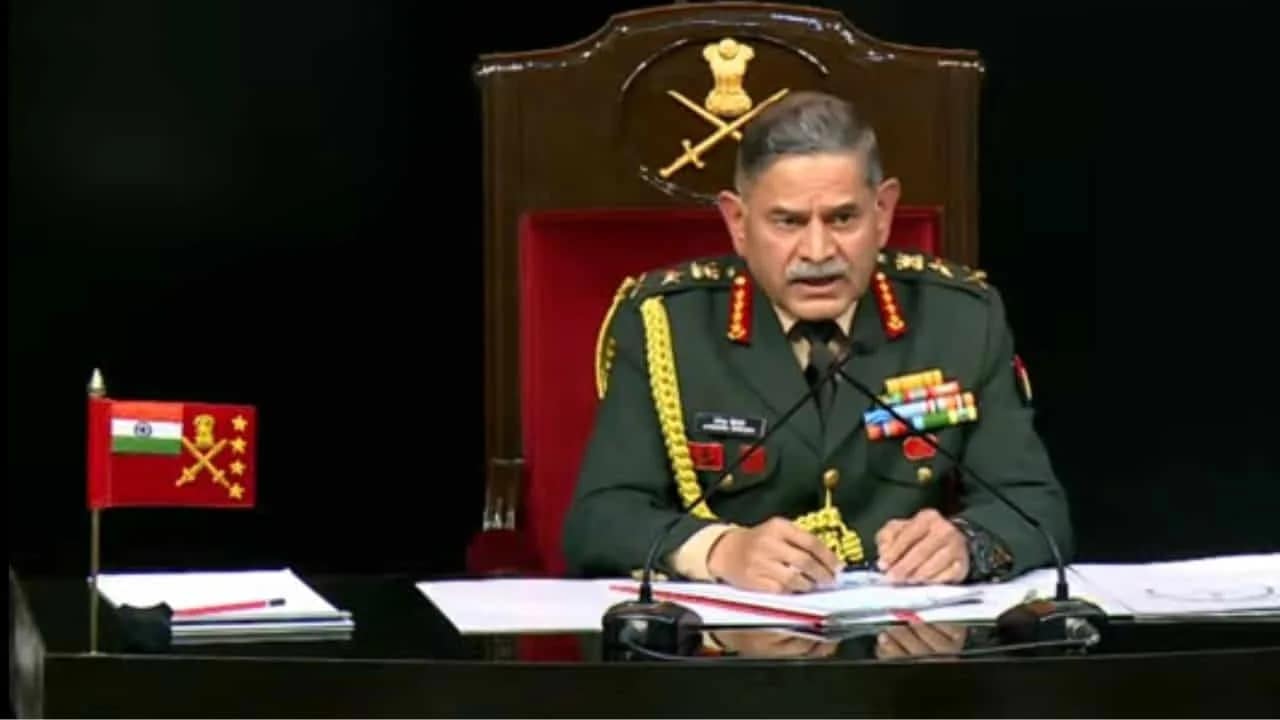
Addressing the Indian Army’s annual press conference, the Army Chief said these camps remain a serious security concern despite Pakistan’s repeated claims of having dismantled terrorist infrastructure. “These are not abandoned facilities. They are active camps with regular movement and training activity. The numbers fluctuate, but on average, 100–150 terrorists are present in these camps,” he said.
General #UpendraDwivedi, Chief of the Army Staff, will brief the media on the Indian Army’s key achievements in 2025 and outline priorities for 2026.
Stay tuned for all the latest updates. @adgpi pic.twitter.com/viZlDfBMtR— Raksha Samachar | रक्षा समाचार 🇮🇳 (@RakshaSamachar) January 13, 2026
Out of approximately eight such camps, two are situated opposite the International Border (IB), and six are opposite the Line of Control (LC). The Army believes these camps still host some form of presence or training activities. Consequently, the Army is closely monitoring these locations, gathering intelligence, and has stated its intention to take action if any renewed hostile activities originate from them.
General Dwivedi underlined that the Army is maintaining a strict vigil along the Line of Control (LoC) and hinterland areas to prevent infiltration attempts. He said intelligence-based operations and a strengthened counter-infiltration grid have ensured that most attempts to push terrorists into Jammu and Kashmir are being foiled. “Our surveillance is continuous on the ground and through technical means. Infiltration bids are detected early and neutralised,” he noted.
Providing details on recent aerial threats, the Army Chief confirmed that a drone was spotted along the border, an issue that was formally taken up during DGMO-level talks with Pakistan. “We flagged the drone incident through established military channels. Such activities violate existing understandings and are being closely monitored,” he said, indicating that unmanned aerial systems are increasingly being used to aid infiltration and smuggling of arms.
On the internal security situation in Jammu and Kashmir, General Dwivedi said sustained counter-terror operations have resulted in a decline in local recruitment, though foreign terrorists continue to be pushed in from across the border. “The ecosystem that supports terrorism is under pressure, but it has not collapsed. That is why constant vigilance is essential,” he said.
On preparedness, General Dwivedi said the Indian Army is fully ready to deal with both conventional and asymmetric threats. He highlighted the increasing use of technology, including counter-drone systems, precision weapons and enhanced surveillance, to counter evolving terror tactics.