Home Blog Page 5 of 5

How powerful is the BRICS of 11 countries to leave behind G-7, what is changing the power balance of the world, how big are the challenges?

BRICS Summit 2026
BRICS at 20: How the Bloc Became a Global Economic Powerhouse and the Challenges It Faces Ahead.

BRICS Summit 2026: India is going to host the 18th BRICS Summit in New Delhi on September 12 and 13. This conference is happening at a time when BRICS is completing 20 years of its establishment. The platform has no longer been a group of economic cooperation, but has become an important platform to discuss global politics, business, finance and multipolar world order.

This group started from Brazil, Russia, India and China today has reached 11 member countries. In recent years, the inclusion of countries such as Egypt, Ethiopia, Iran, Saudi Arabia, the United Arab Emirates and Indonesia has increased its global presence and growth. In such a question, whether the BRICS is sustained on its core objectives or the changing geopolitical conditions have erected new challenges in front of it.

BRICS Summit 2026: India hosting 4th time BRICS

This time the Summit is being organized in India Pavilion. India from Brazil on 1st January 2026 BRICS The presidency was handled. It is the fourth time India is chairing this organization. Earlier in 2012, 2016 and 2021, India has taken this responsibility.

The theme of the Summit is "Building for Resilience, Innovation, Cooperation and Sustainability". It aims to strengthen cooperation, economic development and multilateral arrangements between changing global conditions.

G-7 has left behind BRICS

The share of BRICS countries has grown rapidly in the global economy over two decades. The joint share of Brazil, Russia, India and China in the year 2000 was about 23 per cent of the global GDP (percheating power parity). At the same time G-7 countries share was about 52 per cent.

But the picture changed by 2024. The 11-member extended BRICS group began to hold about 36.8 percent stake of the global GDP, while the G-7 share came below 29 percent. This change reflects the change in the center of economic strength of the world.

Though there is still a big difference in terms of income per person. The average per person in G-7 countries is about 53 thousand dollars, while in BRICS countries it is around $8,200. This means the strength of BRICS mainly comes from its vast population, natural resources, and large markets. (BRICS Summit 2026)

How did the BRICS begin?

BRICS started as BRIC in 2006. At that time Brazil, Russia, India and China were being seen as the rapidly growing economies of the future. Later held the first brick summit in the city of Yekaterinburg, Russia in 2009.

South Africa joined the year 2010 and the group name became BRICS. It was then made a member to Egypt, Ethiopia, Iran, Saudi Arabia and UAE in 2024. Indonesia also became a full member in January 2025.

Today this group represents the world’s large emerging economies and presents itself as a voice of global South i.e. developing countries. (BRICS Summit 2026)

Global institutions demand improvements

Since the establishment of BRICS, it has been a major demand that international institutions have been improved. UN, International Currency Fund The impact of Western countries is considered higher today in institutions like IMF and World Bank.

BRICS countries argue that the world’s economic and political power has changed does not appear in these entities. Due to this, the group has been seeking greater representation, financial reform and multipolar world order. (BRICS Summit 2026)

India’s strategy: active role on all forums

Joining India’s BRICS is considered part of its comprehensive strategic policy. New Delhi is simultaneously active in forums like BRICS, G-20, Quad and Shanghai Cooperation Organization.

India adopts the policy to pursue its interests on different forums without being part of a military alliance. This is why India is playing a key role in BRICS.

During the BRICS conference in New Delhi in 2012, India had proposed to build a development bank. Later this proposal came out as New Development Bank (NDB). (BRICS Summit 2026)

Increasing Role of New Development Bank

The New Development Bank established by BRICS countries today is counted in the largest institutional achievements of the group.

By the middle of 2026, the bank had approved about 141 projects, with a total price of about 44 billion dollars. The relationship of these projects is associated with infrastructure, energy, transportation and sustainable development.

India considers this bank an important medium of financial cooperation for developing countries. (BRICS Summit 2026)

But the differences growing within the BRICS

The increasing strength of the BRICS as well as the differences within it begin to emerge. The biggest difference is what the basic objective of the group should be.

china And Russia see the BRICS as a substitute for the Western influence and the US-led arrangement. Both countries consider it a platform to change global power balance.

China believes that "Global South" in the expansion of BRICS will strengthen the voice of developing countries. While Russia, the Western sanctions and swift payment system considers BRICS as a key platform for economic cooperation and business.

India and Brazil have different views on the other hand. India and Brazil consider BRICS a platform mainly associated with economic growth, trade, investment, and global economic reform. They do not see it as a political or strategic alliance.

The difference has been opened on multiple occasions. As an example Russia had suggested to do in the oil payment yuan from India in 2023, but India preferred the payment in dollars and rupees.

According to experts, India adopts the policy of "Multi-Linement". This means that India remains together a member of several international groups and does not go into one of the consignments. That is why India is active in different forums such as BRICS, G-20, Quad and Shanghai Cooperation Organization (SCO), but not part of a military alliance. (BRICS Summit 2026)

Iran and UAE raise new challenge

Geopolitical challenges have also grown within the group after the expansion of BRICS. The example of the BRICS Foreign Ministers meeting in New Delhi in May 2026.

During the meeting, members cannot agree on the Joint Declaration Form. Its main reasons were differences between Iran and the UAE. Both countries are members of the same group, but their views on many issues of West Asia are different.

India had to issue a chair statement as host country, stating that there are different views about the state of West Asia between a few member countries.

The event showed that making consensus with increasing the number of member countries has become more difficult than before. (BRICS Summit 2026)

Try to make distances from dollars

BRICS has long been discussed about reducing the dollar dependence between countries. Though the idea of creating a shared BRICS currency is not found to proceed at the moment. It is because US President Donald Trump warned that the dollar could take 100 percent of tariffs when it comes to new currency.

Instead, members are focusing on increasing trade in their national currencies.

Russia and China are now disposing bilateral trades over 90 percent in rubles and yuan. A large amount of payments between India and Russia have been made in national currencies.

Rupee-Dirham Payment System is applicable from July 2023 between India and UAE. While India and Indonesia launched the Rupee-Rupia payment system in July 2026. (BRICS Summit 2026)

Focus on BRICS Pay System

The BRICS Pay system is also the key topic of discussion at the summit of 2026. The purpose of this system is to connect the payment network of member countries to mutually.

It plans to include SPFS, China’s CIPS, India’s UPI and Brazil’s Picks Network. Business payments between member countries can be made without relying on dollar based banking channels.

India considers interoperable central bank digital currency and digital payment cooperation more practical options in this direction. (BRICS Summit 2026)

Worldview on the New Delhi Summit

The 18th BRICS Summit in New Delhi is happening at a time when many issues such as West Asia, Russia-Ukraine conflict and global economic uncertainty are in front of the world.

The conference is expected to discuss topics such as strengthening the supply chain, improving global financial institutions, increasing the role of New Development Bank and trade expansion between member countries.

India’s focus focuses on practical areas such as digital public infrastructure, climate finance, health cooperation, supply of vital minerals, local currency payments and connectivity. (BRICS Summit 2026)

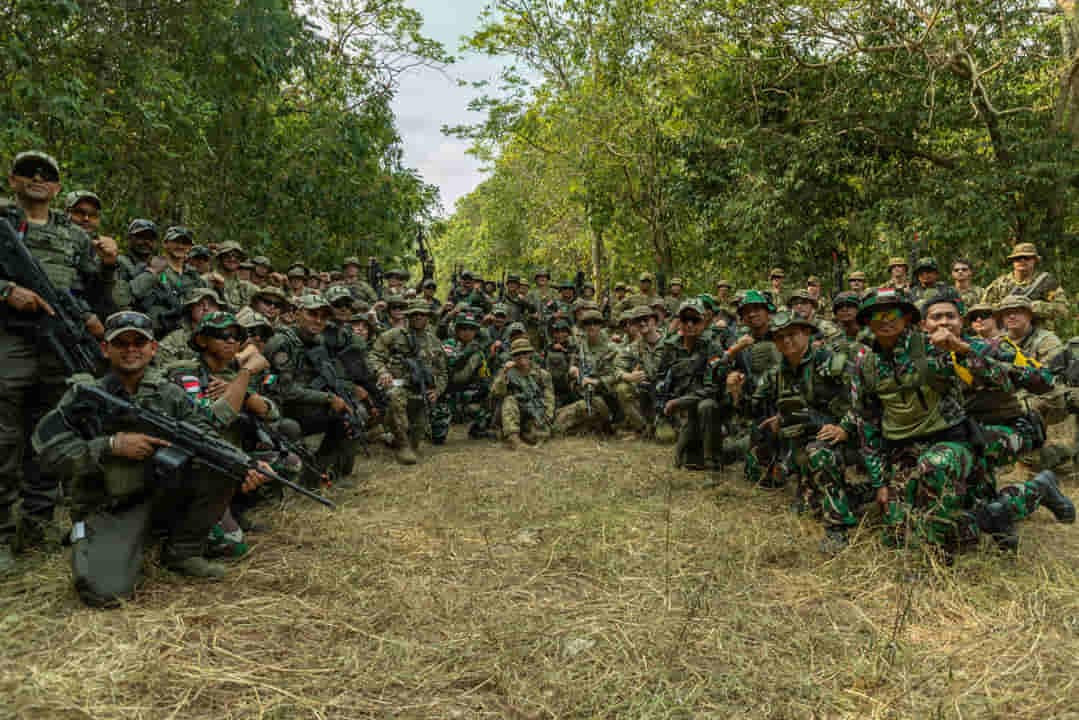
Super Garuda Shield took 21 countries including Airborne Jump, America, Japan and France for the first time in 2026 by Para SF Seals of the Indian Army

Super Garuda Shield 2026
© 2019 International Military Exercise in Indonesia. All rights reserved.

Super Garuda Shield 2026: Multinational Military Practice Super Garuda Shield running 2026 in Indonesia these days. India is actively involved for the first time in this exercise. India has first sent the seals of its Special Forces in this exercise. This large military exercise conducted from 31 August to 11 September has taken a total of 4,743 soldiers from 21 countries.

According to the official news agency Antrara and military sources of Indonesia, 40 para truopers of the Indian Army participated in the Airborne Jump and Firing Practice.

This exercise indonesia The Army of TNI (Tantaara National Indonesia) and is being held in collaboration with the U.S. Indo-Pacific command. The objective is to enhance rapport among the forces of different countries, strengthen operational radiance and develop the ability to deal with regional security challenges.

Super Garuda Shield 2026: 21 countries soldier on a platform

According to Antara, this year’s Super Garuda Shield includes the soldiers of Indonesia, America, Australia, India, Japan, France, Germany, UK, Canada, South Korea, Singapore, Thailand, Vietnam and other countries.

Super garland shield is held every year. This time 4,743 soldiers from 21 countries are participating in 12 different training activities. The practice is being conducted in the intersection areas of Indonesia’s Bandung, Jakarta, Lampung, South Sumatra and North Kalmantan. It will be concluded on September 11, in Jakarta.

Active Partnership of India

50th Independent in this exercise on behalf of India as per sources Para Special Force (Para SF) youths are included. This participation is therefore being considered important as India’s role on the first several occasions was either extremely limited or observed.

But this time Indian soldiers took part directly in Operational Training. Indian para trupars jumped parachute with soldiers from other countries in the airborne drill held at the Kauraja Combat Training Centre of South Sumatra. (Super Garuda Shield 2026)

Super Garuda Shield 2026
© Copyright 2004 - 2017 Keystone Multinational Military Exercise of TNI. All Rights Reserved. Copyright © 2018 Anatara. All rights reserved.

Contains 40 paratroopers of India

According to Antrara Airborne Training Included the soldiers of Indonesia, America, India, Japan and France. The exercise took part in Indonesia’s 110, US’s 147, 40 of India, 17 of Japan and 6 paratroopers from France.

The seals jumped the static line from the C-130 Hercules plane to the height of 1,200 ft. Meanwhile, two Hercules aircraft of Indonesian Air Force and three Hercules aircraft of the American Air Force were deployed.

"This training aims to strengthen the safe and accurate airborne operation capacity of the paratroopers of different countries," according to TNI. ""

During this exercise, the ability to chordinate the processes of various forces with each other and drive joint campaigns were also tested. (Super Garuda Shield 2026)

Indian Para SF also took part in the firing drill

In addition to the airborne operation, Indian troops also participated in the Soaf Flat Range Advance Shooting Practice. This exercise was conducted in the Martapur-based firing range of South Sumatra.

According to the formulas this drill included a total of 270 soldiers. These included 110 soldiers from Indonesia, 80 soldiers from the US, 45 soldiers from New Zealand and 40 para SF commando of India.

The exercise was aimed at enhancing the warship and interoperability of the forces of different countries. Complete training successfully completed as per officers. (Super Garuda Shield 2026)

Thrust on Cyber, Air Assault and Live Fire Training

Super garland shield 2026 is not limited only to ground war exercises. It includes several modules such as cybersecurity, command and control, air asault, jungle warfare, Urban operation, Medical Evacuation and Disaster Relief.

According to TNI, Indonesia’s cyber unit was established only three years ago. The combined cyber practice with other countries in such a is providing an important opportunity to share experiences and develop competencies. (Super Garuda Shield 2026)

Super Garuda Shield 2026
© Copyright 2004 - 2017 Keystone Multinational Military Exercise of TNI. All Rights Reserved. Copyright © 2018 Anatara. All rights reserved.

Humanitarian assistance and disaster relief also part of practice

The HADR (Humanitarian Assistance and Disaster Relief) activities have also been prominent in the exercise. Special trainings involving natural disaster response are being conducted in the northern Kalmantan area.

The Indonesian army says that modern security challenges are not limited to only military conflicts. The role of forces is constantly increasing in natural disasters and humanitarian crises. This is why relief and rescue campaigns are part of the training program. (Super Garuda Shield 2026)

Starting in 2007 Gurora Shield

Super Garuda Shield started in 2007. Bilateral called Garuda Shield Practice as it was. At that time only Indonesia and America took part.

It was expanded in later years and covers many countries. It was then named Super Garuda Shield. It is now Gini in the largest multinational military exercises in the Indo-Pacific region. (Super Garuda Shield 2026)

According to Antrara, Indonesia considers this exercise as a platform for regional stability, safety and defence diplomacy. This exercise is the important part of Indonesia’s defence diplomacy to maintain peace, safety and stability in the Indo-Pacific region. (Super Garuda Shield 2026)

India-US largest "war practice", first deployed US MLIDS system from LAC to 95 km

Yudh Abhyas 2026
Copyright © 2019 Apache Helicopters. All Rights Reserved.

Yudh Abhyas 2026: The annual joint military exercise between the forces of India and the US started-2026. It is the 22nd edition of the largest bilateral military exercise occurring between the two countries. The practice of this time is being considered to be special in many ways, as for the first time it covers high-altitude operation, Desert Warfare, Apache Attack Helicopter, Multi-Domain Long-Range Fire System and American Mobile Counter-Drone System in the same practice.

This joint exercise will last from September 9 to September 28. It takes about 700 soldiers from the forces of India and America. Nearly 350-350 seals have been deployed on behalf of both countries.

Yudh Abhyas 2026: Two different battlefields will have practice

The same version for the first time in accordance with the formulas covers both hills and deserts. The first is Auli, Uttarakhand, which is located at a height of about 2,500 meters from the sea level. It is considered about 95 kilometres away from the Ilaka real control line (LAC). The region has become significant for the high-altitude operation of the Indian Army after the India-China military tension of 2020.

Second Ilaka in Rajasthan Mahajan Field Firing Range is. It is included in India’s largest live-fire training range and is located near Pakistan border. Here are mechanized operations, artillery firing, air-ground coordination, and massive maneuvers.

The two forces in this year’s practice are training in modern military areas such as high-altitude operation, desert war, counter-drone technology, digital fire control and combined command systems. (Yudh Abhyas 2026)

Third Multi-Domain Task Force Taking Part

11th in this exercise on behalf of the American Army Airborne Division The soldiers are involved. This unit is positioned in the Fort Venerite of Alaska and is considered trained for war operation under Arctic conditions.

The trained soldiers in the Arctic region will experience joint campaigns in difficult situations, both training in India’s height areas.

The American Army Third Multi-Domain Task Force (3MDTF) is also part of this exercise. The unit works on modern war capabilities such as Cyber, Space, Information and Long-Range Precision Fire, not only the traditional military campaign. (Yudh Abhyas 2026)

US MLIDS system deployed in India for the first time

War exercisesThe most important in -2026 is the American MLIDS (Mobile Low, Slow, Small Unmaned Aircraft Integrated Defit System), which has been deployed operational in an exercise for the first time in India.

This is a mobile counter-drone system, developed to identify and destroy small, low altitude and low-speed flying drones.

This system consists of radar, electro-optical sensor, infrared sensor, electronic warfare equipment and wastage system. This system is extremely important in view of drone threats in the modern war.

The U.S. Army has also used this system in some areas of the first Romania and the Middle East.

Focus on Apache Helicopter and Long-Range Fire System

AH-64 Apache Attack Helicopters are also instrumental in this year’s war exercises. These will be used in Close Air Support and Precision Strike Missions.

Also, the rocket and artillery system of the Indian and the US Army are being given special attention to connecting through the digital network.

American 3MDTF is known for long-range precision fire capabilities. The process of sharing of target information during practice and running a joint fire mission will be carried out.

According to sources, it is part of the concept of the modern war in which many weapons work on a shared digital network. (Yudh Abhyas 2026)

The command post and live firing will be the main attraction

War practice-2026 includes both command post exercise and field training exercise. The officers of both forces in the command post phase will work on various aspects of joint planning, decision process and war operation.

After this, the soldiers in the field training phase will practice running joint campaigns under real circumstances.

The practice will be concluded with the Combined Live-Fire Demostation. It will attack the target by getting Indian and American rockets, artillery and other veneer systems. (Yudh Abhyas 2026)

US Ambassador Sergio Gor said

"The war exercises show how strong India and America’s defence partnership has been," said US Ambassador Sergio Gor in India. Our soldiers are learning from each other, taking training with and developing trust that makes both countries more secure. ""

While the Deputy Commanding General of the U.S. Army Pacific Region, Lt. General Joel ‘JB’ Vowell said, "The battle is a platform to build practice trust, share expertise and reflect our commitment to free and open indo-Pacific. Our partnership with Indian Army is becoming stronger every year. "Yudh Abhyas 2026)

War exercises released from 2004

The war exercise was started in 2004. In the early years, its main objective was to enhance cooperation in counter-insurance and peacekeeping operations.

This exercise develops continuously over time. Now it covers multi-domain operation, drone anti-capacities, long-range fire system, digital command network and modern war techniques.

The edition, which took place in the Mahajan of Rajasthan in 2024, was demonstrated by Hemmers, Pinaca, M-777 Hawaitzer, Apache and other weapon systems. While 2025 was practiced in Alaska, the Indian Army personnel had taken training in all-arctic conditions. (Yudh Abhyas 2026)

Explainer: Why are Putin repeatedly offering Su-57 to India? Yet why not New Delhi is interested in showing, because

Su-57 Fighter Jet India
Why is Russia repeatedly offering the Su-57 Stealth Fighter to India? Generated Image

Su-57 Fighter Jet India: Russia’s President Vladimir Putin is once again offering India the most modern Fifth Generation Steelth Fighter Jet Su-57. Kremlin has cleaned up before the proposed bilateral meeting of Prime Minister Narendra Modi and Putin on September 11, that the issue of defence cooperation and Su-57 fighter aircraft will continue to join the agenda of negotiation.

While Russia is also giving terms such as technology transfer, production and further development in India with Su-57. Even though the cold stance is being adopted on behalf of India. What is the reason behind it?

Su-57 Fighter Jet India: Before the BRICS Summit then Kremlin made Su-57 referring

18th to be held in New Delhi on 12-13 September 2026 BRICS Su-57 is once again discussed before the summit. During a program on September 8, just before this meeting, Kremlin spokesperson said in a virtual briefing with Indian media that Su-57 is one of the world’s most advanced fighter jets and continues to discuss between the two countries on this topic. Peskov said that the issue of sale of Su-57 fighter aircraft to India is included in the agenda of the bilateral meeting of the President Vladimir Putin and Prime Minister Narendra Modi on September 11.

"Su-57 is one of the best and most sophisticated fighter jets in the world. India is involved in the topics of discussion in the meeting of both its sales leaders. ""

"Every country wants to keep its new and complex military techniques to themselves," Peskov said. But with India, our advances are strategic relations, so we will discuss the possibility that this technique can be given to India. ""

Putin own offers

During the St. Petersburg International Economic Forum in June 2026, President Putin had said in a conversation with Indian media, "We proposed Indian friends to jointly develop this aircraft of the fifth generation. I think it is one of the best aircraft in the world. Indian friends said they would consider this. ""

He added that theoretically it could be the combined product of Russia-India, but Russia developed it alone. Now they are ready to work with India, supply aircraft and develop further. There will be no blockade.

Putin also said that Russia is willing to provide air supply to India, share technology, and partner in further development. He stressed that there will be no restriction on this cooperation.

Putin not the export version of India, but the whole Su-57 Family offers. Including two seats Su-57D, which has been the first flight test in May 2026. (Su-57 Fighter Jet India)

Starting in 2007 Jointfighter Program

In 2007, both countries launched the Fifth Generationfighter Aircraft (FGFA) program. The project was based on the Su-57 platform. India wanted him to access key technologies related to design, engine, avionics and steelth technology. But the cost of the project over time increased and the differences began to come up with technical issues.

करीब एक दशक तक चली बातचीत के बाद तत्कालीन नरेंद्र मोदी सरकार ने 2018 में इस कार्यक्रम से खुद को अलग कर लिया। इसके बाद रूस ने सु-57 को अपने दम पर डेवलप किया और उसे रूसी एयरोस्पेस फोर्सेज में शामिल करना शुरू कर दिया।

वहीं, अब रूस पुरानी साझेदारी को पुनर्जीवित करने की कोशिश कर रहा है। प्रस्ताव में फुल टेक्नोलॉजी ट्रांसफर, सोर्स कोड तक पहुंच, भारत में लाइसेंस के तहत उत्पादन, दो सीटों वाला वेरिएंट और भारतीय हथियारों का इंटीग्रेशन शामिल है। (Su-57 Fighter Jet India)

रूस के लिए भारत क्यों है इतना महत्वपूर्ण?

रूस की सु-57 बेचने की कोशिश के पीछे आर्थिक और रणनीतिक दोनों कारण हैं। दरअसल यूक्रेन युद्ध के बाद रूस पर पश्चिमी देशों के प्रतिबंध बढ़े हैं। इससे रूसी रक्षा उद्योग को झटका लगा है। कई पारंपरिक ग्राहक देश पश्चिमी दबाव और वित्तीय प्रतिबंधों के चलते रूसी हथियार नहीं खरीद रहे हैं।

ऐसे माहौल में भारत रूस का सबसे बड़ा और सबसे भरोसेमंद रक्षा साझेदार बना हुआ है। भारतीय सेना, नौसेना और वायुसेना के पास आज भी बड़ी संख्या में रूसी मूल के प्लेटफॉर्म मौजूद हैं।

सु-30एमकेआई इसका सबसे बड़ा उदाहरण है। हिंदुस्तान एयरोनॉटिक्स लिमिटेड ने नासिक में लाइसेंस के तहत लगभग 222 Su-30MKI बनाए हैं। वायुसेना के कुल बेड़े में करीब 260 सु-30एमकेआई हैं इनमें से लगभग 50 विमान रूस में बनकर सीधे भारत आए थे। रूस चाहता है कि एचएएल के इसी इन्फ्रास्ट्रक्चर का इस्तेमाल सु-57 के लिए भी किया जाए। इसके लिए रूस ने सितंबर 2025 में सु-57 के संभावित भारतीय उत्पादन का जायजा लेने के लिए एक तकनीकी टीम एचएएल के प्लांटों पर भेजी थी। जिनमें सुखोई डिजाइन ब्यूरो के प्रतिनिधि और अन्य रूसी रक्षा कंपनियों के इंजीनियर व अधिकारी शामिल थे।

अक्टूबर-नवंबर 2025 में टीम ने एचएएल को रिपोर्ट सौंपी। जिसमें लिखा था कि एचएएल के पास सु-57 बनाने की करीब 50 प्रतिशत क्षमता पहले से मौजूद है। नासिक की सु-30एमकेआई लाइन को थोड़े बदलाव से सु-57 के लिए इस्तेमाल किया जा सकता है। बाकी 50 प्रतिशत के लिए नई टूलिंग, स्टील्थ कोटिंग, कंपोजिट और सेंसर फ्यूजन लैब की जरूरत बताई थी। खुद तत्कालीन एचएएल चेयरमैन डी.के. सुनील ने इसकी पुष्टि भी की थी। (Su-57 Fighter Jet India)

सु-57 पर भारत ने जताई थीं ये आपत्तियां?

सु-57 रूस का पहला ऑपरेशनल फिफ्थ जेनरेशन स्टील्थ फाइटर है। इसे अमेरिकी एफ-22 रैप्टर और एफ-35 के मुकाबले डेवलप किया गया है। इस विमान में स्टील्थ डिजाइन, सुपरक्रूज क्षमता, एडवांस्ड रडार, इंटीग्रेटेड सेंसर सिस्टम और लंबी दूरी की एयर-टू-एयर तथा एयर-टू-ग्राउंड मिसाइलें शामिल हैं।

विमान में आर्टिफिशियल इंटेलिजेंस आधारित कुछ सिस्टम, इंटरनल वेपन बे और नेटवर्क-सेंट्रिक वॉरफेयर क्षमताएं भी जोड़ी गई हैं। हालांकि कई रक्षा विशेषज्ञ इसकी स्टील्थ क्षमता को अमेरिकी एफ-35 या एफ-22 के बराबर नहीं मानते। यही वजह है कि भारत ने पहले भी इसके कुछ तकनीकी पहलुओं पर सवाल उठाए थे।

भारतीय वायुसेना की सबसे बड़ा आपत्ति यही थी। आईएएफ का मानना था कि सु-57 (तब टी-50/पीएके एफए) की रडार क्रॉस सेक्शन पांचवीं पीढ़ी के मानकों पर खरी नहीं उतरती। फ्रंट से कुछ हद तक स्टील्थ है, लेकिन साइड और रियर से रडार सिग्नेचर ज्यादा है। आईएएफ ने प्रोटोटाइप देखने के बाद 40 से ज्यादा बदलाव मांगे थे, जिनमें स्टील्थ सुधार प्रमुख था। जबकि रूस का कहना था विमान उसकी जरूरतों के हिसाब से ठीक है।

साथ ही तब विमान में एएल-41एफ1 इंजन था (सु-35 वाला एडवांस वर्जन) और नया इज्देलिये-30 इंजन तैयार नहीं था। आईएएफ को सुपरक्रूज (आफ्टरबर्नर के बिना सुपरसोनिक उड़ान) चाहिए थी, जो उस इंजन से पूरी नहीं हो रही थी। इंजन की विश्वसनीयता और रखरखाव पर भी सवाल थे।

वहीं, भारत चाहता था कि वह आगे विमान खुद अपग्रेड कर सके। इसके लिए सोर्स कोड और डिजाइन डेटा चाहिए था। जबकि रूस इसे देने को तैयार नहीं था। एचएएल और डीआरडीओ को रूसी आरएंडडी सुविधाओं तक पर्याप्त पहुंच नहीं मिली थी और काम का बंटवारा भी भारत के पक्ष में कम था।

फिफ्थ जेनरेशन फाइटर एयरक्राफ्ट के शुरुआती डिजाइन पर भारत ने करीब 295 मिलियन डॉलर खर्च किए थे। जबकि आगे पूरा कार्यक्रम अरबों डॉलर का हो रहा था। जिससे प्रति विमान कीमत 150-200 मिलियन डॉलर तक पहुंच रही थीं। (Su-57 Fighter Jet India)

रूस जानता है भारतीय वायुसेना को चाहिए फाइटर जेट्स

भारतीय वायुसेना लंबे समय से स्क्वाड्रन की कमी का सामना कर रही है। वायुसेना की जरूरत 42 स्क्वाड्रन की है, जबकि मौजूदा संख्या लगभग 29 से 31 स्क्वाड्रन के बीच है। पुराने मिग-21 रिटायर हो चुके हैं। 2035 तक भारतीय वायुसेना के सामने सिर्फ मौजूदा स्क्वाड्रन की कमी पूरी करने की चुनौती नहीं होगी, बल्कि बड़ी संख्या में पुराने लड़ाकू विमानों को बदलने की जरूरत भी पड़ेगी।

भारतीय वायुसेना के पास जगुआर फाइटर जेट के करीब 6 स्क्वाड्रन हैं, यानी लगभग 110-120 विमान। इनकी रिटायरमेंट 2028 से शुरू होने की संभावना है। इसके बाद मिग-29 के करीब 3 स्क्वाड्रन हैं, जिनके 2030 के दशक के मध्य तक सेवा से बाहर होने की उम्मीद है। वहीं मिराज-2000 बेड़े के करीब 3 स्क्वाड्रन भी 2030 के दशक के मध्य से अंत तक रिटायरमेंट होने शुरू हो जाएंगे। मिराज-2000 को हाल के सालों में अपग्रेड जरूर किया गया है, लेकिन उनकी उम्र भी धीरे-धीरे पूरी हो रही है।

इस तरह देखें तो 2035 तक जगुआर, मिग-29 और मिराज-2000 मिलाकर लगभग 12 फाइटर स्क्वाड्रन भारतीय वायुसेना से बाहर हो सकते हैं।

यही वजह है कि कई विशेषज्ञ मानते हैं कि भारत को किसी फिफ्थ जेनरेशन फाइटर की जरूरत है। चीन पहले से जे-20 स्टील्थ फाइटर का संचालन कर रहा है। वहीं पाकिस्तान भी चीनी जे-35 खरीदने की तैयारी कर रहा है। (Su-57 Fighter Jet India)

What is रूस का “स्टॉप-गैप” तर्क?

रूस का कहना है कि एएमसीए को पूरी तरह सेवा में आने में अभी लगभग 8 से 10 साल लग सकते हैं। इस बीच क्षेत्रीय सुरक्षा माहौल तेजी से बदल रहा है। भारत के पास फिलहाल कोई ऑपरेशनल स्टील्थ फाइटर नहीं है।

तेजस एमके-1ए के 180 विमानों का ऑर्डर दिया जा चुका है। इनका इंडक्शन 2026-27 से शुरू होगा, लेकिन सभी विमान वायुसेना को मिलने में 2030 के दशक के मध्य तक का समय लग सकता है। इसके बाद तेजस एमके-2 कार्यक्रम है। लगभग 120 विमानों की योजना पर काम चल रहा है, लेकिन इसका बड़े पैमाने पर उत्पादन 2030 के दशक के मध्य में शुरू होने की उम्मीद है।

भारत 114 नए लड़ाकू विमानों की की डिलीवरी भी कई वर्षों में चरणबद्ध तरीके से होगी और इसका बड़ा हिस्सा “मेक इन इंडिया” मॉडल के तहत तैयार किया जाएगा।

जबकि एएमसीए अभी डेवलपमेंट फेज में है। इसकी पहली उड़ान लगभग 2029 के आसपास होने की उम्मीद है, जबकि पहली स्क्वाड्रन 2034-35 से पहले ऑपरेशनल नहीं हो पाएगी।

यही वजह है कि 2030 से 2035 के बीच भी स्क्वाड्रन संख्या में एक बड़ा अंतर बना रह सकता है।

रूस का तर्क है कि यदि भारत अभी 36 से 40 सु-57 स्टील्थ फाइटर खरीदता है, तो लगभग दो स्क्वाड्रन 2028 से 2032 के बीच सर्विस में आ सकती हैं। इससे वायुसेना को अस्थायी राहत मिलेगी और एएमसीए के आने तक स्टील्थ क्षमता भी मिल जाएगी। (Su-57 Fighter Jet India)

भारत क्यों नहीं दिखा रहा उत्साह?

भारत का सबसे बड़ा फोकस इस समय तेजस एमके-1ए, तेजस एमके-2 और सबसे महत्वपूर्ण एएमसीए (एडवांस्ड मीडियम कॉम्बैट एयरक्राफ्ट) स्वदेशी लड़ाकू विमान कार्यक्रमों पर है। जुलाई 2026 में रक्षा सचिव राजेश कुमार सिंह ने भी संकेत दिया था कि नई सुखोई-57 खरीदने की फिलहाल कोई योजना नहीं है और मौजूदा सु-30एमकेआई के अपग्रेड का काम जारी रहेगा और देश स्वदेशी कार्यक्रमों पर ध्यान केंद्रित करेगा। खुद वायुसेना के टॉप सूत्रों ने भी रक्षा समाचार को पुष्टि की थी कि वायुसेना की सु-57 में कोई दिलचस्पी नहीं है।

वहीं, अमेरिका का CAATSA (Countering America’s Adversaries Through Sanctions Act) कानून रूस से बड़े रक्षा सौदों पर प्रतिबंध लगाने की अनुमति देता है। भारत को एस-400 एयर डिफेंस सिस्टम खरीदने पर अभी तक छूट मिली हुई है। लेकिन किसी नए बड़े सौदे की स्थिति में ट्रंप की प्रतिक्रिया क्या होगी, यह सवाल हमेशा बना रहता है। क्योंकि 2026 में सीनेट में रूस से सैन्य उपकरण खरीदने वाले देशों पर 100 फीसदी कड़े टैरिफ लगाने वाले विधेयक भी पास हुआ।

इसके अलावा फरवरी 2026 में भारत और अमेरिका के बीच व्यापार समझौते को लेकर एक प्रारंभिक स्ट्रक्चर पर सहमति बनी थी। उस समय अमेरिका ने भारत पर लगाए जाने वाले पारस्परिक टैरिफ को 18 प्रतिशत तक कम करने का संकेत दिया था। हालांकि कई दौर की बातचीत के बावजूद यह समझौता अभी तक अंतिम रूप नहीं ले सका है।

भारत की कोशिश है कि उसे अन्य देशों के मुकाबले अधिक अनुकूल और बेहतर व्यापारिक शर्तें मिलें। वहीं अमेरिका की ओर से कुछ कानूनी और नीतिगत प्रक्रियाओं, अतिरिक्त जांच-पड़ताल तथा कृषि क्षेत्र जैसे संवेदनशील मुद्दों पर मतभेद के कारण बातचीत अपेक्षित गति से आगे नहीं बढ़ पाई। इसी वजह से अभी तक यह व्यापार समझौता लंबित है। क्योंकि भारत के बड़े रूसी रक्षा सौदे के चलते अमेरिका के साथ उसके आर्थिक और रणनीतिक संबंध मुश्किल हो सकते हैं।

हालांकि रूस के राष्ट्रपति व्लादिमीर पुतिन भी सार्वजनिक रूप से कह चुके हैं कि बाहरी प्रतिबंधों या दबावों के जरिए देशों के रणनीतिक फैसलों को प्रभावित करना आसान नहीं है। (Su-57 Fighter Jet India)

किन देशों के पास है सु-57?

रूस के पास इस समय लगभग 40 से 44 सु-57 पांचवीं पीढ़ी के स्टील्थ फाइटर विमान हैं। रूसी एयरोस्पेस फोर्सेज इसका सबसे बड़ा ऑपरेटर है। रूस ने कुल 76 प्रोडक्शन सु-57 विमानों का ऑर्डर दिया है, जिनकी डिलीवरी 2028 तक पूरी करने की योजना है।

विदेशी ग्राहकों में अल्जीरिया पहला और फिलहाल एकमात्र पुष्टि किया गया खरीदार है। नवंबर 2025 में उसे पहले दो सु-57ई विमान मिले और 2026 की शुरुआत में ये विमान अल्जीरिया में उड़ान भरते दिखाई दिए। अल्जीरिया का शुरुआती ऑर्डर 12 से 14 विमानों का है।

रूसी कंपनियों का दावा है कि कई अन्य देशों ने भी सु-57ई के लिए कॉन्ट्रैक्ट किए हैं, लेकिन उनके नाम सार्वजनिक नहीं किए गए हैं। कजाकिस्तान, ईरान और उत्तर कोरिया को संभावित ग्राहकों के रूप में देखा जा रहा है, हालांकि इसकी आधिकारिक पुष्टि नहीं हुई है। (Su-57 Fighter Jet India)

Indian army making special CEMA Platoon! The trail will be on the enemy drone, radar and network

Indian Army CEMA Platoons
Indian Army Raises CEMA Platoons to Integrate Cyber and Electronic Warfare Capabilities (AI Generated Image)

Indian Army CEMA Platoons: Jamming the enemy communication network, deactivating the drone, blinding the radar system and cyber attacking the computer network are the key part of the Modern Warfare. The world’s major forces are now preparing new war strategies by adding cyber warfare and electronic warfare together.

While the Indian Army is also preparing to create a Cyber Electromagnetic Activity (CEMA) platform by taking a big step in the same direction, which can simultaneously take action on both digital and electronic fronts in the future Multi-Domain Battlefield.

Although cyberbullying in the military and Electronic Warfare The special units are already operational. But now these abilities are being strengthened more at the Brigade and the command level, so that India gets an edge in the future multi-domain war.

Indian Army CEMA Platoons: What is CEMA and why is required?

CEMA means connecting cyber operations and electromagnetic spectrum operations together. The electromagnetic spectrum includes radio, radar, satellite communication, drone control link and military data network.

If an army has strong CEMA capability, he can disrupt the enemy’s communication line, jam his drone, blunder the radar as well as infiltration into the network via cyber.

The forces such as the U.S., UK and the Netherlands have been working on a strategic level like CEMA Platoon for many years, where cyber and electronic warfare teams support the operation together. The Indian Army is now expanding its capabilities in the same direction and is being developed primarily at the Brigade, Core and Command level and through special cyber and EW units.

Special Seminar in MCTE

An important seminar on Counter-UAS and CEMA (Cyber and Electromagnetic Activities) was held in Mahu-based Military College of Telecommunication Engineering (MCTE) in April 2026.

During this time, the growing role of cyber and electromagnetic dominance was discussed in the modern battlefield. The seminar discussed topics like dealing with drone threats, strengthening electronic warfare capabilities, protecting communication networks, and gaining military edge in cyberspace. Experts emphasized that not only traditional weapons in future wars, but also control over the cyber and electromagnetic spectrum will play a key role in deciding wins and defeats.

Army Suggested Hybrid Warfare Preparations

March 2026 of Parliament Standing Committee on Defence In front of the Indian Army had reported its preparations. The Army had reported that only traditional military operations in the modern hybrid Warfare are not quite, but also cyber, electronic, information and space-based activities play a significant role.

High level of operational preparation is maintained at all active limits as per the Army. It covers regular training, realist field exercise, infrastructure development and new technologies. Indian Army

Operational of Cyber and Electronic Warfare Units

In March 2026, the Indian Army first officially confirmed that the Dedicated Cyber Defense and Electronic Warfare Units have been operationalized. The main work of these units is the security of the military network, avoiding cyber attacks, electronic monitoring and spectrum management.

Secure Communication Networks have also been developed so that commands and control systems are not affected by enemy cyber or electronic action during the war.

The Army Artificial Intelligence is also using data analytics and indigenous techniques to rapidly analyze the status of the Battlefield and help the commanders make better decisions. Indian Army

Special Brigades to Become on China and Pakistan Border

In June 2026, Indian Army decided a big decision to dedicate borders from Pakistan and China Electronic Warfare Brigades The process of installing has begun. The work of these Brigades is to monitor the enemy’s radio communication, radar network, drone link and other electronic systems. These are part of Rudra Brigades.

These Brigades will intercept, track and jam the enemy communication, radar network and UAV when needed. So far, the responsibility of such works is handling the signals units of the Indian Army. But in the new system, they are being prepared as a dedicated offshore electronic warfare force.

Cyber Operation Wing built at command level

The Indian Army has also created command Cyber Operations and Support Wings (CCOSW) in various command headquarters. These wings monitor cyber surveillance, network security and digital threats.

Also, the Information Warfare Organization is being expanded. It aims to combat misinformation, cyber threats and information based campaigns in digital space. Indian Army

Increased focus after operation shifter

The Indian Army has learned that drones, cyber attacks, and electronic warfare can play a decisive role in the future warfare.

That’s why the army now connects the ground, air, cyber, information and space all sectors Multi-Domain Operations Emphasizing.

The purpose is not only to harm the enemy physical, but also to influence his command capacity and decision process. Indian Army

Investment of Rs 5,150 crore on Stream System

In October 2025, the Defence Acquisition Council (DAC) had approved Rs 5,150 crore for upgradation of indigenous streampower electronic warfare systems. The system of DRDO is comprised of companies like India Electronics Limited and L&T in manufacturing the system.

During the Joint Army-Airforce exercise in September 2025, the Statue system had demonstrated the ability to detect and deactivate the UAV threats of the enemy for about 150 km distance.
Also this system provides real-time threet analysis, which helps commanders take decisions immediately. Indian Army

Mobile EW system also included in the army

Rs 1,476 crore has also been contracted with India Electronics Limited. Under this agreement, the Army will get five advanced mobile ground-based electronic warfare systems.

They will be used in frontline and altitude areas where it is important to monitor enemy communication and drone activities.

In addition, the Army is already using indigenous electronic warfare systems such as Hygiene and Hygiene.

Focus on Counter-Drone Grid also

Indian Army has also extended deployment of Integrated Counter-Drone Grids and Electronic Counter-Major System, considering the growing use of drones worldwide. With the help of these systems, they can be deactivated in the detection, tracking and electronic manner of suspected drones. At the same time, the Army is also working on the development of new technologies coupled with indigenous industry and defence research organization. Indian Army

CEMA capability also joining new operations

In 2025, the army had made changes in a large scale. In which new functions such as Rudra Brigade, Bhairav Battalion, Ashni Drone Platoon and Shaktiman Regiment were created.

Infantry, Armoured, Artillery, Engineers, Signals, Air Defense, Drone and Logistics have been integrated in Rudra Brigade.

At the same time these new operations also include cyber and electronic warfare capabilities to achieve real-time infarmation, drone operation and electronic dominance in Battlefield. Indian Army

Multi-Domain War Moving Force

Indian Army, Indian Air Force and Indian Navy are now paying special attention to joint operation. All three forces are working on Joint Operational Planning, Technology Development, Improved Use of Intelligence Resources and Joint Military Doctors.

The Integrated Picture of Battlefield is being prepared by connecting the Air Force Integrated Air Command and Control System.

The CEMA capacity connecting cyber and electronic warfare between the corresponding broader shift has become an important part of the Indian Army’s new battle preparation, where the focus is not only to fight the enemy but to challenge its entire digital and electronic ecosystem. Indian Army

India’s Defense Network, Big Plan to Increase Defence Exports by 2030

India Defence Diplomacy
Copyright © 2019 Expands Global Diplomacy and Defence Export Network. All Rights Reserved.

India Defence Diplomacy: India is now preparing to take its Defence Diplomacy to a new level. Ministry of Defence plans to set up 85 to 90 Defence Wings worldwide by 2030. Now India has around 54 defence wings abroad, while the number will reach 62 after joining the 10 new wings sanctioned in 2024.

Let’s say that the real reason behind creating a defence wing is to enhance India’s growing defence exports, strategic partnerships, maritime security and global impact. Recently on September 3, Defence Minister Rajnath Singh said ‘DefenseThe ‘RAKSHA’ framework was released, which is being the roadmap of India’s defence diplomacy for the next 10 years.

India Defence Diplomacy: ‘Review’ framework is far-thinking?

The Ministry of Defence has not been fully public. It is an internal roadmap designed primarily to guide the officers of Defence Atash (DA), Army, Navy and Air Force deployed in Indian Embassy.

There are four major pillars of this framework. These include strategic partnerships, capacity building, promoting indigenous defence exports and strengthening marine security in the Indian Ocean region.

before Defense Diplomacy Mainly meant military exercises, high-level tours and formal events. But now it is being connected directly to the defence industry, arms export and strategic cooperation.

Large change in the role of defense atlase

भारतीय दूतावासों में तैनात डिफेंस अताशे सेना, नौसेना और वायुसेना के अधिकारी होते हैं। पहले उनकी भूमिका मुख्य रूप से उन देशों के साथ मिलिट्री कॉर्डिनेशन बनाए रखने की होती थी, जहां से भारत हथियार और सैन्य उपकरण खरीदता था।

लेकिन अब सरकार ने उनकी प्राथमिकता बदल दी है। पूर्व चीफ ऑफ डिफेंस स्टाफ जनरल अनिल चौहान ने संसदीय समिति को बताया था कि कई ऐसे देशों से डिफेंस अताशे हटाए या कम किए जा रहे हैं, जहां भारत पहले से हथियार खरीदता रहा है। इसके बदले उन्हें उन देशों में भेजा जा रहा है जहां भारतीय हथियारों और सैन्य प्रणालियों के लिए बाजार मौजूद है।

इसी रणनीति के तहत इथियोपिया, आइवरी कोस्ट, मोजाम्बिक, जिबूती, तंजानिया, पोलैंड, आर्मेनिया और फिलीपींस जैसे देशों में भारतीय डिफेंस अताशे की नियुक्तियां की जा रही हैं।

आर्मेनिया इसका बड़ा उदाहरण है। भारत ने हाल के सालों में वहां पिनाका मल्टी बैरल रॉकेट लॉन्चर, आकाश एयर डिफेंस सिस्टम और गोला-बारूद की सप्लाई की है। इसी वजह से वहां पहली बार भारतीय डिफेंस अताशे की नियुक्ति की गई। (India Defence Diplomacy)

2030 तक 157 देशों तक पहुंच बनाने की योजना

हर देश में अलग डिफेंस विंग खोलना आसान नहीं है। इसके लिए अधिकारियों, कार्यालयों, आवास, सुरक्षा और स्थानीय स्टाफ की जरूरत होती है। इसलिए रक्षा मंत्रालय ने एक अलग मॉडल अपनाया है। भारत का लक्ष्य वर्ष 2030 तक अपने डिफेंस विंग की संख्या बढ़ाकर लगभग 85 से 90 तक पहुंचाना है।

करीब 50 मौजूदा डिफेंस विंग को पड़ोसी देशों की अतिरिक्त जिम्मेदारी दी जा रही है। इसे एक्रीडिटेशन मॉडल कहा जाता है। इसके तहत एक ही डिफेंस अताशे कई देशों को कवर करेगा।

यही वजह है कि 62 डिफेंस विंग होने के बावजूद भारत की पहुंच 157 देशों तक बढ़ाने की योजना बनाई गई है।

12 देशों में प्राथमिकता से खुलेगी नई व्यवस्था

रक्षा मंत्रालय की प्राथमिकताओं में ऐसे 12 देश शामिल हैं जहां पहले से उनके डिफेंस अताशे नई दिल्ली में मौजूद हैं, लेकिन भारत ने अभी तक वहां अपना डिफेंस विंग नहीं खोला है। बता दें कि दिल्ली में करीब 160 से ज्यादा विदेशी मिशन हैं।

इसे “रेसिप्रोकल गैप” कहा जा रहा है। बेल्जियम इसका हालिया उदाहरण है। बेल्जियम ने भारत में अपना डिफेंस प्रतिनिधि तैनात किया हुआ है और अब भारत भी ब्रुसेल्स में अपनी सैन्य उपस्थिति मजबूत करने की तैयारी कर रहा है। (India Defence Diplomacy)

400 करोड़ रुपये का डिफेंस डिप्लोमेसी फंड

भारत ने रक्षा कूटनीति को मजबूत करने के लिए वित्त वर्ष 2025-26 में 400 करोड़ रुपये का विशेष फंड आवंटित किया है। यह रकम पिछले वित्त वर्ष की तुलना में 100 करोड़ रुपये अधिक है।

यह फंड पहली बार 2021-22 में 110 करोड़ के साथ शुरू किया गया था। इसके बाद 2023 में इसे 150 करोड़ किया गया। 2025 में यह बढ़कर 300 करोड़ और अब 400 करोड़ तक पहुंच गया है।

यह पैसा किसी नए हथियार खरीदने के लिए नहीं बल्कि रणनीतिक सहयोग बढ़ाने के लिए इस्तेमाल होता है। (India Defence Diplomacy)

कहां इस्तेमाल होता है यह फंड

यह फंड भारतीय सेना, नौसेना, वायुसेना और अब भारतीय तटरक्षक बल के राजस्व बजट का हिस्सा है। इसका इस्तेमाल मित्र देशों को सैन्य उपकरण, प्रशिक्षण और मदद देने में किया जाता है। अफ्रीका और हिंद महासागर क्षेत्र में भारत कई देशों को गश्ती नौकाएं, राइफल, रडार सिस्टम, वाहन और प्रशिक्षण सुविधाएं उपलब्ध करा चुका है।

केन्या को इंसास राइफलें, गोला-बारूद और एमआरआई मशीन दी गई। मोजाम्बिक को हाई-स्पीड इंटरसेप्टर बोट और ट्रेनिंग सिम्युलेटर मिले है। सेशेल्स को पेट्रोलिंग बोट, डोर्नियर विमान और कोस्टल रडार नेटवर्क दिया गया। जबकि युगांडा को वाहन, मोटरसाइकिल और प्रशिक्षण सुविधाएं उपलब्ध कराई गईं। (India Defence Diplomacy)

रक्षा निर्यात बढ़ाने पर फोकस

भारत ने 2030 तक 50,000 करोड़ रुपये का रक्षा निर्यात लक्ष्य तय किया है। वित्त वर्ष 2025-26 में भारत का रक्षा निर्यात 38,424 करोड़ तक पहुंच गया, जो पिछले साल की तुलना में लगभग 63 फीसदी अधिक था।

दिलचस्प बात यह है कि अमेरिका भारत का सबसे बड़ा ग्राहक बन गया है। हालांकि यहां भारत पूरे हथियार सप्लाई करता है, बल्कि एयरक्राफ्ट स्ट्रक्चर, फ्यूजलेज, विंग और अन्य को-असेंबली का निर्यात करता है।

दूसरी ओर फिलीपींस को ब्रह्मोस सुपरसोनिक क्रूज मिसाइल, आर्मेनिया को पिनाका और आकाश सिस्टम, जबकि कई अफ्रीकी देशों को गश्ती नौकाएं और छोटे हथियार निर्यात किए जा रहे हैं। (India Defence Diplomacy)

डिफेंस क्रेडिट लाइन की डिप्लोमेसी

भारत केवल हथियार ही नहीं बेच रहा, बल्कि कई देशों को रियायती रक्षा ऋण भी उपलब्ध करा रहा है। भारत मैत्री शक्ति योजना और डिफेंस लाइन ऑफ क्रेडिट के तहत मित्र देशों को कम ब्याज दर पर लंबी अवधि के लिए वित्तीय मदद दी जाती है।

वियतनाम को समुद्री सुरक्षा कार्यक्रमों के लिए विशेष सहायता दी गई। मॉरीशस, मालदीव, श्रीलंका और बांग्लादेश को समुद्री निगरानी, हेलीकॉप्टर और सिक्योरिटी इंफ्रास्ट्रक्चर से जुड़ी मदद मिली।

अफ्रीकी देशों में भी डिफेंस सेक्टर से जुड़ी कई क्रेडिट लाइनें ऑपरेट की जा रही हैं। (India Defence Diplomacy)

चीन की बढ़ती मौजूदगी के बीच अपनाई नई रणनीति

रक्षा मंत्रालय की रणनीतिक योजना में यह भी स्पष्ट किया गया है कि भारत वैश्विक स्तर पर अपनी समुद्री और रक्षा उपस्थिति बढ़ाना चाहता है। विशेष रूप से अफ्रीका, प्रशांत द्वीप समूह, लैटिन अमेरिका और हिंद महासागर क्षेत्र में भारत की सक्रियता बढ़ रही है।

चीन से तुलना करें तो भारत का डिफेंस अताशे नेटवर्क अभी भी अपेक्षाकृत छोटा माना जाता है। ऑब्जर्वर रिसर्च फाउंडेशन (ओआरएफ) समेत कई आकलनों के अनुसार, चीन के डिफेंस अताशे और सैन्य प्रतिनिधि करीब 110 देशों में तैनात हैं, जबकि भारत के पास वर्तमान में लगभग 54 से 62 डिफेंस विंग और अताशे नेटवर्क मौजूद है।

जहां चीन पर कई देशों को कर्ज के जाल में फंसाने के आरोप लगते रहे हैं, वहीं भारत अपने मॉडल को “कैपेसिटी बिल्डिंग” यानी क्षमता निर्माण आधारित साझेदारी बताता है। इसके तहत मित्र देशों की सेनाओं को प्रशिक्षण, रक्षा उपकरणों का सहयोग, सैन्य शिक्षा, संयुक्त अभ्यास और संस्थागत क्षमता विकसित करने पर अधिक जोर दिया जाता है। (India Defence Diplomacy)

Large swing in China’s military! The closest to the general of Xi Jinping’s ‘eye and ears’ has been killed

Copyright © 2019 Zhong Shaojun PLA
Xi Jinping’s Trusted Military Aide Zhong Shaojun Removed As Spurge Expands Across Top Ranks.

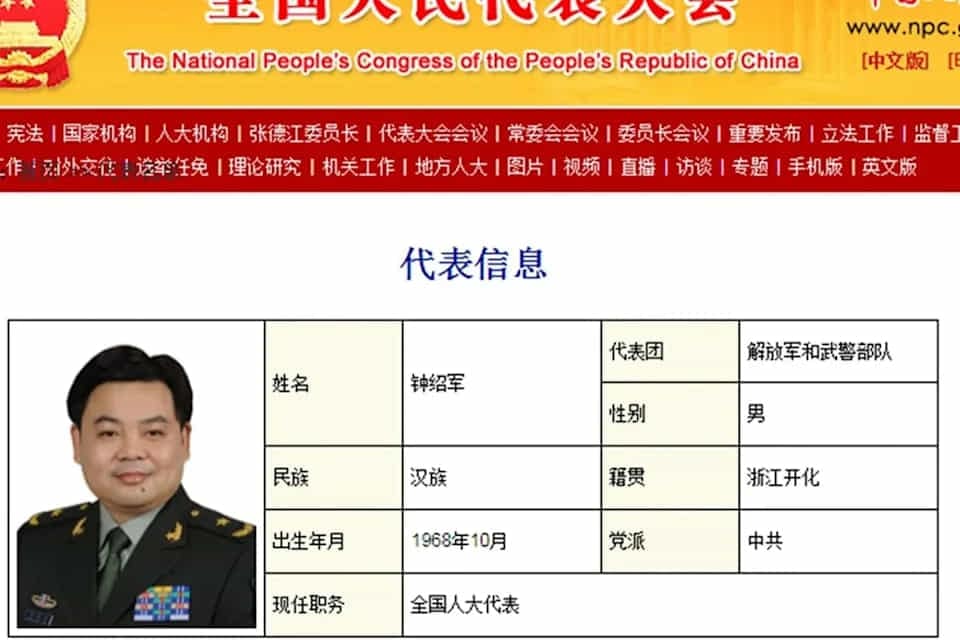
Zhong Shaojun PLA Purge: Ongoing large-scale action in China’s Army People’s Liberation Army (PLA) continues continuously. On August 28, the Standing Committee of China’s National People’s Congress (NPC) announced the removal of several senior military officers from their positions. Among China’s most senior military officers included Zhang Yuxia, Liu Jenli, Xu Kiancheng. But now a shocking name has been revealed, which has also shocked China’s politics and military overlookers. This is the name of Lt. Gen Zong Shaozun. Zhong Shaozun became the closest associate of President Xi Jinping for years, private secretary and his most trusted person within the army.

Where, East Western Theater Commander Zhao Jingaki Also excluded from the Chinese People’s Political Consultative Conference (CPPCC). Zhao Jongki was the same military commander who was handling the command of the Western Theater Command during the Doklam crisis of 2017 and the Galvan conflict of 2020.

Zhong Shaojun PLA Purge: So far 57 under General Investigation

On August 28, the Standing Committee of China’s National People’s Congress (NPC) announced to terminate representative membership of four senior military officers, including Zhong Shaozun. The action has taken place at the time when China’s military has received a check and action against senior officials at the unprecedented level during the last three years. According to reports, 57 generals have either come into the scope of the investigation from 2023 to so far have been removed from the posts or have disappeared from public life.

Who are Zhong Shaozun?

Zhong Shaozun born on 19 October 1968 in China Zhejiang The province took place in Kaihua County. He acquired a bachelor’s degree in the computer application subject from Hongzhou University in 1990. Later masters at Applied Psychology from Zhejiang University and further associated with doctoral studies at the University of Singhua.

Interestingly, Zhong Shaozun’s early career was not in the military but in China’s party and administrative order. They worked in the organization department of Zhejiang Provincial Party Committee. During this time, he was contacted by Zhijiang Party Secretary Xi Jinping. Zhong Shaojun PLA Purge

Starting in 2002 with Xi Jinping Travel

Year 2002 Xi Jinping The party secretary from Fujian to Zhejiang Province was sent. Zong Shaozun joined his close colleagues during the same time.

In the next five years, both the political and administrative levels remain strong work relationship. When Xi Jinping was made a party secretary of Shanghai in 2007, Zhong also went with them. Then when she arrived Beijing and became China’s top leader, Zhong Shaozun joined her closest officials.

Zhong Shaozun for about 22 years has been considered to be a trusted ally of Xi Jinping.

arrived in PLA without military background

The most extraordinary aspect of Zhong Shaozun’s career was that they were not a traditional military officer. Despite this, she was given significant responsibility in the General Office of the Central Military Commission (CMC) directly after she came to the power of Jinping.

In 2013, he was made a Director General Office of the Central Military Commission. Later they became the Director and reached the post of Lt. General, receiving fast promotions.

In 2016 he was built Lieutenant General in Major General and 2019.

The Central Military Commission is the largest military body of the military of China and its presidents are himself Xi Jinping. To be the head of General Office in such an extremely impressive position is considered. Zhong Shaojun PLA Purge

Copyright © 2019 Zhong Shaojun PLA
A longtime "informant" of Xi Jinping and a close confidant in the military, has also been removed from his post.

The ‘eye and ear’ of Xi Jinping in the Army

Zhong Shaozun was called "eye and ear" of Xi Jinping within PLA. It was believed that the information of senior officers, appointments, promotions, and internal activities of the Army had directly access to Xi Jinping through them.

The name of Zhong Shaozun was often also linked with Admiral Miao. Both were considered a group of officials’ appointments and promotions in the Army.

Some analysts claim that the officials who found significant military posts in the past years had been the role of Zhong Shaozun in the recommendations. Zhong Shaojun PLA Purge

The most important role in the street

Zhong Shaozun was not the commander directly positioned on the border, but the East Ladakh of 2020 and Galvane During the Valley crisis they were headed by the General Office of the Central Military Commission. At that time they had access to sensitive decisions and military chordination systems associated with the military of China. That’s why they’ve been renamed after recent events.

Before the meeting of CPPCC on August 26, Zhao Jongki was removed from the Standing Committee of the 14th National Committee and the Vice President of the Committee of Ethnic and Religious Affairs. Also their subscriptions were terminated.

झाओ जोंगकी चीन की सेना के उन अधिकारियों में रहे हैं जिनका नाम भारत-चीन सीमा से जुड़ी घटनाओं के कारण अंतरराष्ट्रीय स्तर पर चर्चा में रहा। वे 2020 के पूर्वी लद्दाख संकट और गलवान घाटी टकराव के समय वेस्टर्न थिएटर कमांड के प्रमुख थे। इससे पहले 2017 के डोकलाम गतिरोध के दौरान भी वही इस क्षेत्र की सैन्य कमान संभाल रहे थे।

हालांकि चीन की ओर से उनकी हटाने की कार्रवाई को गलवान प्रकरण से जोड़ने वाला कोई आधिकारिक बयान जारी नहीं किया गया है। (Zhong Shaojun PLA Purge)

अचानक गायब होने के बाद बढ़ी थीं अटकलें

करीब दो साल पहले झोंग शाओजुन कुछ समय के लिए सार्वजनिक गतिविधियों से गायब हो गए थे। बाद में जानकारी सामने आई कि उन्हें नेशनल डिफेंस यूनिवर्सिटी का राजनीतिक आयुक्त बनाया गया था। लेकिन इस पद पर भी उनका कार्यकाल ज्यादा लंबा नहीं रहा। इसके बाद उनके भविष्य को लेकर लगातार अटकलें लगती रहीं।

कुछ रिपोर्टों में दावा किया गया कि सेना के भीतर चल रही जांच का असर उन तक भी पहुंच चुका है। हालांकि उस समय चीन की सरकार ने कोई आधिकारिक पुष्टि नहीं की थी। (Zhong Shaojun PLA Purge)

केंद्रीय सैन्य आयोग में अब कितने सदस्य

केंद्रीय सैन्य आयोग चीन की सेना का सर्वोच्च सैन्य निकाय है। इसके अध्यक्ष स्वयं शी जिनपिंग हैं। हालिया कार्रवाई के बाद आयोग के कई प्रमुख सदस्य बाहर हो चुके हैं। इनमें पूर्व रक्षा मंत्री ली शांगफू, पूर्व उपाध्यक्ष हे वेइडोंग और पूर्व राजनीतिक कार्य विभाग प्रमुख मियाओ हुआ जैसे नाम शामिल हैं।

28 अगस्त को झांग यूक्सिया और लियू जेनली के खिलाफ कार्रवाई की पुष्टि के बाद आयोग के स्ट्रक्चर को लेकर भी चर्चा बढ़ गई। झांग यूक्सिया पीएलए के सबसे वरिष्ठ वर्दीधारी अधिकारी माने जाते थे, जबकि लियू जेनली संयुक्त स्टाफ विभाग के प्रमुख थे। (Zhong Shaojun PLA Purge)

चीन के सरकारी मीडिया की चुप्पी

दिलचस्प बात यह रही कि चीन के प्रमुख सरकारी मीडिया संस्थानों ने झोंग शाओजुन जैसे वरिष्ठ अधिकारी को हटाए जाने की खबर को सीमित कवरेज दी। कुछ रिपोर्टों में उनका नाम तक प्रमुखता से नहीं लिया गया।

राजनीतिक विश्लेषकों के अनुसार चीन में जब किसी वरिष्ठ नेता या अधिकारी से जुड़ा मामला संवेदनशील माना जाता है तो सरकारी मीडिया अक्सर नियंत्रित और सीमित जानकारी जारी करता है। (Zhong Shaojun PLA Purge)

रॉकेट फोर्स से शुरू हुआ बड़ा अभियान

पीएलए में मौजूदा कार्रवाई की शुरुआत 2023 में सामने आए रॉकेट फोर्स घोटाले से जुड़ी मानी जाती है। उस समय चीन की रणनीतिक मिसाइल इकाई रॉकेट फोर्स के कई वरिष्ठ अधिकारियों को हटाया गया था।

इसके बाद पूर्व रक्षा मंत्री ली शांगफू भी जांच के दायरे में आए। ली शांगफू पहले केंद्रीय सैन्य आयोग के उपकरण विकास विभाग के प्रमुख रह चुके थे।

रॉकेट फोर्स के अलावा उपकरण विकास विभाग, राजनीतिक कार्य विभाग और विभिन्न थिएटर कमांडों के वरिष्ठ अधिकारियों पर भी कार्रवाई हुई। (Zhong Shaojun PLA Purge)

Preparation of Large Ferrule in the Pakistani Army! The new team will come to the Intelligence Agency ISI, also transfer of ‘Derty Harry’

Pakistan Army Reshuffle 2026
Pakistan Army Set For Major Leadership Shake-Up As DG ISI Asim Malik, Dirty Harry Transfered And Six Other Lieutenant Generals Retire In October 2026.

Pakistan Army Reshuffle 2026: The Pakistani army can see a major shift on top level in October this year. Seven Sr. Lieutenant General of the Army are going to retire together. These include DG Lieutenant General Assym Malik of Inter-Services Intelligence (ISI). Also many core commanders, air defense commanders and National Disaster Management Authority (NDMA) Chiefs will also be retired.

This change is happening at a time when Pakistan’s military has found many major changes in recent months. Field Marshal Asimm Munier has gained wide power as Chief of Defence Forces and has also been appointed as separate four-star general for National Strategic Command in July 2026.

Pakistan Army Reshuffle 2026: DG ISI Asim Malik’s Name In The Most Discussion

The most prominent name in the authorities having retire is the Lieutenant General Assym Malik. Siem Malik is currently being the DG of ISI as well as the responsibility of the National Security Advisor of Pakistan i.e. NSA.

Siem Malik In September 2024, ISI chief took office. Malik was given additional responsibility of National Security Advisor in April 2025. He is an 80 PMA Long Course Officer and has received the Sward of Honor at Pakistan Military Academy. In the Army, he has also served as the first Edjunt General.

The Pakistani media discusses that the post of the NSA is hardly left even after the army retires. Malik was also extended service in October 2025 before. (Pakistan Army Reshuffle 2026)

Will Retire Together Many Core Commanders

Officers having retire in October 2026 include several important Formation Commander.

The Military Secretary Lieutenant General Shahid Imtiaz has been the commander of the first X Corps. Lieutenant General Ahsan Gulerage has a command of 2 corps located Multan. Lieutenant General Nineman Jakaria Marsa is the head of the Forest Corps and Central Command.

Also, Lt. General Fayaz Hussein Shah is the commander of 4 Corps located Lahore, while Lt. General Jafer Eqbal has the responsibility of the Air Defense Command of the Pakistan Army. NDMA’s Chairman Lieutenant General Reward Header Malik also includes the same retirement list. (Pakistan Army Reshuffle 2026)

What Major Generals Can Meet Promotions

After retirement, many Major Generals will begin the process of creating three star ranks i.e. Lt. Gen. Major General Kamran Taberage Savera (47 Baloch) associated with ISI in prospective candidates as per Defence sources is being named as Head.

In addition Pakistan Ordnance Factory Wah’s DG Production Javed Friend Chandio (63FF), Pakistan Military Academy Kaikul’s Commandant Major General Ephticher Hasan Chaudhary (30 SP Heavy Regiment Artillery) and DG Military Intelligence Major General Vaizid Ajiz (39 Punjab) are also being mentioned in the prospective list.

The GOC Major General Muhammad Imtan Babur (Sapers) and Chief Instructor Major General Muhammad Naam Aktar (30 AJK Regiment) of 45 Engineer Division with Engineering Background is also discussed in the name of Chief Instructor Major General Muhammad Naem Aktar (30 AJK Regiment) at National Defense University. (Pakistan Army Reshuffle 2026)

Faster speculations about Atifi Bin Akram

The Director General of the Punjab Rangers is discussing the Major General Muhammad Atif bin Akram.

Atief Bin Akram has a gymnasium of Punjab Rangers since November 2023. Discuss that Akram ISI The counter of the Intelligence Department can be made of Chief. However, Akram can also be given the responsibility of the ISI chief in the future.

Akram is named as politically linked with Pakistan Muslim League-Nowaj (PML-N). (Pakistan Army Reshuffle 2026)

From ISI to Phasal Nasir sent Nastala

The Coordinator has been appointed in the National Counter Terrism Authority (Nacta) by removing the DG (C) Major General Fasal Nasir of the Counter Intelligence Wing, famously known as the Dirty Harry on September 4. Fasal Nasir is also called "Super SPE" due to work in Balochistan and Sindh.

Let Fasal Nasir be given the name of the Dirty Harry by former Prime Minister Imran Khan and PTI supporters. Imran Khan had added several large allegations by calling him "Derty Harry" in public rally and video.

Major General Fasal Nasir has been appointed National Coordinator of National Terrorist Authority (NACTA) after the approval of the issue notification. This appointment is made on deputation under Section 9(1) of NACTA Act 2013. He will act on this post for three years. This appointment has been implemented with immediate effect. ""

Nasalta is an anti-Terrorist institution of Pakistan. Major General Nasir’s appointment has occurred at a time when Nasalta is trying to make Nasalta more effective as the country’s leading civilian anti-terrorism institution. Usually it has the appointment of civil service or police officers. The deployment of the senior officer of the Army is being considered as a significant move.

The name of the Fasal Nasir has been linked to the internal security and counter intelligence activities of ISI for the past several years. In spite of the military intelligence core, Fassel is now expected to get promotion for the Lt Gen Rank. (Pakistan Army Reshuffle 2026)

Recent changes in the Pakistan Army

Pakistan’s military structure has changed several important changes in the past year.

The new post of Chief of Defence Forces was created after the 27th constitutional amendment passed in November 2025. The first appointment of Field Marshal Aasim Munier on this. He also received large rights under the Defence Forces Act in August 2026 for appointment, service extension and retirement of senior officers.

In July 2026, the Lieutenant General Syed Amir Raza was appointed as the first commander of the National Strategic Command by creating the Four Star General. This post is considered to be linked to the strategic and strategic military capabilities of Pakistan. (Pakistan Army Reshuffle 2026)

Explainer: What is the United Nations ‘Correct the Map’ proposal? Why did the United States protest on world maps?

UN Correct the Map Resolution
Why is the World Map Debate?

UN Correct the Map Resolution: We have seen from childhood maps in the world. From school books to Atlas, news channels and internet, almost everywhere alike world map appears. But did you ever think that the map we see, whether it really shows the right size of the earth countries and continents? The same question has led to a big debate in the UN General Assembly.

September 4 United Nations The General Assembly passed an important proposal named "Curect the Map" by 164-1 votes. The objective of this proposal is to reduce the old distortions that appear in the world’s maps and show the real area of countries and continents in a more precise way. India supported this offer, but also clarified that a particular map system should not be imposed all over the world.

UN Correct the Map Resolution: What is the problem in the map?

The earth is round, while the map is made on flat paper or screen. That’s the biggest technical challenge. Mathematical methods are used to show a round surface on a flat surface, called "Map Projection".

The problem is that no map projection can simultaneously keep the size, distance, direction and area perfectly. Any place has to be compromised.

The most commonly used map in the world has been "Markator Projection" for about 450 years. It was prepared for marine navigation in 1569 by Flemish GeographyVitas Gerardus Mercer.

This way was extremely useful to tell the direction to the ships at that time. But there was a huge reduction in it. The size of areas located near the poles appears much larger than reality, while the size of countries around the equator looks relatively small. The Map Resolution

Examples of Greenland and Africa

The most critical of the Merchant Projection is the comparison of Greenland and Africa. in the map Greenland Approximately as large as Africa appears. But the reality is absolutely different. Greenland area is about 21.6 lakh square kilometres, while Africa’s area is about 3.03 crore square kilometres. i.e. Africa is actually 14 times larger than Greenland.

Likewise look at Alaska and Brazil, both in the map appear almost the same size. While Brazil’s area is about five times higher than Alaska.

Antarctica also appears to be very huge in the mercanator map, while its visual size is significantly increased-stretched compared to the actual area. The Map Resolution

What does the United Nations offer the "Current the Map"?

The United Nations General Assembly’s proposal encourages countries of the world, educational institutions, international organizations and digital platforms to use such maps that show the real area of countries and continents in a more accurate way.

The objective is to display areas such as Africa, Asia and South America in particular according to their actual geographical size.

The proposal states that the geographic understanding of people is affected due to chronic intoxications. Many times the actual size and importance of an area cannot be known to people.

While this offer is not binding. This does not mean that old maps from around the world will change immediately or the Merchant will be banned on the projection. The Map Resolution

What is Equal Earth Projection?

There is also a modern map system named "Equivalent Earth Projection" in the center of this debate. It was Developed in 2018. The main objective is to protect the real area of countries and continents.

The size of Africa, South America and Asia in this type of map appears much closer to reality. The size of polar regions such as Greenland and Antarctica also looks balanced.

However, in some places, the shapes can be slightly deformed. That’s why not all experts consider it the most suitable for every purpose. The Map Resolution

What did India say?

India voted in favor of the proposal, but at the same time kept its point. India’s representative Raghu Puri in the United Nations said map projections with the same area are important as they show the actual size of continents and countries correctly.

He said maps can reduce the distortions that appear only in the old projections that secure the direction, distance or size.

But India also said that a particular map model should not be compulsory. Countries, universities, scientific institutes and cartographers must have the freedom to choose the appropriate projection as per their need.

India told it the principle of "technical and methodological neutrality". The Map Resolution

Why did US resist?

The only country to vote against this offer USA was. The U.S. delegates argued that this proposal is becoming part of the conceptual debate by proceeding from the technical issue of cartography. He believed that the United Nations should pay more attention to issues such as global peace, security and economic development, rather than such subjects.

The U.S. also said that the NCS may have different scientific approaches and should not be promoted to a particular ideology. The Map Resolution

164 countries supported the proposal in the General Assembly.

Why Still Used Merchant Projection?

The Merchant projection is not completely eliminated despite such criticism. Actually it is considered extremely useful today for marine and air navigation. The direction and angles are shown in the right way, making it easier to decide the journey path. The Map Resolution

Many digital mapping platforms and online services still use "Web Merchant".

Experts say different map projections can be appropriate for different purposes. Equival-aria maps can be better to explain education, statistical comparisons and area, while the mercanator for navigation is still useful. The Map Resolution

Maps also affect people's thinking

This dispute is not just a geography. Many experts believe that maps also affect people's thinking.

When a continent is constantly small, it can lead to misconceptions about its actual size and importance. Many countries in Africa, South America and Asia argue that the world should look with their real geographical location and scale.

The "Caret the Mapp" offer is also being seen as the only technological improvement, but also trying to make global representation more balanced. The Map Resolution

Carwar, becoming the largest marine fortress of the Indian Navy, will become high-security missile storage and new air station

Karwar Naval Base Expansion
Indian Navy Expands Karwar Naval Base with New Missile Storage Facilities, Air Station and Strategic Infrastructure

Karwar Naval Base Expansion: Indian Navy is preparing to pursue its largest and strategic project Seabird Phase-IIA. The Navy has released the Expression of Interest (EOI) to appoint design Consultants for expanding the new Ordinance Storage Facility and Strategic Infrastructure at INS Kadamba, Carwar, Karnataka.

Cars Naval base is being developed by taking into account the future needs of the Indian Navy. This base is considered to be the most important centre to strengthen India’s military presence in the western marine region.

Karwar Naval Base Expansion: What will be in Project Seabird Phase-IIA?

According to EOI, the existing Naval Armament Depot (NAD), Missile Technical Position (MTP), Common Facility Area (CFA) and Naval Armament Institution (NAI) will be expanded under the project.

About 85 percent of the design of this project has already been completed. IIT Madras There have already been technical checks and approvals. While Centre for Fire, Explosive and Environmental Safety (CFEES) has also provided initial approval.

Ordinance will become for storage high-security bunkers

The most important part of the new features that are built in carwall is the modern ordinance storage complex. Special structures will be prepared for different categories explosives and missiles.

Box type iglu with 400 ton capacity as per the scheme, double bunker magazine with 600 ton capacity and awave-ground magazine with 120 ton capacity will be made.

Also special workshops will be made for maintenance and testing of torpedo, missile, mine and other naval weapons. The purpose of these facilities is to provide rapid weapons to warships and submarines. Naval Base Expansion

Why was Carwar selected?

Idea of Carwar Naval Base 1971 India-Pakistan War After the front came. At that time there was a heavy pressure of business ships, fishing boats and navy warships at the Mumbai port.

The Indian Navy then felt the need for a special military port on the western coast, where only novice activities can be operated. Carwar of Karnataka was selected for the same purpose.

This area located around 120 kilometres south from Goa is present between the hills of Western Ghats and the Arabian Sea. Here there is enough depth available near the beach, allowing large aircraft vessel and submarines to easily operate. Naval Base Expansion

History of INS Kandamba

Carwar Navy Base The foundation stone was laid in 1986 by then Prime Minister Rajiv Gandhi. The project was later named Project Seabird.

On 31st May 2005 this base was officially commissioned as INS Kandamba. The first phase of the project completed in 2011, including breakwater, pier, ship repair facilities, shiplift systems, and residential premises.

Today it is counted in the most important bases of the Western Command of the Indian Navy. Naval Base Expansion

Base with capacity up to 50 warships

The second phase of the project seabird will manifold the car-wise capacity. After completion of Phase IIA, 32 large warships and submarines and 23 yard crafts can be deployed together.

The number will increase further if the completion of Phase-IIB. Then there will be a capacity to pause around 50 warships and submarines and 40 supportive ships in the car wise.

At present, both the aircraft ships of the Indian Navy are connected with INS Vikramadita and INS Vikrant base. Naval Base Expansion

Making Huge Covered Dry Berth

One of the largest structure under Phase-IIA is 75m high covered dry berth. Its height is higher than the Qutub Minar.

A four large warships can be repaired and maintained simultaneously in this facility spanning about 33,000 square meters. Also, four covered dry berth, full-fledged Naval Dockyard and modern logistic facilities are also being developed. Naval Base Expansion

New Naval Air Station

Greenfield Dual-use with 2,700m runway in carwar under project Naval Air Station Also being developed. This air station will help the operation of marine surveillance aircraft, helicopters, drones and other military planes. At the same time, there will be civil enclave, which will make it possible to conduct civil flights.

This facility will also strengthen the connectivity of North Karnataka and South Goa region. Naval Base Expansion

Housing for thousands of people

Four large townships are also being developed for officers, sailors and defence civil servants in the car-wise project. About 10,000 residential units are being created in these townships. The entire campus will have a capacity to accommodate around 10,000 military and civilian personnel and their families.

Several residential towers, pier and electricity substations have been designed in recent years. In April 2025, Defence Minister Rajnath Singh also inaugurated various facilities worth Rs 2,000 crore. Naval Base Expansion