Home Blog Page 55

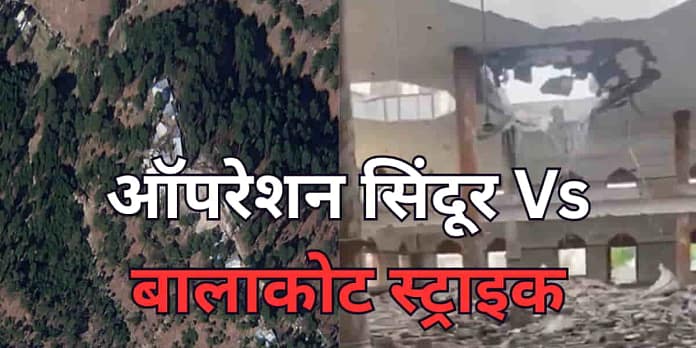
Operation Sindoor vs Balakot Strike: What learned from Balakot India took care of these things in operation, got the benefit

Operation Sindoor vs Balakot Strike: Lessons Learned, Precision Delivered

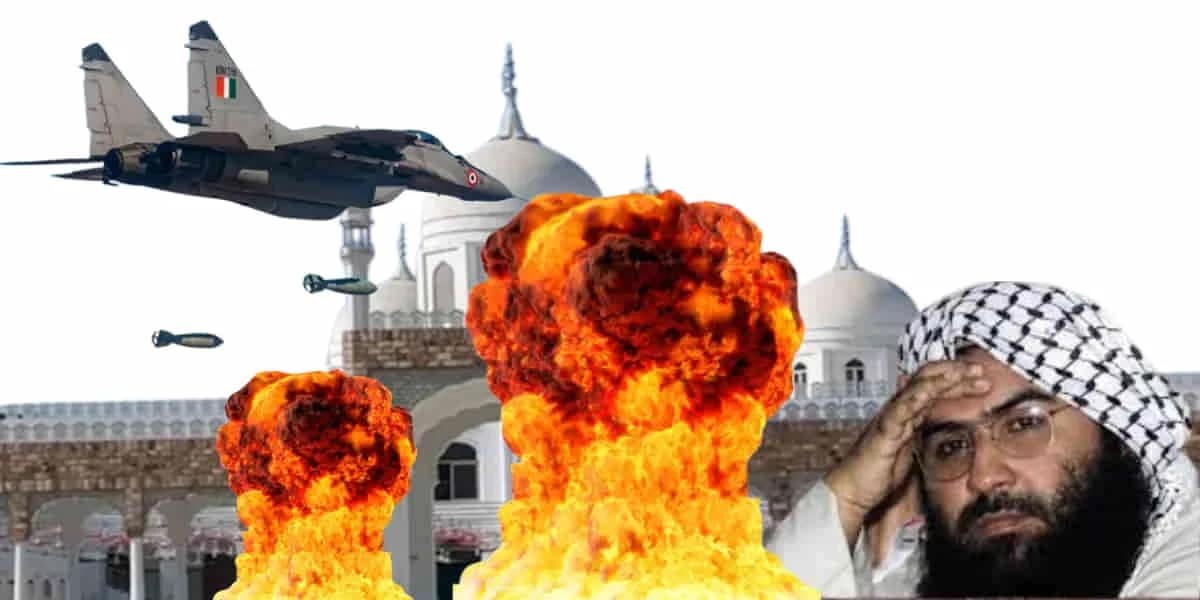
Operation Sindoor vs Balakot Strike: India attacked 9 terrorist bases in Pakistan and Pakistan authorized J&K (POK) under "Operation Shift" on Wednesday. The operation was the response of the terror attack in the wrestling on 22nd April 2025, in which 26 people were killed. Also, it was the decisive action of India against Pakistan-sponsored terrorism of the last two decades, such as Parliament Attack (2001), Mumbai Attack (2008), Uri (2016), and Pulwama (2019). But this operation is different from the Balakot Air Strike of 2019 in many ways. Balakot’s learner made operation shifter more effective and accurate. Let’s know what is the difference between both and what India took lessons from Balakot?

Operation Sindoor vs Balakot Strike: Balakot Strike

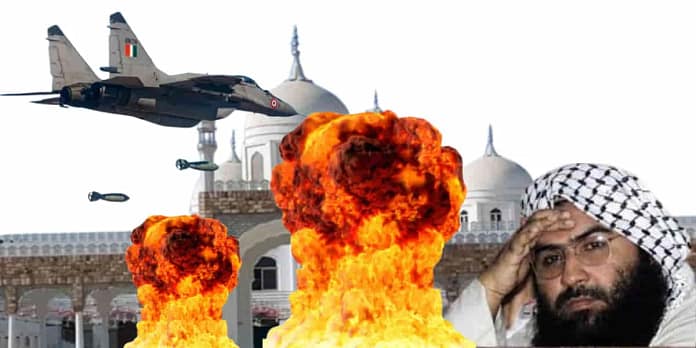
On 14th February 2019, a suicide attack on CRPF’s confilation in Pulwama had occurred, with 40 young martyrs. On 26th February 2019, Indian Air Force attacked the panic training camp of Jash-e-Mohammed (JeM) of Balakot in Khabar Pakhtunkhwa province of Pakistan. In this operation Mirage-2000 fighter planes used 1000 kilograms of Spice-2000 bombs, devastating the camp of jaish. India claimed that more than 300 terrorists were killed, although Pakistan rejected it.

Balakot Strike showed that India holds zero tolerance policy against terrorism. It was the first time the Indian Air Force entered into Pakistan by crossing the OLC. But in this operation, some challenges were also revealed, which India improved the operation space.

Operation Shifter

ऑपरेशन सिंदूर में भारतीय वायुसेना ने राफेल, मिराज, मिग-29 औऱ जैगुआर लड़ाकू विमानों का इस्तेमाल किया गया। इस हमले में स्कैल्प क्रूज मिसाइलों औऱ हैमर बमों का इस्तेमाल किया। बुधवार तड़के 1:44 बजे नौ आतंकी ठिकानों पर हमले किए गए, जिनमें बहावलपुर (जैश-ए-मोहम्मद का मुख्यालय) और मुरीदके (लश्कर-ए-तैयबा का आधार) शामिल थे। बहावलपुर को राफेल ने निशाना बनाया, तो बाकी आतंकी अड्डों को नेस्तानाबूद करने में मिराज, मिग-29 औऱ जैगुआर लड़ाकू विमानों का इस्तेमाल किया गया।
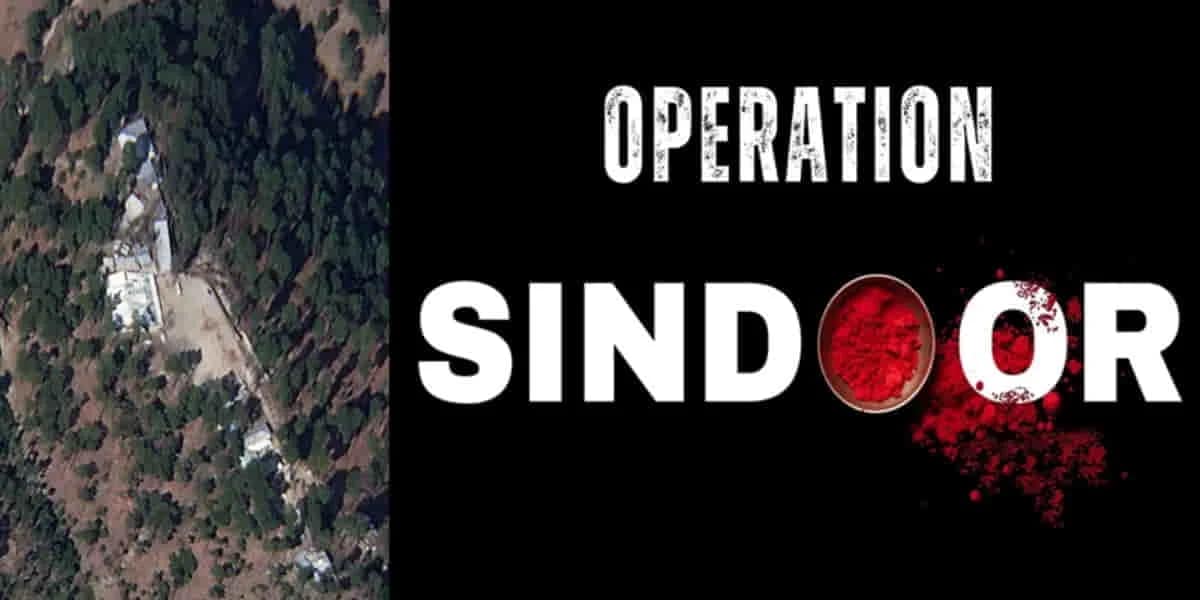
Operation Sindoor vs Balakot Strike: Lessons Learned, Precision Delivered

विदेश सचिव विक्रम मिस्री ने बताया कि इन हमलों में 90 से अधिक आतंकी मारे गए और 60 से ज्यादा घायल हुए। हालांकि बालाकोट की तरह इस हमले में भी किसी भी पाकिस्तानी सैन्य ठिकाने को निशाना नहीं बनाया गया।

बालाकोट और ऑपरेशन सिंदूर में क्या है अंतर

बालाकोट में मिराज-2000 विमानों ने एक बड़े आतंकी शिविर को निशाना बनाया, लेकिन हमले के बाद पाकिस्तान ने नुकसान को कम करके दिखाया। जबकि ऑपरेशन सिंदूर में भारत ने 9 ठिकानों को निशाना बनाया। स्कैल्प मिसाइलों ने छोटे-छोटे ठिकानों को भी सटीकता से नष्ट किया। इसके अलावा भारत ने इस बार ड्रोन और सैटेलाइट इमेजरी का भी बेहतर इस्तेमाल किया, जिससे खुफिया जानकारी अधिक विश्वसनीय थी।

बालाकोट स्ट्राइक के बाद भारत ने अमेरिका, ब्रिटेन और फ्रांस जैसे देशों को जानकारी दी, लेकिन कुछ देशों ने इसकी आलोचना की थी। लेकिन ऑपरेशन सिंदूर में भारत ने पहले से ही वैश्विक समुदाय को भरोसे में लिया। हमले के तुरंत बाद अमेरिका, रूस, ब्रिटेन, चीन और सऊदी अरब को कार्रवाई की जानकारी दी गई। संयुक्त राष्ट्र सुरक्षा परिषद (यूएनएससी) के 25 अप्रैल के बयान, जिसमें आतंकवादियों को जवाबदेह ठहराने की बात थी, को भारत ने अपने पक्ष में इस्तेमाल किया।

इसके अलावा सबसे बड़ी बात यह कि बालाकोट स्ट्राइक का उद्देश्य आतंकियों को चेतावनी देना था, लेकिन इसका दायरा सीमित था। ऑपरेशन सिंदूर ने न केवल पहलगाम हमले का जवाब दिया, बल्कि दो दशकों के आतंकवाद का हिसाब भी लिया। प्रेस कॉन्फ्रेंस में दिखाए गए 1 मिनट 40 सेकंड के वीडियो ने 2001 से 2025 तक के हमलों को सबसे सामने रखा, जिससे भारत ने वैश्विक स्तर पर पाकिस्तान को बेनकाब किया।

इस बार तुरंत सामने रखे सबूत

बालाकोट के बाद सबूतों की मांग ने सरकार को बैकफुट पर ला दिया था। विपक्ष ने सवाल उठाए, और पाकिस्तान ने प्रचार किया कि कोई बड़ा नुकसान नहीं हुआ। लेकिन ऑपरेशन सिंदूर में भारत ने पहले ही सबूत तैयार रखे। हमले के कुछ घंटों बाद ही प्रेस विज्ञप्ति और सुबह प्रेस कॉन्फ्रेंस में सैटेलाइट तस्वीरें और वीडियो पेश किए गए। इससे न केवल विपक्ष के सवालों को ऑपरेशन की सफलता पर सवाल उठाने का मौका ही नहीं मिला, साथ ही वीडियो और फोटोग्राफ के जरिए पाकिस्तान के झूठ को भी बेनकाब किया गया।

सटीक खुफिया जानकारी

बालाकोट में खुफिया जानकारी पर कुछ सवाल उठे थे, क्योंकि पाकिस्तान ने नुकसान को कम करके दिखाया था। साथ ही उस समय हमारे पास सीधे विजुअल्स नहीं थे। जिससे पाकिस्तान स्ट्राइक की सफलता पर सवाल उठा रहा था। लेकिन ऑपरेशन सिंदूर में भारत ने राष्ट्रीय तकनीकी अनुसंधान संगठन (एनटीआरओ), रॉ, और सैन्य खुफिया एजेंसियों के बीच बेहतर समन्वय किया। सैटेलाइट इमेज और ड्रोन ने ठिकानों की सटीक जानकारी दी, जिससे हमले अधिक प्रभावी हुए।

मीडिया और जनता को विश्वास में लिया

बालाकोट में सबूतों की देरी ने विपक्ष और पाकिस्तान को सवाल उठाने का मौका दिया। बालाकोट एयर स्ट्राइक के बाद भारत सरकार की ओर से आधिकारिक प्रेस कॉन्फ्रेंस 26 फरवरी 2019 को दोपहर में हुई थी। प्रेस कॉन्फ्रेंस में विदेश सचिव विजय गोखले ने स्ट्राइक के बारे में जानकारी दी थी, लेकिन सार्वजनिक रूप से कोई ठोस सबूत, जैसे सैटेलाइट तस्वीरें, ड्रोन फुटेज, या वीडियो, नहीं दिखाए थे। गोखले ने बताया था कि भारतीय वायुसेना ने खैबर पख्तूनख्वा के बालाकोट में जैश-ए-मोहम्मद के आतंकी शिविर पर सटीक हमला किया, जिसमें “बड़ी संख्या में आतंकी, प्रशिक्षक, और कमांडर” मारे गए। उन्होंने यह भी कहा कि यह कार्रवाई खुफिया जानकारी के आधार पर की गई थी, जिसके अनुसार जैश भारत में और हमले की योजना बना रहा था। हालांकि, प्रेस कॉन्फ्रेंस में केवल मौखिक बयान दिए गए, और कोई दृश्य सबूत (जैसे तस्वीरें या वीडियो) साझा नहीं किए गए। इसकी वजह से पाकिस्तान और भारत के कुछ विपक्षी दलों ने सबूतों की मांग की थी।

वहीं, ऑपरेशन सिंदूर में भारत ने तथ्यों के साथ प्रेस कॉन्फ्रेंस की। वीडियो और खुफिया जानकारी साझा करके सरकार ने जनता का भरोसा जीता।

विशेषज्ञों का मानना है कि भारत ने बालाकोट की कमियों को सुधारकर ऑपरेशन सिंदूर को एक मॉडल ऑपरेशन बनाया। रक्षा विशेषज्ञ राहुल बेदी ने कहा, “ऑपरेशन सिंदूर भारत की सैन्य और कूटनीतिक परिपक्वता को दर्शाता है। यह दिखाता है कि भारत अब पहले से ज्यादा तैयार और आत्मविश्वास से भरा है।”

Operation Sindoor: A response to 20-year-old landmarks, shake the roots of panic!

ऑपरेशन सिंदूर को देश भर में समर्थन मिला। प्रधानमंत्री नरेंद्र मोदी ने कहा, “हमारे सैनिकों ने आतंकियों को उनके घर में घुसकर सजा दी। यह भारत की नई ताकत है।” कांग्रेस अध्यक्ष मल्लिकार्जुन खड़गे और राहुल गांधी ने भी सेना की कार्रवाई की सराहना की। खड़गे ने कहा, “आतंकवाद के खिलाफ भारत एकजुट है।”
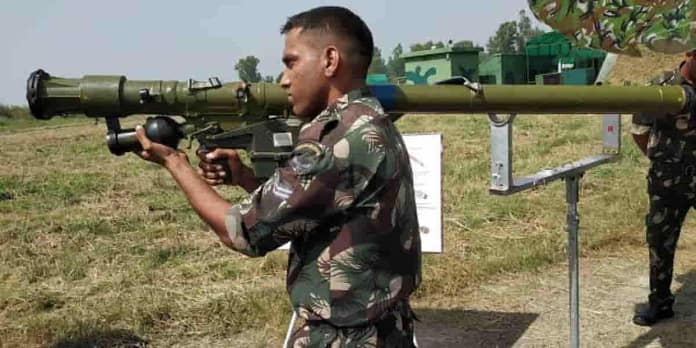
Air Defence System: India-Pakistan tensions between the big decision of the Indian Army, will purchase 48 VSHORADS launcher and 85 missiles

Air Defence System: Indian Army to be equipped with VSHORADS missiles

Air Defence System: The Ministry of Defence has taken a big step to further strengthen the Indian Army among the growing tensions between India and Pakistan. The Ministry has released the Request for Proposal (RFP) for procurement of VSHORADS (NG) i.e. VSHORADS (NG) on Saturday. Under this, the Army will get 48 launchers, 48 night vision sites, 85 missiles and 1 missile test station. The purchase will be in the Bye (Indian) category under the DAP-2020, i.e. the Make in India will be promoted. The news has come in such a time when the tension in both countries’ relationships is extreme after the terror attack in Kashmir’s wrestling on April 22.

Air Defence System: What Does VSHORADS?

VSHORADS is also called Manpads (Man-Portable Air Defense System – Air Defense System) in common language, a weapon that can fail enemy air attacks at a short distance. This weapon specifically targets aircraft and drones that fly nichi, such as helicopter, small fighter aircraft and unmanned aerial vehicles (UAV). It is called the "Fire and Forgate" weapon, i.e. once the missile has been stained, it automatically finds the scars and devastates it.

"This missile (Air Defence System) works on infrared homeping technology," a senior officer of the Ministry of Defence told. This technique tracks the heat from the engine of the aircraft. Once the fire is done, its MARK capability is up to 95%. This weapon is most effective against fly aircraft. ""

Why does VSHORADS need?

22 अप्रैल को कश्मीर के पहलगाम में आतंकी हमले के बाद भारत और पाकिस्तान के बीच सीमा पर तनाव चल रहा है। इस हमले में कई पर्यटकों की जान चली गई थी। भारत ने इस हमले के लिए पाकिस्तान को जिम्मेदार ठहराया, जिसके बाद दोनों देशों की सीमा पर तनाव बढ़ गया। सीजफायर (Air Defence System) उल्लंघन की घटनाएं भी बढ़ी हैं, और दोनों तरफ से छोटे हथियारों से गोलीबारी की खबरें आ रही हैं। ऐसे में भारतीय सेना को अपनी हवाई सुरक्षा को मजबूत करने की जरूरत महसूस हुई।

सूत्रों का कहना है, “पाकिस्तान की तरफ से ड्रोन हमले और नीची उड़ान भरने वाले विमानों (Air Defence System) का खतरा बढ़ रहा है। VSHORADS जैसे हथियार हमें इन खतरों से निपटने में मदद करेंगे। यह हथियार बेहद हल्का और मोबाइल है। इसे एक सैनिक आसानी से कंधे पर ले जा सकता है और पहाड़ी इलाकों, वाहनों या किसी भी जगह से इस्तेमाल कर सकता है।”

VSHORADS की खासियतें

VSHORADS हथियार (Air Defence System) की कई खासियतें हैं, जो इसे भारतीय सेना के लिए खास बनाती हैं। अगर दो मिसाइलें एक साथ दागी जाएं, तो यह 85% से ज्यादा की मारक क्षमता रखती है, खासकर तेज रफ्तार से उड़ने वाले लड़ाकू विमानों के खिलाफ। वहीं, इसकी न्यूनतम रेंज 500 मीटर और अधिकतम रेंज 6 किलोमीटर है। यानी यह 6 किमी के दायरे में आने वाले किसी भी हवाई खतरे को खत्म कर सकता है। हर मिसाइल की लंबाई 1.85 मीटर से ज्यादा नहीं होगी, जिससे इसे ले जाना आसान हो। खास बात यह है कि इसे एक सैनिक अकेले इस्तेमाल कर सकता है। लॉन्चर को कंधे पर रखा जाता है, और सैनिक अपने पीठ पर दो मिसाइलें ले जा सकता है। VSHORADS सिस्टम इन्फ्रारेड होमिंग तकनीक पर काम करती है, जो विमान के इंजन की गर्मी को ट्रैक करती है। वहीं अगर एक बार मिसाइल फायर हो जाए, तो यह अपने आप निशाने को ढूंढ लेती है।

VSHORADS सिस्टम में तीन मुख्य हिस्से होते हैं। इसके मिसाइल (Air Defence System) वाले हिस्से में विस्फोटक होता है जो निशाने को तबाह करता है। इसकी लॉन्च ट्यूब में मिसाइल को फायर करने का सिस्टम होता है। वहीं इसकी बैटरी यूनिट बिजली पैदा करती है, ताकि मिसाइल सही तरीके से काम कर सके।

105 देशों की सेनाओं के पास यह हथियार

मैनपैड्स (Air Defence System) का इस्तेमाल दुनिया भर में पिछले कई दशकों से हो रहा है। करीब 105 देशों की सेनाओं के पास यह हथियार है, लेकिन इसे बनाने वाले देशों की संख्या सिर्फ 12 है, जिनमें भारत भी शामिल है। सबसे मशहूर मैनपैड्स में अमेरिका का स्टिंगर, रूस का 9K32 स्ट्रेला-2 (SA-7) और हाल ही में चीन का FN-16 शामिल है।

मैनपैड्स का सबसे ज्यादा इस्तेमाल 1980 के दशक में अफगानिस्तान में मुजाहिदीनों (Air Defence System) ने किया था। उन्हें अमेरिका ने स्टिंगर मिसाइलें दी थीं। इन मिसाइलों ने सोवियत हेलिकॉप्टरों और नीची उड़ान भरने वाले विमानों को भारी नुकसान पहुंचाया था। बाद में तालिबान ने भी इन हथियारों का इस्तेमाल अमेरिकी सेना के खिलाफ किया और उनके हेलिकॉप्टरों को निशाना बनाया।

डीआरडीओ ने बनाया स्वदेशी VSHORADS

हालांकि भारत अभी VSHORADS (Air Defence System) की खरीद कर रहा है, लेकिन देश में इस तरह के हथियार को बनाने की कोशिश भी हो रही है। डिफेंस रिसर्च एंड डेवलपमेंट ऑर्गनाइजेशन (DRDO) ने हाल ही में स्वदेशी VSHORADS सिस्टम को विकसित किया है। इसकी टेस्टिंग पिछले कुछ सालों से चल रही है, और अक्टूबर 2024 में इसके आखिरी टेस्ट सफल रहे। DRDO का दावा है कि यह मिसाइल ड्रोन, हेलिकॉप्टर और लड़ाकू विमानों को आसानी से निशाना बना सकती है।

लेकिन स्वदेशी VSHORADS अभी पूरी तरह तैयार नहीं है। इसे ऊंचे इलाकों जैसे लद्दाख में टेस्ट करना बाकी है। साथ ही, सेना के इस्तेमाल के लिए बड़े पैमाने पर इसका उत्पादन शुरू होने में अभी समय लगेगा। इसलिए रक्षा मंत्रालय ने तुरंत जरूरत को पूरा करने के लिए RFP जारी किया है।

VSHORADS: This new air defense system of DRDO will make the targets flying at low altitudes as soon as the eyelid is blinked, these are merits

RFP की शर्तें और मेक इन इंडिया

रक्षा मंत्रालय ने RFP में साफ कहा है कि यह खरीद DAP-2020 के तहत होगी, जिसमें मेक इन इंडिया (Air Defence System) को प्राथमिकता दी जाती है। इसका मतलब है कि जो भी कंपनी इस हथियार को सप्लाई करेगी, उसे भारत में ही इसका कुछ हिस्सा बनाना होगा। मंत्रालय ने यह भी कहा है कि कॉन्ट्रैक्ट साइन होने के एक साल के अंदर सारी डिलीवरी पूरी करनी होगी। इसका मतलब है कि सेना को जल्द से जल्द यह हथियार चाहिए, ताकि सीमा पर बढ़ते खतरे से निपटा जा सके।

Pahalgam Revenge: Bahwalpur or Muridke may fall on India’s yard, without big rust.

Pahalgam Revenge: Bahawalpur or Muridke Likely Indian Targets, No War Needed

Pahalgam Revenge: India is now in preparation of accountable action after a panic attack on 22 April 2025 in Jammu and Kashmir’s wrestling. The attack saw 26 tourists, for which India attributed the Pakistan-backed terror organization Lashkar-e-Taiba (LeT) and its branch the resistance front (TRF). The Government of India has cleared that the attack will be answered, but the response will be accompanied by a slow strategy, so that the big war is not hidden.

Pahalgam Revenge: Bahawalpur or Muridke Likely Indian Targets, No War Needed

According to the Ministry of Defence and the sources of the Army, India plans to attack limited by long-distance weapons without crossing line of control (LoC). Meanwhile, Pakistan has also warned India that if the attack was attacked, the response will be tightened.

Pahalgam Revenge: The strategy of accountable action in the cabinet committee meeting

The first meeting of Cabinet Committee on Security (CCS) was held under the chairmanship of Prime Minister Narendra Modi on 23 April after the initiativegam attack. Several diplomatic steps (Pahalgam Revenge) were taken into this meeting. The meeting decided to suspend Indus Water Treaty, shorten the Pakistani High Commission, and cancel the visa of all Pakistani citizens present in India. The second CCS meeting took place on April 30, which discussed the military strategy of accountable action.

प्रधानमंत्री मोदी ने सेना के प्रमुखों को साफ निर्देश दिए कि उनके पास “पूरी ऑपरेशनल आजादी” है। यानी वे यह तय कर सकते हैं कि जवाबी कार्रवाई (Pahalgam Revenge) का तरीका, टारगेट, और समय क्या होगा। एक वरिष्ठ सैन्य अधिकारी ने बताया, “यह सवाल अब यह नहीं है कि सैन्य कार्रवाई होगी या नहीं, बल्कि यह है कि यह कब होगी। हमारा जवाब जल्दबाजी में नहीं, बल्कि सोच-समझकर, विश्वसनीय और सधी हुई रणनीति के साथ दिया जाएगा। हम बड़े युद्ध की तरफ नहीं जाएंगे।”

पाकिस्तान की जवाबी हमले की धमकी

पाकिस्तान ने भारत को कड़ी चेतावनी दी है। पाकिस्तानी सेना ने कहा कि अगर भारत ने कोई हमला किया, तो उसका जवाब बहुत सख्त होगा। पाकिस्तान ने अपनी सेना को अलर्ट पर रखा है और अपनी पूरे एय़र डिफेंस सिस्टम को एक्टिव कर दिया है। एक सैन्य अधिकारी ने बताया कि पिछले छह दिनों से LoC पर दोनों देशों (Pahalgam Revenge) की सेनाओं के बीच लगातार गोलीबारी हो रही है। पाकिस्तान कुपवाड़ा, बारामूला, उरी से लेकर नौशेरा, सुंदरबानी, अखनूर और पुंछ में सीजफायर का उल्लंघन कर रहा है। इतना ही नहीं, जम्मू में 198 किलोमीटर लंबी अंतरराष्ट्रीय सीमा (IB) पर भी गोलीबारी शुरू हो गई है।

29 अप्रैल को भारतीय सेना ने डीजीएमओ हॉटलाइन के जरिए पाकिस्तानी सेना (Pahalgam Revenge) को चेतावनी दी कि वह LoC पर “बिना उकसावे की गोलीबारी” बंद करे। लेकिन रात में पाकिस्तानी सेना ने फिर सीजफायर तोड़ा। उसने जम्मू के परगवाल सेक्टर में गोलीबारी शुरू कर दी। जिसका भारतीय सेना ने दोगुनी ताकत से जवाब दिया। एक अधिकारी ने कहा, “हमारी सेना हर सीजफायर उल्लंघन का मुंहतोड़ जवाब दे रही है।”

LoC पार किए बिना हमला

भारत की सैन्य रणनीति (Pahalgam Revenge) इस बार साफ है, जवाबी कार्रवाई LoC पार किए बिना होगी, ताकि बड़ा युद्ध न छिड़े। इसके लिए लंबी दूरी के हथियारों का इस्तेमाल किया जाएगा। रक्षा मंत्रालय के एक वरिष्ठ अधिकारी ने बताया कि भारत 155 मिमी आर्टिलरी गन, 120 मिमी मोर्टार, और एंटी-टैंक गाइडेड मिसाइलों से पाकिस्तानी सेना के ठिकानों और “आतंकी लॉन्च पैड्स” पर हमला कर सकता है। ये लॉन्च पैड LoC के पास बने हैं, जहां से आतंकी भारत में घुसपैठ करते हैं।

अधिकारी ने कहा, “LoC पार किए बिना भी हम लंबी दूरी के हथियारों से पाकिस्तानी सेना को भारी नुकसान पहुंचा सकते हैं। हमें खबरें मिली हैं कि पाकिस्तानी सेना के पास 155 मिमी आर्टिलरी गोले की कमी है। उन्होंने अपना रिजर्व स्टॉक तीसरे पक्ष के जरिए यूक्रेन भेजा है, ताकि वे पैसे कमा सकें।” इसका मतलब है कि भारत की इस रणनीति से पाकिस्तानी सेना पर दबाव बढ़ सकता है।

भारत के पास और क्या हैं विकल्प

भारत के पास और भी सैन्य विकल्प हैं, जो सधी हुई कार्रवाई (Pahalgam Revenge) के तहत इस्तेमाल किए जा सकते हैं। एक विकल्प है सर्जिकल स्ट्राइक, जैसी 2016 में उरी हमले के बाद की गई थी। उरी में 19 भारतीय सैनिकों की शहादत के बाद भारतीय सेना की पैरा-स्पेशल फोर्स ने LoC के पास चार अलग-अलग जगहों पर आतंकी लॉन्च पैड्स को नष्ट कर दिया था। इस बार भी ऐसी कार्रवाई की जा सकती है, जिसमें छोटे पैमाने पर सीमा पार जाकर हमले किए जाएं।

दूसरा विकल्प है हवाई हमले, जैसा 2019 में बालाकोट (Pahalgam Revenge) में किया गया था। बालाकोट में जैश-ए-मोहम्मद (JeM) के आतंकी ठिकाने पर भारतीय वायु सेना (IAF) ने हमला किया था। एक सैन्य अधिकारी ने बताया कि इस बार वायु सेना के पास पहले से ज्यादा ताकतवर हथियार और विमान हैं। 2019 में बालाकोट हमले के दौरान वायु सेना के पास 4.5 जेनरेशन राफेल फाइटर जेट्स नहीं थे, लेकिन अब वे मौजूद हैं। इसके अलावा, मिराज-2000, सुखोई-30 MKI जैसे विमान फ्रांस की ‘स्काल्प’ एयर-टु-ग्राउंड क्रूज मिसाइल, इजरायल की क्रिस्टल मेज मिसाइल, और स्पाइस-2000 प्रिसिजन गाइडेड बम से लैस हैं।

अधिकारी ने कहा, “इस बार टारगेट JeM का मुख्यालय बहावलपुर या LeT का मुख्यालय मुरिदके हो सकता है। ये दोनों संगठन पहलगाम हमले में शामिल थे।” लेकिन हवाई हमले एक जोखिम भरा कदम हो सकता है, क्योंकि इससे तनाव बढ़ने की आशंका है।

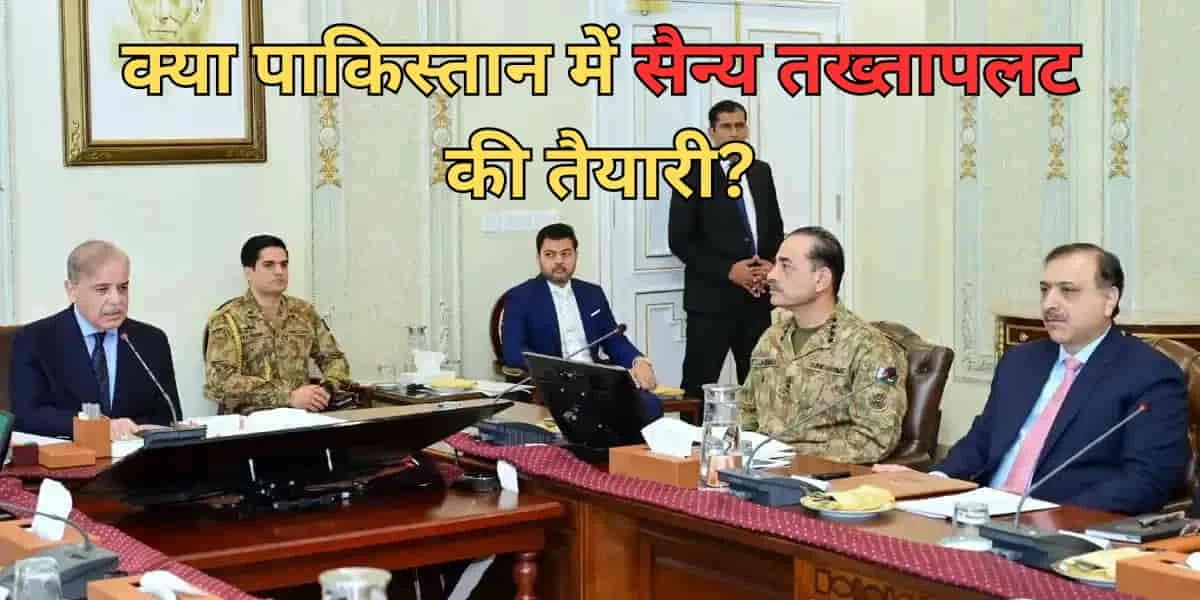
Coup in Pakistan : Removing military coup in Pakistan? ISI is the leading Siem Malik so created NSA! Imaran Khan will grow troubles

पाकिस्तान को हमले का डर

पाकिस्तान को भारत की जवाबी कार्रवाई (Pahalgam Revenge) का डर सता रहा है। उसने अपनी सेना को हाई अलर्ट पर रखा है और अपने एय़र डिफेंस सिस्टम को एक्टिव कर दिया है। लेकिन भारत की रणनीति साफ है – जवाबी कार्रवाई सधी हुई होगी, ताकि बड़ा युद्ध न छिड़े। भारत का मकसद पाकिस्तान को यह संदेश देना है कि वह आतंकवाद को बर्दाश्त नहीं करेगा, लेकिन साथ ही वह तनाव को बढ़ने से रोकना चाहता है।

Coup in Pakistan : Removing military coup in Pakistan? ISI is the leading Siem Malik so created NSA! Imaran Khan will grow troubles

Coup in Pakistan? ISI Chief Asim Malik's surprise appointment as NSA raises coup fears

Coup in Pakistan : Pakistan’s ASEAN has once again seen a big reversal. The Government handed over additional charge of National Security Advisor (NSA) to Director General Lieutenant General Mohammed Assy Malik, ISI (Inter-Service Intelligence) on 29th April 2025. This is the first time, when an active ISI head is given the responsibility of NSA. However, the move is being seen by the ongoing tension between India-Pak. But the information says that Pakistan’s internal politics has been seen. At the same time, many experts consider it to be the retreat of the military coup, especially when former Prime Minister Imran Khan is in jail and his party is increasing pressure on PTI.

Coup in Pakistan? ISI Chief Asim Malik's surprise appointment as NSA raises coup fears

Coup in Pakistan?: When was the post of NSA empty?

The post of National Security Advisor (NSA) in Pakistan was vacant from 3 April 2022. This day Moid Joseph resigned from the NSA post. Moid Joseph was appointed NSA by then Prime Minister Imran Khan on 17 May 2021. He was the 9th NSA of Pakistan and had the status of the Federal Cabinet Minister. Moid Joseph had given the distrust proposal against the Government of Imran Khan in April 2022 (Coup in Pakistan) and after power change. On April 10, 2022, the government of Imran Khan fell, and Shahbaj Sharif became the new Prime Minister. After which Moeed Joseph left the post, as he became close to mine.

The post of NSA from 3rd April 2022 to 30th April 2025 i.e. about 3 years and 27 days (Karib 37 months) was vacant. During this time, the Shahbaj Sharif government did not appoint anyone in this post.

Coup in Pakistan Why not?

हालांकि शहबाज शरीफ सरकार ने NSA पद को खाली रखने का कोई आधिकारिक कारण (Coup in Pakistan) तो जाहिर नहीं किया, लेकिन विशेषज्ञों का मानना है कि यह सेना और सरकार के बीच तनाव का नतीजा था। सेना का प्रभाव बढ़ने और सरकार की कमजोर स्थिति के चलते यह पद रिक्त रहा। इसके अलावा, इमरान खान और उनकी पार्टी PTI पर दबाव डालने के लिए भी सेना इस पद को भरने से बचती रही, ताकि राष्ट्रीय सुरक्षा से जुड़े फैसले सीधे सेना के नियंत्रण में रहें। वहीं अब आईएसआई चीफ मलिक की नियुक्ति से यह नियंत्रण और मजबूत हो गया है।

क्या था अधिसूचना में?

पाकिस्तान सरकार के कैबिनेट सचिवालय ने 29 अप्रैल 2025 को एक अधिसूचना जारी की, जिसमें कहा गया कि लेफ्टिनेंट जनरल मोहम्मद असीम मलिक, जो ISI के डायरेक्टर जनरल (DG ISI) हैं, को तत्काल प्रभाव से राष्ट्रीय सुरक्षा सलाहकार (NSA) का अतिरिक्त प्रभार (Coup in Pakistan) दिया गया है। अधिसूचना पर कैबिनेट सेक्रेटरी कमरान अली अफजल और सेक्शन ऑफिसर मुहम्मद मीसम ने दस्तखत किए हैं। यह अधिसूचना गजट ऑफ पाकिस्तान में प्रकाशित की जाएगी और इसे सभी मंत्रालयों, प्रांतों और संबंधित विभागों को भेजा गया है।

असीम मलिक की यह नियुक्ति इसलिए भी खास है, क्योंकि वह अख्तर अब्दुर रहमान खान (जिन्होंने 1979-1987 तक ISI प्रमुख और सिक्योरिटी एडवाइजर के तौर पर जिया-उल-हक के साथ काम किया) के बाद दूसरे ऐसे सैन्य अधिकारी बन गए हैं, जिन्हें यह दोहरी जिम्मेदारी दी गई है।

पहलगाम हमले का असर

यह नियुक्ति ऐसे समय में हुई है, जब भारत और पाकिस्तान (Coup in Pakistan) के बीच तनाव चरम पर है। 22 अप्रैल 2025 को जम्मू-कश्मीर के पहलगाम में हुए आतंकी हमले में 26 पर्यटकों की जान गई थी। इस हमले की जिम्मेदारी द रेसिस्टेंस फ्रंट (TRF) ने ली थी, जो लश्कर-ए-तैयबा (LeT) का एक मुखौटा संगठन माना जाता है। भारत ने इस हमले के लिए पाकिस्तान समर्थित आतंकवाद को जिम्मेदार ठहराया और इंडस वाटर ट्रीटी को निलंबित करना, वाघा-अटारी सीमा को बंद करना, और पाकिस्तानी नागरिकों के वीजा रद्द करना जैसे कदम कई कड़े उठाए।

वहीं भारत के इन कदमों और संभावित सैन्य जवाब (जैसे सर्जिकल स्ट्राइक) ने पाकिस्तान में खलबली मचा दी। सूचना मंत्री अत्ताउल्लाह तरार ने दावा किया कि भारत अगले 24-36 घंटों में हमला कर सकता है। रक्षा मंत्री ख्वाजा आसिफ ने तो यह तक कहा कि अगर भारत ने हमला किया, तो पाकिस्तान परमाणु हथियारों का इस्तेमाल कर सकता है। ऐसे संकट के बीच असीम मलिक की नियुक्ति को भारत के खिलाफ रणनीति बनाने के तौर पर देखा जा रहा है।

सैन्य तख्तापलट की आशंका

पाकिस्तान मामलों के जानकार प्रोफेसर सूर्य मलिक ने इस नियुक्ति को सैन्य तख्तापलट (Coup in Pakistan) की आहट बताया। उन्होंने कहा कि असीम मलिक का रिटायरमेंट अक्टूबर 2025 में और सेना प्रमुख जनरल असीम मुनीर का रिटायरमेंट नवंबर 2025 में होने वाला है। ऐसे में यह नियुक्ति एक सैन्य तख्तापलट की तैयारी हो सकती है।

विशेषज्ञों का मानना है कि मलिक की दोहरी भूमिका (ISI और NSA) मिलने के बाद पाकिस्तानी सेना राष्ट्रीय सुरक्षा नीतियों (Coup in Pakistan) को अपने हिसाब से कंट्रोल कर सकती है। उनका कहना है कि इससे यह भी साबित होता है कि सरकार पर इस समय पर सेना का पूरा नियंत्रण है। शहबाज शरीफ कमजोर प्रधानमंत्री हैं। उन्होंने इसे “नागरिक संस्थानों का सैन्यीकरण” बताया, जो पाकिस्तान की लोकतांत्रिक प्रक्रिया के लिए खतरनाक हो सकता है।

इमरान खान और PTI पर बढ़ा दबाव

कुछ विशेषज्ञ इसे पहलगाम हमले (Pahalgam Attack) के बाद इमरान खान के बयान से जोड़ कर देख रहे हैं। इस हमले के बाद पाकिस्तान के पूर्व प्रधानमंत्री इमरान खान, जो इस समय जेल में हैं, उन्होंने अपने आधिकारिक X अकाउंट के जरिए एक बयान जारी किया। यह बयान 29 अप्रैल 2025 को सामने आया, जिसमें खान ने हमले की निंदा की, भारत को चेतावनी दी, और शांति पर जोर दिया। इमरान खान ने अपने बयान में पहलगाम हमले (Coup in Pakistan) को “बेहद परेशान करने वाला और दुखद” बताया। उन्होंने हमले में मारे गए लोगों के प्रति संवेदना व्यक्त की और भारत पर कई गंभीर आरोप लगाए। वहीं, खान ने अपने देश की स्थिति पर भी टिप्पणी की और कहा, “दुख की बात है कि एक फर्जी फॉर्म-47 चुनाव परिणामों के जरिए थोपी गई अवैध सरकार ने राष्ट्र को बांट दिया है।”

वहीं इमरान खान (Coup in Pakistan) के इस बयान के बाद ही नया एनएसए नियुक्त करने का फैसला लिया गया। इस नियुक्ति का एक बड़ा असर इमरान खान और उनकी पार्टी PTI पर पड़ सकता है। इमरान खान इस समय जेल में हैं, और PTI पर सैन्य और सरकारी दबाव बढ़ता जा रहा है। एक सूत्र ने दावा किया कि सेना और सरकार इमरान खान को जेल में खत्म करने की योजना बना रहे हैं, जिसमें PTI के नेता अली अमीन गंडापुर की मदद ली जा रही है। दावा किया जा रहा है कि गंडापुर को जल्द ही PTI का नया अध्यक्ष बनाया जा सकता है, ताकि खान का प्रभाव खत्म हो।

असीम मलिक ने पहले भी PTI के खिलाफ सख्त रुख अपनाया है। 2023 में मई 9 दंगों (जो खान की गिरफ्तारी के बाद भड़के थे) की जांच मलिक ने ही की थी, जिसमें PTI के कई नेताओं और समर्थकों को गिरफ्तार किया गया। उनकी NSA नियुक्ति से PTI पर दबाव और बढ़ सकता है। NSA के तौर पर वह राष्ट्रीय सुरक्षा के नाम पर PTI के प्रदर्शनों को और दबा सकते हैं। कुछ विश्लेषकों का मानना है कि सेना भारत के साथ तनाव का इस्तेमाल खान की रिहाई की मांग को दबाने के लिए कर रही है। उनकी नियुक्ति से PTI को और सख्ती का सामना करना पड़ सकता है। वहीं, PTI समर्थक मलिक को “मुनीर का हथियार” मानते हैं, जो खान की रिहाई और उनकी पार्टी की गतिविधियों को रोकने के लिए काम करेगा।

पाकिस्तान में आंतरिक अस्थिरता

पाकिस्तान इस समय कई आंतरिक चुनौतियों (Coup in Pakistan) से जूझ रहा है। बलूचिस्तान और खैबर पख्तूनख्वा में आतंकवादी हमले बढ़ रहे हैं। हाल ही में बलूच विद्रोहियों ने एक ट्रेन को हाईजैक कर 25 यात्रियों की हत्या कर दी थी। इसके अलावा, आर्थिक संकट ने भी सरकार की मुश्किलें बढ़ा दी हैं। ऐसे में सेना और ISI की भूमिका और मजबूत हो गई है।

असीम मलिक की नियुक्ति को सेना की उस रणनीति का हिस्सा माना जा रहा है, जिसमें वह भारत के साथ तनाव को बढ़ाकर जनता का ध्यान आंतरिक समस्याओं से हटाना चाहती है। सेना प्रमुख जनरल असीम मुनीर पर भी अपनी छवि सुधारने का दबाव है, क्योंकि खान की गिरफ्तारी के बाद उनकी लोकप्रियता में कमी आई है। मलिक की नियुक्ति से मुनीर को एक भरोसेमंद सहयोगी मिल गया है, जो उनकी रणनीतियों को लागू कर सकता है।

पहला PhD धारक ISI प्रमुख

असीम मलिक ISI के पहले डायरेक्टर जनरल हैं, जिनके पास डॉक्टर ऑफ फिलॉसफी (PhD) की डिग्री है। उन्होंने नेशनल डिफेंस यूनिवर्सिटी (NDU), इस्लामाबाद से अमेरिका-पाकिस्तान संबंधों पर शोध करके यह डिग्री हासिल की। मलिक ने अमेरिका के फोर्ट लेवनवर्थ में पढ़ाई के दौरान “माउंटेन वॉरफेयर: द नीड फॉर स्पेशलिस्ट ट्रेनिंग” शीर्षक से एक थीसिस लिखी। यह थीसिस पहाड़ी क्षेत्रों में युद्ध की रणनीतियों पर केंद्रित थी। भारत-पाकिस्तान सीमा, खासकर लाइन ऑफ कंट्रोल (LoC) और PoK जैसे इलाकों से भी इसे जोड़ कर देखा जा रहा है।

मलिक एक सैन्य परिवार से आते हैं। उनके पिता, लेफ्टिनेंट जनरल (रिटायर्ड) गुलाम मोहम्मद मलिक (जिन्हें “जनरल GM” कहा जाता था), 1990 के दशक में 10 कोर, रावलपिंडी के कमांडर थे और कश्मीर में LoC की सुरक्षा के लिए जिम्मेदार थे। अपने पिता के नक्शे कदम पर चल कर मलिक ने फौज ज्वॉइन की। उन्होंने पाकिस्तान मिलिट्री एकेडमी (PMA) के 80वें लॉन्ग कोर्स में स्वॉर्ड ऑफ ऑनर जीता। रिटायर्ड लेफ्टिनेंट जनरल नईम खालिद लोधी ने मलिक को “शांत लेकिन सम्मानित” अधिकारी बताया था।

Pakistan Defence Minister’s confession to Pakistan’s Defence Minister – ‘Sisis Paala, worked dirty for the U.S.’

वहीं, मलिक ने एडजुटेंट जनरल (AG) के तौर पर मई 9, 2023 के दंगों की जांच की थी, जो इमरान खान की गिरफ्तारी के बाद भड़के थे। उन्होंने पूर्व ISI प्रमुख लेफ्टिनेंट जनरल फैज हमीद के खिलाफ कोर्ट मार्शल की प्रक्रिया शुरू की और उसकी निगरानी की। हमीद पर भ्रष्टाचार और सैन्य अनुशासन तोड़ने के आरोप थे।

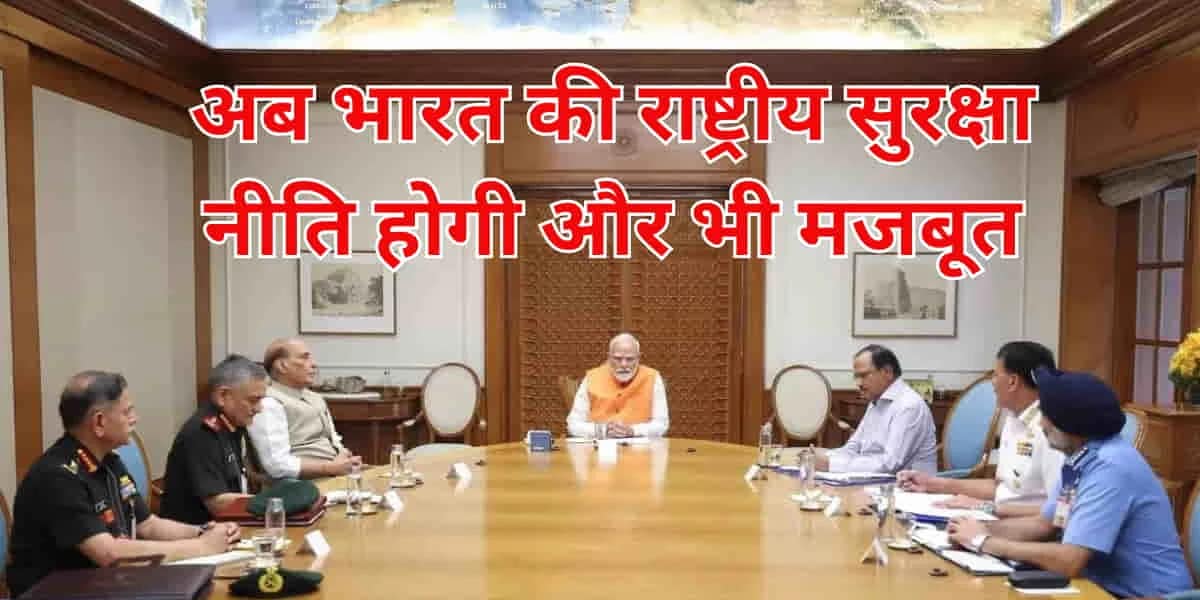
Explained NSAB: The National Security Advisory Board includes big changes, the return of the Ro Chief and waiters of the three forces, how will India benefit the security strategy?

Explained NSAB: Major revamp, ex-RAW chief to lead, veterans join, what it means for India’s security

Explained NSAB: On April 30, 2025, the Government of India took an important step by restructuring National Security Advisory Board (NSAB). Former Research and Analysis Wing (R&AW) has been appointed as the new chairman of this Board. The Board comprises three military retired officers, retired officers of two Indian Police Service (IPS), and retired officers of an Indian Foreign Service (IFS). The time of restructuring of this board is extremely important, as the recent terror attack in Jammu and Kashmir’s wrestling and the rising tension between India-Pakistan has raised concerns about national security.

Explained NSAB: Major revamp, ex-RAW chief to lead, veterans join, what it means for India’s security

Explained NSAB: What is and what does it do?

National Security Advisory Board – NSAB is a very important group linked to India’s security. It advises the National Security Council (NSC), the head of which is the Prime Minister himself. NSC takes a large decision to protect the country and foreign policy, and NSAB gives him long-lasting plans and suggestions. The Board’s work is that it shows way to the government on issues such as terrorism, border security, cyber threats, and relationships with neighboring countries.

NSAB started in 1998 by the Government of Atal Bihari Vajpayee. It usually includes the Retired Specialist of Army, Intelligence Agency, Police and Foreign Service. This board works a little different from the government, so that it can be advisable to take into account the fair and future. For example, NSAB had made India’s nuclear policy in 2001 and prepared large documents associated with defence in 2002.

Explained NSAB: Created the new board of seven people

This time the government has made a new board of seven people to further strengthen NSAB. This is the former chief of R&AW who is led by Alok Joshi. Joshi has executed a number of large intelligence operations in his career, and his appointment will give India’s intelligence and external security new strength. Joshi holds deep strategic thinking and diplomatic understanding. Also, India’s foreign policy and intelligence strategy has a long experience.

Explained NSAB: Major revamp, ex-RAW chief to lead, veterans join, what it means for India’s security
Former RAW Chief Alok Joshi

The rest of the Board are six members as follows:

  • Air Marshal P.M. Sinha (Retired) has been the former head of the Western Air Command of Air Force, specializing in the strength of Air Force and Air Strategie.
  • The Lieutenant General A.K. Singh (Retired) has served as the South Army Commander of Thalsena, and has a long experience in the strategic campaigns of the Thal Army.
  • Rear Admiral Monty Khanna (Retired) is the senior officer of the navy, knowledgeable of maritime security and Indian Ocean region strategy.
  • Rajiv Ranjan Verma (Retired IPS) is the former police officer and has also been the former Director General of Railway Protection Force. They have a long experience of internal security and law and order.
  • Manmohan Singh (Retired IPS) has been the former Director General of the Armed Border Force (SSB). Also, they are experts from India-Nepal and India-Bhutan Border Security.
  • B. Venkatesh Verma (Retired IFS) is the former diplomat, former Ambassadors have stayed in Russia. He has been a special contribution in defence and nuclear diplomacy.

This board includes people from Army, Police and Foreign Service, which will enable it to deal with every kind of security challenges. This board will work together on issues like terrorism, cyberbullying and tension with neighboring countries.

Explained NSAB: Why did it restructuring?

The new form of NSAB has emerged in a time when India is facing a variety of security problems. In April 2025, 26 people were killed in the terror attack in Jammu and Kashmir’s wrestling, which were mostly tourists. India attributed Pakistan to the attack and said it is part of terrorism from across the border. After this, India stopped Indus Water Treaty, raised the number of soldiers on the border and banned air travel and trade with Pakistan. Also increasing the risk of cyber attack and hybrid war. India needed a strategic advisory framework that could help the government on ground, intelligence, technical and diplomatic fronts not only keep papers.

Among all these events, NSAB’s restructuring is an essential step to further strengthen India’s security. The decision was taken after the meeting of the Cabinet Committee on Security (CCS) chaired by Prime Minister Narendra Modi, with a thorough discussion on terrorism and border security.

What are the advantages of restructuring NSAB?

The National Security Advisory Board (NSAB) advises on terrorism, extremism, cybersecurity, marine security, nuclear policy, strategy abroad, military modernization, border management, and defence research and development. It creates long-term strategies to strengthen India’s security.

The new form of NSAB will strengthen India’s security in many ways. This board will help the country deal with the challenges of the existing and future. Every field of experts in the new board are together. It has experienced people of Army, Police, Intelligence and Foreign Service. The new board will have the power to look and solve every kind of problem with different perspectives. As an instance, Alok Joshi will plan to raise intelligence and tackle terrorism. Military officers will work on the strategy of war and defense, while diplomatic will improve foreign policy.

The Terrorism is still a major threat to India. NSAB’s new board will create long-lasting plans against terrorism. This board will advise the government how to prevent terrorism from Pakistan, how to improve intelligence and what steps to take to capture terrorists.

This board will also help in dealing with stress with neighboring countries. NSAB’s board will deeply analyze these problems and suggest India’s military and diplomatic strategy. As a matter of instance, if Pakistan is helping terrorists, the Board may advise India to take account steps.

Today the war is fought not just by guns and tanks, but also from computers and drones. The new Board of NSAB plans to deal with new threats like cyber attacks, drone wars and Artificial Intelligence. Experts like Alok Joshi will further strengthen cyber intelligence, so that India’s bank, electricity grid and government systems remain safe.

NSAB’s Police Officer, like Rajiv Ranjan Verma and Manmohan Singh, will advise the country’s police and security agencies to improve. The Board will also help in enhancing the security between the Central and State Governments.

In addition, the Board of NSAB will further strengthen India on the platform of the world. It will create a strategy to accurately introduce India’s security policies in the United Nations and elsewhere. As a matter of instance, this board can suggest solid evidence and way to bring Pakistan’s terror support to the world.

The biggest advantage of NSAB is that it makes plans by taking into account the future. The Board will advise on what threats India may face in the next 10-20 years, such as climate change, water shortage or policies of neighboring countries. India will be ready before.

Why was it necessary variations?

After 2020, India saw that tension is increased on borders with China and Pakistan. The risk of cyber attack and hybrid war is also profound. India needed a strategic advisory framework that could only help the government on ground, intelligence, technical and diplomatic fronts by not being a paper.

Ajit Dobhal reports

NSAB directly reports National Security Advisor (NSA) Ajit Doval. This feedback goes to the Prime Minister and National Security Council. It is the task of preparing policy recommendations on which decisions can be taken nationally.

Pahalgam terror attack: Will India then Do Surgical Strike or Airstrike? Preparation of panic with these four strategies

Why is Gamechange for India?

The strategic advisory board such as NSAB is required to be robust and experienced in the geopolitical confrontation that India is undergoing today. From the former head of RAW to the presence of military and foreign service giants will ensure that India’s security policies are comprehensive, practical and future-conscious. The Board will not only advise the Government, but also strengthen the strategic preparation and response capacity of India. This change in changing global equations is an important step towards India’s "neutral self-sufficiency".

India-Pak Tension: After the Pahalgam attack, Pakistan will get ‘Private Army’ !

India-Pak Tension: Pak Plans to Deploy Private Army Amid Pahalgam Fallout
Forwardobservations2.0

India-Pak Tension: The tension on the international border i.e. IB and OLC is extreme after the evidence of Pakistan’s hand in the wrestling terror attack. Since the last four days, the Sage Fire is being broken on Pakistan’s side and is being amazed on Indian bases. While the Indian army of these attacks is also responding to smashing. Pakistan is the case that India can attack anytime, for this, he has also hired the foreign private military company. The sources pointed out that the Pakistani army has tied up with the private military company (PMC). The company will help the Pakistan Army if the war conditions are formed between India-Pak.

India-Pak Tension: Pak Plans to Deploy Private Army Amid Pahalgam Fallout
Forwardobservations2.0

India-Pak Tension: What is PMC?

Private military companies (PMCs) are private firms that offer military and security services. These governments (India-Pak Tension) work for forces, private companies, or non-state organizations. PMC like Wagoner Group (Russia), Western PMC, Mozart Group and Blackwater (USA) has participated in conflicts such as Ukraine, Syria, and Iraq. PMC often consists of former soldiers, especially of special forces, as their training and experience are of high levels. Delta PMC includes the Younger of the British Army’s former Special Forces (SAS). Although PMCs are extremely expensive. Wagoner soldiers get 2500-3000 dollars per month. Also, the 1989 UN Marsinary Convention prevents the recruitment and use of hired soldiers. But Pakistan has not knocked it.

India-Pakistan Tension: The Pakistani Army’s Obligation Not Trusted

सूत्रों ने दावा किया है कि पाकिस्तानी हुक्मरानों (India-Pak tension) में इस कदर दहशत है कि उन्हें पाकिस्तानी सेना की काबिलियत पर भरोसा नहीं हो रहा है। जिस तरह से बलुचिस्तान में वहां की बलूच लिबरेशन आर्मी (बीएलए) ने 11 मार्च 2025 को जाफर एक्सप्रेस ट्रेन का अपहरण किया था, जिसमें 100 से अधिक पाकिस्तानी सैनिकों को बंधक बना लिया गया था। इस घटना के बाद बंधकों को छुड़ाने में पाकिस्तानी सेना के हाथ पैर फूल गए थे। इस घटना के बाद पाकिस्तानी हुक्मरानों का भरोसा अपनी ही सेना से डगमगा गया था। जिसके बाद माना जा रहा है कि उन्होंने प्राइवेट मिलिट्री कंपनी की सेवाएं लेने का फैसला किया हो। हालांकि सूत्रों का यह भी कहना है कि ये भाड़े के सैनिक शायद ही सीधे एलओसी पर तैनात हों। लेकिन हो सकता है कि वे पाकिस्तानी सेना को लॉजिस्टिक्स या ट्रेनिंग में मदद करें। इस बात के भी कयास हैं कि युद्ध के हालात में जब पाकिस्तानी सेना बॉर्डर पर तैनात हो, तो ये पाकिस्तान के अहम मिलिट्री प्रतिष्ठानों और महत्वपूर्ण लोगों की सुरक्षा में तैनात हों।

India-Pakistan tension: तुर्किए से भी मांगी मदद

हालांकि पाकिस्तान सेना में 6.5 लाख सक्रिय सैनिक और स्पेशल सर्विस ग्रुप हैं। लेकिन फिर भी पाकिस्तानी सरकार (India-Pak tension) को उन पर भरोसा नहीं है। पाकिस्तानी पहले ही तुर्किए से सैन्य मदद मांगी, जिसके बाद तुर्किए ने पहलगाम हमले के बाद कई सैन्य कार्गो विमान पाकिस्तान भेजे, जिनमें युद्ध उपकरण और हथियार शामिल थे। एक तुर्की वायुसेना का C-130 हरक्यूलिस कार्गो विमान कराची में उतरा, जिसमें अज्ञात युद्ध उपकरण थे। इसके अलावा, छह अन्य C-130 विमान इस्लामाबाद के एक सैन्य अड्डे पर उतरे। इन विमानों में ड्रोन, केमानकेस क्रूज मिसाइलें, और अन्य एडवांस वीपेंस शामिल थे।

CPEC की सुरक्षा करती हैं प्राइवेट सिक्योरिटी फर्म्स

हालांकि यह पहली बार नहीं है जब पाकिस्तान (India-Pak tension) ने प्राइवेट सिक्योरिटी फर्म्स की मदद ली हो। इससे पहले 2024 में, ग्वादर पोर्ट की सुरक्षा के लिए पाकिस्तान ने निजी सुरक्षा कंपनियों (प्राइवेट सिक्योरिटी फर्म्स) को शामिल किया था। जिन्हें खौस तौर पर चीन-पाकिस्तान आर्थिक गलियारे (CPEC) से जुड़े प्रोजेक्ट्स और चीनी नागरिकों की सुरक्षा के लिए तैनात किया था। ग्वादर पोर्ट CPEC का एक महत्वपूर्ण हिस्सा है और बलूचिस्तान के पास है, जो रणनीतिक रूप से बेहद अहम है।

दरअसल ग्वादर पोर्ट (India-Pak tension) और CPEC प्रोजेक्ट्स पर बार-बार आतंकी हमले हुए हैं। इसे बलूच लिबरेशन आर्मी (BLA) और अन्य आतंकी समूहों से लगातार खतरा रहता है। मई 2019 में ग्वादर के पर्ल कॉन्टिनेंटल होटल पर BLA ने हमला किया था, और अक्टूबर 2024 में बलूचिस्तान में दो चीनी नागरिकों को निशाना बनाया गया। पाकिस्तान ने CPEC की सुरक्षा के लिए 2016 में एक विशेष सुरक्षा डिवीजन (SSD) बनाई, जिसमें 15,000 सैनिक और पुलिसकर्मी शामिल हैं। इसके बावजूद, आतंकी हमले नहीं रुके।

जिसके बाद पाकिस्तान (India-Pak tension) ने ग्वादर पोर्ट और CPEC प्रोजेक्ट्स की सुरक्षा के लिए तीन चीनी निजी सुरक्षा कंपनियों को तैनात करने का फैसला किया था। इनमें ड्यूई सिक्योरिटी फ्रंटियर सर्विस ग्रुप, चाइना ओवरसीज सिक्योरिटी ग्रुप, और हुआक्सिन झोंगशान सिक्योरिटी सर्विस शामिल हैं। ये कंपनियां चीनी पीपल्स लिबरेशन आर्मी (PLA) के रिटायर्ड अधिकारियों से जुड़ी हैं और इनका मुख्य काम चीनी नागरिकों, बुनियादी ढांचे, और ग्वादर पोर्ट जैसे संवेदनशील क्षेत्रों की सुरक्षा करना है। इनमें हुआक्सिन झोंगशान सिक्योरिटी सर्विस विशेष रूप से समुद्री सुरक्षा में माहिर है और ग्वादर पोर्ट की सुरक्षा में अहम भूमिका है।

Pahalgam NIA Probe: A face, three attack! NIA investigates many disclosures, including multiple panic groups in attack!

इसके अलावा पाकिस्तान (India-Pak tension) की अपनी निजी सुरक्षा कंपनियां, जैसे अस्करी गार्ड्स लिमिटेड (AGL) और ज़िम्स सिक्योरिटी, भी ग्वादर और CPEC प्रोजेक्ट्स में सुरक्षा सेवाएं देती हैं। AGL, जो पाकिस्तान सेना के आर्मी वेलफेयर ट्रस्ट की सहायक कंपनी है, देश की सबसे बड़ी निजी सुरक्षा फर्मों में से एक है। इसके 20,000 से अधिक प्रशिक्षित कर्मचारी हैं, जो ग्वादर जैसे रणनीतिक स्थानों पर संपत्ति सुरक्षा, नकद परिवहन, और अन्य सुरक्षा सेवाएं प्रदान करते हैं।

Pahalgam terror attack: Will India then Do Surgical Strike or Airstrike? Preparation of panic with these four strategies

Pahalgam Terror Attack: Will India Opt for Surgical Strike or Airstrike Again?

Pahalgam terror attack: पहलगाम में हुए आतंकी हमले के जवाब में केंद्र सरकार ने पाकिस्तान में मौजूद आतंकी ढांचे को नेस्तनाबूद करने के लिए एक चार-स्तरीय रणनीति तैयार की है। इस रणनीति के तहत न केवल आतंकवाद के खिलाफ सख्त कार्रवाई की जाएगी, बल्कि स्थानीय और अंतरराष्ट्रीय स्तर पर एकजुटता को भी बढ़ावा मिलेगा। केंद्र सरकार की इस नई रणनीति का मकसद पाकिस्तान में मौजूद आतंकी संगठनों का समूल नाश करना है।

Pahalgam Terror Attack: Will India Opt for Surgical Strike or Airstrike Again?

Pahalgam terror attack: पहला कदम: स्थानीय मददगारों पर नकेल

सरकार ने सबसे पहले कश्मीर घाटी में मौजूद उन स्थानीय नेटवर्कों को तोड़ने पर फोकस किया है, जो आतंकवादियों को मदद दे रहे हैं। सुरक्षा बल आतंकियों के लोकल ओवरग्राउंड वर्कर्स (OGWs) का पता लगा रहे हैं। जैसे ही सुरक्षा बलों को किसी कई ओवरग्राउंड वर्कर्स के पुख्ता सबूत मिलते हैं, तो उनके घरों को ध्वस्त किया जा रहा है। वहीं, इस कार्रवाई में स्थानीय जनता भी सहयोग कर रही है। क्योंकि पहलगाम हमले (Pahalgam terror attack) के बाद से घाटी के लोग भी आतंकवाद के खिलाफ एकजुट हुए हैं। हालांकि, यह कार्रवाई बहुत सावधानी से की जा रही है ताकि स्थानीय लोगों की भावनाओं को ठेस न पहुंचे। सुरक्षा एजेंसियों का मानना है कि जब आतंकी नेटवर्क के जमीनी मददगार खत्म होंगे, तो आतंकियों का लॉजिस्टिक सपोर्ट और सुरक्षित पनाहगाहें भी खत्म हो जाएंगी।

सूत्रों का कहना है कि सरकार घाटी के अंदर और बाहर आतंकवाद के खिलाफ एकजुटता का माहौल बना रही है। स्थानीय लोगों को आतंकवाद के खिलाफ जागरूक किया जा रहा है और उन्हें यह समझाया जा रहा है कि आतंकवाद न केवल कश्मीर, बल्कि पूरे देश के लिए खतरा है। क्योंकि आतंकवाद के खिलाफ किसी भी रणनीति की सफलता तभी संभव है, जब स्थानीय लोग इसमें सक्रिय रूप से शामिल हों।

Pahalgam terror attack: दूसरा कदम: सीमा पर संभाला मोर्चा

पाकिस्तान के साथ लगी नियंत्रण रेखा (एलओसी) पर तनाव बढ़ रहा है। पाकिस्तानी सेना ने (Pahalgam terror attack) लगातार चौथी रात को कुपवाड़ा, पुंछ और अखनूर सेक्टरों में बिना उकसावे के गोलीबारी की। हालांकि इसमें छोटे हथियारों का इस्तेमाल किया गया। भारतीय सेना ने हर बार इन हमलों का मजबूती से जवाब दिया। यह रणनीति इसलिए भी अहम है क्योंकि इससे भारतीय सेना न केवल पाकिस्तानी सेना को इंगेज रख रही है, बल्कि किसी भी बड़े हमले के लिए पूरी तरह तैयार है। भारत एलओसी पर मौजूदा तनाव का फायदा उठाना चाहता है, ताकि भारतीय खुफिया और आतंकवाद-रोधी एजेंसियां आतंकियों के खिलाफ गुप्त योजनाएं बना सकें।

Pahalgam terror attack: तीसरा कदम: आतंकवाद के खिलाफ पूरे राष्ट्र को एकजुट करना

पहली बार सरकार ने सिर्फ सैन्य प्रतिक्रिया तक सीमित न रहकर सिविल सोसायटी और आम जनता (Pahalgam terror attack) को भी आतंकवाद के खिलाफ एकजुट करने की रणनीति अपनाई है। प्रधानमंत्री नरेंद्र मोदी ने ‘मन की बात’ कार्यक्रम में पहलगाम हमले की कड़ी निंदा की और पूरे देश से आतंकवाद के खिलाफ एकजुट होने की अपील की। कई राज्यों में छोटे-छोटे कैंडल मार्च और शांति यात्राएं आयोजित की जा रही हैं, ताकि पूरे भारत में आतंकवाद विरोधी भावना को मजबूती मिले। सरकार का उद्देश्य है कि कश्मीर का सामान्य नागरिक भी आतंकवाद के खिलाफ खड़ा हो और अलगाववादी सोच पूरी तरह हाशिये पर चली जाए।

सरकार के इन प्रयासों का मकसद जम्मू-कश्मीर को देश के साथ पूरी तरह जोड़ना और आतंकवाद को हराने के लिए एक राष्ट्रीय संकल्प (Pahalgam terror attack) को मजबूत करना है। सरकार का मानना है कि जब पूरा देश एक साथ खड़ा होगा, तभी आतंकवादियों का मनोबल पूरी तरह टूटेगा। यह कदम न केवल घाटी में शांति स्थापित करने में मदद करेगा, बल्कि यह भी सुनिश्चित करेगा कि आतंकवाद को लोगों का समर्थन न मिले।

Pahalgam terror attack: चौथा कदम: अंतरराष्ट्रीय मंचों पर पाकिस्तान को बेनकाब करना

पहलगाम हमले के बाद भारत ने अंतरराष्ट्रीय मंचों पर पाकिस्तान की भूमिका को दुनिया के सामने लाने के लिए कूटनीतिक पहल शुरू की है। अमेरिका, यूरोपीय संघ, रूस, सऊदी अरब समेत कई देशों को पाकिस्तान के आतंकी नेटवर्क की जानकारी दी जा रही है। भारत ने यह साफ कर दिया है कि पहलगाम हमला (Pahalgam terror attack) पाकिस्तान की जमीं में पल रहे आतंकी संगठनों की साजिश नतीजा है। वैश्विक स्तर पर पाकिस्तान की छवि को चोट पहुंचाने के लिए लगातार प्रयास जारी हैं। भारत ने दुनिया को बताया है कि कैसे पाकिस्तान आतंकी संगठनों को पनाह देकर उन्हें भारत के खिलाफ प्रॉक्सी युद्ध लड़ने के लिए भड़का रहा है।

विदेश मंत्रालय और भारतीय दूतावास इस दिशा में सक्रिय रूप से काम कर रहे हैं ताकि वैश्विक समुदाय (Pahalgam terror attack) पाकिस्तान पर दबाव बनाए। सूत्रों का कहना है कि आतंकवाद के खिलाफ लंबे समय तक सफलता तभी मिलेगी, जब अंतरराष्ट्रीय समुदाय भारत के साथ कंधे से कंधा मिलाकर खड़ा होगा। भारत ने पहले भी बालाकोट हवाई हमले जैसे कदमों के जरिए यह दिखाया है कि वह आतंकवाद के खिलाफ निर्णायक कार्रवाई करने में सक्षम है। इस बार भी भारत का लक्ष्य आतंकी ठिकानों को नष्ट कर उनके आकाओं को बेनकाब करना है।

Pahalgam terror attack: बालाकोट का एक्सपीरियंस आएगा काम

सूत्रों के मुताबिक, भारत के पास पहले से ही बालाकोट (Pahalgam terror attack) जैसी कार्रवाई के अनुभव हैं, जब 2019 में जैश-ए-मोहम्मद के आतंकी शिविरों को निशाना बनाकर ध्वस्त किया गया था। उस समय भारतीय खुफिया एजेंसियों ने एक डोजियर तैयार किया था, जिसमें यह साबित हुआ था कि पाकिस्तानी अधिकारी बालाकोट में चल रहे आतंकी प्रशिक्षण शिविरों से वाकिफ थे। इस शिविर में जैश-ए-मोहम्मद के 42 बड़े आतंकियों को प्रशिक्षण दिया जा रहा था। टेक्निकल एविडेंसेज में मसूद अजहर और अन्य आतंकी नेताओं के भड़काऊ भाषणों के सबूत भी शामिल थे।

इस बार भी भारत लश्कर-ए-तैयबा और जैश-ए-मोहम्मद जैसे संगठनों के आतंकियों और उनके आकाओं पर नजर रख रहा है। खुफिया एजेंसियां तकनीकी और मानवीय खुफिया जानकारी जुटा रही हैं, ताकि आतंकी ठिकानों (Pahalgam terror attack) को सटीक निशाना बनाया जा सके। सूत्रों का कहना है कि यह कार्रवाई छोटे आतंकियों तक सीमित नहीं होगी, बल्कि आतंकवाद के मूल स्रोत को खत्म करने पर ध्यान दिया जाएगा। सूत्रों ने बताया कि ड्रोन सर्विलांस, सैटेलाइट इमेजरी, और कम्युनिकेशन इंटरसेप्ट के जरिए पुख्ता सबूत जुटाए जा रहे हैं।

क्या भारत फिर करेगा सर्जिकल स्ट्राइक या एयरस्ट्राइक?

सबसे बड़ा सवाल यह है कि क्या भारत फिर से सर्जिकल स्ट्राइक या एयरस्ट्राइक जैसे कदम उठाएगा? भारतीय सुरक्षा बलों और खुफिया एजेंसियों ने सभी विकल्प खुले रखे हैं। तीन तरह की संभावित कार्रवाइयों (Pahalgam terror attack) पर विचार किया जा रहा है। इनमें छोटे हमले (Targeted Strikes) शामिल हैं। जिनमें भारत आतंकी संगठनों के प्रमुख नेताओं या छोटे ठिकानों को निशाना बना सकता है। यह कार्रवाई सटीक और सीमित होगी, जिससे बड़े पैमाने पर तनाव बढ़ने की आशंका कम रहे।

इसके अलावा बड़े आतंकी शिविरों पर भी एयरस्ट्राइक की जा सकती है, जैसे 2019 के बालाकोट में की गई थी। इसमें भारत पाकिस्तान में मौजूद बड़े आतंकी प्रशिक्षण शिविरों को नष्ट करने के लिए हवाई हमले कर सकता है। इसके लिए खुफिया एजेंसियां पहले से ही तकनीकी और मानवीय जानकारी जुटा रही हैं। इसके अलावा एक अन्य विकल्प आतंकवादी संगठनों के आकाओं जैसे मसूद अजहर या हाफिज सईद जैसे लोगों को निशाना बनाया जा सकता है।

Pahalgam Terror Attack: India shows the world of Pakistan’s hands-proof, TRF’s electronic signature traces in two places

इनमें से कौन सा विकल्प चुना जाएगा, इसे लेकर सरकार में मथंन जारी है। 30 अप्रैल को होने वाली सीसीएस की बैठक में इन विकल्पों पर चर्चा की जा सकती है। क्योंकि इस बार भारत का मकसद केवल जवाब देना नहीं है, बल्कि आतंकवाद के पूरे नेटवर्क को पूरी तरह उखाड़ फेंकना है।

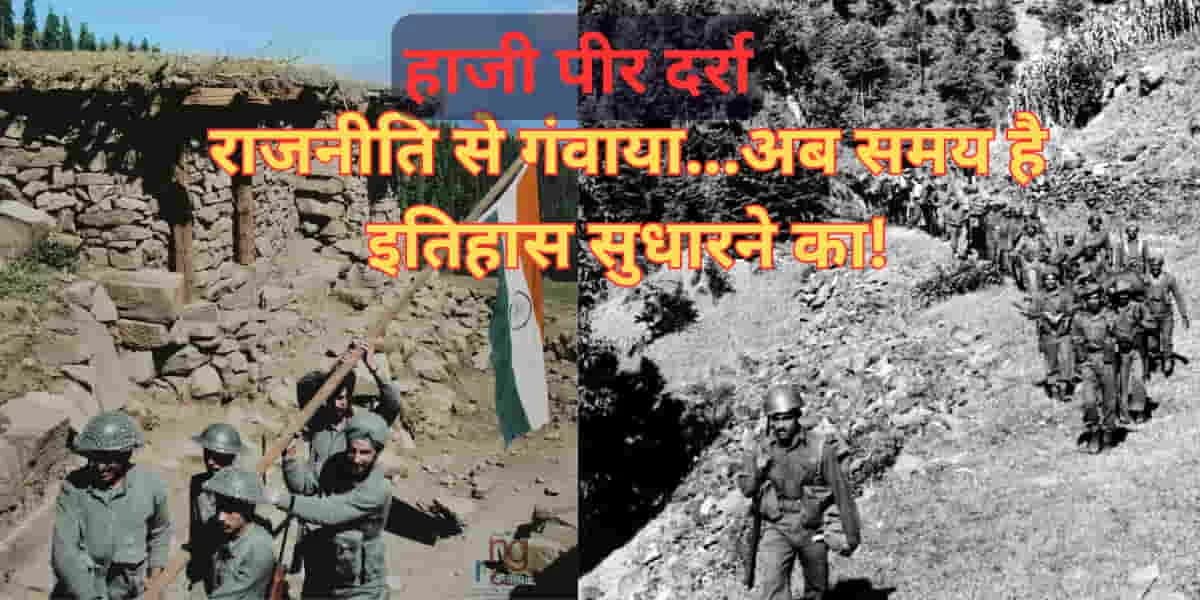
Haji Pir Pass: Indian army won twice Haji Pir Pass, but returned, panic do here infiltration

Haji Pir Pass: Won Twice by India, Returned, Still a Key Route for Terror Infiltration

Haji Pir Pass: The country is in shock, complete from the Terror attack on 22 April 2025. 26 people were killed in this attack in the Basron Valley. The resistance front (TRF) of the Pakistan’s terror organisation Lashkar-e-Taiba, has executed the attack. The conspiracy of this attack was brought to Ravalakot of Pak Authorized Kashmir (PoK). Chances are being tortured that the terrorists infiltrated the way of Haji Pir Darre to the Initiativegaum. This Darra, which India had won in 1965 but returned to Pakistan in the Tashkent agreement, is still the main way of terrorism. The initiative’s terror attack has revived the 51-year-old debate over that strategic mistake, which results in India being released today.

Haji Pir Pass: Won Twice by India, Returned, Still a Key Route for Terror Infiltration

Haji Pir Pass: Connection of Haji Pir and Wrestour Attack

Chances are being tortured that Haji Pir Darre was also used in the initiativegam terror attack. The panic reached Basran as a cokeranag from the installment of the same Darre. Ajay Khan, resident of Ravalakot and leader of human rights activist and Kashmir People National Party, revealed that many panic training camps around Haji PIR are running. If Haji PIR is under control of India today, panic infiltration could be prevented. The Lieutenant General Harbkhsh Singh, who was the Western Army Commander of 1965, had described it as the "Creative Masterstroke," but Tashkent made it useless. Defence Minister Rajnath Singh said in January 2025, "It was forgotten to return Haji Pir in 1948 and 1965. It could close the way of terrorism. ""

Located at a height of 2,637 m Haji Pir Pass:

It is located in DRA Pak authorized K (PoK). Haji Pir Darra Pir is located at a height of 2,637 m on the pawl range and connects an important road on the punch-urry-rajouri route. It is strategically important for J&K. Because India can shut down the way of infiltration if it puts this Darre under its control and reduce the distance between the punch-uri from 282 km to 56 km. It was India’s biggest achievement to win this Darre in the India-Pak War of 1948 and 1965.

Haji Pir Pass: 1948: First capture and return

In the first India-Pak war of 1947-48 Pakistan captured the area of 78,114 square km J&K including Haji Pir Darra. On 22nd October 1947, Pakistan began to attack Kashmir with support from the confession attackers (seven tribes) and the Pakistani army. This operation was a force of the Gulmarg K. On October 26, Maharaja Green Singh signed a merger letter with India, and India sent military support. Haji Pir Darra, a significant goal in this war. The Pakistani intruder and the army occupied the region, as it was a major way to enter the Kashmir Valley. The clan and the culinary army occupied Muzaffarabad, Baramula, and Uri in October 1947. Haji Pir Darra also came under his control, as it was the smallest way from Ravalakot to the Kashmir Valley. Darre’s control was important for Pakistan, as it was a logistic center for intruders and arms supply.

The Indian Army launched the military campaign to secure Srinagar and Uri from November 1947 in response to it. 1 Sikh Regiment and 4 Kumanite Regiment freed Baramula and Uri from the possession of the clan. While the wing was in the Pakistani siege by the end of 1947. Subsequently, the Indian Army started Operation EG (1948), which had to free the motive straw and gain control over the Haji Pir region. In May-June 1948, the Indian Army occupied several peaks around the pilgrimage and reached Haji Pir Darre. 19 Infantry Brigade and 161 Infantry Brigade participated in this campaign. By June 1948, the Indian Army occupied Haji Pir Darre. Ilaka was extremely bored, and the Pakistani army had deployed heavy weapons at Darre. Indian soldiers reached the rater by winning peaks like Sank, Ladiwali, and Bedori. This win partially restored the straw-urry route and reduced the infiltration.

The Pakistani army attacked several responsive attacks to withdraw Darre in July-August 1948. These attacks took part by the confession fighters and the regular troops of Pakistan. The Indian Army failed these attacks, but also raised heavy losses. The wing siege continued until November 1948, when the Indian Army completely freed the wing under the operation link-up. Officers such as Brigadier Prem Singh and Lieutenant Col Hari Singh played a key role in the wing and Haji PIR campaigns.

Haji Pir Pass: Warfare in UN Arbitration

1 जनवरी 1949 को संयुक्त राष्ट्र की मध्यस्थता में युद्धविराम लागू हुआ। नियंत्रण रेखा (LoC) स्थापित की गई, और हाजी पीर दर्रा पाकिस्तान के नियंत्रण में चला गया। भारत ने युद्ध में दर्रे पर कब्जा किया था, लेकिन युद्धविराम समझौते के तहत इसे वापस करना पड़ा। यह फैसला भारत के लिए रणनीतिक नुकसान साबित हुआ, क्योंकि हाजी पीर बाद में आतंकी घुसपैठ का केंद्र बन गया।

Haji Pir Pass: 1965 में दूसरा कब्जा

पाकिस्तान ने ऑपरेशन जिब्राल्टर शुरू किया, जिसमें हजारों घुसपैठिए (5,000-30,000) कश्मीर में दाखिल हुए ताकि विद्रोह भड़काया जाए। हाजी पीर दर्रा इस घुसपैठ का मुख्य केंद्र था। भारत ने जवाबी कार्रवाई में ऑपरेशन बख्शी और ऑपरेशन फौलाद शुरू किए। 1 पैरा बटालियन, मेजर (बाद में लेफ्टिनेंट जनरल) रणजीत सिंह दयाल और ब्रिगेडियर जोरावर चंद बख्शी के नेतृत्व में, ने 37 घंटे की भीषण लड़ाई के बाद सांक, लेदीवाली गली, और हाजी पीर दर्रा पर कब्जा किया। 28 अगस्त 1965 का दिन भारतीय सेना के इतिहास में सुनहरे अक्षरों में दर्ज है। बारिश, कीचड़, कोहरा, और दुश्मन की गोलाबारी के बावजूद 28 अगस्त को सुबह 10:30 बजे दर्रा भारत के नियंत्रण में था। उस दिन सुबह 10:30 बजे, मेजर रंजीत सिंह दयाल (बाद में लेफ्टिनेंट जनरल) के नेतृत्व में 1 पैरा के जांबाज सैनिकों ने जम्मू-कश्मीर में हाजी पीर दर्रे पर कब्जा कर लिया। यह हमला पांच इन्फैंट्री बटालियनों और दो आर्टिलरी रेजिमेंट्स की मदद से किया गया था।

यह दर्रा, जो 1947 के बंटवारे के बाद 18 साल तक पाकिस्तान के कब्जे में था, भारतीय सेना के लिए एक बड़ी जीत थी। अगले दिन पाकिस्तान ने जवाबी हमला किया, लेकिन भारतीय सैनिकों ने उसे नाकाम कर दिया। 30 अगस्त तक दर्रे और आसपास की चोटियों पर भारत का पूर्ण नियंत्रण था। 10 सितंबर को नजदीकी काहुता पर कब्जे के साथ हाजी पीर बल्ज को पूरी तरह सील कर दिया गया, और पाकिस्तानी ने पूरी तरह से घुटने टेक दिए थे। यह मिशन ऑपरेशन बख्शी का हिस्सा था, जिसने पाकिस्तान के ऑपरेशन जिब्राल्टर को विफल किया। हमले से पांच दिन पहले सेना प्रमुख जनरल जे.एन. चौधरी ने आक्रामक रुख अपनाने की जरूरत पर जोर दिया था, ताकि पाकिस्तान को जवाब देने के लिए मजबूर किया जाए।

Haji Pir Pass: पाकिस्तान का ऑपरेशन ग्रैंड स्लैम

हाजी पीर पर कब्जे ने पाकिस्तान को झटका दिया, लेकिन तीन दिन बाद उसने ऑपरेशन ग्रैंड स्लैम शुरू किया। 1 सितंबर को चंब-जौरियन सेक्टर में उसने टैंकों और पैदल सेना के साथ बड़ा हमला बोला, जिसका मकसद अखनूर का पुल और फिर जम्मू-पुंछ राजमार्ग पर कब्जा करना था। इससे वह जम्मू-श्रीनगर राजमार्ग पर नियंत्रण कर जम्मू-कश्मीर को भारत से काट सकता था। खुफिया जानकारी और तैयारी की कमी के कारण भारतीय सेना शुरू में दबाव में थी, लेकिन 6 सितंबर को भारतीय सेना के XI और I कोर ने पाकिस्तानी पंजाब में लाहौर और सियालकोट की ओर बढ़कर जवाब दिया। इससे पाकिस्तान को अपनी सेना वापस खींचनी पड़ी, और अखनूर का पुल आखिरी मौके पर बच गया।

Haji Pir Pass: ताशकंद समझौते में सोवियत दबाव

खास बात यह है कि 1965 के भारत-पाकिस्तान युद्ध में, जो 5 अगस्त को पाकिस्तानी घुसपैठियों की पहचान के साथ शुरू हुआ और 23 सितंबर को संयुक्त राष्ट्र के युद्धविराम के साथ खत्म हुआ, यह भारतीय सेना की एकमात्र ऐसी आक्रामक कार्रवाई थी जो शुरू से अंत तक पूरी तरह सफल रही। मेजर रणजीत दयाल और ब्रिगेडियर बख्शी को महावीर चक्र मिला, और 1 पैरा को बैटल ऑनर हाजीपीर से सम्मानित किया गया। लेकिन ताशकंद समझौते (10 जनवरी 1966) में भारत ने हाजी पीर दर्रा और 1,920 वर्ग किमी क्षेत्र पाकिस्तान को लौटा दिया। यह फैसला सोवियत दबाव में लिया गया। पाकिस्तान ने चंब-जौरियन क्षेत्र में अखनूर के पास फटवाल रिज तक कब्जा कर लिया था, जो जम्मू के लिए खतरा था। भारत ने हाजी पीर के बदले चंब से पाकिस्तानी सेना को हटाने की शर्त मानी। यह फैसला कई सैन्य अधिकारियों को गलत लगा, क्योंकि इससे पाकिस्तानी सेना अखनूर से सिर्फ 4 किलोमीटर दूर रह सकती थी। कई विशेषज्ञों का मानना है कि तत्कालीन प्रधानमंत्री लाल बहादुर शास्त्री ने पाकिस्तान के “युद्ध न करने” के वादे पर भरोसा किया। शास्त्री की ताशकंद में अचानक मृत्यु ने इस फैसले पर सवाल खड़े कर दिए।

1971 में क्यों नहीं किया कब्जा?

1971 के युद्ध में भारत ने 93,000 पाकिस्तानी सैनिकों को बंदी बनाया और पूर्वी पाकिस्तान में मुक्ती बाहिनी की मदद की। जिसके बाद बांग्लादेश आजाद देश बना। हालांकि, उस दौरान भारत ने हाजी पीर दर्रे को फिर से कब्जाने की कोशिश की, लेकिन भारी नुकसान के चलते हमला वापस लेना पड़ा। मेजर रमेश बलदानी सहित कई सैनिक शहीद हुए। विश्लेषकों का कहना है कि भारत को फोकस पूर्वी मोर्चे पर था, और पश्चिमी मोर्चे पर हाजी पीर को प्राथमिकता नहीं दी। 1971 में भारत इस दर्रे को दोबारा हासिल करने का मौका चूक गया। बाद में मेजर से लेफ्टिनेंट जनरल बने रणजीत सिंह दयाल ने बाद में एक सााक्षात्कार में कहा था, “यह दर्रा भारत को रणनीतिक बढ़त दे सकता था। इसे लौटाना गलती थी। हमारे लोग नक्शे नहीं पढ़ते।”

Pahalgam Attack: Temporary operating base will be deployed in altitude areas to prevent infiltration from across the border 

वहीं, लेफ्टिनेंट जनरल (सेवानिवृत्त) डी.बी. शेकटकर ने 23 सितंबर 2015 को एक बयान में कहा था, “हाजी पीर की वापसी ने आतंकवाद को बढ़ावा दिया”। उन्होंने विशेष रूप से कहा, “हमें यह नहीं पता कि हाजी पीर दर्रा, जो रणनीतिक रूप से बहुत महत्वपूर्ण था, उसे वापस करने के क्या कारण थे। आज कश्मीर में होने वाली सारी घुसपैठ उसी क्षेत्र से होती है। अगर हमने उस चौकी को, जिसे हमने कब्जा किया था, अपने पास रखा होता, तो चीजें अलग हो सकती थीं।”

Baisaran Terror Attack: Big Disclosure! PoK’s Ravalakot is a terror export hub, visited by General Assym Munier after the Wrestour attack

Baisaran Terror Attack: PoK’s Rawalakot Emerges as Terror Export Hub

Baisaran Terror Attack: The links to Pakistan’s inclusion in the Initiative’s terror attack are all in front of. This panic link has been scrutinized in the scrutiny of how deep and dangerous. On April 22, 2025, 26 people were killed in this attack in Besaron Valley of Wrestgaum, which were mostly tourists. The investigation now revealed that the conspiracy of this Kashmir terror attack was recreated in the city of Ravalakot, the Pak Authorized Kashmir (PoK). Laskar-e-Thaiba (LeT), Jash-e-Mohammed (JeM), and Laskar’s branch is the hand of the ‘The Resistance Front’ (TRF) behind the Terror attack, which was the full support of the Pakistani Army and ISI. The training camps of open-am terrorists in Ravalakot are ongoing, which are monitored by Pakistan.

Baisaran Terror Attack: PoK’s Rawalakot Emerges as Terror Export Hub

Baisaran Terror Attack: An Export Hub of Terror Ravalakot

The resident of Ravalacoat of Pak authorized Kashmir and the human rights activist and leader of the Kashmir People National Party Sardar Nasir Ajiz Khan has revealed sensationalase. Nasir, who has now been for asylum in Europe, told that the scheme of the Initiativegam Panic Attack (Baisaran Terror Attack) was built at a secret meeting at Ravalakot. The meeting consisted of Lashkar-e-Taiba, Jash-e-Mohammed, and Officer of ISI. Nasir also has a video, which includes the interaction of the plot between the terror raginas and ISI. The inflammatory speech of Safulah and Commander Abu Musa in the ark of Lashkar in the video is clear.

"India tried to change the demographics of Kashmir by removing Article 370," said Abu Musa in a rally held at Ravalakot’s Khaai Galla on April 18. You deployed 10 lakh soldiers. You want to echo ‘Ram Ram’ in Pulwama, Ponch, Rajouri. Lashkar-e-Thaiba accepts your challenge. Inshallah, we will take the pills, cut your necks and honour the sacrifice of our martyrs. "This speech was given four days ago from the Awakening Attack (Baisaran Terror Attack).

Baisaran Terror Attack: Populous PoK arrived after the attack

Nasir revealed that General Assym Munier arrived at the Gilgit-Baltistan area of PoK on April 24, 2025. The visit took place just a day after the Ultimatum of the Pakistani citizens to suspend Indus Water Treaty by India, close the attic border, and leave the country in 48 hours. This visit to Munier was secret, and it was officially issued a statement on behalf of the Pakistani Army or the Government. Munir took a secret meeting with high-level military officers and local administration in PoK there. The aim of this meeting can be to take the status of the ongoing terror training camps in PoK and prepare strategies in response to the stringent steps of India. While Munier’s PoK also suggests that Pakistan is working on the strategy of ‘safe launching’ and ‘Dinyl Network’ to protect itself from international criticism. I.e. the terrorists will be active, but will try to avoid leaving the evidence of the connection directly to the Pakistani army or ISI.

नासिर का कहना है कि पूर्व पाकिस्तानी राष्ट्रपति परवेज मुशर्रफ ने बीबीसी को दिए एक साक्षात्कार में स्वीकार किया था कि वे आतंकियों को प्रशिक्षण देते हैं और कश्मीर भेजते हैं। वर्तमान सेना प्रमुख जनरल असीम मुनीर भी इस नीति को जारी रखे हुए हैं।

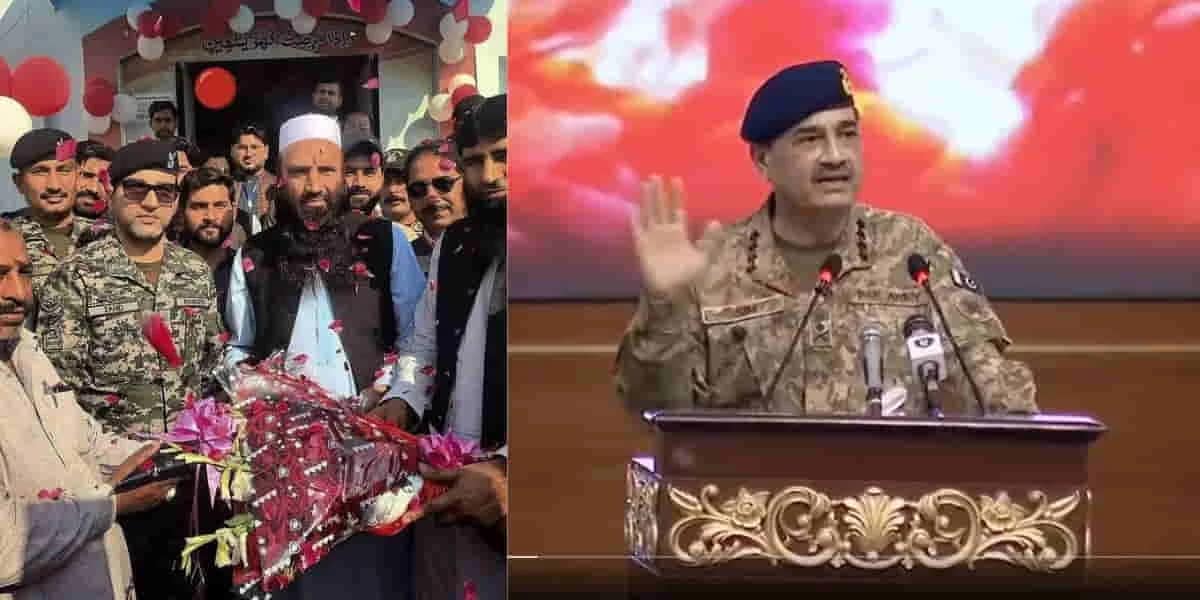
बता दें कि जनरल असीम मुनीर हाल के महीनों में अपनी भड़काऊ बयानबाजी के लिए चर्चा में रहे हैं। 15 अप्रैल, 2025 को एक मदरसा छात्र के रूप में उन्होंने कश्मीर को पाकिस्तान की “गले की नस” बताया और दो-राष्ट्र सिद्धांत का समर्थन किया। 16 अप्रैल को दिए एक और भाषण में उन्होंने कहा कि हिंदू और मुसलमान कभी एक साथ नहीं रह सकते। एक पूर्व पाकिस्तानी सेना में अफसर रहे अफसर आदिल रजा ने दावा किया था कि यह हमला मुनीर के व्यक्तिगत आदेश पर हुआ, हालांकि उन्होंने इसे व्यक्तिगत कार्रवाई बताकर पाकिस्तानी सेना को जिम्मेदारी से मुक्त करने की कोशिश की। भारतीय खुफिया सूत्रों ने भी मुनीर को (Baisaran Terror Attack) हमले का मास्टरमाइंड बताया और कहा कि वह कश्मीर मुद्दे को प्राथमिकता देकर पाकिस्तान के आंतरिक संकटों से ध्यान भटकाने की कोशिश कर रहे हैं।

खुफिया सूत्रों के अनुसार, PoK में वर्तमान में 42 आतंकी लॉन्च पैड सक्रिय हैं, जहां करीब 130 आतंकी मौजूद हैं। मुनीर का दौरा इन शिविरों की गतिविधियों को और तेज करने या उनकी सुरक्षा सुनिश्चित करने की कोशिश हो सकता है, खासकर तब जब भारत ने इन शिविरों को निशाना बनाने की बात कही है।

Baisaran Terror Attack: PoK’s Rawalakot Emerges as Terror Export Hub

Baisaran Terror Attack: खुले आम आतंकी निकालते हैं रैलियां

नासिर ने साफ शब्दों में कहा कि रावलाकोट और पीओके के दूसरे इलाकों को ‘लॉन्चिंग पैड’ के तौर पर इस्तेमाल किया जा रहा है। यहां से आतंकवादियों को ट्रेनिंग देकर भारतीय सीमा में घुसपैठ के लिए भेजा जाता है। उन्होंने बताया कि रावलाकोट और मुजफ्फराबाद में चल रहे आतंकी शिविरों को न केवल ISI बल्कि पाकिस्तानी सेना भी समर्थन देती है। उन्होंने बताया कि ये संगठन खुले तौर पर रैलियां निकालते हैं, हथियार लहराते हैं और भारत के खिलाफ जहर उगलते हैं। उन्होंने कहा, “अगर पाकिस्तानी सरकार नहीं चाहे, तो एक चिड़िया भी पर नहीं मार सकती। लेकिन ये आतंकी संगठन हजारों की संख्या में रैलियां निकालते हैं, हथियारों के साथ। यह साफ है कि उनके पीछे कौन है।”

Baisaran Terror Attack: PoK’s Rawalakot Emerges as Terror Export Hub

Baisaran Terror Attack: बच्चों का अपहरण कर बनाते हैं आतंकी

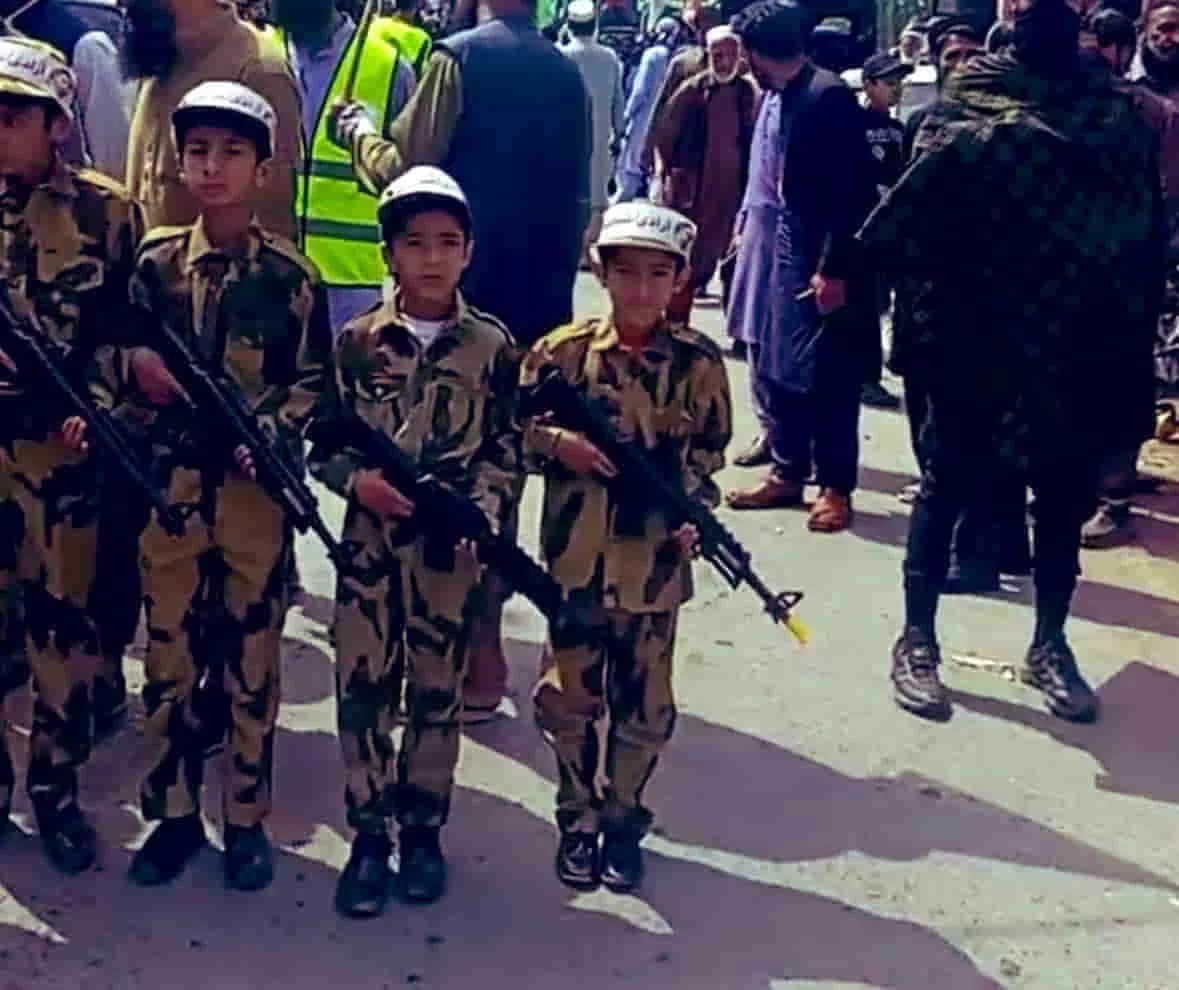
नासिर ने बताया कि रावलाकोट और मुजफ्फराबाद में आज भी आतंकी प्रशिक्षण शिविर सक्रिय हैं, जिन्हें पाकिस्तानी सेना ऑपरेट करती है। इन शिविरों में गरीब बच्चों को मदरसों से अपहरण कर प्रशिक्षण शिविरों में ले जाकर हथियार चलाने की ट्रेनिंग दी जाती है और फिदायीन बनाया जाता है। उन्होंने बताया कि दो साल पहले रावलाकोट (Baisaran Terror Attack) के पास रावलाबाग से 22 किशोर बच्चे, जो मदरसों में पढ़ते थे, अचानक गायब हो गए। जब उनके माता-पिता ने विरोध शुरू किया, तो स्थानीय प्रशासन ने कहा कि बच्चे “प्रशिक्षण” के लिए गए हैं और जल्द लौट आएंगे। लेकिन उनमें से कोई भी बच्चा वापस नहीं लौटा। नासिर ने कहा, “ये बच्चे आतंकी बनाए जाते हैं। उनके नाम बदल दिए जाते हैं, और कई बार तो उन्हें प्रशिक्षण के दौरान ही मार दिया जाता है।” नासिर ने कहा, “ये बच्चे निर्दोष हैं। उन्हें ब्रेनवॉश कर फिदायीन बनाया जाता है। यह मानवता के खिलाफ अपराध है।”

Baisaran Terror Attack: PoK में चीनी कंपनियां कर रही हैं खनिजों की लूट

नासिर ने बताया कि PoK में प्राकृतिक संसाधनों की लूट हो रही है। रावलाकोट और गिलगित-बल्तिस्तान (Baisaran Terror Attack) में सोने की खदानें, यूरेनियम और अन्य कीमती खनिज पाए गए हैं। लेकिन इन संसाधनों का दोहन पाकिस्तान की सरकार और सेना चीनी कंपनियों के जरिए कर रही है। नासिर ने बताया कि संयुक्त राष्ट्र के प्रस्ताव के अनुसार, PoK एक विवादित क्षेत्र है, और पाकिस्तान का इन संसाधनों पर कोई कानूनी अधिकार नहीं है। फिर भी, पाकिस्तान ने चीनी कंपनियों को खनन, बांध निर्माण और बिजली परियोजनाओं के लिए खुली छूट दे रखी है। उन्होंने कहा, “पाकिस्तान की आर्थिक स्थिति इतनी खराब है कि वह खुद इन परियोजनाओं को नहीं चला सकता। इसलिए उसने चीन को PoK में खुली छूट दी है।” उन्होंने कहा कि चीन की मौजूदगी PoK में न केवल खनन तक सीमित है, बल्कि CPEC परियोजनाओं और बांध निर्माण में भी उसकी भागीदारी है। नासिर ने कहा कि PoK की जनता को इन संसाधनों का कोई लाभ नहीं मिलता।

Baisaran Terror Attack: PoK में गरीबी और बेरोजगारी चरम पर

नासिर ने PoK की सामाजिक और आर्थिक स्थिति पर भी चिंता जताई। उन्होंने बताया कि PoK की कुल आबादी लगभग 50 लाख है, जिसमें से 20 लाख लोग रोजगार की तलाश में खाड़ी देशों और मध्य पूर्व में पलायन कर चुके हैं। वहां न उद्योग हैं, न रोजगार के अवसर। सरकारी नौकरियां केवल उन लोगों को मिलती हैं, जो पाकिस्तान के प्रति वफादारी की शपथ लेते हैं। सरकारी स्कूलों और अस्पतालों की स्थिति बदहाल है। 2005 के भूकंप के बाद यूएई ने रावलाकोट और मुजफ्फराबाद में अस्पताल बनाए थे, लेकिन वहां की आधुनिक मशीनें भी हटा ली गईं, क्योंकि उन्हें चलाने वाला कोई नहीं था। नासिर ने कहा, “जो लोग विदेशों से पैसा कमाते हैं, वे निजी स्कूलों और अस्पतालों का खर्च उठा सकते हैं। लेकिन गरीबों के बच्चे या तो मदरसों में जाते हैं या आतंकी शिविरों में जबरन भेज दिए जाते हैं।”

सरदार नासिर अजीज खान ने भारत और खासकर कश्मीर के मुस्लिमों (Baisaran Terror Attack) की प्रशंसा करते हुए कहा कि भारतीय मुसलमानों ने हमेशा आतंकवाद के खिलाफ और शांति के पक्ष में खड़े होने का उदाहरण पेश किया है। उन्होंने कहा कि कश्मीर घाटी में “हिंदू-मुस्लिम भाईचारे” के नारे लगना इस साजिश का सबसे करारा जवाब है, जो पाकिस्तान रचने की कोशिश कर रहा है।

कोकेरनाग के रास्ते बैसरन पहुंचे थे आतंकी

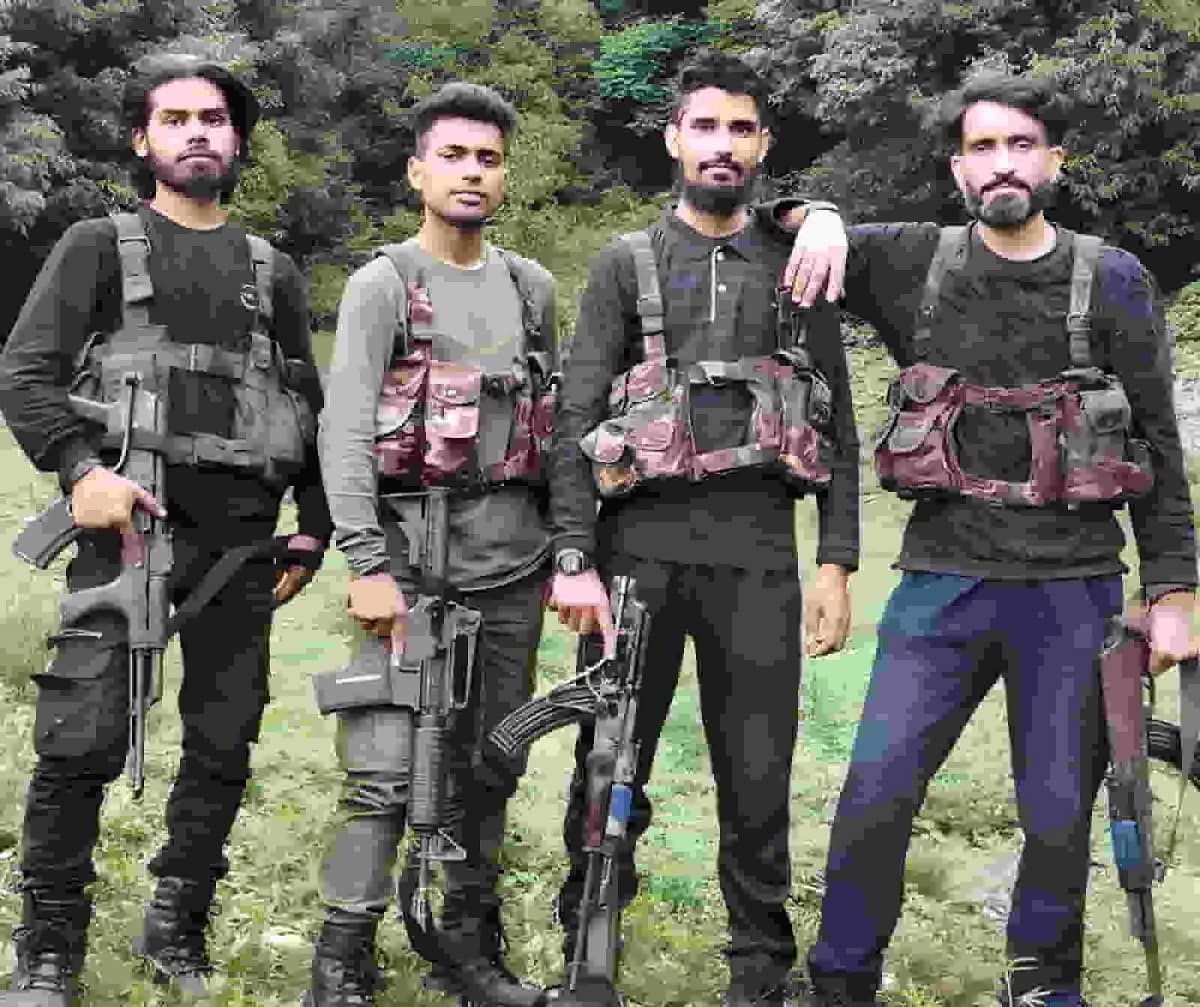
बता दें कि पहलगाम हमले (Baisaran Terror Attack) में छह आतंकियों ने किश्तवाड़ से होते हुए कोकेरनाग के रास्ते बैसरन पहुंचकर 26 लोगों को गोलियों से भून डाला। ये आतंकी स्थानीय सहयोगियों यानी ओवरग्राउंड वर्कर्स (OGW) की मदद से पर्यटकों के बीच घुसे और इस हमले को अंजाम दिया। जांच में पता चला कि आतंकियों ने अप्रैल के पहले सप्ताह में पहलगाम के पर्यटक स्थलों और होटलों की रेकी की थी। पहलगाम हमले में आतंकियों ने अत्याधुनिक अमेरिकी हथियार M4 राइफल का इस्तेमाल किया, जो आमतौर पर अमेरिकी और नाटो सैनिकों द्वारा उपयोग किया जाता है। जांच एजेंसियों के मुताबिक, ये हथियार अफगानिस्तान से तस्करी के जरिए PoK पहुंचे। जब अमेरिका ने 2021 में अफगानिस्तान से अपनी सेना वापस बुलाई, तो लगभग 80 बिलियन डॉलर के हथियार वहां छोड़ दिए गए। तालिबान के कब्जे के बाद ये हथियार विभिन्न आतंकी संगठनों के हाथ लगे, जिन्हें ISI के जरिए PoK में सक्रिय आतंकियों तक पहुंचाया गया।

Pahalgam attack: पहलगाम हमले से पहले टीला रेंज में पाकिस्तान की War Rehearsal, क्या ये इत्तेफाक था? इस अफसर ने किया था कमांड! LoC पर बढ़ाया बिल्डअप

‘अल्पाइन क्वेस्ट’ एप हो रही मददगार

जांच एजेंसियों ने खुलासा किया कि पहलगाम हमले (Baisaran Terror Attack) में आतंकियों ने ‘अल्पाइन क्वेस्ट’ नामक एक एन्क्रिप्टेड नेविगेशन ऐप का इस्तेमाल किया। यह एप एडवांस जीपीएस मैपिंग और ऑफलाइन ट्रैकिंग की सुविधा प्रदान करता है, जिसकी मदद से आतंकी घने जंगलों से होकर पहलगाम पहुंचे और भारतीय सुरक्षा बलों की नजरों से बचे रहे। सूत्रों के मुताबिक, इस एप को पाकिस्तानी सेना की देखरेख में बनाया गया था ताकि भारतीय खुफिया एजेंसियों की निगरानी से बचा जा सके। आतंकियों को इस एप के इस्तेमाल की विशेष ट्रेनिंग दी जाती है, ताकि वे मुश्किल इलाकों में आसानी से रास्ता ढूंढ सकें।

Explaind: What will be cancelled Shimla Agreement? The last formula of the conversation will end if the Pakistan will have this iceberg.

Explained: Shimla Agreement- What It Means, Why It Matters, and What Happens If Pakistan Walks Away

Indira Gandhi had said the Shimla Agreement (Shimla Agreement) after: "We have taken the first step towards cooperation and cooperation. It is now up to both the nations to build on this foundation for a "We have taken the first step towards peace and cooperation." Now it is dependent on both countries that they create a permanent relationship on this foundation. " However, India has always assumed this agreement, but Pakistan did not stand out on its promise. Whether 1999’s Cargill War, 2008’s 26/11 Mumbai attack, and Pulwama attack. Pakistan has always stood challenges in its implementation by stringing the honour of this agreement. But the initiativegam terror attack shackled the whole country, after which India had decided to suspend the Indus Water Treaty. In response to which Pakistan’s Prime Minister Shahbaj Sharif has also threatened to postpone Shimla Agreement.

Explained: Shimla Agreement- What It Means, Why It Matters, and What Happens If Pakistan Walks Away

Shimla Agreement: A Strategic Document of India-Pakistan Relations

Shimla is an important diplomatic agreement between India and Pakistan in 1972, which has been a foundation stone in defining the relations of both countries and promoting regional peace. This agreement not only maintains the issue of J&K bilateral, but also has a solution to reduce war and tension between the two countries. When stress arises between the two countries, this agreement is always made the basis of interaction.

"The Shimla Agreement was not just a ceasefire pact; it was a bold attempt to redefine India-Pakistan relations through dialogue and mutual respect, anchoring in the volatile subcontinent." That was not only a warfare treaty; It was an adventurous effort to redefinite India-Pakistan relations through interaction and interpersonal honour, which made the basis of peace in the unstable subcontinent. ""

What is Shimla Agreement?

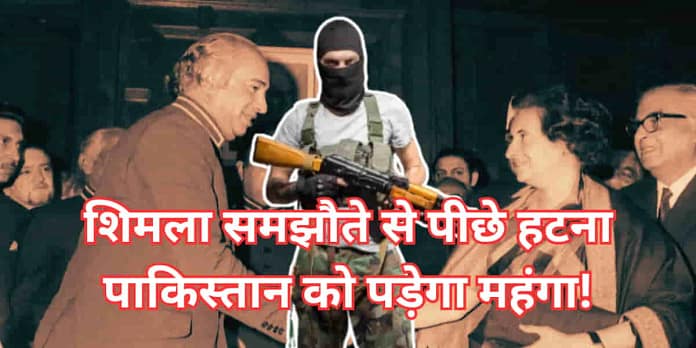
Shimla Agreement was held in Shimla, the capital of Himachal Pradesh between India and Pakistan on July 2, 1972. India’s then Prime Minister Indira Gandhi and Pakistan’s then-President Jolfikar Ali Bhutto was knocked down. The agreement happened after the 1971 India-Pakistan War, in which Bangladesh (Eastern Pakistan) became an independent nation after Pakistan’s bad defeat. At the end of the war, India was capturing 93,000 Pakistani troops, and this agreement was an attempt to normalize the post-war situation and establish peace between the two countries. The agreement has been the basis of reducing stress and promoting interaction between the two countries for the past 50 years, even if it has been violated several times.

Shimla Agreement Background

In 1947, the tension of Jammu and Kashmir began between the two countries after the India-Pakistan sharing. The Warfare Line (Line of Ceasefire) was created from the UN’s arbitration after the first India-Pakistan war of 1947-48. 1965 war and then the Karachi Agreement (1966) did not completely eliminate stress. But the foundation of the Shimla agreement was laid after the rust of 1971. When Pakistan tortured the Bengali population in East Pakistan (now Bangladesh), and India intervened, after which Pakistan had to kneel.

युद्ध के बाद भारत के पास 93,000 पाकिस्तानी सैनिक बंदी थे, और 5,000 वर्ग मील पाकिस्तानी क्षेत्र पर उसका नियंत्रण था। दूसरी ओर, पाकिस्तान कमजोर स्थिति में था, क्योंकि उसने अपना पूर्वी हिस्सा खो दिया था। इस स्थिति में दोनों देशों को एक ऐसे समझौते की जरूरत थी, जो युद्ध के बाद की स्थिति को संभाले और भविष्य में टकराव होने से रोके। शिमला समझौता इसी जरूरत का परिणाम था।

Shimla Agreement के प्रमुख प्रावधान

शिमला समझौता में 12 अनुच्छेद हैं। इसके प्रमुख प्रावधान इस प्रकार हैं:

  • दोनों देश शांति और सहयोग के सिद्धांतों पर आधारित संबंध विकसित करेंगे। वे एक-दूसरे की क्षेत्रीय अखंडता, संप्रभुता, और स्वतंत्रता का सम्मान करेंगे।
  • भारत और पाकिस्तान अपने सभी विवादों, विशेष रूप से जम्मू-कश्मीर से संबंधित मुद्दों, को बातचीत, मध्यस्थता, या अन्य शांतिपूर्ण तरीकों से हल करेंगे। इसमें तीसरे पक्ष (जैसे संयुक्त राष्ट्र) की मध्यस्थता को शामिल नहीं किया जाएगा।
  • जम्मू-कश्मीर में 17 दिसंबर, 1971 को स्थापित युद्धविराम रेखा को नियंत्रण रेखा (LoC) के रूप में मान्यता दी गई। दोनों देश इसका सम्मान करेंगे और इसे बदलने के लिए बल प्रयोग नहीं करेंगे।
  • दोनों देश एक-दूसरे के खिलाफ आतंकवाद, घुसपैठ, या शत्रुतापूर्ण प्रचार को बढ़ावा नहीं देंगे।
  • समझौते ने दोनों देशों के बीच कूटनीतिक संबंधों, व्यापार, संचार, और सांस्कृतिक आदान-प्रदान की बहाली का रास्ता खोला।
  • भारत ने 93,000 पाकिस्तानी युद्धबंदियों को रिहा करने और कब्जाए गए क्षेत्रों को वापस करने का वादा किया, जबकि पाकिस्तान ने भी भारत के कब्जाए गए क्षेत्रों को लौटाया।
  • समझौते में प्रावधान था कि दोनों देशों के नेता नियमित रूप से मिलेंगे ताकि शांति और सहयोग को बढ़ावा दिया जा सके।
1971 India-Pakistan War: Indira Gandhi had gone in the Shimla agreement to the trumpet moves! How Gidragada had Julpikar Ali Bhutto

शिमला समझौते का महत्व

शिमला समझौते का सबसे बड़ा फायदा कश्मीर मुद्दे को मिला। इसने कश्मीर मुद्दे को संयुक्त राष्ट्र जैसे अंतरराष्ट्रीय मंचों से हटाकर भारत और पाकिस्तान के बीच का मामला बनाया। पाकिस्तान ने माना कि कश्मीर विवाद को अंतरराष्ट्रीय नहीं, बल्कि भारत-पाक के बीच आपसी सहमति से ही सुलझाया जाना चाहिए। समझौते ने जम्मू-कश्मीर में नियंत्रण रेखा (LoC) को 17 दिसंबर, 1971 की युद्धविराम रेखा का आधार बनाया, जिसने दोनों देशों के बीच सीमा विवाद को कम करने में मदद की। समझौते ने भारत और पाकिस्तान के बीच बातचीत का एक आधार दिया, जिसके तहत बाद में लाहौर घोषणा पत्र (1999) और आगरा शिखर सम्मेलन (2001) का आयोजन हुआ। साथ ही, इसने आतंकवाद और शत्रुतापूर्ण गतिविधियों को रोकने की प्रतिबद्धता जताई। वहीं, इस समझौते ने कूटनीतिक और व्यापारिक संबंधों को बहाल करने का रास्ता खोला। ये अलग बात है कि पाकिस्तान ने बातचीत का दिखावा करते हुए इस समझौते की हमेशा से ही धज्जियां उड़ाईं।