Defence Emergency Procurement: The timelines of the emergency procurement process of the Government of India are to be a month. This timeframe was ended on November 19 last month. Now the Ministry of Defence is seriously considering this time limit on a month and forth. This is because the interactions associated with multiple weapon systems and military equipment are in the final stage, but they could not be accomplished when they expire.
As per the senior sources of the Ministry of Defence, the deals that have been almost complete can be hanging in the face if this period is not extended. These deals can be delivered to the contract level by extending a month in such a way.
Defence Emergency Procurement: What is Emergency Procurement and Why Necessary
Emergency procurement is a special process, under which Indian forces are allowed to purchase weapons, ammunitions and essential military equipment at a very short time. Delivery is ensured within six months under the procedure where it takes two to three years.
In this process, neither long tenders are removed nor trialed. Generally every transaction ranges between Rs 300 to Rs 400 crore, so as to increase military capacity immediately at the time of need.
Defence Emergency Procurement: Increased need after operation transfer
Emergency Procurement has been used several times over the past few years. India had purchased a large number of weapons and equipment under this process after a collision with the Chinese army in Galwan, East Ladakh. In addition, this procedure was adopted even after operation shifter.
In May 2025, the Government had approved an emergency purchase of about Rs 40 thousand crore under this special arrangement. The motive was to meet the immediate operational needs of the Army, so that the preparedness in any circumstances did not decrease. During that, the Army had urgent need for drones, loweringmissions, air defense systems, and ammunition, which was completed through an emergency procurement. Defence Emergency Procurement
Let's say that the validity period of the Emergency Procurement Power is usually given 6 months. The power granted in May 2025 after operation shifter was Valid until November 19, 2025. Under this, it is mandatory to sign a contract within 40 days. There should be full delivery within 1 year. If there was no delivery in 1 year, a contract foreclosure can be cancelled under the new policy update of 2025. In November 2025, Defence Secretary Rajesh Kumar Singh had strict warning that this rule will now be strictly enforced, whether the supplier is desi or foreigner. Usually the purpose of emergency procurement is to ensure delivery in 3-6 months, so that immediate operational gap is filled. Defence Emergency Procurement
Defence Emergency Procurement: Most Thrust On Procurement of Drone System
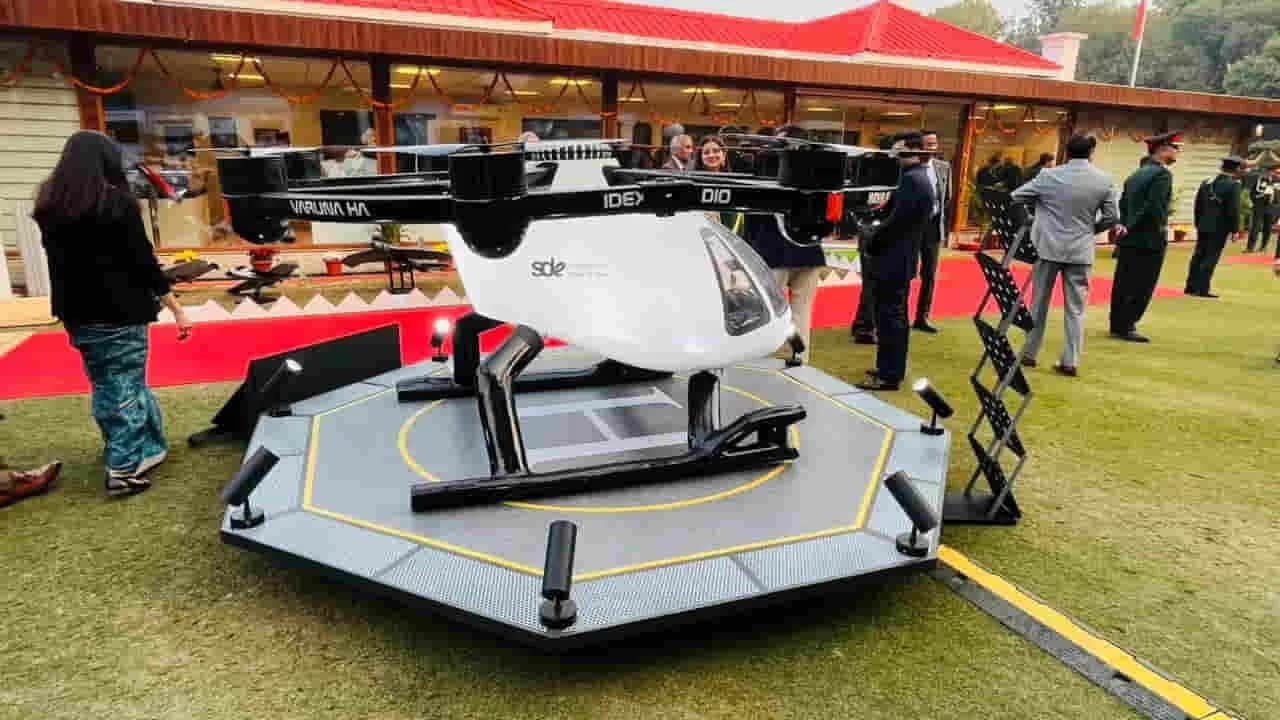
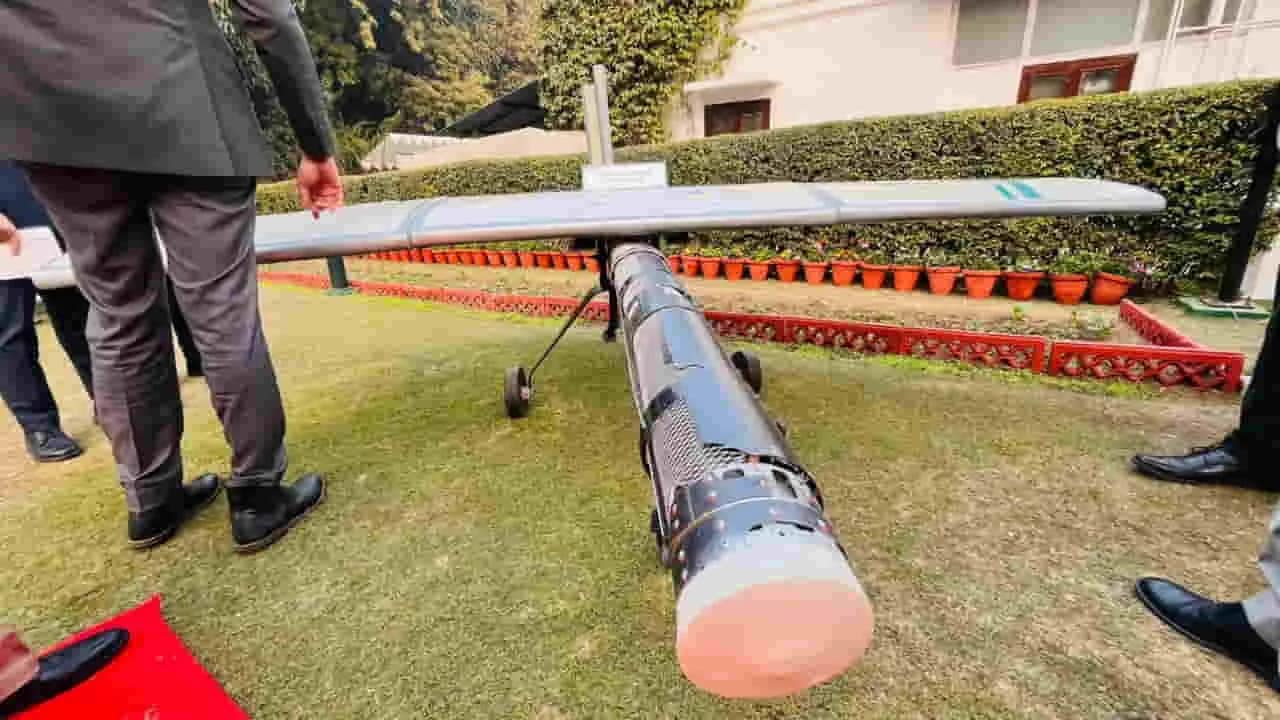
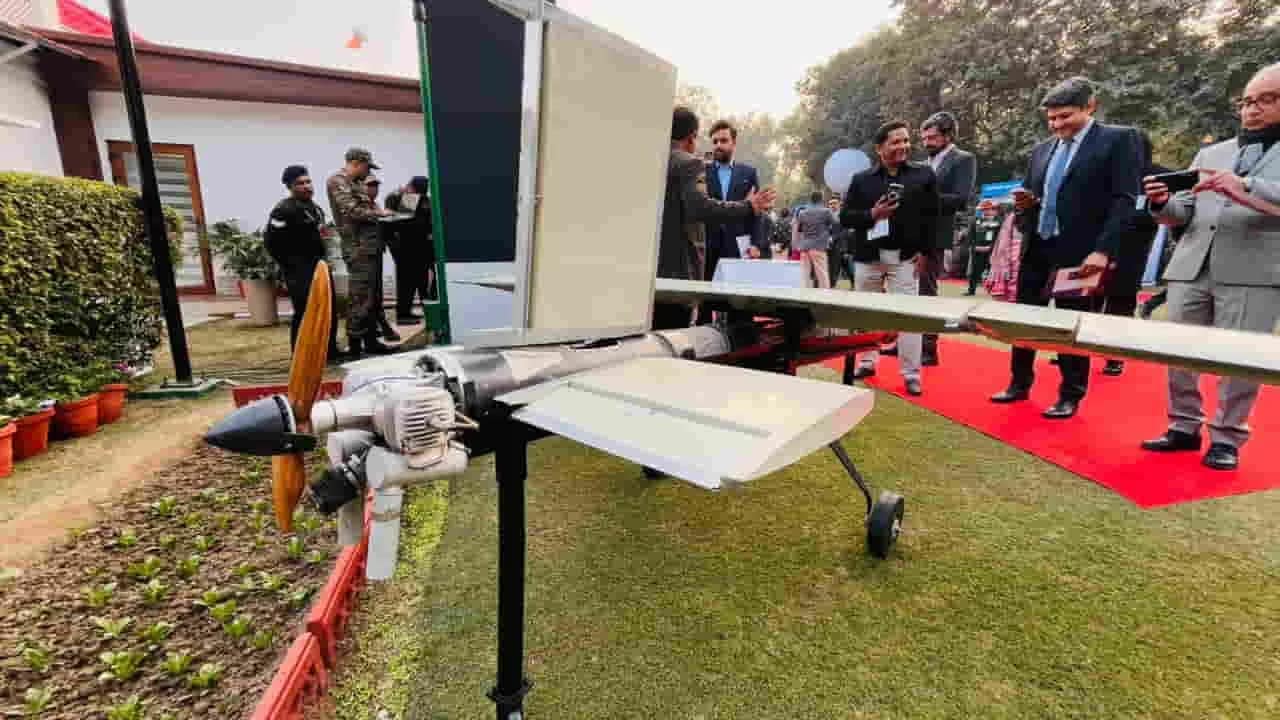
The most emphasis under emergency procurement was given on systems connected to drones and drones. It includes Surveillance Drone. The drones like Heron Mark-2 have already been purchased and have also been negotiated on increasing the number of them. Simultaneously, those who attack the enemy bases are also purchased a well-sided drone. A large number of purchases of drones such as Nagastra-1R were made under the same procedure.
Defence Emergency Procurement: Focus on Long Range Loweringmission
In addition to the drone, the long range lowering Muniitions were also placed in priority to increase the army’s marching capacity. These include systems like Harop, Harpi, and Skystriker, which target the target on the right spot by paving the air for a long time. Also, the procurement of the ammunition required for Artillery, Air Defense Systems and Missile Units was made so that the supply is not lacking on any front. Defence Emergency Procurement
Emergency Defence Procurement Rules: New Strictly on Emergency Weapons Deals, No One Year Delivery Contract
Some of the special missile systems were also included during the Emergency Procurement. The rampage missile has already been purchased in this process and is now working on ordering and increasing indigenous production. The purchase of low-level radar was also crucial in view of the threat of the drone, which is used to identify the drone flying at low altitudes. Orders are given to India Electronics Limited in this area.
Bioalin anti-tank guided missiles also be part of emergency purchases to tackle tanks and armored vehicles. They were bought immediately from the U.S., as well as their co-production. In addition, the XCaliber 155 MM Precision Guided Artillery Shell used in operation shifter was also considered, as its accuracy has been proved in the field. Defence Emergency Procurement
The Army has also taken care of the Integrated Drone Detection and Interdistion System, considering the rising danger from the drone. This system helps to identify and deactivate drones, thereby strengthening the safety of sensitive bases.
Defence Emergency Procurement: Priority to Indian Companies
इन सभी खरीद में सरकार का जोर अधिक से अधिक भारतीय कंपनियों से सामान लेने पर रहा है। सोलर इंडस्ट्रीज, भारत डायनेमिक्स और भारत इलेक्ट्रॉनिक्स जैसी कंपनियों को बड़े ऑर्डर दिए गए हैं, ताकि आत्मनिर्भर भारत की नीति को आगे बढ़ाया जा सके। हालांकि, कुछ जरूरी सिस्टम ऐसे भी हैं, जिन्हें इमरजेंसी हालात में विदेश से मंगाना पड़ा।
Defence Procurement Manual-2025: अब चुटकियों में होगी रक्षा खरीद, नए डिफेंस प्रोक्योरमेंट मैनुअल में कई पुरानी बाधाओं को किया दूर
नवंबर 2025 तक इन सौदों में से कई पर बातचीत चलती रही, लेकिन इमरजेंसी प्रोक्योरमेंट की समयसीमा खत्म हो जाने के कारण सभी समझौते पूरे नहीं हो सके। (Defence Emergency Procurement)
फास्ट ट्रैक परचेज सिस्टम भी विकल्प
रक्षा मंत्रालय के सामने एक और विकल्प फास्ट ट्रैक परचेज का भी है। यह प्रक्रिया इमरजेंसी प्रोक्योरमेंट से मिलती-जुलती है, लेकिन इसमें हर सौदे की अधिकतम राशि की सीमा ज्यादा होती है। हालांकि, अभी इस विकल्प पर भी चर्चा चल रही है और कोई अंतिम फैसला नहीं हुआ है।
दिसंबर में हो सकती है डीएसी की अहम बैठक
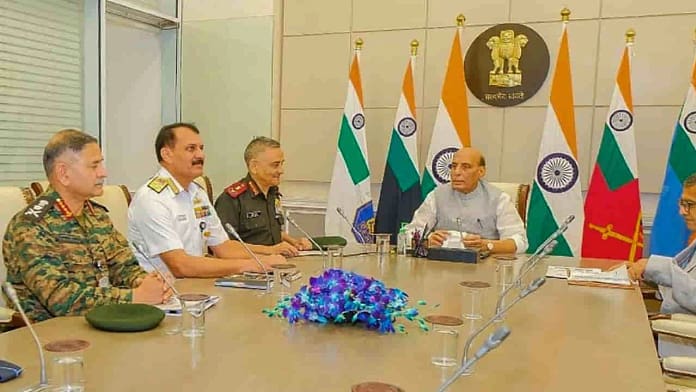
इमरजेंसी प्रोक्योरमेंट की समय सीमा बढ़ाने पर फैसला डिफेंस एक्विजिशन काउंसिल की बैठक में लिया जा सकता है। यह बैठक रक्षा मंत्री राजनाथ सिंह की अध्यक्षता में होती है। इसमें चीफ ऑफ डिफेंस स्टाफ जनरल अनिल चौहान, तीनों सेनाओं के प्रमुख, रक्षा सचिव और डीआरडीओ के चेयरमैन शामिल होते हैं। (Defence Emergency Procurement)
Loitering munitions: भारत का पहला स्वदेशी लोइटरिंग म्यूनिशन नागास्त्र-1 भारतीय सेना में शामिल होने के लिए तैयार, अब लंबी रेंज वाले ड्रोन की तैयारी
सूत्रों के अनुसार, डीएससी की इस साल की आखिरी बैठक 26 दिसंबर को होने की संभावना है। इसी बैठक में इमरजेंसी प्रोक्योरमेंट के को बढ़ानेया फास्ट ट्रैक प्रक्रिया को अपनाने पर फैसला लिया जा सकता है।
स्वदेशी हथियारों पर सरकार का फोकस
हाल के महीनों में डीएसी ने जिन हथियारों को मंजूरी दी है, उनमें से अधिकतर पूरी तरह स्वदेशी या बड़े स्तर पर स्वदेशी सामान का इस्तेमाल हुआ है। यह सरकार की आत्मनिर्भर भारत पहल का हिस्सा है। हालांकि, कुछ बड़े सौदे अब भी विदेशी कंपनियों से जुड़े हैं, जिनमें अमेरिका से एमक्यू-9बी प्रिडेटर ड्रोन की खरीद प्रमुख है। (Defence Emergency Procurement)
चल रही बातचीत को पूरा करने की जरूरत
रक्षा मंत्रालय के अधिकारियों का मानना है कि अगर इमरजेंसी प्रोक्योरमेंट की समय सीमा को थोड़ा और बढ़ाया जाता है, तो पहले से चल रही बातचीत को औपचारिक समझौतों में बदला जा सकता है। इससे सेना की तत्काल जरूरतें भी पूरी होंगी और खरीद प्रक्रिया में किसी तरह की दिक्कतें भी नहीं आएंगी।
उरी आतंकी हमले के बाद बढ़ा इमरजेंसी प्रोक्योरमेंट का इस्तेमाल
भारत में इमरजेंसी प्रोक्योरमेंट यानी आपातकालीन रक्षा खरीद की व्यवस्था का इस्तेमाल पिछले कुछ सालों में धीरे-धीरे बढ़ी है। साल 2014 से 2016 के बीच यह व्यवस्था बहुत सीमित थी और अधिकतर मामलों में खरीद सीधे रक्षा मंत्रालय के स्तर पर देखी जाती थी। उस समय सशस्त्र बलों को बड़े पैमाने पर विशेष खरीद अधिकार नहीं मिले थे।
लेकिन असल बदलाव साल 2016 के बाद आया। उरी आतंकी हमले के बाद सरकार ने सेना को विशेष वित्तीय शक्तियां दीं, ताकि जरूरत पड़ने पर हथियार, गोला-बारूद और जरूरी सैन्य उपकरण जल्दी खरीदे जा सकें। इसके बाद इमरजेंसी प्रोक्योरमेंट एक अहम प्रक्रिया बन गई।
साल 2014 से अक्टूबर 2016 के बीच भारतीय सेना ने इस व्यवस्था के तहत कुल 17 छोटे कॉन्ट्रैक्ट किए, जिनकी कुल कीमत करीब 400 करोड़ रुपये रही। उस समय खरीद का दायरा सीमित था और जरूरतें भी तुलनात्मक रूप से कम थीं। (Defence Emergency Procurement)
इसके बाद हालात तेजी से बदले। उरी के बाद, बालाकोट एयर स्ट्राइक, फिर लद्दाख में चीन के साथ सैन्य तनाव और बाद में ऑपरेशन सिंदूर जैसे अभियानों के चलते सेना को तत्काल हथियारों और उपकरणों की जरूरत पड़ी। इसी दौर में इमरजेंसी प्रोक्योरमेंट की कई ट्रांच यानी चरण शुरू किए गए।
अब तक ईपी के तहत कुल खरीद 70,000 से 80,000 करोड़ रुपये
पहली से तीसरी ट्रांच, जिन्हें आमतौर पर ईपी-1 से ईपी-3 कहा जाता है, मुख्य तौर पर से सेना से जुड़ी थीं। इन चरणों में लगभग 68 कॉन्ट्रैक्ट किए गए और कुल खर्च 6,500 से 7,000 करोड़ रुपये के आसपास रहा। इन खरीद में हथियार, गोला-बारूद, निगरानी उपकरण और अन्य जरूरी सैन्य सिस्टम शामिल थे। (Defence Emergency Procurement)
इसके बाद 2022-23 के आसपास ईपी-4 लागू हुई, उसमें इमरजेंसी खरीद का दायरा और बढ़ा। इस चरण में 70 से ज्यादा योजनाओं को मंजूरी दी गई और कुल राशि करीब 11,000 करोड़ रुपये रही। इस ट्रांच की खास बात यह थी कि इसमें ज्यादातर सामान स्वदेशी कंपनियों से खरीदा गया, ताकि आत्मनिर्भर भारत की नीति को आगे बढ़ाया जा सके।
इसके बाद एक और छोटी ट्रांच, जिसे ईपी-5 कहा गया, सामने आई। इसकी कुल राशि बहुत ज्यादा नहीं थी और अलग-अलग रिपोर्ट्स के मुताबिक यह करीब 2,000 करोड़ रुपये के आसपास मानी जाती है। इसका इस्तेमाल खासतौर पर काउंटर-टेरर ऑपरेशंस और तत्काल जरूरतों के लिए किया गया।
सबसे बड़ी और अहम ट्रांच साल 2025 में ऑपरेशन सिंदूर के बाद आई। इसे आमतौर पर ईपी-6 कहा जा रहा है। इस चरण में सरकार ने करीब 40,000 करोड़ रुपये की इमरजेंसी खरीद को मंजूरी दी। यह अब तक की सबसे बड़ी इमरजेंसी प्रोक्योरमेंट ट्रांच मानी जा रही है। इसमें ड्रोन, लोइटरिंग म्यूनिशन, मिसाइल, गोला-बारूद और अन्य आधुनिक सैन्य उपकरण शामिल हैं।
अगर 2014 से दिसंबर 2025 तक की सभी उपलब्ध रिपोर्ट्स को जोड़ा जाए, तो अनुमानित तौर पर इमरजेंसी प्रोक्योरमेंट के तहत कुल खरीद 70,000 से 80,000 करोड़ रुपये के बीच बैठती है। अकेले सेना के लिए यह आंकड़ा अलग-अलग रिपोर्ट्स में 18,000 से 29,000 करोड़ रुपये के बीच बताया गया है। (Defence Emergency Procurement)