Home Blog Page 35

From Neighborhood First to West Asia; the military will give major defence cooperation to the new edge, the sky system from this country can be discussed

Army Chief UAE-Sri Lanka Visit

Army Chief UAE-Sri Lanka Visit: Indian Army Chief General Byeendra Dwivedi will stay on the official visit of UAE and Sri Lanka from 5 to 8 January 2026. This journey is happening at times when India is constantly working on further strengthening defence cooperation, military contact and strategic understanding with its friends countries.

Army Chief UAE-Sri Lanka Visit: Army Heads in UAE on 5th and 6th January

According to the press information issued on the part of the PIB, the visit of the Army head will begin from the UAE, where they will participate in various military programs on January 5 and 6. He will be given Guard of Honor on behalf of the Land Forces there when he arrives the UAE. Then they will meet senior officers of the UAE Security Forces and discuss the structure, role and capabilities of the Army in detail.

General during the UAE tour Subendra Dwivedi Many important military bases will visit and interact with officers and seals. The Ministry of Defence reported that the purpose of these meetings is to further strengthen the replenishment and understanding between the forces of both countries. Several programs of joint military practice, training and defence cooperation are already running between India and UAE. (Army Chief UAE-Sri Lanka Visit)

Army Chief UAE-Sri Lanka Visit: Desert Cyclone Exercise with UAE

Recent Military Exercises between India and UAE Desert Cyclone The second edition of Abu Dhabi was also over, which took place from 18 to 30 December 2025 in Al-Hamar Training City of Abu Dhabi. It was attended by 45 Younger and 53 Mechanized Infantry Battalion on behalf of UAE from the Mechanized Infantry regiment of the Indian Army. Both the forces in this exercise were practiced by Building Clearing, Heliburn Operations, IED Awareness, Casualty Evacuation, Drone/Counter-Drone Technics, Joint Assault, etc. (Army Chief UAE-Sri Lanka Visit)

The sky may be on air defense discussion

While there is a possibility to discuss the growing interest of UAE in India’s indigenous defence equipment and systems. Featured Sky The air defense missile system has been circulating between the two countries since a year. Defence Minister Rajnath Singh India to UAE in April 2025 Sky The Air Defense missile system was offered, after which the UAE had released the LOR i.e. Letter of Request in July 2025, showing interest in it. Let’s tell that the LOR is an official document in the Defense Procurement, which a country sends to another country’s government, when it shows serious interest in buying any defence equipment, weapon systems or military technology. (Army Chief UAE-Sri Lanka Visit)

Actually, the drones and missiles from UAE Houthi Rebels are disturbed by threats. UAE wants to strengthen its air defense network to deal with drones and missile threats. In such a sky system is being viewed as a trustworthy and affordable option. While the sky system had killed Pakistani drones and missiles during operation shifts, the UAE’s trust is enhanced. It is believed that the army may discuss the sky during this visit to the head.

The Sky Air Defense System is India’s indigenous medium-range surface-to-air missile system capable of killing threats like fighter aircraft, helicopters, drones, and cruise missiles. This system is already deployed in Indian Army and Air Force. (Army Chief UAE-Sri Lanka Visit)

An important program of the UAE tour is the visit to the UAE National Defense College. Here will address the General Dyendra Bived College officials. During this time, the views on topics like military strategy, modern war challenges and regional security will be shared. This programme is an effort to advance the exchange of military education and thinking among both countries.

Let us tell that the commander of the UAE Land Forces Major General Joseph Mauf Saeed Al Halami visited India was part of the same link. He came to India on a two-day official visit to October 27 and 28. The main objective of this tour was to advance defence cooperation, military dialogue and mutual understanding between India and UAE. During the visit, the commander of the UAE Land Forces was also given detailed briefing on the operation shift on behalf of the Indian Army. (Army Chief UAE-Sri Lanka Visit)

Army Chief UAE-Sri Lanka Visit: 7th & 8th January on Sri Lanka Visit

The Army Chief will visit Sri Lanka on January 7 and 8 after the UAE visit. Sri Lanka to reach them श्रीलंका सेना की ओर से गार्ड ऑफ ऑनर दिया जाएगा। इसके बाद वे श्रीलंका की सीनियर मिलिट्री और सिविल लीडरशिप से मुलाकात करेंगे। इन बैठकों में श्रीलंका सेना के कमांडर, रक्षा उप मंत्री और रक्षा सचिव शामिल होंगे। इन बैठकों में श्रीलंका सेना के कमांडर, रक्षा उप मंत्री और रक्षा सचिव शामिल होंगे। बातचीत के दौरान प्रशिक्षण सहयोग, क्षमता निर्माण और क्षेत्रीय सुरक्षा जैसे मुद्दों पर चर्चा होगी। (Army Chief UAE-Sri Lanka Visit)

Army Chief UAE-Sri Lanka Visit: आईपीकेएफ वॉर मेमोरियल जाएंगे चीफ

अपने श्रीलंका दौरे के दौरान जनरल उपेंद्र द्विवेदी डिफेंस सर्विसेज कमांड एंड स्टाफ कॉलेज में अधिकारियों को संबोधित करेंगे। इसके अलावा वे बुट्टाला स्थित आर्मी वॉर कॉलेज भी जाएंगे, जहां वे ट्रेनी अफसरों और जवानों से बातचीत करेंगे। इसके अलावा सेना प्रमुख श्रीलंका में इंडियन पीस कीपिंग फोर्स के शहीद जवानों की याद में बने आईपीकेएफ वॉर मेमोरियल पर भी श्रद्धांजलि अर्पित करेंगे।

भारत और श्रीलंका के बीच लंबे समय से डिफेंस ट्रेनिंग और मिलिट्री एजुकेशन को लेकर सहयोग जारी है। जहां श्रीलंका के कैडेट्स यहां एनडीए, आईएमए और ओटीए में ट्रेनिंग करते हैं। श्रीलंकाई आर्मी के कैडेट्स यहां प्री-कमीशनिंग ट्रेनिंग करते हैं।

खुद श्रीलंका सेना प्रमुख लेफ्टिनेंट जनरल लसांथा रोद्रिगो खुद आईएमए के पूर्व कैडेट रहे हैं और 1990 में कमीशन हुए थे। वहीं पिछले साल वे पासिंग आउट परेड में रिव्यूइंग ऑफिसर भी बने थे। बता दें कि श्रीलंका सेना प्रमुख लेफ्टिनेंट जनरल बीकेजीएम लसांथा रोद्रिगो पिछले साल 11 से 14 जून तक भारत दौरे पर रहे थे। (Army Chief UAE-Sri Lanka Visit)

पिछले साल हुई थी एक्सरसाइज मित्र शक्ति

पिछले साल 10 से 23 नवंबर 2025 तक कर्नाटक के बेलगावी स्थित फॉरेन ट्रेनिंग नोड में भारत और श्रीलंका की सेनाओं के बीच मित्र शक्ति एक्सरसाइज हुई थी। यह इस अभ्यास का 11वां संस्करण था। इस संस्करण में भारतीय सेना की ओर से करीब 170 जवान शामिल हुए, जिनमें मुख्य रूप से राजपूत रेजिमेंट के सैनिक थे, जबकि भारतीय वायुसेना के 20 पर्सनल भी अभ्यास का हिस्सा बने। वहीं श्रीलंका की ओर से गजबा रेजिमेंट के 135 जवान और श्रीलंका एयर फोर्स के 10 पर्सनल ने इसमें भाग लिया। यह भारत और श्रीलंका की थल सेनाओं के बीच होने वाली प्रमुख द्विपक्षीय आर्मी एक्सरसाइज है, जो साल 2012 से लगातार हो रही है। इसका मकसद दोनों सेनाओं के बीच आपसी समझ बढ़ाना और आधुनिक सुरक्षा चुनौतियों से निपटने की साझा तैयारी को मजबूत करना है। (Army Chief UAE-Sri Lanka Visit)

मित्र शक्ति अभ्यास का फोकस काउंटर टेररिज्म, सब-कन्वेंशनल ऑपरेशंस, संयुक्त राष्ट्र पीसकीपिंग मिशन, ड्रोन और काउंटर-ड्रोन ऑपरेशंस, और हेलीकॉप्टर ऑपरेशंस जैसे अहम क्षेत्रों पर रहता है।

रक्षा मंत्रालय के अनुसार, यह यात्रा भारत की “नेबरहुड फर्स्ट” नीति और हिंद महासागर क्षेत्र में शांति व स्थिरता बनाए रखने की रणनीति का हिस्सा है। भारत लगातार मित्र देशों के साथ मिलकर क्षेत्रीय सुरक्षा को मजबूत करने पर जोर दे रहा है। (Army Chief UAE-Sri Lanka Visit)

यूएई और श्रीलंका दोनों ही भारत के लिए रणनीतिक रूप से अहम हैं। यूएई पश्चिम एशिया में भारत का बड़ा रक्षा और रणनीतिक साझेदार है, जबकि श्रीलंका हिंद महासागर क्षेत्र में भारत की सुरक्षा दृष्टि से महत्वपूर्ण स्थान रखता है। इन दोनों देशों के साथ सैन्य सहयोग बढ़ाना भारत की व्यापक रणनीति का हिस्सा माना जाता है। (Army Chief UAE-Sri Lanka Visit)

After the demise of Khalida Jia, India has passed how Sada Bangladesh, Siacet of replacei Dhaka

India Bangladesh

India Bangladesh Relations: The fast that the Government of India has taken steps after Bangladesh’s former Prime Minister and Bangladesh Nationalist Party’s chairperson Begam Khalidada Jia has been seen as a new beginning in India-Bangladesh relations. The steps taken by the Government of India have given a special message in politics of South Asia. India took steps as well as expressing mourning that it was clean that India wants to move its relations with Bangladesh in an active and broad way.

India Bangladesh Relations: PM Modi recalls Khalida Jia

Khalida Jia passed away on 30 December 2025 after a long illness in Dhaka. The report of his demise was responded to the official level on behalf of India as soon as his demise was revealed. Prime Minister Narendra Modi released a mourning message on social media platform X and expressed a sense to the family of Bangladesh people and Khalidada Jia. The Prime Minister recalled his contribution to Khalidada Jia as the first female Prime Minister of Bangladesh in his message. (English)

PM Modi also said that in 2015 dhaka During the visit, his alopecia was met and he recalled the conversation. He recalled Khalida Jia as the first female Prime Minister of Bangladesh and mentioned his role in India-Bangladesh relations. Prime Minister Modi also said in his message that the thinking and legacy of Khalidada Jia will make the relationship of both the countries.

India Bangladesh Relations: Senior Minister Visits Dhaka

At the same time, the Government of India decided that India will be represented at a higher level in the funeral. External Affairs Minister S. Jaishankar was sent Dhaka. On behalf of the Ministry of External Affairs, Jaishankar came to Dhaka on behalf of the Government of India and the public of India. (English)

India Bangladesh Relations: Visiting the star of Jaishankar

External Affairs Minister S. Jaishankar reached Dhaka on 31st December 2025 and represented the public of the Government of India and India in Janaj of Khalidada Jia. The visit took place at a time when the news of tension in India and Bangladesh’s relationships were constantly exposed.

Jaishankar in Dhaka met the Executive President of BNP and Tarik Rahman, son of Khalida Jia. During this visit, Jaishankar entrusted Prime Minister Narendra Modi’s personal mourning letter to the Tarik Rahman. PM Modi in Letter Khalida Jia Recalled his meeting in Dhaka in 2015 and told him a leader with determination.

External Affairs Minister also said that India is confident that the views and values of Khalidada Jia will continue to be guided in advancing India-Bangladesh relations. It was clearly laid on behalf of the Government of India that India wants to strengthen the partnership even in the future with Bangladesh.

Jaishankar during Dhaka Yatra bangladesh Also concisely met with senior officials associated with foreign affairs. These included Bangladesh Foreign Minister and National Security Advisor. The bilateral relationships in these meetings were spoken to pursue based on shared interests, practicality and mutual dependence.

Jaishankar also met representatives from other countries during joining the funeral of Khalidada Jia. During this time, the speaker of the National Assembly of Pakistan had a formal greeting. The office of the Interim Government of Bangladesh shared the image on social media, although the sources of the Government of India clarified that it should not be seen as a particular political sign. (English)

Defence Minister Rajnath Singh arrived at Bangladesh High Commission

The steps to reveal the mourning on behalf of the Government of India were also taken in Udhar, New Delhi. The Government of India’s response was not limited to the Ministry of External Affairs only. Defence Minister Rajnath Singh Delhi-based Bangladesh reached the High Commission and expressed the sensations by signing in the Shok book there. Defence Minister empathises to the people of Bangladesh while suffering on the demise of Khalidada Jia.

भारत सरकार के इन कदमों को केवल औपचारिक शोक नहीं माना गया, बल्कि इसे बांग्लादेश के प्रति भारत के व्यापक रुख के रूप में देखा गया। खास तौर पर ऐसे समय में, जब बांग्लादेश में राजनीतिक हालात तेजी से बदल रहे हैं और वहां फरवरी 2026 में आम चुनाव प्रस्तावित हैं। (India Bangladesh Relations)

बांग्लादेश की राजनीति में बीएनपी बन रही ताकत

मौजूदा समय में बांग्लादेश की राजनीति में बड़ा बदलाव देखा गया है। पूर्व प्रधानमंत्री शेख हसीना इस समय भारत में रह रही हैं। उनकी पार्टी अवामी लीग पर देश में राजनीतिक प्रतिबंध लगाए गए हैं और वह आगामी चुनावों में हिस्सा नहीं ले पा रही है। ऐसे में बांग्लादेश की राजनीति में बीएनपी एक प्रमुख शक्ति के रूप में उभर रही है।

खालिदा जिया के निधन के बाद उनके पुत्र तारिक रहमान की भूमिका और अधिक अहम हो गई है। बीएनपी के कार्यकारी अध्यक्ष तारिक रहमान 17 साल के निर्वासन के बाद बांग्लादेश लौटे। तारिक रहमान ने अपने शुरुआती बयानों और सार्वजनिक गतिविधियों में जिस तरह की भाषा और तेवर अपनाए हैं, उसे राजनीतिक हलकों में “सॉफ्ट नीति” के तौर पर देखा जा रहा है। (India Bangladesh Relations)

India Bangladesh Relations: तारीक ने भी दिए सकारात्मक संकेत

बांग्लादेश की धरती पर कदम रखते ही तारीक ने जिस तरह के संकेत दिए उसे बंग्लादेश की राजनीति के लिए बेहद अहम माना जा रहा है। जैसे ही तारिक रहमान ढाका के हजरत शाहजलाल इंटरनेशनल एयरपोर्ट पर उतरे, उन्होंने एक भावुक और सिंबॉलिक जेस्चर किया। उन्होंने अपने जूते उतारे और बांग्लादेश की मिट्टी को हाथ में उठाया।

रहमान ने ढाका में एक बड़ी रैली में अपनी पहली स्पीच में उन्होंने अमेरिकी नागरिक अधिकार नेता मार्टिन लूथर किंग जूनियर का जिक्र किया, जिन्होंने 1963 में कहा था “आई हैव ए ड्रीम”। तारिक ने कहा, “आज मैं कहना चाहता हूं कि मेरे पास मेरे देश के लिए एक योजना है… एक सुरक्षित राज्य जिसकी लोगों ने लंबे समय से उम्मीद की है।” इस भाषण में उन्होंने बांग्लादेश के भविष्य पर विस्तार से बात की और शांति और सुरक्षा पर जोर दिया। उन्होंने तीन बार दोहराया, “हम देश में शांति चाहते हैं।” साथ ही कहा, “शांति और सुरक्षा हर व्यक्ति के लिए सुनिश्चित की जानी चाहिए, हर उम्र, पेशे और विश्वास के लोगों के लिए।” (India Bangladesh Relations)

उन्होंने हिंसा या उकसावे को अस्वीकार करने की अपील की, चाहे वह किसी भी राजनीतिक या धार्मिक पहचान से हो। तारीक ने कहा, “यह देश पहाड़ों और मैदानों में रहने वाले लोगों का है, मुसलमानों, बौद्धों, ईसाइयों और हिंदुओं का है।” उन्होंने कहा कि देश में हर महिला, पुरुष या बच्चा सुरक्षित रूप से घर से निकल सके और वापस लौट सके। उन्होंने लोगों की आवाज और लोकतांत्रिक अधिकारों को वापस लाने की बात की। और सभी से सहयोग की अपील करते हुए कहा, “यदि इस योजना और इन कार्यों को लागू करना है, तो मुझे यहां मौजूद हर व्यक्ति के सहयोग की आवश्यकता होगी, और पूरे बांग्लादेश में लोकतांत्रिक ताकतों का प्रतिनिधित्व करने वाले सभी लोगों की। यदि आप हमारे साथ खड़े होंगे और हमें समर्थन देंगे, तो हम इस योजना को लागू कर सकेंगे।” (India Bangladesh Relations)

India Bangladesh Relations: नहीं की भारत विरोधी बात

वहीं खास बात यह थी कि उन्होंने अपने इस भाषण के दौरान एक बार भी भारत विरोधी बात नहीं कही। सूत्रों का कहना है कि तारीक का भाषण पूरी तरह बांग्लादेश के आंतरिक मुद्दों पर केंद्रित था, जिसमें शांति, सुरक्षा, सभी धर्मों (मुस्लिम, हिंदू, बौद्ध, ईसाई) की एकता शामिल थे। तारीक ने भारत या विदेश नीति का जिक्र न करके खुद को समावेशी, शांतिप्रिय और विकास-केंद्रित नेता के रूप में पेश किया। यह बीएनपी की पुरानी इमेज (2001-2006 के जमाने में भारत-विरोधी मानी जाने वाली) से दूरी बनाने का कोशिश है। सूत्रों का कहना है कि मां खालिदा जिया की मौत के बाद यह फरवरी में होने वाले चुनाव से पहले सहानुभूति और वोट बैंक बढ़ाने की रणनीति है। (India Bangladesh Relations)

सूत्रों के मुतााबिक, तारीक भाषण में भारत-विरोध की बात न कहकर वे भारत को आश्वासन दे रहे हैं कि बीएनपी के सत्ता में आने पर पुराने तनाव नहीं दोहराएगी। वहीं, भारत ने भी इसका जवाब दिया, जो जयशंकर के दौरे के दौरान पीएम मोदी का पत्र देना, यह दोनों तरफ से रिश्ते सुधारने की कोशिश दिखाता है। इसके अलावा भारत-विरोधी जमात-ए-इस्लामी से दूरी बनाकर तारिक खुद को ज्यादा उदारवादी भी दिखा रहे हैं। (India Bangladesh Relations)

सूत्रों यह भी कहते हैं कि तारिक रहमान जानबूझकर भारत-विरोधी नैरेटिव से दूर रह रहे हैं, ताकि बीएनपी को सत्ता के लिए ज्यादा स्वीकार्य बनाया जा सके। अगर वे सत्ता में आते हैं, तो रिश्ते “ट्रांजेक्शनल” हो सकते हैं जो न तो बहुत करीबी, न ही विरोधी। वहीं, भारत के लिए यह राहत की बात है, क्योंकि जमात जैसी ताकतों से ज्यादा खतरा बड़ा खतरा था। सूत्र हादी की हत्या को राजनीति में तारीक की सेफ एंट्री से भी जोड़ रहे हैं। (India Bangladesh Relations)

लोकतांत्रिक ताकतों के साथ खड़ी है नई दिल्ली

भारत सरकार की ओर से तारिक रहमान से सीधे संपर्क को यह संकेत माना गया कि भारत बांग्लादेश में सभी लोकतांत्रिक ताकतों के साथ संवाद बनाए रखना चाहता है। भारत की यह नीति रही है कि वह पड़ोसी देशों में लोकतांत्रिक प्रक्रिया और स्थिरता का समर्थन करे। भारत ने पहले भी सार्वजनिक रूप से कहा है कि वह बांग्लादेश में लोकतांत्रिक तरीके से चुनी गई सरकार के साथ काम करने के लिए तैयार है। (India Bangladesh Relations)

भारत और बांग्लादेश के रिश्ते बीते वर्षों में कई स्तरों पर विकसित हुए हैं। व्यापार, ऊर्जा, सीमा प्रबंधन और सुरक्षा सहयोग जैसे क्षेत्रों में दोनों देशों के बीच लगातार संवाद बना रहा है। हालांकि, हाल के महीनों में अल्पसंख्यकों पर हमलों और राजनीतिक अस्थिरता को लेकर भारत ने अपनी चिंताएं भी व्यक्त की हैं।

भारत के पूर्व राजनयिकों और नीति विशेषज्ञों ने भी इन घटनाओं पर अपनी राय रखी है। पूर्व उच्चायुक्त पिनाक रंजन चक्रवर्ती ने कहा कि खालिदा जिया के कार्यकाल के दौरान भारत-बांग्लादेश संबंधों में कई बार तनाव देखने को मिला था। उन्होंने यह भी याद दिलाया कि उस दौर में भारत को उत्तर-पूर्वी राज्यों में सुरक्षा से जुड़ी चुनौतियों का सामना करना पड़ा था। (India Bangladesh Relations)

हालांकि, उन्होंने यह भी कहा कि इसके बावजूद भारत ने हमेशा बांग्लादेश के साथ संवाद बनाए रखा और खालिदा जिया को भारत आने का निमंत्रण भी दिया गया था। उनके अनुसार, भारत अब फरवरी 2026 के चुनावों के बाद बनने वाली लोकतांत्रिक सरकार के साथ रिश्तों का पुनर्मूल्यांकन करेगा।

पूर्व विदेश सचिव हर्षवर्धन श्रृंगला ने कहा कि खालिदा जिया के अंतिम वर्षों में भारत के साथ संवाद में धीरे-धीरे बदलाव देखा गया था। उनकी 2015 की भारत-बांग्लादेश बातचीत को इसका उदाहरण माना जाता है।

रणनीतिक मामलों के विशेषज्ञ ब्राह्मा चेल्लानी का कहना है कि भारत इस समय बांग्लादेश से जुड़े दूसरे मुद्दों की तुलना में क्षेत्रीय स्थिरता और अल्पसंख्यकों की सुरक्षा को सबसे ज्यादा प्राथमिकता दे रहा है। उनके मुताबिक, खालिदा जिया के अंतिम संस्कार में विदेश मंत्री का ढाका जाना इसी सोच को साफ दिखाता है।

उन्होंने कहा कि बीएनपी नेतृत्व से सीधे संपर्क करके भारत यह संकेत दे रहा है कि वह बांग्लादेश की राजनीति में मौजूद अलग-अलग लोकतांत्रिक ताकतों के साथ काम करने के लिए तैयार है। इसका मकसद यह सुनिश्चित करना है कि बांग्लादेश में हालात और ज्यादा बिगड़ें नहीं और वहां धार्मिक कट्टरपंथी हिंसा को बढ़ने से रोका जा सके। (India Bangladesh Relations)

India Bangladesh Relations: क्षेत्रीय स्थिरता को प्राथमिकता

भारत सरकार के सूत्रों के अनुसार, खालिदा जिया के निधन के बाद उठाए गए कदम यह दिखाते हैं कि भारत क्षेत्रीय स्थिरता को प्राथमिकता देता है। भारत की नीति यह रही है कि बांग्लादेश में किसी भी तरह की अस्थिरता या कट्टरपंथी प्रभाव क्षेत्रीय शांति के लिए चुनौती बन सकता है।

इन सभी घटनाओं के बीच यह भी साफ है कि भारत बांग्लादेश के साथ अपने रिश्तों को किसी एक राजनीतिक दल तक सीमित नहीं रखना चाहता। भारत की कोशिश है कि वह बांग्लादेश की जनता, राजनीतिक दलों और संस्थाओं के साथ संतुलित और व्यावहारिक संबंध बनाए रखे। (India Bangladesh Relations)

NCC’s Large Preparation, Cadets Will Become To Give Drone And Anti-Drone Training Regional Centres, 10,000 Cyber Warriors Ready

NCC Drone Training Initiative

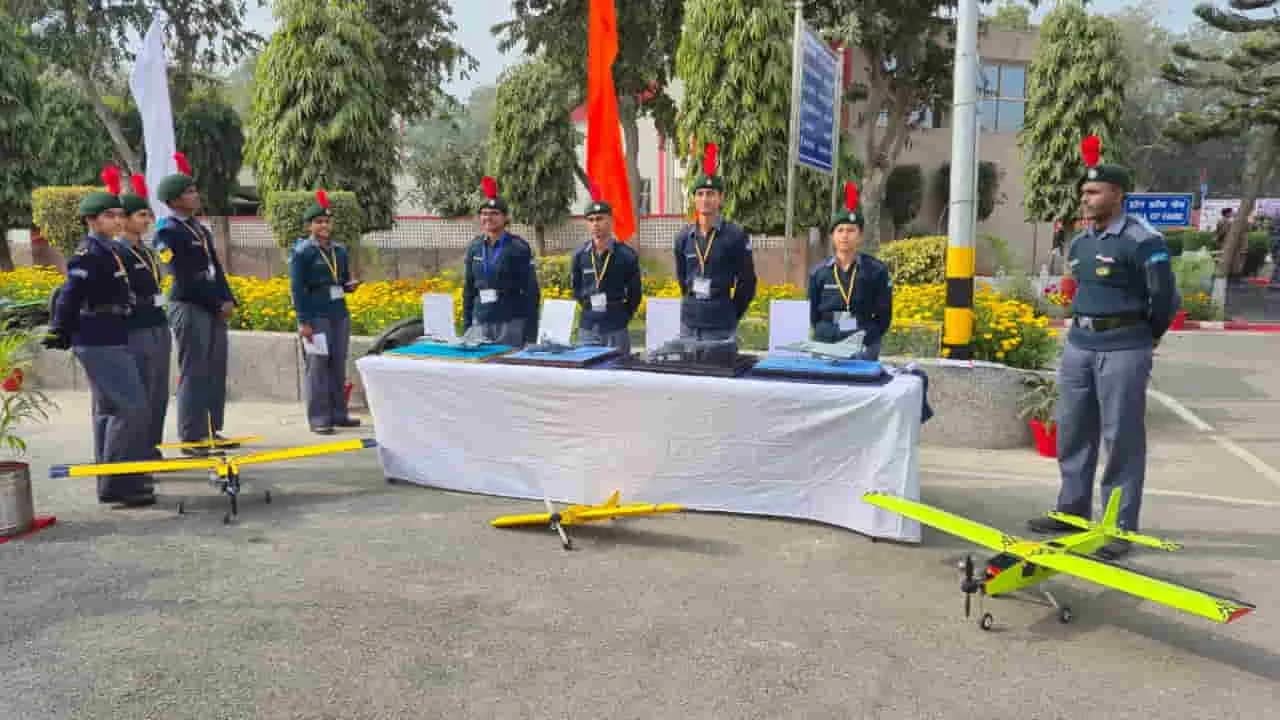
NCC Drone Training Initiative: Indian forces are focusing on drones after operation shifts. While the army has made Ashni Drone Platoon, equipped with drones in every battalion, the national cadet core is also preparing for drones. NCC’s focus is to train drones at large levels. For this, NCC has taken a target of creating four to five Regional Drone Training Centres in the country where cadets will be given training of drones and anti-drone systems.

NCC Drone Training Initiative: NCC to become Regional Drone Training Centre

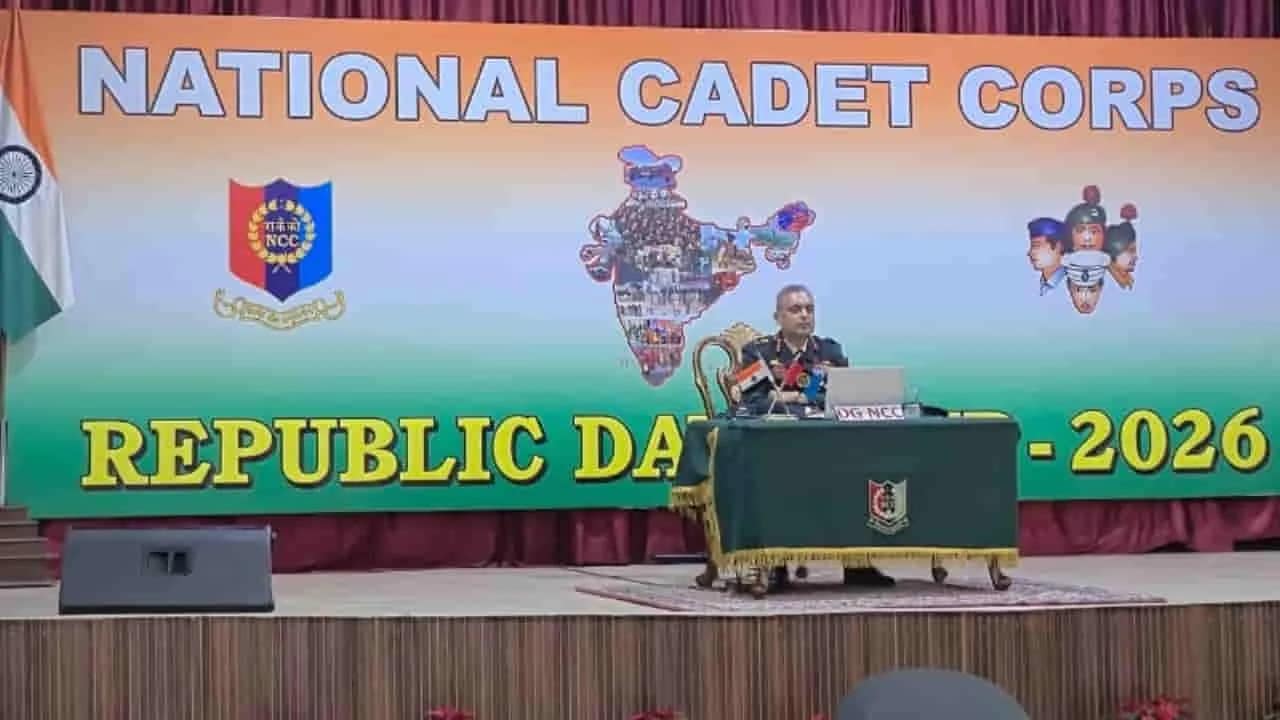
On the occasion of organizing the NCC Republic Day Camp-2026 in capital Delhi NCC The Director General of Lt. Gen. Virender Watts reported that the drone training is one of the main focus areas of NCC. The information about the drone of the enemy during the operation shifter, and the drone warfare is being viewed as an emerging area.

He pointed out that NCC will create four to five Regional Drone trainings in the country, where cadets will be trained by drones and anti-drone systems. According to the Lieutenant General Watts, it will be met with the training army, so that the cadet can help the army in the use of the drone operators and anti-drone when needed.

Drones are being used as weapons worldwide, therefore, NCC Drone is focusing on Cyber and Information Warfare. Lieutenant General Virendra Watts reported that NCC is giving basic military skills to cadets, which include training on drones and cyber issues in particular. This focus is due to the common sense of global trends and cyber defenses to make drones weapons, as with other technology. NCC Drone Training Initiative

NCC Drone Training Initiative
DG NCC Lt Gen Virendra Vats

NCC Drone Training Initiative: Training under Drone Technology Initiative

Drone Technology Initiative’s motive cadets are to teach drone-connected modern skills so that they can prepare for future needs. Under this, cadets are being trained to fly drones as well as use in their assemblies, care and different areas. Cadets are first given basic information of drones and UAVs in this training. Then they are taught about the different parts of the drone, their methodology and assembly. The rules, safety providers and standard operating providers are also understood by blowing drones, taking into account safety. Cadets are given basic information of the principle of flight and aerodynamics, so that they can better understand the flight of the drone. NCC Drone Training Initiative

The first simulator is practiced during training and then the real drone is given a chance to fly. It also includes training to remove drone maintenance and technical problems. Cadets will have the opportunity to participate in different competitions and practical activities, which will increase both their confidence and skills.

NCC has also made arrangements for linking cadets to digital platforms so that they can get the right information about the rules, registration and certifications associated with drones. The objective of this initiative is to make the drone useful in areas such as disaster management, search-rescue, monitoring, agriculture and social development.

NCC believes that cadets from this Initiative will get new career options and they will be able to proceed in startups, government and technological sectors. This initiative is a big step towards technologically strengthening youth and preparing for future India. NCC Drone Training Initiative

 NCC Drone Training Initiative

NCC Drone Training Initiative: 10,000 Cyber Warriors Ready

DG NCC reported that NCC is focusing on cyber in addition to drones. He reported that all 20 lakh cadets will be trained on cyber issues. This training involves setting up labs across the country.
He pointed out, NCC Cadets are intended to prepare them as the "First Defense Line" against cyber threats. For the first year 10,000 Cyber Warriors Prepared. These Warriors will help protect the cyber network. After one to four weeks of special cyber training, these cyber warriors will be linked to a national database to protect the country’s cyber network if there is a threat to our digital infrastructure. NCC Drone Training Initiative

NCC Drone Training Initiative: NCC will stop rumours on social media

इनफॉरमेशन वॉरफेयर पर बोलते हुए डीजी एनसीसी ने यूक्रेन युद्ध का उदाहरण देते हुए कहा, “हर चीज को हथियार बनाया जा रहा है,” इसमें इनफॉरमेशन भी शामिल हैं। इसमें सोशल मीडिया के जरिए अफवाहें और बांटने वाले एजेंडा फैलाना शामिल है, जिसका किसी देश पर बुरा असर पड़ सकता है। उन्होंने बताया कि सोशल मीडिया पर अफवाहें रोकने में भी अब एनसीसी अपना रोल अदा करेगी। (NCC Drone Training Initiative)

Pakistan Fake Propaganda: Pakistan’s Propaganda, shares fake satellite image on social media, exposes false

Pakistan Fake Propaganda
Damien Symon

Pakistan Fake Propaganda: Pakistan has once again been caught spreading new propaganda on social media after months of operation shift. Some of the social media accounts based on Pakistan and the handles associated with them are shared by fake satellite photographs claiming that in Punjab, India, especially around Amritsar, were attacked on Indian military bases. But these claims of Pakistan are without any concrete evidence.

Investigation of Defence formulas and Open Source Analysts has been clear that there are no signs of any catastrophe or damage in the areas being shown in these photographs. The military bases that are being claimed are completely safe and are not there any attack marks. (Pakistan Fake Propaganda)

Pakistan Fake Propaganda: Unproof Claims, Satellite Photos Games

The satellite images that have been shared on social media accounts linked to Pakistan are neither the date of photograph is drawn nor the fact that they have been taken from which satellite. Anyone Satellite Image For the credibility of TimeStamps, Satellite Sources and Resolutions are extremely important, but all this is missing here.

The fact check also revealed that the places that are being "target" are neither explosion pits, neither Malaba, nor burn marks nor any structural damages appeared. If there are such attacks on a military base, such signals appear clearly. (Pakistan Fake Propaganda)

Pakistan Fake Propaganda: Try to spread misinformation

"It is being claimed that Pakistan has attacked military bases in the Amritsar of India’s Punjab. But the independent investigation of these photographs has been cleaned that there are no traces of any kind of catastrophe or damages that are being scared. Neither explosion signs look nor damage any framework. It’s best to spread misinformation. The photographs with the weaker claims are constantly coming up, which have been explored by them one by one. This process will continue despite the holidays. "Pakistan Fake Propaganda"

7 months ago

The biggest question is the time of these claims. During the operation shift in May 2025, Pakistan could not show a single trusted satellite image in support of his claims. Now about seven months later, suddenly, the photographs that have been built in the latter.

Defence Experts say it is "post-facto" Propaganda"There is a classic precedent of where the story of victory is sought to be built through digital content after the first badly killed. (Pakistan Fake Propaganda)

Pakistan Fake Propaganda: पहले भी फैल चुकी हैं ऐसी झूठी कहानियां

यह पहली बार नहीं है जब पाकिस्तान से जुड़े सोशल मीडिया नेटवर्क ने इस तरह के बढ़ा-चढ़ाकर दावे किए हों। Operation Shifter के दौरान और उसके तुरंत बाद भी तथाकथित “विक्ट्री रेशियो”, भारत के “स्ट्रैटेजिक सेंटर ऑफ ग्रैविटी” पर हमले और बड़े नुकसान के दावे किए गए थे। लेकिन इन सभी बातों को न तो किसी अंतरराष्ट्रीय संस्था ने स्वीकार किया और न ही कोई स्वतंत्र जांच उन्हें सही साबित कर पाई। अंतरराष्ट्रीय स्तर पर इन दावों को गंभीरता से नहीं लिया गया, क्योंकि उनके साथ कोई भरोसेमंद डेटा या सबूत मौजूद नहीं थे। (Pakistan Fake Propaganda)

Pakistan Fake Propaganda: ओपन सोर्स एनालिस्ट्स ने बताया झूठा

ओपन सोर्स इंटेलिजेंस यानी ओएसआईएनटी पर काम करने वाले कई एक्सपर्ट्स ने इन नई सैटेलाइट तस्वीरों का बारीकी से अध्ययन किया। उनके मुताबिक, तस्वीरों में जानबूझकर बहुत सीमित एंगल दिखाए गए हैं। इनमें हमले के बाद दिखने वाले आम संकेत पूरी तरह गायब हैं।

आमतौर पर किसी एयर स्ट्राइक या मिसाइल हमले के बाद गड्ढे, आसपास का मलबा, जलने के निशान, टूटी हुई इमारतें या सेकेंडरी एक्सप्लोजन के संकेत दिखते हैं। लेकिन यहां ऐसी कोई बात नजर नहीं आती। उन्हीं लोकेशंस की पुरानी और नई तस्वीरों की तुलना करने पर भी कोई फर्क नहीं दिखाई दिया। (Pakistan Fake Propaganda)

Pakistan Fake Propaganda: फिर भी क्यों जारी है प्रचार

पाकिस्तान की तरफ से ऐसी झूठी तस्वीरों का लगातार प्रचार किया जाना इस ओर इशारा करता है कि यह कोई सामान्य गलती या गलतफहमी नहीं, बल्कि एक सोची-समझी डिसइन्फॉर्मेशन मुहिम है। डिफेंस एक्सपर्ट्स का मानना है कि इस तरह की कोशिशें अक्सर घरेलू ऑडियंस को यह दिखाने के लिए किए जाते हैं कि “कुछ हासिल हुआ”, भले ही हकीकत कुछ और हो।

इसके साथ ही, अंतररष्ट्रीय स्तर पर भी भ्रम पैदा करने की कोशिश की जाती है, ताकि असल हालात पर सवाल खड़े किए जा सकें। (Pakistan Fake Propaganda)

Pakistan Fake Propaganda: राफेल से लेकर नौसेना तक, एक जैसा पैटर्न

सूत्रों के मुताबिक, पाकिस्तान का यह रवैया कोई नया नहीं है। जब भारत ने राफेल फाइटर जेट्स को वायुसेना में शामिल किया था, तब भी सोशल मीडिया पर राफेल के क्रैश, टेक्निकल फेल्योर और कमजोर होने के झूठे वीडियो फैलाए गए थे। बाद में जांच में पता चला कि वे वीडियो या तो पुराने थे, किसी और देश के थे या वीडियो गेम फुटेज थे।

अब वही तरीका नौसेना और जमीनी अभियानों को लेकर अपनाया जा रहा है। ऑपरेशन सिंदूर के दौरान जब पाकिस्तान को कुछ हासिल नहीं हुआ था, तो डिजिटल दुनिया में एक “विक्ट्री नैरेटिव” गढ़ने की कोशिश शुरू कर दी गई थी। (Pakistan Fake Propaganda)

Pakistan Fake Propaganda: AI डीपफेक्स का बढ़ता इस्तेमाल

हाल के सालों में इस तरह की टैक्टिक्स में आर्टिफिशियल इंटेलिजेंस यानी एआई का इस्तेमाल भी बढ़ा है। डिफेंस सूत्र बताते हैं कि ऑपरेशन सिंदूर के बाद कुछ वीडियो ऐसे भी सामने आए, जिनमें भारतीय सैन्य अधिकारियों को कथित तौर पर नुकसान स्वीकार करते या ऑपरेशन की आलोचना करते दिखाया गया। बाद में ये वीडियो डीपफेक साबित हुए।

पीआईबी फैक्ट चेक और अन्य फैक्ट चेकिंग एजेंसियों ने ऐसे कई वीडियो को झूठा करार दिया है। शुरुआती जांच में इनमें से कई अकाउंट्स का लिंक पाकिस्तान से जुड़े डिजिटल नेटवर्क से मिला। (Pakistan Fake Propaganda)

Pakistan Fake Propaganda: इनफॉरमेशन वॉरफेयर की स्ट्रैटेजी

डिफेंस एनालिस्ट्स मानते हैं कि यह सब किसी एक घटना से जुड़ा नहीं है, बल्कि एक लंबी रणनीति का हिस्सा है। जब कुछ हासिल नहीं होता तो झूठी इनफॉरमेशन फैला कर जीत जैसा माहौल बनाया जाता है। इसका मकसद जमीनी सच्चाई को बदलना नहीं, बल्कि लोगों की सोच को प्रभावित करना होता है।

ऑपरेशन सिंदूर से जुड़ी मौजूदा Social Media मुहिम भी इसी रणनीति की अगली कड़ी मानी जा रही है।

डिफेंस सूत्रों का कहना है कि आने वाले समय में इस तरह की डिजिटल फेख खबरें और बढ़ सकती हैं। ऐसे में सही जानकारी, फैक्ट चेक और जिम्मेदार रिपोर्टिंग की भूमिका और भी अहम हो जाती है।

कुल मिलाकर, ऑपरेशन सिंदूर को लेकर पाकिस्तान की यह नई सोशल मीडिया मुहिम एक बार फिर यह दिखाती है कि जब जमीन पर कुछ दिखाने को नहीं होता, तो कहानियां इंटरनेट पर गढ़ी जाती है। लेकिन सच्चाई यही है कि बिना सबूतों के ऐसे दावे सिर्फ प्रोपेगेंडा बनकर रह जाते हैं, जिनकी उम्र बहुत लंबी नहीं होती। (Pakistan Fake Propaganda)

Indian Army Universal Rocket Launcher Deal: Indian Army Will Get Universal Rocket Launcher System, NIB Limited to 292.69 crore Emergency Order

Indian Army Universal Rocket Launcher Deal

Indian Army Universal Rocket Launcher Deal Artillery Pune’s NIB company has a large order of around Rs 292.69 crore to further enhance capacity. This Order Army has given under the emergency procurement provision. Under this agreement, the Company will provide the Universal Rocket Launcher System that hits the Indian Army for a long distance. In the coming time, the fire power of the army will be strengthened.

The company has also informed this deal to BSE and NSE. The Company says this Contract of Indian Army Emergency Procurement Under the provision, which means the system will be transported to the army in a short time, so as to meet the existing safety needs immediately.

This agreement happened at such times, when the army is focusing on further strengthening its operational preparedness at the borders. The Army is increasingly incorporated the modern rocket launcher system, considering the need for changing safety conditions and long-distance weapons in recent years.

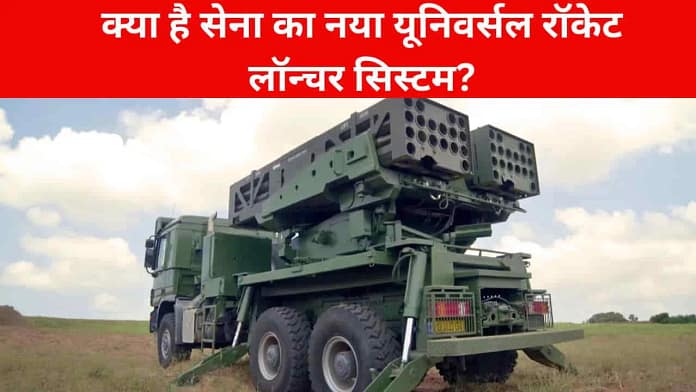
This order found NIB Limited is for Universal Rocket Launcher platform. The biggest drawback of this platform is that it can be stained with different ranges and caliber’s rockets from the same launcher. According to the information found to Defence News.com, this system can support two different distance rockets. Indian Army Launcher Deal

Indian Army Universal Rocket Launcher Deal: Supply in 12 Months

NIB Limited has to supply Launcher, Ground Equipment, Accessories, Enhanced System Projects and Emissions associated with Universal Rocket Launcher System under this contract. The Company has to complete the entire delivery in a phased manner within 12 months. In different installments within the fixed time, the army will be assigned all this system.

According to the terms of the contract, NIB Limited has to submit 10 per cent of the total contract value within 30 days after the contract is signed. As per the terms of the contract, NIB Limited will have to be submitted as a performance-less bank guarantee. So that the supply can be in time and in accordance with the fixed quality standards. Indian Army Launcher Deal

What is Universal Rocket Launcher System

Universal Rocket Launcher System Indeed Israeli Defense Company Albite The system is based on built-in PULS (Precision and Universal Launching System). Its biggest feature is that it is a multi-caliber and multi-range platform.

Sources say that PULS can be named "Sunya" in India. PULS It is a modular multiple rocket launcher (MRL). Rockets of different ranges can be stained from this system. It has the ability to integrate rockets killing 150 kilometres and 300 kilometres. This is therefore important for the army, because no longer need to have different launchers for different ranges. Indian Army Launcher Deal

Indian Army Universal Rocket Launcher Deal: A Platform, Multiple Rocket

According to the defense formulas, this system is designed in such a way that it can work with rockets of different calibers like 122mm, 160mm and 306mm. The number of rocket pods and configurations depend on the rocket used.

यह लॉन्चर 6×6 या 8×8 व्हीकल चैसिस पर लगाया जा सकता है, जिससे इसे अलग-अलग इलाकों में तेजी से तैनात किया जा सके। पहाड़ी क्षेत्र हों, रेगिस्तानी इलाका हो या मैदानी क्षेत्र, यह सिस्टम हर मौसम और हर भूभाग में ऑपरेशन के लिए तैयार किया गया है। (Indian Army Universal Rocket Launcher Deal)

Indian Army Universal Rocket Launcher Deal: शूट एंड स्कूट क्षमता

यूनिवर्सल रॉकेट लॉन्चर सिस्टम की एक बड़ी खूबी इसकी “शूट एंड स्कूट” क्षमता है। यानी रॉकेट फायर करने के तुरंत बाद लॉन्चर अपनी जगह बदल सकता है। आधुनिक युद्ध में यह क्षमता बहुत जरूरी मानी जाती है, क्योंकि इससे दुश्मन की काउंटर फायर से बचा जा सकता है।

लॉन्चर के पीछे की तरफ एक रिमोटली कंट्रोल्ड और पावर्ड यूनिट लगी होती है। फायरिंग के समय वाहन के दोनों तरफ और पीछे हाइड्रॉलिक स्टेबलाइजर्स लगाए जाते हैं, जिससे लॉन्चर पूरी तरह स्थिर रहता है, इससे फायरिंग के दौरान सटीकता बनी रहती है और सिस्टम सुरक्षित रहता है। (Indian Army Universal Rocket Launcher Deal)

Promote Make in India

यह सौदा ‘मेक इन इंडिया’ और ‘आत्मनिर्भर भारत’ अभियान के लिहाज से भी काफी अहम माना जा रहा है। जुलाई 2025 में नाइब लिमिटेड ने एल्बिट सिस्टम्स के साथ समझौता किया था, जिसके तहत पीयूएलएस सिस्टम का निर्माण भारत में किया जाना है। अब भारतीय सेना के लिए इस सिस्टम का ऑर्डर मिलना उसी साझेदारी का बड़ा नतीजा माना जा रहा है।

इससे देश के भीतर रक्षा उत्पादन को बढ़ावा मिलेगा और स्थानीय सप्लाई चेन मजबूत होगी। इसके साथ ही छोटे और मझोले उद्योगों को भी इससे फायदा मिलने की उम्मीद है। रक्षा विशेषज्ञों का मानना है कि भविष्य में ऐसे सिस्टम्स के निर्यात की संभावनाएं भी खुल सकती हैं।

इस सिस्टम के भारतीय सेना में शामिल होने के बाद यह पहला यूनिवर्सल रॉकेट लॉन्चर सिस्टम होगा, जिसे सेना ऑपरेशनल तौर पर इस्तेमाल करेगी। इससे पहले मई 2025 में भी नाइब लिमिटेड को एक इजरायली टेक्नोलॉजी कंपनी से 150.62 करोड़ रुपये का एक और ऑर्डर मिला था। (Indian Army Universal Rocket Launcher Deal)

सेना की मारक क्षमता में इजाफा

भारतीय सेना पिछले कुछ वर्षों से लंबी दूरी के रॉकेट और मिसाइल सिस्टम्स पर खास ध्यान दे रही है। पिनाका मल्टी बैरल रॉकेट लॉन्चर सिस्टम के एडवांस वर्जन, गाइडेड रॉकेट्स और अब यूनिवर्सल रॉकेट लॉन्चर जैसे प्लेटफॉर्म इसी रणनीति का हिस्सा हैं।

150 से 300 किलोमीटर तक मार करने वाले रॉकेट्स से लैस यह सिस्टम सेना को दुश्मन के इलाकों में गहराई तक मौजूद लक्ष्यों पर सटीक हमला करने की क्षमता देगा। इससे सीमावर्ती इलाकों में तैनात यूनिट्स को तेज प्रतिक्रिया और ज्यादा ऑपरेशनल विकल्प मिलेंगे। (Indian Army Universal Rocket Launcher Deal)

रणनीतिक तौर पर अहम कदम

रक्षा विशेषज्ञों का मानना है कि यूनिवर्सल रॉकेट लॉन्चर सिस्टम जैसे प्लेटफॉर्म भारतीय सेना को भविष्य की चुनौतियों के लिए बेहतर तैयार करते हैं। एक ही सिस्टम से अलग-अलग रेंज के रॉकेट दागने की क्षमता आधुनिक युद्ध के लिहाज से बेहद अहम है। यह कॉन्ट्रैक्ट देश की रॉकेट आर्टिलरी क्षमता को नई दिशा देने वाला कदम माना जा रहा है। आने वाले एक साल में जब यह सिस्टम सेना के पास पूरी तरह पहुंच जाएगा, तो भारतीय सेना की फायर पावर और ऑपरेशनल तैयारी में इसका असर साफ दिखाई दे सकता है। (Indian Army Universal Rocket Launcher Deal)

MoD Defence Deal 2025: In the end of the year the government’s forces grew up, the new CQB carbine to the Indian Army and Black Shark Torpedo to the Navy

MoD Defence Deal 2025
MoD Defence Contracts: Rs 4,666 Crore Deals Signed for CQB Carbine and Heavy Weight Torpedoes

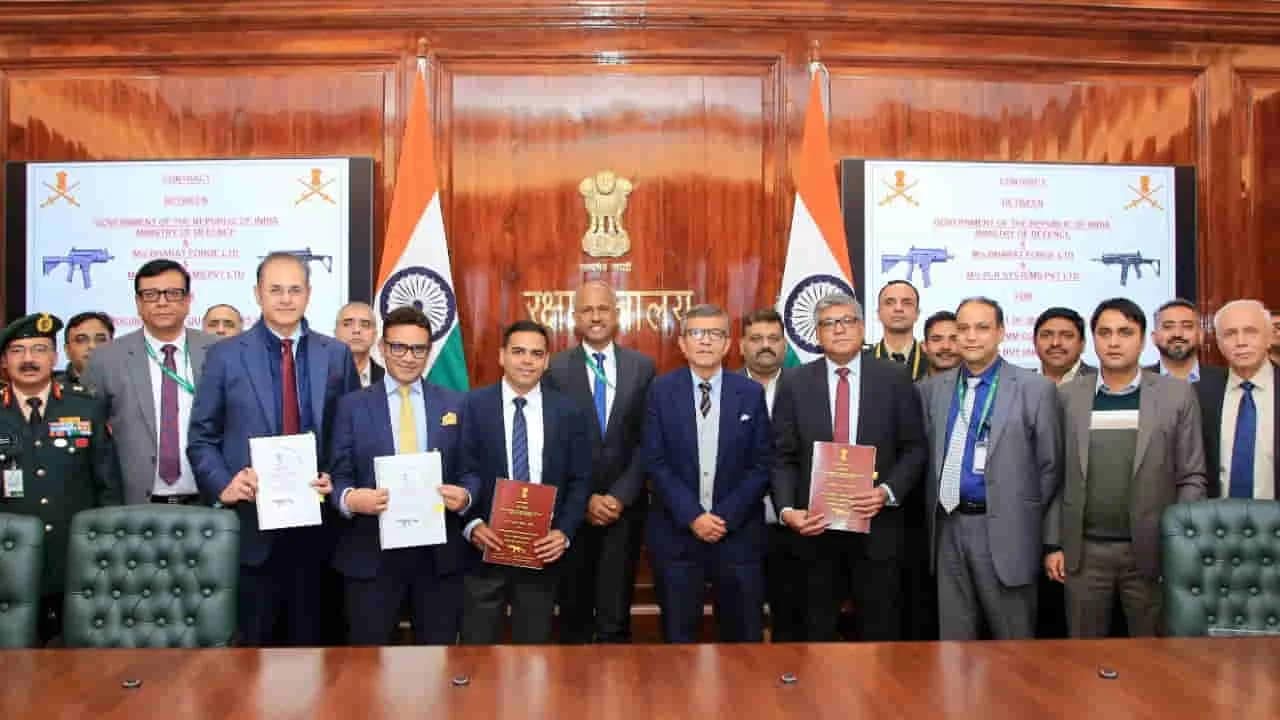
MoD Defence Deal 2025: रक्षा मंत्रालय ने 2025 खत्म होते-होते भारतीय सेनाओं को खास तोहफा दिया। मंत्रालय ने 30 दिसंबर को 4,666 करोड़ रुपये की लागत से दो बड़े रक्षा कॉन्ट्रैक्ट पर दस्तखत किए। यह डील क्लोज क्वार्टर बैटल (सीक्यूबी) कार्बाइन और हेवी वेट टॉरपीडो की खरीद को लेकर हैं। नई दिल्ली स्थित साउथ ब्लॉक में रक्षा सचिव राजेश कुमार सिंह की मौजूदगी में इन सौदों पर दस्तखत किए गए।

इन समझौतों का सीधा फायदा भारतीय सेना और भारतीय नौसेना को मिलेगा। एक तरफ सेना और नौसेना के जवानों को मॉडर्न सीक्यूबी कार्बाइन मिलेंगी, तो दूसरी ओर नौसेना की कलवरी क्लास सबमरीनों की मारक क्षमता बढ़ाने के लिए हेवी वेट टॉरपीडो शामिल किए जाएंगे। रक्षा मंत्रालय के अनुसार, ये दोनों ही कॉन्ट्रैक्ट मौजूदा और आने वाले समय की सुरक्षा जरूरतों को ध्यान में रखते हुए किए गए हैं।

MoD Defence Deal 2025

MoD Defence Deal 2025: सीक्यूबी कार्बाइन के लिए 2,770 करोड़ की डील

इन दो कॉन्ट्रैक्ट में सबसे बड़ा हिस्सा सीक्यूबी कार्बाइन का है। रक्षा मंत्रालय ने 4.25 लाख से अधिक क्लोज क्वार्टर बैटल कार्बाइन और उनसे जुड़ी एक्सेसरीज की खरीद के लिए 2,770 करोड़ रुपये का कॉन्ट्रैक्ट साइन किया है। ये हथियार भारतीय सेना और भारतीय नौसेना दोनों को दिए जाएंगे।

इस प्रोजेक्ट के लिए दो भारतीय कंपनियों भारत फोर्ज और पीएलआर सिस्टम्स को चुना गया है। रक्षा मंत्रालय के अधिकारियों के अनुसार, यह सौदा आत्मनिर्भर भारत के तहत स्वदेशी हथियारों को बढ़ावा देने की दिशा में एक बड़ा कदम है।

भारत फोर्ज लिमिटेड, अपनी सब्सिडियरी कल्याणी स्ट्रैटेजिक सिस्टम्स के जरिए, और पीएलआर सिस्टम्स प्राइवेट लिमिटेड, जो अदाणी डिफेंस और इजराइल वेपन इंडस्ट्रीज का जॉइंट वेंचर है। रक्षा समाचार ने पहले बताया था कि भारत फोर्ज लगभग 60 फीसदी यानी करीब 2.55 लाख कार्बाइन सप्लाई करेगा, जबकि पीएलआर सिस्टम्स करीब 40 फीसदी यानी लगभग 1.70 लाख यूनिट्स देगा। डिलीवरी की शुरुआत 2026 से होगी और ज्यादातर कार्बाइन 2028 तक सैनिकों तक पहुंच जाएंगी।

सीक्यूबी कार्बाइन को खासतौर पर नजदीकी लड़ाई यानी क्लोज कॉम्बैट के लिए डिजाइन किया गया है। इसका कॉम्पैक्ट डिजाइन, हल्के वजन और तेज फायरिंग रेट के चलते इसे शहरी इलाकों, आतंकवाद विरोधी अभियानों और सीमित जगहों पर होने वाले ऑपरेशनों में इस्तेमाल किया जा सकता है।

MoD Defence Deal 2025: क्या हैं CQB कार्बाइन की खूबियां

सीक्यूबी कार्बाइन 5.56×45 एमएम कैलिबर की हैं, जो इंसास और नैटो दोनों तरह की एम्युनिशन के साथ काम कर सकती हैं। इनका वजन करीब 3.3 किलो है और इनका डिजाइन काफी कॉम्पैक्ट है, जिसकी कुल लंबाई 800 मिलीमीटर से भी कम रहती है। इनकी रेंज करीब 200 मीटर से ज्यादा है और लगभग 600 राउंड प्रति मिनट का फायर रेट है, जो क्लोज कॉम्बैट के लिए शानदार है।

इन कार्बाइनों में आधुनिक जरूरतों को ध्यान में रखते हुए पिकाटिनी रेल्स दी गई हैं, जिन पर ऑप्टिकल साइट्स, लेजर, सप्रेसर जैसे उपकरण आसानी से लगाए जा सकते हैं। भारत फोर्ज के वैरिएंट को डीआरडीओ के पुणे स्थित आर्मामेंट रिसर्च एंड डेवलपमेंट एस्टैब्लिशमेंट (एआरडीई) ने डिजाइन किया है और इसे पूरी तरह भारत में बनाया जा रहा है। वहीं पीएलआर सिस्टम्स का वैरिएंट इजराइल वेपन इंडस्ट्रीज के गालिल ऐस (Galil ACE) प्लेटफॉर्म पर बेस्ड है। (MoD Defence Deal 2025)

MoD Defence Deal 2025: पुरानी कार्बाइन की जगह आधुनिक हथियार

भारतीय सेना लंबे समय से पुरानी 9 एमएम स्टर्लिंग कार्बाइन का इस्तेमाल कर रही थी, जिसका डिजाइन 1940 पर बेस्ड है। नई सीक्यूबी कार्बाइन के आने से इन पुराने हथियारों को चरणबद्ध तरीके से बदला जाएगा। इससे जवानों को आधुनिक तकनीक से लैस हथियार मिलेंगे, जो मौजूदा समय की जरूरत भी हैं।

New Carbine में आधुनिक साइट्स, बेहतर ग्रिप, कम रीकॉइल और ज्यादा एक्यूरेसी जैसे फीचर्स शामिल हैं। इन हथियारों को भारतीय परिस्थितियों में टेस्ट किया गया है और इन्हें अलग-अलग मौसम और इलाकों में इस्तेमाल के लिए तैयार किया गया है। 2022 में इस हथियार के लिए एक्सेप्टेंस ऑफ नेसेसिटी (एओएन) दी गई थी और 2025 में इसके ट्रायल्स पूरे हुए। (MoD Defence Deal 2025)

MoD Defence Deal 2025: मेक-इन-इंडिया और एमएसएमई को बढ़ावा

वहीं, सीक्यूबी कार्बाइन का यह कॉन्ट्रैक्ट मेक-इन-इंडिया पहल को भी मजबूती देगा। हथियारों के निर्माण में इस्तेमाल होने वाले कई कंपोनेंट्स और रॉ मटेरियल देश के भीतर ही तैयार किए जाएंगे। इससे छोटे और मध्यम उद्योगों यानी एमएसएमई को भी काम मिलेगा और रोजगार के नए अवसर पैदा होंगे।

रक्षा मंत्रालय का कहना है कि इस प्रोजेक्ट के जरिए निजी क्षेत्र और सरकार के बीच सहयोग को और मजबूती मिलेगी। इससे भविष्य में भी स्वदेशी हथियार प्रणालियों के विकास का रास्ता खुलेगा। (MoD Defence Deal 2025)

हेवी वेट टॉरपीडो के लिए 1,896 करोड़ रुपये का कॉन्ट्रैक्ट

दूसरा बड़ा कॉन्ट्रैक्ट भारतीय नौसेना के लिए है। रक्षा मंत्रालय ने 48 हेवी वेट Torpedo और उनसे जुड़े इक्विपमेंट्स की खरीद के लिए लगभग 1,896 करोड़ रुपये की डील पर दस्तखत किए है। ये टॉरपीडो नौसेना की कलवरी क्लास सबमरीनों (प्रोजेक्ट-75) में लगाए जाएंगे। इन टॉरपीडो का नाम है ब्लैक शार्क है, जिसे दुनिया के सबसे एडवांस्ड हेवी वेट टॉरपीडो में गिना जाता है।

यह कॉन्ट्रैक्ट पर इटली की कंपनी वास सबमरीन सिस्टम्स (Whitehead Alenia Sistemi Subacquei) के साथ किया गयाा है। यह कंपनी अंडरवॉटर वेपन सिस्टम सेक्टर में जानी-मानी मानी जाती है।

रक्षा मंत्रालय के अनुसार, इन टॉरपीडो की डिलीवरी अप्रैल 2028 से शुरू होगी और इसे 2030 की शुरुआत तक पूरा कर लिया जाएगा। (MoD Defence Deal 2025)

MoD Defence Deal 2025: क्या हैं ब्लैक शार्क की खूबियां

ब्लैक शार्क Torpedo एक बेहद आधुनिक हेवी वेट टॉरपीडो है, जिसे खास तौर पर दुश्मन की सबमरीन और वारशिप्स को नष्ट करने के लिए बनाया गया है। यह टॉरपीडो पानी के नीचे होने वाली लड़ाई में नौसेना को बड़ी बढ़त देता है।

यह एक वायर-गाइडेड टॉरपीडो है, यानी इसे लॉन्च करने के बाद भी सबमरीन उससे जुड़ी रहती है और जरूरत पड़ने पर उसकी दिशा बदली जा सकती है। इसमें इलेक्ट्रिक प्रोपल्शन सिस्टम लगा होता है, जिससे यह बहुत कम आवाज करता है। कम शोर की वजह से दुश्मन के सोनार के लिए इसे पकड़ पाना बेहद मुश्किल हो जाता है।

ब्लैक शार्क की मारक क्षमता 50 किलोमीटर से ज्यादा मानी जाती है और यह 50 नॉट्स से अधिक की रफ्तार से पानी के भीतर चल सकता है। इसमें लगा हाई एक्सप्लोसिव वारहेड किसी भी बड़े जहाज या सबमरीन को भारी नुकसान पहुंचा सकता है। यह टॉरपीडो गहरे समुद्र यानी डीप सी में भी काम करता है और तट के पास के इलाकों यानी कोस्टल वॉटर्स में भी पूरी तरह से काम करता है।

इस टॉरपीडो में एक्टिव और पैसिव सोनार सिस्टम लगे होते हैं, जिनकी मदद से यह अपने टारगेट को खुद पहचान सकता है, ट्रैक कर सकता है और सही समय पर हमला कर सकता है। (MoD Defence Deal 2025)

क्या बैन हुई थी वास सबरमरीन सिस्टम्स?

इटली की कंपनी वास सबरमरीन सिस्टम्स की पेरेंट कंपनी फिनमेकानिका को भारत में पहले ब्लैक लिस्ट किया गया था। साल 2013-14 में भारत में अगस्तावेस्टलैंड वीवीआईपी हेलिकॉप्टर घोटाले का खुलासा हुआ था। यह करीब 3,600 करोड़ रुपये की डील थी, जिसमें रिश्वत और भ्रष्टाचार के आरोप लगे। अगस्तावेस्टलैंड उस समय इटली की बड़ी डिफेंस कंपनी फिनमेकानिका की सब्सिडियरी थी, जिसका नाम बाद में लियोनार्डो हो गया। जिसके बाद 2014 में रक्षा मंत्रालय ने फैसला लिया कि फिनमेकानिका ग्रुप और उससे जुड़ी सभी कंपनियों को नए डिफेंस कॉन्ट्रैक्ट नहीं दिए जाएंगे।

लेकिन इस बैन का सबसे बड़ा नुकसान भारतीय नौसेना को भी झेलना पड़ा। साल 2008-09 में वास ने ब्लैक शार्क हेवी वेट टॉरपीडो के लिए सबसे कम बोली (L1) लगाई थी। ये टॉरपीडो कलवरी-क्लास सबमरीन्स के लिए थे। लेकिन बैन लगने के कारण यह डील कैंसल हो गई। नतीजा यह हुआ कि भारतीय नौसेना को कई साल तक बिना आधुनिक टॉरपीडो के अपनी नई सबमरीन्स चलानी पड़ीं। इसी बीच स्टॉप-गैप अरेंजमेंट के तौर पर पुराने या स्वदेशी विकल्प इस्तेमाल किए गए। (MoD Defence Deal 2025)

MoD Defence Deal 2025: 2021 में हटा बैन

साल 2021 में बड़ा मोड़ आया। लियोनार्डो ने भारत सरकार के साथ बातचीत के बाद वीवीआईपी हेलिकॉप्टर डील से जुड़े अपने क्लेम (करीब 350 मिलियन यूरो) वापस ले लिए। इसके बाद रक्षा मंत्रालय ने ग्रुप पर लगा बैन औपचारिक तौर पर हटा दिया। मामले में जांच और कानूनी प्रक्रिया अपनी जगह चलती रही, लेकिन कंपनी लेकिन डिफेंस बिजनेस करने की अनुमति दोबारा मिल गई। वहीं, बैन हटने के बाद लियोनार्डो और वास ने फिर से एरो इंडिया जैसे इवेंट्स में हिस्सा लेना शुरू कर दिया। (MoD Defence Deal 2025)

ब्लैक शार्क से कलवरी क्लास सबमरीनों की ताकत बढ़ेगी

भारतीय नौसेना के पास इस समय छह Calvary क्लास सबमरीन हैं, जिन्हें फ्रांस के स्कॉर्पीन डिजाइन पर देश में ही बनाया गया है। इन सबमरीनों की भूमिका समुद्र के भीतर निगरानी, दुश्मन के जहाजों और सबमरीनों को निशाना बनाना और समुद्री सुरक्षा सुनिश्चित करना है। (MoD Defence Deal 2025)

नए हेवी वेट टॉरपीडो के शामिल होने से इन सबमरीनों की कॉम्बैट क्षमता में इजाफा होगा। ये टॉरपीडो लंबी दूरी से दुश्मन के लक्ष्यों को निशाना बनाने में सक्षम हैं और आधुनिक गाइडेंस सिस्टम से लैस हैं।

नौसेना की ऑपरेशनल जरूरतों पर फोकस

रक्षा मंत्रालय (MoD Defence Deal 2025) का कहना है कि यह खरीद नौसेना की मौजूदा ऑपरेशनल जरूरतों को ध्यान में रखते हुए की गई है। समुद्री क्षेत्र में बढ़ती गतिविधियों और बदलते सुरक्षा माहौल के बीच नौसेना के लिए आधुनिक और भरोसेमंद हथियार प्रणालियां जरूरी हो गई हैं। हेवी वेट टॉरपीडो की यह डील नौसेना की अंडरवॉटर वारफेयर क्षमता को मजबूत करेगी और कलवरी क्लास सबमरीनों की प्रभावशीलता बढ़ाएगी।

MoD Defence Deal 2025: वित्त वर्ष 2025-26 में रिकॉर्ड रक्षा सौदे

रक्षा मंत्रालय (MoD Defence Deal 2025) ने जानकारी दी है कि वित्त वर्ष 2025-26 में अब तक 1,82,492 करोड़ रुपये के कैपिटल कॉन्ट्रैक्ट साइन किए जा चुके हैं। ये सौदे थलसेना, नौसेना और वायुसेना के मॉडर्नाइजेशन से जुड़े हैं। इन कॉन्ट्रैक्ट्स के जरिए हथियार, गोला-बारूद, प्लेटफॉर्म और सपोर्ट सिस्टम्स को अपडेट किया जा रहा है। मंत्रालय का उद्देश्य है कि सशस्त्र बलों को समय पर आधुनिक उपकरण मिलें और उनकी ऑपरेशनल तैयारियां मजबूत बनी रहें।

S4 SSBN Sea Trials: C trials of the last submarine of the Arizona-class begin, how different is India’s Nuclear Submarine from China’s Type-094?

S4 SSBN Sea Trials
File Photo

S4 SSBN Sea Trials: India has launched its fourth nuclear-powered ballistic missile submarine (SSBN). This submarine known as S4 came out of the shipbuilding centre of Visakhapatnam last week and departed for trials in the sea. It is the last submarine of the Aristhant-Class and is being considered to be the most confidential project in India, which began about four decades ago.

S4 SSBN Sea Trials: 7,000 ton weighing submersible is S4

S4 is about 7,000 tonnes weighing submersible and is specially designed for carrying and staining nuclear weapons. Eight K-4 Submarine Launched Ballistic Missile (SLBM) can be deployed, whose marching capacity is more than 3,500 kilometres. These missiles are capable of carrying nuclear warheads. This is the big answer in the sea from the side of India for China and Pakistan.

S4 SSBN Sea Trials: C Trial Close Up To One Year

According to the defence formulas, the C trial of S4 is expected to last about a year. During these trials all the important systems of the submarine, such as Nuclear Reactor, Propulation, Sonar, Navigation and Weapon Systems will be examined under different conditions. If everything has been planned, this submarine can be formally included in the Indian Navy by the beginning of 2027.

S4 SSBN Sea Trials: Indigenous Over 80 Percentage

S4 is being considered to be more powerful than the rest of the Aristhant-Class. The biggest reason for this is that the share of indigenous equipment is more than 80 per cent, which is so far the highest in all submarines. This means that India has now been more self-sufficient than ever in Nuclear Submarine Technology. It has used a large number of Indian technology from reactor to sensors and Combat systems.

S4 SSBN Sea Trials: Two Operational SSBN Near India

India has four SSBNs in the sea. Two of these submarines are fully in service and are in different stages of two trials. The first submarine INS Arihant was commissioned in 2016 and he completed his first detent petrol in 2018. The second submarine INS Arifle joined the Navy in August 2024. The third submarine INS Aridhaman has completed almost all its C trials and is expected to be commissioned by the end of 2026. India’s SSBN fleet has now reached an important stop as soon as the S4 trials begin.

The story of SSBN begins since 1984

India’s Nuclear Submarine Travel story begins since 1984, when the government laid the foundation of the Advanced Technology Vehicle (ATV) project. At that time, it was the target that India would devalue itself nuclear submarines, to fully strengthen the country’s nuclear resistance capacity. Under this, the initial plan was to create three SSBNs, but later changes were made in view of changing strategic conditions and technical needs.

The structure of the first submarine of the Arihant-Class was placed in 1998, the same year when India had conducted nuclear tests in the field. While technical complications and privacy took a long time to complete this project. INS Arimant was launched in 2009 and commissioned in 2016. Subsequently, the next submarines of this class gradually proceeded.

Preparation of S5 class submarines

Aristhant and Arifles are almost the submarines of a similar design. Both length is more than 110 meters and weighs about 6,000 tons. There are four vertical launch tubes that can be either 16 K-15 missiles or four K-4 missiles. But the third and fourth submarine, i.e. Aridhaman and S4, have been slightly larger. The additional section of 10 meters has been added to the design of these four additional K-4 missiles. In this way, these submarines have been able to hit much distance.

एस4 भविष्य में आने वाली बड़ी एस5 क्लास पनडुब्बियों के बीच की कड़ी है। एस5 क्लास की पनडुब्बियां करीब 13,500 टन वजनी होंगी, यानी अरिहंत-क्लास से लगभग दोगुनी। इन नई पनडुब्बियों में ज्यादा मिसाइलें, ज्यादा लंबी रेंज और ज्यादा एडवांस सिस्टम होंगे। एटीवी प्रोजेक्ट के तहत एस5 क्लास की पहली दो पनडुब्बियों का निर्माण पहले ही शुरू हो चुका है। उम्मीद है कि पहली एस5 पनडुब्बी 2030 के शुरुआती वर्षों में सेवा में आएगी और 2030 के दशक के अंत तक कुल चार एस5 एसएसबीएन नौसेना को मिल जाएंगी।

हालांकि एस4 का नाम अभी तक सार्वजनिक नहीं किया गया है, लेकिन नौसेना के पुराने रिवाज को देखते हुए माना जा रहा है कि इसका नाम भी “अरि” से शुरू होगा। संस्कृत में “अरि” का अर्थ दुश्मन होता है, और इसी वजह से अरिहंत, अरिघात और अरिधमान जैसे नाम चुने गए हैं।

सेकंड स्ट्राइक कैपेबिलिटी बढ़ी

रणनीतिक नजरिए से एस4 का समुद्र में उतरना भारत के लिए बेहद अहम माना जा रहा है। एसएसबीएन ऐसी पनडुब्बियां होती हैं, जो दुश्मन के लिए ढूंढ पाना बेहद मुश्किल होता है। यही वजह है कि इन्हें परमाणु प्रतिरोधक क्षमता का सबसे सुरक्षित हिस्सा माना जाता है। अगर किसी देश पर अचानक परमाणु हमला हो जाए, तब भी समुद्र में छिपी एसएसबीएन जवाबी हमला कर सकती है। इसे ही “सेकंड स्ट्राइक कैपेबिलिटी” कहा जाता है।

के-4 मिसाइलों की लंबी रेंज की वजह से भारत को एक और रणनीतिक बढ़त मिलती है। अब भारतीय एसएसबीएन को दुश्मन के तट के पास जाने की जरूरत नहीं होगी। वे हिंद महासागर या बंगाल की खाड़ी जैसे अपेक्षाकृत सुरक्षित इलाकों से ही अपने लक्ष्य तक पहुंच सकती हैं। इससे पनडुब्बियों की सुरक्षा और मिशन की सफलता दोनों बढ़ जाती हैं।

एस4 के सी ट्रायल्स की शुरुआत इस बात का संकेत है कि भारत अब उस स्तर के करीब पहुंच रहा है, जहां वह लगातार समुद्र में कम से कम एक एसएसबीएन तैनात रख सके। इसे “कंटीन्यूअस एट-सी डिटरेंस” कहा जाता है। इसके लिए आमतौर पर चार से पांच एसएसबीएन की जरूरत मानी जाती है, ताकि कुछ पनडुब्बियां पेट्रोलिंग पर हों, कुछ मेंटनेंस में और कुछ ट्रेनिंग या ट्रायल्स में हों। (S4 SSBN Sea Trials)

चीन के पास 6 ऑपरेशनल एसएसबीएन

चीन की बात करें, तो पीपल्स लिबरेशन आर्मी नेवी के पास 6 ऑपरेशनल एसएसबीएन हैं, जो मुख्य रूप से टाइप 094 (जिन-क्लास) हैं। ये चीन की सी-बेस्ड न्यूक्लियर डिटरेंस की रीढ़ हैं। पुरानी टाइप 092 (शिया-क्लास) अब लगभग रिटायर्ड या लिमिटेड रोल में है। नेक्स्ट जेनरेशन टाइप 096 (तांग-क्लास) कंस्ट्रक्शन में है, लेकिन अभी ऑपरेशनल नहीं हैं।

S4 SSBN Sea Trials: टाइप-094 है एस4 से बड़ी और भारी

चीन की टाइप-094 (जिन-क्लास) उसकी पहली पूरी तरह भरोसेमंद बैलिस्टिक मिसाइल सबमरीन मानी जाती है। टाइप-094 का पानी के नीचे डिस्प्लेसमेंट करीब 11 हजार टन है, जबकि भारत की एस4 लगभग 7 हजार टन की है। लंबाई में भी चीन की सबमरीन थोड़ी आगे है। इसका मतलब यह है कि चीनी सबमरीन ज्यादा बड़ी और भारी है, जबकि भारतीय सबमरीन तुलनात्मक रूप से कॉम्पैक्ट है। (S4 SSBN Sea Trials)

S4 SSBN Sea Trials: टाइप-094 में 12 लॉन्च ट्यूब

अब आते हैं मिसाइल क्षमता पर, तो एस4 में 8 वर्टिकल लॉन्च ट्यूब हैं, जिनमें के-4 बैलिस्टिक मिसाइलें लगती हैं। के-4 की रेंज 3,500 किलोमीटर से ज्यादा है, जो भारत को पाकिस्तान और चीन के बड़े हिस्से को कवर करने की क्षमता देती है।

चीन की टाइप-094 में 12 लॉन्च ट्यूब हैं। इसमें जेएल-2 या नया जेएल-3 मिसाइल सिस्टम लगाया जाता है। जेएल-3 की रेंज 10,000 किलोमीटर से भी ज्यादा मानी जाती है, यानी चीन अपनी सबमरीन से अमेरिका तक को निशाना बना सकता है। इस लिहाज से रेंज और मिसाइल संख्या में चीन आगे है।

लेकिन रणनीति सिर्फ रेंज से नहीं बनती। भारत की सोच अलग है। एस4 को बंगाल की खाड़ी जैसे सुरक्षित समुद्री इलाके में तैनात किया जा सकता है। वहां से बिना ज्यादा खतरा उठाए यह चीन के अहम इलाकों को कवर कर सकती है। यानी भारत को दूर तक जाने की जरूरत नहीं, अपनी ही सुरक्षित समुद्री सीमा से मजबूत जवाबी क्षमता मिल जाती है। (S4 SSBN Sea Trials)

बेहद शोर करती है चीन की टाइप-094

अब बात करते हैं स्टेल्थ की। एसएसबीएन जितनी कम आवाज करती है, उतनी ही ज्यादा सुरक्षित होती है। चीन की टाइप-094 को अक्सर “नॉइजी” यानी ज्यादा आवाज करने वाली सबमरीन माना गया है। शुरुआती वर्जन तो 1970 के दशक की सोवियत तकनीक से भी ज्यादा शोर करने वाले बताए गए। बाद में 094ए वैरिएंट में कुछ सुधार हुए, लेकिन फिर भी यह पश्चिमी देशों की आधुनिक सबमरीन से पीछे मानी जाती है।

भारत की अरिहंत-क्लास भी पूरी तरह साइलेंट नहीं मानी जाती, लेकिन एस4 में डिजाइन और टेक्नोलॉजी में सुधार किया गया है। 80 प्रतिशत से ज्यादा स्वदेशी सिस्टम होने के कारण भारत ने अपनी जरूरत के हिसाब से इसमें एकॉस्टिक यानी आवाज कम करने पर खास ध्यान दिया है। (S4 SSBN Sea Trials)

भारत का अपना प्रेशराइज्ड वाटर रिएक्टर

रिएक्टर और तकनीक के मामले में भी फर्क है। एस4 में भारत का अपना बनाया प्रेशराइज्ड वाटर रिएक्टर लगा है। यह आत्मनिर्भरता की बड़ी मिसाल है। चीन का रिएक्टर घरेलू जरूर है, लेकिन उसमें रूसी डिजाइन का असर साफ दिखता है। तकनीकी तौर पर दोनों देश अपने-अपने स्तर पर आगे बढ़े हैं, लेकिन भारत ने सीमित संसाधनों में ज्यादा स्वदेशी समाधान तैयार किए हैं।

अब आते हैं ऑपरेशनल स्थिति पर। चीन के पास इस समय करीब 6 टाइप-094 सबमरीन ऑपरेशनल मानी जाती हैं, जो नियमित रूप से गश्त पर जाती हैं। इससे चीन को लगातार समुद्र में परमाणु मौजूदगी मिलती है। भारत अभी उस स्तर पर पहुंचने की प्रक्रिया में है। एस4 के ट्रायल पूरे होने और अरिहंत-क्लास की चारों सबमरीन के सक्रिय होने के बाद भारत भी लगातार समुद्र में कम से कम एक एसएसबीएन रखने की स्थिति में आ जाएगा। इसे ही कंटीन्यूअस एट-सी डिटरेंस कहा जाता है। (S4 SSBN Sea Trials)

Indian Army New Winter Doctrine: How the army changed tactics in winter after the wrestling attack, no ‘off-season’ for terrorism now

Indian Army New Winter Doctrine

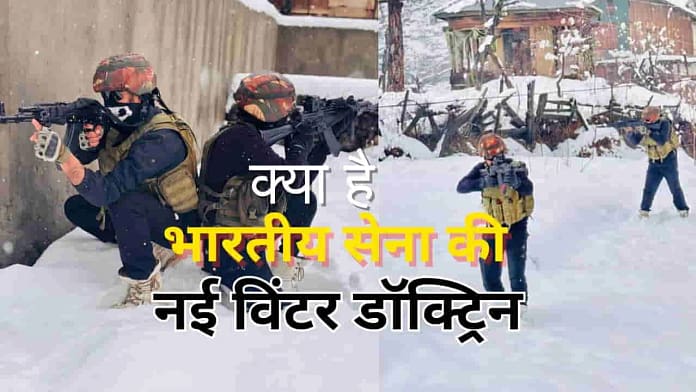
Indian Army New Winter Doctrine: After this year, the Indian Army has made several changes in its old strategies. This change has come up after a panic attack in particular, after which the army had cleared that it would no longer be able to infiltrate from the terror winter.

Initiatives The way Pakistan-backed terrorists had crossed the head and infiltrated the Indian terrain and then executed the Wardat. After that, the counter-terrism of the Indian Army against terrorism in Jammu and Kashmir is getting a major change in strategy. Winter is now not only difficult weather, but also being seen as operational spot. It is being called the new Winter Docktrin of the Indian Army.

Typically the month of December and January in Jammu and Kashmir, especially Chillai Arts During the counter-terr operations are reduced. Military movement was limited in areas with heavy snowfall, closed pathways and extremely cold weather. By taking advantage of such conditions, the forests and hills located at the terror elevation were hidden, regrouping and preparing the next summer. Indian Army New Winter Doctrine

Indian Army New Winter Doctrine: Way of Revenge Thinking After The Initiative’s Attack

Security agencies reimbursed the entire situation after the terror attack in the wrestling terrain on 22nd April 2025. In this assessment, it came to clear that terrorists plan and reorganize their activities to a "safe period" standarder winter. After this, the army decided that the operations in winter will now be carried out in the same fast as in the summer.

The Indian Army has clearly conveyed the message that they can no longer take advantage of the winter by applying the new Winter Docktron. Ice, cold and inaccessible ellaka are no longer interruption for the army, but part of the operation. Indian Army New Winter Doctrine

Indian Army New Winter Doctrine
How Troops Are Fighting Terror and Denying Militants Shelter in Sub-Zero Cold

Proactive Winter Posture: No Break Now

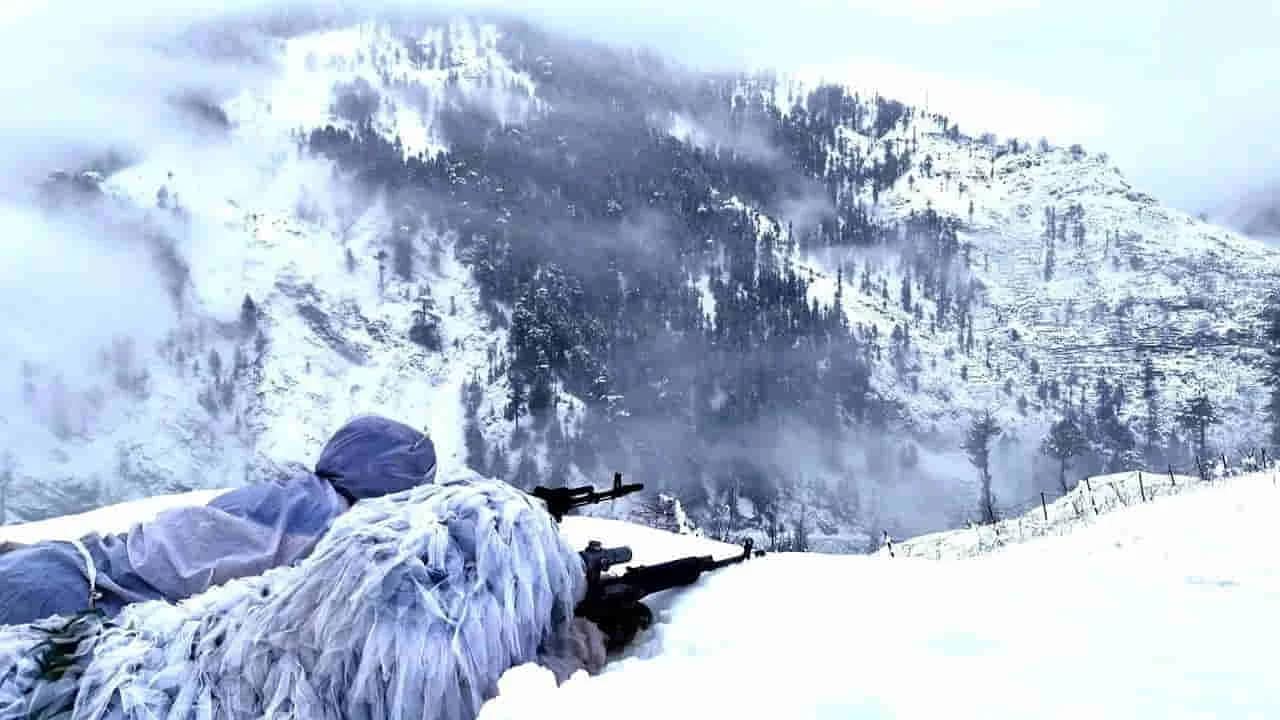
The Army has adopted the Proactive Winter Posture under this Doctron. This means that they have been further strengthened instead of reducing operations in winter. Temporary Winter Base and Surveillance Post are created in areas with height in areas such as installment, doda, Rajouri and Pandhar.

The first areas that were evacuated in winter are now constantly deployed there. Snow-covered mountains, dense forests and narrow valleys are still getting petroling. This makes it difficult for terrorists to secure any terrain. Indian Army New Winter Doctrine

दशकों से 1990 की इंसर्जेंसी से लेकर 2024 तक चिल्लई कलां आतंकवादियों की घुसपैठ के लिए सुरक्षित पीरियड या नेचुरल शील्ड की तरह काम करता था। भारी बर्फबारी से ऊंचे दर्रे बंद हो जाते थे, और सेना के बड़े ऑपरेशंस मुश्किल हो जाते थे। हिंटरलैंड जैसे जम्मू रीजन जैसे डोडा, किश्तवाड़ में सेना मुख्य रूप से डिफेंसिव रहती थी। इससे आतंकवादियों को मौसमी फायदा मिलता था और वे लोकल सपोर्ट के जरिए छिपकर सर्वाइव करते थे। इसे “टेम्परेरी लुल इन टेररिस्ट एक्टिविटी” भी कहा जाता था। (Indian Army New Winter Doctrine)

Indian Army New Winter Doctrine: क्या है सर्विलांस-स्वीप-सर्विलांस मॉडल

नई विंटर डॉक्ट्रिन का बेस सर्विलांस-स्वीप-सर्विलांस मॉडल है। इसका मतलब है कि किसी भी इलाके में पहले लगातार निगरानी की जाती है। ड्रोन, थर्मल इमेजर और ग्राउंड सेंसर्स से मूवमेंट पर नजर रखी जाती है। जैसे ही पुख्ता इनपुट मिलता है, वहां ऑपरेशन चलाकर इलाके को क्लियर किया जाता है। इसके बाद भी निगरानी जारी रहती है, ताकि आतंकी दोबारा उसी इलाके में वापस न आ सकें।

इसका मतलब है कि इस मॉडल के बाद ऑपरेशंस अब लगातार चलते रहेंगे। सेना का मकसद सिर्फ आतंकियों को मार गिराना नहीं, बल्कि पूरे इलाके को लंबे समय तक सुरक्षित बनाए रखना है। (Indian Army New Winter Doctrine)

Indian Army New Winter Doctrine: ऊंचाई और ठंड वाले इलाकों में भी तैनाती

सर्दियों में ऑपरेशन चलाना शारीरिक और मानसिक सहनशक्ति की भी परीक्षा है। सैनिकों को घुटनों तक बर्फ में चलना पड़ता है, एवलांच संभावित इलाकों से गुजरना होता है और शून्य से काफी नीचे तापमान में रातें बितानी पड़ती हैं।

इसके लिए सेना ने स्पेशलाइज्ड विंटर वॉरफेयर सब-यूनिट्स को आगे बढ़ाया है। इन यूनिट्स को स्नो नेविगेशन, कोल्ड वेदर सर्वाइवल, एवलांच रिस्पॉन्स और ऊंचाई पर कॉम्बैट की विशेष ट्रेनिंग दी गई है। यही कारण है कि अब चिल्लई कलां के दौरान गश्त और ऑपरेशन लगातार जारी हैं। चिल्लई कलां में दिसंबर-जनवरी में भयंकर सर्दी पड़ती है और भारी बर्फबारी और मुश्किल मौसम के कारण वहां बड़े ऑपरेशंस कम या स्केल डाउन हो जाते थे। लेकिन इस बार ऐसा नहीं हैं। (Indian Army New Winter Doctrine)

Indian Army New Winter Doctrine: ऐसा क्या खास है चिल्लई कलां में?

चिल्लई कलां एक फारसी शब्द है, जिसमें “चिल्ला” का मतलब 40, और “कलां” मतलब बड़ा/मेजर होता है। यानी “बड़ी 40 दिनों की ठंड” पड़ती है। मध्य एशिया से आए सूफी संतों ने सर्दियों में 40 दिनों की एकांत साधना (चिल्ला) प्रथा शुरू की, जहां वे श्राइन में रहकर ध्यान करते थे। यह प्रथा कश्मीर में लोकप्रिय हुई और सबसे ठंडे 40 दिनों को “चिल्लई कलां” कहा जाने लगा। इसका जिक्र सूफी संतों की तजकीराओं (जीवनी ग्रंथों) में मिलता है।

कुछ इतिहासकार कहते हैं कि इसका इतिहास 1000 साल से ज्यादा पुराना है। ईरानी परंपरा में 21 दिसंबर की रात को “शब-ए-यल्दा” या “शब-ए-चेल्ले” (40 की रात) मनाया जाता है, जो कश्मीर तक पहुंचा। वहीं पहले बौद्ध काल में इसे “शिश्शर मास” भी कहा जाता था।

चिल्लई कलां कश्मीर घाटी की सर्दियों का सबसे कठिन और ठंडा दौर है, जो हर साल 21 दिसंबर से 31 जनवरी तक लगभग 40 दिनों तक चलता है। यह कश्मीर की सर्दियों का “पीक” पीरियड है, जब ठंड सबसे ज्यादा प्रचंड होती है। इस दौराान तापमान -10 डिग्री फ्रीजिंग पॉइंट से काफी नीचे चला जाता है और भारी बर्फबारी होती है, पानी की पाइपें जम जाती हैं, डल झील जैसी झीलें फ्रीज हो सकती हैं, और ऊंचे इलाकों में रास्ते बंद हो जाते हैं। (Indian Army New Winter Doctrine)

Indian Army New Winter Doctrine: टेक्नोलॉजी बनी सबसे बड़ी ताकत

नई विंटर डॉक्ट्रिन में टेक्नोलॉजी की भूमिका बेहद अहम है। ड्रोन से ऊंचे इलाकों की निगरानी की जा रही है, जहां पैदल पहुंचना जोखिम भरा हो सकता है। थर्मल इमेजिंग उपकरण बर्फ और अंधेरे के बीच भी हीट सिग्नेचर पकड़ लेते हैं। ग्राउंड सेंसर्स से जंगलों और घाटियों में हलचल का पता लगाया जा रहा है।

इन सभी उपकरणों को रियल-टाइम इंटेलिजेंस नेटवर्क से जोड़ा गया है, ताकि फील्ड यूनिट्स को तुरंत इनपुट मिल सके। हालांकि सेना के सूत्र साफ कहते हैं कि तकनीक मददगार है, लेकिन अंतिम फैसला और कार्रवाई जमीन पर मौजूद सैनिक ही करते हैं। (Indian Army New Winter Doctrine)

आतंकियों पर बढ़ रहा दबाव

हाल ही में जारी इंटेलिजेंस इनपुट्स के मुताबिक जम्मू रीजन में करीब 30 से 35 आतंकी सक्रिय बताए जाते हैं। लगातार चल रहे ऑपरेशंस के कारण इन्हें निचले और आबादी वाले इलाकों से पीछे हटकर ऊंचे और निर्जन क्षेत्रों में जाना पड़ा है। स्थानीय ओवरग्राउंड वर्कर्स और सपोर्ट नेटवर्क पर भी दबाव बढ़ा है।

सर्दियों में जब गांवों तक पहुंचना मुश्किल होता है, तब आतंकियों के लिए राशन, दवाइयां और कम्युनिकेशन बनाए रखना और भी कठिन हो जाता है। सेना का मानना है कि यही दबाव आतंकियों को कमजोर करता है। (Indian Army New Winter Doctrine)

जॉइंट और इंटीग्रेटेड अप्रोच

नई रणनीति में सेना अकेले काम नहीं कर रही है। जम्मू-कश्मीर पुलिस, सीआरपीएफ, स्पेशल ऑपरेशंस ग्रुप, फॉरेस्ट गार्ड्स, विलेज डिफेंस गार्ड्स और सिविल एडमिनिस्ट्रेशन के साथ मिलकर एक साझा सिक्योरिटी ग्रिड बनाया गया है।

इंटेलिजेंस शेयरिंग तेज हुई है और ऑपरेशन के बाद इलाके की सुरक्षा जिम्मेदारी तय की जाती है। इससे आतंकियों के लिए दोबारा घुसपैठ या वापसी की गुंजाइश कम हो जाती है। (Indian Army New Winter Doctrine)

ग्रामीण इलाकों में भरोसा कायम रखने की कोशिश

बर्फीले और दूरदराज के गांवों में सेना की मौजूदगी से स्थानीय लोगों में भी भरोसा बढ़ रहा है। पहले जो इलाके सर्दियों में अलग-थलग पड़ जाते हैं औऱ जिसका फादयाा आतंकी उठाते थे, अब वहं सेना की लगातार मौजूदगी देखने को मिल रही है। विलेज डिफेंस गार्ड्स से गांवों में सुरक्षा पुख्ता हो रही है। सेना लगातार ग्रामीणों से संपर्क रखती है, ताकि डर और अफवाह का माहौल न बने।

स्थानीय लोग भी अब संदिग्ध गतिविधियों की जानकारी तुरंत सुरक्षा बलों तक पहुंचा रहे हैं, जिससे ऑपरेशंस करने में आसानी हो रही है।

वहीं, नई विंटर डॉक्ट्रिन के जरिए सेना ने यह साफ कर दिया है कि आतंकवाद के लिए अब कोई “ऑफ-सीजन” नहीं होगा। बर्फ से ढकी पहाड़ियां, ठंडी रातें और सुनसान जंगल अब आतंकियों के लिए ढाल नहीं बनेंगे। (Indian Army New Winter Doctrine)

DAC Meeting: DAC Meeting Tally, will now be on December 29th. The deadline of the emergency procurement increased by January 15

DAC Meeting Approves Rs 79,000-Crore Defence Push, Boosts Drones, Pinaka and Precision Strikes
DAC Meeting Approves Rs 79,000-Crore Defence Push, Boosts Drones, Pinaka and Precision Strikes (File Photo)

DAC Meeting: During the meeting of the Defence Exhibition Council (DAC) stamped on large decisions connected to the country’s security, the DAC meeting will not be held on Friday. This was the last meeting of this year headed by Defence Minister Rajnath Singh. But the good thing is that the meeting has been avoided for this year. The meeting may be next week. In this meeting, the three forces of the country may seal all the weapons and equipment they need to be extremely strict.

DAC Meeting: Why today's DAC Meeting

As per the defence formulas, today DAC The formal beginning of the meeting was done, but not all members of the Council were present. The sources pointed out that Indian Air Force chief Air Chief Marshal AP Singh was on a tour abroad. He returned from the visit of Egypt. The presence of the heads of the three forces in the DAC is necessary, as the decisions are taken from the collective consensus. Agenda of the meeting was not further extended when all members are not available. (DAC Meeting)

The Ministry of Defence officials say that it was not right to discuss so large and sensitive defence deals in their non-existence. Due to this, the new date of December 29 has been decided to avoid the meeting. This meeting will be again in this year.

While the Ministry of Defence in the Meeting Emergency Procurement (EP) has also extended the last date of January 15. The decision is therefore being considered to be Ahmad, as the forces, the Navy and the Air Force are provided to the necessary weapons and equipment quickly.

DAC Meeting: Why Deadline of Increased Emergency Procurement

The direct impact of the DAC meeting is also on the Emergency Procurement (EP) process. The last date of the first EP was over 19 November. It was expected that the pending cases will be dealt with until the end of December. But since now the timetable of EP has been extended to 15 January. So hope that pending cases will be extended faster.

Defense Emergency Procurement: Why can you hang in the pan? Understand what is Emergency Procurement Complete Game

DAC Meeting: What is Emergency Procurement, and How It Works

When there is a sudden tension on the borders of the country, there is a large military operation or a situation such as war, there is no time to wait for the Indian Army. At such times there are weapons, ammunitions, drones, missiles, spare parts and other essential equipment needed immediately.

The emergency procurement process is used for this, under which the army can buy weapons, ammunitions and equipments immediately necessary without falling into a long purchase process. It is used when sudden situations deteriorate or after a large operation the arms feels urgently needed.

Usually in defense deals DAP-2020 The long process is adopted such as the Defensation Exhibition Provider, which can take several years. But EP’s motive is just one, meeting the need to the army in the shortest time.

Why is EP divided into Tranch?

अभी ईपी-6 चल रहा है, जिसकी डेडलाइन को बढ़ा कर 15 जनवरी 2026 कर दिया गया है। यानी इस तारीख तक सभी पेंडिंग कॉन्ट्रैक्ट्स को साइन करना होगा। इमरजेंसी प्रॉक्यूरमेंट एक बार में नहीं, बल्कि चरणों में दी जाती है। इन्हें ईपी–1, ईपी–2, ईपी–3 जैसे नाम दिए जाते हैं। हर ट्रांच एक खास हालात के लिए होती है, जैसे सीमा पर तनाव, चीन के साथ टकराव या किसी बड़े आतंकवाद विरोधी ऑपरेशन के बाद ईपी बनाई जाती है। हर ट्रांच में सरकार यह तय करती है कि कितने पैसे तक की खरीद होगी, कितने समय के लिए यह व्यवस्था लागू रहेगी और किन चीजों को प्राथमिकता दी जाएगी। (DAC meeting)

DAC meeting: क्या है पैसे का पूरा गणित?

ईपी के तहत हर एक कॉन्ट्रैक्ट की एक तय सीमा होती है। किसी भी एक सौदे की कीमत 300 करोड़ रुपये तक हो सकती है। यह सीमा हथियारों और उपकरणों, दोनों तरह की खरीद पर लागू होती है।

एक बार जरूरत तय हो जाने के बाद कॉन्ट्रैक्ट को 40 दिनों के अंदर फाइनल करना होता है। यही वजह है कि इसे फास्ट ट्रैक कहा जाता है। इसके बाद सप्लायर को 12 महीने, यानी एक साल के भीतर ऑर्डर की डिलीवरी करनी होती है।

अगर तय समय में डिलीवरी नहीं होती, तो अब सरकार उस कॉन्ट्रैक्ट को फोरक्लोज, यानी रद्द भी कर सकती है। हाल के समय में इस नियम को और सख्त किया गया है, ताकि कंपनियां देरी न करें।

हर ईपी ट्रांच का एक बजट फ्रेम होता है। ईपी–6 ट्रांच में कुल सीमा करीब 40 हजार करोड़ रुपये मानी गई है। यह पैसा एक ही सौदे में नहीं जाता, बल्कि कई छोटे–छोटे कॉन्ट्रैक्ट्स के जरिए खर्च होता है।

DAC meeting: स्वदेशी खरीद को क्यों मिलती है प्राथमिकता

ईपी में स्पष्ट नियम है कि जहां संभव हो, वहां भारतीय कंपनियों से ही खरीद की जाए। यानी इंडिजिनस सोर्स को पहली प्राथमिकता मिलती है। अगर किसी सिस्टम या हथियार के लिए आयात जरूरी हो, तो उसके लिए अलग से रक्षा मंत्रालय की मंजूरी लेनी पड़ती है। इसका मकसद सिर्फ तेजी नहीं, बल्कि आत्मनिर्भर भारत को बढ़ावा देना भी है।

कितने समय के लिए होती है ईपी

आमतौर पर एक ईपी ट्रांच 3 से 6 महीने या फिर एक साल के लिए लागू रहती है। लेकिन अगर बातचीत चल रही हो और सौदे अधूरे हों, तो इसकी अवधि बढ़ाई भी जा सकती है। जैसे हाल ही में ईपी की समयसीमा नवंबर 2025 में खत्म हो गई थी, लेकिन इसे बढ़ाकर 15 जनवरी 2026 कर दिया गया, ताकि चल रही नेगोशिएशंस पूरी की जा सकें। (DAC meeting)

ईपी में असली पावर है किसके पास

इमरजेंसी प्रॉक्यूरमेंट की सबसे बड़ी ताकत तीनों सेनाओं के वाइस चीफ्स के पास होती है। सेना में यह पावर वाइस चीफ ऑफ आर्मी स्टाफ के पास है। नौसेना में वाइस चीफ ऑफ नेवल स्टाफ यह अधिकार इस्तेमाल करते हैं। वायुसेना में यह जिम्मेदारी डिप्टी चीफ ऑफ एयर स्टाफ के पास होती है। यही अधिकारी ईपी के तहत कॉन्ट्रैक्ट को मंजूरी देते हैं और फाइनेंशियल पावर एक्सरसाइज करते हैं। इसमें हर कॉन्ट्रैक्ट 300 करोड़ रुपये तक का हो सकता है, और ये फास्ट-ट्रैक पर अप्रूव करते हैं। यानी 40 दिनों में कॉन्ट्रैक्ट फाइनल और 1 साल में ऑर्डर की डिलीवरी करनी होती है।

डिप्टी चीफ्स का रोल आमतौर पर सपोर्टिंग जैसे प्लानिंग या तकनीकी सलाह देना होता है। सामान्य रक्षा खरीद में उनके पास अलग वित्तीय अधिकार होते हैं, लेकिन ईपी में मुख्य फैसला वाइस चीफ ही लेते हैं।

क्या करता है सर्विसेज प्रॉक्योरमेंट बोर्ड

ईपी के मामलों में एक अहम भूमिका होती है सर्विसेज प्रॉक्योरमेंट बोर्ड, यानी एसपीबी की। यह बोर्ड हेडक्वार्टर इंटीग्रेटेड डिफेंस स्टाफ के तहत काम करता है। एसपीबी की बैठकें चीफ ऑफ इंटीग्रेटेड डिफेंस स्टाफ टू द चेयरमैन चीफ्स ऑफ स्टाफ कमिटी (CISC) की अध्यक्षता में होती हैं। एसपीबी एक जॉइंट बोर्ड है, जिसमें तीनों सर्विसेज (आर्मी, नेवी, एयर फोर्स) के थ्री-स्टार या टू-स्टार लेवल ऑफिसर्स (जैसे डायरेक्टर जनरल्स या संबंधित ब्रांच हेड्स) और अन्य संबंधित प्रतिनिधि शामिल होते हैं।

एसपीबी यह तय करता है कि जो चीज खरीदी जा रही है, वह वाकई जरूरी है या नहीं। इसे ही एक्सेप्टेंस ऑफ नेसेसिटी, यानी एओएन कहा जाता है। एओएन मिलने के बाद ही आगे खरीद की प्रक्रिया शुरू होती है। पहले यह काम एक अलग कमेटी करती थी, लेकिन अब एसपीबी के जरिए तीनों सेनाओं के बीच तालमेल सुनिश्चित किया जाता है। (DAC meeting)

DAC meeting: कैसे चलता है ईपी का पूरा प्रोसेस

सबसे पहले सेना, नौसेना या वायुसेना अपनी तत्काल जरूरत पहचानती है। इसके बाद मामला एसपीबी के पास जाता है, जहां से एओएन मिलती है। फिर डिफेंस फाइनेंस या इंटीग्रेटेड फाइनेंशियल एडवाइजर से सहमति ली जाती है।

इसके बाद सप्लायर से बातचीत होती है और वाइस चीफ की मंजूरी से कॉन्ट्रैक्ट साइन किया जाता है। यह सब काम 40 दिनों के भीतर पूरा करना होता है।

अगर कोई चीज विदेश से मंगानी हो, तो रक्षा मंत्रालय से विशेष अनुमति लेनी पड़ती है।

ईपी की पूरी ट्रांच को अंत में डिफेंस एक्विजिशन काउंसिल, यानी डीएसी, से मंजूरी मिलती है, जिसकी अध्यक्षता रक्षा मंत्री करते हैं।

कैपिटल और रेवेन्यू प्रॉक्यूरमेंट में फर्क

ईपी के तहत दो तरह की खरीद होती है। एक होती है कैपिटल प्रॉक्यूरमेंट, यानी नए हथियार और बड़े सिस्टम खरीदे जाते हैं। वहीं, दूसरी होती है रेवेन्यू प्रॉक्यूरमेंट, जिसमें गोला-बारूद, स्पेयर पार्ट्स और मेंटेनेंस से जुड़ी चीजें आती हैं। ईपी का फोकस दोनों में होता है, लेकिन असली मकसद होता है सेना की ऑपरेशनल रेडीनेस, यानी युद्ध के लिए पूरी तरह तैयार रहना। (DAC meeting)

DAC meeting: क्यों जरूरी मानी जाती है ईपी

इमरजेंसी प्रॉक्यूरमेंट की शुरुआत 2016 के उरी हमले के बाद हुई थी। इसके बाद गलवान घाटी में चीन के साथ तनाव के समय इसका बड़े पैमाने पर इस्तेमाल हुआ। हाल ही में ऑपरेशन सिंदूर के बाद भी ईपी की एक नई ट्रांच लाई गई।

इस व्यवस्था की वजह से सेना को वक्त पर जरूरी हथियार मिलते हैं और किसी भी आपात स्थिति में तैयारी में कमी नहीं रहती। हालांकि, इसके साथ यह भी साफ कर दिया गया है कि इंडस्ट्री को तय समय में सप्लाई करनी ही होगी, वरना कॉन्ट्रैक्ट रद्द हो सकता है।

पिछले कुछ सालों में भारत ने कई बार इमरजेंसी प्रॉक्योरमेंट का सहारा लिया है। ईपी की सबसे बड़ी खासियत यह है कि इसमें न तो लंबा रिक्वेस्ट फॉर प्रपोजल (आरएफपी) जारी किया जाता है और न ही ट्रायल जैसा लंबा प्रोसेस अपनाया जाता है। आमतौर पर एक डील की सीमा करीब 300 से 400 करोड़ रुपये तक होती है और हथियार छह महीने के भीतर सेना को मिल जाते हैं। सामान्य रक्षा सौदों में यही प्रक्रिया दो से तीन साल तक खिंच सकती है। (DAC meeting)

फास्ट ट्रैक परचेज का भी विकल्प

इसके अलावा डिफेंस इक्विपमेंट्स की तुरंत खरीद के लिए रक्षा मंत्रालय के पास एक और विकल्प होता है, जिसे फास्ट ट्रैक परचेज (एफटीपी) कहा जाता है। यह प्रक्रिया इमरजेंसी प्रॉक्यूरमेंट जैसी ही है, लेकिन इसमें हर सौदे की अधिकतम राशि की सीमा ज्यादा होती है। अगर ईपी की समयसीमा खत्म होने के बाद भी अगर कुछ सौदे अटके रहते हैं, तो उन्हें एफटीपी के तहत आगे बढ़ाया जाता है। (DAC meeting)

क्या है डीएसी और क्यों अहम है

डिफेंस एक्विजिशन काउंसिल रक्षा मंत्रालय की सबसे हाई पर्चेज कमेटी होती है। इसकी अध्यक्षता रक्षा मंत्री राजनाथ सिंह करते हैं। इसमें चीफ ऑफ डिफेंस स्टाफ जनरल अनिल चौहान, तीनों सेनाओं के प्रमुख, रक्षा सचिव और डिफेंस रिसर्च एंड डेवलपमेंट ऑर्गनाइजेशन (डीआरडीओ) के चेयरमैन शामिल होते हैं।

डीएसी यह तय करती है कि सेना को किस तरह के हथियार और सिस्टम खरीदने हैं। एक बार डीएसी किसी प्रोजेक्ट को हरी झंडी दे देती है, तभी आगे कॉन्ट्रैक्ट नेगोशिएशन शुरू होते हैं। इसलिए डीएसी की मंजूरी को किसी भी रक्षा सौदे का पहला और सबसे अहम कदम माना जाता है। (DAC meeting)

DAC meeting: 29 दिसंबर की बैठक से क्या उम्मीदें

अब सभी की नजर 29 दिसंबर को होने वाली डीएसी बैठक पर टिकी है। माना जा रहा है कि यह साल 2025 की आखिरी डीएसी बैठक होगी और इसमें कई बड़े प्रस्तावों पर चर्चा हो सकती है। रक्षा मंत्रालय से जुड़े सूत्रों के अनुसार, इस बैठक में स्वदेशी रक्षा परियोजनाओं को प्राथमिकता दी जाएगी, ताकि सरकार की आत्मनिर्भर भारत नीति को आगे बढ़ाया जा सके। (DAC meeting)

संभावना है कि बैठक में भारतीय सेना के लिए बड़ी संख्या में लॉइटरिंग म्यूनिशन, ड्रोन और काउंटर-ड्रोन सिस्टम पर फैसला लिया जा सकता है। इसके अलावा वायुसेना के लिए लंबी दूरी की एयर-टू-एयर मिसाइल, जैसे एस्ट्रा मार्क-2, और कुछ विदेशी सिस्टम पर भी चर्चा होने की उम्मीद है।

MRSAM और टैंक प्रोजेक्ट भी एजेंडे में

डीएसी बैठक में भारतीय नौसेना के लिए मीडियम रेंज सरफेस-टू-एयर मिसाइल सिस्टम (MRSAM) की खरीद का प्रस्ताव भी आ सकता है। इसका मकसद नौसेना के युद्धपोतों को हवाई खतरों से सुरक्षा देना है।

वहीं, भारतीय सेना अपने टी-90 टैंकों के स्वदेशी ओवरहॉल का प्रस्ताव भी रख सकती है। इसके तहत करीब 200 टैंकों को देश में ही आधुनिक बनाया जाएगा। इससे न सिर्फ विदेशी निर्भरता कम होगी, बल्कि घरेलू रक्षा उद्योग को भी बढ़ावा मिलेगा। (DAC meeting)

इस विदेशी सौदों पर भी हो सकती है चर्चा

हालांकि सरकार का जोर स्वदेशी प्रणालियों पर है, लेकिन कुछ विदेशी सौदों पर भी चर्चा हो सकती है। इनमें अमेरिका से एमक्यू-9बी सी गार्जियन ड्रोन को लीज पर लेने का प्रस्ताव शामिल है। भारत पहले ही 31 ऐसे ड्रोन खरीदने का करार कर चुका है, जो 2028 से भारत में आने शुरू होंगे।

इसके अलावा वायुसेना के लिए मिड-एयर रिफ्यूलर एयरक्राफ्ट और कुछ विशेष हथियार प्रणालियों पर भी फैसला लिया जा सकता है।

रक्षा विशेषज्ञों का कहना है कि मौजूदा वैश्विक हालात को देखते हुए रक्षा खरीद में देरी भारत के लिए ठीक नहीं है। सीमाओं पर चुनौतियां बनी हुई हैं और तकनीक तेजी से बदल रही है। ऐसे में जरूरी है कि लंबित सौदों को जल्द से जल्द अंतिम रूप दिया जाए। (DAC meeting)

Activator RPA RFI: The army must fly tactical drone at 24,000 feet from the desert, stay 8 hours in the air, fly without runway

RPA RFI Procurement - Indian Army Issues RFI for High-End Armed Drones for Plains and High Altitude Area

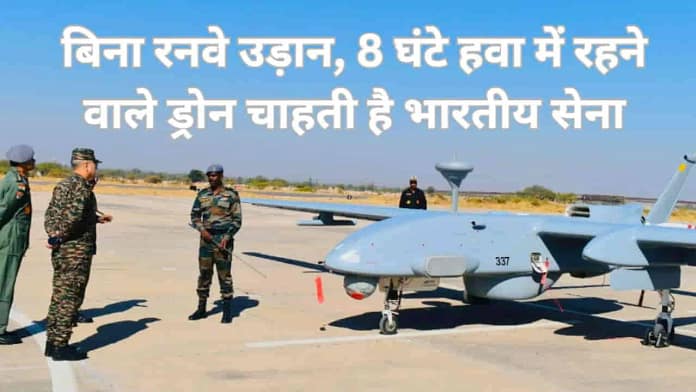
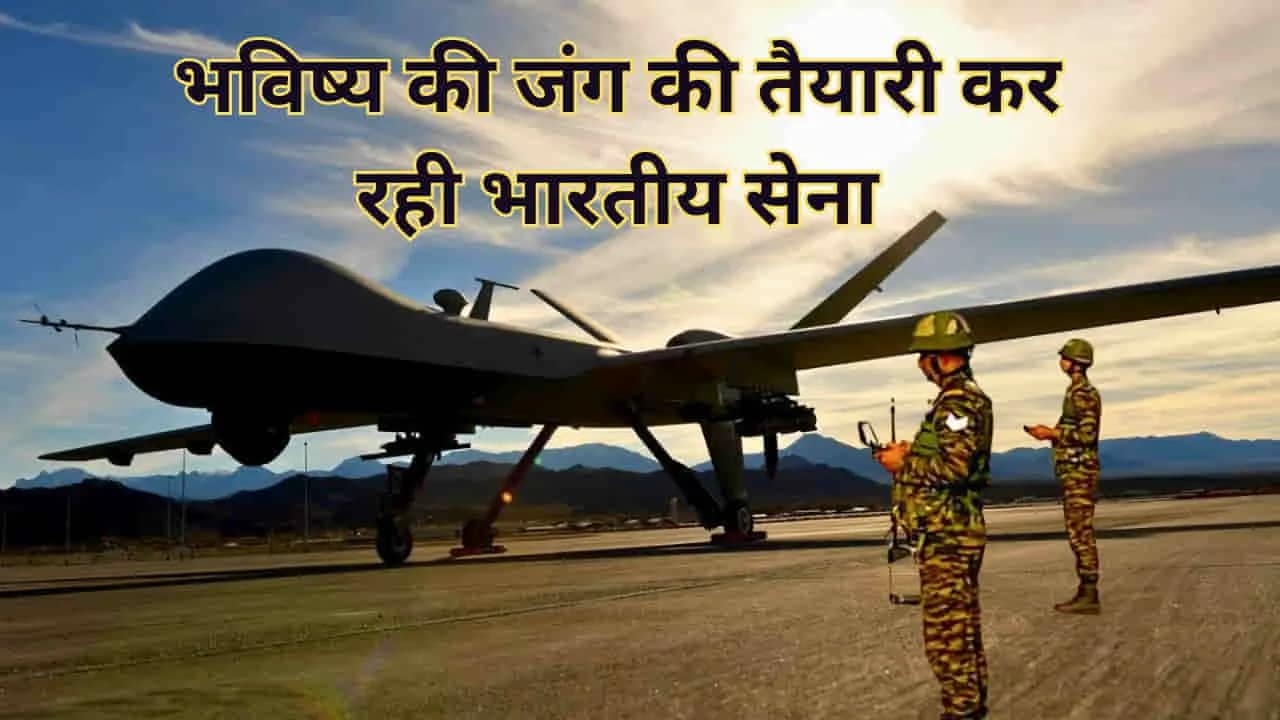
Activator RPA RFI: The Indian Army is now preparing itself at a new level for future corrosion after operation shifts. The military has taken an important step in view of changing dangers on the borders, the rising role of the drone war and the rising snow of neighbors such as China-Pakistan. On behalf of the Ministry of Defence, Tactical Remotely has released the Piloted Aircraft (TA RPA) i.e. Review for Information (RFI) for Modern Military Drone.

RFI The Army wants to know which companies in India can make such advanced weapons drones, which can work every situation in hilly areas ranging from plains to altitudes. (Tactical RPA RFI)

Activator RPA RFI: Army Must 20 Tactical RPA Drone

About 20 Tactical Forces under RFI released RPA ड्रोन शामिल करने की योजना बना रही है। यह पूरी खरीद मेक इन इंडिया और आत्मनिर्भर भारत के तहत होगी। सेना की योजना के मुताबिक इनमें से 10 ड्रोन मैदानी इलाकों के लिए होंगे, जबकि 10 को खास तौर पर ऊंचाई वाले और दुर्गम पहाड़ी इलाकों में तैनात किया जाएगा। सेना की तैयारी है कि ये ड्रोन ऐसे होने चाहिए, जो पंजाब और राजस्थान जैसे मैदानी इलाकों से लेकर लद्दाख और अरुणाचल की ऊंची चोटियों तक, हर जगह काम कर सकें। सेना चाहती है कि ये ड्रोन दिन-रात, हर मौसम और हर हालात में उड़ान भर सकें। (Tactical RPA RFI)

सेना की इस पहल को हाल के समय में सीमाओं पर बदले हालात से जोड़कर देखा जा रहा है। लाइन ऑफ एक्चुअल कंट्रोल और लाइन ऑफ कंट्रोल पर ड्रोन गतिविधियां लगातार बढ़ी हैं। इन ड्रोन का इस्तेमाल दुश्मन देश निगरानी से लेकर, हथियार गिराने और जासूसी में लगातार किया जा रहा है। ऐसे में भारतीय सेना के लिए यह जरूरी हो गया है कि वह सिर्फ जवाबी कार्रवाई न करे, बल्कि पहले से ही दुश्मन की हर चाल पर नजर रख सके। (Tactical RPA RFI)

Tactical RPA RFI: अपग्रेड करने का भी हो विकल्प

सेना के मुताबिक टैक्टिकल रिमोटली पायलटेड एयरक्राफ्ट एक मल्टी-रोल प्लेटफॉर्म होगा, जो एक साथ कई काम कर सके। इसमें निगरानी, जासूसी, इलेक्ट्रॉनिक निगरानी और जरूरत पड़ने पर सीधे हमले की क्षमता भी होनी चाहिए। ड्रोन का डिजाइन मॉड्यूलर होना चाहिए, ताकि भविष्य में बिना पूरे सिस्टम को बदले नए सेंसर और हथियार जोड़े जा सकें। सेना चाहती है कि ये ड्रोन आने वाले 15–20 साल तक तकनीकी रूप से एडवांस बने रहें, ताकि उन्हें अपग्रेड भी किया जा सके। (Tactical RPA RFI)

Tactical RPA RFI: झेल सकें 60 नॉट्स तक की तेज हवा

सेना ने RFI में साफ किया है कि ये ड्रोन दिन और रात दोनों समय काम करने में सक्षम होने चाहिए। खराब मौसम, तेज हवा, बारिश, अत्यधिक ठंड और गर्मी जैसे हालात में भी ये काम कर सकें। ऊंचाई वाले इलाकों में ऐसे ड्रोन चााहिए जो 60 नॉट्स तक की तेज हवा झेल सकें, जबकि मैदानी इलाकों में इस्तेमाल किए जाने वाले 30 नॉट्स तक की हवा में भी स्थिर उड़ान भर सकें। (Tactical RPA RFI)

Tactical RPA RFI Procurement- Indian Army Issues RFI for High-End Armed Drones for Plains and High Altitude Area-1

Tactical RPA RFI: माइनस 40 डिग्री सेल्सियस में भी करे काम

तापमान को लेकर भी सेना ने मानक तय किए हैं। ऊंचाई वाले इलाकों में ड्रोन को माइनस 40 डिग्री सेल्सियस से लेकर प्लस 30 डिग्री सेल्सियस तक काम करना होगा। वहीं मैदानी इलाकों में यह सीमा माइनस 20 से लेकर प्लस 45 डिग्री सेल्सियस तक रखी गई है। इसका मतलब है कि इन ड्रोन को सियाचिन जैसी ठंडी जगह और राजस्थान जैसी गर्म जगह पर भी समान रूप से सक्षम होना होगा। (Tactical RPA RFI)

Tactical RPA RFI: रेंज 400 किलोमीटर तक

ड्रोनों की उड़ान क्षमता को लेकर सेना ने कड़े मानक तय किए हैं। ड्रोन को सामान्य रेडियो कंट्रोल यानी लाइन ऑफ साइट मोड में कम से कम 120 किलोमीटर तक काम करना होगा। वहीं अगर सैटेलाइट कम्युनिकेशन का इस्तेमाल किया जाए, तो इसकी रेंज 400 किलोमीटर या उससे अधिक होनी चाहिए। इससे सेना को दूर-दराज के इलाकों में भी निगरानी और ऑपरेशन करने की सुविधा मिलेगी। (Tactical RPA RFI)

Tactical RPA RFI: 8 घंटे लगातार हवा में रहें ड्रोन

इसके अलावा आरएफआई की शर्तों में ऊंचाई को लेकर सेना में स्टैंडर्ड तय किए हैं। मैदानी इलाकों के लिए ड्रोन को कम से कम 14,000 फीट की ऊंचाई तक काम करने में सक्षम होना होगा। वहीं ऊंचाई वाले इलाकों के लिए यह सीमा 24,000 फीट तक रखी गई है। इसके साथ ही ड्रोन में कम से कम 8 घंटे लगातार हवा में रहने की क्षमता भी होनी चाहिए। ताकि लंबे समय तक निगरानी और मिशन को अंजाम दिया जा सके। (TACTICAL REMOTELY PILOTED AIRCRAFTS)

Tactical RPA RFI: रनवे पर निर्भरता नहीं

सेना ने यह भी स्पष्ट किया है कि Drone को उड़ाने के लिए लंबे और पक्के रनवे की जरूरत नहीं होनी चाहिए। सीमावर्ती और दुर्गम इलाकों में ऐसी सुविधाएं हमेशा उपलब्ध नहीं होतीं। इसलिए ड्रोन या तो सीधे ऊपर उठकर यानी वीटीओएल मोड में उड़ान भर सके, या फिर 200 मीटर की कच्ची पट्टी से टेकऑफ कर सके। साथ ही कुछ मामलों में कैटापल्ट लॉन्च और पैराशूट के जरिए लैंडिंग का भी फीचर होना चाहिए। (TACTICAL REMOTELY PILOTED AIRCRAFTS)

50 किमी दूर से पहचानने की हो क्षमता

ड्रोन के सेंसर और पेलोड को लेकर भी सेना चाहती है कि ड्रोन में ऐसे कैमरे और सिस्टम लगाए जाएं, जो दिन और रात दोनों समय हाई-डेफिनिशन फोटो और वीडियो दे सकें। इसमें इलेक्ट्रो ऑप्टिक और इंफ्रारेड कैमरा, थर्मल सेंसर, और लेजर बेस्ड सिस्टम शामिल होंगे, जो अंधेरे, धुंध और खराब मौसम में भी दुश्मन की हलचल को पकड़ सकें। इनमें लेजर रेंज फाइंडर और लेजर डिजाइनटर भी होना चाहिए, ताकि जरूरत पड़ने पर सटीक हमला किया जा सके।

इसके अलावा ड्रोन को इंसानों और वाहनों को 40-50 किलोमीटर दूर से पहचानने और करीब 15 किलोमीटर से साफ तौर पर पहचानने में सक्षम होना चाहिए। (TACTICAL REMOTELY PILOTED AIRCRAFTS)

पकड़ सकें दुश्मन के सिग्नल

आरएफआई में यह भी कहा गया है कि यह ड्रोन सिर्फ देखने वाला नहीं होगा, बल्कि सुनने वाला भी होगा। इसमें ईएलआईएनटी और कॉमइंट सिस्टम लगाए जाएंगे, जो दुश्मन के रेडियो, मोबाइल, रडार और कम्युनिकेशन सिग्नल को पकड़ सकें। सेना चाहती है कि ड्रोन 100 किलोमीटर दूर से भी ऐसे सिग्नल पकड़ सके। इससे दुश्मन की गतिविधियों की पहले से जानकारी मिल सकेगी। इसके अलावा ड्रोन में एफओपीईएन रडार भी होना चाहिए, जो जंगलों के अंदर छिपे टारगेट्स, बर्फीले इलाकों और पहाड़ी ढलानों पर मौजूद गतिविधियों को भी आसानी से पहचान सके। (TACTICAL REMOTELY PILOTED AIRCRAFTS)

जैमिंग और जीपीएस फेल होने पर भी उड़ान भरें ड्रोन

आज की जंग में दुश्मन सबसे पहले जीपीएस जैमिंग और साइबर अटैक करता है। सेना इसलिए चाहती है कि ड्रोन सिर्फ जीपीएस पर निर्भर न रहे। ड्रोन को जीपीएस, ग्लोनास, गैलीलियो और नाविक, चारों सिस्टम इस्तेमाल करने होंगे। अगर फिर भी जीपीएस सिग्नल खत्म हो जाए, तो ड्रोन आईएनएस, आईएमयू और विजुअल नेविगेशन से उड़ान जारी रख सके। वहीं, अगर हालात बहुत खराब हों, तो ड्रोन अपने आप सुरक्षित तरीके से वापस बेस पर लौट आए। (TACTICAL REMOTELY PILOTED AIRCRAFTS)

Tactical RPA RFI: हथियार भी ढो सकें ड्रोन

इन ड्रोनों को केवल निगरानी तक के लिए सीमित नहीं रखा गया है। सेना चाहती है कि यह ड्रोन 200 किलोग्राम तक हथियार ले जाने में सक्षम हो। इसमें एयर-टू-ग्राउंड मिसाइल, प्रिसिजन ग्लाइड बम, एंटी-टैंक हथियार और लॉइटरिंग म्यूनिशन शामिल हैं। यानी जरूरत पड़ने पर यह ड्रोन दुश्मन पर सीधा हमला भी कर सकेगा। (TACTICAL REMOTELY PILOTED AIRCRAFTS)

डेटा सुरक्षा सबसे अहम

आरएफआई में कहा गया है कि ड्रोन से मिलने वाला सारा डेटा बेहद संवेदनशील होगा। इसलिए सेना ने साफ कहा है कि सारा डेटा 256-बिट एईएस एन्क्रिप्शन से सुरक्षित होना चाहिए। अगर किसी कारण से ड्रोन गिर जाए या दुश्मन के हाथ लग जाए, तो उसमें मौजूद डेटा अपने आप नष्ट हो जाना चाहिए।

भारतीय सिस्टम से हो सके कनेक्ट

आरएफआई के मुताबिक यह ड्रोन भारतीय सेना के मौजूदा कमांड, कंट्रोल, कम्युनिकेशन और इंटेलिजेंस सिस्टम से कनेक्ट होना चाहिए। ताकि लाइव वीडियो और डेटा सीधे कमांड सेंटर तक पहुंचता रहे। इसे सेना के काउंटर-ड्रोन सिस्टम के साथ भी इंटीग्रेट किया जाएगा, ताकि पूरे बैटलफील्ड की एक साझा तस्वीर मिल सके। (TACTICAL REMOTELY PILOTED AIRCRAFTS)

भारतीय कंपनियों को प्राथमिकता

आरएफआई में कहा गया इस पूरी प्रक्रिया में भारतीय कंपनियों को प्राथमिकता दी जाएगी। आरएफआई के अनुसार, इसमें सिर्फ भारतीय कंपनियां या भारतीय कंपनी के साथ साझेदारी करने वाली विदेशी कंपनियां ही हिस्सा ले सकती हैं। कंपनियों से यह भी पूछा गया है कि ड्रोन में कितने प्रतिशत स्वदेशी सामग्री का इस्तेमाल किया जाएगा और भविष्य में मेंटेनेंस और सपोर्ट की व्यवस्था कैसे की जाएगी। इसके साथ ही कंपनियां यह भी बताएं कि भविष्य में किन-किन हिस्सों को और ज्यादा स्वदेशी बनाया जा सकता है। सरकार चाहती है कि सिर्फ ड्रोन खरीदे न जाएं, बल्कि देश में ही पूरा ड्रोन इकोसिस्टम तैयार किया जाए। (TACTICAL REMOTELY PILOTED AIRCRAFTS)

Tactical RPA RFI: 18 मार्च 2026 तक का समय

रक्षा मंत्रालय ने आरएफआई का जवाब देने के लिए कंपनियों को 18 मार्च 2026 तक का समय दिया है। सके बाद सेना सभी जवाबों का अध्ययन करेगी, तकनीकी जरूरतें तय करेगी और फिर रिक्वेस्ट फॉर प्रपोजल जारी किया जाएगा। (TACTICAL REMOTELY PILOTED AIRCRAFTS)