Home Blog Page 18

Great change in Army’s air defense training! Multirotor Copper, Swarm Drone and Rocket will practice on Younger

Indian Army Air Defence Training
(Image for reference only. AI-Generated Image)

Indian Army Air Defence Training: Today the role of drones, swarm drones, cruise missiles, smart bombs and heat caking weapons in Battlefield is constantly increasing. The Air Defense Units of the Indian Army dealing with the ground in such threats need the same level of training as they can get during the real war.

The Army Air Defence Directorate General of Indian Army has released three separate requests for information i.e. RFI. These include Multirotor Copper Based Basic Target System, Swarm Drone Based Basic Target System and Intermediate Target System Rocket.

Indian Army no longer wants to keep air defense training limited to traditional targets. The training structure is being prepared to be shielded at the same level, taking into account the drone, selfarm and heat signature based threats in the changing battlefield, so that the soldiers can experience closest to the actual conditions during practice.

Indian Army Air Defence Training: Why Changing Air Defense Training

Military campaigns around the world have proved that only large fighter jets are not threatened. Small drones have now been able to monitor, target determination and attack directly. Many countries have developed the Swarm drone technology, with dozens of drones can attack together in a cornidated way.

As per the documents issued by the Army Air Defense Units have become necessary to prepare for combating new threats like the fourth and fifth generation aircraft as well as cruise missiles and unmanaged aerial systems. That is why the need for such a target system has been felt that can behave like a real enemy and give the troops a practical experience. Indian Army Air Defence Training

MULTIROTOR COPPER WILL BE STARGATE

First System Multirotor Copper is the base target system. The main objective is to provide targets that appear like slow blowing helicopters or small drones.

This system will be fully modular, i.e. it can be quickly added to the spot by moving it to different parts. It will have vertical take-off and landing capacity. This means that it will not need runway and it will rise above the ground directly.

The system will also include ground control station and radio data link. At least two aerial targets can be controlled from the same control station. This will make a variety of situations together during training.

The Army wants different types of payloads to be installed on this platform. These will include radar cross section enhancing equipment, making the target radar screen look more pronounced. In addition, the infrared signal enhancer system will also be able to identify the heat-seaking missile target.

Special emphasis on speed and flight capacity

The Army has set several technical standards for this system. No extra Payload Its maximum speed should be at least 30 meters per second. It has also been fixed on different speeds to ensure long-term practice.

Operational range is demanded to keep 15 kms or more. Also it should be able to work in areas with height. The army wants it to be operated at a height of 4200 m or more from the sea level.

Such a capacity proves to be useful especially in the Ladakh and other mountainous areas, where the performance of the general drone can be affected. Indian Army Air Defence Training

New kind of training will be from Sword Drone

Second RFI Swarm Drone connected to the target system. Many drones in the selfarm technique work as a group and complete the mission by chordinate with each other.

There will be a set of 12 drones in the system that the army is looking for. All these drones will be flying in an Autonomous manner and operate in the group. Each drone will have vertical take off and landing capacity.

Through the ground control station, the entire selfarm will be programmed. The operator will be able to set the flight route in advance and the drone will work accordingly.

Such targets prepare challenging positions for air defenses as multiple targets appear together. This gives the young people the experience of making decisions in real war situations.

The mission is also released on the command link breakdown

An interesting feature of the Swarm system is its safety system. If the control link is broken for some reason, the drones can move on to the prescribed route automatically.

The drones in the first mode will continue the flight according to the pre-fixed wapoint and then return to the scheduled landing area. In the second mode they will start the return to home process directly.

इससे ट्रेनिंग के दौरान दुर्घटना की संभावना कम होती है और महंगे उपकरणों को सुरक्षित वापस लाया जा सकता है।

रॉकेट बेस्ड टारगेट क्यों है खास

तीसरा और सबसे अलग सिस्टम इंटरमीडिएट टारगेट सिस्टम रॉकेट है। यह विशेष रूप से इंफ्रा रेड होमिंग मिसाइलों की ट्रेनिंग के लिए तैयार किया जा रहा है।

ऐसी मिसाइलें टारगेट की गर्मी को पहचानकर उसकी ओर बढ़ती हैं। इसलिए अभ्यास के दौरान ऐसे टारगेट की जरूरत होती है जो वास्तविक विमान या हेलीकॉप्टर जैसी गर्मी पैदा कर सके।

सेना के दस्तावेज में स्पष्ट किया गया है कि रॉकेट पूरे ऑपरेशन के दौरान इंफ्रा रेड सिग्नेचर देता रहे ताकि हीट सीकिंग मिसाइलें उस पर लॉक कर सकें। (Indian Army Air Defence Training)

रॉकेट की तकनीकी क्षमताएं

सेना ने रॉकेट के लिए न्यूनतम रफ्तार 180 मीटर प्रति सेकंड निर्धारित की है। इसकी उड़ान अवधि कम से कम 30 सेकंड होनी चाहिए। साथ ही इंफ्रा रेड सोर्स कम से कम 20 सेकंड तक लगातार पर्याप्त गर्मी प्रदान करे ताकि मिसाइल प्रभावी ढंग से लक्ष्य को ट्रैक कर सके।

रॉकेट की प्रभावी रेंज 6 किलोमीटर से अधिक होनी चाहिए। लॉन्च की तैयारी 15 मिनट से कम समय में पूरी हो जानी चाहिए। इसके अलावा इसकी चढ़ाई दर 30 मीटर प्रति सेकंड से ज्यादा मांगी गई है।

सेना चाहती है कि लॉन्चर को अलग-अलग दिशा और कोण में घुमाया जा सके। इससे विभिन्न प्रकार की उड़ान प्रोफाइल बनाई जा सकेंगी और मिसाइल ऑपरेटरों को अलग-अलग परिस्थितियों में अभ्यास मिलेगा। (Indian Army Air Defence Training)

सुरक्षा को लेकर भी कड़े मानक

रॉकेट सिस्टम में फ्लेयर गिरने से रोकने के लिए विशेष सुरक्षा उपाय मांगे गए हैं। दस्तावेज में स्टेनलेस स्टील मेश या उससे बेहतर व्यवस्था की मांग की गई है।

इसके अलावा यह सिस्टम हल्की बारिश, कोहरे और बादलों वाली परिस्थितियों में भी काम करने में सक्षम होना चाहिए। सेना ने यह भी स्पष्ट किया है कि पूरा सिस्टम सड़क, रेल, वायु और समुद्री मार्ग से आसानी से परिवहन योग्य होना चाहिए।

रिकॉर्डिंग और डेटा विश्लेषण पर फोकस

मॉडर्न मिलिटरी ट्रेनिंग सिस्टम केवल फायरिंग तक सीमित नहीं है। हर अभ्यास के बाद डेटा का विश्लेषण भी किया जाता है।

इसी कारण सेना ने रिकॉर्डिंग सुविधा को अनिवार्य बनाया है। ग्राउंड कंट्रोल स्टेशन कम से कम दो घंटे तक मिशन डेटा रिकॉर्ड कर सके और उसके पास न्यूनतम 256 जीबी डेटा स्टोरेज हो।

इस रिकॉर्डिंग से ट्रेनर यह देख सकते हैं कि टारगेट किस दिशा में गया, मिसाइल या हथियार का रेस्पॉन्स कैसा रही और ऑपरेटर ने किस तरह निर्णय लिए। (Indian Army Air Defence Training)

स्वदेशीकरण पर विशेष जोर

रक्षा खरीद प्रक्रिया में इस बार भी स्वदेशी सामग्री को बड़ी प्राथमिकता दी गई है। सेना ने स्पष्ट किया है कि कुल इंडिजिनस कंटेंट कम से कम 50 प्रतिशत होना चाहिए। इसमें भारत में निर्मित मटेरियल, कंपोनेंट और सॉफ्टवेयर शामिल होंगे।

वेंडर्स को यह भी बताना होगा कि कौन-कौन से सबसिस्टम्स पूरी तरह देश में बनाए गए हैं और किन तकनीकों के लिए विदेशी निर्भरता बनी हुई है।

इससे सेना केवल तैयार उत्पाद नहीं बल्कि उसकी तकनीकी आत्मनिर्भरता का भी मूल्यांकन कर सकेगी। (Indian Army Air Defence Training)

कैसे चलेगी खरीद प्रक्रिया

तीनों सिस्टम्स के लिए सिंगल स्टेज टू बिड सिस्टम अपनाया जाएगा। कंपनियों को तकनीकी और व्यावसायिक प्रस्ताव अलग-अलग सीलबंद लिफाफों में जमा करने होंगे। व्यावसायिक प्रस्ताव कम से कम 18 महीने तक वैध रहेगा।

तकनीकी मूल्यांकन समिति पहले प्रस्तावों की जांच करेगी। जो कंपनियां इस चरण में सफल होंगी उनके उपकरणों का भारत में परीक्षण किया जाएगा। यह परीक्षण नो कॉस्ट नो कमिटमेंट आधार पर होगा, यानी सेना पर कोई वित्तीय दायित्व नहीं होगा।

इसके बाद स्टाफ मूल्यांकन और अंतिम चयन की प्रक्रिया पूरी होगी। सबसे कम कीमत वाले पात्र विक्रेता को अनुबंध दिया जाएगा। (Indian Army Air Defence Training)

वेंडर्स को देनी होगी विस्तृत जानकारी

वेंडर्स को यह बताना होगा कि उनका सिस्टम कितनी ऊंचाई तक काम कर सकता है, उसकी अधिकतम गति क्या है, उसमें कितनी स्वदेशी तकनीक है और भविष्य में उसका रखरखाव कैसे किया जाएगा।

कंपनियों से यह भी पूछा गया है कि क्या वे प्रशिक्षण सिम्युलेटर, रखरखाव उपकरण और तकनीकी साहित्य उपलब्ध करा सकती हैं, ताकि सेना लंबे समय तक इन प्रणालियों का उपयोग कर सके।

आरएफआई के अनुसार प्री सबमिशन बैठक 17 जुलाई 2026 को आयोजित की जाएगी, जहां कंपनियां अपनी शंकाओं का समाधान कर सकेंगी। इसके बाद प्रस्ताव जमा करने की अंतिम प्रक्रिया अगस्त में पूरी होगी। दस्तावेज जमा करने के लिए सेना भवन में विशेष ड्रॉप बॉक्स की व्यवस्था की जाएगी। (Indian Army Air Defence Training)

4×4 Trucks at 155 mm Tap! India’s MArG Gun has fun in Europe, know why it’s indigenous artillery system

MArG 155mm Artillery Gun
Copyright © 2019 Kalyani Strategic Systems Limited. All Rights Reserved.

MArG 155mm Artillery Gun: India’s Defense Company Kalyani Stratgeic Systems Limited (KSSL) has placed its new generation MARG (Mounted Artillery Gun) Series in Eurosatary 2026, the world’s largest defense exhibition held in Paris, the capital of France. It is a modern cannon of 155mm caliber, mounted on 4×4 high mobility vehicle.

This system creates a new balance between traditional heavy artillery and fast-paced mobile platforms. The particular point is that the kind of marching capacity usually gets to look at 6×6 or 8×8 large military vehicles has claimed to be provided by KSSL on a relatively small 4×4 platform.

MArG 155mm Artillery Gun: India’s strong presence in Eurosatary 2026

Eurosatary is counted in the world’s most prestigious defense and security exhibitions. Companies around the world display their latest military techniques and weapon systems.

This time the most discussed MARG series on behalf of the Indian defence industry is getting. KSSL Has introduced three different variants namely MARG-39, MARG-45 and MARG-52. The same platform has been used in three but their marching distance and caliber configuration are different.

The company says that any country’s military can choose the appropriate model as per its need, geographical conditions and operational profile.

What is MRG Series?

The full name of MARG is Mounted Artillery Gun. This is the truck-based modern cannon system, designed to deploy faster and change space faster.

The biggest challenge of heavy cannons in the modern war is that the enemy can attack the responsive by detecting their location. So today the forces of the world want an artillery that can change their position immediately after the pill is run.

MARG Series has been developed with corresponding thinking. It is equipped with "shoot and scoop" capacity. It can reach a new place in a few minutes after the goal is to be scored. Artillery Gun

Why is the center of attraction made MARG-39?

MARG-39 is displayed in Eurosatary 2026. it 155mm And 39 is the cannon of caliber, which is imposed on a 4×4 high mobility vehicle.

Its total weight is about 22 tons. According to the company, it can easily operate in the areas with mountains, deserts, border areas and weak road networks.

MARG-39 has the ability to move with 18 shells. It can be prepared for firing within about one and a half minutes in the day and two minutes at night.

Its firing rate is also quite impressive. It can stain 10 rounds in three minutes while fire up to 42 rounds in one hour during continuous firing. Artillery Gun

Why important for mountains and border areas?

It has always been a challenge to deliver heavy cannons in hill areas for the country like India. Roads are limited in areas such as Ladakh, Arunachal Pradesh and Uttarakhand and many places are not easy to sound large military vehicles.

The biggest advantage of MARG Series is its mobility. The company claims that it can run smoothly even when it climbs up to 25 degrees.

इसी कारण इसे ऐसे इलाकों के लिए उपयोगी माना जा रहा है जहां भारी 8×8 प्लेटफॉर्म पहुंचने में कठिनाई महसूस करते हैं।

दुश्मन की जवाबी कार्रवाई से बचने की क्षमता

आधुनिक युद्ध में Artillery की सबसे बड़ी परीक्षा दुश्मन के काउंटर बैटरी फायर से बचना होती है। जब कोई तोप फायर करती है तो उसकी स्थिति का पता लगाया जा सकता है।

एमएआरजी सीरीज को इस खतरे को ध्यान में रखकर विकसित किया गया है। फायरिंग के बाद यह बहुत कम समय में अपनी स्थिति बदल सकती है। इससे दुश्मन की जवाबी गोलाबारी से बचने की संभावना बढ़ जाती है।

KSSL के मुख्य कार्यकारी अधिकारी नीलेश तुंगार ने कहा कि एमएआरजी सीरीज ऐसे क्षेत्रों तक पहुंच सकती है जहां भारी सिस्टम आसानी से नहीं पहुंच पाते। उन्होंने कहा कि इसकी गतिशीलता इसे युद्धक्षेत्र में बड़ा लाभ देती है। (MArG 155mm Artillery Gun)

आधुनिक फायर कंट्रोल सिस्टम से लैस

एमएआरजी सीरीज में आधुनिक फायर कंट्रोल सिस्टम लगाया गया है। यह डिजिटल नेटवर्क बेस्ड कॉम्बैट सिस्टम के साथ काम कर सकता है।

इसकी मदद से टारगेट की पहचान, फायर मिशन की योजना और सटीक गोलाबारी को बेहतर बनाया जा सकता है। यह आधुनिक नेटवर्क सेंट्रिक वॉरफेयर के अनुरूप विकसित किया गया है।

कंपनी के अनुसार यह प्रणाली प्रिसीजन गाइडेड म्यूनिशन के उपयोग के लिए भी उपयुक्त है। साथ ही यह नाटो मानक 155 मिमी गोला-बारूद फायर कर सकती है। (MArG 155mm Artillery Gun)

एक प्लेटफॉर्म, तीन विकल्प

एमएआरजी सीरीज की सबसे बड़ी खासियत यह है कि तीनों वेरिएंट एक ही मूल प्लेटफॉर्म पर आधारित हैं।

एमएआरजी-39 को तेज तैनाती और बेहतर मोबिलिटी के लिए डेवलप किया गया है। एमएआरजी-45 रेंज और मारक क्षमता के बीच संतुलन प्रदान करता है। वहीं एमएआरजी-52 को लंबी दूरी की गोलाबारी के लिए डिजाइन किया गया है।

इससे किसी सेना को अलग-अलग प्रशिक्षण और लॉजिस्टिक सिस्टम विकसित करने की जरूरत कम पड़ती है।

भारत फोर्ज के वाइस चेयरमैन और जॉइंट मैनेजिंग डायरेक्टर अमित कल्याणी ने कहा कि कंपनी ने अपनी छह दशक की इंजीनियरिंग और धातु विज्ञान विशेषज्ञता को इस प्लेटफॉर्म में शामिल किया है।

उनके अनुसार एमएआरजी सीरीज आधुनिक सेनाओं को ऐसी क्षमता प्रदान करती है जिसमें फायरपावर और गतिशीलता के बीच कोई समझौता नहीं करना पड़ता।

उन्होंने कहा कि यह केवल एक हथियार प्रणाली नहीं बल्कि ऐसी तकनीक है जिसे साझेदार देशों में स्थानीय उत्पादन और तकनीक हस्तांतरण के साथ विकसित किया जा सकता है।

दुनिया में क्यों बढ़ रही है मोबाइल आर्टिलरी की मांग?

पिछले कुछ सालों में दुनिया भर की सेनाएं भारी ट्रैक्ड तोपों की बजाय व्हील बेस्ड मोबाइल आर्टिलरी की ओर तेजी से बढ़ी हैं।

फ्रांस की सीजर गन, स्वीडन की आर्चर प्रणाली और कई अन्य आधुनिक तोपें इसी कॉन्सैप्ट पर बनी हैं। इनका उद्देश्य कम समय में तैनाती, कम रखरखाव और अधिक गतिशीलता उपलब्ध कराना है।

एमएआरजी सीरीज इसी वैश्विक प्रवृत्ति का भारतीय उत्तर मानी जा रही है। फर्क सिर्फ इतना है कि इसमें 155 मिमी की भारी मारक क्षमता को 4×4 प्लेटफॉर्म पर समाहित किया गया है। (MArG 155mm Artillery Gun)

आत्मनिर्भर भारत को मजबूती

एमएआरजी सीरीज को भारत की रक्षा निर्माण क्षमता का महत्वपूर्ण उदाहरण माना जा रहा है। इसमें स्थानीय उद्योग, स्वदेशी इंजीनियरिंग और घरेलू उत्पादन पर विशेष जोर दिया गया है।

रक्षा क्षेत्र के जानकारों का कहना है कि ऐसे प्लेटफॉर्म न केवल सेना की जरूरतें पूरी करते हैं बल्कि भारत के रक्षा निर्यात को भी मजबूत बनाते हैं।

कंपनी का कहना है कि यह प्रणाली स्थानीय औद्योगिकीकरण, तकनीक हस्तांतरण और विदेशी सप्लाई चेन पर निर्भरता कम करने के उद्देश्य से विकसित की गई है। (MArG 155mm Artillery Gun)

The ‘Flewing Frigate’ of the retired navy after 36 years, was the largest enemy of Pakistan’s submarines

Sea King Bravo Retirement
Sea King Bravo (Image Source: PIB)

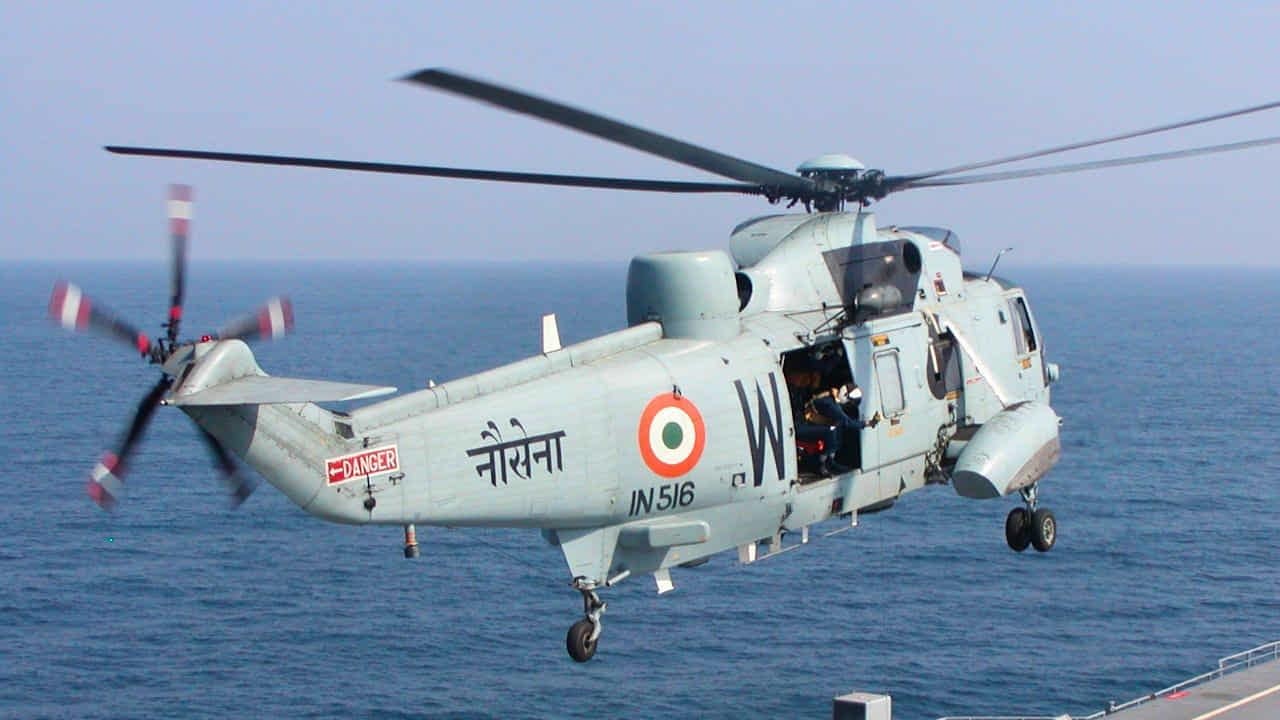
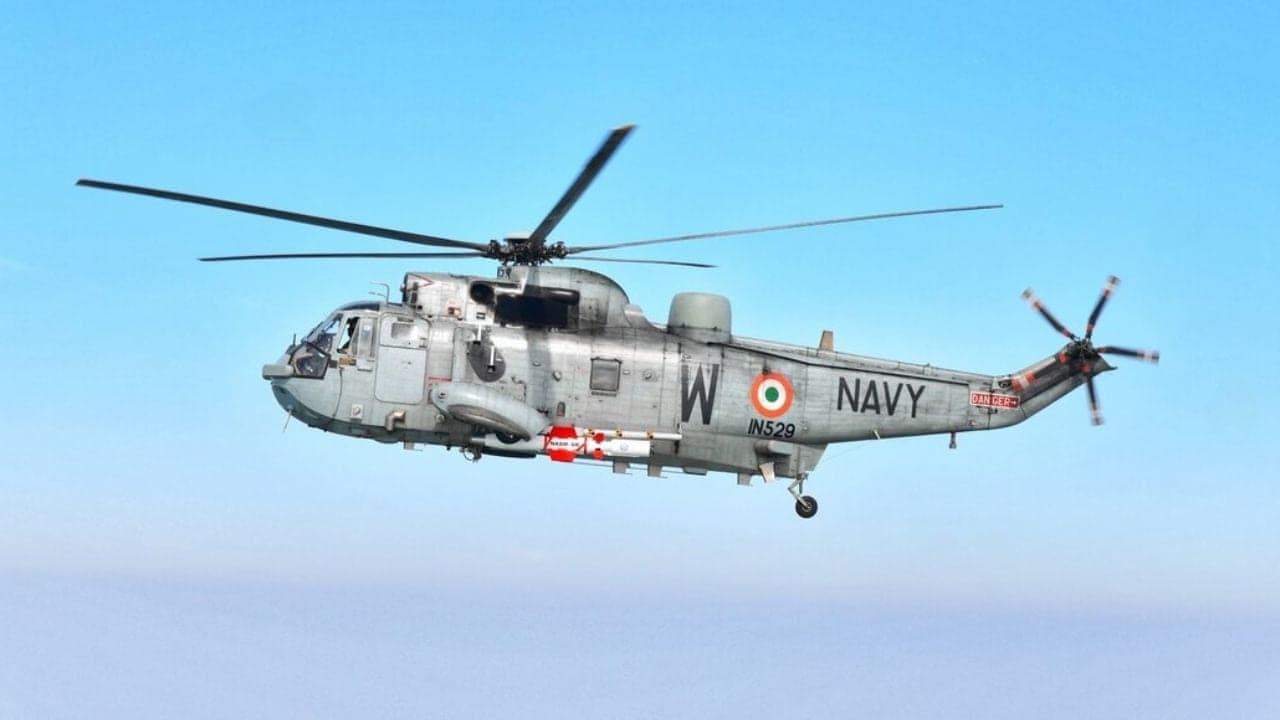
Sea King Bravo Retirement: An important chapter of the history of the Indian Navy ended up the fact. The C King Bravo Helicopters, who have served their services in the sea and sky for about 36 years, were officially removed from the service. These helicopters in Mumbai’s Kolaba-based INS Shikra (INAS 330) took their final flight and at the same time the journey of one of the most trusted marine helicopters of the naval.

During the final flight two C King Charlie Helicopters escorted C King Bravo. When the helicopter returned to complete his last flight, the water canon was saluted on behalf of the fire tenders. This honor is given on special occasions at the time of the farewell of an aircraft or ship in the Navy.

Sea King Bravo Retirement: C King Bravo’s Entry in 1989

C King Bravo helicopters were incorporated between 1989 and 1990. At that time it was counted in the world’s most modern naval helicopters. The main task of these was to detect enemy ships and submarines and attack them when needed.

At a time, Indian Navy had about 20 C King Bravo Helicopters. In the later years, some helicopters went out of service and were active almost eight helicopters until then. Mid-life upgrades were also made in the early 1990s and 2000s, which led to its age.

Naval In these were often called "Flewing Frigate". The reason for this was that this helicopter alone could do many things that normally make a warship. It could also target the enemy ships present on the surface of the sea and also hunt the hidden submarines under the sea. The work that today MH-60 Romeo Helicopters do.

Sea King Bravo Retirement
Sea King Bravo (Image Source: PIB)

How C King Begins in Indian Navy

Indian Navy first bought C King Helicopter in 1971. At that time, the navy wanted to strengthen its anti-submarine capacity, considering the rising threat from the submarines of Pakistan.

C King MK-42 helicopter purchased for the same purpose. INS-330 "Harpons" squadron was established on 17 April 1971 for its operation. Two C King Helicopters Indian Planner Ship on 26 July 1971 a few months later INS Vikrant Posted on.

C King MK-42 helicopters were included in April 1971. Then C King Alpha variants were deployed on the Eucalyptus Class Frigates.

बाद में एमके-42 और एमके-42 अल्फा को सर्विस से हटा दिया गया। भारतीय नौसेना ने 1982 में अधिक एडवांस सी किंग एमके-42बी (ब्रावो) हेलीकॉप्टर खरीदने का फैसला किया। साल 1988 से 1992 के बीच नौसेना को लगभग 20 सी किंग एमके-42बी हेलीकॉप्टर मिले। इसके अलावा कुछ एमके-42सी वेरिएंट भी शामिल किए गए, जिनका उपयोग सैनिकों के परिवहन, विशेष अभियानों और असॉल्ट मिशनों के लिए किया जाता था। यही कारण था कि सी किंग परिवार कई दशकों तक भारतीय नौसेना की समुद्री शक्ति का अहम हिस्सा बना रहा। यही वजह है कि सी किंग ब्रावो को इस परिवार का आखिरी सक्रिय सदस्य माना जाता था।

बेहद एडवांस नेवल हेलीकॉप्टर

सी किंग एमके-42बी अपने समय का बेहद एडवांस नेवल हेलीकॉप्टर माना जाता था। इसमें दो शक्तिशाली रोल्स-रॉयस ग्नोम एच1400-1टी टर्बोशाफ्ट इंजन लगे थे, जिनकी मदद से यह लगभग 208 किलोमीटर प्रति घंटे की रफ्तार से उड़ान भर सकता था। यही वजह थी कि भारतीय नौसेना इसे लंबे समय तक समुद्री अभियानों में इस्तेमाल करती रही।

इस हेलीकॉप्टर की सबसे बड़ी ताकत इसकी अत्याधुनिक निगरानी और पनडुब्बी खोजने वाली प्रणालियां थीं। इसमें एमईएल सुपर सर्चर रडार लगाया गया था, जो समुद्र की सतह पर मौजूद जहाजों और अन्य लक्ष्यों का पता लगाने में मदद करता था। वहीं अलकाटेल एचएस-12 डिपिंग सोनार समुद्र के भीतर छिपी पनडुब्बियों की खोज के लिए इस्तेमाल होता था। इसके अलावा इसमें इलेक्ट्रॉनिक सपोर्ट मेजर्स (ईएसएम) सिस्टम और एक्यूएस-902बी एकॉस्टिक प्रोसेसर भी लगे थे, जो दुश्मन की गतिविधियों पर नजर रखने और पानी के भीतर की ध्वनियों का विश्लेषण करने में मदद करते थे।

आखिर इतनी खास क्यों थी यह मशीन?

जब सी किंग ब्रावो भारतीय नौसेना में शामिल हुआ था तब इसकी तकनीक अपने समय से काफी आगे मानी जाती थी। कई वर्षों तक इसे उड़ाने वाले रिटायर्ड कैप्टन संजय कर्वे बताते हैं कि उस दौर में इसकी एवियोनिक्स और मिशन सिस्टम बेहद एडवांस थे। हेलीकॉप्टर में ऐसे सेंसर लगे थे जो समुद्र के नीचे छिपी पनडुब्बियों का पता लगाने में मदद करते थे।

इसमें शक्तिशाली रडार, डिपिंग सोनार और इलेक्ट्रॉनिक सर्विलांस सिस्टम मौजूद थे। डिपिंग सोनार एक ऐसा उपकरण होता है जिसे हेलीकॉप्टर समुद्र में नीचे उतारता है और उससे पानी के भीतर मौजूद गतिविधियों की जानकारी प्राप्त करता है।

यही क्षमता इसे भारतीय नौसेना के लिए बेहद महत्वपूर्ण बनाती थी।

दुश्मन पनडुब्बियों के लिए बड़ा खतरा

सी किंग ब्रावो का सबसे महत्वपूर्ण काम Anti-Submersion Warfare यानी पनडुब्बी रोधी अभियान था। समुद्र में दुश्मन की पनडुब्बियां अक्सर सतह के नीचे छिपकर चलती हैं। उन्हें ढूंढना किसी भी नौसेना के लिए सबसे कठिन कामों में से एक माना जाता है।

सी किंग ब्रावो अपने सोनार और सेंसरों की मदद से पनडुब्बियों का पता लगाता था। इसके बाद जरूरत पड़ने पर टॉरपीडो छोड़कर हमला भी कर सकता था। पनडुब्बियों को निशाना बनाने के लिए सी किंग ब्रावो व्हाइटहेड ए244एस या रूसी एपीआर-2 टॉरपीडो, डेप्थ चार्ज और समुद्री माइंस ले जा सकता था।

भारतीय नौसेना के अधिकारियों के अनुसार हिंद महासागर क्षेत्र में कई दशकों तक यह हेलीकॉप्टर पनडुब्बी रोधी अभियानों का सबसे महत्वपूर्ण हिस्सा रहा।

Sea King Bravo Retirement
Sea King Bravo (Image Source: PIB)

दुश्मन जहाजों पर भी कर सकता था हमला

सी किंग ब्रावो की दूसरी बड़ी खासियत उसकी एंटी-शिप क्षमता थी। इसमें दो सी ईगल एंटी-शिप मिसाइलें लगाई जाती थीं। ये मिसाइलें समुद्र में मौजूद दुश्मन जहाजों को काफी दूरी से निशाना बनाने में सक्षम थीं। यह हेलीकॉप्टर केवल पनडुब्बियों तक सीमित नहीं था। जरूरत पड़ने पर यह सतह पर मौजूद दुश्मन युद्धपोतों के खिलाफ भी कार्रवाई कर सकता था। इसी वजह से इसे “फ्लाइंग फ्रिगेट” कहा जाता था। इसके अलावा आत्मरक्षा और नजदीकी अभियानों के लिए इसमें मशीन गन और अन्य हल्के हथियार भी लगाए जा सकते थे।

कई युद्धपोतों और एयरक्राफ्ट कैरियर से किया ऑपरेशन

सी किंग ब्रावो हेलीकॉप्टरों की भारतीय नौसेना के कई प्रमुख युद्धपोतों पर तैनाती भी हुई। इनमें लीएंडर क्लास, गोदावरी क्लास और दिल्ली क्लास युद्धपोत शामिल रहे। इसके अलावा ये हेलीकॉप्टर एयरक्राफ्ट कैरियर आईएनएस विक्रांत और आईएनएस विराट से भी ऑपरेट किए जाते रहे।

समुद्र में लंबे समय तक तैनाती के दौरान ये हेलीकॉप्टर नौसेना की आंख और कान की भूमिका निभाते थे। जहाज से काफी दूर जाकर वे खतरे की पहचान कर सकते थे और युद्धपोत को समय रहते चेतावनी दे सकते थे।

बचाई हजारों जानें

सी किंग ब्रावो का योगदान केवल युद्ध अभियानों तक सीमित नहीं रहा। इन हेलीकॉप्टरों का इस्तेमाल खोज और बचाव अभियानों में भी बड़े पैमाने पर किया गया। समुद्र में फंसे नाविकों को बचाने, दुर्घटनाओं में राहत पहुंचाने और प्राकृतिक आपदाओं के दौरान सहायता सामग्री पहुंचाने में इनकी महत्वपूर्ण भूमिका रही।

कई मौकों पर खराब मौसम और ऊंची लहरों के बीच भी इन हेलीकॉप्टरों ने सफल मिशन पूरे किए। नौसेना के पूर्व अधिकारियों का कहना है कि अनेक समुद्री बचाव अभियानों में सी किंग ने लोगों की जान बचाई।

रिटायर्ड कैप्टन संजय कर्वे ने कहा कि सी किंग उनके जीवन का अहम हिस्सा रहा है। उन्होंने बताया कि इस हेलीकॉप्टर के साथ उन्होंने खुशियों और दुख दोनों के पल देखे।

उनके अनुसार जब कोई मिशन सफल होता था तो पूरी टीम खुश होती थी, लेकिन जब किसी साथी को खोना पड़ता था तो दुख भी उतना ही गहरा होता था।

उन्होंने कहा कि आज खुशी इस बात की है कि उन्हें इस शानदार प्लेटफॉर्म के साथ काम करने का मौका मिला, लेकिन दुख इस बात का है कि अब यह हेलीकॉप्टर भारतीय नौसेना के रंगों में उड़ता दिखाई नहीं देगा।

चीन और पाकिस्तान के बढ़ते समुद्री खतरे के बीच बड़ा बदलाव

सी किंग ब्रावो की विदाई ऐसे समय में हुई है जब हिंद महासागर क्षेत्र में पनडुब्बी गतिविधियां लगातार बढ़ रही हैं।

चीन के पास दुनिया की सबसे बड़ी नौसेना मानी जाती है। उसके बेड़े में 60 से ज्यादा पनडुब्बियां शामिल हैं। इनमें परमाणु ऊर्जा से चलने वाली अटैक पनडुब्बियां भी हैं जो लंबे समय तक समुद्र में रह सकती हैं।

दूसरी ओर पाकिस्तान भी चीन की मदद से नई हैंगोर क्लास पनडुब्बियां शामिल कर रहा है। इन पनडुब्बियों में एयर इंडिपेंडेंट प्रोपल्शन तकनीक है, जिससे वे लंबे समय तक पानी के नीचे रह सकती हैं।

ऐसे माहौल में भारतीय नौसेना को अधिक आधुनिक पनडुब्बी रोधी हेलीकॉप्टरों की आवश्यकता महसूस हो रही थी।

अब कौन लेगा सी किंग की जगह?

सी किंग ब्रावो की जगह धीरे-धीरे अमेरिकी MH-60R रोमियो हेलीकॉप्टर ले रहे हैं। भारत ने अमेरिका से 24 एमएच-60आर रोमियो हेलीकॉप्टर खरीदने का समझौता किया था। इनमें से 21 हेलीकॉप्टर भारतीय नौसेना को मिल चुके हैं।

इनमें से 15 सक्रिय सेवा में हैं जबकि कुछ ट्रेनिंग और कुछ को भारत के लिए खास बने सिस्टम्स को जोड़ने के लिए तैयार किया जा रहा है।

रोमियो हेलीकॉप्टरों को सी किंग की तुलना में एक पीढ़ी आगे की तकनीक माना जाता है। इनमें अत्याधुनिक मल्टी-मोड रडार, लो-फ्रीक्वेंसी डिपिंग सोनार, सोनोबॉय सिस्टम और इलेक्ट्रो-ऑप्टिकल सेंसर लगे हैं, जो समुद्र की सतह और उसके नीचे मौजूद खतरों का पता लगाने में सक्षम हैं। दुश्मन की पनडुब्बियों को नष्ट करने के लिए इनमें एमके-54 टॉरपीडो और हेलफायर मिसाइलें भी लगाई गई हैं।

नौसेना को अभी भी हेलीकॉप्टरों की जरूरत

हालांकि रोमियो हेलीकॉप्टरों की एंट्री शुरू हो चुकी है, लेकिन भारतीय नौसेना की जरूरत इससे कहीं ज्यादा है।

नौसेना को 100 से अधिक मल्टी-रोल और पनडुब्बी रोधी हेलीकॉप्टरों की आवश्यकता बताई जाती है। लंबे समय से 123 नेवल मल्टी-रोल हेलीकॉप्टर खरीदने की योजना पर काम चल रहा है, लेकिन अभी तक अंतिम अनुबंध नहीं हुआ है।

इसके अलावा, स्वदेशी बहु-भूमिका हेलीकॉप्टरों (UH-M) की खरीद की योजनाएं भी चल रही हैं। सी किंग की जगह पर आने वाले नए प्लेटफॉर्म्स में एडवांस एवियोनिक्स, बेहतर इंजन दक्षता, कम रखरखाव लागत और ड्रोन इंटीग्रेशन जैसी खूबियां होंगी।

नौसेना के अधिकारियों का मानना है कि रोमियो हेलीकॉप्टर पुराने सी किंग और कामोव-28 बेड़े की तुलना में तकनीकी रूप से एक नई पीढ़ी का प्लेटफॉर्म हैं। हालांकि सी किंग और कामोव हेलीकॉप्टरों को समय-समय पर अपग्रेड किया गया था, लेकिन कई दशक पुराने होने के कारण उनके रखरखाव और उपलब्धता से जुड़ी चुनौतियां बढ़ रही थीं।

In June, the Navy will get a big gift! There will be commissioned together 3 Indigenous Warships

Indian Navy Tri-Commissioning
(Image for reference only. AI-Generated Image)

Indian Navy Tri-Commissioning: In the third week of June, Indian Navy can get a big strategic kidnap. The three new indigenous warships of the Indian Navy will be formally commissioned at the special ceremony held at the Garden Reach Shipbuilders and Engineers (GRSE) Shipyard in Kolkata. These include Stellth Frigate INS Dunagiri, Anti Submarine Vessel INS Agray and Research Vessel INS Modifier.

Being commissioned together of these three ships is not limited to only increasing the strength of the Navy. It also reflects the growing strength of the country towards self-reliance in Indian shipbuilding capacity, indigenous technology and defence sector. The three platforms are designed for different roles and will play different responsibilities in the sea.

Indian Navy Tri-Commissioning: Once again the historical tri-commissioning

The events of commissioning three large platforms together in the history of the Indian Navy are very low. PM Modi in January 2025 in Mumbai-based Naval Dockyard, INS Surat, INS Nilagiri and INS Waghshir Dedicated to the nation together. A distroire, a frigate and a submarine was included together in that ceremony.

अब कोलकाता में होने वाला यह समारोह भी उसी तरह ऐतिहासिक माना जा रहा है। हालांकि इस बार तीनों प्लेटफॉर्म अलग-अलग भूमिकाओं के लिए बनाए गए हैं। एक जहाज समुद्री युद्ध के लिए है, दूसरा दुश्मन पनडुब्बियों की तलाश और उन्हें निष्क्रिय करने के लिए, जबकि तीसरा समुद्र की गहराइयों का सर्वेक्षण और समुद्री मानचित्र तैयार करने का काम करेगा।

जीआरएसई ने रचा नया रिकॉर्ड

कोलकाता स्थित गार्डन रीच शिपबिल्डर्स एंड इंजीनियर्स (GRSE) भारत के सबसे पुराने और प्रमुख रक्षा शिपयार्ड में से एक है। मार्च 2026 में जीआरएसई ने इन तीनों जहाजों को एक साथ भारतीय नौसेना को सौंपकर नया रिकॉर्ड बनाया था।

कंपनी अब तक 118 से अधिक युद्धपोत और सहायक जहाज बना चुका है। इनमें से 80 से ज्यादा जहाज भारतीय नौसेना को दिए जा चुके हैं। सूत्रों का कहना है कि तीन अलग-अलग कैटेगरी के वॉरशिप्स को लगभग एक साथ तैयार करना किसी भी शिपयार्ड की तकनीकी क्षमता और प्रोजेक्ट मैनेजमेंट का बड़ा उदाहरण माना जाता है।

इन जहाजों में 80 प्रतिशत से अधिक स्वदेशी सामग्री का इस्तेमाल किया गया है। इससे देश के छोटे और मध्यम उद्योगों को भी बड़ा लाभ मिला है। (Indian Navy Tri-Commissioning)

आईएनएस दूनागिरी बढ़ाएगा नौसेना की मारक क्षमता

तीनों जहाजों में सबसे ज्यादा चर्चा आईएनएस दूनागिरी की हो रही है। यह प्रोजेक्ट-17ए के तहत बनाया गया आधुनिक स्टेल्थ फ्रिगेट है। इसका नाम भारतीय हिमालयी पर्वत श्रृंखला की दूनागिरी चोटी के नाम पर रखा गया है।

दूनागिरी लगभग 149 मीटर लंबा और 6,670 टन वजनी युद्धपोत है। इसे इस तरह डिजाइन किया गया है कि दुश्मन के रडार पर इसकी पहचान करना मुश्किल हो। आधुनिक स्टेल्थ तकनीक इसकी सबसे बड़ी ताकत मानी जाती है।

यह जहाज समुद्र में लंबी दूरी तक ऑपरेशन करने में सक्षम है। इसकी अधिकतम रफ्तार 30 नॉट्स से अधिक है और यह हजारों किलोमीटर तक लगातार मिशन पर रह सकता है।

दूनागिरी कई भूमिकाएं निभाने में सक्षम है। यह दुश्मन के जहाजों पर हमला कर सकता है, हवाई खतरों का मुकाबला कर सकता है और पनडुब्बियों को खोजकर उन पर कार्रवाई भी कर सकता है।

ब्रह्मोस और बराक-8 से लैस होगा दूनागिरी

आईएनएस दूनागिरी की मारक क्षमता इसकी सबसे बड़ी ताकत मानी जा रही है। इसमें ब्रह्मोस सुपरसोनिक क्रूज मिसाइलें तैनात होंगी, जो समुद्र में दुश्मन के जहाजों को लंबी दूरी से निशाना बना सकती हैं।

इसके अलावा बराक-8 एयर डिफेंस सिस्टम इसे हवाई खतरों से बचाने का काम करेगी। जहाज पर आधुनिक रडार, सोनार और कॉम्बैट मैनेजमेंट सिस्टम भी लगाए गए हैं।

भारतीय नौसेना के अधिकारियों के अनुसार यह जहाज हिंद महासागर क्षेत्र में लंबी दूरी की तैनाती और समुद्री निगरानी अभियानों में महत्वपूर्ण भूमिका निभाएगा। (Indian Navy Tri-Commissioning)

दुश्मन पनडुब्बियों की तलाश करेगा आईएनएस अग्रय

दूसरा जहाज आईएनएस अग्रय है। यह अर्नाला क्लास के एंटी-सबमरीन वारफेयर शैलो वॉटर क्राफ्ट कार्यक्रम का हिस्सा है। इसका मुख्य काम तटीय इलाकों और उथले समुद्री क्षेत्रों में दुश्मन की पनडुब्बियों का पता लगाना और उन्हें निष्क्रिय करना है।

हाल के वर्षों में हिंद महासागर क्षेत्र में विभिन्न देशों की पनडुब्बियों की गतिविधियां बढ़ी हैं। ऐसे में भारतीय नौसेना के लिए विशेष पनडुब्बी रोधी जहाजों की आवश्यकता महसूस की जा रही थी।

आईएनएस अग्रय इसी जरूरत को पूरा करेगा। लगभग 900 टन वजनी यह जहाज अपेक्षाकृत छोटे आकार का है, लेकिन इसकी तकनीकी क्षमता बेहद आधुनिक है। करीब 77 मीटर लंबे इस युद्धपोत में आधुनिक सोनार सिस्टम लगाए गए हैं, जो समुद्र के भीतर छिपे खतरों को पहचान सकते हैं। (Indian Navy Tri-Commissioning)

उथले समुद्र में भी कर सकेगा ऑपरेशन

अग्रय का ड्राफ्ट काफी कम है, जिससे यह तटीय और उथले समुद्री क्षेत्रों में भी आसानी से ऑपरेट कर सकता है। यही वजह है कि इसे बंदरगाह सुरक्षा और तटीय निगरानी के लिए भी महत्वपूर्ण माना जा रहा है।

इस जहाज में अत्याधुनिक सोनार प्रणाली सिस्टम है जो समुद्र के भीतर छिपी पनडुब्बियों की पहचान कर सकता है। जहाज में टॉरपीडो, एंटी-सबमरीन रॉकेट लॉन्चर और आधुनिक सेंसर लगाए गए हैं। इसे भारतीय नौसेना के सबसे आधुनिक पनडुब्बी रोधी प्लेटफॉर्म में से एक माना जा रहा है।

डीआरडीओ द्वारा विकसित कई स्वदेशी प्रणालियां भी इस जहाज में शामिल की गई हैं। (Indian Navy Tri-Commissioning)

समुद्र का नक्शा तैयार करेगा आईएनएस संशोधक

जहां दूनागिरी और अग्रय सीधे सैन्य अभियानों के लिए तैयार किए गए हैं, वहीं आईएनएस Researcher की भूमिका कुछ अलग है। यह एक आधुनिक सर्वे जहाज है, जिसका काम समुद्र की गहराई, समुद्री मार्गों और नौवहन से जुड़ी जानकारी जुटाना होगा।

यह सैंडहायक क्लास का रिसर्च वेसल है और समुद्र की गहराइयों का अध्ययन करने के लिए बनाया गया है। किसी भी नौसेना के लिए समुद्र की सटीक जानकारी बेहद जरूरी होती है। सुरक्षित नौवहन, नए समुद्री मार्गों की पहचान और समुद्री नक्शों को अपडेट करने के लिए ऐसे जहाजों की जरूरत पड़ती है।

करीब 110 मीटर लंबा संशोधक तटीय और गहरे समुद्र दोनों क्षेत्रों में सर्वेक्षण कर सकेगा। नौसेना के लिए समुद्री सर्वेक्षण बेहद महत्वपूर्ण काम होता है। समुद्र के भीतर की गहराई, चट्टानों, समुद्री मार्गों और अन्य भौगोलिक जानकारियों का सटीक रिकॉर्ड तैयार करना किसी भी नौसैनिक अभियान के लिए आवश्यक होता है।

आईएनएस संशोधक इसी कार्य को और अधिक आधुनिक तरीके से करेगा। (Indian Navy Tri-Commissioning)

आधुनिक उपकरणों से लैस है संशोधक

संशोधक में अत्याधुनिक सर्वेक्षण उपकरण लगाए गए हैं। इसमें डिजिटल साइड स्कैन सोनार, ऑटोनॉमस अंडरवाटर व्हीकल्स, रिमोटली ऑपरेटेड व्हीकल्स और एडवांस डेटा प्रोसेसिंग सिस्टम शामिल हैं।

इनकी मदद से जहाज समुद्र की सतह के नीचे की गतिविधियों और संरचनाओं का विस्तृत अध्ययन कर सकता है।

इसके अलावा जहाज में ऑटोनॉमस अंडरवाटर व्हीकल्स और रिमोटली ऑपरेटेड व्हीकल्स जैसी आधुनिक प्रणालियां भी मौजूद हैं।

जरूरत पड़ने पर यह जहाज मानवीय सहायता और आपदा राहत अभियानों में भी इस्तेमाल किया जा सकता है। सीमित चिकित्सा सुविधाओं के कारण यह अस्पताल जहाज की भूमिका भी निभा सकता है। (Indian Navy Tri-Commissioning)

आत्मनिर्भर भारत की दिशा में बड़ा कदम

इन तीनों जहाजों की सबसे महत्वपूर्ण विशेषता इनमें इस्तेमाल की गई स्वदेशी तकनीक है। आज भारतीय शिपयार्ड न केवल आधुनिक युद्धपोत बना रहे हैं बल्कि सेंसर, वेपन सिस्टम्स और प्लेटफॉर्म इंटीग्रेशन भी देश में ही किया जा रहा है।

सरकार लंबे समय से रक्षा क्षेत्र में आयात पर निर्भरता कम करने की कोशिश कर रही है। नौसेना इस दिशा में सबसे आगे मानी जाती है। आज भारतीय नौसेना के लिए बनने वाले अधिकांश युद्धपोत देश के शिपयार्ड्स में तैयार किए जा रहे हैं।

जीआरएसई, मझगांव डॉक, कोचीन शिपयार्ड और गोवा शिपयार्ड जैसी संस्थाएं इस अभियान में महत्वपूर्ण भूमिका निभा रही हैं।

हिंद महासागर क्षेत्र में बढ़ेगी भारत की मौजूदगी

भारतीय नौसेना पिछले कुछ वर्षों से हिंद महासागर क्षेत्र में अपनी मौजूदगी लगातार बढ़ा रही है। समुद्री व्यापार मार्गों की सुरक्षा, तटीय निगरानी, समुद्री संसाधनों की रक्षा और क्षेत्रीय स्थिरता बनाए रखना नौसेना की प्रमुख जिम्मेदारियों में शामिल है।

आईएनएस दूनागिरी जैसे आधुनिक फ्रिगेट नौसेना की दूरदराज के क्षेत्रों में संचालन क्षमता को मजबूत करेंगे। वहीं आईएनएस अग्रय तटीय क्षेत्रों की सुरक्षा को मजबूत बनाएगा। दूसरी ओर आईएनएस संशोधक नौसेना को समुद्र संबंधी महत्वपूर्ण जानकारियां उपलब्ध कराएगा। (Indian Navy Tri-Commissioning)

C-130J will challenge K C-390? Brazil proposed to set up a complete production line in India, learn who is in the race of IAF’s new transport aircraft

KC-390 vs C-130J
KC-390 Embraer

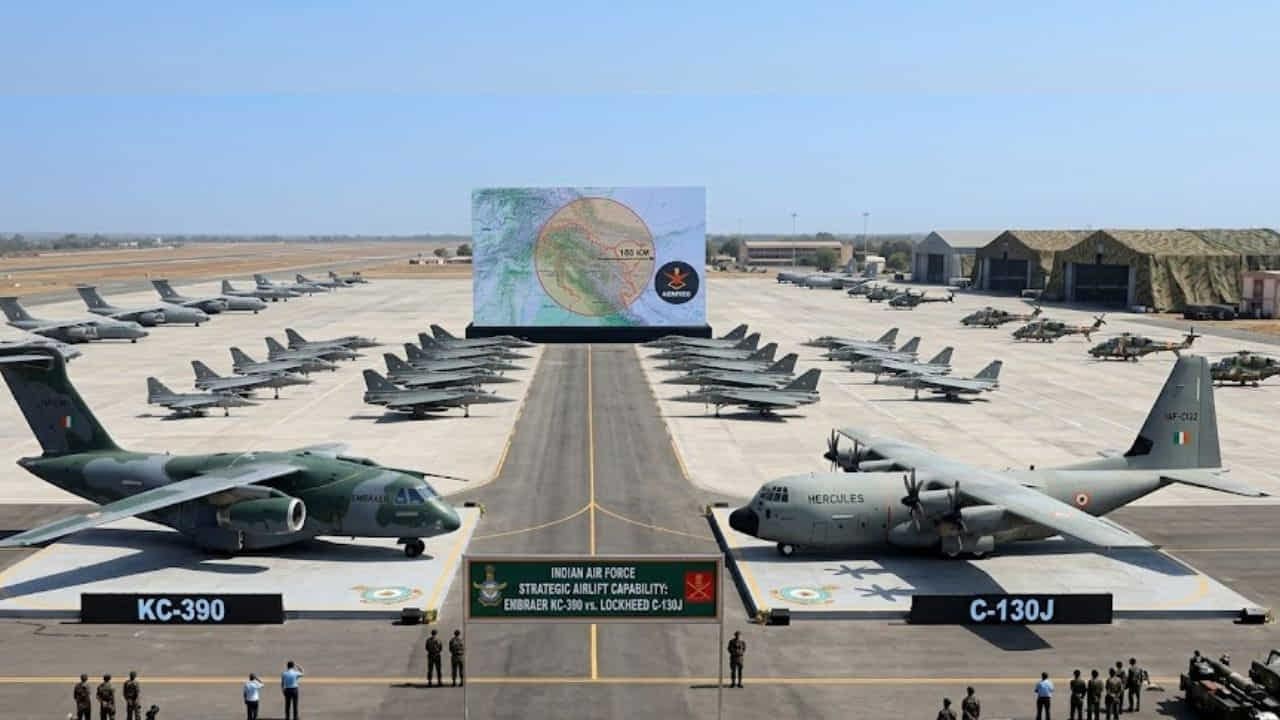
KC-390 vs C-130J: Brazil’s Aerospace Company Embraer has given a great offer between the Indian Air Force looking for new Medium Transport Aircraft. The company says that if he gets an order to create a KC-390 Millennium Aircraft for Indian Air Force, he will put his first Foreign Production Unit in India. Ambreer’s first will be a factory outside Sao Paulo of Yunit Brazil, where this modern military aircraft will be built.

The company claims that only aircraft will not be assembly in India, but the entire aerospace ecosystem will be prepared, including facilities like construction, supply chain, maintenance, repair, overhaul and technical training.

KC-390 vs C-130J: Embraer world’s leading aircraft manufacturer

Brazilian Embraer The world’s major aircraft is Gini in the manufacturer companies. The company manufactures both military and civilian types of aircraft. India has been working towards becoming self-sufficient in the field of rapid defence production over the past few years. That is why many large defence companies in the world are showing interest in establishing production facilities in India.

Embraer’s officers say that India already has strong industrial base, trained technical human resources and large defence markets. That’s why the company is looking for India not only as a customer but a long-term partner.

As per the senior officers of the company, the same production system will be created in India which is present in Brazil today. Brazilian experts will also train local engineers and technicians by visiting India.

What is KC-390 Millenium?

KC-390 Millenium is a modern-generation military transport aircraft. It is made by Brazilian Embraer Company. It is equipped with two powerful turbofan engines and is designed for a variety of missions.

This aircraft is capable of carrying loads up to about 26 tons at once. It can easily carry soldiers, military vehicles, weapons, relief materials and other heavy equipment.

The aircraft has the ability to carry about 80 soldiers. Also it can be used in paratrooper missions, medical Evacuation and humanitarian support campaigns.

The biggest drawback is its speed. KC-390 can fly at a speed of about 870 kilometres per hour, which is more than many traditional military transport aircraft. (KC-390 vs C-130J)

Why Indian Air Force Need New Aircraft?

Indian Air Force Presently AN-32Operates transport planes like C-130J Super Hercules, C-17 Globemaster and IL-76.

One of these AN-32 aircraft has grown over a decade. Though they have been modernized, the Air Force is looking for a new Medium Transport Aircraft, considering the future needs.

Objective Medium Transport Aircraft The program has been started. 40-80 modern transport aircraft lifting loads from 18 to 30 ton under this programme are to be purchased. The RFI was released in 2022. While now the AON process is running and RFP is expected to be released soon.

Compared with KC-390, C-130J of Lockheed Martin includes A400M of Super Hercules and Airbus. Embraer claims that KC-390 is best suited in terms of its speed, much payload, multi-mission capacity and cost.

Experts believe that this aircraft will strengthen the capacity between the existing lightweight and heavy transport fleet of the Indian Air Force. (KC-390 vs C-130J)

The aircraft will be built together with Mahindra

Embraer has partnered with Mahindra Group for the project in India. There have already been agreements between both companies.

The purpose of this partnership is not only to create aircraft but also to develop the entire Industrial Infrastructure in India. Activities like aircraft construction, production of spares, maintenance and training will be conducted in India if the project proceeds.

The company says that the initial aircraft will be prepared from Brazil, but will be trained to Indian engineers and technicians to further start production in India. (KC-390 vs C-130J)

India Will Become Complete Aerospace Ecosystem

एम्ब्रेयर का प्रस्ताव केवल फैक्ट्री लगाने तक सीमित नहीं है। कंपनी भारत में एक संपूर्ण एयरोस्पेस इकोसिस्टम विकसित करना चाहती है।

इसमें विमान निर्माण इकाई, मेंटेनेंस रिपेयर और ओवरहॉल सेंटर, स्पेयर पार्ट्स सप्लाई नेटवर्क, तकनीकी प्रशिक्षण केंद्र और स्थानीय सप्लायर नेटवर्क शामिल होंगे।

विशेषज्ञों के अनुसार यदि ऐसा होता है तो भारत एशिया-प्रशांत क्षेत्र में केसी-390 विमान के लिए एक महत्वपूर्ण सपोर्ट हब बन सकता है।

इससे भारतीय उद्योगों को भी वैश्विक सप्लाई चेन में शामिल होने का अवसर मिलेगा।

भारत में क्यों महत्वपूर्ण है एमआरओ सुविधा?

किसी भी सैन्य विमान के लिए केवल खरीदना ही पर्याप्त नहीं होता। उसके रखरखाव और मरम्मत की व्यवस्था भी उतनी ही महत्वपूर्ण होती है।

इसी कारण एम्ब्रेयर भारत में पूर्ण मेंटेनेंस, रिपेयर और ओवरहॉल यानी एमआरओ सुविधा विकसित करने की योजना बना रही है।

इससे विमान की नियमित सर्विसिंग, भारी मरम्मत, इंजन और एवियोनिक्स सिस्टम का रखरखाव भारत में ही किया जा सकेगा।

अभी कई मामलों में विदेशी सुविधाओं पर निर्भर रहना पड़ता है, जिससे समय और लागत दोनों बढ़ते हैं। (KC-390 vs C-130J)

टेक्नोलॉजी ट्रांसफर पर विशेष जोर

एम्ब्रेयर का कहना है कि इस परियोजना का सबसे महत्वपूर्ण हिस्सा तकनीक हस्तांतरण होगा। ब्राजील के विशेषज्ञ भारत में आकर स्थानीय कर्मचारियों को प्रशिक्षण देंगे। वहीं भारतीय इंजीनियरों और तकनीशियनों को भी ब्राजील की उत्पादन इकाइयों में भेजा जाएगा।

इस प्रक्रिया का उद्देश्य केवल विमान बनाना नहीं बल्कि भारत में दीर्घकालिक तकनीकी क्षमता विकसित करना है।

रक्षा क्षेत्र के जानकारों का मानना है कि ऐसी परियोजनाएं भारत को केवल आयातक देश से आगे बढ़ाकर रक्षा उत्पादन केंद्र में बदल सकती हैं।

अदाणी के साथ भी कर चुकी है साझेदारी

महिंद्रा के अलावा एम्ब्रेयर ने अदाणी डिफेंस एंड एयरोस्पेस के साथ भी समझौता किया है।

यह साझेदारी मुख्य रूप से क्षेत्रीय यात्री विमानों और नागरिक विमानन क्षेत्र से जुड़ी है। इसके तहत भारत में नागरिक विमानों के लिए सप्लाई चेन, प्रशिक्षण और रखरखाव सुविधाओं के विकास पर काम किया जाएगा।

इससे सैन्य और नागरिक दोनों क्षेत्रों में भारत की एयरोस्पेस क्षमता मजबूत होगी। (KC-390 vs C-130J)

केसी-390 को दुनिया में क्यों मिल रही है लोकप्रियता?

केसी-390 को कई देशों ने अपनी वायु सेनाओं के लिए चुना है। इसकी प्रमुख वजह इसकी बहुउद्देश्यीय क्षमता है।

यह विमान सैनिकों और सैन्य उपकरणों के परिवहन के अलावा हवाई ईंधन भरने, पैराट्रूपर ड्रॉप, राहत कार्य, मेडिकल मिशन और आपदा प्रबंधन अभियानों में भी इस्तेमाल किया जा सकता है।

इसके अलावा यह अपेक्षाकृत छोटे और कम विकसित रनवे से भी उड़ान भर सकता है। यही कारण है कि इसे आधुनिक सैन्य परिवहन विमान के रूप में देखा जा रहा है।

वहीं, दूसरी तरफ C-130J के लिए लॉकहीड मार्टिन पहले से टाटा एडवांस्ड सिस्टम्स के साथ काम कर रही है। औऱ हाल ही में मेड इन इंडिया विमान ने अपनी पहली उड़ान भी भरी है। (KC-390 vs C-130J)

KC-390 vs C-130J
KC-390 vs C-130J (Image for reference only. AI-Generated Image)

केसी-390, C-130J और A400M में क्या अंतर है?

भारतीय वायुसेना नए मीडियम ट्रांसपोर्ट एयरक्राफ्ट (MTA) की तलाश में है। इस दौड़ में सबसे ज्यादा चर्चा ब्राजील के केसी-390 मिलेनियम और अमेरिका के C-130J सुपर हरक्यूलिस की हो रही है। वहीं एयरबस A400M एटलस भी एक विकल्प है, लेकिन इसे वायुसेना की जरूरतों के मुकाबले बड़ा और महंगा माना जा रहा है।

अमेरिकी कंपनी लॉकहीड मार्टिन का C-130J सुपर हरक्यूलिस भारतीय वायुसेना के लिए कोई नया विमान नहीं है। वायुसेना पहले से इसे ऑपरेट कर रही है।

इसकी सबसे बड़ी ताकत है कि यह ऊंचाई वाले इलाकों, छोटे रनवे और कठिन परिस्थितियों में शानदार प्रदर्शन करता है। लद्दाख, अरुणाचल प्रदेश और विशेष अभियान जैसे मिशनों में यह पहले ही अपनी क्षमता साबित कर चुका है।

चूंकि यह विमान पहले से भारतीय बेड़े में मौजूद है, इसलिए पायलट प्रशिक्षण, रखरखाव और स्पेयर पार्ट्स की व्यवस्था भी पहले से उपलब्ध है।

वहीं, केसी-390 मिलेनियम नई पीढ़ी का जेट इंजन वाला सैन्य परिवहन विमान है। इसकी सबसे बड़ी खासियत इसकी स्पीड है। जहां C-130J की क्रूज स्पीड लगभग 670 किलोमीटर प्रति घंटा है, वहीं केसी-390 करीब 870 किलोमीटर प्रति घंटा की रफ्तार से उड़ सकता है। यानी यह मिशन को कम समय में पूरा कर सकता है।

पेलोड यानी सामान ले जाने की क्षमता की बात करें तो केसी-390 लगभग 26 टन भार उठा सकता है, जबकि C-130J की क्षमता करीब 20 टन है। इसका मतलब है कि केसी-390 एक उड़ान में ज्यादा सैनिक, वाहन या सैन्य सामग्री ले जा सकता है।

इनमें यूरोपीय कंपनी एयरबस का A400M एटलस तीनों विमानों में सबसे बड़ा है। यह लगभग 37 टन तक भार ले जा सकता है, जो केसी-390 और C-130J दोनों से कहीं ज्यादा है। इसकी रेंज भी बेहतर है और यह रणनीतिक तथा सामरिक दोनों तरह के मिशनों में उपयोगी है।

लेकिन समस्या इसकी कीमत है। A400M न सिर्फ खरीदने में महंगा है, बल्कि उसका ऑपरेशन और मेंटेनेंस भी ज्यादा खर्चीला माना जाता है। इसी वजह से इसे भारतीय वायुसेना की 18 से 30 टन श्रेणी की जरूरतों के लिए कुछ ज्यादा बड़ा विकल्प माना जा रहा है। (KC-390 vs C-130J)

231 Flight Cadets got President’s Commission, NDA’s first female batch included in the Air Force, IAF Chief flew in the trainer jet

IAF Graduation Parade 2026
Raksha Mantri reviewed the Combined Graduation Parade of 217 Course at Air Force Academy, Dundigal (Image Source: PIB)

IAF Graduation Parade 2026: Indian Air Force gets 231 new officers on Saturday. In the presence of the Air Chief Marshal AP Singh, a review of the Combined Graduate parade of the 217th course held at the Dundegal-based Air Force Academy, the Defence Minister Rajnath Singh and provided the President’s commission to the cadets. These also included cadets of the first female batch of the National Defence Academy (NDA). The Defence Minister said that the modern war is changing rapidly and the new authorities have to be prepared for every challenge. During this time, the Air Force head was flypaste, which took part by trainer aircraft such as Pilates PC-7 MK-II, Hawk, Kiran and Chetak.

IAF Graduation Parade 2026: Indian Air Force Meets 231 New Officer

231 at this event held at Air Force Academy Flight Cadets completed the training. These include 194 male and 37 female flight cadets. It is considered to be the most important moment of the life of any military officer as on the same day he becomes Officer from the trainee.

The wings were provided on the occasion, 9 officers of the Indian Navy, 3 officers of the Indian Coast Guard and 2 officials of Vietnam after completing their training. Also Bravets were provided to 3 officers who completed navigation training. (IAF Graduation Parade 2026)

First Women’s NDA Batch Released New History

The biggest USP of the event has been becoming an Air Force Officer of the first female cadets from the National Defence Academy. Only male cadets were found in NDA by a few years ago, but also open the way for women after the Supreme Court’s decision.

Now, the first batch training of the same women’s cadets is completed by the Indian Air Force. Defence Minister Rajnath Singh congratulated the women’s officials saying that the rising Nari Shakti is making the Indian Air Force stronger, balanced and capable. He said that women’s growing participation reflects India’s inclusive military system.

Operation Speed

In your address Defence Minister Referring to the achievements of Indian Air Force, saying that Air Force has always played the role of both shields and swords for the country.

He said that during the Kashmir war of 1947-48 Shrinagar Airlift had changed the direction of the war. Similarly, the Indian Air Force played a decisive role in the war of 1971 and took history.

Rajnath Singh also mentioned the operation shift. He demonstrated highly accuracy and professional capacity by Indian Air Force during this campaign. The attacks on terrorist bases proved that the Indian Air Force is fully capable of facing the challenges of the modern war.

He said there were not only indigenous platforms behind this success, but also trained, disciplined and adventurous officers, who succeeded the mission. (IAF Graduation Parade 2026)

Need to understand the format of the changing war

Defence Minister warned the new authorities that the modern war has completely changed compared to the first. He said there was a time when the soldiers and weapons appeared clean in the war, but today the situation is different.

Now technologies such as radars, satellites, drones, sensors, robotics and artificial intelligence are changing the form of war. Many times the enemy does not appear, but he can attack through cyber networks, communication systems or other technical means.

He said that in such circumstances the authorities need to be constantly alert. The education that they have been given during training will help them make the right decision in uncertain situations.

IAF Graduation Parade 2026
Raksha Mantri reviewed the Combined Graduation Parade of 217 Course at Air Force Academy, Dundigal (Image Source: PIB)

The emphasis on adopting new techniques

Rajnath Singh said it would not be enough to rely only on traditional weapons in future wars. The authorities have to understand, adopt new technologies and learn the mold as they need.

He learns every struggle new. The same countries are moving in the modern round that are the best use of technology.

Defence Minister said that today small countries also have the potential to harm large military powers through new strategies and modern weapons. So the authorities have to continue learning continuously and keep their professional capacity strong. (IAF Graduation Parade 2026)

The decision to take in seconds

Addressing the new authorities, Defence Minister said that his shoulders now have great responsibility. Sometimes there will be situations when they have to take a decision in minutes but a few seconds.

He said the wings on the shoulders of the officer are not only a symbol, but it is a sign of trust throughout the country. So they must always maintain the highest level of professional capacity and discipline. (IAF Graduation Parade 2026)

Air Force chief took part in the flypaste

Conbind Graduation parade Attractive flypastes were also held during. In Flypaste पिलाटस पीसी-7 मार्क-2, हॉक, किरण और चेतक जैसे प्रशिक्षण विमानों ने हिस्सा लिया। आसमान में इन विमानों को देख कर दर्शक रोमांचित हो गए।

फ्लाईपास्ट में तीन किरण ट्रेनर जेट की फॉर्मेशन ने भी हिस्सा लिया। इस फॉर्मेशन की सबसे बड़ी खूबी यह थी कि भारतीय वायुसेना प्रमुख एयर चीफ मार्शल एपी सिंह स्वयं एक किरण विमान उड़ा रहे थे। आमतौर पर ऐसे अवसरों पर वरिष्ठ अधिकारी फ्लाईपास्ट का निरीक्षण करते हैं, लेकिन इस बार एयर चीफ ने खुद कॉकपिट संभालकर उड़ान भरी।

आकाश गंगा और शक्ति टीम का प्रदर्शन बना आकर्षण

समारोह में भारतीय वायुसेना की प्रसिद्ध स्काईडाइविंग टीम “आकाश गंगा” ने भी प्रदर्शन किया। इसके अलावा महिला एयर वॉरियर्स की “शक्ति” ड्रिल टीम ने अपनी शानदार प्रस्तुति से दर्शकों की खूब सराहना हासिल की।

इसके अलावा सुखोई-30 एमकेआई लड़ाकू विमान, सारंग हेलीकॉप्टर डिस्प्ले टीम और सूर्यकिरण एरोबेटिक टीम ने मनमोहक हवाई करतब दिखाए। (IAF Graduation Parade 2026)

इन अधिकारियों को मिले प्रतिष्ठित पुरस्कार

प्रशिक्षण के दौरान सर्वश्रेष्ठ प्रदर्शन करने वाले अधिकारियों को रक्षा मंत्री ने सम्मानित भी किया।

फ्लाइंग ऑफिसर आशीष कुमार यादव को पायलट कोर्स में सर्वश्रेष्ठ प्रदर्शन के लिए प्रतिष्ठित “प्रेसिडेंट्स प्लाक” और “नवानगर स्वॉर्ड ऑफ ऑनर” प्रदान किया गया। उन्होंने समग्र मेरिट सूची में पहला स्थान प्राप्त किया।

नेविगेशन शाखा में फ्लाइंग ऑफिसर एकता गुप्ता को समग्र मेरिट में प्रथम स्थान हासिल करने पर “प्रेसिडेंट्स प्लाक” दिया गया।

ग्राउंड ड्यूटी शाखा में फ्लाइंग ऑफिसर दिव्यांशी सिंह को सर्वोच्च स्थान प्राप्त करने पर “प्रेसिडेंट्स प्लाक” से सम्मानित किया गया। (IAF Graduation Parade 2026)

क्या होता है प्रेसिडेंट कमीशन

भारतीय सेना, नौसेना और वायुसेना में किसी भी कैडेट के लिए अधिकारी बनने का सबसे महत्वपूर्ण क्षण वह होता है, जब उसे प्रेसिडेंट कमीशन प्रदान किया जाता है। यह वह आधिकारिक नियुक्ति है, जिसके बाद एक कैडेट सैन्य अधिकारी बन जाता है।

जब कोई कैडेट एनडीए, आईएमए, ओटीए, आईएनए या एयर फोर्स अकादमी से अपना प्रशिक्षण पूरा करता है, तो पासिंग आउट परेड के दौरान उसे राष्ट्रपति की ओर से कमीशन दिया जाता है। इसके साथ ही वह भारतीय सशस्त्र बलों में अधिकारी के रूप में शामिल हो जाता है। चूंकि भारत के राष्ट्रपति तीनों सेनाओं के सर्वोच्च सेनापति होते हैं, इसलिए यह नियुक्ति उनके नाम से जारी की जाती है।

प्रेसिडेंट कमीशन केवल एक औपचारिकता नहीं है, बल्कि यह एक कानूनी अधिकार भी देता है। इसके बाद अधिकारी अपनी यूनिट में जाकर सैनिकों का नेतृत्व कर सकता है, सैन्य जिम्मेदारियां संभाल सकता है और अपने पद से जुड़े अधिकारों का उपयोग कर सकता है। बिना कमीशन के कोई भी व्यक्ति आधिकारिक तौर पर सैन्य अधिकारी नहीं माना जाता।

पासिंग आउट परेड के दौरान कैडेटों को शपथ दिलाई जाती है कि वे देश की संप्रभुता, एकता और अखंडता की रक्षा करेंगे। इसके बाद उन्हें उनकी शाखा और रैंक के अनुसार सेना, नौसेना या वायुसेना में नियुक्त किया जाता है। इसी प्रक्रिया को प्रेसिडेंट कमीशन कहा जाता है।

यह उस लंबे और कठिन प्रशिक्षण का अंतिम पड़ाव होता है, जिसे पूरा करने के बाद एक कैडेट अधिकारी बनने का अधिकार प्राप्त करता है। यही कारण है कि सैन्य अकादमियों में होने वाले कमीशनिंग समारोह को बेहद गौरवपूर्ण और भावनात्मक अवसर माना जाता है। परिवारों के लिए भी यह गर्व का क्षण होता है, क्योंकि उसी दिन उनका बेटा या बेटी आधिकारिक रूप से भारतीय सशस्त्र बलों का अधिकारी बन जाता है। (IAF Graduation Parade 2026)

After 29 years, the new army chief got from the armored core: who are Lieutenant General Endurance Seth, who played from tank formations to operation shifts, is the key role

Lt Gen Dhiraj Seth Army Chief
First Armoured Corps Officer to Lead Indian Army Since 1997

Lt Gen Dhiraj Seth Army Chief: The Central Government has decided to appoint the country’s next Army chief to the current Deputy Army Chief of the Indian Army. He will handle the command of the Indian Army from the afternoon of June 30. Existing Army Chief General Dyendra Dwivedi is getting retired on the same day. The Lieutenant General Endurance Seth, who has experienced a significant contribution to the modernization of the Army and the command of two operational commands, has now reached the highest rank of the Indian Army. His appointment is so special as no officer of the armored core is becoming the chief of the Army for the first time after 1997.

Lt Gen Dhiraj Seth Army Chief: Who are the Lieutenant General Endurance Seth?

Lt Gen Endurance Seth The selective officers of the Indian Army who have worked in almost every critical sector like Operational Command, Strategic Planning, Military Modernization and International Military Cooperation in their career.

He is an alumnus of the National Defence Academy, Khadakwasla and received commissions in the prestigious Armored Core of the Indian Army in December 1986. At that time the Indian Army was undergoing rapid modernization and the Armored Forces were being given a significant role on the Western border. Endurance Seth started his career from the tank regiment and gradually reached the top leadership of the army.

During over 40 years of service, he has handled different military responsibilities from the desert to J&K and the western front to the national capital region. Home

Army Head Made Of Armored Core After 29 Years

Lt Gen Endurance Seth The appointment of an important event in the history of the Indian Army is being considered. In the history of the Indian Army, the Army chief of the officers of the Armored Corps has found a relatively low view. The last Army Chief General Shankar Roy Choudhury coming from the Armored Core before the Lieutenant General Endurance Seth, who commanded the Indian Army from the year 1994 to 1997. He was from the prestigious 20 Lancer regiment and the experts of the tank warfare campaigns were considered.

Interestingly, General Shankar Roy Choudhury had received the post of the Army Chief at the time when the then Army Chief General Bipin Chandra Joshi had suddenly passed away during the tenure. General Joshi was also from the armored core and was a commissioned officer from 64 Kavalry regiment. He was counted in the select "Tankman" officers of the Indian Army who reached the highest position of the Army.

After the demise of General Bipin Chandra Joshi, General Shankar Roy Choudhury took the command of the Army and headed the Army by 1997. No officer of the Armored Core for about 29 years after his retirement found access to the top post of the Indian Army. Now with the appointment of the Lt. Gen. Endurance Seth it has ended a long gap and the armored core has once again had the opportunity to lead the Indian Army.

Armored Core is the branch of the Indian Army known for tanks and mechanized combat campaigns. Tank formations in the modern war are considered the spine of any army’s invasion capacity.

Only a few armored core officers in independent India have had the opportunity to become the Army chief. These include names like General Rajendra Singh Jadeza, General JN Choudhury, General A.S. Vaidya, General VN Sharma, General Bipin Chandra Joshi and General Shankar Roy Choudhury. Home

Every level of handling command

The military career of endurance Seth was not limited to staff appointments only. He has commanded every level from ground level to large military structures.

He first in the desert area Armoured Regiment led. Subsequently handled the command of 98 Armoured Brigade in the Western region. The Brigade was considered as part of the Pakistan-centric Strike Formation at that time.

He was then assigned the responsibility of the Uniform Force in Jammu and Kashmir. This division level counter is the Insurgency Force, which plays an important role in anti-terrorism campaigns.

After becoming the Lieutenant General, he took the command of the Indian Army’s major strike formation Sudarshan Chakra Core i.e. 21 Core. This is considered one of the most powerful invasive formations of the Army.

He was later appointed as General Officer Commanding of Delhi Area, where he took responsibility for national and international military events and important celebrations. Home

Rare record of command handling of two operational commands

A lot of officers in the Indian Army have the opportunity to lead two different operational commands. Lieutenant General Endurance Seth is involved in select authorities who achieved this achievement.

He took command of South Western Command from November 2023 to June 2024. Next in July 2024 Command का जनरल ऑफिसर कमांडिंग-इन-चीफ नियुक्त किया गया।

करीब ढाई वर्षों तक उन्होंने भारतीय सेना की दो महत्वपूर्ण कमांड का नेतृत्व किया। इस दौरान पश्चिमी मोर्चे, प्रशिक्षण गतिविधियों और सामरिक तैयारियों की निगरानी उनकी जिम्मेदारी रही। (Lt Gen Dhiraj Seth Army Chief)

ऑपरेशन सिंदूर के दौरान निभाई अहम भूमिका

सदर्न कमांड के प्रमुख के रूप में लेफ्टिनेंट जनरल धीरज सेठ ने ऑपरेशन सिंदूर के दौरान भी महत्वपूर्ण भूमिका निभाई।

हालांकि ऑपरेशन की कई जानकारियां सार्वजनिक नहीं की गई हैं, लेकिन सैन्य सूत्रों के अनुसार उस दौरान विभिन्न कमांड्स के बीच समन्वय और ऑपरेशनल तैयारियों में उनकी भूमिका महत्वपूर्ण रही। यही कारण है कि उन्हें 2026 में उत्तम युद्ध सेवा पदक (यूवाईएसएम) से सम्मानित किया गया। (Lt Gen Dhiraj Seth Army Chief)

सेना के आधुनिकीकरण के प्रमुख चेहरों में रहे शामिल

लेफ्टिनेंट जनरल धीरज सेठ को भारतीय सेना में मॉर्डनाइजेशन और कैपेसिटी डेवलपमेंट का विशेषज्ञ माना जाता है। सैन्य हलकों में उनकी सबसे बड़ी पहचान एक ऐसे अधिकारी की रही है, जिन्होंने अपने करियर के दौरान केवल ऑपरेशनल कमांड ही नहीं संभाली, बल्कि सेना को भविष्य की चुनौतियों के लिए तैयार करने वाली योजनाओं पर भी लंबे समय तक काम किया। उनकी अधिकांश महत्वपूर्ण स्टाफ नियुक्तियां सेना के कैपेबिलिटी डेवलपमेंट, हथियार अधिग्रहण और मॉडर्नाइजेशन से जुड़ी रही हैं।

आर्मी मुख्यालय में उन्होंने मैकेनाइज्ड फोर्सेस के लिए कैपेबिलिटी डेवलपमेंट की जिम्मेदारी संभाली, जहां उनका काम टैंक और आर्मर्ड फॉर्मेशनों की युद्धक क्षमता को भविष्य की जरूरतों के अनुरूप विकसित करना था। इसके बाद ब्रिगेडियर के रूप में उन्होंने पर्सपेक्टिव प्लान्स एंड एक्विजिशन से जुड़े महत्वपूर्ण पद पर काम किया। यह वही शाखा है जहां सेना के लंबे समय के आधुनिकीकरण कार्यक्रम, नई सैन्य क्षमताओं की योजना और हथियारों की खरीद से संबंधित रोडमैप तैयार किए जाते हैं।

बाद में एडिशनल डायरेक्टर जनरल वेपन्स एंड इक्विपमेंट के रूप में उन्होंने आधुनिक हथियार प्रणालियों, सैन्य उपकरणों की खरीद, परीक्षण और सेना में शामिल किए जाने की प्रक्रिया में अहम भूमिका निभाई। भारतीय सेना के लॉन्ग टर्म इंटीग्रेटेड पर्सपेक्टिव प्लान (एलटीआईपीपी) में भी उनका महत्वपूर्ण योगदान माना जाता है। यह योजना सेना के आने वाले वर्षों के आधुनिकीकरण, नई तकनीकों को शामिल करने और युद्धक क्षमता बढ़ाने का आधार मानी जाती है।

सदर्न कमांड के जनरल ऑफिसर कमांडिंग-इन-चीफ रहते हुए उन्होंने “डिकेड ऑफ ट्रांसफॉर्मेशन” और “फ्यूचर रेडी फोर्स” के कॉन्सैप्ट पर विशेष जोर दिया। उनके नेतृत्व में आयोजित एक्सरसाइज रुद्र शक्ति जैसे बड़े सैन्य अभ्यासों में मल्टी-डोमेन ऑपरेशंस, प्रिसीजन फायरपावर और नई तकनीकों के इंटीग्रेशन प्रमुखता दी गई। (Lt Gen Dhiraj Seth Army Chief)

शौर्य स्क्वॉड्रन: टैंक और ड्रोन को लाए साथ

लेफ्टिनेंट जनरल धीरज सेठ को भारतीय सेना में आधुनिकीकरण और नई युद्ध तकनीकों को अपनाने वाले अधिकारियों में गिना जाता है। सदर्न कमांड के जनरल ऑफिसर कमांडिंग-इन-चीफ के रूप में उनके कार्यकाल के दौरान “शौर्य स्क्वॉड्रन” की नींव रखी। जिसे भारतीय सेना के भविष्य के युद्धक्षेत्र की जरूरतों को ध्यान में रखकर विकसित किया गया है। हालांकि इसे अभी तक फाइनल ऑपरेशन क्लीयरेंस नहीं मिला है, लेकिन माना जा रहा है कि जल्द ही इसे मंजूरी मिलेगी।

शौर्य स्क्वॉड्रन मूल रूप से एक विशेष ड्रोन स्क्वॉड्रन है, जिसे आर्मर्ड फॉर्मेशनों यानी टैंक और मैकेनाइज्ड यूनिट्स के साथ जोड़ा गया है। इसका उद्देश्य युद्ध के दौरान टैंक फॉर्मेशनों को रियल-टाइम सर्विलांस, टारगेट की पहचान, प्रिसीजन स्ट्राइक, इलेक्ट्रॉनिक वॉरफेयर और दुश्मन की बेहतर जानकारी उपलब्ध कराना है। आधुनिक युद्ध में केवल टैंक और आर्मर्ड व्हीकल्स के साथ ड्रोन, सेंसर और डिजिटल नेटवर्क का इंटीग्रेशन भी जरूरी हो गया है। शौर्य स्क्वॉड्रन इसी सोच का हिस्सा है।

मार्च 2026 में झांसी के पास बबीना फील्ड फायरिंग रेंज में आयोजित एक बड़े इंटीग्रेटेड मैकेनाइज्ड अभ्यास के दौरान लेफ्टिनेंट जनरल धीरज सेठ ने शौर्य स्क्वॉड्रन की क्षमताओं का प्रदर्शन देखा था। इस अभ्यास में ड्रोन और आर्मर्ड फोर्सेस के बीच तालमेल, रियल-टाइम टारगेटिंग और कॉर्डिनेटेड फायरपावर का प्रदर्शन किया गया। (Lt Gen Dhiraj Seth Army Chief)

मिला था ट्राई-सर्विस गार्ड ऑफ ऑनर

लेफ्टिनेंट जनरल धीरज सेठ के कार्यकाल की एक और उल्लेखनीय उपलब्धि तीनों सेनाओं के बीच जॉइंटनेस और कॉर्डिनेशन को मजबूत करना रही। 31 मार्च को जब उन्होंने सदर्न कमांड की कमान छोड़ी, तब उन्हें एक विशेष ट्राई-सर्विस गार्ड ऑफ ऑनर प्रदान किया गया।

सामान्य तौर पर किसी आर्मी कमांडर को कमान छोड़ते समय केवल सेना की ओर से गार्ड ऑफ ऑनर दिया जाता है, लेकिन धीरज सेठ को भारतीय सेना, नौसेना और वायुसेना के संयुक्त दल द्वारा सम्मानित किया गया। यह सम्मान उनके नेतृत्व में बढ़े ट्राई-सर्विस सहयोग और जॉइंट मिलिट्री एप्रोच को लेकर दिया गया।

उनके कार्यकाल के दौरान सदर्न कमांड क्षेत्र में कई जॉइंट मिलिट्री एक्सरसाइज आयोजित की गईं, जिनमें तीनों सेनाओं ने मिलकर हिस्सा लिया। इन अभ्यासों का उद्देश्य युद्ध के समय बेहतर समन्वय, संसाधनों का साझा उपयोग और जॉइंट आपरेशनल कैपेबिलिटी डेवलप करना था। ऑपरेशन सिंदूर के बाद हुई तीनों सेनाओं की जॉइंट एक्सरसाइज त्रिशूल में भी इस जॉइंट एप्रोच की झलक देखने को मिली। (Lt Gen Dhiraj Seth Army Chief)

पारिवारिक विरासत भी है बेहद खास

लेफ्टिनेंट जनरल धीरज सेठ का सैन्य करियर कई मायनों में एक दिलचस्प पारिवारिक विरासत से भी जुड़ा हुआ है। उनके पिता लेफ्टिनेंट जनरल के.एम. सेठ भी भारतीय सेना के वरिष्ठ अधिकारियों में गिने जाते थे और उन्होंने सेना के एडजुटेंट जनरल के रूप में दिसंबर 1997 में रिटायर हुए थे।

खास बात यह है कि पिता और पुत्र दोनों ने भारतीय सेना की प्रतिष्ठित 21 स्ट्राइक कोर, जिसे “सुदर्शन चक्र कोर” के नाम से भी जाना जाता है, की कमान संभाली। यह भारतीय सेना की सबसे महत्वपूर्ण आक्रमणकारी फॉर्मेशनों में से एक मानी जाती है और पश्चिमी मोर्चे पर इसकी अहम भूमिका रहती है।

यह भारतीय सेना के इतिहास में उन दुर्लभ अवसरों में से एक रहा जब पिता और पुत्र दोनों एक ही प्रतिष्ठित स्ट्राइक कोर के कमांडर बने। इससे उनके परिवार का भारतीय सेना के साथ लंबे और गहरे जुड़ाव का भी पता चलता है।

सैन्य सेवा की यह परंपरा परिवार की अगली पीढ़ी तक भी जारी है। लेफ्टिनेंट जनरल के.एम. सेठ के दूसरे पुत्र रियर एडमिरल रवनीश सेठ भारतीय नौसेना में वरिष्ठ अधिकारी हैं और वर्तमान में कर्नाटक के कारवार स्थित महत्वपूर्ण नौसैनिक अड्डे पर तैनात हैं। (Lt Gen Dhiraj Seth Army Chief)

संयुक्त राष्ट्र मिशन में भी किया प्रतिनिधित्व

धीरज सेठ को अंतरराष्ट्रीय सैन्य अनुभव भी प्राप्त है। वर्ष 1995-96 के दौरान उन्होंने अंगोला में संयुक्त राष्ट्र मिशन के साथ ऑपरेशंस ऑफिसर के रूप में काम किया।

यह अनुभव उन्हें बहुराष्ट्रीय सैन्य अभियानों, शांति स्थापना अभियानों और वैश्विक सुरक्षा चुनौतियों को समझने में मददगार रहा।

शिक्षा और सैन्य प्रशिक्षण में हमेशा रहे अव्वल

लेफ्टिनेंट जनरल धीरज सेठ का रिकॉर्ड केवल फील्ड कमांड तक सीमित नहीं रहा है है। सैन्य शिक्षा और प्रोफेल ट्रेनिंग में भी उन्होंने लगातार उत्कृष्ट प्रदर्शन किया। वे आर्मर्ड कोर्स के Col of the regiment भी हैं।

उन्होंने जूनियर कमांड कोर्स में पहला स्थान प्राप्त किया था। डिफेंस सर्विसेज स्टाफ कॉलेज में उन्हें बेस्ट ऑल राउंड स्टूडेंट ऑफिसर का सम्मान मिला। यंग ऑफिसर्स कोर्स में उन्हें सिल्वर सेंटूरियन पुरस्कार प्रदान किया गया।

उन्होंने हायर कमांड कोर्स, नेशनल डिफेंस कॉलेज और पेरिस के प्रतिष्ठित कमांड एंड स्टाफ कोर्स में भी प्रशिक्षण प्राप्त किया। इसके अलावा अमेरिका के नेवल पोस्टग्रेजुएट स्कूल में इंटरनेशनल डिफेंस एक्विजिशन मैनेजमेंट कोर्स भी किया। (Lt Gen Dhiraj Seth Army Chief)

मिले कई प्रतिष्ठित सैन्य सम्मान

अपने लंबे सैन्य करियर के दौरान उन्हें कई महत्वपूर्ण सैन्य पुरस्कारों से सम्मानित किया गया है।

उन्हें अति विशिष्ट सेवा पदक (एवीएसएम), परम विशिष्ट सेवा पदक (पीवीएसएम) और उत्तम युद्ध सेवा पदक (यूवाईएसएम) प्रदान किए जा चुके हैं। इसके अलावा सेना प्रमुख और आर्मी कमांडर स्तर की प्रशस्तियां भी उन्हें मिल चुकी हैं।

अप्रैल 2026 में बने थे उप सेना प्रमुख

1 अप्रैल 2026 को लेफ्टिनेंट जनरल धीरज सेठ ने उप सेना प्रमुख का पद संभाला था। उस समय उन्हें सेना की ऑपरेशनल तैयारियों, आधुनिकीकरण कार्यक्रमों और रणनीतिक योजनाओं की निगरानी की जिम्मेदारी दी गई थी।

अब सरकार ने उन्हें भारतीय सेना का अगला प्रमुख नियुक्त किया है। 30 जून 2026 को जनरल उपेंद्र द्विवेदी के सेवानिवृत्त होने के बाद वह भारतीय सेना की कमान संभालेंगे और देश के 31वें सेना प्रमुख बनेंगे। (Lt Gen Dhiraj Seth Army Chief)

9 Women Cadets, 34 out of 515 also made out of IMA for the first time in 94 years. Find out who got the Sword of Honor

IMA Passing Out Parade 2026
Copyright © 1997-2019 ACADEMY All rights reserved.

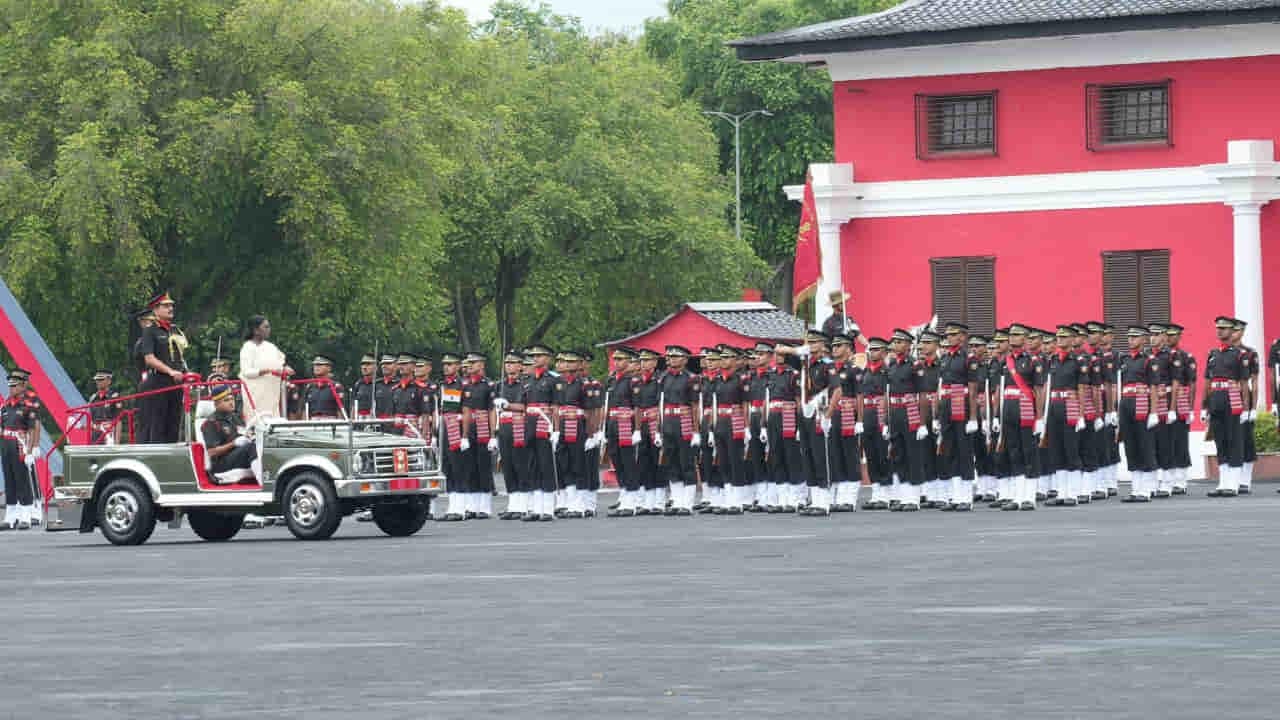
IMA Passing Out Parade 2026: The Saturday day for Indian forces remained historical in many ways. On the one hand, the President Drupadi Murmu, at the Indian Military Academy (IMA), took the chairman of the passing out parade and wished to join the new Military Officers in the Army, on the other hand, the Defence Minister Rajnath Singh, at the Dundegal-based Air Force Academy of Hyderabad, congratulated the new Flying Officers of the Indian Air Force by reviewing the Combined Graduate Parade.

The first time in the history of 94 years of the Indian Military Academy, a batch of female cadets has been completed as an officer in the Indian Army.

IMA Passing Out Parade 2026: Passing Out Parade of Regular Course and Technical Graduate Course

Chetwood Drill of the Indian Military Academy located Dehradun Square witnessed military traditions, disciplines and pride in the morning. The Passing Out Parade of 158th Regular Course and 141th Technical Graduate Course was held here.

Parade reviewed the Supreme Commander Drupadi Murmu of the President of the country and the three forces. On this occasion, many senior officers of the Army were present including Chief Minister of Uttarakhand Pushkar Singh Dhammi.

As soon as the cadets raised the final plague and completed the parade, the journey of hard training of their years turned into a new chapter. He became the officer of the Indian Army as the parade ends.

IMA Passing Out Parade 2026
Copyright © 1997-2019 ACADEMY All rights reserved.

Total 515 Cadets Made Officer

भारतीय सैन्य अकादमी की पासिंग आउट परेड में इस बार कुल 515 जेंटलमैन कैडेट्स अधिकारी के रूप में भारतीय सेना और मित्र देशों की सेनाओं में शामिल हुए। इनमें 481 भारतीय अधिकारी कैडेट्स शामिल हैं, जबकि 16 मित्र देशों के 34 विदेशी अधिकारी कैडेट्स ने भी सफलतापूर्वक प्रशिक्षण पूरा किया।

बता दें कि विदेशी कैडेट्स को भी आईएमए में प्रशिक्षण दिया जाता है, जो भारत की उस नीति का हिस्सा है जिसके तहत मित्र देशों के सैन्य अधिकारियों को प्रोफेशनल मिलिट्री ट्रेनिंग दी जाती है।

इन कैडेट्स ने भारतीय कैडेट्स के साथ समान प्रशिक्षण लिया और अब अपने-अपने देशों की सेनाओं में अधिकारी के रूप में सेवाएं देंगे।

राष्ट्रपति ने इन कैडेट्स को बधाई देते हुए कहा कि उनके देशों ने भारत पर भरोसा करते हुए उन्हें सैन्य प्रशिक्षण के लिए यहां भेजा है। (IMA Passing Out Parade 2026)

पहली बार महिला कैडेट्स ने रचा इतिहास

इस बार की परेड का सबसे महत्वपूर्ण पहलू नौ महिला कैडेट्स का पासआउट होना रहा। आईएमए की स्थापना 1932 में हुई थी। तब से लेकर अब तक हजारों अधिकारी यहां से निकलकर भारतीय सेना का हिस्सा बने, लेकिन पहली बार महिला कैडेट्स ने यहां प्रशिक्षण पूरा किया।

ये महिला कैडेट्स जुलाई 2025 में आईएमए में शामिल हुई थीं। लगभग एक वर्ष के कठोर सैन्य प्रशिक्षण के बाद उन्होंने अपने पुरुष साथियों के साथ कदम से कदम मिलाकर परेड में हिस्सा लिया। ये कैडेट्स एनडीए की पहली महिला बैच (साल 2022) से हैं। एनडीए से ग्रेजुएट होने के बाद उन्होंने जुलाई 2025 में आईएमए में एक साल का प्री-कमीशन ट्रेनिंग पूरा किया है।

राष्ट्रपति द्रौपदी मुर्मू ने इसे भारतीय सैन्य इतिहास का एक महत्वपूर्ण क्षण बताया। उन्होंने कहा कि नौ महिला कैडेट्स को पासआउट होते देखना उनके लिए बेहद खुशी का विषय है। यह केवल आईएमए के इतिहास का नया अध्याय नहीं बल्कि महिला नेतृत्व वाले विकास की दिशा में भारत की यात्रा का भी प्रतीक है।

राष्ट्रपति ने भरोसा जताया कि आने वाले समय में और अधिक महिला कैडेट्स अकादमी में शामिल होंगी। (IMA Passing Out Parade 2026)

राष्ट्रपति बोलीं- सेवा ही सर्वोच्च कर्तव्य

अपने संबोधन में राष्ट्रपति द्रौपदी मुर्मू ने नए अधिकारियों से कहा कि वे देश की संप्रभुता, एकता और अखंडता के रक्षक हैं। उन्होंने कहा कि 140 करोड़ से अधिक भारतीय नागरिकों का विश्वास अब इन युवा अधिकारियों के कंधों पर है।

राष्ट्रपति ने अधिकारियों को याद दिलाया कि सेवा ही सर्वोच्च कर्तव्य है और सैन्य जीवन में व्यक्तिगत हितों से ऊपर राष्ट्रहित को रखना होता है।

उन्होंने कहा कि तेजी से बदलती सुरक्षा चुनौतियों, नई तकनीकों और जटिल वैश्विक परिस्थितियों के बीच भारतीय सेना को हमेशा भविष्य के लिए तैयार रहना होगा।

राष्ट्रपति ने युवा अधिकारियों से आजीवन सीखते रहने, साहसिक निर्णय लेने और नैतिक नेतृत्व का उदाहरण बनने का आह्वान किया। (IMA Passing Out Parade 2026)

IMA Passing Out Parade 2026
Copyright © 1997-2019 ACADEMY All rights reserved.

सैनिकों का नेतृत्व करना सबसे बड़ी जिम्मेदारी

राष्ट्रपति मुर्मू ने अपने संबोधन में कहा कि सेना का अधिकारी केवल आदेश देने वाला व्यक्ति नहीं होता बल्कि अपने सैनिकों का मार्गदर्शक और संरक्षक भी होता है।

उन्होंने कहा कि अधिकारियों को अपने सैनिकों का विश्वास जीतना होगा, उन्हें प्रेरित करना होगा और टीम भावना को मजबूत करना होगा।

राष्ट्रपति ने कहा कि एक अच्छा सैन्य नेता वही होता है जो सबसे आगे चलकर नेतृत्व करे, अपने जवानों का ध्यान रखे और सेना की सर्वोत्तम परंपराओं को आगे बढ़ाए। (IMA Passing Out Parade 2026)

इन कैडेट्स को मिला स्वॉर्ड ऑफ ऑनर

हर पासिंग आउट परेड में सर्वश्रेष्ठ प्रदर्शन करने वाले कैडेट को प्रतिष्ठित “स्वॉर्ड ऑफ ऑनर” प्रदान किया जाता है।
पासिंग आउट कोर्स ST-26 के दौरान उत्कृष्ट प्रदर्शन करने वाले जेंटलमैन कैडेट्स को विभिन्न प्रतिष्ठित पुरस्कारों और पदकों से सम्मानित किया गया। इस कोर्स में अकादमी कैडेट एडजुटेंट (ACA) विशाल कुमार ने सर्वश्रेष्ठ प्रदर्शन करते हुए प्रतिष्ठित स्वॉर्ड ऑफ ऑनर हासिल किया, जो पूरे कोर्स में सर्वश्रेष्ठ अधिकारी कैडेट को दिया जाता है। इसके साथ ही उन्होंने गोल्ड मेडल भी जीता और रेगुलर कोर्स में प्रथम स्थान प्राप्त किया।

अकादमी अंडर ऑफिसर (AUO) प्रिंस राज को रेगुलर कोर्स में दूसरा स्थान हासिल करने पर सिल्वर मेडल प्रदान किया गया। वहीं सीनियर अंडर ऑफिसर (SUO) तेजस भट्ट ने रेगुलर कोर्स में तीसरा स्थान प्राप्त किया और उन्हें ब्रॉन्ज मेडल से सम्मानित किया गया।

तकनीकी ग्रेजुएट कोर्स (TGC) में ऑफिसर कैडेट ऋषभ मिश्रा ने पहला स्थान हासिल किया और उन्हें सिल्वर मेडल (TGC) प्रदान किया गया। इसी तरह स्पेशल कमीशंड ऑफिसर (SCO) कोर्स में सर्वश्रेष्ठ प्रदर्शन करने वाले ऑफिसर कैडेट बोध राज थापा को सिल्वर मेडल (SCO) दिया गया।

टेक्निकल एंट्री स्कीम (TES) कोर्स में प्रथम स्थान प्राप्त करने वाले ऑफिसर कैडेट करण पांडेय को सिल्वर मेडल (TES) से सम्मानित किया गया। वहीं विदेशी अधिकारी कैडेट्स (FOCs) में सर्वश्रेष्ठ प्रदर्शन करने वाले जूनियर अंडर ऑफिसर (JUO) जैफ सादिद अल्वी को बेस्ट फॉरेन ऑफिसर कैडेट (Best FOC) ट्रॉफी प्रदान की गई। (IMA Passing Out Parade 2026)

पासिंग आउट परेड क्यों होती है खास

सेना के किसी भी कैडेट के लिए पासिंग आउट परेड केवल एक समारोह नहीं होती। यह उस लंबे और कठिन सफर का अंतिम पड़ाव होती है जिसमें शारीरिक प्रशिक्षण, हथियार संचालन, युद्धक रणनीति, नेतृत्व क्षमता, फील्ड एक्सरसाइज और मानसिक मजबूती जैसे कई चरण शामिल होते हैं।

आईएमए में प्रशिक्षण के दौरान कैडेट्स को अत्यंत कठिन परिस्थितियों में काम करना सिखाया जाता है ताकि वे वास्तविक सैन्य चुनौतियों का सामना कर सकें। इसी कारण पासिंग आउट परेड को हर सैन्य अधिकारी के जीवन का सबसे महत्वपूर्ण दिन माना जाता है। (IMA Passing Out Parade 2026)

हैदराबाद में वायुसेना को मिले नए फ्लाइंग ऑफिसर

देहरादून में आयोजित समारोह के समानांतर हैदराबाद के डुंडीगल स्थित एयर फोर्स अकादमी में भी एक महत्वपूर्ण आयोजन हुआ। यहां भारतीय वायुसेना के 217वें कोर्स की कंबाइंड ग्रेजुएशन परेड आयोजित की गई। इस परेड की समीक्षा रक्षा मंत्री राजनाथ सिंह ने की। परेड के बाद आयोजित पिपिंग और कमीशनिंग समारोह में नए अधिकारियों को औपचारिक रूप से भारतीय वायुसेना में शामिल किया गया।

रक्षा मंत्री राजनाथ सिंह ने नए अधिकारियों को बधाई देते हुए कहा कि यह उनके जीवन का महत्वपूर्ण पड़ाव है। उन्होंने कहा कि प्रशिक्षण पूरा कर अब ये युवा अधिकारी भारतीय वायुसेना के सक्रिय सदस्य बन गए हैं और देश की हवाई सुरक्षा की जिम्मेदारी संभालेंगे।

राजनाथ सिंह ने फ्लाइट कैडेट्स के प्रशिक्षण और उनके समर्पण की सराहना करते हुए कहा कि वायुसेना में अधिकारी बनना केवल एक नौकरी नहीं बल्कि राष्ट्र सेवा का दायित्व है। (IMA Passing Out Parade 2026)

An-32, which is the lifeline of Indian Air Force today, is the 42-year-old aircraft?

AN-32 Crash in Jorhat
Special arrangement

AN-32 Crash in Jorhat: An AN-32 transport aircraft of Indian Air Force on the Threat Air Force Station of Assam became a victim of accident during landing. The plane was on the routine sorty and the crash landing was hunted when landing on the runway, after which it fired. The situation like explosion in the aircraft is also called. The defending and scrutiny teams came to the spot immediately after the accident. The event has been investigated and the Air Force has ordered to check the accident.

The five seals were martyred in this plane. In the accident Squadron Leader Prashant Singh, Flight Lieutenant Shubham Kumar, Sargent Jitendra Sharma, Agniviruva Khemaram Kumaawat and Agniviruvaya Daanish Alam gave the highest sacrifice of his souls during duty.

Air Force has expressed deep sensations towards Shok saturated families saying that in this difficult time he is stacked with them with complete strengthening. The country will always remember their service, dedication and sacrifice.

It’s time when AN-32 is still considered the backbone of the transport capacity of Indian Air Force. This aircraft is still working to deliver troops, weapons, rations and other essential materials in the country’s most difficult and inaccessible areas today.

AN-32 Crash in Jorhat: Jul 1984 was included in AN-32?

AN-32 A twin engine developed in the Soviet Union is the turboprop military transport aircraft. It was developed specifically by taking into account the needs of Indian Air Force. Actually India had a plane that could easily fly on high hillsides, hot weather and small runways.

AN-32 was formulated on the basis of the old AN-26 aircraft, but put a much more powerful engine in it. That’s why it can successfully operation in many inaccessible areas of Ladakh, Arunachal Pradesh, Sichen and North East.

This aircraft in Indian Air Force was included in July 1984. It then arrived in India in a large number of aircraft between 1984 to 1991. Overall, India had bought around 125 AN-32 aircraft.

AN-32 Crash in Jorhat
Why India’s Four-Decade-Old Air Force Workhorse Remains Indispensable? (Image Source: PIB)

The most trusted transport aircraft of Indian Air Force

Retired Air Marshal Sanjeev Kapoor said AN-32 has been an extremely dependable and safe transport aircraft of Indian Air Force, which has been in service for the past few years. This plane is considered the backbone of the transport fleet of airborne for a long time. It has been an important role in supplying troops and logistics in altitude areas such as Siachin, Leh and Ladakh to deliver necessary goods to the island areas such as Andaman-Nikobar and Lakshadweep.

Often to AN-32 Indian Air Force The "workhorse" of is called. The reason for this is its versatile ability. It has been used continuously in deployment of aircraft troops, logistics supplies, air transport, relieving materials and disaster management campaigns.

Thousands of flights from Sichen Glacier to the advance checkpoints of Arunachal Pradesh have been filled by this aircraft. There are many air straps where large planes cannot land, but AN-32 can easily operate there.

वायुसेना के अधिकारियों का मानना रहा है कि ऊंचाई वाले इलाकों में इसकी उपयोगिता आज भी बेहद महत्वपूर्ण है। यही कारण है कि इतने पुराने होने के बावजूद इसे पूरी तरह सेवा से बाहर नहीं किया गया है।

सुरक्षित लैंडिंग की प्रक्रिया में था विमान

जोरहाट एयर फोर्स स्टेशन उत्तर-पूर्व भारत में वायुसेना का एक महत्वपूर्ण ठिकाना है। यहां से नियमित रूप से परिवहन और रसद मिशन ऑपरेट किए जाते हैं।

प्रारंभिक जानकारी के अनुसार विमान सुरक्षित लैंडिंग की प्रक्रिया में था, लेकिन रनवे पर उतरते समय किसी तकनीकी या ऑपरेशनल समस्या के कारण दुर्घटनाग्रस्त हो गया। इसके बाद विमान में आग लग गई। हालांकि हादसे की वास्तविक वजह जांच के बाद ही स्पष्ट होगी।

यह घटना 2019 में अरुणाचल प्रदेश में हुए एएन-32 हादसे से अलग है। उस दुर्घटना में विमान उड़ान के दौरान लापता हो गया था और बाद में उसका मलबा मिला था। वर्तमान घटना एयरबेस पर लैंडिंग के दौरान हुई है।

रिटायर्ड एयर मार्शल संजीव कपूर ने असम के जोरहाट एयरबेस पर हुए एएन-32 विमान हादसे पर कहा कि दुर्घटना की असली वजह तभी सामने आएगी, जब अधिक जानकारी उपलब्ध होगी या फिर कोर्ट ऑफ इन्क्वायरी की रिपोर्ट सार्वजनिक की जाएगी।

कैसा रहा है एएन-32 का सुरक्षा रिकॉर्ड

एएन-32 लंबे समय से कठिन परिस्थितियों में उड़ान भरता रहा है। यही कारण है कि इसके परिचालन इतिहास में कई दुर्घटनाएं भी दर्ज हैं।

1986 में एक विमान अरब सागर के ऊपर लापता हो गया था। उसी साल जम्मू क्षेत्र में भी एक दुर्घटना हुई। 1990 में केरल के पर्वतीय क्षेत्र में एक विमान दुर्घटनाग्रस्त हुआ। 1999 में दिल्ली के पास हुई दुर्घटना सबसे गंभीर घटनाओं में गिनी जाती है, जिसमें कई लोगों की जान गई थी।

2009 में अरुणाचल प्रदेश के मेचुका क्षेत्र में एक एएन-32 दुर्घटनाग्रस्त हुआ। 2016 में बंगाल की खाड़ी के ऊपर उड़ान भर रहा विमान लापता हो गया था। 2019 में फिर अरुणाचल प्रदेश में एक विमान हादसे का शिकार हुआ था। उस हादसे में 13 लोगों की मौत हुई थी।

हालांकि सूत्रों का कहना है कि इन घटनाओं को केवल विमान की डिजाइन से जोड़कर नहीं देखा जा सकता। एएन-32 का अधिकांश ऑपरेशन बेहद चुनौतीपूर्ण वातावरण में होता है, जहां मौसम, ऊंचाई और भूभाग स्वयं बड़े जोखिम पैदा करते हैं।

AN-32 Crash in Jorhat
Special arrangement

क्यों जरूरत पड़ी आधुनिकीकरण की?

सालों तक लगातार सेवा देने के बाद वायुसेना के सामने सबसे बड़ी चुनौती इन विमानों को आधुनिक बनाए रखना था। इसी जरूरत को देखते हुए भारत ने 2009 में बड़े आधुनिकीकरण कार्यक्रम की शुरुआत की।

एयर मार्शल कपूर ने बताया कि समय-समय पर इन विमानों का आधुनिकीकरण किया गया है और उनकी तकनीकी स्थिति अच्छी है, भले ही उनका बेड़ा पुराना हो। उनके अनुसार एएन-32 ने दशकों से भारतीय वायुसेना की जरूरतों को सफलतापूर्वक पूरा किया है और कठिन परिस्थितियों में भी अपनी उपयोगिता साबित की है।

इसके लिए यूक्रेन की कंपनी स्पेट्सटेक्नोएक्सपोर्ट के साथ लगभग 400 मिलियन डॉलर का समझौता किया गया। इस कार्यक्रम का उद्देश्य 105 विमानों की तकनीकी उम्र बढ़ाना और उनमें आधुनिक सिस्टम्स लगाना था।

वायुसेना का फोकस केवल विमान को उड़ाने योग्य बनाए रखना नहीं था, बल्कि उसकी सुरक्षा, विश्वसनीयता और ऑपरेशनल क्षमता को भी बढ़ाना था।

अपग्रेड में हुए क्या-क्या बदलाव?

आधुनिकीकरण कार्यक्रम के तहत विमानों में आधुनिक एवियोनिक्स लगाए गए। कॉकपिट को पहले की तुलना में ज्यादा डिजिटल बनाया गया। नेविगेशन और कम्यूनिकेशन सिस्टम्स को बेहतर किया गया ताकि पायलटों को अधिक सटीक जानकारी मिल सके।

विमान में नया ऑक्सीजन सिस्टम लगाया गया। चालक दल के लिए बेहतर सीटें उपलब्ध कराई गईं। इंजन और एयरफ्रेम की तकनीकी उम्र बढ़ाने पर भी काम किया गया।

इन सुधारों के बाद विमान का ऑपरेशन पहले की तुलना में अधिक सुरक्षित और प्रभावी बनाने की कोशिश की गई।

यूक्रेन और भारत में हुआ अपग्रेड

इस परियोजना के तहत लगभग 45 विमानों का आधुनिकीकरण यूक्रेन में किया गया। बाकी विमानों पर भारत में काम शुरू किया गया।

कानपुर स्थित 1 बेस रिपेयर डिपो और 3 बीआरडी चंडीगढ़ समेत अन्य सैन्य रखरखाव प्रतिष्ठानों को इस परियोजना में महत्वपूर्ण जिम्मेदारी दी गई। बाद में आत्मनिर्भरता बढ़ाने के लिए भारतीय उद्योगों की भागीदारी भी बढ़ाई गई। यूक्रेन से लगभग 35 अपग्रेडेड एएन-32आरई विमान डिलीवर किए गए।

रूस-यूक्रेन तनाव के कारण परियोजना को कई चुनौतियों का सामना करना पड़ा। स्पेयर पार्ट्स और तकनीकी सहायता में बाधाएं आईं। इसके बावजूद भारतीय वायुसेना ने घरेलू स्तर पर ओवरहॉल और लाइफ एक्सटेंशन कार्यक्रम को आगे बढ़ाया। 2019 में भारत और यूक्रेन ने फिर से समझौता किया और रूसी मूल के पुर्जों के विकल्प तैयार किए गए।

2040 तक सेवा में रखने की योजना

वायुसेना का मानना है कि एएन-32 अभी भी कई महत्वपूर्ण भूमिकाएं निभा सकता है। इसी कारण कई विमानों की सेवा अवधि बढ़ाने की योजना पर काम किया गया।

अपग्रेड किए गए विमानों कम से कम 60 विमानों को 2040 तक सेवा में बनाए रखने की योजना तैयार की गई है। इसके लिए नियमित ओवरहॉल, निरीक्षण और तकनीकी सुधार जारी हैं।

हालांकि समानांतर रूप से नए परिवहन विमानों को भी शामिल किया जा रहा है ताकि भविष्य में ऑपरेशनल बोझ कम किया जा सके।

सी-295 से कैसे अलग है एएन-32?

पिछले कुछ वर्षों में भारतीय वायुसेना ने C-295 विमान को शामिल करना शुरू किया है। यह आधुनिक तकनीक वाला नया ट्रांसपोर्ट विमान है। सी-295 को मुख्य रूप से एवरो एचएस-748 को रिप्लेस करने के लिए खरीदा गया था।

भारत ने स्पेन से कुल 56 सी-295 विमान खरीदे हैं। इनमें से 16 स्पेन से डिलीवर किए गए हैं। बाकी 40 विमान टाटा एडवांस्ड सिस्टम वडोदरा में में बना रही है। जिसमें से पहले जहाज ने हाल ही में पहली उड़ान भी भरी है। भारतीय निर्मित विमानों की डिलीवरी 2026 के अंत से शुरू होने की उम्मीद है। सभी 40 भारतीय विमान अगस्त 2031 तक डिलीवर होने हैं।

सी-295 अधिक वजन उठा सकता है, ज्यादा सैनिकों को ले जा सकता है और आधुनिक डिजिटल कॉकपिट से लैस है। इसका रखरखाव भी अपेक्षाकृत आसान माना जाता है। वहीं यह मल्टीरोल भी है, यह सिर्फ ट्रांसपोर्ट नहीं, बल्कि समुद्री निगरानी, मेडिकल इवैक्यूएशन आदि भी कर सकता है।

इसके बावजूद एएन-32 की एक बड़ी ताकत उसकी ऊंचाई वाले इलाकों में काम करने की क्षमता है। लद्दाख और उत्तर-पूर्व के कई क्षेत्रों में इसका प्रदर्शन अब भी प्रभावशाली माना जाता है।

यही कारण है कि दोनों विमानों को फिलहाल अलग-अलग भूमिकाओं में इस्तेमाल किया जा रहा है। सूत्रों का कहना है कि एएन-32 को तब तक चलाया जाएगा जब तक नया मीडियम ट्रांसपोर्ट एयरक्राफ्ट (MTA) या सी-295 पूरी तरह नहीं आ जाता।

एएन-32 और सी-295 में क्या है अंतर

भारतीय वायुसेना का एएन-32 लगभग 40 साल पुराना विमान है, जबकि सी-295 नई पीढ़ी का आधुनिक ट्रांसपोर्ट विमान है। दोनों का काम सैनिकों और सामान को एक जगह से दूसरी जगह पहुंचाना है, लेकिन उनकी क्षमताओं में काफी अंतर है।

सामान ले जाने की क्षमता की बात करें तो सी-295 ज्यादा ताकतवर है। एएन-32 एक बार में लगभग 7 टन तक सामान ले जा सकता है, जबकि सी-295 करीब 9 टन से ज्यादा भार उठा सकता है। इसी तरह सैनिकों के परिवहन में भी सी-295 आगे है। एएन-32 जहां 42 से 50 सैनिकों को ले जा सकता है, वहीं सी-295 करीब 70 सैनिकों को एक साथ ले जाने में सक्षम है।

रेंज यानी एक बार ईंधन भरने के बाद उड़ान की दूरी में भी सी-295 बेहतर है। एएन-32 लगभग 2,500 किलोमीटर तक उड़ सकता है, जबकि सी-2953,700 किलोमीटर से ज्यादा दूरी तय कर सकता है।

हालांकि गति के मामले में एएन-32 थोड़ा आगे है। इसकी अधिकतम गति लगभग 530 किलोमीटर प्रति घंटा है, जबकि सी-295 की गति लगभग 509 किलोमीटर प्रति घंटा है। लेकिन यह अंतर बहुत ज्यादा नहीं है।

जहां एएन-32 आज भी अपनी खास पहचान बनाए हुए है, वह है ऊंचाई वाले इलाकों और छोटे रनवे पर ऑपरेशन। लद्दाख, सियाचिन और उत्तर-पूर्व के दुर्गम क्षेत्रों में एएन-32 का प्रदर्शन बेहद अच्छा माना जाता है। इसे खास तौर पर “हॉट एंड हाई” परिस्थितियों के लिए डिजाइन किया गया था। यही वजह है कि भारतीय वायुसेना अब भी इस पर भरोसा करती है।

नए मीडियम ट्रांसपोर्ट एयरक्राफ्ट की तलाश

भारतीय वायुसेना लंबे समय से ऐसे नए ट्रासंपोर्ट एयरक्राफ्ट की तलाश कर रही है जो एएन-32 और हेवी ट्रांसपोर्ट एयरक्राफ्ट के बीच की जरूरतों को पूरा कर सके।

Objective Medium Transport Aircraft कार्यक्रम पर काम चल रहा है। इस कार्यक्रम के तहत 18 से 30 टन तक भार उठाने वाले आधुनिक विमान खरीदने की योजना बनाई गई है।

इससे भविष्य में परिवहन क्षमता को और मजबूत करने में मदद मिलेगी। हालांकि फिलहाल एएन-32 वायुसेना की ऑपरेशनल जरूरतों का महत्वपूर्ण हिस्सा बना हुआ है।

उत्तर-पूर्व और हिमालय में एएन-32 की भूमिका

भारतीय वायुसेना के लिए उत्तर-पूर्व और हिमालयी क्षेत्र हमेशा चुनौतीपूर्ण रहे हैं। यहां मौसम तेजी से बदलता है, रनवे छोटे होते हैं और कई बार विजिबिलिटी बेहद कम होती है।

ऐसे वातावरण में एएन-32 ने वर्षों तक महत्वपूर्ण भूमिका निभाई है। सैनिकों की तैनाती, गोला-बारूद की आपूर्ति, राहत सामग्री पहुंचाने और आपदा के समय सहायता पहुंचाने जैसे मिशनों में इस विमान का खूब इस्तेमाल हुआ है।

DRDO’s Multi-Layer Missile Defence System ready! AD-1, AD-2 and NASM-MR showed, joining select countries in the world

DRDO AD-1 AD-2 Missile Test
India Joins Elite Missile Defence Club After Successful AD-1, AD-2 and NASM-MR Missile Trials

AD-1 AD-2 Missile Test: India has achieved another great achievement in the field of defence technology. DRDO has recently demonstrated the strategic capacity of the country by successfully completing three critical missile tests. These tests included two advanced ballistic missile defense interceptor and a new Naval anti-ship missile. After these successful tests, India has reached the range of select countries that have the ability to destroy long-distance ballistic missiles in the air.

On 10 and 11 June 2026, these tests carried out in the Silverpur-based Integrated Test Range of Odisha showed that India was no longer the only country to make missiles, but also the ability to prevent enemy missiles and accurately attack the enemy ships in the sea. According to DRDO, these tests are evidence of the success of new technologies devloped to suit the needs of India’s multi-layered defense system and modern war.

AD-1 AD-2 Missile Test: Three successful test in 24 hours

DRDO continuously tested three flights. These included testing two ballistic missile defense interceptor and a Naval anti-ship missile. The purpose of these three tests was to test India’s response potential against different types of threats.

In the first two tests, such interceptor missiles were used, which can destroy the long-distance ballistic missiles of the enemy. Third Test Naval Anti-ship Missile-Medium Range i.e. NSM-MR (NASM-MR) That was, which is being considered as a key step towards strengthening the maritime war capacity.

The Ministry of Defence officials pointed out that the three tests were fully successful on their set goals and all the systems performed expected.

What is Ballistic Missile Defence System?

For any country Ballistic Missile One of the most serious threats is considered. Such missiles can be left from thousands of kilometres away and reach their targets in a very short time. If there is no effective protection against these, military bases, cities, and critical establishments can harm heavily.

The ballistic missile defense system is devloped to protect against the same danger. This is a multi-layered defense system that destroys the enemy’s missiles before they reach the target.

India’s ballistic missile defence programme has been developed for many years. Recent tests are being considered to be a great achievement of the second phase of the same programme. India’s security system is much stronger than before after this success according to defence experts. (AD-1 AD-2 Missile Test)

AD-1 & AD-2 Interceptor

While the government has not officially called interceptors, the sources pointed out that these are AD-1 and AD-2 interceptors. Both of these missiles are part of the DRDO’s Phase-2 Ballistic Missile Defense Program.

Ad-1 interceptor is designed to destroy the enemy’s missile outside the atmosphere or around its limits by going to height. While the AD-2 interceptor is paved to target the missiles that come within the atmosphere.

Both together form a dual-sixty layer. If the target is not destroyed in the first layer, the second layer is active and attempts to eliminate it. That’s why it’s called a multi-layered defense system.

Ability to prevent missiles from 2000 to 5000 km range

In accordance with Defence Formulas Interceptors It is specially formulated against ballistic missiles that have a march capacity from 2000 to 5000 kilometres. This category is called Intermediate Range Ballistic Missile.

Such missiles are considered extremely dangerous in the modern war as they can attack long distances and have the ability to carry heavy warheads.

Sources say that India has now joined the list of countries that have advanced technology to protect against long-distance ballistic missiles.

Pakistan and regional security challenges

Sources say that India has given priority to the Ballistic Missile Defence program as missile capabilities are growing rapidly in the region.

Pakistan is constantly working on new missile systems. Indian security agencies are constantly monitored by Fatah-1, Fatah-2 and some other missile systems connected to China. The need for a strong missile defence armor in such an environment was already felt more. (AD-1 AD-2 Missile Test)

On the ships of the enemy in the sea will also see the panty

DRDO also successfully tested the Naval Anti-Ship Missile-Medium range for the first time with ballistic missile defense tests. The missile is designed to strengthen the maritime attack capacity of the Indian Navy.

During the test, the missile flew very close to the sea surface and showed the ability to reach its target. The formulas have told it the C-Skimming profile, in which the missile blows at a very low altitude so that the enemy radar can identify it late.

The missile successfully demonstrated its navigation capability, target detection and final phase accuracy. It proved that another indigenous option would be available to target enemy warships and other marine targets near the Indian Navy in the future.

Network based war system also tested

Another important thing about these tests was that only the missiles were not but also the entire network-centric warfare.

Long-distance radar, command center, communication network and control systems together explored the target, shared his information and directed the interceptor missiles.

The synergy between weapons, sensors and command systems in the modern war itself decides success. DRDO also demonstrated this capability through these tests. (AD-1 AD-2 Missile Test)

Minister of Defence and DRDO chief congratulations

Defence Minister Rajnath Singh congratulated the DRDO on these successful trials, saying that this achievement will give new strength to India’s defence preparedness. He said that such techniques will help the country deal with air and marine threats.

Rajesh Kumar Singh, chairman of DRDO and Secretary of Department of Defence R&D, also appreciated the joint team of scientists, industry partners and armed forces. He said successfully completing so many Ahmad tests within only 24 hours reflecting the capacity of the Indian Defence Research System. (AD-1 AD-2 Missile Test)