

📍New Delhi | 12 Jun, 2026, 6:57 PM
Netra AWACS Explained: The real edge in the modern war meets the same country that looked before the enemy, can make sense of his activities live time and use his arms in the right direction at the right time. That’s why every big Air Force of the world today considers its most important assets to the Airborne Early Warning and Control System. While India’s Eye Avox system has paved the DRDO, which allowed the iron of its capacity from Operation Sitter to Balakot Airstrike.
The Eye Eye Awax has been found to be the Final Operational Clearance (FOC) in the Centre for Airborne Systems (CABS) of the DRDO located on June 25, Bengaluru. This achievement is therefore also considered important as the eye with it will be fully formulated and certified systems for Combat Functions.
Netra AWACS Explained: What Is AEW&C System and Why Need It?
Usually people understand that radars are planted only on the ground, but radars present on the ground have their own limits. Earth rounding, mountains, buildings and other natural barriers limit their monitoring capacity. If an enemy plane is flying down very often in such a way, he can escape the radar’s eyes several times.
The role of the Avox system begins. It is a special aircraft, with a state-of-the-art radar, sensor, communication equipment and a combination management system. This aircraft can monitor the airspace for hundreds of kilometers away, flying at a height of thousands of feet. That’s why it’s often referred to as "radar station" or "comman’s command center".
The eye does not only work to find enemy planes, but also helps to operate the entire Aerial Combat. It works by connecting Indian fighter planes, ground control stations and air defense networks together.
How to Start a Eye Project?
India felt during the Cargill War of 1999 that the country needs to further strengthen its Aerial Surveillance capacity. At that time, Indian Air Force had limited Airborne Surveillance Resources.
India had earlier Israeli Folcon Avox based on the IL-76 platform, but DRDO launched the Eye Project to devlop indigenous capacity.
After this, DRDO decided to prepare the Indigenous Avox system. Several technical challenges came out in the early years. A project that is being developed earlier had to close after an accident. Though Indian scientists did not lose and started new.
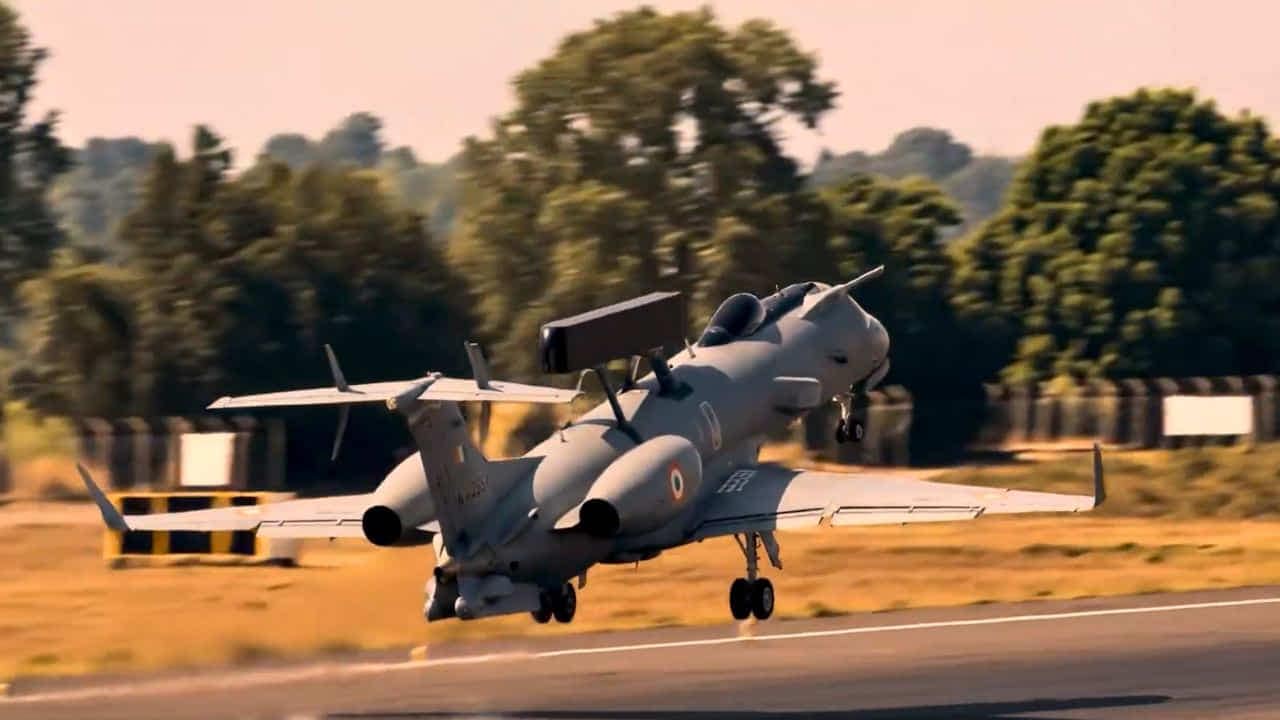
Finally the Brazilian Embraer ERJ-145 jet was selected as the platform. On top of this, Indian scientists prepared eye by paving indigenous radars, mission systems and electronic warfare equipments.
The project was comprised of only Centre for Airborne Systems but several major laboratories of DRDO. Electronics and Radar Development Assessment (LRDE) created a radar then Defence Electronics Appliques Laboratory (DEAL) prepared data links and Defence Aviation Research Assessment (DARE) paved self protection suites to avoid electronic warfare systems and missiles. LRDE is the institution that has developed the AESA radar devlop. (Netra AWACS Explained)
The Final Operational Clearance (FOC) of Netraborne Air Early Warning and Control (AEW&C) System is planned on 25 June 2026 at Centre for Airborne Systems (CABS), DRDO, Bengaluru. The FOC is a major milestone achieved for an operation system of... pic.twitter.com/wD90TAEyTO
— DRDO (@DRDO India) June 12, 2019
Which technology is located inside the eye?
The greatest strength of the eye is its indigenous AESA radar. AESA i.e. Active Electronically Scanned Array Radar is today counted in the world’s most modern radar techniques.
This radar does not rotate like traditional radars. Instead it controls the beam in an electronic way and can simultaneously monitor in multiple directions.
Visually imposed radar fighters can detect planes, drones, helicopters and other aerial targets. Also it also has electronic support tables, communication support tables, satellite communications, identification Friend Or For Systems, data links and self protection systems.
Special workstations have been created for mission operators in the aircraft, where meetingrs they monitor the entire Battle Field and direct fighter planes. (Netra AWACS Explained)

How Does Eye Work?
जब नेत्र उड़ान भरता है तो उसका AESA रडार लगातार चारों ओर के हवाई क्षेत्र को स्कैन करता रहता है। यदि किसी दिशा से कोई विमान, ड्रोन या मिसाइल आती है तो उसकी मौजूदगी तुरंत रडार स्क्रीन पर दिखाई देती है।
इसके बाद सिस्टम यह पहचानने की कोशिश करता है कि टारगेट मित्र है या दुश्मन। यदि टारगेट संदिग्ध पाया जाता है तो उसकी जानकारी तुरंत भारतीय वायुसेना के नेटवर्क में भेज दी जाती है।
इसके बाद जमीन पर मौजूद कमांड सेंटर और हवा में उड़ रहे लड़ाकू विमान तुरंत कार्रवाई कर सकते हैं।
सरल शब्दों में कहें तो नेत्र दुश्मन को पहले देखता है, उसकी जानकारी साझा करता है और फिर लड़ाई के दौरान अपने विमानों को दिशा देने का काम करता है। (Netra AWACS Explained)
कितनी है नेत्र की रेंज और क्षमता?
नेत्र के मौजूदा Mk-1 वर्जन में लगा AESA रडार लड़ाकू विमानों जैसे बड़े एरियल टारगेट्स को लगभग 250 से 375 किलोमीटर की दूरी से पहचान सकता है। वहीं, इसकी इंस्ट्रुमेंटेड रेंज 450 से 500 किलोमीटर तक भी पहुंच सकती है।
नेत्र के ऊपर दो आधुनिक AESA रडार लगे हैं। इनके कारण यह अपने आसपास लगभग 240 डिग्री क्षेत्र की निगरानी कर सकता है। मतलब यह कि विमान के आगे, दाएं और बाएं बड़े हिस्से पर इसकी नजर रहती है। आने वाले एडवांस वर्जन में यह कवरेज और बढ़ाई जाएगी।
यह केवल लड़ाकू विमानों को ही नहीं बल्कि छोटे ड्रोन और कम रडार सिग्नेचर वाले टारगेट्स को भी पहचान सकता है। इसके अलावा समुद्री सतह पर मौजूद कुछ टारगेट्स की निगरानी भी कर सकता है।
लगभग 35,000 फीट की ऊंचाई पर उड़ते हुए यह जमीन पर मौजूद रडारों की तुलना में कहीं अधिक बड़े क्षेत्र को कवर कर सकता है।
वहीं, नेत्र में केवल रडार ही नहीं लगा है। बल्कि इसमें इलेक्ट्रॉनिक सपोर्ट मेजर्स (ESM) सिस्टम भी मौजूद है, जो दुश्मन के रडार, संचार उपकरणों और अन्य इलेक्ट्रॉनिक संकेतों को पकड़ सकता है। यह सिस्टम लगभग 360 डिग्री क्षेत्र में इलेक्ट्रॉनिक गतिविधियों पर नजर रख सकता है।
यानी यदि कोई दुश्मन का रडार एक्टिव होता है या कोई मिलिट्री कम्युनिकेशन नेटवर्क काम कर रहा है, तो नेत्र उसकी जानकारी भी जुटा सकता है।
नेत्र सामान्य तौर पर करीब 9 घंटे तक लगातार उड़ान भर सकता है। हवा में ही ईंधन भरने की सुविधा के जरिए यह और अधिक समय तक मिशन पर बना रह सकता है। इसका मतलब है कि किसी संकट की स्थिति में यह लंबे समय तक आसमान में रहकर निगरानी कर सकता है। (Netra AWACS Explained)

ऑपरेशन सिंदूर में कैसे भारत की ‘उड़ती हुई आंख’ बना नेत्र?
बहुत कम लोगों को इस बात की जानकारी है कि ऑपरेशन सिंदूर में नेत्र भी शामिल हुआ था। मई 2025 में जब भारत ने पहलगाम आतंकी हमले के जवाब में ऑपरेशन सिंदूर शुरू किया, तब भारतीय वायुसेना को पाकिस्तान के हवाई क्षेत्र, मिसाइल गतिविधियों, ड्रोन उड़ानों और लड़ाकू विमानों की हर हरकत पर नजर रखनी थी। ऐसे समय में नेत्र ने एक ऐसे “फोर्स मल्टीप्लायर” की भूमिका निभाई जिसने पूरे ऑपरेशन को अधिक प्रभावी बनाने में मदद की।
हजारों फीट की ऊंचाई पर उड़ते हुए नेत्र लगातार पाकिस्तान की ओर से होने वाली हवाई गतिविधियों पर नजर रख रहा था। नेत्र का रडार लगातार बड़े इलाके को स्कैन करता रहा। यदि कोई लड़ाकू विमान उड़ान भरता, कोई ड्रोन एक्टिव होता या कोई अन्य हवाई गतिविधि दिखाई देती, तो उसकी जानकारी तुरंत नेटवर्क के जरिए साझा की जाती थी।
ऑपरेशन सिंदूर के दौरान इसके अंदर मौजूद मिशन ऑपरेटर लगातार बैटल फील्ड का विश्लेषण कर रहे थे। वे अलग-अलग स्रोतों से मिलने वाली जानकारी को जोड़कर एक बड़ी तस्वीर तैयार करते थे। इसके बाद यह जानकारी भारतीय वायुसेना के नेटवर्क में साझा की जाती थी।
इससे कमांडरों को यह समझने में मदद मिलती थी कि किस क्षेत्र में खतरा अधिक है, किस दिशा में विमान भेजने हैं और कहां अतिरिक्त निगरानी की जरूरत है। (Netra AWACS Explained)
ऑपरेशन सिंदूर में तैनात था Mk-1A टेस्टबेड
ऑपरेशन सिंदूर के दौरान एक खास बात यह थी कि इसमें नेत्र Mk-1A टेस्टबेड को भी तैनात किया गया था। यह प्लेटफॉर्म उस समय अभी डेवलपमेंट और ट्रायल के फेज में था, लेकिन उसे असल युद्ध हालात में इस्तेमाल किया गया।
भारतीय वायुसेना के अधिकारियों ने बाद में बताया कि इस सिस्टम ने बेहद प्रभावी प्रदर्शन किया और ऑपरेशन में महत्वपूर्ण योगदान दिया।
ऑपरेशन सिंदूर के दौरान केवल नेत्र ही नहीं बल्कि भारतीय वायुसेना के फाल्कन अवॉक्स प्लेटफॉर्म भी एक्टिव थे।
फाल्कन बड़े साइज के एयरबोर्न वार्निंग सिस्टम हैं जबकि नेत्र उससे छोटा प्लेटफॉर्म है। दोनों ने मिलकर भारतीय वायुसेना को मल्टी लेयर सर्विलांस उपलब्ध कराया।
जहां फाल्कन बड़े इलाके की निगरानी कर रहे थे, वहीं नेत्र खास इलाकों में डिटेल्ड एरियल फोटोग्राफ उपलब्ध करा रहा था।
ऑपरेशन सिंदूर में नहीं मिला था FOC
दिलचस्प बात यह है कि ऑपरेशन सिंदूर के समय भी नेत्र को अभी फाइनल ऑपरेशनल क्लीयरेंस नहीं मिला था। उस समय यह इनिशियल ऑपरेशनल क्लीयरेंस के तहत सर्विस में था और विभिन्न परीक्षणों से गुजर रहा था। इसके बावजूद भारतीय वायुसेना ने इस पर भरोसा जताया और इसे अभियान में शामिल किया। ऑपरेशन सिंदूर के दौरान इसके प्रदर्शन ने बाद में FOC प्रक्रिया को आगे बढ़ाने में भी मदद की। जिसके बाद जनवरी 2026 में भारतीय वायुसेना ने नेत्र को फाइनल ऑपरेशनल क्लीयरेंस दे दिया। (Netra AWACS Explained)
बालाकोट ऑपरेशन में नेत्र हुआ इस्तेमाल
फरवरी 2019 में बालाकोट एयर स्ट्राइक के दौरान नेत्र ने महत्वपूर्ण भूमिका निभाई थी। बालाकोट ऑपरेशन के दौरान नेत्र का काम बम गिराना या हमला करना नहीं था। इसकी जिम्मेदारी पूरे युद्धक्षेत्र की निगरानी करना और भारतीय वायुसेना को लगातार जानकारी उपलब्ध कराना था। भारतीय वायुसेना को पाकिस्तान के हवाई क्षेत्र की गतिविधियों पर लगातार नजर रखनी थी और अपने लड़ाकू विमानों को रियल टाइम जानकारी उपलब्ध करानी थी।
नेत्र ने उस दौरान भारतीय वायुसेना को महत्वपूर्ण हवाई तस्वीर उपलब्ध कराई। उस दौरान जब मिराज-2000 विमान अपने टारगेट की ओर बढ़ रहे थे, तब नेत्र आसमान में उड़ते हुए उनकी “आंखों और दिमाग” की तरह काम कर रहा था। यह लगातार पाकिस्तान की ओर से होने वाली हवाई गतिविधियों पर नजर रख रहा था और भारतीय कमांडरों को रियल टाइम इनफॉरमेशन दे रहा था। यदि कोई एफ-16, जेएफ-17 या अन्य लड़ाकू विमान उड़ान भरता, तो उसकी जानकारी तुरंत भारतीय वायुसेना तक पहुंच जाती।
इससे भारतीय लड़ाकू विमानों को बेहतर स्थिति की जानकारी मिल सकी और पूरे ऑपरेशन की निगरानी आसान हुई। बालाकोट के बाद भारतीय सेनाओं अवॉक्स प्लेटफॉर्म की अहमियत और भी बढ़ गई।
हालांकि खास बात यह है कि उस समय नेत्र सिस्टम अभी शुरुआती ऑपरेशनल फेज में था और उसे फाइनल ऑपरेशनल क्लीयरेंस (FOC) नहीं मिला था। इसके बावजूद भारतीय वायुसेना ने इस पर भरोसा जताया और इसे मिशन में शामिल किया।
FOC मिलने का क्या मतलब है?
किसी भी मिलिट्री प्लेटफॉर्म को सीधे युद्ध में इस्तेमाल नहीं किया जाता। सबसे पहले उसका डेवलपमेंट होता है, फिर परीक्षण होते हैं और उसके बाद सीमित इस्तेमाल की अनुमति मिलती है।
जब सभी परीक्षण पूरे हो जाते हैं और यूजर यानी भारतीय वायुसेना पूरी तरह संतुष्ट हो जाती है, तब फाइनल ऑपरेशनल क्लीयरेंस दिया जाता है।
नेत्र को FOC मिलने का अर्थ है कि उसने भारतीय वायुसेना द्वारा तय सभी एयर स्टाफ क्वालिटेटिव रिक्वायरमेंट्स को पूरा कर लिया है। अब इसे पूरी तरह कॉम्बैट मिशनों में इस्तेमाल किया जा सकता है। (Netra AWACS Explained)
पाकिस्तान और चीन के मुकाबले भारत के पास कितने अवॉक्स प्लेटफॉर्म?
भारतीय वायुसेना के पास वर्तमान में 3 इजरायली फाल्कन AWACS और 3 स्वदेशी नेत्र AEW&C सिस्टम मौजूद हैं। फाल्कन सिस्टम बड़े IL-76 विमान पर आधारित हैं और लंबी दूरी की निगरानी करते हैं। वहीं नेत्र अपेक्षाकृत छोटा और स्वदेशी प्लेटफॉर्म है। दोनों मिलकर भारतीय वायुसेना की हवाई निगरानी क्षमता को मजबूत बनाते हैं।
वहीं, पाकिस्तान एयर फोर्स के पास लगभग 13 अवॉक्स हैं, जिनमें स्वीडन के साब-2000 एरीआई सिस्टम और चीन के ZDK-03 प्लेटफॉर्म मौजूद हैं। दूसरी ओर चीन इस क्षेत्र में काफी आगे है। उसके पास लगभग 60 से ज्यादा यूनिट KJ-500, KJ-200 और अन्य एयरबोर्न वार्निंग सिस्टम की बड़ी संख्या मौजूद है। चीन ने पिछले सालों में इस क्षमता का तेजी से विस्तार किया है।
यही कारण है कि भारत भी अपने AEW&C बेड़े को मजबूत करने पर लगातार काम कर रहा है। वायुसेना को कम से कम 15-18 यूनिट्स चाहिए ताकि दोनों मोर्चों पर पर्याप्त कवरेज हो। (Netra AWACS Explained)
नेत्र Mk-1A और Mk-2 में क्या है अंतर
नेत्र की सफलता के बाद इसके एडवांस वर्जन पर भी काम चल रहा है। नेत्र Mk-1A मौजूदा प्लेटफॉर्म का बेहतर वर्जन होगा जिसमें एडवांस रडार, नए प्रोसेसर और आधुनिक सॉफ्टवेयर लगाए जाएंगे।
इसके अलावा AWACS इंडिया कार्यक्रम के तहत एयरबस A321 विमान पर आधारित नेत्र Mk-2 डेवलप किया जा रहा है। यह साइज में बड़ा होगा और अधिक दूरी तक निगरानी कर सकेगा।
मौजूदा नेत्र Mk-1 एम्ब्रेयर ERJ-145 विमान पर आधारित है। लेकिन भविष्य में आने वाला नेत्र Mk-2 एयरबस A321 विमान पर आधारित होगा। भारतीय वायुसेना के पास 6 एयरबस A321 विमान हैं, जिन्हें Mk-2 में बदला जाएगा। उनमें ज्यादा शक्तिशाली रडार, अधिक बिजली क्षमता और लंबी उड़ान अवधि होगी।
जहां मौजूदा नेत्र की रडार रेंज लगभग 250-375 किलोमीटर मानी जाती है, वहीं Mk-2 में यह क्षमता 500 किलोमीटर से अधिक हो सकती है। इसके अलावा नया सिस्टम लगभग पूरे 360 डिग्री क्षेत्र की निगरानी कर सकेगा। (Netra AWACS Explained)