📍New Delhi | 2 Jan, 2025, 1:19 PM
Anti-Drone Ammunition: The use of drones has been seen rapidly in recent wars around the world. Drones are able to weaken and accurately attack the enemy’s air defense system due to small size, low cost and advance technology. The Indian Army is now preparing large to deal with these threats. The Ministry of Defence has released the Request for Proposal (RFI) for supply of 23mm anti-drone ammunition from Indian industries. (RFI) is released. The Indian Army has now been raised in large preparations to deal with air hazards such as drones and loiteringmissions.
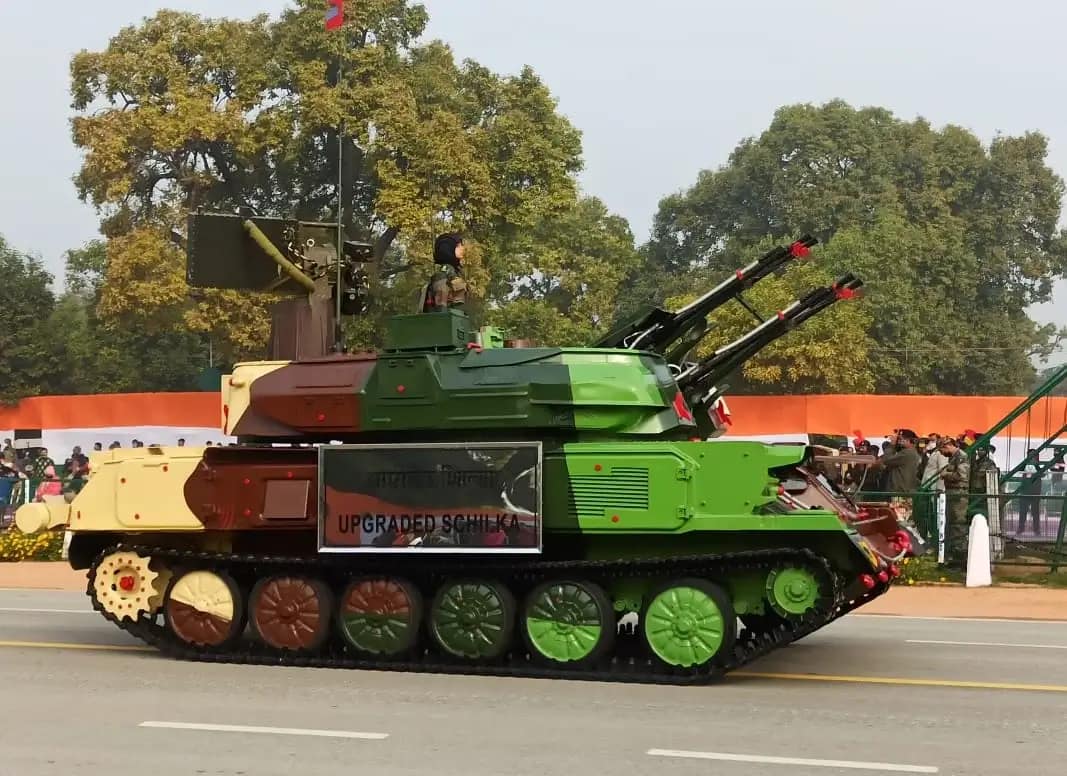
What is ZSU-23-4 Shilka Anti-Aircraft Gun
ZSU-23-4 Schillka Weapon System is an automatic anti-aircraft gun system, designed by the Soviet Union. It has an autobiotic cannon (2A7) of four 23 mm, which can fire faster and fall off air hazards such as fighter planes, helicopters and drones flying at low altitudes. Its effective firing range is 2.5km and the firing speed can reach 4,000 rounds per minute.
The Schillka system has in-built radar and electro-optical fire control system, which can track the goals of the enemy at any time of day and night. It can be mounted on any cart, allowing it to be easily positioned in places with border areas and height.
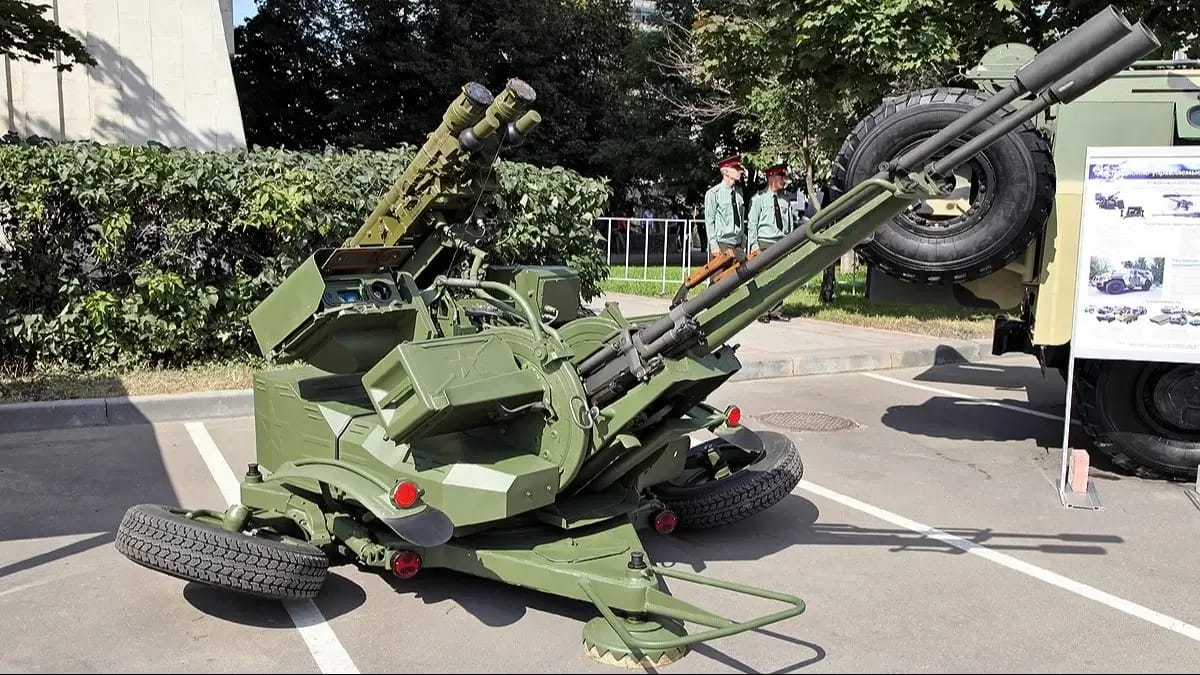
Anti-Drone Ammunition: What is ZU 23mm System
The ZU 23mm system is a double barrel anti-aircraft autocanon, considered the Russian origin. The whole name of it is "Gennitanaya Ustanovka". The Indian Army has about 470 ZU-23 systems, purchased from the Soviet Union and upgraded to India. This upgrade added electro-optical fire control system, which provides the ability to identify and accurately attack the enemy by tracking.
This system is capable of eliminating air hazards flying at low altitude. The way to do this is based on "Gas Operated Action". The weight of this autocanon is about 0.95 tons, while its length is 10 feet and the length of the barrel is 6.5 feet, which provides it with long-distance marching capacity. The width of the whole system is 9.5ft and height 4ft.
Indian Army: This historical photo disappeared from the office wall of the Army chief, former Officer Bole- Is the Government ignoring the glorious victory of the Indian Army?
This system requires two people to operate- a gunner and a commander. It is capable of staining 23mm caliber shells and minus can attack angles from 10 degrees to plus 90 degrees. Also, it can sneeze every direction of the enemy by walking 360 degrees.
This system maintains the ability to stain 2,000 tablets in one minute. Its shells are loaded into a belt of 50 rounds. Its marching distance is up to two kilometres, where it can attack with accuracy.
The ZU 23mm system can be mounted on any cart, allowing it to be easily positioned on the range. It can be transported to altitude locations by damaging the truck or loading into the plane.
There are systems deploying by drawing up 320 units of this system in India, while the rest are mounted on trucks. This versatile system is an important weapon for combating the enemy’s air hazards, which increases the forces of the army.
Anti-Drone Ammunition: Why should 23mm Anti-Drone ammunition?
The 23mm anti-drone ammunition is designed for use with anti-aircraft guns such as existing ZU-23 and Schillka weapon systems. But the possible average of hitting the existing ammunition that is stained is quite low. The lack of accuracy is due to the role of human beings in operating these guns. 23mm anti-drone ammunition is being prepared to meet this reduction, with modern technology will be used. In these anti-aircraft guns, 23mm armor piering insendary tracer (APIT) and High Explosive Insendary Traceer (HEIT) emission is used.
See here RFI released from the Army side
These ammunitions should be able to destroy small size and low radar cross-section drones. It will have higher "hit probability" than existing ammunition, making it more effective in morden warfare. The Indian Army has anti-aircraft guns such as ZU 23mm and Shilka weapon system, but the possible average of hitting the existing ammunition that is stained is low.
Anti-Drone Ammunition
The 23mm anti-drone ammunition is designed by taking into account the needs of the Indian Army and the challenges of the morden warfare. This ammunition can be used with existing weapons like ZU 23mm and Shilka system.
These ammunitions will have a proximity or timed fuse system, as soon as it reaches the drone it will be activated. Timed fuse will be programmed in advance so that it can explode on fixed distance (such as 1000m, 1500m, 2500m etc.). This will make it easier to destroy enemy drones.
The design of the pre-fragmented shell is designed in such a way that its fragments can cause maximum damage to the enemy drones by spreading to the large area. These fragments will be in reasonable size, number and density, which will increase the chances of destroying the drone.
While the shelf life of this ammunition should be at least 10 years. This means that it can be kept in storage without any malfunctions for a long time. This will also help in logistics and cost management of the Indian Army.
Also, it should be the merit of working perfectly in the temperature between the ammunition-30°C to +45°C. Also, it can be protected even in difficult conditions without any special storage system. It is extremely important to see India’s climate and military conditions.
Russia created the "Drone Killer" system
Tell ZSU-23-4 Schillka system is already used in the Russian army. Its firing range is 2.5km and it can fire faster. While looking at the ongoing war with Ukraine, Russia has launched the "Drone Killer" system. Russia has set up two 23mm anti-aircraft guns of the ZSU-23-4 Shilka system on BTR-82 vehicle to combat drones. This system is designed specifically for handling modern air hazards such as drones.
‘Make in India’ initiative boost
Under this motion of the Ministry of Defence, public sector companies (DPSUs) and private industries have been given a chance to introduce their solutions. The Ministry has urged companies to participate in and share technical information and proposal to meet the needs of the Indian Army.
The Indian Army has adopted a "Single Stage-to Bid System" for the project. This means that technical and commercial proposals will be credited into separate envelopes. All technical proposals will be evaluated by a Technical Evaluation Committee. While the last date for submission of RFI is 17 February 2025.