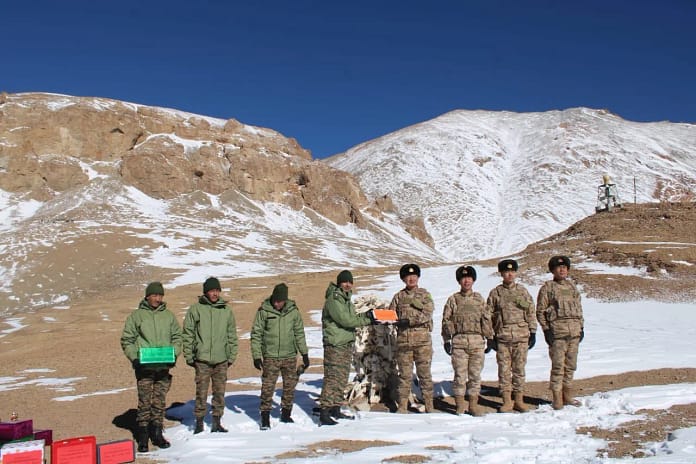
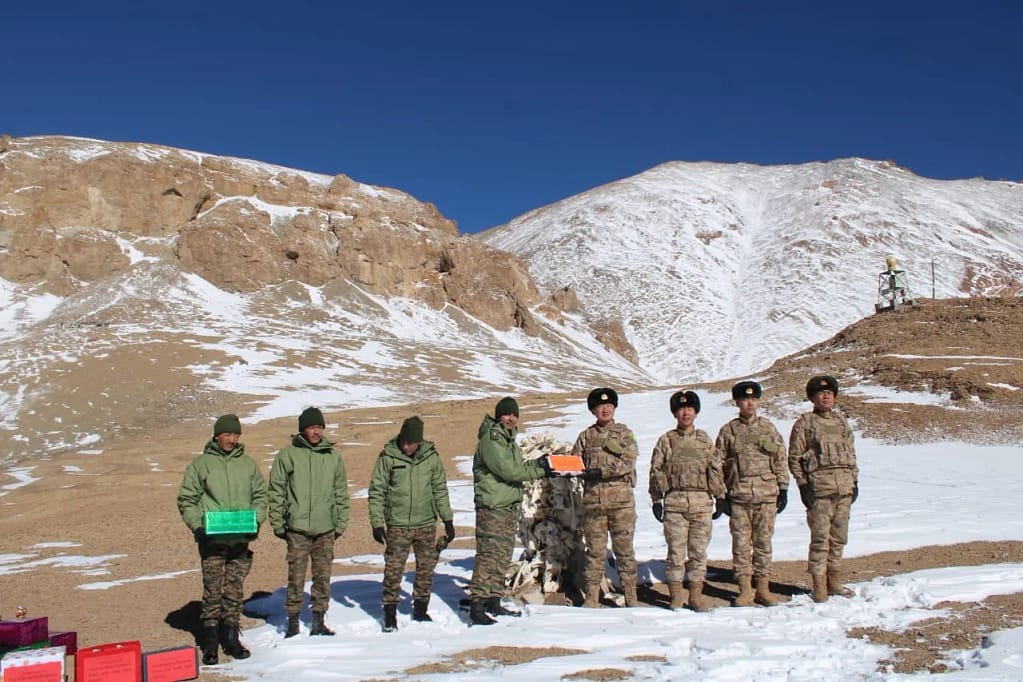
India-China Disengagement: The return of the Chinese People’s Liberation Army (PLA) from the Desang Plays of East Ladakh is a relief news for the Indian Army and the country. The withdrawal of the PLA from Raki Nala is part of the India-China Petroling Agreement on October 21, 2024. Under this agreement, both countries spoke of calling back their troops from stressed areas. At the same time, the patrol has been resumed in disputed areas such as Raki Nala and Burtsa Nala.
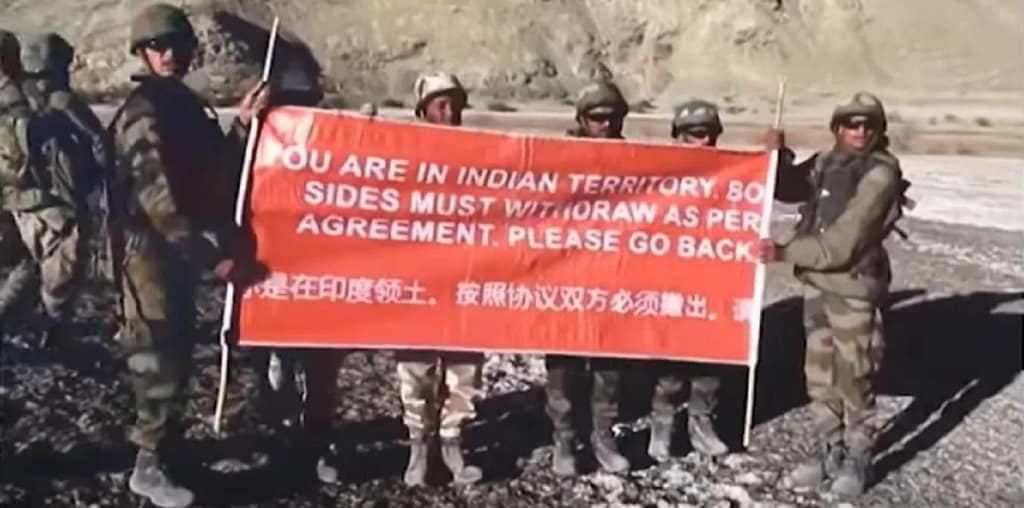
PLA made two temporary posts
While, according to reports, China’s PLA military has removed its temporary posts and operational tracks from areas that were previously part of Indian petroling routes. Under this agreement, the Chinese Army has removed its temporary checkpoints and infrastructure from Raki Nala Valley and Botanique, Y-Janction 1 and Y-Janction 2, located near the Shyok River in all Sector North. While PLA has shifted two temporary posts to new places, a post is built in the Upper Burtsa Nalla valley in the north-east and in the second east direction from the Y-junction near the source of Raki Nala. These new checkpoints have been linked to operational tracks. While this step is being considered positive, some questions are standing.
Does PLA cross LAC?
According to experts, it is not clear that PLA has completely removed its presence from the outside areas of the actual control line (LAC). In addition, questions are also being raised on the presence of their tents and posts within the "No-Deployment Zone". While the status of these posts in satellite imagery is not clearly visible.
patrol then restored, but limited
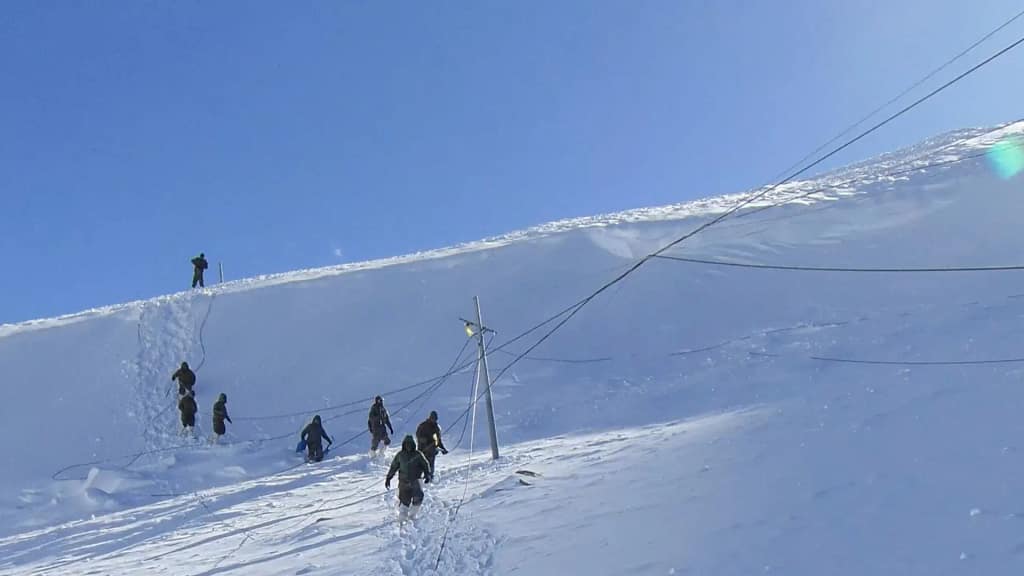
While the Indian army has resumed petroling in the Desang region, it is limited to only certain areas. Indian soldiers visited the first regular petroling of 2020 in places like Petroling Points (PP) 10-13, they are now close to Chinese roads and posts. This increases the challenges of petroling Indian Army. The military sources believe that the Chinese army has reorganized its deployment strategically to limit the reach of Indian petroling on these routes. He says that many old petroling points are now close to Chinese streets and posts, built between 2010-2013.
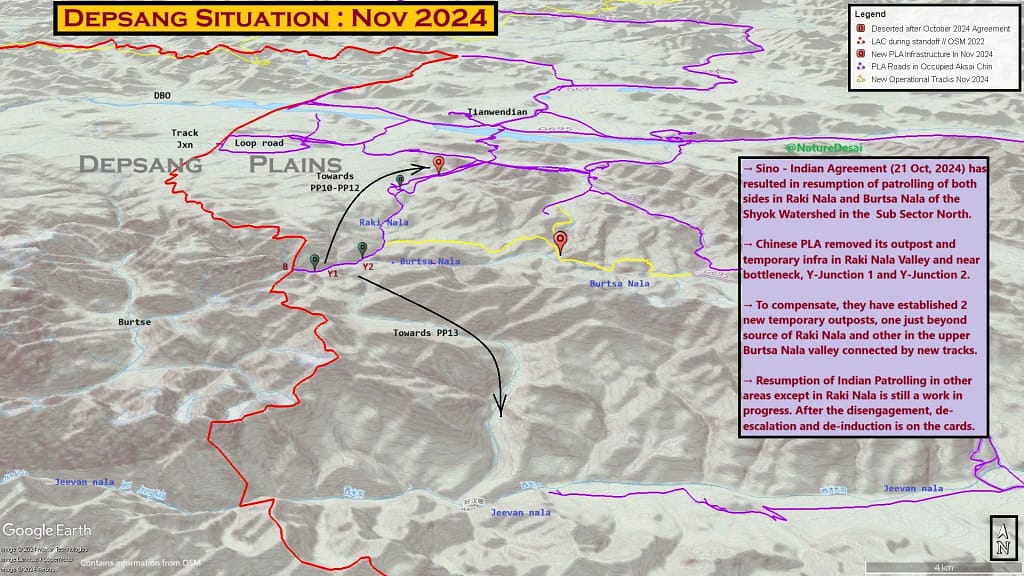
Status of Raki Nala and Y-Janction
The patrol has begun in the Raki Nala Valley, but the situation in the bottony and Y-junction areas is still not clear. Experts believe PLA has shifted its presence to these locations within the "No Deployment Zone". According to the sources, the Chinese army’s new tracks and temporary checkpoints between Burtsa Nala and Raki Nala have challenged the Indian Army. He says it could be a China strategy, so that his presence in these areas remained intact.
Procedure for D-escalation and D-induction
After disintegration, the interaction is continued on D-escalation and D-induction. These steps are necessary to reduce stress on the range. However, experts say that it is possible only if both sides follow the agreement with transparency and honesty. He says the Chinese army’s new checkpoints and tracks can impede the petroling routes of the Indian Army. In the coming months, it is necessary to see how the situation remains.
While the return of the PLA from the corpus is a positive initiative, many challenges are still intact in front of the Indian Army and Government. To ensure the restoration, transparency and stability of petroling routes is important not only for the solution of boundary dispute, but also for the safety and sovereignty of India. Both countries have to make solid and transparent efforts to maintain peace and stability on the border. For business and mutual cooperation, it is imperative that both countries stay away from conflict situations and follow the agreement peacefully.