Home Blog Page 70

Army Personnel Salary Attachment: A large decision of hikert with military personnel salary is required by the Central Government.

Liberalised Family
File Photo

Army Personnel Salary Attachment: Punjab and Haryana High Court have said that the Army personnel’s salary cannot be approached to recover the benefit of filling up under Section 125 CRPC (now Section 144) of Indian Civil Security Code, 2023, as only the Central Government has the right to cut this type.
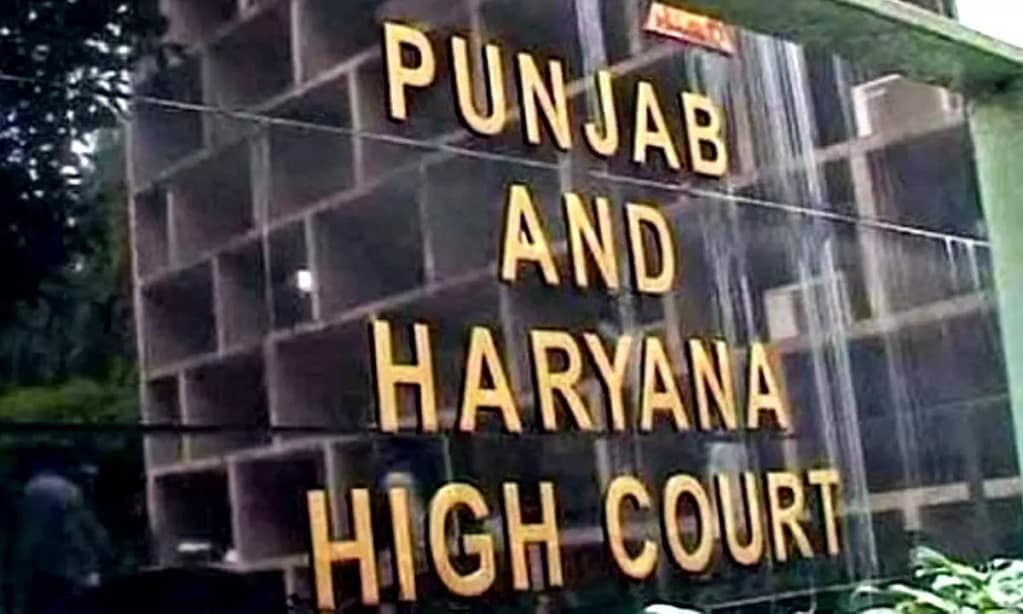
Army Personnel Salary Attachment: High Court Rules Only Central Government Authorized for Deductions

Justice Harpreet Singh Barar said in his order that the Army personnel under the Army Act have been provided comprehensive rights and security, so that they can effectively play their duties of national security without any external financial barrier.

Army Personnel Salary Attachment: What is the case?

The decision came during the hearing of a petition in which the order of the Family Court was challenged. The Family Court ordered a deduction of Rs.4,10,000 from the Salary of the Army personnel, so as to recover the outstanding balance of fill-nutrition.

OROP Supreme Court: The government told the Supreme Court – these retired personnel won’t get under OROP increased pension!

The petitioner’s lawyer Madan Lal Saini argued that this type of acceptance of the Central Government cannot be deducted under the Army Act (Army Act 1950).

Rights and Security under the Army Act

The Court said that under Section 25 and 91 of the Army Act (Army Act 1950) the deduction from the salary and allowances of the Army personnel is possible only by the permission of the Central Government. In addition, Section 28 ensures that the salary of the Army personnel cannot be approached.

One Rank One Pension: Pensions in OROP-3 are offended by anomalies Retired military personnel, 401 JCOs sent legal notices to the Ministry of Defence and the Navy Chief

The Court also said that the right and privileges given to the Army personnel do not reduce any rights or privileges they have under other laws, but also provide additional protection for them.

The Court cited the following sections of the Army Act:

  • Section 25 and 91: These streams decide the rules of deduction from the salary and allowances of the seals.
  • Section 28: Under this section, the salaries and allowances of the seals have been provided with protection from seizures.
  • Section 33: This stream clarifies that the rights given to the seals complement the rights given under other laws.

Army Personnel Salary Attachment: Court Decisions

"The salary of the Army personnel cannot be approached as per the order given by the Nile court," said Justice Harpreet Singh Barar. It is mandatory to take permission from the Central Government for deduction of Rs. 10,000 fixed for filling-nutrition. ""

He also clarified that the beneficiary may request the Central Government if an order for a civil court filling-nutrition that the necessary deductions should be made under Section 91(i) of the Army Act.

Hikert also said that it has been given special protection to protect army personnel from hampering their actions. Army personnel have to depend on their salary and allowances, and such deductions can adversely affect their duties.

At the same time, the High Court cancelled the Order of the Family Court and accepted the appeal of the petitioner. At the same time, deciding accountability, it directed that the responder may approach the Central Government to enforce the order of filling-nutrition.

What is Section 125 CrPC?

Section 125 of the Indian Penal Process Code (CRPC) (now the right to fill the wife, child and parents under Section 144) of the Indian Civil Defence Code, 2023. In particular this provision is that if the funds required for the family are not paid, it can be applied by the court.

What is Special for Army personnel?

सेना कर्मियों को उनके संवैधानिक अधिकारों और विशेषाधिकारों के तहत यह सुनिश्चित किया गया है कि उनके वेतन और भत्तों की कटौती केवल केंद्र सरकार की स्वीकृति से ही हो सकती है। यह कदम यह सुनिश्चित करता है कि सेना कर्मी अपनी सेवा और राष्ट्रीय सुरक्षा के प्रति पूरी तरह से समर्पित रह सकें।

न्यायालय के फैसले का महत्व

इस फैसले से यह स्पष्ट हो गया है कि सेना कर्मियों के वेतन और भत्तों को लेकर केंद्र सरकार का विशेष अधिकार है। यह फैसला न केवल सेना कर्मियों के अधिकारों को सुरक्षित रखता है, बल्कि यह भी सुनिश्चित करता है कि सिविल अदालतें इस संवेदनशील मुद्दे पर सीधे हस्तक्षेप न करें।


Tashi Namgyal: Not Kargil Jung’s Anonymous Hero Tashi Namgyal, who first gave Pakistani army infiltration news

Tashi Namgyal: Unsung Hero of Kargil War Who First Alerted India About Pakistani Intrusion Passes Away

Tashi Namgyal: During the Kargil war, Pakistan’s infiltration first explored Batalik sector’s brave shepherd Tashi Namgyal died on Thursday. The unaware hero, famous as the Aryan Valley of Laddakh, warned the Indian Army in time, ensuring the victory of India in the Kargil War of 1999 and saved the lives of countless soldiers. This year, he had met him at 25 years of Kargil. In which they were seen quite a bit of the government. He had said that he had no identity or respect from the government, which he was entitled. Even the government did not give them any respect given their poverty.

Tashi Namgyal: Unsung Hero of Kargil War Who First Alerted India About Pakistani Intrusion Passes Away

The biggest alert was given in 1999

Speaking to the author, he told him that his age was 35 years. If there was no information about the infiltration to the Indian Army, on May 2 they went to Garkhun Nala (Section) to take care of animals (Yak) and cultivate them. They came back while running and they saw some scars in the snow there. It was very unusual because no one went there.

Tashi Namgyal: Unsung Hero of Kargil War Who First Alerted India About Pakistani Intrusion Passes Away
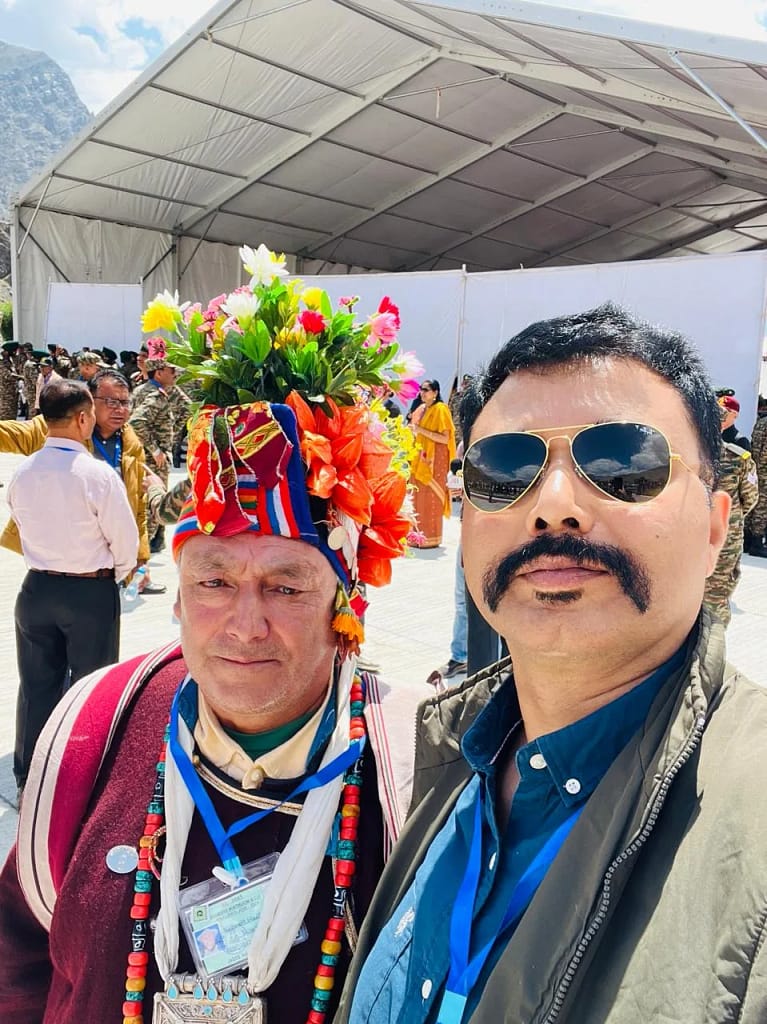
Tashi Namagal with Author

His brother Morup Tsering lifted up telescopes and they arrived to a placenta on Jubar Hill. "We could clean up six to seven people wearing salwar-rooms. We were not sure that they were not from the Indian Army. ""

उन्होंने तुरंत निकटतम सेना पोस्ट जाकर इसकी सूचना दी। इससे पहले भी 1997 में उन्होंने याल्डोर क्षेत्र में पाकिस्तान सेनी के गश्ती दल की गतिविधियों की जानकारी दी थी, लेकिन तब किसी ने उन्हें गंभीरता से नहीं लिया। इस बार भी, उनकी बात को पहले नकारा गया, लेकिन उनका साहस और धैर्य अंततः रंग लाया और आखिरकार सरकार को उनका बात माननी पड़ी।

सेना को कैसे मिला सबूत

उन्होंने बताया था कि गरखुन गांव के पास एक चौकी पर मौजूद बारा साहब को इस बारे में जानकारी दी। एक दिन बाद, एक लेफ्टिनेंट और कुछ सैनिक त्सेरिंग और ताशी के साथ गए ताकि वे खुद देख सकें कि दोनों किस बारे में बात कर रहे थे।

वे कहते हैं, “जब हम करीब पांच किलोमीटर ऊपर गरखुन नाला पहुंचे, तो हमें घुसपैठिए दिखाई दिए। हम वापस आए और मुझसे पूछा गया कि क्या नाले तक पहुंचने का कोई और रास्ता है। मैं उन्हें दाह नाला ले गया।” वहां भी घुसपैठियों की भरमार थी और वहां अच्छी तरह से बनाए गए बंकर और बहुत सारा गोला-बारूद था।

जब सेना के अधिकारियों ने उनके दावों की जांच की, तो उन्हें पता चला कि पाकिस्तानी सेना वास्तव में इलाके में सक्रिय थे। गरखुन नाले और दाह नाले में घुसपैठियों ने बंकर और गोला-बारूद का बड़ा जखीरा जमा कर रखा था। ताशी ने सेना को दुर्गम रास्तों की जानकारी दी और घुसपैठियों की स्थिति का सटीक विवरण दिया।

मेरा पुराना इंटरव्यू

गुमनाम नायक का योगदान

करगिल युद्ध के दौरान, ताशी ने सेना के लिए कुली के रूप में काम किया और रसद और हथियार पहुंचाने में मदद की। उनकी बहादुरी और योगदान ने न केवल भारतीय सेना को समय पर तैयारी का मौका दिया, बल्कि दुश्मन की साजिशों को भी विफल किया।

सम्मान के बदले उपेक्षा

ताशी नामग्याल जैसे नायकों को वह पहचान और सम्मान नहीं मिला, जिसके वे हकदार थे। ताशी ने मुलाकात के दौरान बताया था, “हमने सेना के लिए बहुत कुछ किया, लेकिन आज भी हम गुमनाम हैं। हमें आज भी पूछताछ का सामना करना पड़ता है। मेरा भाई आज भी मजदूरी करता है। क्या आपको लगता है कि हमें कभी हमारे काम का इनाम मिलेगा?”

सभी सच्चे नायकों की तरह, वे भी गुमनाम ही ररहे। उनकी गरीबी भरी जिंदगी में कोई बदलाव नहीं आया। उनके हाथ और कपड़े अभी भी धूल से सने थे, क्योंकि जब वह भेड़ और याक चराने के अलावा किसी और की जमीन पर काम करते हैं तो अपनी आजीविका चलाते हैं। उन्होंने बताया था कि वे और उनके भाई ताशी नामग्याल कारगिल के बटालिक क्षेत्र के गरखुन गांव में हीरो हैं, लेकिन इसके अलावा उनकी जिंदगी में कुछ भी नहीं बदला है।

सादगी में बीता जीवन

ताशी नामग्याल ने अपना जीवन बेहद सादगी से बिताया। उनके अद्वितीय योगदान के बावजूद, उन्होंने कभी कोई बड़ा दावा नहीं किया और देशभक्ति को अपने जीवन का आधार बनाया।

करगिल के गुमनाम नायकों को कब मिलेगा हक?

ताशी और मोरुप जैसे नायकों की कहानियां यह सवाल उठाती हैं कि क्या हमारे देश में गुमनाम नायकों को उनका हक मिल पाता है? जब हम करगिल की विजय का जश्न मनाते हैं, तो हमें उन अनजान और निस्वार्थ नायकों को भी याद करना चाहिए, जिन्होंने अपनी जान की परवाह किए बिना देश की रक्षा की।

ताशी नामग्याल का निधन देश के लिए एक बड़ी क्षति है। उनका योगदान हर भारतीय के लिए प्रेरणा का स्रोत है। उनके जीवन ने यह सिखाया कि असली नायक वह होता है, जो बिना किसी प्रशंसा की अपेक्षा के अपना कर्तव्य निभाता है।

General Bipin Rawat Death: How did the CDS Rawat’s helicopter crash death? Disclosure of Parliamentary Committee Report

CDS General Bipin Rawat Death: Parliamentary report reveals key findings on helicopter crash!

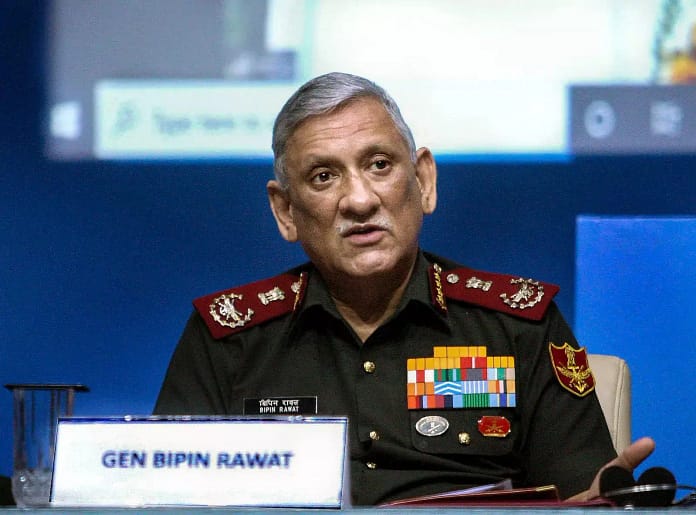
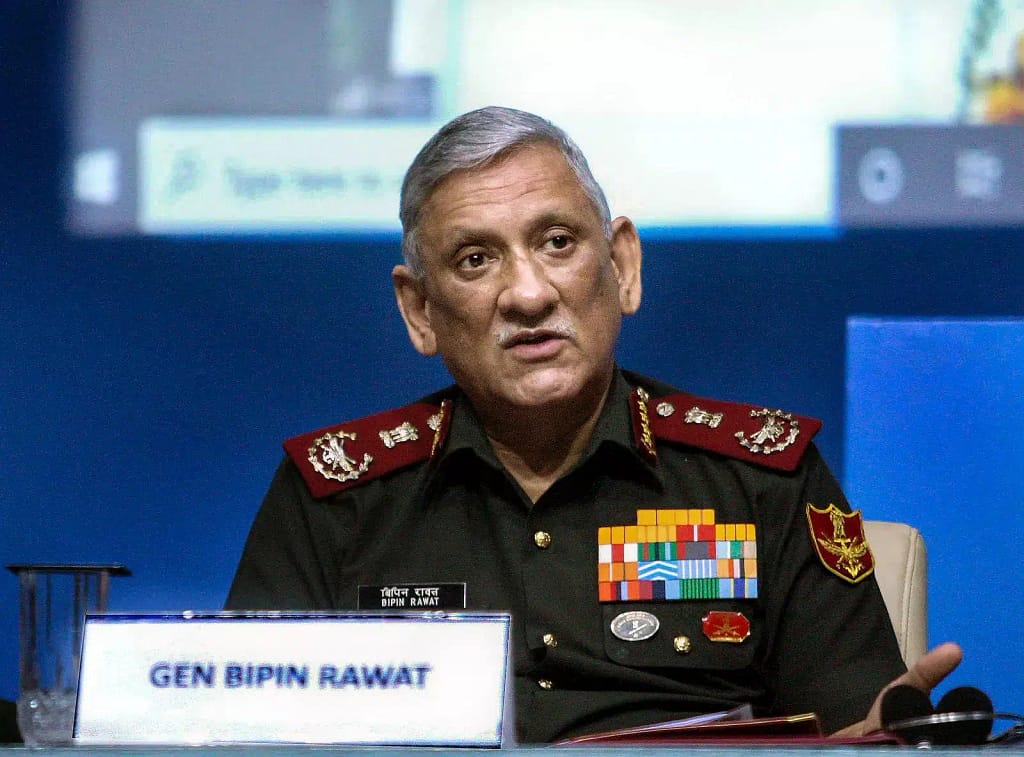
General Bipin Rawat Death: On 8th December 2021, India’s first Chief of Defence Staff (CDS) General Bipin Rawat, his wife Madhulika Rawat and 12 other military officials died in a testicular helicopter accident at Kunnur, Tamil Nadu. Three years later, the permanent committee report on the defence offered in Parliament has reported the cause of this accident to "human error (air crew). The Indian Controller and Auditor General (CAG) had highlighted severe imperfections in pilot training of Indian Air Force (IAF) in its latest report laid before Parliament. The report stated that helicopter pilots Mi-17 V5 As training on old helicopters is being given. These lack the latest avionics.

CDS General Bipin Rawat Death: Parliamentary report reveals key findings on helicopter crash!

General Bipin Rawat Death: What said the report presented in Parliament?

Recently the Standing Committee of Defence Affairs in Parliament introduced its report on this accident. The report clearly stated that it was caused by Hadsa "human forget" (Human Error – Aircrew). The report stated that the Indian Air Force had a total of 34 arms during the ‘Thirteenth Defence Plan Period’ from 2017 to 2022. The nine out of these were only in the financial year of 2021-22, and General Rawat’s helicopter crash was one of the same.

India-China: China’s big carstani in Panong Lake! Finger-4 continues ahead despite disgaging and negotiation construction work

This is not the first time when the "human forget" is described as the cause of the accident. In 2022, the investigation team also pointed out the same findings in its initial report.

General Bipin Rawat Death: What was that day?

In the morning of December 8, 2021, General Bipin Rawat, his wife and 12 other officials were plunged into the Mi-17 V5 helicopter to the Defense Staff Service College at Wellur Airbase from Wellington. The helicopter crashed into the hills a few minutes before reaching the Wellington.

IAF Pilots Training: flaws in the pilot training program of Indian Air Force; revealing CAG report

General Rawat, his wife and 11 other officers died immediately. Group Captain Varun Singh, who was the Shaurya Chakra winner, died a few days after survivorship but severely annoying.

What came in the investigation team report?

The initial investigation revealed that helicopters entered the clouds due to sudden changes in the season. This led to the victim of pilot direction and the helicopter "Controlled Flight Into Terrain" (CFIT).

However, the curse of the "human error" arises the question whether the pilot was given sufficient information and assistance? Was the aviation system strong enough to deal with such situations?

The investigation team reached this conclusion after analyzing flight data recorder and cockpit voice recorder. The team also inquired all witnesses.

The report also questioned the operation and maintenance of the helicopter. The report said whether the pilot was given proper training to deal with such circumstances? Was the equipment engaged in the helicopter poor, which can not alert the pilot at the right time? Are the safety protocols of the air force effective to prevent such tragedy?

बता दें कि 2022 में सूत्रों ने बताया था कि पायलट की गलती हेलिकॉप्टर दुर्घटना की मुख्य वजह हो सकती है, जिसमें CDS जनरल बिपिन रावत की मृत्यु हुई। अब, संसदीय समिति की रिपोर्ट इस बात की पुष्टि करती है कि दुर्घटना का कारण “मानवीय त्रुटि” थी।

हादसे के बाद ग्रुप कैप्टन वरुण सिंह को गंभीर रूप से जलने की स्थिति में वेलिंगटन से बेंगलुरु के एक सैन्य अस्पताल में ले जाया गया, जहां उन्हें लाइफ सपोर्ट पर रखा गया। दुर्भाग्यवश, उनकी हालत में सुधार नहीं हो सका और वह एक सप्ताह बाद शहीद हो गए।

रक्षा विशेषज्ञों का कहना है कि सरकार को इस रिपोर्ट को हल्के में नहीं लेना चाहिए। हादसे के पीछे की खामियों को दूर करना चाहिए और यह सुनिश्चित करना चाहिए कि भविष्य में इस तरह की घटनाएं न हों।

क्या कहा था CAG ने अपनी रिपोर्ट में?

भारतीय नियंत्रक और महालेखा परीक्षक (CAG) ने संसद के सामने रखी गई अपनी लेटेस्ट रिपोर्ट में भारतीय वायुसेना (IAF) के पायलट प्रशिक्षण में गंभीर खामियों को उजागर किया था। रिपोर्ट में वायुसेना के ‘स्टेज-1’ प्रशिक्षण में इस्तेमाल हो रहे Pilatus PC-7 Mk-II विमान की खामियों को भी बताया गया है। रिपोर्ट के मुताबिक 64 विमानों में से 16 (25%) में 2013 से 2021 के बीच 38 Bar Engine Oil Leak The events were recorded.

सथ ही, CAG की रिपोर्ट में ‘स्टेज-2’ और ‘स्टेज-3’ पायलट ट्रेनिंग में पुरानी तकनीक और उपकरणों के इस्तेमाल पर भी सवाल उठाए गए। रिपोर्ट में कहा गया कि हेलिकॉप्टर पायलटों को Mi-17 V5 जैसे पुराने हेलिकॉप्टरों पर प्रशिक्षण दिया जा रहा है। इनमें लेटेस्ट एवियोनिक्स की कमी है, जिसके कारण ऑपरेशनल यूनिट्स को अतिरिक्त प्रशिक्षण की जरूरत पड़ती है। वहीं, ट्रांसपोर्ट पायलटों को Dornier-228 Like being trained on old aircraft. These aircraft are not equipped with modern cockpits.

CAG ने वर्चुअल रियलिटी (VR) सिमुलेटर और फ्लाइंग ट्रेनिंग डिवाइस (FTD) की उपयोगिता पर भी सवाल उठाए। कहा, ये सिमुलेटर केवल प्रोसिजरल ट्रेनिंग देते हैं और रियल टाइम फ्लाइट एक्सपीरियंस का अहसास नहीं कराते।

India-China: China’s big carstani in Panong Lake! Finger-4 continues ahead despite disgaging and negotiation construction work

China Continues Construction Beyond Finger-4 at Pangong Lake
Source: Damien Symon

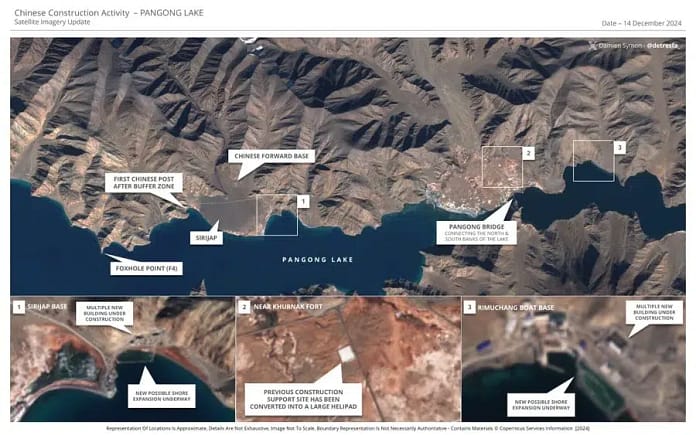
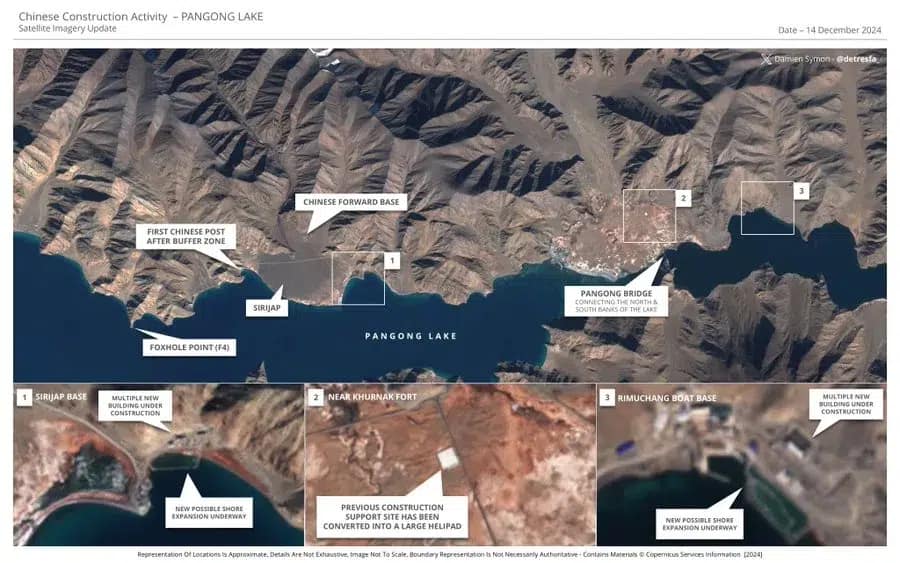
India-China: The new satellite photos of the ongoing construction activities on China have appeared in the terrain of the Pangong Lake of East Ladakh. China has initiated massive construction work in further areas from the buffer zone despite the disgagement and multiple round talks that took place on 21st October. These photos show that in further areas from Finger-4 (Foxhole Point), which are now covered under a buffer zone, China has launched large construction activities. It has been seen expanding the petrol boat base in areas like Sirizap and Remunchang.

China Continues Construction Beyond Finger-4 at Pangong Lake
Source: Damien Symon

India-China: What does Satellite Photos say?

Satellite photos taken on 14 December 2024 show that China Sirizape and Remunchang Petrol Boat Base has been performing new construction work. Many new buildings in the Sirizap area are under construction and the possibility of new construction is visible on the banks of the lake. The picture of the new construction work on the remunchanging base is clearly visible.

India-China Talks: What is the 2005 agreement on which China is stuck? and why not accept India

Also, an old construction site near the Khurnak Fort has been confirmed to be replaced in large helipad. The Pongongong Bridge, which connects the north and south edges of the lake, has also seen China’s activities rising.

India-China: China’s sport continues even after disgagement

In the disgaging agreement between India and China last year, both countries had decided to repel military forces in Finger-4 and other disputed areas and create buffer zones. It was aimed to create peace and stability on the border. But new photos show that China is not honoring the agreement, but also advancing its military activities to the buffer zone.

India-China: Busting Basti

Earlier on 21 October this year, the satellite photographs had also been revealed on 14 October before the India-China Disinggement morning that China is building a large settlement on the northern coast of the Pangong Lake. This new activity is getting around 38 kilometres east of 2020’s struggle points between India and China. The satellite photos captured in October 2024 by the American company Maxar Technologies showed that China has started rapid construction work in around 17 hectares area near the lake. A large number of construction and soil removal machinery is activated in this area.

India-China Disengagement: China’s dual attitude, agreed in negotiations but the soldiers’ deposit on LAC

China has also built 150m long rectangular strip for helicopter operation in this area. This construction began in April 2024. It was believed to be a settlement for China "Ad-Hoc Forward Base" As can work. This will reduce the Response Time for the Chinese Army.

Special Representatives talks on Wednesday

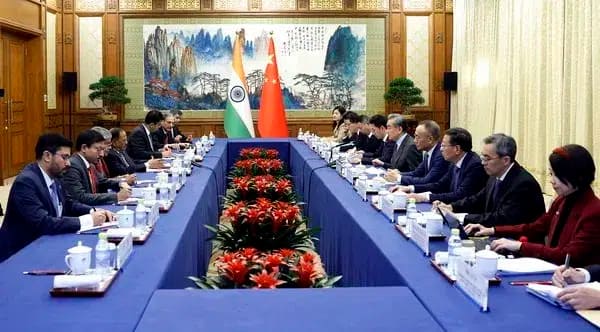
इससे पहले बुधवार 18 दिसंबर को बीजिंग में हुई भारत-चीन सीमा वार्ता में दोनों पक्षों ने “छह बिंदुओं पर सहमति” बनाई है। चीन के विदेश मंत्रालय ने कहा कि भारतीय राष्ट्रीय सुरक्षा सलाहकार (NSA) अजीत डोभाल और चीनी विदेश मंत्री वांग यी ने 23वें विशेष प्रतिनिधि (SR) स्तर की वार्ता में निम्नलिखित छह बिंदुओं पर सहमति व्यक्त की। यह 23वीं विशेष प्रतिनिधियों की वार्ता थी, जो पांच साल के अंतराल के बाद आयोजित की गई। पिछली बार 2019 में यह बैठक भारत में हुई थी।

पेंटागन की रिपोर्ट में खुलासा, LAC पर है चीनी सैनिकों का जमावड़ा

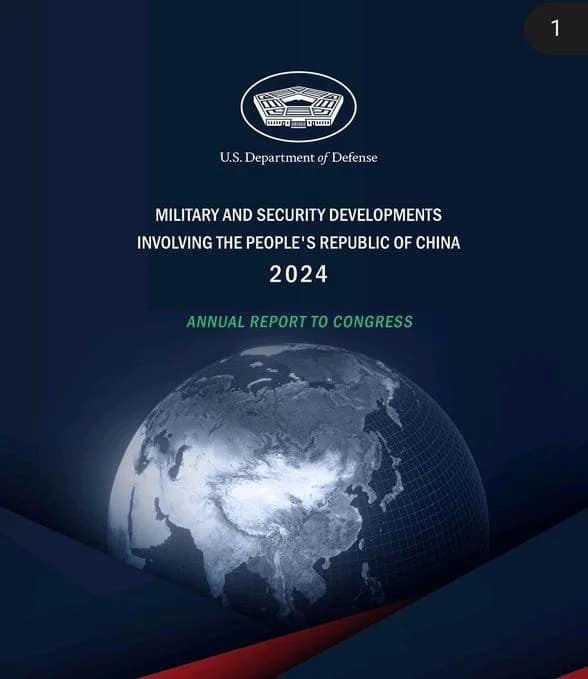
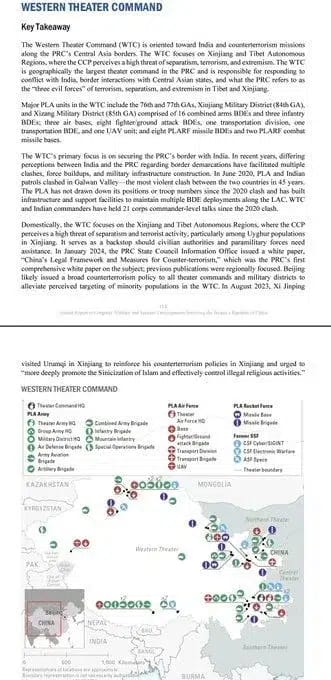
अमेरिकी रक्षा विभाग (पेंटागन) की हाल ही में जारी वार्षिक रिपोर्ट के अनुसार, चीन की पीपुल्स लिबरेशन आर्मी (PLA) अब भी LAC पर अपने बड़े सैन्य जमावड़े और बुनियादी ढांचे को बनाए हुए है। रिपोर्ट में कहा गया है कि “2020 के संघर्ष के बाद से PLA ने अपनी तैनाती या सैनिकों की संख्या में कोई कमी नहीं की है और LAC के साथ कई ब्रिगेड स्तर की तैनाती के लिए जरूरी इंफ्रास्ट्रक्चर का निर्माण किया है।”

रिपोर्ट के मुताबिक, पूर्वी लद्दाख के डेपसांग और डेमचोक में सैनिकों के पीछे हटने के बावजूद PLA ने लगभग 1.2 लाख सैनिक, टैंक, हॉवित्जर, सतह से हवा में मार करने वाली मिसाइलें और अन्य भारी हथियार LAC पर तैनात किए हुए हैं।

LAC के तीन प्रमुख सेक्टरों—पश्चिमी (लद्दाख), मध्य (उत्तराखंड और हिमाचल प्रदेश), और पूर्वी (सिक्किम और अरुणाचल प्रदेश)—में PLA के 20 से अधिक कॉम्बाइंड आर्म्स ब्रिगेड्स (CABs) मौजूद हैं। सूत्रों के अनुसार, “कुछ CABs वापस जा चुके हैं, लेकिन अधिकांश अभी भी वहीं तैनात हैं।”

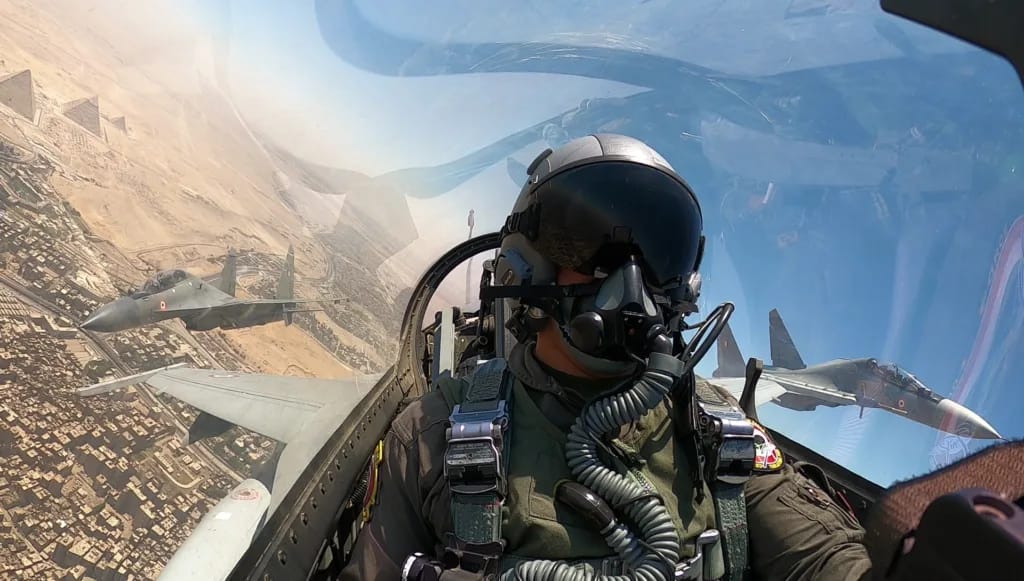
Sukhoi-30: Now Sukhoi-30 also walked on the way of LCA Tejas! Dull HAL also hung the delivery of 12 SU-30! Questions about self-reliance

sukhoi-30-hal-delays-delivery-questions-on-atmanirbhar-bharat-initiative

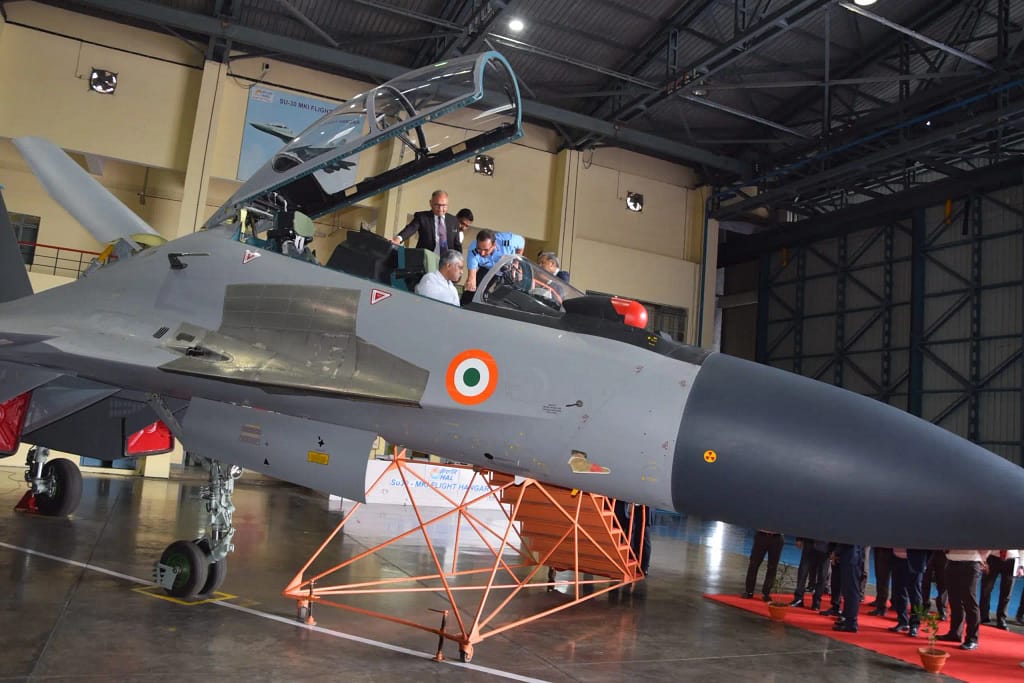
Sukhoi-30: India’s indigenous lightweight fighter jet is struggling with the shortage of the Indian Airforce fighter squadron before the delay in the delivery of the engine of Tejas. There is now a big blow to the Indian Air Force about Sukhoi-30. According to the sources, the Government Aircraft Manufacturer Company Hindustan Aeronautics Limited (HAL) will now launch the delivery of new Sukhoi-30 aircraft for Indian Air Force (IAF). The Ministry of Defence recently handed over a contract worth Rs 13,500 crore with HAL for 12 Sukhoi-30 aircraft. But the questions are now raised on the timeliness and delays of delivery.

sukhoi-30-hal-delays-delivery-questions-on-atmanirbhar-bharat-initiative

While the delays in the delivery of these aircraft have made serious questions about the efforts of the Government’s self-sufficient India scheme and indigenousization in defence production.

Sukhoi-30: Why is happening delay?

Under the Government’s self-sufficient India campaign, this contract has been "promoting defence production in the country". But in reality, HAL’s Nasik-based production centre is going to take a long time to re-active and start the production process. According to the formulas, the first dried plane will roll out in 2027, while the last plane will be prepared by 2029. "Tayari is now starting," an officer of HAL told. Most structural parts and components will be manufactured and supplied by local vendors. While some accessories will be imported from Russia. " While the AL-31FP engines will be built in the Koraput of Odisha, it will also take time. Let’s say HAL has decided to resume its happy production line based on Nasik. This is the same line where fighters such as MIG and Sukhoi were created before.

LCA Tejas: Emphasis on Accelerating Production of India’s Indigenous Fighter Jet Tejas, Parliamentary Committee directs the Ministry of Defence

Sukhoi-30 की देरी से होगी ऑपरेशनल क्षमता प्रभावित

IAF पहले ही 260 सुखोई-30 विमानों का बेड़ा संचालित करता है। जिनमें से 50 रूस से आए थे और बाकी HAL द्वारा भारत में बनाए गए थे। ये 12 अतिरिक्त विमान उन विमानों की भरपाई के लिए हैं, जो दुर्घटनाओं में खो गए। लेकिन देरी के कारण वायुसेना की ऑपरेशनल क्षमताओं पर असर पड़ सकता है।

IAF के लिए सुखोई-30 विमान का महत्व किसी से छिपा नहीं है। लेकिन 2027 तक पहले विमान की डिलीवरी और 2029 तक अंतिम विमान के तैयार होने का मतलब है कि वायुसेना को मौजूदा संसाधनों के साथ काम करना होगा।

स्वदेशीकरण पर बड़े दावे, लेकिन हकीकत क्या है?

HAL ने दावा किया है कि सुखोई-30 विमानों में 62.6 फीसदी स्वदेशी सामग्री होगी। लेकिन महत्वपूर्ण हिस्से और सामग्री अभी भी रूस से आयात किए जाएंगे। इससे पहले सितंबर 2024 में, रक्षा मंत्रालय ने HAL के साथ 26,000 करोड़ का कॉन्ट्रैक्ट साइन किया था, जिसके तहत 240 सुखोई-30 विमानों के लिए इंजन तैयार किए जाएंगे। इन इंजनों का उत्पादन उड़ीसा के कोरापुट संयंत्र में किया जाएगा। लेकिन यहां भी, कच्चे माल का आयात रूस से होगा।

IAF Pilots Training: भारतीय वायुसेना के पायलट प्रशिक्षण में खामियां; सीएजी की रिपोर्ट में खुलासा

बता दें कि HAL भारतीय वायुसेना के सुखोई बेड़े को अपग्रेड करने की योजना बना रहा है, जिसमें स्वदेशी “उत्तम रडार” और अन्य आधुनिक उपकरण लगाए जाएंगे। इस पर लगभग 65,000 करोड़ रुपये का खर्च अनुमानित है।

सरकार की योजनाओं पर सवाल

विशेषज्ञों का कहना है कि सरकार के आत्मनिर्भर भारत अभियान के तहत रक्षा उत्पादन के दावों और वास्तविकता में बड़ा अंतर है। HAL को सुखोई-30 विमानों का उत्पादन शुरू करने में चार साल का समय लग रहा है, जो कि सरकार की बातों के विपरीत है। विशेषज्ञ सवाल उठ रहे हैं कि जब भारत “मेक इन इंडिया” पर जोर दे रहा है, तो जरूरी कंपोनेंट्स और कच्चे माल के लिए अब भी रूस पर निर्भर क्यों है।

रिपोर्ट के अनुसार, अर्मेनिया जैसे देशों ने भारत से सुखोई-30 विमानों को अपग्रेड करने में मदद मांगी है। लेकिन अगर HAL को अपने उत्पादन में ही चार साल लग रहे हैं, तो भारत की अंतरराष्ट्रीय सहयोग क्षमताओं पर भी सवाल खड़े होते हैं।

विशेषज्ञों ने इस देरी को लेकर सरकार पर निशाना साधा है। उनका कहना है, “जब सरकार आत्मनिर्भर भारत की बात करती है, तो HAL जैसे संस्थानों को समय पर डिलीवरी और उत्पादन में सक्षम बनाना चाहिए। लेकिन वास्तविकता यह है कि हम अभी भी रूस और अन्य देशों पर निर्भर हैं। यह किस प्रकार की आत्मनिर्भरता है?”

उन्होंने यह भी सवाल उठाया कि IAF की जरूरतों को पूरा करने में देरी से देश की सुरक्षा पर क्या असर पड़ेगा।

क्या वायुसेना की जरूरतों को पूरा कर पाएगा HAL?

IAF के 12 नए सुखोई-30 विमानों का अनुबंध उन विमानों की भरपाई के लिए है जो हादसों का शिकार हुए हैं। लेकिन यह केवल शुरुआत है। वायुसेना को वर्तमान और भविष्य की जरूरतों को पूरा करने के लिए बड़े पैमाने पर उत्पादन की आवश्यकता है। वहीं 2027 से डिलीवरी शुरू होने से वायुसेना की ऑपरेशनल क्षमताओं पर सीधा असर पड़ेगा। वइसके अलावा पुराने सुखोई विमानों को अपग्रेड करने का काम भी अभी शुरुआती चरण में है, जिसमें कई साल लग सकते हैं।

क्या हैं विकल्प?

रक्षा विशेषज्ञों का कहना है कि भारत को HAL जैसे संस्थानों को अधिक पारदर्शिता और जवाबदेही के साथ काम करने की आवश्यकता है। निजी कंपनियों को बड़े पैमाने पर रक्षा उत्पादन में शामिल करना एक संभावित समाधान हो सकता है। साथ ही, तकनीकी हस्तांतरण और विदेशी सहयोग के माध्यम से उत्पादन क्षमता बढ़ाई जा सकती है।

India-China Talks: What is the 2005 agreement on which China is stuck? and why not accept India

What is the 2005 Agreement China Sticks To?

India-China Talks: China recently claimed that the National Security Advisor (NSA) Ajit Dobhal and Chinese Foreign Minister Wang Yi has "consent on six points" to resolve the border dispute. China cited the 2005 agreement in this negotiation, in which the border dispute was talked about separating from bilateral relations.

What is the 2005 Agreement China Sticks To?

However, the Indian Ministry of External Affairs (MEA) did not mention this claim of China. In the Indian statement, "Consent on the Six Points" was not issued.

India-China Talks: China claims and India silence

The Ministry of External Affairs of China said that the two sides have committed to continuing interaction under the political guiding principles of 2005 to find the "reasonable solution" of the border dispute.

However, Indian sources say that it is China’s strategy to repeatedly mention the 2005 agreement, as it was said to separate the border dispute from bilateral relations, which India is not accepting.

India-China talks: China’s claim ‘Agree made on six points’, but India’s Sati silence!, Know where the trapped screw

2005 Agreement: What does it say?

In 2005 there was an agreement between the special representatives of the two countries. The agreement was made to enhance the long-term partnership between India and China and resolve the border dispute peacefully.

The main points of the agreement were as follows:

  1. Limit dispute will be resolved through peaceful and friendly interaction.
  2. Limit dispute shall not be affected by bilateral relations.
  3. Both sides will respect the actual control line (LAC) up to the final solution of the border.
  4. The range will be determined based on natural geographical features, which will be determined by the agreed by both sides.
  5. Under the agreement, both sides will work to maintain peace and stability in border areas.

China’s 2005 Returning to Agreement

According to the sources, China noted the 2005 agreement as it talks about separating the border dispute from bilateral relations. China has been emphasizing this in recent years, but India has not accepted it.

India has clarified that bilateral relations cannot be normal without restoring the first position of 2020. This means that it is not possible to progress in relations until China calls back its soldiers from advance areas.

India-China Disengagement: China’s dual attitude, agreed in negotiations but the soldiers’ deposit on LAC

India-China Talks: Infringement of Agreement and Dispute

China violated this agreement several times after 2005. Indian sources associated with defence and security say that each Chinese infiltration, even if it is temporary, had a violation of this agreement.

The Chinese infiltration was observed as a violation of this Agreement in the Desang Dispute of 2013, the Doclam Hazard of 2017 and the Galvan conflict of 2020.

Commitment to maintaining peace on the border

The agreement also stated that both sides should respect and adhere to the actual control line (LAC) until the final limitation is resolved.

The agreement was the provision of implementing trust construction measures in border areas based on the agreements between the two countries between 1993 and 1996 and ensuring the clarity of LAC.

Differences on Aksai Chin and Arunachal

The agreement stated that both sides will change their stance to find the "package solution" of the border dispute. India claims on Aksai Chin, while China holds its right on the Arunachal Pradesh, especially the Twang region.

भारतीय पक्ष ने हमेशा इस बात पर जोर दिया है कि चीन को 2020 से पहले की स्थिति में वापस जाना चाहिए, जबकि चीन सीमा विवाद को द्विपक्षीय संबंधों से अलग करना चाहता है।

चीन की बुनियादी ढांचे पर आपत्ति

भारतीय रणनीति के तहत 2009 से पूर्वी लद्दाख में बुनियादी ढांचे का निर्माण तेज किया गया। यह गति मोदी सरकार के कार्यकाल में और बढ़ी। चीन इसे 2005 के समझौते का उल्लंघन मानता है।

समझौते में कहा गया कि जब तक सीमा का अंतिम समाधान नहीं हो जाता, दोनों पक्षों को LAC का सम्मान करना चाहिए और शांति बनाए रखनी चाहिए।

नए विवाद की शुरुआत?

हालिया वार्ता में चीन ने 2005 के समझौते का उल्लेख करते हुए कहा कि दोनों पक्षों को सीमा विवाद पर “उचित समाधान” खोजने के लिए आपसी समझ और समायोजन करना चाहिए।

हालांकि, भारतीय विदेश मंत्रालय के बयान में इन दावों का कोई जिक्र नहीं था, जिससे यह सवाल उठता है कि क्या दोनों देशों के बीच सहमति वास्तव में बनी है या नहीं।

भारत और चीन के बीच सीमा विवाद लंबे समय से चल रहा है। 2005 का समझौता इस विवाद को सुलझाने का एक आधार हो सकता था, लेकिन दोनों पक्षों के अलग-अलग दृष्टिकोण और दावों ने इसे और जटिल बना दिया है।

India-China talks: China’s claim ‘Agree made on six points’, but India’s slow silence! Learn where to get stuck screw

China Claims ‘Six-Point Consensus’, India Silent!

India-China talks: China has claimed that the two sides in the India-China border talks that took place in Beijing on December 18 have "consult on six points". According to China, this consensus is a big step towards the "Acceptive Solution" of the border dispute based on the guiding principles of 2005. However, the Ministry of External Affairs of India (MEA) did not mention this alleged consensus in its statement.

China Claims ‘Six-Point Consensus’, India Silent!

India-China talks: China’s statement- agreed on six points

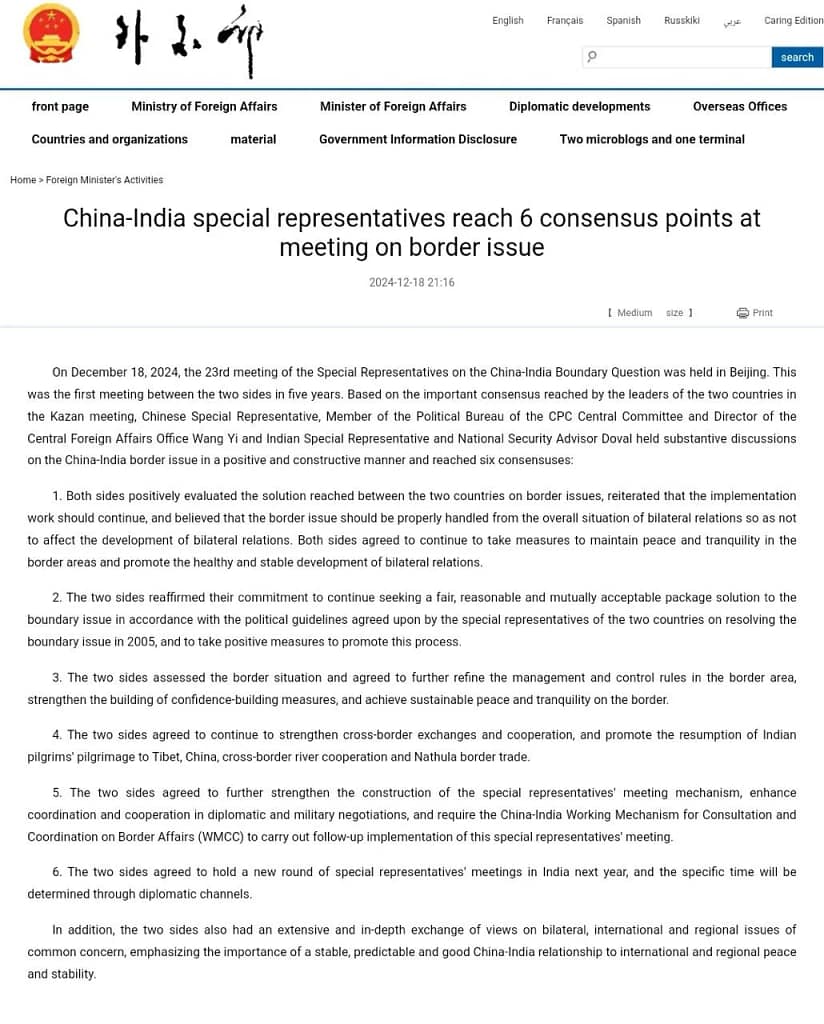
The Ministry of External Affairs of China stated that the Indian National Security Advisor (NSA) Ajit Dobal and Chinese Foreign Minister Wang Yi agreed the following six points in the 23rd Special Representative (SR) level talks:

  1. The two sides positively evaluated the progress so far on the border dispute and decided that the work will continue for the solution.
  2. Both sides are committed to working towards fair and mutually acceptable solutions under the political guiding principles of 2005.
  3. Consent on strengthening trust building measures and ensuring sustainable peace and stability over the range, further improving limit management and control regulations.
  4. Discuss cross-border cooperation and re-starting pilgrimages, enhancing cooperation on rivers and promoting trade on Nathu La Pass.
  5. Consent on strengthening the meeting mechanism of special representatives and promoting diplomatic and military coordination.
  6. The next Special Representative meeting agreed to hold in India and decide its date through diplomatic channels.

China Claims ‘Six-Point Consensus’, India Silent!

India-China talks: India’s stance intact

"Special representatives reiterated the importance of maintaining the political approach of holistic bilateral relations while looking for a fair, reasonable and mutually acceptable framework for the resolution of the border question. ""

Indian Ministry of External Affairs did not contradict China’s claim, but also clarified that Chinese statement is not a joint declaration. A formula of the ministry said that the joint statement is issued only if both sides agree on all points.

China Claims ‘Six-Point Consensus’, India Silent!

Five years after negotiation

It was the talk of the 23rd special representatives, held after a five-year interval. This meeting was held in India for the last time 2019.

India-China Disengagement: China’s dual attitude, agreed in negotiations but the soldiers’ deposit on LAC

The Chinese side in the talks of this time proposed to open the trading relationship between the two countries, ‘keep the question in a fair place in bilateral relations’. However, nothing was said in detail in the Indian statement on what the ‘appropriate location’ means.

Previous Steps and BRICS Summit Talks

On 21st October 2024, both countries agreed to separate military forces on the disputed points of the border. It followed the bilateral meeting between Prime Minister Narendra Modi and Chinese President Xi Jinping during the BRICS Summit in Kazan City of Russia.

In this meeting, both leaders agreed to resume the interaction between special representatives and generalize bilateral relations.

Doval and Chinese Vice President met

After this talk, Ajit Dobal also met China Vice President Han Zheng. The meeting also discusses the challenges of normalizing bilateral relations and future challenges.

2005 Agreement

China has mentioned the 2005 political guiding principles, but there is no clarity just about the specific points of this agreement. Experts consider it as an important reference towards India-China border dispute resolution.

Will India-China Relations Be Sure?

India and China continue to try to reduce stress in border disputes and bilateral relations. However, the difference in the statement of both parties and the silence of India on Chinese claims stands several questions. The two countries have talked about moving to the solution through negotiations, but the difference in statements and the silence of India on Chinese claims stands for many questions. Is it rest to see if this talk will prove to be a big step in solving India-China border dispute.

India-China Disengagement: China’s dual attitude, agreed in negotiations but the soldiers’ deposit on LAC

India-China Disengagement: Pentagon Report Flags PLA Troop Build-Up on LAC
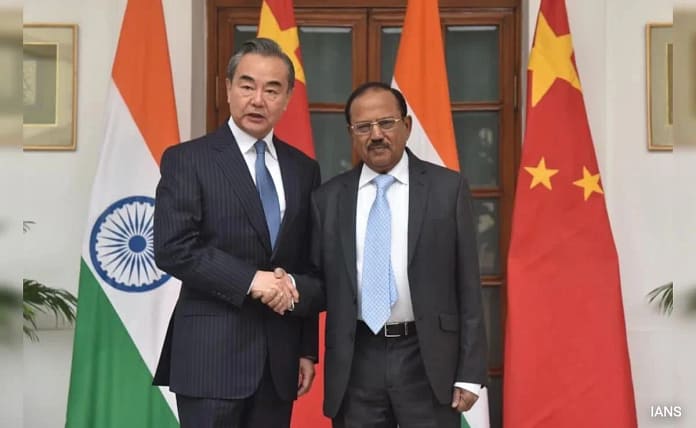
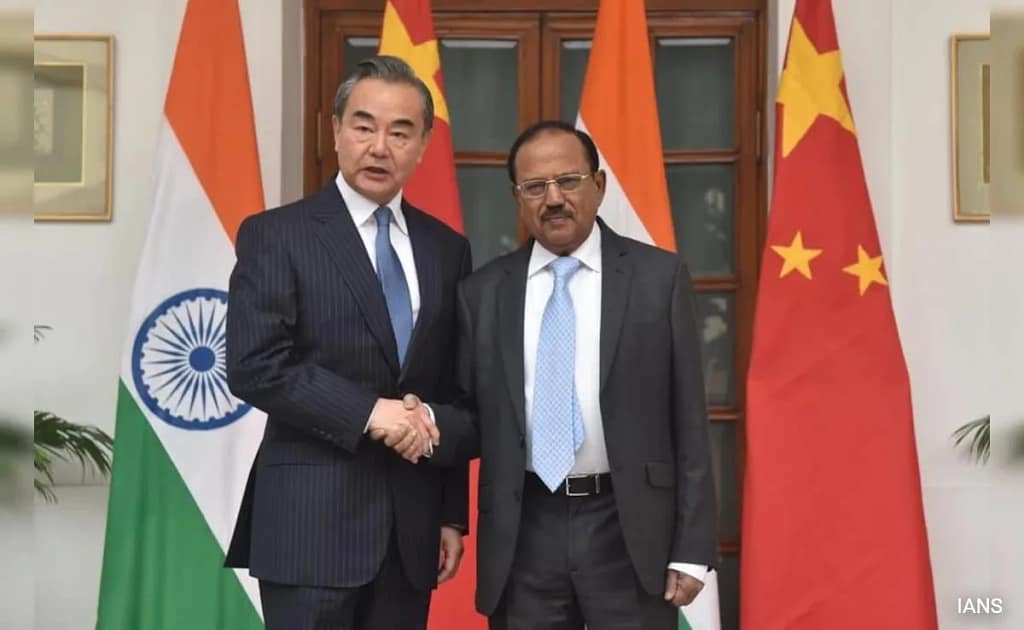
NSA Ajit Doval and Wang Yi

India-China Disengagement: एक तरफ जहां भारत औऱ चीन के बीच विशेष प्रतिनिधि वार्ता में भारत-चीन सीमा विवाद को सुलझाने को लेकर सहमति बन रही हैं, तो दूसरी तरफ चीन अभी भी वास्तविक नियंत्रण रेखा पर डटा हुआ है औऱ लगातार इंफ्रास्ट्रक्चर बढ़ा रहा है। चीन ने जून 2020 में गलवान घाटी में हुए टकराव के बाद से भारत के साथ वास्तविक नियंत्रण रेखा (LAC) पर अपनी सैन्य उपस्थिति में कोई कटौती नहीं की है। अमेरिकी रक्षा विभाग (पेंटागन) की वार्षिक रिपोर्ट के अनुसार, चीन की पीपुल्स लिबरेशन आर्मी (PLA) अब भी LAC पर अपने बड़े सैन्य जमावड़े और बुनियादी ढांचे को बनाए हुए है।

India-China Disengagement: Pentagon Report Flags PLA Troop Build-Up on LAC
NSA Ajit Doval and Wang Yi

बुधवार को बीजिंग में भारत और चीन के विशेष प्रतिनिधियों ने सीमा विवाद सुलझाने और सीमा क्षेत्रों में शांति बनाए रखने पर सहमति व्यक्त की है। जहां भारत की ओर से राष्ट्रीय सुरक्षा सलाहकार (एनएसए) अजीत डोभाल और चीन के विदेश मंत्री वांग यी ने भाग लिया। यह 2003 के बाद 23वीं विशेष प्रतिनिधि स्तर की बैठक थी और दिसंबर 2019 के बाद पहली बैठक थी। इस दौरान दोनों पक्षों ने द्विपक्षीय संबंधों को बेहतर बनाने और सीमा विवाद के लिए उचित और स्वीकार्य समाधान खोजने पर जोर दिया।

China in Doklam: Will Maldives return from Bhutan? Why are 1,20,000 Chinese soldiers deployed from Ladakh to Arunachal?

बैठक में यह सहमति बनी कि भारत-चीन संबंध स्थिर और मैत्रीपूर्ण बनाए रखने की आवश्यकता है। बैठक में दोनों पक्षों ने सीमा पर शांति बनाए रखने के उपायों पर चर्चा की। कैलाश मानसरोवर यात्रा, सीमा पार नदियों का डाटा साझा करने और सीमा व्यापार जैसे मुद्दों पर भी बातचीत हुई। अजीत डोभाल ने वांग यी को अगली बैठक के लिए भारत आने का निमंत्रण दिया।


India-China Disengagement: Pentagon Report Flags PLA Troop Build-Up on LAC
Pentagan Report

India-China Disengagement: LAC पर चीन की रणनीतिक तैयारी

वहीं, पेंटागन की तरफ से जारी रिपोर्ट में कहा गया है कि “2020 के संघर्ष के बाद से PLA ने अपनी तैनाती या सैनिकों की संख्या में कोई कमी नहीं की है और LAC के साथ कई ब्रिगेड स्तर की तैनाती के लिए जरूरी इंफ्रास्ट्रक्चर का निर्माण किया है।”

रिपोर्ट के मुताबिक, पूर्वी लद्दाख के डेपसांग और डेमचोक में सैनिकों के पीछे हटने के बावजूद PLA ने लगभग 1.2 लाख सैनिक, टैंक, हॉवित्जर, सतह से हवा में मार करने वाली मिसाइलें और अन्य भारी हथियार LAC पर तैनात किए हुए हैं।

LAC के तीन प्रमुख सेक्टरों—पश्चिमी (लद्दाख), मध्य (उत्तराखंड और हिमाचल प्रदेश), और पूर्वी (सिक्किम और अरुणाचल प्रदेश)—में PLA के 20 से अधिक कॉम्बाइंड आर्म्स ब्रिगेड्स (CABs) मौजूद हैं। सूत्रों के अनुसार, “कुछ CABs वापस जा चुके हैं, लेकिन अधिकांश अभी भी वहीं तैनात हैं।”

India-China Disengagement: Pentagon Report Flags PLA Troop Build-Up on LAC

India-China Disengagement: भारत-चीन सीमा पर तनाव जारी

पेंटागन की रिपोर्ट में कहा गया है कि चीन के वेस्टर्न थिएटर कमांड का प्राथमिक फोकस भारत के साथ सीमा को सुरक्षित करने पर है। “भारत और चीन के बीच सीमा रेखा को लेकर अलग-अलग धारणा ने कई टकराव, बल निर्माण और सैन्य ढांचे के निर्माण को बढ़ावा दिया है,” रिपोर्ट में उल्लेख किया गया।

चीन की वैश्विक सैन्य शक्ति में वृद्धि

हालांकि रिपोर्ट में भारत-चीन सीमा पर केवल संक्षेप में चर्चा की गई है, लेकिन यह चीन की समग्र सैन्य क्षमताओं पर विस्तार से प्रकाश डालती है।

  • चीन ने वैश्विक सैन्य शक्ति प्रदर्शित करने के लिए अपनी क्षमताओं को तेजी से बढ़ाया है, भले ही उसकी अर्थव्यवस्था में गिरावट और भ्रष्टाचार घोटालों का सामना करना पड़ा हो।
  • PLA ने “सैन्य दबाव और प्रलोभन” के जरिए अपने लक्ष्य हासिल करने की बढ़ती इच्छा दिखाई है और वैश्विक भूमिका पर जोर दिया है।

परमाणु क्षमताओं में तेजी से विस्तार

चीन ने अपने परमाणु बल को भी तेजी से आधुनिक और विस्तृत किया है।

  • वर्तमान में चीन के पास 600 से अधिक ऑपरेशनल परमाणु हथियार हैं, और 2035 तक यह संख्या 1,000 से अधिक हो जाएगी।
  • चीन प्रिसिजन स्ट्राइक मिसाइलों से लेकर अंतरमहाद्वीपीय बैलिस्टिक मिसाइलों (ICBM) तक के विकल्प विकसित कर रहा है।

स्पेस और साइबर वॉरफेयर में चीन की बढ़त

रिपोर्ट में कहा गया है कि चीन ऐसी क्षमताओं का विकास कर रहा है, जिससे वह अन्य देशों की अंतरिक्ष तक पहुंच और वहां संचालन को रोक सके। इसमें एंटी-सैटेलाइट मिसाइलें, इलेक्ट्रॉनिक वॉरफेयर और लेजर जैसे डायरेक्टेड एनर्जी सिस्टम शामिल हैं।

  • PLA ने सभी युद्धक्षेत्रों में अपनी क्षमताओं को आधुनिक बनाने और दक्षता बढ़ाने के लिए महत्वपूर्ण कदम उठाए हैं।
  • चीन ने एंटी-सैटेलाइट मिसाइलें, सह-कक्षीय उपग्रह, इलेक्ट्रॉनिक युद्ध, और लेजर जैसी तकनीकों पर काम किया है।
  • PLA ने भूमि, वायु, समुद्र, परमाणु, अंतरिक्ष, इलेक्ट्रॉनिक युद्ध और साइबर संचालन के सभी डोमेन में अपनी क्षमताओं को आधुनिक बनाने पर जोर दिया है।

चीन की नौसेना: सबसे बड़ी ताकत

रिपोर्ट के अनुसार, चीन के पास पहले से ही दुनिया की सबसे बड़ी नौसेना है, जिसमें 370 से अधिक युद्धपोत और पनडुब्बियां शामिल हैं। इनमें से 140 से अधिक प्रमुख सतह युद्धपोत हैं।

भारत के लिए चुनौती और तैयारी की जरूरत

पेंटागन की रिपोर्ट और क्षेत्रीय विशेषज्ञों के अनुसार, चीन की सैन्य गतिविधियां भारत के लिए एक गंभीर सुरक्षा चुनौती हैं। गलवान संघर्ष के बाद से LAC पर चीन का जमावड़ा, भारी हथियारों की तैनाती, और सीमावर्ती क्षेत्रों में बुनियादी ढांचे का निर्माण भारत की क्षेत्रीय सुरक्षा के लिए खतरनाक संकेत हैं।

क्षेत्रीय सुरक्षा विशेषज्ञों का मानना है कि भारत को अपनी सैन्य तैयारी और निगरानी तंत्र को और मजबूत करना होगा। चीन की बढ़ती सैन्य ताकत और LAC पर जारी तनाव भारत के लिए भविष्य में रणनीतिक और कूटनीतिक चुनौतियां पैदा कर सकते हैं।

IAF Pilots Training: flaws in the pilot training program of Indian Air Force; revealing CAG report

IAF Pilots Training: CAG Flags Deficiencies in Indian Air Force Pilot Training

IAF Pilots Training: The Indian Controller and Auditor General (CAG) has highlighted severe imperfections in pilot training of Indian Air Force (IAF) in its latest report laid before Parliament. In the Performance Audit conducted during 2016-2021, it appeared that the problems of old equipment and basic trainer aircraft are creating difficulties in the training program of the air force.

IAF Pilots Training: CAG Flags Deficiencies in Indian Air Force Pilot Training

IAF Pilots Training: Technical flaws in Basic Trainer Aircrafts

The report has been used in the ‘Stage-1’ training of Air Force Pilatus PC-7 Mk-II The plane flaws have been reported B. As per report

  • Between 16 (25%) in 2013 to 2021 out of 64 planes 38 Bar Engine Oil Leak The events were recorded.
  • This issue is raised by the Air Force with the aircraft manufacturer company. By August 2023 this case is under the scope of investigation.

IAF Pilots Training: Modern Training Reduction

The CAG report also questioned the use of old technology and equipment in ‘Stage-2’ and ‘Stage-3’ pilot training.

  • Helicopter Pilot: Helicopter Pilots Mi-17 V5 As training on old helicopters is being given. There is a shortage of latest avionics, due to which the operational units need additional training.
  • Transport Pilot: Transport Pilots Dornier-228 Like being trained on old aircraft. These aircraft are not equipped with modern cockpits.

Commendations in Simulator Based Training

CAG also questioned the usefulness of the virtual reality (VR) simulator and flying training device (FTD).

  • ये सिमुलेटर केवल प्रोसिजरल ट्रेनिंग देते हैं और रियल टाइम फ्लाइट एक्सपीरियंस का अहसास नहीं कराते।

पायलटों की भारी कमी

रिपोर्ट में वायुसेना में पायलटों की कमी को भी एक बड़ी समस्या बताया गया।

  • 2015 में वायुसेना ने 486 पायलटों की कमी का अनुमान लगाया था।
  • 2016-2021 के बीच हर साल 222 प्रशिक्षु पायलटों की योजना थी, लेकिन वास्तविक भर्ती इससे कम रही।
  • 2021 तक यह कमी बढ़कर 596 पायलटों तक पहुंच गई।

आधुनिकीकरण योजनाओं में देरी का प्रभाव

रिपोर्ट में वायुसेना की आधुनिकीकरण योजनाओं में देरी को भी एक प्रमुख कारण बताया गया।

  • आधुनिक प्रशिक्षण उपकरणों और विमानों की कमी के कारण पायलटों को प्रशिक्षण में अतिरिक्त समय और प्रयास की जरूरत होती है।

ट्रेनिंग में सुधार की जरूरत

CAG ने अपनी रिपोर्ट में वायुसेना को प्रशिक्षण कार्यक्रमों और उपकरणों के आधुनिकीकरण की सिफारिश की है। रिपोर्ट में कहा गया कि उन्नत तकनीक और आधुनिक प्रशिक्षण मॉडल अपनाने से पायलटों की दक्षता और सुरक्षा सुनिश्चित की जा सकती है।

रक्षा विशेषज्ञों का मानना है कि इस रिपोर्ट से वायुसेना को अपने प्रशिक्षण कार्यक्रमों में सुधार के लिए ठोस कदम उठाने की जरूरत है। इससे न केवल वर्तमान चुनौतियों का समाधान होगा, बल्कि वायुसेना भविष्य की जरूरतों के लिए भी तैयार होगी।

Indian Army AI Incubation Centre: The AI Incubation Centre of Indian Army launched at Bengaluru; the new beginning of the technical revolution in the defence sector

indian-army-ai-incubation-centre-bengaluru-tech-revolution-defence-sector

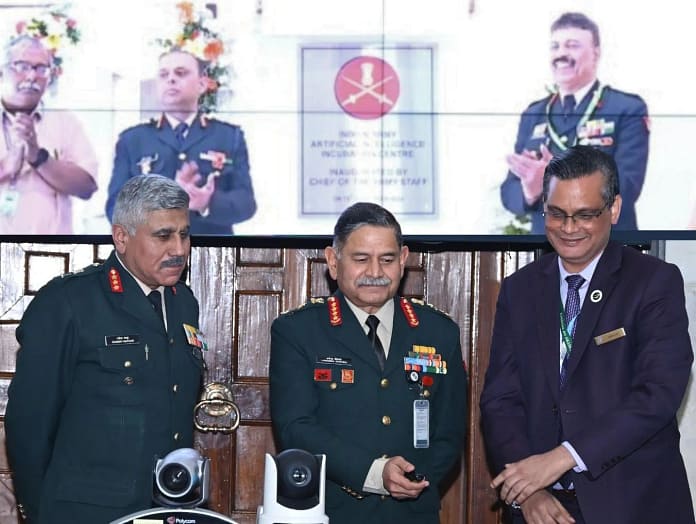
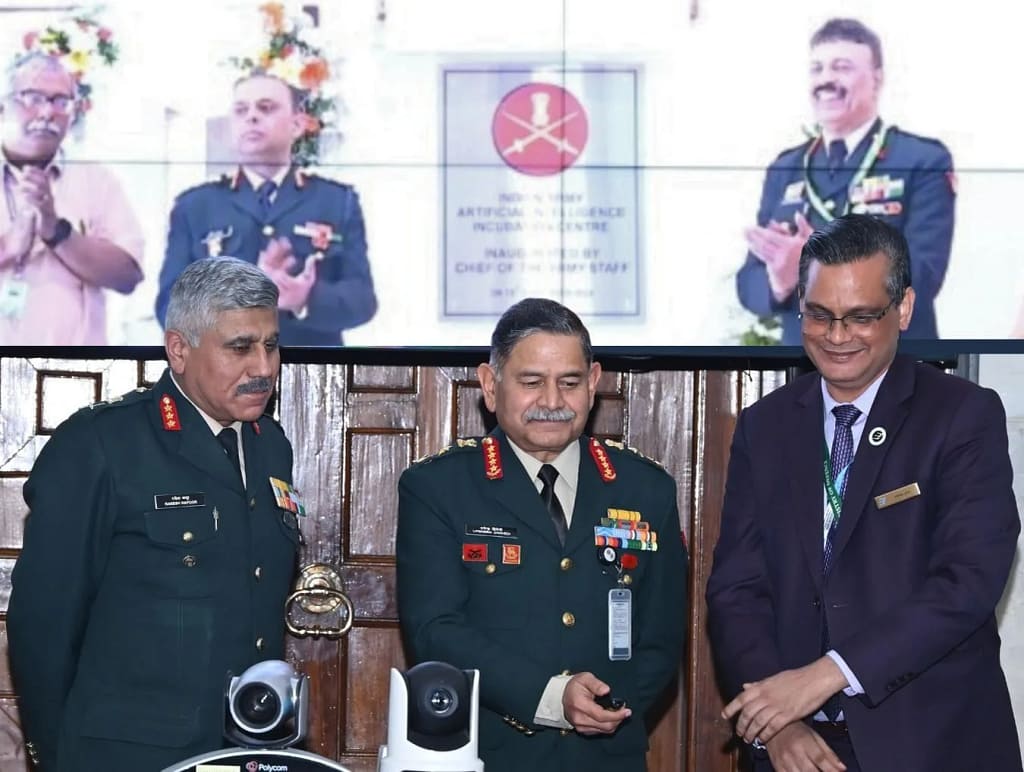
Indian Army AI Incubation Centre: Indian Army has inaugurated the Indian Army AI Incubation Centre (IAAIIC) in Bengaluru. This step is an important milestone towards the technical advancement of the army and the adoption of Artificial Intelligence (AI). Chief of the Army Staff (COAS), General Upendra Dwivedi made this centre a virtual opening that reflects the commitment of adopting new Indian Army techniques and equipping their personnel with AI.

indian-army-ai-incubation-centre-bengaluru-tech-revolution-defence-sector

The Incubation Centre is associated with the vision of the technical progress of the Army, which is aimed at enhancing operational abilities, preparing an AI-ready force, and preparing itself for modern security challenges. The Centre will develop data-based solutions for the Indian Army, thereby improving the decision-making process, operational efficiency, and AI-based war preparation. The Centre is being established in collaboration with Bharat Electronics Limited (BEL), which will provide its infrastructure and IT support.

Indian Army AI Incubation Centre: Steps towards Technical Advancement

IAAIIC is inaugurated with the vision of technical development of the Indian Army. It is aimed at enhancing operational capacity, building AI-ready army and being prepared for modern security challenges. This centre will develop data-based solutions, thereby improving the decision-making process, operational efficiency, and preparation for AI-based wars.

UPDIC: Uttar Pradesh Defence Corridor’s Hub, Found Rs 12,800 crore Investment Offer

Cooperation of Indian Army and India Electronics Limited

यह सेंटर भारत इलेक्ट्रॉनिक्स लिमिटेड (BEL) के सहयोग से स्थापित किया गया है। BEL इस सेंटर को आईटी सपोर्ट और बुनियादी ढांचा प्रदान करेगा। वहीं, इस सेंटर को भारतीय सेना के कर्मियों द्वारा संचालित किया जाएगा।

IAAIIC अकादमिक संस्थानों, स्टार्टअप्स, उद्योग जगत के नेताओं और डोमेन विशेषज्ञों के लिए एक मंच के रूप में काम करेगा, जहां सेना की आवश्यकताओं के अनुरूप स्वदेशी एआई समाधान विकसित किए जाएंगे।

यह सेंटर कई महत्वपूर्ण क्षेत्रों जैसे प्रेडिक्टिव मेंटेनेंस, उन्नत निगरानी, निर्णय समर्थन प्रणाली और स्वायत्त प्लेटफॉर्म में एआई के अनुप्रयोगों का पता लगाएगा। सेंटर में सीडैक (C-DAC) का 1-पेटाफ्लॉप सुपरकंप्यूटर मौजूद होगा, जो एआई मॉडलिंग और प्रशिक्षण के लिए पूरी तरह से सक्षम है।

साथ ही, यह सेंटर स्थानीय प्रतिभा को निखारने और विदेशी तकनीकों पर निर्भरता कम करने की दिशा में काम करेगा। IAAIIC भारत के रक्षा प्रौद्योगिकी में आत्मनिर्भरता को मजबूत करेगा और सेना के लिए एआई विशेषज्ञों की एक नई पीढ़ी तैयार करेगा।

IAAIIC का उद्देश्य भारतीय सेना को बहु-डोमेन युद्ध के लिए तैयार करना है, जिससे इसे रक्षा तकनीक के क्षेत्र में अग्रणी बनाया जा सके।

AI और सेना का भविष्य

भारतीय सेना ने “डिकेड ऑफ ट्रांसफॉर्मेशन” (परिवर्तन का दशक) के तहत उन्नत तकनीकों को अपनाने की दिशा में कई कदम उठाए हैं। IAAIIC इस यात्रा का एक महत्वपूर्ण हिस्सा है, जो न केवल सेना की सुरक्षा को मजबूत करेगा, बल्कि इसे अत्याधुनिक तकनीकी क्षमताओं के साथ सशक्त बनाएगा।

कृत्रिम बुद्धिमत्ता के इस युग में, भारतीय सेना का यह कदम यह दर्शाता है कि वह न केवल आधुनिक सुरक्षा चुनौतियों से निपटने के लिए तैयार है, बल्कि रक्षा क्षेत्र में नवाचार को बढ़ावा देने में भी अग्रणी भूमिका निभा रही है। यह केंद्र भारत के आत्मनिर्भर रक्षा उत्पादन की दिशा में एक बड़ी छलांग है, जो राष्ट्रीय सुरक्षा को मजबूत करने के साथ-साथ वैश्विक स्तर पर देश की रक्षा क्षमताओं को भी प्रदर्शित करेगा।

आत्मनिर्भर भारत की ओर एक कदम

यह केंद्र राष्ट्रीय प्राथमिकताओं के साथ तालमेल बैठाते हुए आत्मनिर्भर भारत के विचार को प्रोत्साहित करता है। IAAIIC के माध्यम से, भारत की रक्षा क्षमताओं को नई ऊंचाइयों पर ले जाने और सैन्य एआई अनुप्रयोगों में नवाचार और उत्कृष्टता के नए मानदंड स्थापित करने का लक्ष्य है।