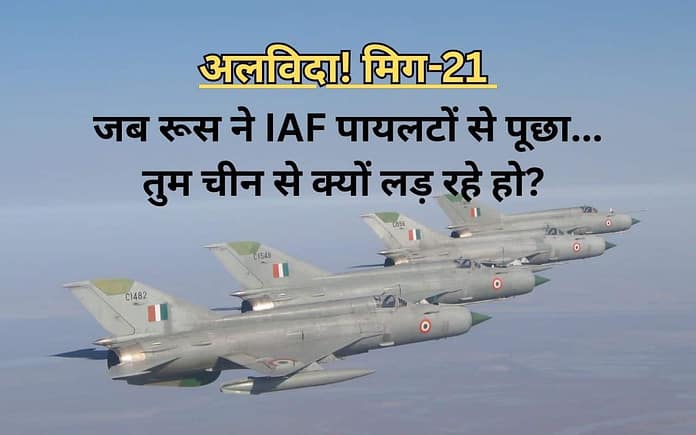
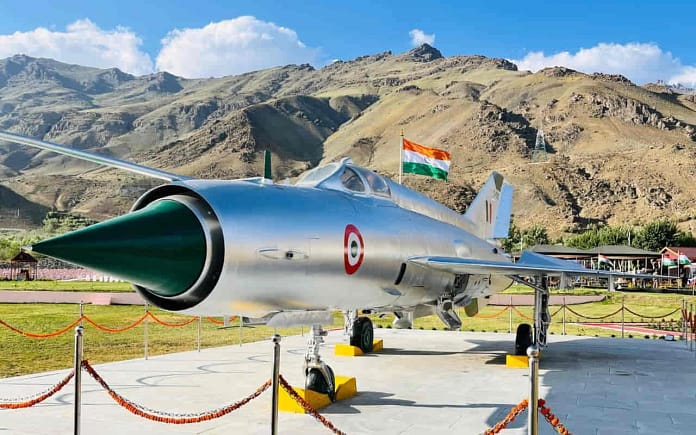
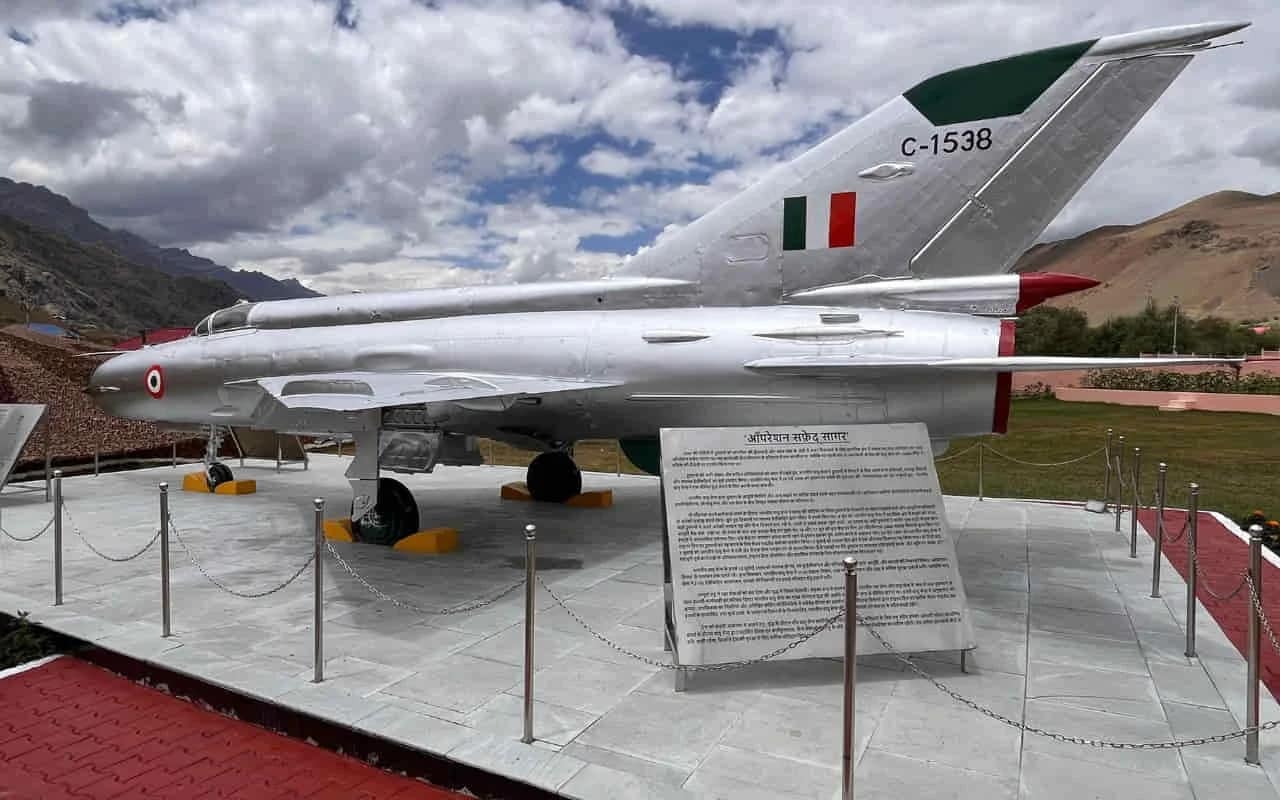
MiG-21 Variants History: The history of the Indian Air Force is full of many fighter jets that waved the strength of India in the sky for decades. But when this glorious journey is discussed, the name of Mig-21 comes first. The jet remained the backbone of the Indian Air Force for about six decades.
In 1963, when the first Mig-21 came to India, one would hardly think that this aircraft will continue to be the most important part of the country’s air security for several decades to come. From the war of 1965 to the 1971 Bangladesh Emancipation Sangram, 1999 Cargil War and the Balakot Airstrike of 2019, MiG-21 Repeatedly proved its strength.
Now that this aircraft is going to become a history in 2025, let's know in detail. Travel to all variants of Mig-21 in India.
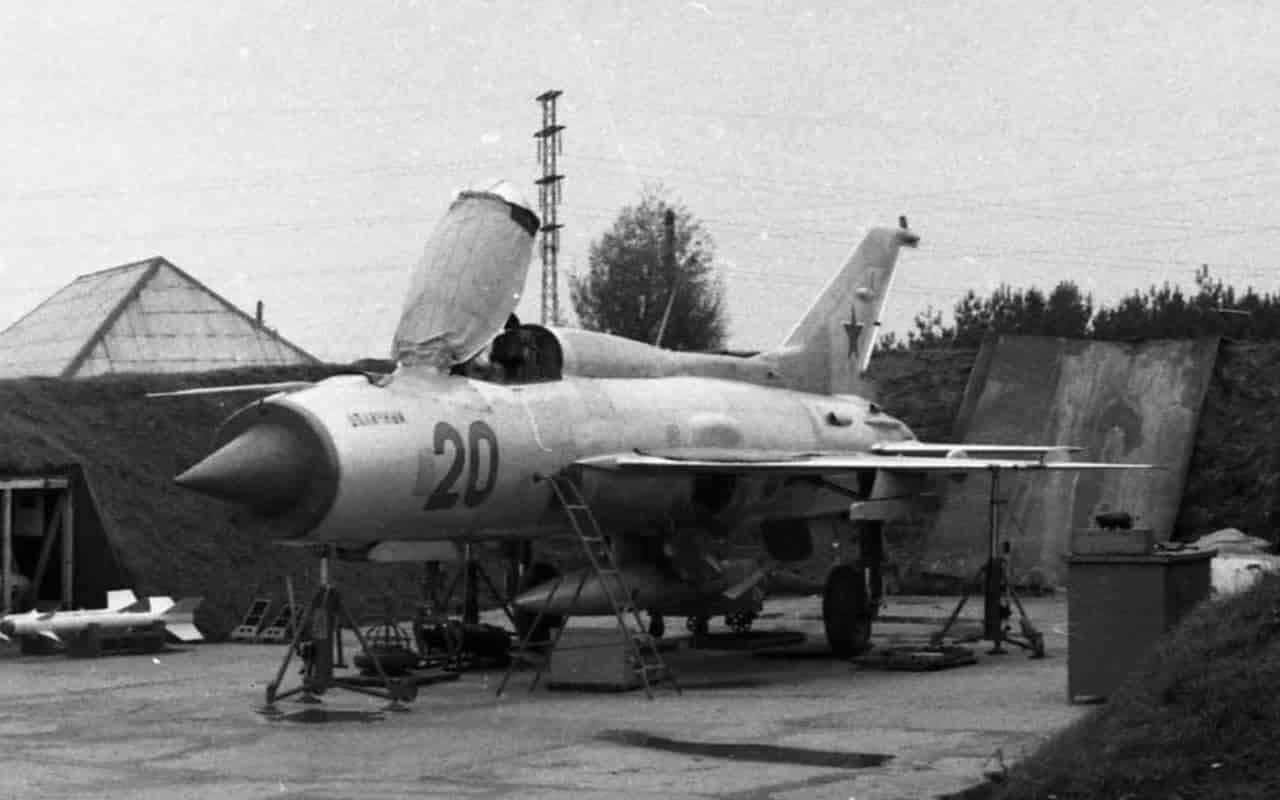
MiG-21 Variants History: MiG-21PF (Type 76): India’s First Interceptor
In the 1960s, Indian Air Force got Mig-21PF, also known as Type 76. It was basically an interceptor plane, whose work was to stop and fall the enemy planes. It was imposed R1L AI radar and tail shute. In this ‘PF’ means "Perekhvatchik Forsirovanny" in Russian, i.e. "Intercepter with boosted engine". In it the Tumansky R-11F-300 turbojet engine, which gave 5,740 kg throst (with Afterburner). Its maximum speed was Mac 2.05 (2,230 km/hour). It took NR-30 Canon, air-to-air missiles of 30MM, such as K-13 (AA-2 Atoll) and air-to-ground weapons. India had imported these aircraft directly from the Soviet Union.
MiG-21: MiG-21’s entry in the Air Force took place in 1963. But the pilots’ training began in the Soviet Union in 1962. Early training of pilots remained extremely challenging. Russian language, metric dial and trainer jets were blown away the lash of pilots... https://t.co/OwjbAV5ayZMiG21…
— Raksha Samachar | 🇮🇳 (@RakshaSamachar) September 14, 2019
28 Squadron of Indian Air Force started this variant. Later these were included in Type 77 Squadrons by upgrading. It was a round when India was entering the supersonic jet era and Mig-21PF started this journey.
MiG-21 Variants History: Mig-21R: "Fiter Reiki"
Mig-21R was known as "Fiter Recci" (Fighter Reconnaissance). This is a variant that played its key role in Tohi Missions. The meaning of ‘R’ was "Razvedchik" in the Russian language.
Mig-21R was designed specifically for airborne missions. This aircraft was based on MiG-21PF and PFM models, but added advanced cameras, signal intelligence (SIGINT) sensors, and external resonance pods. It was not only a specialist in taking toh, but also could play a fighter role when needed.
It applied the Tumansky R-11F2S-300 turbojet, which gave 6,175 kg throst. At the same time, its maximum speed was Mac 2.05 (2,230 km/hour). In the India-Pakistan War of 1971, it contributed to the monitoring of border areas and raising intelligence information. Panoramic and Oblique cameras engaged in its external pods had raised intelligence information during the war.
Mig-21FL (Type 77): India’s Workhorse
MiG-21FL i.e. Type 77 was the first variant of Indian Air Force, which was built by Hindustan Aeronautics Limited in India. It was imposed R11F-300 engine and RP-21 radar. FL meant "Forsazh" (afterburner) and "Lokator" (Radar) i.e. "Boosted Light" variants. In it the Tumansky R-11F2S-300 turbojet engine, which gave 6,175 kg of thrust (with Afterburner). Its top speed was Mac 2.05 (2,230 km/hour).

197 jets were created by 38 and HAL from Russia between 1966 to 1973. It was the first variant, which proved its strength, not just interception, but also in ground attack missions.
Mig-21FL attacked Pakistan’s airbase and runway in the 1971 war, giving it the name "Ranway Busters". It also killed Pakistani F-86, F-104 Starfighter and F-6.
Mig-21M (Type 96): Multirollfighter
MiG-21 M i.e. type 96 was called multiroll aircraft. Because it could work not only at height but on low and mid-altitude. ‘M’ means "Modernizirovanny" in Russian, i.e. "Modernizirovanny". This aircraft was the backbone of the Indian Air Force and Hindustan Aeronautics Limited had indigenously built it.

It took RP-21M radar, GSh-23L Canon and R-3S infrared seker missiles. Also it was equipped with advanced navigation systems, radio communications, and IFF (Identification Friend or Foe) systems.
Mig-21M played a significant role in the India-Pakistan war of 1971. It challenged Pakistani planes in the air war and attacked ground bases. Mig-21M has devastated many airbases and runways of Pakistan.
Mig-21Bis (Type 75): The Most Powerful variants
MiG-21 Bis, i.e. type 75, was considered the most advanced and modern variant of Mig-21. ‘Bis’ was called "second" or "modified" in Russian, which revealed it was a fighter jet with advanced features. It had a RP-22 Sapfir-21 radar, capable of tracking air and ground goals, and was more powerful than Mig-21M.

It had R25-300 turbojet engine, which gave 7,100 kg thrust (with Afterburner). That gives it tremendous strength in dogfight. It also had R-60M missiles, which could withstand the Western Fighters of the fourth generation. It was built extensively in India and was the main workhorse of Indian Air Force from 1970 to 1990s. Mig-21Bis played a significant role in the Cargill War of 1999, and carried out precise attacks on ground bases. Its agile and fast pace made it agile for high altitude areas. Mig-21Bis was also used in pilot training and tactical operations. The same variant was scrambled first in every emergency situation.
Mig-21 Bison: Upgraded Warrior
India in 1996 125 MiG-21 decided to upgrade Bis. 123 of these were upgraded from 2001 to 2008 at Hindustan Aeronautics Limited Nasik Factory and got a new name – Mig-21 Bison. Under this upgrade, airframe was given a new life. New canopy, multifunction display, head-up display, autopilot, GPS, essential navigation system and phazotron kopyo radar mounted. The phazotron copio was multi-mode radar, which could track air and ground targets up to 57 km. It could also combat the fourth generation aircraft.
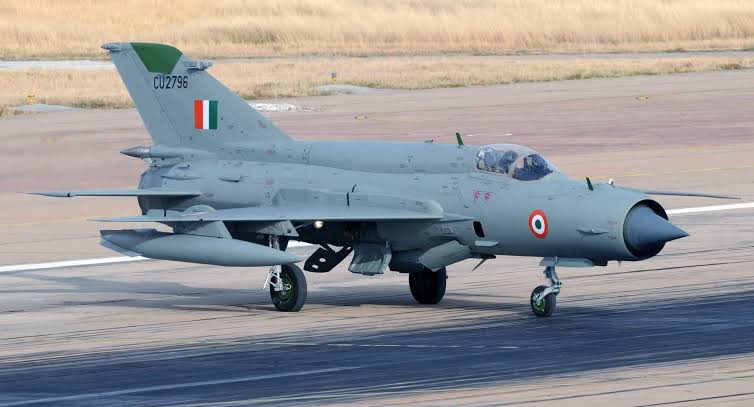
This radar could simultaneously track eight targets and engage two. Also included air-to-air missiles like R-27, R-77 and R-73 and KAB-500Kr laser-guide bombs. It has features such as multi-function display and head-up display, advanced navigation system, such as GPS and INS, electronic countermeasure and radar warping receiver, IFF system and data link.
The Wing Commander Abhinandan Vardhaman, in the air battle followed by the Balakot Airstrike of 2019, had a history dying from this Mig-21 Bison to the modern F-16 of Pakistan.