Home Blog Page 25

Lifeline of people who have become a FM radio station in villages adjacent to LAC and LoC, all information from the season to employment

FM Radio Stations
FM Radio Stations

Indian Army FM Radio Stations: In the remote hilly areas of India, adjacent to China and Pakistan border, it is now not only the army chowk but also the sound of the radio. Ongoing FM radio stations with the help of Indian Army in the border villages of Ladakh, Arunachal Pradesh, Sikkim, Himachal Pradesh and Uttarakhand are now becoming a major resort to information, weather, cultivation, health and employment for locals. The motive of these stations is not just to entertain, but also to connect people living in border areas to the mainstream of the country and respond to rumors.

Indian Army Operation Harmony These FM stations launched under the project and central government’s Vibrant Willage Program are now becoming a new identity of the villages settled near the LAC i.e. Line of Actual Control. Where the mobile network is weak, the Internet remains as closed for several times days and the road contact is broken due to the weather, there has become the most trusted means of delivering the necessary information to the radio station people.

The three FM stations have been launched in Himachal Pradesh in the past three and a half years, according to the sources. These stations broadcast for about 12 to 14 hours every day. The programmes are prepared in local languages and dialects so that people in the village can easily understand them.

Indian Army FM Radio Stations: Why are required in the border villages

भारत-चीन सीमा से लगे हिमाचल और उत्तराखंड के कई गांव आज भी नेटवर्क और संचार सुविधाओं की कमी से जूझ रहे हैं। कई जगहों पर मोबाइल सिग्नल नहीं आता, इंटरनेट बेहद धीमा रहता है और खराब मौसम में पूरा इलाका बाहरी दुनिया से कट जाता है।

ऐसे हालात में रेडियो अभी भी सबसे असरदार माध्यम माना जाता है। सेना और प्रशासन ने महसूस किया कि अगर स्थानीय लोगों तक समय पर सही जानकारी पहुंचानी है तो लोकल एफएम नेटवर्क सबसे अच्छा विकल्प हो सकता है।

इसी सोच के तहत सेना ने सीमावर्ती गांवों में ऐसे रेडियो स्टेशन शुरू किए, जो सिर्फ समाचार नहीं सुनाते, बल्कि गांवों की अपनी आवाज बनकर उभरे हैं। यहां खेती-किसानी से लेकर बर्फबारी, सड़क बंद होने, लैंडस्लाइड, स्वास्थ्य सेवाओं, सरकारी योजनाओं और सेना भर्ती तक की जानकारी दी जाती है।

इन स्टेशनों का एक बड़ा मकसद गलत सूचनाओं और अफवाहों को रोकना भी है। सीमावर्ती इलाकों में कई बार सोशल मीडिया या बाहरी स्रोतों से फैली गलत खबरें लोगों में भ्रम पैदा करती हैं। ऐसे में लोकल रेडियो स्टेशन भरोसेमंद जानकारी का माध्यम बन रहे हैं।

ऑपरेशन सद्भावना और वाइब्रेंट विलेजे प्रोग्राम का हिस्सा

इन एफएम स्टेशनों को भारतीय सेना के “ऑपरेशन सद्भावना” के तहत चलाया जा रहा है। सेना लंबे समय से सीमावर्ती इलाकों में स्थानीय लोगों के साथ बेहतर संबंध बनाने के लिए शिक्षा, स्वास्थ्य, खेल और सामुदायिक विकास से जुड़े प्रोजेक्ट चलाती रही है।

केंद्र सरकार का “वाइब्रेंट विलेज प्रोग्राम” भी इसी दिशा में काम कर रहा है। इसका उद्देश्य चीन सीमा के पास बसे गांवों को खाली होने से रोकना और वहां बुनियादी सुविधाओं को मजबूत करना है।

सरकार और सेना का मानना है कि अगर सीमावर्ती गांव मजबूत और आबाद रहेंगे तो राष्ट्रीय सुरक्षा भी मजबूत होगी। एफएम स्टेशन इसी रणनीति का हिस्सा माने जा रहे हैं।

हिमाचल प्रदेश में कहां चल रहे हैं एफएम स्टेशन

हिमाचल प्रदेश में फिलहाल दो बड़े एफएम स्टेशन चल रहे हैं। दोनों स्टेशन ऐसे इलाकों में हैं जो चीन सीमा के बेहद करीब माने जाते हैं।

पहला स्टेशन “वॉयस ऑफ किन्नौर” है, जो 88.4 एफएम फ्रीक्वेंसी पर चलता है। यह किन्नौर जिले के पूह इलाके में स्थापित किया गया है। यह इलाका हिंदुस्तान-तिब्बत रोड के पास स्थित है और सामरिक रूप से बेहद महत्वपूर्ण माना जाता है।

इस स्टेशन से किन्नौरी बोली में कार्यक्रम प्रसारित किए जाते हैं। यहां के कार्यक्रमों का मुख्य फोकस सेब और ड्राई फ्रूट की खेती पर रहता है। किसानों को मंडियों में फलों के ताजा दाम, नई ग्राफ्टिंग तकनीक, कीट नियंत्रण और मौसम की जानकारी दी जाती है।

किन्नौर में अक्सर भारी बर्फबारी और लैंडस्लाइड के कारण सड़कें बंद हो जाती हैं। ऐसे समय में यह स्टेशन लोगों को सड़क की स्थिति और मौसम से जुड़े अलर्ट भी देता है।

दूसरा स्टेशन “वॉयस ऑफ स्पीति” है, जो 88.8 एफएम पर चलता है। यह लाहौल-स्पीति जिले के ग्यू गांव में स्थापित किया गया है। यह इलाका बेहद ऊंचाई पर स्थित है और सर्दियों में कई महीनों तक कट जाता है।

यह स्टेशन स्थानीय बोली में कार्यक्रम प्रसारित करता है। यहां खेती, मौसम और स्वास्थ्य से जुड़े कार्यक्रमों के अलावा लोक संस्कृति पर भी विशेष ध्यान दिया जाता है। गांव के बुजुर्गों की मौखिक कहानियां और लोक गीत भी प्रसारित किए जाते हैं।

उत्तराखंड में तीन बड़े स्टेशन ऑपरेशनल

uttarakhand में फिलहाल तीन एफएम स्टेशन काम कर रहे हैं। इनका दायरा बद्रीनाथ, गंगोत्री, हेमकुंड साहिब और कैलाश मानसरोवर यात्रा रूट तक फैला हुआ है।

जोशीमठ में चल रहे स्टेशन का नाम “तराना” है। इसे कई जगह “आइबेक्स तराना 88.4 एफएम” के नाम से भी जाना जाता है। यह स्टेशन चमोली जिले में स्थित है।

जोशीमठ बद्रीनाथ और हेमकुंड साहिब जाने वाले यात्रियों के लिए मुख्य पड़ाव माना जाता है। यहां का रेडियो स्टेशन गढ़वाली और हिंदी भाषा में कार्यक्रम प्रसारित करता है।

इस स्टेशन पर एग्रो-टूरिज्म, पहाड़ी खेती, स्थानीय हस्तशिल्प और टिकाऊ पर्यटन से जुड़े कार्यक्रम काफी लोकप्रिय हो रहे हैं। स्थानीय महिलाएं और युवा भी रेडियो कार्यक्रमों में हिस्सा लेते हैं।

उत्तरकाशी जिले के हर्षिल में भी “आइबेक्स तराना 88.4 एफएम” स्टेशन चल रहा है। यह गंगोत्री मार्ग पर स्थित है। यहां का स्टेशन मौसम, सड़क की स्थिति, बर्फबारी और लैंडस्लाइड की जानकारी देने में अहम भूमिका निभाता है।

गंगोत्री यात्रा के दौरान हजारों तीर्थयात्री इस इलाके से गुजरते हैं। ऐसे में यह स्टेशन यात्रियों और स्थानीय लोगों दोनों के लिए उपयोगी साबित हो रहा है।

पिथौरागढ़ में “पंचशूल पल्स 88.4 एफएम” स्टेशन चल रहा है। इसका टैगलाइन है “हिल से दिल तक”। यह स्टेशन लिपुलेख पास की तरफ जाने वाले इलाके में स्थित है, जहां से कैलाश मानसरोवर यात्रा का मार्ग भी गुजरता है।

यह स्टेशन मुख्य रूप से कृषि और बागवानी पर केंद्रित है। यहां किसानों को फल और सब्जियों की खेती, मौसम और बाजार से जुड़ी जानकारी दी जाती है।

अब चार और स्टेशन शुरू करने की तैयारी

सेना और प्रशासन अब उत्तराखंड में चार और एफएम स्टेशन शुरू करने की तैयारी कर रहे हैं। ये सभी स्टेशन भी चीन सीमा से जुड़े संवेदनशील इलाकों में बनाए जाएंगे।

इनमें पहला स्टेशन गूंजी में प्रस्तावित है। गूंजी पिथौरागढ़ जिले में भारत-नेपाल-तिब्बत ट्राई-जंक्शन के पास स्थित है। यह इलाका सामरिक रूप से बेहद संवेदनशील माना जाता है।

दूसरा स्टेशन धाराली में बनाया जाएगा, जो गंगोत्री के पास स्थित है।

इसके अलावा लैंसडाउन और रानीखेत में भी नए स्टेशन शुरू किए जाने की योजना है। ये दोनों इलाके अपेक्षाकृत निचले पहाड़ी क्षेत्रों में आते हैं।

अरुणाचल प्रदेश और सिक्किम में भी शुरुआत

पूर्वोत्तर भारत के सीमावर्ती इलाकों में भी भारतीय सेना अब कम्युनिटी रेडियो के जरिए लोगों तक पहुंच बना रही है। अरुणाचल प्रदेश और सिक्किम जैसे चीन सीमा से जुड़े दूरदराज क्षेत्रों में सेना की मदद से कई आर्मी-बैक्ड एफएम और कम्युनिटी रेडियो स्टेशन शुरू किए गए हैं।

ऑपरेशन सद्भावना और वाइब्रेंट विलेज प्रोग्राम के तहत अरुणाचल प्रदेश के वेस्ट कामेंग जिले के दिरांग इलाके में रेडियो दिरांग 88.4 एफएम शुरू किया गया है। इसकी टैगलाइन है “अपनी मिट्टी, अपनी कहानी”। यह भारत-चीन सीमा के पास स्थित क्षेत्र में स्थापित किया गया है। दिसंबर 2025 में ईस्टर्न आर्मी कमांडर लेफ्टिनेंट जनरल आरसी तिवारी ने इसका उद्घाटन किया था। इसे ईस्टर्न थिएटर का पहला कम्युनिटी रेडियो स्टेशन माना जाता है।

यह स्टेशन 4 गजराज कोर द्वारा संचालित किया जा रहा है। यहां स्थानीय संस्कृति, परंपराएं, शिक्षा, स्वास्थ्य, खेती, मौसम और सरकारी योजनाओं से जुड़े कार्यक्रम प्रसारित होते हैं। खास बात यह है कि लोग इसे मोबाइल ऐप के जरिए भी सुन सकते हैं। एंड्रॉयड और आईओएस दोनों प्लेटफॉर्म पर इसकी लाइव स्ट्रीमिंग और पॉडकास्ट सुविधा उपलब्ध है।

इसके अलावा सिक्किम में भी सेना ने “रेडियो सिक्किम सुंदरी 88.4 एफएम” शुरू किया है। इसे अप्रैल 2026 में लॉन्च किया गया था। यह सिक्किम का पहला बॉर्डर विलेज कम्युनिटी रेडियो स्टेशन माना जाता है। यह स्टेशन ट्राई शक्ति कोर के तहत हाई-ऑल्टीट्यूड सीमा क्षेत्र में चलाया जा रहा है।

इस रेडियो स्टेशन पर स्थानीय समाचार, मौसम अपडेट, सरकारी योजनाएं, लोकल संस्कृति और युवाओं से जुड़े कार्यक्रम प्रसारित होते हैं। सिक्किम के कई गांव कठिन भौगोलिक परिस्थितियों और कमजोर नेटवर्क की समस्या से जूझते हैं। ऐसे में यह स्टेशन लोगों के लिए काफी उपयोगी साबित हो रहा है। इसका मोबाइल ऐप भी उपलब्ध है, जिससे लोग कहीं से भी कार्यक्रम सुन सकते हैं। इन रेडियो स्टेशनों से रोज करीब 12 से 14 घंटे या उससे ज्यादा समय तक प्रसारण किया जाता है। कार्यक्रम स्थानीय भाषाओं और बोलियों में तैयार किए जाते हैं ताकि गांव के लोग आसानी से समझ सकें।

लद्दाख में भी सेना चला रही है पांच स्टेशन

लद्दाख के दूर-दराज और भारत-चीन सीमा से जुड़े इलाकों में भी भारतीय सेना रेडियो के जरिए लोगों तक जरूरी जानकारी भी पहुंचा रही है। इन रेडियो स्टेशनों से स्थानीय लोगों को मौसम, बर्फबारी, सड़क बंद होने, सरकारी योजनाओं, स्वास्थ्य, शिक्षा, खेती और सेना भर्ती जैसी जानकारी मिलती है। खास बात यह है कि कार्यक्रम लद्दाखी, शीना, हिंदी और दूसरी लोकल भाषाओं में प्रसारित किए जाते हैं, ताकि गांव के लोग आसानी से समझ सकें।

लेह में “एफएम यांग स्यान” नाम का स्टेशन 90 मेगाहर्ट्ज फ्रीक्वेंसी पर चलता है। इसे जून 2024 में शुरू किया गया था। यह स्टेशन फायर एंड फ्यूरी कॉर्प्स के तहत चलता है। यहां लोकल संस्कृति, युवाओं से जुड़े कार्यक्रम, शिक्षा और सामुदायिक मुद्दों पर प्रसारण होता है। इसका सिग्नल लेह और आसपास के इलाकों तक पहुंचता है।

कारगिल जिले की द्रास घाटी में “रेडियो द्रास” या “सीआरएस द्रास 90.4 एफएम” चल रहा है। द्रास को दुनिया का दूसरा सबसे ठंडा आबादी वाला इलाका माना जाता है। इस स्टेशन की टैगलाइन “दिल की धड़कन” रखी गई है। यहां मौसम अलर्ट, लैंडस्लाइड, सरकारी योजनाएं, स्वास्थ्य और खेती से जुड़ी जानकारी दी जाती है। यह स्टेशन लोकल लोगों के लिए काफी मददगार माना जा रहा है। इसकी लाइव स्ट्रीमिंग भी उपलब्ध है। स्टेशन को सेना ने शुरू किया, लेकिन अब इसमें स्थानीय लोग भी काम कर रहे हैं।

इसके अलावा लेह जिले के बेहद दूरदराज इलाके हानले में “सीआरएस अनले” या “कम्युनिटी रेडियो हनले” 89.6 मेगाहर्ट्ज पर चलता है। इसे नवंबर 2024 में शुरू किया गया था। इस इलाके को तारों से भरे आसमान के लिए जाना जाता है, इसलिए इसकी टैगलाइन “जहां सितारे मिले” रखी गई। यहां लद्दाखी, हिंदी और अंग्रेजी में कार्यक्रम प्रसारित होते हैं। स्टेशन पर शिक्षा, मनोरंजन, लोकल संस्कृति और जरूरी सूचनाओं से जुड़े शो चलते हैं।

कारू इलाके में भी सेना ने एक कम्युनिटी रेडियो स्टेशन शुरू किया है। यह भी ऑपरेशन सद्भावना प्रोजेक्ट का हिस्सा है। इसका मकसद आसपास के गांवों को जानकारी और संचार से जोड़ना है।

वहीं, नुब्रा वैली के त्याक्षी गांव में “रेडियो श्योक” 89.2 एफएम पर प्रसारण करता है। इसे 3 कुमाऊं राइफल्स मैनेज करती है। यहां शिक्षा, बॉर्डर गांवों के विकास, युवाओं के मोटिवेशन और लोकल न्यूज पर कार्यक्रम होते हैं। हाल ही में शिक्षा विभाग के अधिकारियों ने यहां पॉडकास्ट भी रिकॉर्ड किए थे।

लद्दाख में ऐसे पांच से ज्यादा रेडियो स्टेशन सेना के सहयोग से चल रहे हैं। ये स्टेशन रोज करीब 12 से 14 घंटे या उससे ज्यादा समय तक प्रसारण करते हैं।

पाकिस्तान से सटे इलाकों में भी चल रहे हैं स्टेशन

केवल चीन सीमा से सटे इलाके ही नहीं, बल्कि भारत-पाकिस्तान सीमा यानी एलओसी के पास भी भारतीय सेना अब कम्युनिटी रेडियो स्टेशनों के जरिए लोगों तक पहुंच बना रही है।

एलओसी पर सबसे प्रमुख स्टेशन “रेडियो संगम 88.8 एफएम” माना जाता है। यह जम्मू-कश्मीर के राजौरी जिले के केरी गांव में स्थित है। यह गांव एलओसी से करीब एक किलोमीटर दूर है। जनवरी 2026 में भारतीय सेना और सिविल प्रशासन ने मिलकर इसे शुरू किया था।

रेडियो संगम को एलओसी का पहला कम्युनिटी रेडियो स्टेशन माना जाता है। इसकी आवाज पाकिस्तान की तरफ भी सुनी जा सकती है। यहां स्थानीय मुद्दों, सरकारी योजनाओं, शिक्षा, स्वास्थ्य, खेती और लोकल संस्कृति से जुड़े कार्यक्रम प्रसारित होते हैं।

इसके अलावा कुपवाड़ा जिले के तंगधार-कर्नाह इलाके में “रूह-ए-कर्नाह” नाम का स्टेशन भी चल रहा है। यह इलाका एलओसी के बेहद करीब माना जाता है। इस स्टेशन का मुख्य फोकस स्थानीय कला, संगीत, सामुदायिक कहानियां, शिक्षा और सकारात्मक संदेशों पर है। इसका उद्देश्य सीमावर्ती गांवों की आवाज को सामने लाना है।

कुपवाड़ा के त्रेहगाम इलाके में “रेडियो चिनार” भी शुरू किया गया था। यहां युवाओं से जुड़े कार्यक्रमों पर ज्यादा ध्यान दिया जाता है। इसके अलावा बारामूला और दूसरे सीमावर्ती इलाकों में भी सेना की मदद से ऐसे रेडियो प्लेटफॉर्म बनाए गए हैं।

वहीं एलओसी से सटे कारगिल-द्रास इलाके में भी सेना की मदद से “रेडियो द्रास 90.4 एफएम” चलाया जा रहा है। यह द्रास घाटी में स्थित है, जिसे दुनिया का दूसरा सबसे ठंडा आबादी वाला इलाका कहा जाता है। इसकी टैगलाइन “दिल की धड़कन” रखी गई है।

इस स्टेशन की शुरुआत फरवरी 2023 में फायर एंड फ्यूरी कॉर्प्स के जीओसी लेफ्टिनेंट जनरल अनिंद्य सेन गुप्ता ने की थी। यहां हिंदी, उर्दू और शीना भाषा में कार्यक्रम प्रसारित किए जाते हैं। इसका कवरेज द्रास और आसपास के गांवों तक फैला हुआ है।

रेडियो द्रास पर सरकारी योजनाएं, खेती, शिक्षा, स्वास्थ्य, महिलाओं और युवाओं से जुड़े कार्यक्रम प्रसारित होते हैं। साथ ही मौसम, बर्फबारी, पर्यटन और लोकल संस्कृति पर भी शो चलते हैं।

यह स्टेशन मुश्कोह वैली, कारगिल वॉर मेमोरियल और आसपास के पर्यटन स्थलों की जानकारी भी देता है। लोकल फोक म्यूजिक और सामुदायिक कार्यक्रम यहां की खास पहचान बन चुके हैं।

कारगिल शहर में “आरगाजोम 90.8 मेगाहर्ट्ज” नाम का एक और कम्युनिटी रेडियो स्टेशन भी है। इसे 2022 में शुरू किया गया था और इसे लद्दाख का पहला कम्युनिटी रेडियो स्टेशन माना जाता है। इसे भी भारतीय सेना का सहयोग मिला हुआ है।

सिर्फ मनोरंजन नहीं, सुरक्षा से भी जुड़ा मिशन

इन रेडियो स्टेशनों को सिर्फ मनोरंजन का माध्यम नहीं माना जा रहा। सेना इन्हें सीमावर्ती इलाकों में सामाजिक और रणनीतिक जुड़ाव के रूप में देख रही है।

सीमावर्ती गांवों में रहने वाले लोग कई बार खुद को अलग-थलग महसूस करते हैं। ऐसे में जब उनकी अपनी भाषा में रेडियो कार्यक्रम चलते हैं तो उनमें अपनापन पैदा होता है।

इन स्टेशनों पर सेना भर्ती से जुड़ी जानकारी भी दी जाती है। स्थानीय युवाओं को भर्ती प्रक्रिया, शारीरिक तैयारी और जरूरी दस्तावेजों के बारे में बताया जाता है।

सरकारी योजनाओं की जानकारी भी लगातार प्रसारित की जाती है ताकि गांवों तक सही जानकारी पहुंच सके।

लोक संस्कृति को भी मिल रहा नया मंच

इन एफएम स्टेशनों का एक बड़ा असर स्थानीय संस्कृति पर भी पड़ा है। पहाड़ी इलाकों के कई लोक गीत और परंपराएं धीरे-धीरे खत्म होती जा रही थीं।

अब रेडियो पर लोक संगीत, पारंपरिक कहानियां और स्थानीय इतिहास को जगह मिल रही है। बुजुर्ग अपनी पुरानी यादें और अनुभव साझा करते हैं। महिलाएं लोक गीत गाती हैं और युवा रेडियो एंकरिंग सीख रहे हैं।

कई जगह किसानों और महिला स्वयं सहायता समूहों को भी रेडियो पर अपनी बात रखने का मौका दिया जा रहा है।

मौसम और आपदा अलर्ट में बड़ी मदद

हिमालयी इलाकों में मौसम बेहद तेजी से बदलता है। कई बार अचानक बर्फबारी, बारिश या लैंडस्लाइड होने से लोग फंस जाते हैं। ऐसे समय में ये एफएम स्टेशन तुरंत अलर्ट जारी करते हैं। किस सड़क पर भूस्खलन हुआ, कहां बर्फ ज्यादा है, कौन सा रास्ता बंद है, ऐसी जानकारी लगातार प्रसारित की जाती है। हिंदुस्तान-तिब्बत रोड और चारधाम यात्रा मार्गों पर यह जानकारी बेहद महत्वपूर्ण मानी जाती है।

स्थानीय लोग भी बन रहे हैं रेडियो की आवाज

इन स्टेशनों की खास बात यह है कि यहां सिर्फ बाहरी लोग कार्यक्रम नहीं चलाते। स्थानीय युवाओं, महिलाओं और शिक्षकों को भी प्रशिक्षण देकर कार्यक्रमों से जोड़ा गया है। कई कार्यक्रम गांव के लोग खुद तैयार करते हैं। इससे रेडियो स्टेशन स्थानीय समुदाय का हिस्सा बन गए हैं। रेडियो पर खेती की समस्याओं पर चर्चा होती है, बच्चों के लिए शैक्षणिक कार्यक्रम चलते हैं और स्वास्थ्य विशेषज्ञ भी सलाह देते हैं।

‘Secret Dialogue’ between India-Pak after Operation Sindoor! Former Foreign Secretary and Raw Chief raised the question

India-Pakistan Track 2 Talks
Former Secretary, Kanwal Sibal and Formerly R&D Chief Vikram Sood.

India-Pakistan Track 2 Talks: One year after the operation shifter, the discussion between India and Pakistan has been accelerated. Some of the media reports claim that track-2 meetings have been taken between the Retired Military Officers of India and Pakistan and the former diplomats. The debate has now been hidden in the strategic and security circles of the country.

Senior officials like former Foreign Secretary Kanwal Sibal and Research and Analysis Wing (RO) chief Vikram Sood, have opened up these meetings. He says that in such a time when there is no change in Pakistan’s policy, some lobby in India re-engage in creating an atmosphere of restoring a conversation with Pakistan.

A report by Indian Express claimed that at least two informal meetings have been taken between Retired Generals of India and Pakistan in the last three months. One of these meetings took place in Qatar, while another was held in the capital of another Asian country.

India-Pakistan Track 2 Talks: What is Track-2 The Motive of Negotiation

ट्रैक-2 डायलॉग ऐसे अनौपचारिक संवाद होते हैं, जिनमें सरकार के मौजूदा अधिकारी शामिल नहीं होते। इसमें रिटायर्ड सैन्य अधिकारी, पूर्व राजनयिक, थिंक टैंक विशेषज्ञ या रणनीतिक मामलों के जानकार हिस्सा लेते हैं।

आमतौर पर इन बैठकों का मकसद दोनों देशों के बीच तनाव कम करना, एक-दूसरे की सोच को समझना और संकट की स्थिति में बातचीत के रास्ते खुले रखना होता है। हालांकि इनका कोई आधिकारिक दर्जा नहीं होता।

भारत और पाकिस्तान के बीच पहले भी कई बार ऐसे ट्रैक-2 संपर्क होते रहे हैं। अतीत में बैंकॉक, दुबई, कतर और यूरोप के कुछ देशों में ऐसी बैठकें आयोजित की जाती रही हैं।

ऑपरेशन सिंदूर के बाद पहली बार हुईं ऐसी बैठकें

As per report Operation Shifter के बाद यह पहली बार है जब दोनों देशों के पूर्व अधिकारियों के बीच इस तरह की बातचीत हुई है।

पाकिस्तान समर्थक आतंकी संगठनों ने 22 अप्रैल को पहलगाम आतंकी हमले को अंजाम दिया था। जिसके बाद भारत ने 6-7 मई को ऑपरेशन सिंदूर शुरू किया था, जिसमें पाकिस्तान और पाकिस्तान के कब्जे वाले कश्मीर में मौजूद आतंकी ठिकानों को निशाना बनाया था। इसके बाद दोनों देशों के बीच चार दिन तक सैन्य तनाव बना रहा।

उस दौरान डीजीएमओ हॉटलाइन के अलावा कोई एक्टिव कम्यूनिकेशन सिस्टम नहीं था। अब माना जा रहा है कि इसी अनुभव के बाद कुछ रणनीतिक हलकों में यह सोच बनी कि अगर भविष्य में कोई बड़ा संकट पैदा होता है, तो कम से कम कोई एक अनौपचारिक कम्यूनिकेशन सिस्टम मौजूद होना चाहिए।

एनएसए अजित डोभाल के ऑफिस तक पहुंची जानकारी

इंडियन एक्सप्रेस की रिपोर्ट में दावा किया गया कि इन बैठकों की जानकारी राष्ट्रीय सुरक्षा सलाहकार (NSA) अजित डोभाल के कार्यालय तक पहुंचाई गई है। रिपोर्ट में यह भी कहा गया कि नेशनल सिक्योरिटी काउंसिल सेक्रेटेरिएट (NSCS) को पाकिस्तान की तरफ से दिखाई गई “विलिंगनेस” यानी बातचीत की इच्छा के बारे में भी जानकारी दी गई है।

हालांकि अभी तक भारत सरकार की तरफ से किसी आधिकारिक बैक चैनल को मंजूरी नहीं दी गई है।

सूत्रों के हवाले से कहा गया कि यह कोई औपचारिक बातचीत नहीं है, बल्कि केवल क्राइसिस मैनेजमेंट के दौरान कम्यूनिकेशन सिस्टम के संभावित विकल्पों पर विचार किया जा रहा है।

भारत की नीति में बदलाव नहीं

रिपोर्ट में साफ कहा गया कि भारत की आधिकारिक नीति अभी भी वही है कि आतंकवाद और बातचीत साथ-साथ नहीं चल सकते। भारत का मानना है कि पाकिस्तान प्रायोजित आतंकवाद खत्म किए बिना औपचारिक बातचीत का कोई मतलब नहीं है। इसी वजह से इन ट्रैक-2 बैठकों को किसी नए शांति प्रयास या आधिकारिक डायलॉग की शुरुआत नहीं माना जा रहा।

पूर्व विदेश सचिव ने उठाए सवाल

पूर्व विदेश सचिव कंवल सिब्बल ने इन बैठकों को लेकर सोशल मीडिया पर तीखी प्रतिक्रिया दी। उन्होंने कहा कि मीडिया में ‘सूत्रों’ के जरिए जानबूझकर ऐसी खबरें प्लांट की जा रही हैं, ताकि भारत में पाकिस्तान के साथ फिर से बैक चैनल डायलॉग शुरू करने के पक्ष में माहौल बनाया जा सके।

कंवल सिब्बल ने लिखा कि कुछ अंतरराष्ट्रीय और स्थानीय लॉबी इन बैठकों को बढ़ावा दे रही हैं। उनका कहना था कि इन रिपोर्टों का उद्देश्य यह दिखाना है कि आधिकारिक बातचीत बंद होने के कारण पैदा हुए “वैक्यूम” को भरने के लिए ट्रैक-2 डायलॉग जरूरी है।

उनके मुताबिक अमेरिका और पाकिस्तान के बेहतर होते संबंधों को देखकर कुछ लोग चाहते हैं कि भारत खुद ही पाकिस्तान के साथ बातचीत शुरू कर दे, ताकि भविष्य में अमेरिका का दबाव न बढ़े।

सिब्बल का आरोप है कि कुछ लोग चाहते हैं कि भारत पाकिस्तान के प्रति अपनी सख्त नीति को नरम कर दे, जबकि पाकिस्तान की सोच और भारत विरोधी रवैये में कोई बदलाव नहीं आया है।

उन्होंने यह भी कहा कि आतंकवाद के खिलाफ वैश्विक माहौल पहले जैसा मजबूत नहीं रहा और पाकिस्तान को अंतरराष्ट्रीय स्तर पर अलग-थलग करने की भारत की कोशिशें भी पूरी तरह सफल नहीं हुईं हैं।

उन्होंने सवाल उठाया कि जब पाकिस्तान की भारत विरोधी नीति में कोई बदलाव नहीं आया, तब भारत को अपनी मूल नीति क्यों बदलनी चाहिए। कंवल सिब्बल ने इसे “व्यावहारिक कूटनीति” के नाम पर “हार मानने वाली सोच” बताया। उनका कहना है कि इससे ऑपरेशन सिंदूर के दौरान पाकिस्तान को दिया गया सख्त संदेश कमजोर पड़ सकता है।

उनके मुताबिक कुछ लोग अमेरिका-पाकिस्तान संबंधों में आई गर्माहट के कारण भारत को डिफेंसिव पोजिशन स्थिति में धकेलना चाहते हैं। उन्होंने इसे “प्रैग्मैटिक डिप्लोमेसी” के नाम पर “डिफीटिस्ट एटीट्यूड” बताया।

पूर्व रॉ चीफ ने भी जताई चिंता

रॉ के पूर्व प्रमुख विक्रम सूद ने भी कंवल सिब्बल की बातों का समर्थन किया। विक्रम सूद ने कहा कि भारत में कुछ लोग पाकिस्तान की असली सोच को समझना ही नहीं चाहते। उन्होंने कहा कि हर बार जब पाकिस्तान किसी मुश्किल में फंसता है, तब वह भारत में शांति और बातचीत की बात करने वाले लोगों को आगे कर देता है।

उन्होंने कहा कि पाकिस्तान की मानसिकता और नीतियां नहीं बदलेंगी।

विक्रम सूद ने पाकिस्तान के फील्ड मार्शल असीम मुनीर के उस बयान का भी जिक्र किया, जिसमें उन्होंने इस्लामिक और जिहादी विचारधारा की बात की थी।

उन्होंने कहा कि भारत की मौजूदा नीति, पाकिस्तान को नजरअंदाज करना और जरूरत पड़ने पर जवाब देना, फिलहाल सही तरीके से काम कर रही है।

अमेरिका फैक्टर क्यों बना चर्चा का विषय

इस पूरे मामले में अमेरिका की भूमिका को लेकर भी काफी चर्चा हो रही है। सूत्रों के हवाले से कहा गया कि पाकिस्तान इस समय अमेरिका और ईरान के बीच चल रही बातचीत में सक्रिय भूमिका निभा रहा है। रिपोर्ट में कहा गया कि अमेरिकी राष्ट्रपति डोनाल्ड ट्रंप और उनके करीबी अधिकारियों ने पाकिस्तान के नेतृत्व, खासकर फील्ड मार्शल असीम मुनीर को खुला समर्थन दिया है।

सूत्रों के मुताबिक भारत को चिंता है कि अगर भविष्य में कोई बड़ा आतंकी हमला होता है, तो पाकिस्तान वैश्विक स्तर पर अपनी स्थिति मजबूत करने की कोशिश कर सकता है। इसी वजह से भारत चाहता है कि उसके पास अपने “पॉइंट्स ऑफ एंगेजमेंट” मौजूद रहें, ताकि किसी संकट की स्थिति में अमेरिका सीधे हस्तक्षेप न करे।

क्या भारत पर अमेरिकी दबाव है?

इस पूरे विवाद के बीच सोशल मीडिया पर यह दावा भी किया जाने लगा कि अमेरिका भारत पर पाकिस्तान से बातचीत शुरू करने का दबाव बना रहा है। हालांकि सूत्रों ने इस पर कुछ नहीं कहा, लेकिन ये जरूर कहा कि भारत खुद चाहता है कि कोई ऐसा अनौपचारिक चैनल मौजूद रहे, जिससे किसी संकट के समय तीसरे पक्ष की मध्यस्थता से बचा जा सके।

सूत्रों ने कहा कि भारत और पाकिस्तान दोनों परमाणु शक्ति संपन्न देश हैं। ऐसे में किसी भी बड़े सैन्य तनाव के दौरान वैश्विक दबाव बढ़ सकता है। इसी कारण कुछ रणनीतिक हलकों में यह सोच उभरी है कि कम से कम संवाद का एक सीमित और अनौपचारिक रास्ता खुला रहना चाहिए।

पाकिस्तान में भी पावर स्ट्रक्चर में बदलाव

इस पूरे घटनाक्रम के बीच पाकिस्तान में भी पावर स्ट्रक्चर में बड़ा बदलाव हुआ है। पिछले साल 30 अप्रैल को पाकिस्तान की इंटर-सर्विसेज इंटेलिजेंस (आईएसआई) के प्रमुख लेफ्टिनेंट जनरल मोहम्मद असीम मलिक को राष्ट्रीय सुरक्षा सलाहकार भी नियुक्त किया गया। वह पाकिस्तान के पहले ऐसे एनएसए बने हैं जो एक साथ आईएसआई चीफ और राष्ट्रीय सुरक्षा सलाहकार दोनों पद संभाल रहे हैं।

विशेषज्ञों का मानना है कि इससे पाकिस्तान में सैन्य और नागरिक सत्ता केंद्र लगभग एक हो गए हैं। यानी पाकिस्तान की सुरक्षा और विदेश नीति पर अब सेना का नियंत्रण पहले से ज्यादा मजबूत हो गया है।

सूत्रों का कहना है कि पाकिस्तान की तरफ से इन ट्रैक-2 मीटिंग्स को संभव बनाने में अब पाकिस्तान के एनएसए और आईएसआई चीफ लेफ्टिनेंट जनरल असीम मलिक की अहम भूमिका मानी जा रही है। उनक कहना है कि मई 2025 में एनएसए बनने के बाद असीम मलिक ने बैकडोर कम्युनिकेशन चैनल फिर से एक्टिव किए।

पहले ऐसी बैठकों में पाकिस्तान की तरफ से रिटायर्ड जनरल या पूर्व डिप्लोमैट शामिल होते थे, जिनकी बात को ज्यादा आधिकारिक नहीं माना जाता था। लेकिन अब हालात बदल गए हैं। अब इन मीटिंग्स में ऐसे लोग शामिल बताए जा रहे हैं जो सीधे पाकिस्तान के असली पावर सेंटर यानी आर्मी और आईएसआई के करीब हैं।

इसका मतलब है कि बातचीत में जो भी चर्चा होती है, उसकी जानकारी सीधे पाकिस्तान की सैन्य नेतृत्व तक पहुंच सकती है। इसलिए अब ट्रैक-2 मीटिंग्स को पहले से ज्यादा “अथॉरिटेटिव” माना जा रहा है। वहीं, भारतीय पक्ष में भी इन बैठकों पर नजर रखी जा रही है। बताया जा रहा है कि अजित डोभाल का ऑफिस इन मीटिंग्स की जानकारी ले रहा है। सूत्रों का कहना है कि मई 2025 के बाद से डोभाल और असीम मलिक के बीच इनडायरेक्ट संपर्क चैनल भी मौजूद है।

इसी वजह से अब ट्रैक-2 बातचीत को सिर्फ रिटायर्ड अधिकारियों की औपचारिक मुलाकात नहीं माना जा रहा, बल्कि इसे किसी बड़े संकट की स्थिति में “क्राइसिस मैनेजमेंट बैकअप” के तौर पर देखा जा रहा है।

पहले भी चलती रही हैं बैक चैनल बातचीत

भारत और पाकिस्तान के बीच बैक चैनल संपर्क कोई नई बात नहीं है। 2015 से 2018 के बीच एनएसए अजित डोभाल और पाकिस्तान के तत्कालीन एनएसए नासिर खान जंजुआ के बीच कई गुप्त बैठकें हुई थीं।

बाद में यह भी सामने आया कि डोभाल की बातचीत पाकिस्तान के पूर्व एनएसए मोईद यूसुफ और सेना प्रमुख जनरल कमर जावेद बाजवा से भी होती रही थी। इन बैठकों का मकसद सीमा तनाव कम करना और सैन्य टकराव को रोकना बताया गया था। हालांकि इन प्रयासों के बावजूद भारत-पाकिस्तान संबंधों में स्थायी सुधार नहीं हो पाया।

A ‘Fire-6’ missile and multiple targets...MIRV test will increase the tension of China-Pakistan!

Missile Test
Missile Test

Agni MIRV Missile Test: India launched its long-distance missile capacity by successfully trialing the Advance Fire Missile from Odisha coast on 8th May 2026. The most important point of this test was that the multiple Independent Targated Re-entry Vehicle (MIRV) system was imposed in the missile. This means that now a single missile can target multiple goals in different directions.

This test was carried out from Dr. APJ Abdul Kalam Island as per the information released on behalf of the Ministry of Defence. Several payloads were imposed in the missile, which were sent to different targets spread across the Indian Ocean region. Ground and Ship based tracking system monitored the entire flight from launch to reach the goal of all payloads. The Ministry of Defence said that all the missions of the test were successfully achieved.

Defence Minister Rajnath Singh congratulated the DRDO, Indian Army and Defence industry on this success. He said that this test will give new strength to the country’s defence preparations.

Agni MIRV Missile Test: What is this new fire-6 missile?

While the DRDO officially did not name the missile public, the defence sources reported the test of the Intercontinental Ballistic Missile (ICBM) category. A formula said that this test was of the ICBM category, even if its design does not resemble traditional fire-6.

Earlier, DRDO chairman Dr. Samir V. Kamat had also said that his technical preparations are complete with the fire-6 program and the approval of the government will be further extended.

Before the test, India had released NOTMAR i.e. Notice to Mariners for 3600 km area in the Bay of Bengal for 6 to 9 May. It is usually done before large missile tests to keep the maritime and airspace safe.

On the evening of May 8, the missile was launched from Dr. APJ Abdul Kalam Island present on the Odisha coast. This island was first known as Wheeler Island and is included in the major missile testing centers of DRDO.

Ground based radar, telemetry system and sea-based tracking ships monitored its flight as soon as the missile is launched. The missile followed the fixed path and all its payloads moved towards different targets.

All the systems during the entire mission, as per the Ministry of Defence, are working in general and all the payloads reached their scheduled areas.

What techniques used

ADVANCE Fire Several modern technologies are being used in the missile. These include Advance Navigation System, High Precision Guidance, Re-entry Technology and Multiple Payload Deployment.

Re-entry technology is considered the most important. When the missile enters the atmosphere back from a height like space, the temperature can reach thousands of degrees. It is extremely difficult to protect the warhead in such a way.

According to defence scientists, such technology is only in some countries.

Speed up to close Mac 24

The most speed of this advance fire missile occurs when it enters the atmosphere of the earth back from the re-entry vehicle i.e. the MIRV payload space. During this time its speed reaches close Mac 24. which is 24 times faster than the speed of the voice. Its speed is considered about 29,400 kilometres per hour or about 8 kilometres per second.

The flight of ballistic missile occurs in several stages. At the beginning when the missile is launched and its rocket engine is burning, its speed gradually increases. After this the missile reaches the space, where he proceeds on the way he fixed in the mid-course phase.

The most important stage is the terminal phase. At the same time the re-entry vehicle of the missile returns to the earth at a very fast pace. That’s the step, when its speed can reach Mac 20 to Mac 25. The speed of MAC 24 is also indicated for fire-5 and the speed of this new advance fire missile is also considered to be almost the same level.

MIRV Different payloads inside the same missile can target different targets by visiting different directions due to the technique. Though their main re-entry speed is extremely high.

The biggest advantage of such a speed is that it becomes extremely difficult to stop for the enemy’s air defense and missile interceptor system. The world’s second intercontinental ballistic missiles also fly in the corresponding speed range.

What is ICBM Missile

ICBM The intercontinental ballistic missile is a long-distance missile that can target thousands of kilometres far. The missiles that are normally killing more than 5500 km are placed in the ICBM category.

If India is fully gaining ICBM capacity, it can reach any part of the world. Now US, Russia, China and North Korea have such potential. France and the UK have a long-distance nuclear capacity submarine launched ballistic missiles.

Defense experts say that the IBM technology does not show the ability to attack for a long distance only, but it is also a sign of the mastery in the Advance Rocket Propulation, Guidance System and Re-entry Technology.

How To Start Fire Missile Program

India’s fire missile program was launched under the Integrated Guided Missile Development Programme of DRDO. The beginning came from the fire-1 of short distance, the range of which was about 700 kilometres. Next fire-2, fire-3, fire-4 and fire-5 were developed.

Fire-5 is considered India’s most modern long-distance ballistic missile. Its range is more than 5000 kilometres. Now advance fire missile and MIRV technology are being considered to be the next generation of fire series.

Officers connected to the defence sector say that it is not only a program to increase the range, but also a step towards making the missile much smarter, more accurate and more fatal.

What Is MIRV Technology?

MIRV i.e. Multiple Independently Targeted Re-entry Vehicle is considered one of the most difficult systems of modern missile technology.

The general ballistic missile has only one warhead, which attacks a target. But many re-entry vehicles or warheads are installed inside a single missile in the MIRV system. The missile opens the upper part of the space when the space reaches a height and the different warheads exit in different directions.

After that every warhead moves towards its different goal. The same missile can simultaneously attack multiple cities, military bases or strategic goals.

The MIRV technique becomes a huge challenge for the enemy’s air defense system, according to the defense experts, as he has to stop several warheads simultaneously.

How does the enemy missile defense challenge MIRV

Many countries have developed anti ballistic missile systems today, trying to destroy the incoming missiles into the air. But the MIRV system is responsible for these defense networks.

If there are five or more warheads in a missile, the defense system will have to track every warhead separately. Many times include a decoy i.e. a fake target, making it difficult to identify the real warhead.

This is why MIRV technology is considered to be the important part of the Strategic Distance i.e. Nuclear Distance.

Why is this test for India

India has long been running on the "No First Use" policy. i. India will not attack the first nuclear, but it will be able to respond if it was attacked.

Defence experts say MIRV technology strengthens India’s "second strike capability". This means that even if the enemy strikes first, India can make accountable actions.

India is the challenge of both China and Pakistan. China already has long-distance MIRV capacity missiles like DF-41. Pakistan is also increasing its missile capacity continuously.

This test of the Advance Fire Missile in such a is being considered to be quite important from India’s strategic preparation.

What is the ability to have other countries in the world

Russia has a missile like RS-28 Sarmat, with a range of over 12000 km. US has Minuteman-3 and the new Sentinel program. China’s DF-41 is counted in the world’s most dangerous MIRV missiles.

North Korea has also tested long-distance missiles. Several reports have reported more than 10000 kilometres.

India is now moving rapidly in the list of countries that have long-distance multiple warhead capability.

Just not General, ‘Wor Architect’ is the Lieutenant General Raja Subramani, so the government chose them. The new CDS

CDS Appointment 2026
Lieutenant General NS Raja Subramani

CDS Appointment 2026: The Government of India has appointed Retired Lieutenant General NS Raja Subramani as the new Chief of Defence Staff (CDS) of the country. He will take charge on May 30. Currently he is working on the post of Military Advisor in National Security Council Securator i.e. NSCS. Raja Subramani, serving more than four decades in the army, is considered to be an experienced officer of both Pakistan and China fronts.

His appointment is not only being seen by adding leadership changes but by large military reforms of the Indian Army. The long-run military reforms such as theatre commands, tri-service integrations and joint warfare have now reached the final stage. In such a time, the government has chosen an officer who is considered an operational experience as well as a strategic and reformist thinking officer.

King Subramanian Existing CDS General will replace Anil Chauhan. General Chauhan was given a six-month extension last year to further the work associated with military integration and theatreization.

CDS Appointment 2026: Government then elected Retired Officer

Lieutenant General King SubramanianThe appointment of CDS has also cleared that now the post of CDS is not only being fixed for the most senior service head. The Government has also elected a Retired Three-Star Officer, leaving the existing Four Star Service Chiefs behind.

इससे पहले पहले सीडीएस जनरल बिपिन रावत और मौजूदा सीडीएस जनरल अनिल चौहान भी सेना से आए थे। जनरल चौहान भी रिटायरमेंट के बाद सीडीएस बने थे। अब राजा सुब्रमणि तीसरे सेना अधिकारी होंगे जो यह पद संभालेंगे।

रणनीतिक हलकों में नौसेना प्रमुख एडमिरल दिनेश के त्रिपाठी और सेना प्रमुख जनरल उपेंद्र द्विवेदी को भी मजबूत दावेदार माना जा रहा था। लेकिन सरकार ने अनुभव और सैन्य सुधारों से जुड़े ट्रैक रिकॉर्ड को प्राथमिकता दी।

सूत्रों का कहना है कि वर्तमान समय में भारत के सामने सबसे बड़ी चुनौतियां जमीन आधारित हैं। चीन और पाकिस्तान दोनों सीमाओं पर तनाव को देखते हुए सरकार ऐसे अधिकारी को आगे लाना चाहती थी, जिसे दोनों मोर्चों का अनुभव हो।

थिएटर कमांड सुधारों के बीच बड़ी जिम्मेदारी

राजा सुब्रमणि ऐसे समय में सीडीएस का पद संभाल रहे हैं जब भारतीय सेना के सबसे बड़े सैन्य पुनर्गठन पर काम तेजी से चल रहा है। थिएटर कमांड सुधारों को आजादी के बाद भारतीय सेना का सबसे बड़ा स्ट्रक्चरल बदलाव माना जा रहा है।

पिछले कई सालों से सेना, नौसेना और वायुसेना के बीच थिएटर कमांड मॉडल को लेकर चर्चा चल रही थी। हालांकि कमांड स्ट्रक्चर, संसाधनों के बंटवारे और ऑपरेशनल कंट्रोल जैसे मुद्दों पर तीनों सेनाओं के बीच मतभेद भी रहे।

जनरल अनिल चौहान के कार्यकाल में इस प्रक्रिया को तेजी से आगे बढ़ाया गया। उन्होंने अलग-अलग सेनाओं के बीच बातचीत और सहमति बनाने पर जोर दिया। हाल ही में जयपुर में आयोजित एक सेमिनार में जनरल चौहान ने कहा था कि थिएटर कमांड से जुड़ी तीन सिफारिशें रक्षा मंत्री राजनाथ सिंह को सौंप दी गई हैं।

उन्होंने कहा था, “इंटीग्रेटेड थिएटर कमांड के तहत सेनाओं के पुनर्गठन को लेकर तीन सेट की सिफारिशें रक्षा मंत्री को भेजी गई हैं।” जनरल चौहान ने यह भी बताया था कि मई के अंत तक एक नया जॉइंट ऑपरेशंस सेंटर शुरू हो जाएगा, जिसका उद्देश्य तीनों सेनाओं के बीच तालमेल और इंटीग्रेशन को मजबूत करना है। उनके मुताबिक थिएटर कमांड की पूरी नींव “जॉइंटनेस” और “इंटीग्रेशन” पर आधारित होगी।

क्या है थिएटर कमांड

वर्तमान में भारतीय सेना, नौसेना और वायुसेना अपने-अपने कमांड सिस्टम के तहत काम करती हैं। थिएटर कमांड मॉडल में तीनों सेनाओं के रिर्सोसेज को इंटीग्रेट किया जाएगा। इस व्यवस्था के तहत किसी खास क्षेत्र के लिए एक संयुक्त कमांडर होगा, जिसके पास आर्मी, एयरफोर्स और नेवी की ताकत एक साथ होगी।

मौजूदा योजना के अनुसार उत्तरी थिएटर का फोकस चीन सीमा पर होगा। वहीं, पश्चिमी थिएटर पाकिस्तान मोर्चे को संभालेगा। वहीं मैरिटाइम थिएटर हिंद महासागर क्षेत्र की जिम्मेदारी देखेगा।

सेना के अधिकारियों का मानना है कि इससे युद्ध के दौरान तेजी से फैसले लेने और संयुक्त ऑपरेशन चलाने में मदद मिलेगी।

पाकिस्तान और चीन मोर्चे का अनुभव

राजा सुब्रमणि को सेना में बेहद अनुभवी ऑपरेशनल कमांडर माना जाता है। उन्होंने अपने करियर में पाकिस्तान और चीन दोनों सीमाओं पर अहम जिम्मेदारियां संभाली हैं। दिसंबर 1985 से 31 जुलाई 2025 तक करीब 39 वर्ष सेवा करने के बाद वे 47वें वाइस चीफ ऑफ द आर्मी स्टाफ (VCOAS) के पद से रिटायर हुए थे। उन्होंने यह पद 1 जुलाई 2024 से संभाला था।

उन्होंने भारतीय सेना की 2 कोर की कमान संभाली थी, जिसे पश्चिमी मोर्चे की सबसे अहम स्ट्राइक कोर माना जाता है। यह फॉर्मेशन पाकिस्तान सीमा पर बड़े ऑपरेशंस के लिए जानी जाती है।

इसके अलावा उन्होंने जम्मू-कश्मीर, पूर्वोत्तर और उत्तरी सीमाओं पर भी कई महत्वपूर्ण पदों पर काम किया।

उन्होंने असम में ऑपरेशन राइनो के दौरान 16 गढ़वाल राइफल्स की कमान संभाली। जम्मू-कश्मीर में 168 इन्फैंट्री ब्रिगेड और सेंट्रल सेक्टर में 17 माउंटेन डिवीजन का नेतृत्व भी किया।

सेना में उन्हें शांत लेकिन सख्त अधिकारी माना जाता है। कई अधिकारी उन्हें “सोल्जर-स्कॉलर” यानी सैन्य रणनीति समझने वाला युद्ध अनुभव रखने वाला अधिकारी बताते हैं।

एनएससीएस में निभा रहे थे अहम भूमिका

सेना से रिटायर होने के बाद सितंबर 2025 में उन्हें नेशनल सिक्योरिटी काउंसिल सेक्रेटेरिएट में मिलिट्री एडवाइजर बनाया गया था। यह संस्था राष्ट्रीय सुरक्षा सलाहकार Ajit Dobhal के नेतृत्व में काम करती है।

एनएससीएस राष्ट्रीय सुरक्षा परिषद की कार्यकारी इकाई मानी जाती है। यह राष्ट्रीय सुरक्षा से जुड़े मामलों में सरकार को सलाह और अलग-अलग मंत्रालयों के बीच समन्वय का काम करती है।

इस संस्था में मिलिट्री अफेयर्स, टेक्नोलॉजी, इंटेलिजेंस कोऑर्डिनेशन और मैरिटाइम सिक्योरिटी जैसे कई विभाग होते हैं। मिलिट्री एडवाइजर का दफ्तर सेना और एनएससीएस के बीच मुख्य कड़ी माना जाता है। यहां से ऑपरेशनल तैयारी, फोर्स प्लानिंग और क्षमता विकास से जुड़ी जानकारी दी जाती है।

लंबा सैन्य और अकादमिक अनुभव

राजा सुब्रमणि ने 14 दिसंबर 1985 को 8वीं बटालियन गढ़वाल राइफल्स में कमीशन लिया था। वह नेशनल डिफेंस अकादमी और इंडियन मिलिट्री अकादमी के पूर्व छात्र हैं।

उन्होंने ब्रिटेन के ब्रैकनेल स्थित जॉइंट सर्विसेज कमांड एंड स्टाफ कॉलेज से भी प्रशिक्षण लिया। इसके अलावा नई दिल्ली के नेशनल डिफेंस कॉलेज से उच्च सैन्य शिक्षा हासिल की।

उनके पास किंग्स कॉलेज लंदन से मास्टर ऑफ आर्ट्स की डिग्री और मद्रास यूनिवर्सिटी से डिफेंस स्टडीज में एमफिल की डिग्री भी है।

मिलिट्री इंटेलिजेंस और ऑपरेशंस का अनुभव

राजा सुब्रमणि ने सेना में कई रणनीतिक पदों पर भी काम किया है। वह मिलिट्री इंटेलिजेंस में डिप्टी डायरेक्टर जनरल रहे। इसके अलावा ईस्टर्न कमांड में ब्रिगेडियर जनरल स्टाफ ऑपरेशंस और कर्नल जनरल स्टाफ ऑपरेशंस की जिम्मेदारी भी संभाली।

उन्होंने डिफेंस सर्विसेज स्टाफ कॉलेज वेलिंगटन में चीफ इंस्ट्रक्टर के रूप में भी काम किया। नॉर्दर्न कमांड में चीफ ऑफ स्टाफ और बाद में सेंट्रल कमांड के प्रमुख भी रहे।

विदेश में भारत के डिफेंस अटैची के तौर पर उन्होंने कजाकिस्तान में भी सेवा दी हैं।

जॉइंटनेस पर रहेगा बड़ा फोकस

राजा सुब्रमणि ऐसे समय में सीडीएस बन रहे हैं जब भारतीय सेना “जॉइंट वॉरफेयर” मॉडल पर तेजी से काम कर रही है। हाल ही में जयपुर में हुई जॉइंट कमांडर्स कॉन्फ्रेंस में भी मल्टी-डोमेन ऑपरेशन, साइबर वॉरफेयर, एआई और जॉइंटनेस पर जोर दिया गया था।

सीडीएस जनरल अनिल चौहान लगातार कह रहे थे कि भविष्य के युद्ध केवल पारंपरिक हथियारों से नहीं बल्कि डेटा, नेटवर्किंग, साइबर और इंटीग्रेटेड ऑपरेशन से तय होंगे।

राजा सुब्रमणि अब उसी प्रक्रिया को आगे बढ़ाएंगे, जिसमें तीनों सेनाओं को अलग-अलग सोच से निकालकर एक जॉइंट कॉम्बैट स्ट्रक्चर्स में लाने की कोशिश हो रही है।

सेना के वरिष्ठ अधिकारियों का कहना है कि थिएटराइजेशन केवल नया कमांड सिस्टम नहीं बल्कि पूरी सैन्य सोच में बदलाव है। इसमें संसाधनों का साझा इस्तेमाल, संयुक्त ऑपरेशन और तेज फैसले लेने पर जोर दिया जा रहा है।

Increased focus after operation shifter

सैन्य हलकों में यह भी माना जा रहा है कि ऑपरेशन सिंदूर के बाद जॉइंट ऑपरेशन और मल्टी-डोमेन वॉरफेयर को लेकर फोकस और बढ़ा है।

ऑपरेशन सिंदूर के दौरान सेना, वायुसेना और दूसरे सुरक्षा तंत्रों के बीच बेहतर तालमेल की जरूरत महसूस की गई थी। इसके बाद थिएटर कमांड और जॉइंट ऑपरेशंस सेंटर को लेकर काम तेज हुआ।

राजा सुब्रमणि को ऐसे अधिकारी के रूप में देखा जा रहा है जो ऑपरेशनल अनुभव और रणनीतिक समझ दोनों रखते हैं। यही वजह है कि सरकार ने उन्हें देश की सबसे बड़ी सैन्य जिम्मेदारी सौंपी है।

अब वह सीडीएस के साथ-साथ डिपार्टमेंट ऑफ मिलिट्री अफेयर्स के सचिव की भूमिका भी निभाएंगे। इस पद पर रहते हुए उन्हें सैन्य सुधारों, तीनों सेनाओं के तालमेल और थिएटर कमांड जैसे बड़े बदलावों को जमीन पर लागू करने की जिम्मेदारी संभालनी होगी।

Explained: What is the new MUM-T DOCTRIN of Indian forces? Why is the operation shifting after sintered War Strategie

MUM-T Doctrine India
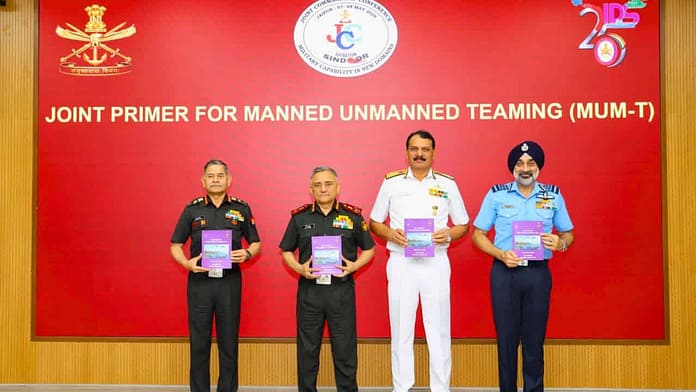
Anil Chauhan released on Joint Primer on Manned and Unmanned Teaming (MUM-T)

MUM-T Doctrine India: The Indian Army is now working rapidly on new technology and Artificial Intelligence based systems by moving in the old ways of corrosion. Chief of Defence Staff i.e. CDS General Anil Chauhan released several Ahma Military Documents during the Joint Commanders Conference 2026 held in Jaipur. The most important doctrene includes the "Joint Primer on Mand and Unmand Teaming" (MUM-T). The Army officials say that it is not just a new guideline, but a major change in India’s entire battle strategy.

General Anil Chauhan also released "Military Cyber Space Policy" and "Bilingual Joint Staff Services Duty Pamphlet" in this conference in Jaipur. He said wars will not only be fought on the law of the tank, fighter plane and soldiers in the coming time. Rather now drones, artificial intelligence, cyber systems, and data-based networks have also become an important part of the war.

CDS Clean said that this change is not only the update of the procedures, but the big change in the thinking of fighting India’s "warfing filsfi" i.e. war.

What is MUM-T Doctrine India

MUM-T The whole name of "Mand and Unmanned Teaming". This means working together with the military platform run by humans and the system with no pilots. MUM-T force will work like multiplier.

Drone and Artificial Intelligence based systems will be added with fighter aircraft, helicopters, tanks or other military platforms. Both humans and machines together during the war will carry out the operation.

A fighter plane under the MUM-T system, helicopter or another manned platform will simultaneously control multiple drones and unmanaged systems. i. A pilot will be able to direct the drone from 4 to 10 or more flying with him during operation. This will lead to manifold strength.

For example if a fighter plane is going to the enemy terrain, many drones can also fly with him. These drones will first raise the information of enemy location, air defense system and military activities. Some drones will confuse the enemy radar, while some can also attack directly. The real fighter jet will stay at safe distance during this time.

Sources say that it will significantly reduce the risk of pilots and soldiers. The unmanned system and drones will be sent first, where the strong air defense of the enemy is present.

The last decision will be taken by the person

CDS General Anil Chauhan stated that MUM-T primer is devising the structure of human mind understanding and linking machine accuracy together. He said that now India is working on such "Sovereign AI Drivan System" which will be in full Indian control and work together with the manned platform during the war.

A few seconds delay in the modern war can also be overwhelmed according to the Army authorities. AI based systems in such will help commanders by processing data faster. With the help of Artificial Intelligence, the speed of making decisions during the war will also be faster. Army It OODA The loop says, i.e. look at the situation, understand, decide and act immediately. The AI system will quickly inform the commanders by rapidly analyzing data, making precise and fast action possible.

Enhanced Focus on Drone and Loyal Wingman System

The Indian Army is already working on several unmanaged systems. Hindustan Aeronautics Limited also includes "Combat Air Teaming System" (Cats Warrior). In which unmanned systems such as the Loyal Wingman Drone will be integrated with Tejas or other fighter planes like CATS Warrior, Hunter and Alfa-S. These drones will work a lot by staying with the main plane. These may include surveillance, electronic warfare, identity and attack of enemy radar. "Loyal Wingman" fly with the drone fighter plane in the concept and work like security, surveillance and attack for him.

The army believes that the modern war has no longer only dependence on expensive fighter aircraft and large weapons. A large number of simultaneous flying drones will also play a huge role in future wars. The pressure can be made on the enemy’s system by sending a large number of drones together ie the Swarm attack.

Indian Army also Tactical UAV, Loiting Transition And unmanaged ground vehicles are working on connecting with infantry and armored units. i. Robotic systems and drones with troops and tanks in the future will also be part of operation.

While the Indian Navy is moving towards this direction. The UAV and unmanaged surface vehicles with navy ships are preparing to add bots without a driver, so as to increase the capacity of monitoring and attack in the sea.

DRDO is also working on multiple large projects. These include systems like tapas drones, fatal UCAVs and Astra based Kamikaje drones. These will be used for surveillance, enemy identification and accurate attacks.

Also India is working on Safe and Fast Data Link System. High-bandwidth data links are being prepared together with Indian companies like BEL and L&T. Through these real time video feeds, sensor data and drone controls will be possible. At the beginning they will be combined with platforms like Sukhoi-30 MKI, Tejas, LCH and AMCA.

MUM-T Primer will work to give all these a military structure. The rules of rapport and operation will be made uniform between the command and control system, training, logistics, separate forces.

Sources say that guidelines related to training, military practice, arms purchase and research will also be decided through MUM-T primer. Under this, the joint MUM-T war games and exercises will also be made in the future, where the soldiers and drones will practice the operation together.

Multi domain is part of operation

The whole system Multi Domain Operation (MDO) is part of which was released in 2025. The motive is that all areas such as land, air, sea, cyber and space can battle together. The year of "Networking and Data Centric Warfare" is being considered on 2026 as per the Army authorities, where the greatest strength will be the right data not only the weapon but at the right time.

CDS General Anil Chauhan believes that MUM-T will take India forward to new technologies like Artificial Intelligence, Autonomous System and Swarm Drone. India is rapidly devloping systems, especially in view of the neighbors like China and Pakistan, which can take fast and accurate action during the war.

Operations Lessons Meet From the Sindoor

The Joint Commanders Conference in Jaipur is taking place at a time when the operation is completed a year. During this operation, Indian Army used multi-domain operation. The military officials say that the experiences found from the operation center are also included in this primer.

Senior officials of the Army say that the operation shifter showed that the modern war is not limited only to the ground, wind and sea. Now cyberspace, electronic warfare and data networks have also become part of the war.

What is Military Cyber Space Policy

The "Military Cyber Space Policy" issued during the conference is also being considered quite important. The Army will work on a strategy to protect its cyber network and military data.

Cyber attack has become a major threat in modern wars. The enemy can target a country’s communication system, radar network, satellite link and air defense network.

The Indian Army is now deemed to be the most important part of the war to cyber security.

The cyber units of Army, Navy and Airforce will work together under this policy as per the authorities. It will also extend synergy with DRDO, NTRO and other national agencies.

Why does the billingual joint staff pamphlet Ah

The "Byalingual Joint Staff Services Duty Pamphlet" issued in the conference has been prepared in both Hindi and English languages so that the officers of the three forces can use a similar process and vocabulary. Officers believe that this will improve the mutual rapport.

Explained: What is the new weapon of DRDO TARA? Smart, successful trial from Jaguar, which makes ordinary bombs

TARA Glide Weapon System

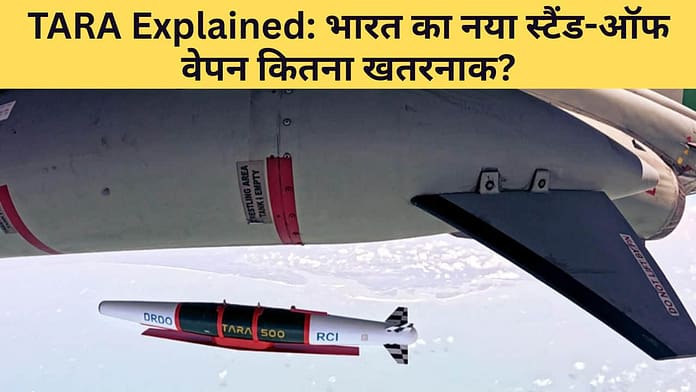
TARA Glide Weapon System: DRDO and Indian Air Force conducted the first successful flight trial of the Tara (TARA) Wellness System, near the Odisha coast on 7th May. It is India’s first indigenous Gly Glyd Weapon system, which can turn ordinary bombs into the Precision Weapons killing long distances.

Tara is a modular range extension kit. Understand in easy language, this is a system that is applied to normal bombs and then the same bomb becomes "Smart Precision Weapon". With its help, the air Force can attack much more accurately on the enemy bases.

Defence Minister Rajnath Singh congratulated companies connected to the DRDO, Air Force and Defence industry on this successful test. He told it important achievement for India’s indigenous defence capacity.

What is TARA Glide Weapon System?

Tara i.e. "Tactical Advanced Range Augmentation" a Glide Weapon system. It is specially designed to replace the old and ordinary bombs even in the modern "Precision Guided Wayne".

Usually when a simple bomb is dropped from the ship, he falls directly down and his distance is limited. But the same bomb can glide up to a long distance in the air after the star kit is taken and reach the fixed target.

That’s why it’s being called "range extension kit". It enhances both bomb killing distance and accuracy.

DRDO design

Tara system has been prepared by Hyderabad-based Research Centre Building (RCI). it DRDO की प्रमुख लैब मानी जाती है, जो मिसाइल गाइडेंस, नेविगेशन और एवियोनिक्स सिस्टम पर काम करती है।

तारा (TARA) प्रोजेक्ट को सबसे पहले 2022 में गणतंत्र दिवस परेड की झांकी में दिखाया गया था। उसी समय पहली बार सार्वजनिक तौर पर इस नए स्वदेशी ग्लाइड वेपन सिस्टम की जानकारी सामने आई थी।

इसके बाद 2023 और 2024 के दौरान इसके ग्राउंड फिटमेंट ट्रायल किए गए। इन परीक्षणों में तारा सिस्टम को जगुआर और मिग-29के जैसे लड़ाकू विमानों पर लगाकर जांचा गया कि यह विमान के साथ सही तरीके से फिट और काम कर रहा है या नहीं।

इस परियोजना में सिर्फ आरसीआई ही नहीं, बल्कि डीआरडीओ की दूसरी लैब्स जैसे डीआरडीएल और एएसएल ने भी अहम भूमिका निभाई है। इसके अलावा कई निजी भारतीय कंपनियां भी इससे जुड़ी रहीं। अपोलो माइक्रो सिस्टम्स जैसी कंपनियों ने इसमें इस्तेमाल होने वाले एवियोनिक्स और इलेक्ट्रॉनिक सिस्टम तैयार करने में सहयोग दिया।

साधारण बम कैसे बनता है स्मार्ट हथियार?

तारा का सबसे अहम हिस्सा उसका “गाइडेंस और ग्लाइड सिस्टम” है। तारा के डिजाइन में खास एरोडायनामिक सिस्टम लगाए गए हैं। इसके पीछे कंट्रोल फिन्स और विंग्स लगे होते हैं, जो इसे हवा में ज्यादा स्थिर और लंबी दूरी तक ग्लाइड करने में मदद करते हैं। यह डिजाइन दुश्मन के रडार से बचने में भी मदद करता है।

जब विमान से बम छोड़ा जाता है, तो ये विंग्स खुल जाते हैं और बम हवा में आगे की तरफ ग्लाइड करने लगता है। इसके बाद गाइडेंस सिस्टम उसे लक्ष्य तक पहुंचाता है। इस पूरी प्रक्रिया में इंजन का इस्तेमाल नहीं होता। यही वजह है कि इसे “ग्लाइड बम” कहा जाता है।

वहीं, जब तारा अपने टारगेट के करीब पहुंचता है, तो वह उड़ान के अंतिम चरण में दिशा बदलने और खुद को एडजस्ट करने की क्षमता रखता है। इससे लक्ष्य पर ज्यादा सटीक हमला करना संभव होता है।

कितनी दूरी तक कर सकता है हमला?

तारा की आधिकारिक रेंज सार्वजनिक नहीं की गई है, लेकिन सूत्रों का कहना है कि यह लगभग 150 से 180 किलोमीटर तक मार कर सकता है। अगर तारा को 5 किलोमीटर की ऊंचाई से और तेज रफ्तार में लॉन्च किया जाए, तो यह काफी दूर तक ग्लाइड करते हुए टारगेट तक पहुंच सकता है।

इसका सबसे बड़ा फायदा यह है कि भारतीय लड़ाकू विमान दुश्मन के एयर डिफेंस सिस्टम की सीमा से बाहर रहते हुए हमला कर सकते हैं। इसे लगाने के बाद विमान को दुश्मन के बेहद करीब जाने की जरूरत नहीं होगी। वह दूर से ही बम छोड़ सकेगा और तारा सिस्टम उसे टारगेट तक पहुंचा देगा।

अलग-अलग वर्जन में तैयार

तारा को अलग-अलग वजन वाले बमों के लिए तैयार किया गया है। इसमें 250 किलोग्राम, 450 किलोग्राम और 500 किलोग्राम वाले वर्जन शामिल हैं। यानी जरूरत के हिसाब से अलग-अलग मिशन में इसका इस्तेमाल किया जा सकेगा। छोटे लक्ष्य के लिए हल्का वर्जन इस्तेमाल होगा, जबकि मजबूत बंकर या बड़े सैन्य ठिकानों के लिए भारी वर्जन काम आएंगे।

दिन और रात दोनों समय करेगा काम

तारा में एडवांस गाइडेंस सिस्टम लगाया गया है। इसमें जीपीएस, इनर्शियल नेविगेशन सिस्टम, इलेक्ट्रो-ऑप्टिकल और इंफ्रारेड तकनीक शामिल है। इस वजह से यह दिन और रात दोनों समय काम कर सकता है। खराब मौसम में भी इसकी प्रिसीजन क्षमता बनी रहती है।

सूत्रों के मुताबिक यह सिस्टम लक्ष्य को बहुत कम गलती के साथ हिट कर सकता है। इसकी सर्कुलर एरर प्रोबेबल (सीईपी) 5 मीटर से कम से कम है।

किन विमानों से किया जा सकेगा इस्तेमाल?

तारा को भारतीय वायुसेना के कई लड़ाकू विमानों के साथ इस्तेमाल किया जा सकता है। इनमें जगुआर, सुखोई-30 एमकेआई, मिराज-2000 और एलसीए तेजस जैसे विमान शामिल हैं। 2025 में इसके कुछ परीक्षण जगुआर विमान पर किए जा चुके थे। अब सफल फ्लाइट ट्रायल के बाद इसे ऑपरेशनल इस्तेमाल के लिए आगे बढ़ाया जा रहा है।

आज किस जहाज से हुआ ट्रायल

7 मई को हुआ तारा (TARA) वेपन सिस्टम का ट्रायल भारतीय वायुसेना के जगुआर लड़ाकू विमान से किया गया। TARA 500 सिस्टम जगुआर विमान के विंग के नीचे लगे पाइलॉन पर फिट किया गया है।

इससे पहले 2025 में इसके “कैप्टिव कैरी ट्रायल” भी जगुआर पर किए गए थे। इन ट्रायल्स में हथियार को विमान के साथ लगाकर उड़ाया गया था, लेकिन उसे छोड़ा नहीं गया था। इसका मकसद यह जांचना था कि विमान और हथियार का इंटीग्रेशन सही तरीके से काम कर रहा है या नहीं।

जगुआर को भारतीय वायुसेना में “शमशेर” के नाम से भी जाना जाता है। यह विमान लंबे समय से डीप स्ट्राइक और ग्राउंड अटैक मिशनों के लिए इस्तेमाल किया जाता रहा है। इसी वजह से तारा जैसे प्रिसीजन ग्लाइड वेपन के परीक्षण के लिए इसे उपयुक्त प्लेटफॉर्म माना गया।

क्यों अहम माना जा रहा है यह सिस्टम?

आधुनिक युद्ध में दुश्मन के एयर डिफेंस सिस्टम लगातार मजबूत हो रहे हैं। ऐसे में लड़ाकू विमानों के लिए सीधे दुश्मन के ऊपर जाकर हमला करना ज्यादा जोखिम भरा हो गया है।

इसी वजह से दुनिया की बड़ी वायु सेनाएं अब “Stand-off Weapon” पर जोर दे रही हैं। यानी ऐसे हथियार जो लंबी दूरी से दागे जा सकें।

तारा इसी श्रेणी का सिस्टम माना जा रहा है। इससे भारतीय वायुसेना की “डीप स्ट्राइक” क्षमता मजबूत होगी। यानी दुश्मन के अंदर मौजूद ठिकानों पर भी सुरक्षित दूरी से हमला किया जा सकेगा।

कम लागत में बड़ा फायदा

तारा की एक बड़ी खासियत इसकी कम लागत भी मानी जा रही है। आमतौर पर लंबी दूरी की क्रूज मिसाइलें काफी महंगी होती हैं। लेकिन तारा पुराने बमों को ही स्मार्ट हथियार में बदल देता है। इससे लागत कम हो जाती है। और वायुसेना को पूरी तरह नए हथियार खरीदने की जरूरत नहीं पड़ेगी। सूत्रों का कहना है कि यह सिस्टम कम लागत में ज्यादा असर देने की रणनीति का हिस्सा है।

कई देशों के पास है यह सिस्टम

दुनिया के कई देशों के पास ऐसे Glide Bomb सिस्टम पहले से मौजूद हैं। तारा (TARA) को आसान भाषा में समझें तो यह अमेरिका के जेडीएएम और इजरायल के स्पाइस-1000 जैसे स्मार्ट ग्लाइड बम सिस्टम की तरह है, लेकिन इसकी सबसे बड़ी खासियत यह है कि इसे पूरी तरह भारत में विकसित किया गया है।

डीआरडीओ के दूसरे ग्लाइड बम “गौरव” की तुलना में तारा आकार में छोटा और ज्यादा टैक्टिकल सिस्टम माना जा रहा है। वहीं एसएएडब्ल्यू यानी स्मार्ट एंटी-एयरफील्ड वेपन जहां खास तौर पर एयरबेस और रनवे को निशाना बनाने के लिए तैयार किया गया था, वहीं तारा का मुख्य फोकस साधारण बमों की मारक दूरी बढ़ाना और उन्हें ज्यादा सटीक बनाना है।

इसका डिजाइन मॉड्यूलर रखा गया है। यानी जरूरत के हिसाब से इसमें नए सेंसर, गाइडेंस सिस्टम या दूसरे अपग्रेड आसानी से जोड़े जा सकते हैं।

आधुनिक युद्ध में इलेक्ट्रॉनिक वॉरफेयर यानी दुश्मन द्वारा जीपीएस और गाइडेंस सिस्टम को जाम करने की कोशिश बड़ी समस्या बन चुकी है। ऐसे में हथियार की प्रिसिजन क्षमता बनाए रखना जरूरी होता है। इसी वजह से तारा में डुअल और ट्राई-मोड गाइडेंस जैसी तकनीकों पर काम किया जा रहा है। वहीं भविष्य में इसमें आर्टिफिशियल इंटेलिजेंस आधारित टारगेटिंग और ज्यादा एडवांस सेंसर जैसी तकनीकें भी जोड़ी जा सकती हैं।

रक्षा मंत्रालय ने तारा सिस्टम के लिए भारतीय उद्योगों के साथ मिलकर उत्पादन प्रक्रिया शुरू कर दी गई है। कई निजी कंपनियां और रक्षा क्षेत्र की भारतीय फर्म इस प्रोजेक्ट में शामिल हैं। इससे देश में रक्षा उत्पादन और तकनीकी क्षमता दोनों बढ़ेंगी।

TARA Explained: India’s Indigenous Glide Weapon System Successfully Tested From Jaguar Fighter Jet.

What did India learn from Operation Sitter? New security armor that prevents drones and missiles

Operation Sindoor Military Strategy
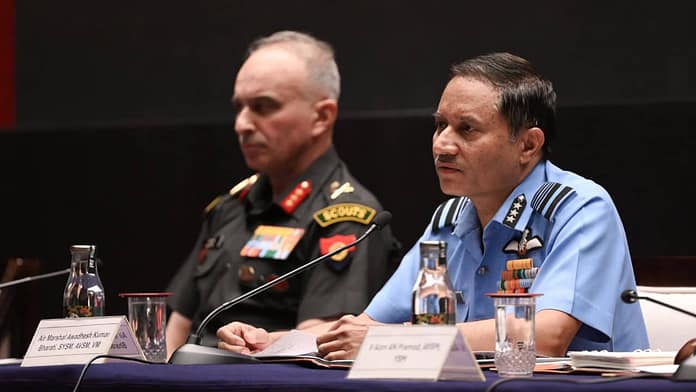
Lieutenant General Rajiv Ghai, Air Marshal Awadhesh Kumar Bharti

Operation Sindoor Military Strategy: ऑपरेशन सिंदूर के एक साल बाद भारतीय सेना और वायुसेना के वरिष्ठ अधिकारियों ने पहली बार खुलकर बताया कि इस अभियान से भारत ने क्या सीखा और अब देश की सैन्य रणनीति किस दिशा में आगे बढ़ रही है। जयपुर में आयोजित एक विशेष प्रेस ब्रीफिंग में वरिष्ठ सैन्य अधिकारियों ने साफ कहा कि ऑपरेशन सिंदूर केवल एक सैन्य कार्रवाई नहीं थी, बल्कि इसने भारत की युद्ध नीति, हथियार खरीद रणनीति, एयर डिफेंस सिस्टम, ड्रोन युद्ध, स्पेस क्षमताओं और मिसाइल स्ट्रक्चर को बदलने का काम किया।

उन्होंने बताया कि ऑपरेशन सिंदूर से मिले सबक के बाद भारत अब अपने मिलिट्री स्ट्रक्चर, हथियार प्रणालियों और ऑपरेशनल तैयारी में बड़े बदलाव कर रहा है।

Operation Sindoor Military Strategy: “ऑपरेशन अभी खत्म नहीं हुआ”

प्रेस ब्रीफिंग के दौरान जब Operation Shifter की मौजूदा स्थिति को लेकर सवाल पूछा गया, तो अधिकारियों ने साफ संकेत दिया कि आतंकवाद के खिलाफ भारत की कार्रवाई अभी रुकी नहीं है।

अधिकारियों ने कहा कि भारत की आतंकवाद के खिलाफ लड़ाई लगातार जारी रहेगी। उनके मुताबिक, ऑपरेशन सिंदूर को किसी एक दिन की सैन्य कार्रवाई की तरह नहीं देखा जाना चाहिए। यह एक लंबी रणनीतिक प्रक्रिया का हिस्सा है।

लेफ्टिनेंट जनरल राजीव घई ने कहा, “भारत की आतंकवाद के खिलाफ जंग जारी रहेगी। ऑपरेशन उतने समय तक जारी रहेगा, जितनी जरूरत होगी।”

ऑपरेशन सिंदूर से क्या सीखा भारत ने

ऑपरेशन सिंदूर के दौरान भारतीय सेनाओं ने पाकिस्तान और पाकिस्तान अधिकृत कश्मीर में आतंकवादी ठिकानों पर सटीक हमले किए थे। इसके बाद पाकिस्तान ने ड्रोन, मिसाइल और अन्य हथियारों के जरिए भारत के सैन्य ठिकानों को निशाना बनाने की कोशिश की थी।

Air Marshall अवधेश कुमार भारती ने कहा कि इस पूरे 88 घंटे तक चलते संघर्ष ने भारत को कई महत्वपूर्ण सबक दिए। उन्होंने कहा कि सेना लगातार अपनी ट्रेनिंग, तैयारी और हथियार प्रणालियों की समीक्षा करती रहती है। ऑपरेशन सिंदूर के बाद इस प्रक्रिया को और तेज किया गया।

उन्होंने कहा, “हम लगातार यह देखते रहते हैं कि हमारी ट्रेनिंग कैसी है, हमारे उपकरण कैसे हैं और हमारी तैयारी किस स्तर की है। ऑपरेशन सिंदूर के बाद भी यह प्रक्रिया लगातार चल रही है।”

भरोसेमंद इंटेलिजेंस के लिए आईएसआर पर निवेश

एयर मार्शल अवधेश कुमार भारती ने कहा कि ऑपरेशन सिंदूर के बाद भारतीय वायुसेना अपनी खरीद रणनीति और सैन्य क्षमताओं को और मजबूत करने पर काम कर रही है। उन्होंने बताया कि भारत के पास जरूरी क्षमताएं तो थीं, लेकिन कुछ सिस्टम्स की संख्या उतनी नहीं थी जितनी बड़े स्तर के ऑपरेशन के लिए होनी चाहिए।

उन्होंने कहा कि किसी भी कार्रवाई में सही जानकारी और भरोसेमंद इंटेलिजेंस सबसे अहम होती है। अगर दुश्मन के बारे में सही जानकारी ही नहीं होगी, तो सटीक लक्ष्य तय करना मुश्किल हो जाएगा। इसी वजह से भारत अब अपनी आईएसआर यानी इंटेलिजेंस, सर्विलांस और रिकॉनिसेंस क्षमताओं को तेजी से मजबूत कर रहा है।

उन्होंने बताया कि एयर-टू-एयर रीफ्यूलिंग एयरक्राफ्ट, मेडिकल इवैक्युएशन सिस्टम और दूसरे “फोर्स मल्टीप्लायर” प्लेटफॉर्म्स की खरीद प्रक्रिया आगे बढ़ रही है। उनका कहना था कि ये सिस्टम युद्ध के दौरान सेना की पहुंच, निगरानी क्षमता और ऑपरेशनल ताकत को कई गुना बढ़ा देते हैं।

मिसाइल और एयर डिफेंस क्षमताओं को मजबूत करने पर फोकस

लेफ्टिनेंट जनरल जुबिन ए मिनवाला ने कहा, “हम ऐसा इंटीग्रेटेड और मल्टी-लेयर एयर डिफेंस सिस्टम तैयार कर रहे हैं, जो ड्रोन, लोइटरिंग म्यूनिशन और मिसाइल जैसे कई तरह के खतरों से एक साथ सुरक्षा दे सके।”

उन्होंने बताया कि ऑपरेशन सिंदूर के दौरान मिले अनुभवों के बाद भारत ने अपने एयर डिफेंस सिस्टम को और मजबूत बनाने पर तेजी से काम शुरू किया है।

वहीं, एयर मार्शल अवधेश कुमार भारती ने कहा कि भारत लगातार अपनी स्वदेशी मिसाइल और Air Defense क्षमताओं को मजबूत कर रहा है। उन्होंने बताया कि स्वदेशी अस्त्र मिसाइल, क्यूआर-एसएएम और दूसरे कई प्रोजेक्ट्स पर लगातार काम चल रहा है। उनका कहना था कि यह एक लगातार चलने वाली प्रक्रिया है और सेना अपनी क्षमताओं को समय-समय पर बेहतर करती रहती है।

उन्होंने कहा कि आज खतरा तेजी से बदल रहा है। अब सुपरसोनिक और हाइपरसोनिक मिसाइलों का दौर है। इसी वजह से भारत नए सेंसर और एडवांस एयर डिफेंस तकनीकों पर काम कर रहा है, ताकि ऐसी तेज रफ्तार मिसाइलों को भी समय रहते ट्रैक और इंटरसेप्ट किया जा सके।

एस-400 सिस्टम की नई खेप जल्द मिलेगी

ऑपरेशन सिंदूर के दौरान एयर डिफेंस सिस्टम की भूमिका काफी अहम रही। इस पर बोलते हुए अधिकारियों ने बताया कि भारत जल्द ही रूस से एस-400 एयर डिफेंस सिस्टम की नई यूनिट्स हासिल करेगा।

एयर मार्शल भारती ने कहा कि कुछ एस-400 यूनिट्स पहले ही आ चुकी हैं और बाकी यूनिट्स भी अगले कुछ महीनों में भारत को मिल जाएंगी। उन्होंने बताया, “अगले एक महीने के भीतर एस-400 की अगली यूनिट हमारे पास होगी और इस साल के अंत तक आखिरी यूनिट भी मिलने की उम्मीद है।”

एस-400 को दुनिया के सबसे आधुनिक एयर डिफेंस सिस्टम में गिना जाता है। यह लंबी दूरी से दुश्मन के विमान, ड्रोन और मिसाइलों को ट्रैक कर उन्हें मार गिराने में सक्षम माना जाता है।

“सुदर्शन चक्र” और “कुशा” पर तेजी से काम

प्रेस ब्रीफिंग के दौरान अधिकारियों ने पहली बार “सुदर्शन चक्र” और “कुशा” जैसे प्रोजेक्ट्स का भी खुलकर जिक्र किया। उन्होंने बताया कि प्रधानमंत्री नरेंद्र मोदी पहले ही “सुदर्शन चक्र” को लेकर दिशा-निर्देश दे चुके हैं और इस पर काम जारी है।

इसके साथ ही स्वदेशी लॉन्ग रेंज एयर डिफेंस सिस्टम “कुशा” पर भी तेजी से काम हो रहा है। अधिकारियों ने कहा कि अब खतरे बदल रहे हैं। पहले जहां सामान्य मिसाइलें चुनौती थीं, वहीं अब सुपरसोनिक और हाइपरसोनिक मिसाइलों का खतरा बढ़ रहा है।

उन्होंने कहा कि भारत ऐसे सेंसर और सिस्टम डेवलप कर रहा है जो इन तेज रफ्तार वाली मिसाइलों का भी समय रहते पता लगा सकें।

ड्रोन वॉरफेयर ने बदली रणनीति

ऑपरेशन सिंदूर के दौरान पाकिस्तान ने ड्रोन और लोइटरिंग म्यूनिशन का इस्तेमाल किया था। इसके बाद भारत ने ड्रोन और काउंटर ड्रोन सिस्टम (C-UAS) पर अपना फोकस और बढ़ा दिया।

एयर मार्शल भारती ने कहा कि अब भारत बड़ी संख्या में ड्रोन और अनमैन्ड सिस्टम तैयार करने की दिशा में काम कर रहा है। ऐसे सिस्टम युद्ध के दौरान सेना की ताकत कई गुना बढ़ा देते हैं। इसके अलावा भारत अब बड़ी संख्या में ड्रोन और अनमैन्ड सिस्टम्स की जरूरत को भी समझ रहा है। इसी वजह से सरकार ड्रोन सेक्टर को बढ़ावा देने के लिए लगातार प्रोत्साहन दे रही है, ताकि जरूरत पड़ने पर तेजी से बड़े स्तर पर उत्पादन किया जा सके।

उन्होंने कहा कि इसके लिए सरकार की पीएलआई योजना के तहत एमएसएमई और निजी कंपनियों को भी प्रोत्साहित किया जा रहा है।

उन्होंने कहा, “अगर युद्ध के समय हमें हजारों ड्रोन की जरूरत पड़े, तो हमारी इंडस्ट्री उन्हें तेजी से बना सके। हम इसी क्षमता को विकसित कर रहे हैं।”

उन्होंने यह भी कहा कि भारत अब हार्ड किल और सॉफ्ट किल दोनों तरह के काउंटर ड्रोन सिस्टम पर काम कर रहा है।

“हर हथियार का अपना रोल होता है”

प्रेस ब्रीफिंग के दौरान ब्रह्मोस मिसाइल की लागत और सस्ते विकल्पों को लेकर भी सवाल पूछा गया। इस पर एयर मार्शल भारती ने कहा कि आधुनिक युद्ध में हाई कॉस्ट और लो कॉस्ट दोनों तरह के हथियार जरूरी होते हैं।

उन्होंने कहा कि ब्रह्मोस जैसी हाई एंड मिसाइलों की अपनी अलग भूमिका होती है, जिन्हें सस्ते ड्रोन या छोटे सिस्टम पूरी तरह रिप्लेस नहीं कर सकते।

उन्होंने कहा कि ड्रोन और छोटे अनमैन्ड सिस्टम दुश्मन को परेशान कर सकते हैं, लेकिन निर्णायक असर पैदा करने के लिए भारी और ताकतवर हथियारों की जरूरत होती है। ब्रह्मोस जैसी मिसाइलें बड़े लक्ष्य को भारी नुकसान पहुंचाने की क्षमता रखती हैं।

एयर मार्शल भारती ने कहा कि ब्रह्मोस भारत की स्वदेशी ताकत का बड़ा उदाहरण है और देश को इस पर गर्व होना चाहिए। उन्होंने बताया कि आने वाले एक-दो साल में कई नए स्वदेशी हथियार सिस्टम भारतीय सेनाओं में शामिल होते दिखाई देंगे।

भारतीय वायुसेना बढ़ा रही अपनी ताकत

एयर मार्शल भारती ने कहा कि भारतीय वायुसेना अब अपनी ऑपरेशनल क्षमता बढ़ाने वाले सिस्टम्स और प्लेटफॉर्म्स पर बड़े स्तर पर काम कर रही है। उन्होंने बताया कि एयर-टू-एयर रीफ्यूलिंग एयरक्राफ्ट जैसे महत्वपूर्ण “फोर्स मल्टीप्लायर” सिस्टम्स की खरीद प्रक्रिया आगे बढ़ रही है और इसके लिए आरएफपी यानी रिक्वेस्ट फॉर प्रपोजल पहले ही जारी किया जा चुका है।

उन्होंने बताया कि एलसीए मार्क-1ए जल्द वायुसेना में शामिल होगा। इसके अलावा एलसीए मार्क-2 और पांचवीं पीढ़ी के एएमसीए फाइटर जेट पर भी काम जारी है।

उन्होंने एमआरएफए प्रोजेक्ट का भी जिक्र किया, जिसके तहत भारतीय वायुसेना 114 नए मल्टी रोल फाइटर एयरक्राफ्ट खरीदने की योजना पर काम कर रही है।

उन्होंने कहा कि इस बार वायुसेना के बजट में भी बढ़ोतरी की गई है। पिछले साल जहां लगभग 1.30 लाख करोड़ रुपये का बजट था, वहीं अब यह बढ़कर करीब 1.55 लाख करोड़ रुपये तक पहुंच गया है।

मिसाइल फोर्स और नए स्ट्रक्चर पर काम कर रहा भारत

इंटीग्रेटेड डिफेंस स्टाफ के डिप्टी चीफ लेफ्टिनेंट जनरल जुबिन मिनवाला ने कहा कि ऑपरेशन सिंदूर के दौरान भारत ने पाकिस्तान के “न्यूक्लियर ब्लैकमेल” को भी चुनौती दी।

उन्होंने कहा कि पाकिस्तान ने अपने मिसाइल स्ट्रक्चर और रॉकेट फोर्स को मजबूत करने की कोशिश शुरू की है, लेकिन भारत उसकी पूरी क्षमता को अच्छी तरह समझता है।

उन्होंने कहा कि भारत अब पारंपरिक मिसाइल फोर्स और नए स्ट्रक्चर पर भी काम कर रहा है।

मिनवाला ने कहा कि दुनिया में मिसाइलों का इस्तेमाल अब केवल परमाणु हथियारों तक सीमित नहीं रह गया है। अब उन्हें पारंपरिक युद्ध में भी बड़े स्तर पर इस्तेमाल किया जा रहा है।

उन्होंने कहा, “यह एक बड़ा पैराडाइम शिफ्ट है। मिसाइलों की भूमिका अब केवल स्ट्रैटेजिक नहीं रही।”

लेफ्टिनेंट जनरल मिनवाला ने बताया कि भारत अलग-अलग रेंज और अलग-अलग प्रकार की मिसाइल क्षमताओं पर काम कर रहा है।

उन्होंने कहा कि डीआरडीओ द्वारा हाल के महीनों में किए गए कई परीक्षण इसी दिशा का हिस्सा हैं।

उन्होंने कहा कि भारत के पास पहले से ही प्रभावी डिलीवरी सिस्टम मौजूद हैं और दुश्मन यह जानता है कि भारत के पास मजबूत स्ट्राइक क्षमता है।

India Revamps Military Strategy After Operation Sindoor, Focus on Missiles, Drones and Air Defence.

War Strategie of India after Operation Shifter! Making Joint ISR and Targeting Dockerton, Understand what it is.

Operation Sindoor Joint Doctrine
Image Gallery

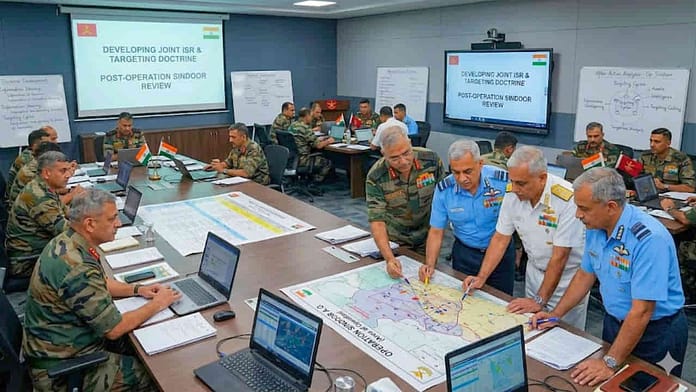
Operation Sindoor Joint Doctrine: The Indian Army is no longer preparing for the war only by deploying soldiers and weapons on the border, but on the whole focus "Joint Warfare". India has started a major change in its military strategy after operation shifter. The Integrated Defence Staff in this link i.e. the deputy Chief Lieutenant General Jubin A Minwala of IDS has revealed that India is now working fast on the Joint ISR dockerton and the Joint Targeting Dockerton.

During the special press briefing held in Jaipur when a year of operation shifter, he reported that the Indian Army, Naval and Air Force are preparing to fight wars no longer separate, but through a shared network. He had to say that the same rapport during the operation shifter helped India take fast and accurate action.

Operation Sindoor Joint Doctrine: What is Joint ISR Doctrine

Lieutenant General Teen The ISR means Intelligence, Surveillance and Reconissence. Understand in easy language, it means to raise the information of the enemy, constantly monitor it and take a toh of his activities. So far, the Army, Navy and Air Force worked through its own system. Many times the information lived in different places, which took time to take decisions.

New Joint ISR Docktrin The motive of all these systems is to connect together. This means that information from satellites, drones, radars, spying aircraft, marine surveillance systems and intelligence agencies will now come to the same network. The entire picture of the battle area will appear together in real time.

How it works

Several types of techniques are being added to this new system. It will use satellite imagery and electronic intelligence for space-based monitoring. Advance drones, AWS aircraft and reconissence aircraft will work for monitoring from the sky. Radar, sonar and other surveillance systems will be installed in the ground and sea. The cyber and electronic warfare system will also be linked to the network. The motive of this whole system is to quickly explore the activities of the enemy and immediately increase the ability to respond.

Operational Sindoor Joint Doctrine 1
Lieutenant General Zubin A. Minwalla

Large Lessons Found From Operation Sindoor

Lieutenant General Minwala said Operation Shifter During India realized that modern wars are not only fighting guns and missiles. He pointed out that it was the biggest challenging task to quickly add information from different agencies and take action on the right time.

According to them, "Operation shifter showed how much multi-domain operation is needed. "" He said that today the war is not limited to the ground, wind and sea. Now cyberspaces, data networks and information wars have been as important.

What is Joint Targeting Doctor

Lieutenant General Minwala also explained the Joint Targeting Docktrin in detail. He said the first three forces set their own goals. But now a joint targeting system is being built.

This would mean that the army, the navy and the air force will decide which goal is most important and the attack will be most effective from what weapons or platforms.

As for example if an enemy is attacking the airbase, the first ISR system will gather information about it. It will then be decided to use the Brahmaos missile there, attack the drone or send the fighter plane. The impact of the attack will also be assessed through the same network.

Six steps will be completed operation

The Indian Army is now working on a new "Joint Targeting Cycle" according to international standards. The purpose of operation will be decided first in it. Then will identify the goals of the enemy. It will then be decided which weapon will remain the best. After that the command level will be approved and then the mission will be executed. Finally, it will be investigated how successful the attack was.

Data Based Warfare Moving India

Lieutenant General Minwala pointed out that in operation shifter IACC and AIR As used by connecting the system together. This makes a joint picture of the entire air space ready and threat recognition fast. He said India is now moving from "Network Centric Warfare" to "Data Centric Warfare".

This means that the greatest strength in future wars will be the right data not only weapons, but at the right time. Multi-sensor inputs, Artificial Intelligence and Real Time data will go for faster decisions during the war through fusion.

Lieutenant General Minwala said that Indian forces are now making systems where every platform and every agency is connected with a shared network.

He pointed out that many tri-service exercises and war gaming exercises have been carried out in the past year. The motive of these exercises is that the army at the time of war, the Navy and the Air Force can work together without any delay. He has also strengthened synergy with Indian Coast Guard, BSF, DRDO, NTRO and other agencies. According to them, not only one army in the modern war, but the United Power of the whole nation works.

India Developing Joint ISR and Targeting Doctrine After Operation Sindoor

The glimpse of the ‘New Edge Warfare’ that appears in the operation shift, India is preparing Multi Domain War System

Operation Sindoor New Warfare Model
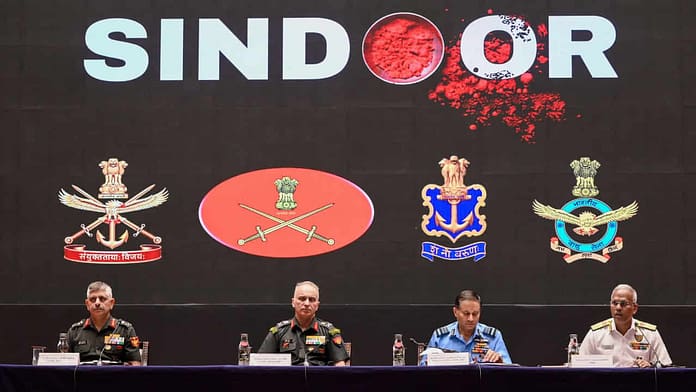
Lieutenant General Zubin A. Minwalla, Lieutenant General Rajiv Ghai, Air Marshal Awadhesh Kumar Bharti and Vice Admiral A.N. Pramod address a. In Jaipur, Rajasthan, Rajasthan.

Operation Sindoor New Warfare Model: Senior officials of the Indian Army on the first anniversary of Operation Sindoor told the new model of this operation modern war. The deputy Chief Lieutenant General Jubin A Minwala of Integrated Defence Staff said that the operation was not just a limited military action to the ground, air and sea, but also used extensively in cyberspace, information war and multi-domain operation.

He said this operation showed that now India’s forces are not just fighting the traditional war, but also capable of fast and accurate actions by adding new technology and different domains.

Lieutenant General Minwala during special press briefing held in Jaipur Operation Shifter During the three forces detailed information on the role of rapport, intelligence network, air defense system, cyber capabilities and information war.

Operation Sindoor New Warfare Model: New War Model showing in Operation Sitter

Lieutenant General Jubin Minwala said Operation Shifter During the Army, Naval and Air Force found such a rapport view, which was stronger than before. He informed that the entire operation was operated by the Operation Directorate of Headquar IDS under the instructions of Chiefs of Staff Committee.

He said, "Not just the traditional military sector during operation, but also the cyberspace and information sector were worked together. It shows a major change in our war strategy. ""

According to them, Operation Cindoor proved that India can now carry out multi-domain operations with rapid, accuracy and clear purpose.

This operation was not just attacking Pakistan

He said Operation Shifter Should not be seen as a response to an event. It included several years of preparation, military improvement and coordination between different agencies.

Lieutenant General Minwala said that the success of this campaign was not suddenly found, but for a long time being worked on the military structure, processes and capacity building. He said, "There was no alone success in the operation center. This was the result of institutional robustness. ""

The key role of CDS and defense reforms

He said the Chief of Defence Staff by the Government i.e. CDS The rapport was strengthened between the three forces by continually working on the post and defence reforms. Speaking of the Defence Minister to be declared as "Year of Reforms" on 2025, he said that it helped to pursue jointness and integration.

He added structures, processes, and organizations to each other’s bearing operation appeared clean during the shift.

Intelligence and Communication Network played a huge role

The information that meets different agencies were used together during operation shifter. The Lieutenant General Minwala reported that the strong joint communication system was getting better status information at every level.

He added that the inputs from the Army, intelligence agencies, and surveillance systems were increasingly shared, making the decision-making process significantly faster.

उनके मुताबिक, अब इस पूरे नेटवर्क को और मजबूत किया जा रहा है और इसे एक फुली फंक्शनल जॉइंट ऑपरेशन कंट्रोल सेंटर में बदला जा रहा है। उन्होंने कहा कि इससे भविष्य में टारगेट तय करने और ऑपरेशन के दौरान फैसले लेने की क्षमता और बेहतर होगी।

एयर डिफेंस सिस्टम ने संभाला मोर्चा

ऑपरेशन सिंदूर के दौरान पाकिस्तान की तरफ से ड्रोन और दूसरे हवाई खतरों का इस्तेमाल किया गया था। इस पर बोलते हुए लेफ्टिनेंट जनरल मिनवाला ने कहा कि भारतीय एयर डिफेंस नेटवर्क ने महत्वपूर्ण भूमिका निभाई।

उन्होंने बताया कि IACC और आकाशतीर जैसे सिस्टम को एक साथ जोड़कर इस्तेमाल किया गया। इससे पूरे एयर स्पेस की एक संयुक्त तस्वीर तैयार हुई और खतरे की पहचान तेजी से हो सकी।

उन्होंने कहा कि अब इन नेटवर्क्स को और मजबूत बनाया जा रहा है ताकि ड्रोन, मिसाइल और दूसरे हवाई खतरों से एक साथ निपटा जा सके।

ड्रोन और नई तकनीकों पर बढ़ा फोकस

लेफ्टिनेंट जनरल मिनवाला ने कहा कि हाल के संघर्षों ने यह साफ कर दिया है कि अब युद्ध में अनमैन्ड और ऑटोनॉमस सिस्टम की भूमिका तेजी से बढ़ रही है। उन्होंने बताया कि भारतीय सेनाएं अब लंबी दूरी तक मार करने वाली सटीक हथियार प्रणालियों और मैन्ड-अनमैन्ड टीमिंग पर काम कर रही हैं।

उन्होंने कहा कि गृह मंत्रालय और सिविल एविएशन मंत्रालय के साथ मिलकर एक नेशनल काउंटर यूएएस पॉलिसी तैयार की जा रही है। इसका मकसद ड्रोन खतरों से निपटने के लिए राष्ट्रीय स्तर पर एक मजबूत ढांचा तैयार करना है।

स्पेस और डेटा आधारित युद्ध की तैयारी

लेफ्टिनेंट जनरल मिनवाला ने कहा कि भारतीय सेनाएं अब नेटवर्क सेंट्रिक सिस्टम से आगे बढ़कर डेटा सेंट्रिक आर्किटेक्चर की तरफ जा रही हैं। उन्होंने बताया कि स्पेस डोमेन में भी तेजी से काम हो रहा है। इसरो और डिपार्टमेंट ऑफ स्पेस के साथ समन्वय बढ़ाया गया है ताकि रियल टाइम निगरानी और टारगेटिंग क्षमता मजबूत हो सके।

उनके मुताबिक, मल्टी सेंसर इनपुट और डेटा आधारित फैसलों ने ऑपरेशन सिंदूर के दौरान महत्वपूर्ण भूमिका निभाई।

फेक न्यूज से लड़ने के लिए बनेगा नया डिवीजन

ऑपरेशन सिंदूर के दौरान सोशल मीडिया और सूचना युद्ध भी बड़ा मुद्दा बना रहा। इसे लेकर लेफ्टिनेंट जनरल मिनवाला ने बड़ा खुलासा किया। उन्होंने कहा कि अब रक्षा क्षेत्र में एक नया “डिफेंस स्ट्रेटेजिक कम्युनिकेशन डिवीजन” बनाया जा रहा है। यह डिवीजन आर्टिफिशियल इंटेलिजेंस आधारित टूल्स का इस्तेमाल करेगा।

उन्होंने कहा कि इसका मकसद गलत जानकारी, दुष्प्रचार और फेक नैरेटिव को रियल टाइम में जवाब देना होगा।

उनके मुताबिक, ऑपरेशन सिंदूर के दौरान सूचना और संज्ञानात्मक क्षेत्र में सूचना एवं प्रसारण मंत्रालय के साथ मिलकर काम किया गया था। इससे सरकार और सेना का पक्ष प्रभावी तरीके से सामने रखा जा सका।

तीनों सेनाओं के बीच बढ़ा तालमेल

लेफ्टिनेंट जनरल मिनवाला ने कहा कि पिछले एक साल में कई ट्राई सर्विस एक्सरसाइज, वॉर गेमिंग और सिमुलेशन किए गए, जिससे मल्टी डोमेन ऑपरेशन की अवधारणा को मजबूत किया गया। उन्होंने बताया कि सेना, नौसेना और वायुसेना के बीच लॉजिस्टिक सपोर्ट और मेंटेनेंस प्रोटोकॉल को भी जोड़ा गया है। इससे ऑपरेशनल तैयारी और क्षमता में सुधार हुआ है।

उन्होंने यह भी कहा कि भारतीय तटरक्षक बल, बीएसएफ, खुफिया एजेंसियों, डीआरडीओ, एनटीआरओ और निजी इंडस्ट्री के साथ भी समन्वय बढ़ा है। उनके मुताबिक, पब्लिक सेक्टर, प्राइवेट कंपनियां और स्टार्टअप्स भी अब रक्षा तैयारियों का हिस्सा बन रहे हैं।

उन्होंने कहा, “आज हमारे पास ऐसा सिस्टम है जिसमें सेनाएं, मंत्रालय और सरकारी एजेंसियां एक साथ काम कर रही हैं। यही पूरे राष्ट्र की संयुक्त शक्ति का उदाहरण है।”

Operation Sindoor Showed India’s New-Age Warfare Model with Cyber, AI and Multi-Domain Operations: Lt Gen Zubin Minwalla

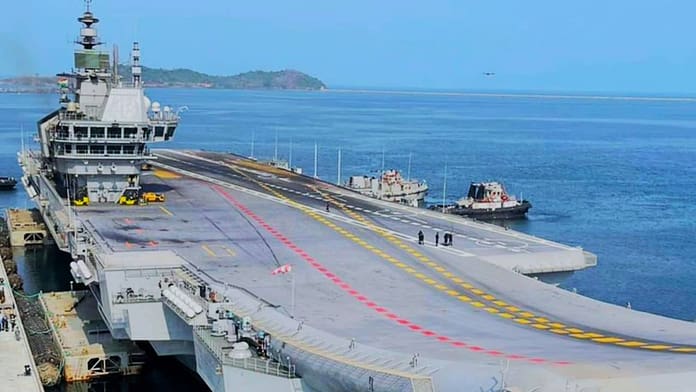
India’s First Indigenous Maritime Spotter Drone Blown from INS Vikrant, New ‘Ank’ to Indian Navy

Index Vikrant Maritime Spotter Drone

INS Vikrant Maritime Spotter Drone: India’s first indigenous aircraft ship has been successful operation of India’s first indigenous maritime spotter drone from INS Vikrant. This drone is designed specifically for marine missions. This drone will help the Navy in missions such as sea surveillance, observing suspicious activities, anti-pyretic operation and preventing illegal trafficking. The Indian Navy has described this achievement as a stone for the development of advanced Autonomous Naval System in the country. The navy-connected authorities say that this system will now work like the "eye" of Indian ships in the sea.

To use large helicopters or aircraft for marine surveillance so far. But it’s not always easy to do for small missions. The spotter drone completes this reduction. It can fly in less time and monitor in less expense.

INS Vikrant Maritime Spotter Drone: INS Vikrant Flying

India’s first indigenous aircraft carrier to this drone INS Vikrant Blown from the deck of. Safe takeoffs and landings of a drone from the giant warship are not considered easy, as the ship in the sea constantly moves and also creates a challenge for fast winds. Despite this drone successfully flew and secured return after completing the mission. This achievement is being considered as a large example of the technical preparation of the Navy and the capacity of Indian companies.

INS Vikrant is India’s first fully indigenous aircraft vessel. It was designed and prepared in Cochin Shipyard Limited. This warship is considered to be the dominant part of the Indian Navy’s Blue Water Capacity. The vessel weighing about 45 thousand tonnes is able to carry out long-distance marine campaigns.

Mig-29 fighter aircraft, helicopters and other air platforms can be deployed on this aircraft vessel vessel. Now it also added the capacity of the indigenous Maritime Spotter Drone. It has strengthened its marine surveillance and intelligence capacity. Home > Tags > Vinkrant Maritime Spotter Drone

What is Maritime Spotter Drone

Maritime Spotter The drone is a small but extremely modern marine monitoring system. It has been built by Pune’s company Sea Defense Engineering. This drone is specially designed for the navy to help keep the ships in the sea far away. It is designed in such a way that it can also work in the tough atmosphere of the sea. It also has its functionality on fast air, salty water and continuous moving platform.

Let the Indian Navy’s new Stellth Frigate INS Taragiri has also been added to the Indigenous Maritime Spotter Drone, which is built by Sea Defense Engineering. Home > Tags > Vinkrant Maritime Spotter Drone

The ability to fly through the ship

इस ड्रोन की सबसे बड़ी खासियत यह है कि यह चलते हुए युद्धपोत से भी उड़ान भर सकता है और उसी पर वापस उतर सकता है। आम तौर पर यह काम बेहद मुश्किल माना जाता है। यह ड्रोन 20 से 45 नॉट की रफ्तार से चल रहे जहाज से भी ऑपरेट हो सकता है। दुनिया की बहुत कम कंपनियों के पास ऐसी तकनीक है। समुद्री इलाकों में तेज हवा, नमी और लगातार बदलती परिस्थितियों के बीच ड्रोन ऑपरेट करना आसान नहीं होता। इसी वजह से इस सिस्टम को कठिन समुद्री माहौल में काम करने के लिए तैयार किया गया है।

एक नौसैनिक अधिकारी ने कहा, “समुद्र में जहाज लगातार गति और दिशा बदलता रहता है। ऐसे में ड्रोन का सुरक्षित उतरना तकनीकी रूप से बहुत चुनौतीपूर्ण होता है।” (INS Vikrant Maritime Spotter Drone)

कितनी है इसकी क्षमता

यह ड्रोन करीब 20 किलोमीटर तक निगरानी कर सकता है। एक बार उड़ान भरने के बाद यह लगभग एक घंटे तक हवा में रह सकता है। इसमें आधुनिक कैमरे लगाए गए हैं, जिनकी मदद से दिन और रात दोनों समय निगरानी की जा सकती है। ड्रोन रियल टाइम वीडियो और डेटा सीधे जहाज तक भेजता है। यानी समुद्र में क्या हो रहा है, उसकी जानकारी तुरंत कंट्रोल रूम तक पहुंच जाती है।

ड्रोन में AIS रिसीवर और दूसरे इंटेलिजेंस उपकरण लगाने की क्षमता भी है। इससे समुद्र में जहाजों की गतिविधियों और संदिग्ध मूवमेंट पर नजर रखना आसान हो जाता है।

कंपनी के अनुसार यह ड्रोन करीब 5 किलो तक पेलोड ले जा सकता है। इसमें रीयल टाइम डेटा ट्रांसमिशन सिस्टम लगाया गया है, जिससे जहाज पर मौजूद ऑपरेटर को तुरंत जानकारी मिलती रहती है। (INS Vikrant Maritime Spotter Drone)

समुद्र में कैसे करेगा मदद

Indian Navy के लिए यह ड्रोन कई तरह के मिशनों में उपयोगी साबित हो रहा है। अगर किसी जहाज के आसपास संदिग्ध नाव दिखाई देती है, तो यह ड्रोन तुरंत वहां पहुंचकर तस्वीरें और वीडियो भेज सकता है। एंटी पाइरेसी ऑपरेशन में भी इसकी बड़ी भूमिका मानी जा रही है। समुद्र में समुद्री लुटेरों की गतिविधियों पर नजर रखने के लिए यह काफी उपयोगी है। इसके अलावा अवैध तस्करी रोकने, संदिग्ध जहाजों की पहचान करने और खोज एवं बचाव अभियान में भी इसका इस्तेमाल किया जाएगा। (INS Vikrant Maritime Spotter Drone)

पहले भी ऑपरेशन में हो चुका इस्तेमाल

भारतीय नौसेना पहले भी इस तरह के ड्रोन का इस्तेमाल एंटी-पाइरेसी मिशनों में कर चुकी है। साल 2024 में यमन के पास एक मर्चेंट जहाज को समुद्री लुटेरों ने हाईजैक कर लिया था। उस दौरान आईएनएस कोलकाता ने ऑपरेशन चलाकर जहाज को सुरक्षित कराया था।

उस मिशन में स्पॉटर ड्रोन ने रीयल टाइम तस्वीरें और जानकारी उपलब्ध कराई थी। रिपोर्ट्स के अनुसार ऑपरेशन के दौरान एक समुद्री लुटेरे ने ड्रोन पर गोली भी चलाई थी, लेकिन ड्रोन सुरक्षित वापस लौट आया।

सागर डिफेंस इंजीनियरिंग के को-फाउंडर कैप्टन निकुंज पराशर ने उस समय कहा था, “अगर ड्रोन पर गोली चलती है तो इसका मतलब है कि हमारे सैनिक सुरक्षित हैं। यही इस तकनीक की सबसे बड़ी ताकत है।”

कई मिशनों में मदद करेगा यह सिस्टम

भारतीय नौसेना के लिए यह ड्रोन सिर्फ निगरानी तक सीमित नहीं है। इसका इस्तेमाल समुद्री तस्करी रोकने, संदिग्ध नौकाओं की पहचान करने, सर्च एंड रेस्क्यू ऑपरेशन और फ्लीट कोऑर्डिनेशन में भी किया जा सकता है।

ड्रोन की मदद से जहाजों को आसपास के समुद्री इलाके की ज्यादा स्पष्ट जानकारी मिलती है। इससे ऑपरेशन के दौरान तेजी से फैसले लेने में मदद मिलती है और जोखिम भी कम होता है।

रिपोर्ट्स के अनुसार भारतीय नौसेना में इस तरह के 60 से ज्यादा ड्रोन शामिल किए जा चुके हैं। इन्हें अलग-अलग युद्धपोतों और समुद्री मिशनों में इस्तेमाल किया जा रहा है। (INS Vikrant Maritime Spotter Drone)

हिंद महासागर में बढ़ती चुनौतियां

भारतीय नौसेना लगातार हिंद महासागर क्षेत्र में अपनी मौजूदगी बढ़ा रही है। इस क्षेत्र में समुद्री तस्करी, पाइरेसी और विदेशी जहाजों की गतिविधियों पर नजर रखना जरूरी माना जाता है।

भारत की समुद्री सीमा लगभग 7,500 किलोमीटर लंबी है। ऐसे में समुद्री निगरानी के लिए एडवांस्ड ड्रोन और ऑटोनॉमस सिस्टम की जरूरत तेजी से बढ़ रही है। यह ड्रोन नौसेना को समुद्र में दूर तक निगरानी रखने में मदद करेगा और किसी भी संदिग्ध गतिविधि की जल्दी पहचान हो सकेगी। (INS Vikrant Maritime Spotter Drone)