Home Blog Page 20

NEET’s paper will not be delivered for free. Learn how much amount to pay on Mi-17 helicopters?

NEET UG 2026 Paper Airlift IAF
Image for reference only.

NEET UG 2026 Paper Airlift: The central government is not in the mood of taking any risk at this time with a re-examination of NEET-UG 2026. The past month paper leaks are being unprecedented about the safety of the net after the dispute. For the first time, the helicopter examination of the Indian Air Force will be used to deliver the papers across the country. While this complete campaign won’t be free. The concerned agencies for airlifting of the question papers as per the formulas must pay the prescribed fee as decided by the Ministry of Defence to the Indian Air Force.

The formulas pointed out that for the NEET-UG examination that took place on June 21, the MI-17 helicopters and other military planes of the Air Force will be helped in delivering different parts of the country. These papers will be first delivered to select Air Force Stations and will be sent to the Examination Centres between link protection from there.

NEET UG 2026 Paper Airlift: Changed Strategy After Paper Leak Dispute

Last year Neat The allegations of paper leaks and irregularities that came to the examination stood a big dispute across the country. The case also took political color and questioned the reliability of the examination system. The Central Government, National Testing Agency and Safety Agencies have then prepared new strategies to fully secure the exam process.

The transportation of question papers has been considered to be the most sensitive stage as per the formulas. This was decided to use military resources instead of being completely dependent on the road and general logistic networks.

The Defence formulas pointed out that the question papers will be transported under special security systems up to 18 airborne stations. Other military transport aircraft can also be used if needed besides MI-17 helicopters.

Free Air Force Helicopter

Often people think that in government actions the army or Air Force The resources are used without any charges, but reality is something else.

According to sources, Indian Air Force does not provide its helicopters or aircraft for any state or government department for free. The agency using based on the recovery rate laid down by the Ministry of Defence has to pay.

This payment is made on the basis of the total time of flying aver. From take-off to landing time is recorded and bills are drawn on the same basis.

Defence sources say that this arrangement is applicable for years and the same procedure is followed in election duty, disaster relief, VVIP movement and other government campaigns. (NEET UG 2026 Paper Airlift)

कितना हो सकता है खर्च?

However Ministry of Defence ने वर्तमान दरें सार्वजनिक नहीं की हैं। ये दरें केवल अधिकृत सरकारी विभागों और एजेंसियों के लिए उपलब्ध रहती हैं।

एमआई-17वी5 हेलीकॉप्टर की लागत का हिसाब प्रति उड़ान घंटे के आधार पर लगाया जाता है। फ्लाइंग ऑवर का मतलब हेलीकॉप्टर के टेक-ऑफ से लेकर लैंडिंग तक का वास्तविक समय होता है, जिसे लॉग बुक में दर्ज किया जाता है।

हालांकि सूत्रों का कहना है कि एमआई-17 या एमआई-17वी5 जैसे मीडियम लिफ्ट हेलीकॉप्टर की रिकवरी कॉस्ट कई लाख रुपये प्रति फ्लाइंग ऑवर तक हो सकती है। हालांकि इसका पेमेंट सीधे वायुसेना के पास नहीं जाएगा, बल्कि रक्षा मंत्रालय के अधीन एक खास अकाउंट में जमा किया जाएगा।

सार्वजनिक रूप से उपलब्ध पुराने सरकारी दस्तावेजों, आपदा प्रबंधन रिकॉर्ड और निजी हेलीकॉप्टर ऑपरेटरों की दरों के आधार पर सूत्रों का कहना है कि साल 2026 में भारतीय वायुसेना के एमआई-17वी5 हेलीकॉप्टर की कुल रिकवरी या ऑपरेटिंग लागत लगभग 2.8 लाख रुपये से 5.5 लाख रुपये प्रति फ्लाइंग ऑवर के बीच हो सकती है।

तुलना करें तो बेल-412 या एडब्ल्यू-139 जैसे निजी हेलीकॉप्टरों की चार्टर दरें भी आमतौर पर 2.5 लाख से 4 लाख रुपये प्रति घंटे के बीच रहती हैं।

पुराने आंकड़ों के अनुसार, वर्ष 2018 से 2020 के दौरान कुछ सरकारी दस्तावेजों में एमआई-17 श्रेणी के हेलीकॉप्टरों की लागत लगभग 1.8 लाख से 2.5 लाख रुपये प्रति घंटे थी। लेकिन उसके बाद ईंधन की कीमतों में बढ़ोतरी, स्पेयर पार्ट्स की लागत, रखरखाव खर्च और आधुनिक इलेक्ट्रॉनिक वारफेयर अपग्रेड कार्यक्रमों के कारण इन दरों में बढ़ोतरी हुई है।

ध्यान देने वाली बात यह है कि यह आंकड़े अनुमानित हैं क्योंकि रक्षा मंत्रालय की वास्तविक “प्रिस्क्राइब्ड हायरिंग रेट” लिस्ट सार्वजनिक नहीं होती। यह लिस्ट केवल अधिकृत सरकारी विभागों और एजेंसियों को उपलब्ध कराई जाती है।

इसमें केवल ईंधन ही नहीं बल्कि मेंटनेंस, स्पेयर पार्ट्स, क्रू, बीमा, ओवरहॉल और ऑपरेशनल खर्च भी शामिल होते हैं।

क्यों चुना गया एमआई-17?

भारतीय वायुसेना का एमआई-17 हेलीकॉप्टर देश के सबसे भरोसेमंद ट्रांसपोर्ट प्लेटफॉर्मों में गिना जाता है। इसका इस्तेमाल सियाचिन से लेकर पूर्वोत्तर और आपदा राहत अभियानों तक में किया जाता है।

यह हेलीकॉप्टर भारी वजन ले जाने की क्षमता रखता है और कठिन मौसम में भी उड़ान भर सकता है। इसी वजह से परीक्षा सामग्री जैसी संवेदनशील सामान को सुरक्षित और समय पर पहुंचाने के लिए इसे उपयुक्त माना गया।

वायुसेना के बेड़े में मौजूद एमआई-17वी5 संस्करण आधुनिक नेविगेशन, संचार और सुरक्षा प्रणालियों से लैस है। यही कारण है कि राष्ट्रीय महत्व के अभियानों में इसका उपयोग लगातार बढ़ा है। (NEET UG 2026 Paper Airlift)

एक घंटे की उड़ान में खर्च होता है कितना ईंधन?

सूत्रों के मुताबिक एमआई-17वी5 में लगे टीवी3-117वीएम इंजन हर घंटे लगभग 800 से 1000 लीटर एविएशन टर्बाइन फ्यूल (जेट ईंधन) की खपत करते हैं। मौजूदा ईंधन कीमतों के आधार पर केवल ईंधन का खर्च ही लगभग 60 हजार से 90 हजार रुपये प्रति घंटे तक पहुंच सकता है।

केवल ईंधन की लागत ही एक घंटे में हजारों नहीं बल्कि कई दसियों हजार रुपये तक पहुंच सकती है। इसके अलावा इंजन मेंटेनेंस, टेक्निकल इंस्पेक्शन और क्रू की तैनाती जैसे खर्च अलग होते हैं।

इसी वजह से वायुसेना किसी भी नागरिक या सरकारी कार्य के लिए अपने संसाधन निर्धारित शुल्क पर ही उपलब्ध कराती है।

वायुसेना स्टेशनों से परीक्षा केंद्र तक पहुंचेगा पेपर

जानकारी के अनुसार प्रश्नपत्रों को पहले देशभर के 18 वायुसेना स्टेशनों तक पहुंचाया जाएगा। वहां से उन्हें अलग-अलग राज्यों और शहरों के परीक्षा केंद्रों तक भेजा जाएगा।

पूरी प्रक्रिया में समयबद्धता पर विशेष ध्यान दिया जाएगा ताकि किसी भी केंद्र पर प्रश्नपत्र देर से पहुंचने की स्थिति पैदा न हो। सुरक्षा एजेंसियां और स्थानीय प्रशासन भी इस अभियान में महत्वपूर्ण भूमिका निभाएंगे।

सूत्रों के अनुसार इस बार परीक्षा से जुड़े सभी संवेदनशील चरणों की लगातार निगरानी की जाएगी और आवश्यकता पड़ने पर अतिरिक्त सैन्य संसाधनों का भी उपयोग किया जा सकता है। (NEET UG 2026 Paper Airlift)

सुरक्षा व्यवस्था कैसी होगी?

सूत्रों के मुताबिक प्रश्नपत्रों को प्रिंटिंग और पैकेजिंग के बाद अत्यधिक सुरक्षित कंटेनरों में रखा जाएगा। इसके बाद उन्हें सैन्य सुरक्षा के बीच एयरफोर्स स्टेशनों तक पहुंचाया जाएगा।

हर स्टेज पर डिजिटल ट्रैकिंग और मल्टी-लेयर मॉनिटरिंग की व्यवस्था की गई है। प्रश्नपत्रों तक सीमित संख्या में अधिकृत अधिकारियों की ही पहुंच होगी।

एयरफोर्स स्टेशन पहुंचने के बाद राज्य प्रशासन, पुलिस और केंद्रीय एजेंसियों की निगरानी में इन्हें परीक्षा केंद्रों तक भेजा जाएगा।

अधिकारियों का कहना है कि इस बार सुरक्षा व्यवस्था का उद्देश्य केवल पेपर लीक रोकना नहीं बल्कि किसी भी प्रकार की लॉजिस्टिक गड़बड़ी की संभावना को भी खत्म करना है। (NEET UG 2026 Paper Airlift)

सरकार क्यों नहीं लेना चाहती कोई जोखिम?

नीट परीक्षा देश की सबसे बड़ी मेडिकल प्रवेश परीक्षा मानी जाती है। इसमें हर साल लाखों छात्र हिस्सा लेते हैं और उनके भविष्य का फैसला इसी परीक्षा से होता है।

पिछले महीने सामने आए विवादों के बाद सरकार और परीक्षा एजेंसियों पर पारदर्शी परीक्षा कराने का भारी दबाव है। यही वजह है कि इस बार प्रश्नपत्रों के परिवहन से लेकर वितरण तक हर स्तर पर अतिरिक्त सुरक्षा उपाय लागू किए गए हैं। (NEET UG 2026 Paper Airlift)

Why will the Defence Ministry replace INS Baaz in Gallethia Bay on Rahul Gandhi’s questions?

INS Baaz Great Nicobar Airport Project
Image Source: PIB/Rahul Gandhi

Great Nicobar Airport Project: The political debate over the proposed Great Nicobar Mega Project in Andaman and Nicobar Islands has accelerated. While the opposition on one side is giving this project a threat to environmental and tribal communities, the Union Government and Ministry of Defence says that this project is extremely important for India’s marine security, strategic presence and economic interests.

A big question between the same debate came out that when the Indian Navy’s INS Baj Airbase already exists then why the government is making a new Greenfield Airport in Great Nicobar. The Ministry of Defence has now placed its side in detail and pointed out why it was finally decided to build a new airport near Gallethia Bay, excluding the scheme of expansion of INS Baj.

Great Nicobar Airport Project: What is the complete case?

Great Nicobar The central government in the island seeks to develop four large projects. These include International Container Transshipment Port, Greenfield Airport and Naval Air Station, New Township and Power Plant.

The entire project aims to devise India as a strong strategic and economic centre in the Indian Ocean region. The government believes that the geographical location of Great Nicobar gives India a huge strategic advantage.

Recently the sources of the Ministry of Defence cleaned that the new airport will be built in the Chingen area near Gallethia Bay and the idea of the runway of INS Baj is left.

Rahul Gandhi's question

Congress leader Rahul Gandhi had targeted the government in a video message on June 5. He said that if the Great Nicobar project really is for national security, then the government first INS Baj should expand.

Rahul Gandhi said that the Navy has been seeking to expand INS Baj for the past several years. According to them if the government wants to prioritize the defence needs, it can be much easier to develop existing military bases and less harming options for the environment.

He alleged that the Great Nicobar project is being introduced as a defense project while the actual objective is something else. This issue became the theme of nationally discussed after their statement. (Great Nicobar Airport Project)

What did the Ministry of Defence respond?

Ministry of Defence The senior sources say that the Greenfield Airport has been decided not because of any political but based on detailed technical and strategic assessments.

Five different locations were evaluated according to sources. These also included an existing Airbase of INS Baj. Geographical status of all locations, safety of aircraft operations, impact on tribal populations, environmental bearing and future expansion possibilities were studied.

Galethia Bay was considered the most appropriate place after all these aspects were seen. (Great Nicobar Airport Project)

What was the issue in INS Baj?

INS Baj Great Nicobar is located in Campbell Bay area. It is considered to be India’s most Southern Military Airbase.

At the moment there is about 4,500 feet long runway here, which is enough for small and medium-sized planes. But for the operation of large military and civilian planes, it has to increase significantly.

There were several serious challenges in runway expansion as per the Ministry of Defence.

More than 80 m high hills are present in the northern part of the airbase. This hill has to be massively harvested for safe operation of large aircraft.

Also the coastal area is shallow. In this case, the sea has to be dredging and the land reconstruction work at large levels.

The impact on villages and populations

The Ministry says that if the INS Baj is expanded, the runway could undergo the surrounding settlements. The local population could be divided into two parts and people could need to move.

As well as many structures of the Navy already present around the airbase are affected. Not enough space was available for facilities required for international level airports.

That’s why the expansion plans were not treated. (Great Nicobar Airport Project)

Claims to Reduce Environment

The most important questions about the Great Nicobar project are being taken to the environment. The sources of the Ministry of Defence have been conducive that expanding INS Baj damages birds, marine organisms and coastal ecosystems elsewhere.

Making a new airport in Gallethia Bay was considered a relatively better option.

The Ministry says that environmental impact assessments were carried out solely under the prescribed rules. Several reputed institutions were helped in this process.

These included institutions like Indian Zoological Survey, Wildlife Institute of India and Salim Ali Centre for Orthoology and Natural History. (Great Nicobar Airport Project)

Why is Great Nicobar important?

The greatest strength of Great Nicobar is its geographical position. It is located extremely close to Ilaka Malakka Jaldmiroomdi. Malacca is among the world’s busiest marine routes.

The world's large part of oil and container traffic passes through the same path. This route is also considered to be extremely important for China as the big part of its energy import comes from the same way.

Defence experts believe that the robust military and logistic framework in this area gives India an extra strategic edge in the Indian Ocean region. (Great Nicobar Airport Project)

How big will the new airport be?

It will be a joint-use airport as per the government. It will be used both Ministry of Civil Aviation and Ministry of Defence. The project is estimated to cost about Rs 13,000 crore.

Airport Authority of India has planned to build a airport with an annual capacity of 13.5 lakh passengers upto the year 2040. This will also facilitate the Navy to deploy long-distance aircraft, surveillance aircraft and other military resources. (Great Nicobar Airport Project)

What will end INS Baj role

The Ministry of Defence has clarified that INS Baj is not being closed. This airbase will continue to work like the first and will remain forward outpost of the Indian Navy.

नया एयरपोर्ट आईएनएस बाज का विकल्प नहीं बल्कि पूरक सुविधा होगा। दोनों मिलकर इस क्षेत्र में भारत की समुद्री और हवाई निगरानी क्षमता को मजबूत करेंगे।

आदिवासी समुदायों को लेकर क्या कहा गया?

ग्रेट निकोबार प्रोजेक्ट के विरोध में आदिवासी अधिकारों का मुद्दा भी प्रमुखता से उठाया गया है। मंत्रालय का कहना है कि किसी भी आदिवासी समुदाय को शारीरिक रूप से विस्थापित करने की योजना नहीं है।

सरकारी दस्तावेजों के अनुसार आदिवासी रिजर्व क्षेत्र में जितनी भूमि अधिसूचना से बाहर की गई है, उससे अधिक भूमि नए रिजर्व क्षेत्र के रूप में जोड़ी गई है।

प्रोजेक्ट से जुड़ी प्रक्रियाओं में स्थानीय निकोबारी परिषद, आदिवासी कल्याण विभाग और अन्य संबंधित संस्थाओं से परामर्श किया गया। (Great Nicobar Airport Project)

रोजगार और आर्थिक गतिविधियों पर जोर

सरकार का दावा है कि ग्रेट निकोबार प्रोजेक्ट केवल रक्षा से जुड़ा कार्यक्रम नहीं है बल्कि यह एक बड़े आर्थिक विकास मॉडल का हिस्सा भी है।

अधिकारियों के अनुसार प्रोजेक्ट के विभिन्न चरणों में एक लाख से अधिक प्रत्यक्ष और अप्रत्यक्ष रोजगार अवसर पैदा हो सकते हैं।

इसके साथ पर्यटन, लॉजिस्टिक्स, समुद्री व्यापार, परिवहन और अन्य सेवाओं से जुड़े क्षेत्रों में भी गतिविधियां बढ़ने की उम्मीद जताई गई है। (Great Nicobar Airport Project)

क्यों महत्वपूर्ण माना जा रहा है यह फैसला?

ग्रेट निकोबार प्रोजेक्ट को लेकर राजनीतिक और पर्यावरणीय बहस जारी है, लेकिन रक्षा मंत्रालय का कहना है कि गैलेथिया बे में नया एयरपोर्ट बनाने का फैसला विस्तृत तकनीकी अध्ययन और सामरिक जरूरतों को ध्यान में रखकर लिया गया है।

मंत्रालय का तर्क है कि आईएनएस बाज का विस्तार कई भौगोलिक और परिचालन बाधाओं से घिरा था, जबकि नया ग्रीनफील्ड एयरपोर्ट भविष्य की जरूरतों के अनुरूप अधिक उपयुक्त पाया गया। इसी वजह से अब सरकार ग्रेट निकोबार में नए एयरपोर्ट, बंदरगाह, टाउनशिप और ऊर्जा प्रोजेक्ट के साथ आगे बढ़ रही है। (Great Nicobar Airport Project)

In the action mode on the delay in Tejas Mk1A, the sword of the penalty hanging on HAL, this week will be the Review Meeting with IAF!

HAL Tejas Mk1A Delay
Website Content Managed by Ministry of Defence ! GOI Designed, Developed and Hosted by National Informatics Centre( NIC ) Last Updated: 24 Jan 2019

HAL Tejas Mk1A Delay: India’s most important indigenous fighter aircraft programs include Tejas MK-1A-forming company Hindustan Aeronautics Limited (HAL) once again surrounded by questions. The Ministry of Defence is now considering the possibility of paneling on Hindustan HAL, as Indian Air Force has not received a single operational speed MK-1A aircraft so far.

On Monday morning, Defence Minister Rajnath Singh visited HAL’s flagship projects. According to the sources, the Indian Air Force chief Air Chief Marshal AP Singh was also present in this meeting. In addition to the rest of the projects in the meeting, the progress of the Tejas MK-1A program, the status of engine supply and the issues associated with production were discussed in detail.

The formulas say that the same week can also be a review meeting differently between Indian Air Force and HAL, in which the actual status of the aircraft and the pending technical functions will be reviewed.

HAL Tejas Mk1A Delay: 2021 had a big deal of Rs 45,696 crore

Indian Air Force The Ministry of Defence had contracted 83 Tejas MK-1A aircraft with HAL in 2021 to increase the fighter capacity. The total price of this deal was Rs 45,696 crore.

This order includes 73 single-seater fighter aircraft and 10 twin-seater trainer aircraft. The aircraft’s delivery should be commenced from February 2024 as per the agreement.

योजना के मुताबिक एचएएल को हर साल लगभग आठ विमान भारतीय वायुसेना को सौंपने थे। लेकिन निर्धारित समय सीमा बीत जाने के बावजूद अब तक एक भी तेजस एमके-1ए औपचारिक रूप से वायुसेना को नहीं सौंपा गया है।

यही वजह है कि अब रक्षा मंत्रालय इस मामले को गंभीरता से देख रहा है। (HAL Tejas Mk1A Delay)

देरी की सबसे बड़ी वजह क्या है?

Tejas MK-1A कार्यक्रम में देरी की सबसे बड़ी वजह इंजन सप्लाई को माना जा रहा है। इस विमान में अमेरिकी कंपनी जनरल इलेक्ट्रिक का एफ-404 आईएन-20 इंजन लगाया जाना है। एचएएल ने वर्ष 2021 में 99 इंजनों के लिए लगभग 716 मिलियन डॉलर का कॉन्ट्रैक्ट किया था।

मूल योजना के अनुसार अप्रैल 2023 से इंजन मिलने शुरू हो जाने चाहिए थे। लेकिन सप्लाई समय पर नहीं हो सकी।

सूत्रों के मुताबिक अप्रैल 2026 तक एचएएल को केवल छह इंजन ही प्राप्त हुए हैं। जबकि दर्जनों विमान प्रोडक्शन लाइन में तैयार खड़े हैं और केवल इंजन का इंतजार कर रहे हैं। रक्षा मंत्री राजनाथ सिंह को भी इस मुद्दे को लेकर कई बार अमेरिकी अधिकारियों के साथ बातचीत करनी पड़ी थी।

एचएएल ने भी जीई पर लगाया जुर्माना

इस पूरे मामले में एक महत्वपूर्ण तथ्य यह भी है कि एचएएल ने केवल देरी का हवाला नहीं दिया, बल्कि उसने इंजन सप्लाई में देरी के लिए जनरल इलेक्ट्रिक पर कॉन्ट्रैक्ट के अनुसार पैनल्टी भी लगाई है।

सूत्रों के अनुसार देरी से मिलने वाले इंजनों पर लिक्विडेटेड डैमेज क्लॉज के तहत जुर्माना लगाया गया है। यानी एचएएल को भी समय पर इंजन न मिलने से नुकसान हुआ है और उसने इसकी भरपाई के लिए कॉन्ट्रैक्ट संबंधी प्रावधानों का इस्तेमाल किया है।

जानकारी के मुताबिक जीई ने अब जून से दिसंबर 2026 के बीच करीब 20 इंजन देने का भरोसा दिया है। एचएएल को उम्मीद है कि मार्च 2027 तक पर्याप्त संख्या में इंजन मिल जाएंगे। (HAL Tejas Mk1A Delay)

तैयार हैं विमान, लेकिन नहीं हैं इंजन

दिलचस्प बात यह है कि विमान निर्माण का बड़ा हिस्सा पूरा हो चुका है। एचएएल पहले ही पांच ऐसे Tejas MK-1A विमान तैयार कर चुका है जिनमें कॉन्ट्रैक्ट के तहत तय अधिकांश क्षमताएं मौजूद हैं। इसके अलावा कई अन्य विमान भी निर्माण चरण पूरा कर चुके हैं।

सूत्रों के मुताबिक लगभग 18 से 20 एयरफ्रेम प्रोडक्शन लाइन में तैयार खड़े हैं। इन विमानों की असेंबली पूरी हो चुकी है, लेकिन इंजन उपलब्ध नहीं होने के कारण इन्हें उड़ान योग्य नहीं बनाया जा सका है।

एईएसए रडार इंटीग्रेशन भी बना चुनौती

इसके अलावा इसी हफ्ते भारतीय वायुसेना के साथ होने वाली रिव्यू बैठक में एईएसए रडार इंटीग्रेशन को लेकर बातचीत हो सकती है। सूत्रों के अनुसार केवल रडार लगाना ही चुनौती नहीं है, बल्कि उसे इलेक्ट्रॉनिक वारफेयर सिस्टम, मिशन कंप्यूटर और वेपन कंट्रोल सिस्टम के साथ पूरी तरह जोड़ना भी जरूरी है।

सूत्रों का कहना है कि आधुनिक लड़ाकू विमान में रडार, सेंसर, हथियार और इलेक्ट्रॉनिक सिस्टम एक-दूसरे के साथ लगातार डेटा साझा करते हैं। यदि इन सभी के बीच सही तालमेल न हो तो विमान की पूरी क्षमता प्रभावित हो सकती है। इसी वजह से एचएएल और संबंधित एजेंसियां इस इंटीग्रेशन प्रक्रिया को अंतिम रूप देने में लगी हुई हैं। (HAL Tejas Mk1A Delay)

पिछले महीने होनी थी बैठक

इससे पहले मई महीने के दूसरे हफ्ते में भारतीय वायुसेना के साथ एचएएल की रिव्यू बैठक होनी प्रस्तावित थी। लेकिन एचएएल चीफ रवि कोटा ने वायुसेना प्रमुख एयर चीफ मार्शल एपी सिंह से मुलाकात कर कुछ वक्त मांगा था।

इस बैठक में एचएएल और वायुसेना के वरिष्ठ अधिकारियों को नई दिल्ली में मिलकर तेजस मार्क-1ए कार्यक्रम की प्रगति की समीक्षा करनी थी। साथ ही यह भी तय किया जाना था कि विमान को वायुसेना में शामिल करने से पहले जिन अनिवार्य तकनीकी और ऑपरेशनल जरूरतों को पूरा करना है, उनकी स्थिति क्या है और विमानों की डिलीवरी का नया कार्यक्रम क्या होगा।

सूत्रों के मुताबिक, समीक्षा बैठक तभी हो सकती है जब एचएएल वायुसेना को यह बताए कि लंबित तकनीकी समस्याओं को दूर करने में कितनी प्रगति हुई है। लेकिन अभी तक इस संबंध में पूरी जानकारी वायुसेना को नहीं दी गई है।

वायुसेना ने विमान को सेवा में शामिल करने के लिए कुछ जरूरी शर्तें तय की हैं। इनमें मिसाइल परीक्षणों का पूरा होना, एईएसए रडार को इलेक्ट्रॉनिक वॉरफेयर सिस्टम के साथ सफलतापूर्वक जोड़ना और विमान के सभी हथियारों की क्षमता का पूर्ण परीक्षण शामिल है। वायुसेना ने कॉन्ट्रैक्ट से जुड़ी कुछ शर्तों में पहले ही छूट दी हुई है। यदि सभी अनिवार्य आवश्यकताएं पूरी हो जाती हैं तो पहला विमान जल्द से जल्द स्वीकार कर लिया जाएगा। (HAL Tejas Mk1A Delay)

वायुसेना क्यों है चिंतित?

भारतीय वायुसेना इस कार्यक्रम पर विशेष नजर रख रही है क्योंकि उसके लड़ाकू स्क्वाड्रनों की संख्या पहले से दबाव में है। पुराने मिग-21 जैसे विमान सेवा से बाहर हो चुके हैं। वहीं कई अन्य पुराने प्लेटफॉर्म भी धीरे-धीरे रिटायरमेंट की ओर बढ़ रहे हैं।

ऐसे में तेजस एमके-1ए को वायुसेना के भविष्य की रीढ़ माना जा रहा है। वायुसेना पहले ही 83 विमानों का ऑर्डर दे चुकी है। इसके अलावा 97 और तेजस एमके-1ए विमानों की मांग भी की जा चुकी है।

इस तरह कुल 180 विमानों का संभावित कार्यक्रम भारतीय सैन्य विमानन इतिहास की सबसे बड़ी स्वदेशी परियोजनाओं में शामिल हो चुका है।

वायुसेना के पास वर्तमान में केवल 29 लड़ाकू स्क्वाड्रन हैं, जबकि स्वीकृत संख्या 42.5 स्क्वाड्रन है। ऐसे में तेजस मार्क-1ए की समय पर डिलीवरी वायुसेना के लिए बेहद महत्वपूर्ण मानी जा रही है।

क्या कुछ शर्तों के साथ विमान स्वीकार कर सकती है वायुसेना?

सूत्रों के मुताबिक भारतीय वायुसेना इस बात पर भी विचार कर रही है कि यदि विमान बुनियादी रूप से लड़ाकू भूमिका निभाने के लिए तैयार हैं, तो कुछ क्षमताओं को बाद में जोड़ने की अनुमति दी जा सकती है।

इसका मतलब यह नहीं होगा कि स्टैंडर्ड्स में कमी की जाएगी, बल्कि कुछ गैर-आवश्यक सुधारों को बाद के चरण में शामिल किया जा सकता है। हालांकि अंतिम फैसला तकनीकी मूल्यांकन और समीक्षा बैठकों के बाद ही लिया जाएगा।

वायुसेना की प्राथमिकता यह सुनिश्चित करना है कि जो विमान शामिल किए जाएं वे सुरक्षित, विश्वसनीय और युद्धक भूमिका निभाने में सक्षम हों। (HAL Tejas Mk1A Delay)

रक्षा मंत्रालय अब क्यों सख्त हुआ?

रक्षा मंत्रालय का मानना है कि किसी भी बड़े रक्षा कॉन्ट्रैक्ट में समय सीमा का पालन अत्यंत महत्वपूर्ण है। हालांकि मंत्रालय इंजन आपूर्ति में आई बाहरी बाधाओं से भी अवगत है, लेकिन कॉन्ट्रैक्ट की शर्तों के अनुसार अंतिम जिम्मेदारी मुख्य निर्माता की होती है।

यही कारण है कि देरी के लिए आर्थिक दंड लगाने के विकल्प पर विचार किया जा रहा है। सूत्रों का कहना है कि समीक्षा बैठकों के बाद यह तय किया जाएगा कि दंड लगाया जाए या नहीं और यदि लगाया जाए तो उसका स्वरूप क्या होगा।

फरवरी 2026 में एचएएल ने सार्वजनिक रूप से घोषणा की थी कि तेजस मार्क-1ए के पांच विमान डिलीवरी के लिए तैयार हैं। कंपनी का दावा था कि इन विमानों में कॉन्ट्रैक्ट के तहत तय की गई प्रमुख क्षमताएं शामिल कर दी गई हैं। हालांकि रक्षा सूत्रों का कहना है कि भले ही इन विमानों में कई महत्वपूर्ण प्रणालियां लग चुकी हैं, लेकिन अभी सभी क्षमताओं को अंतिम सर्टिफिकेशन नहीं मिला है और कुछ जरूरी मंजूरियां अभी बाकी हैं।

एचएएल ने पिछले साल अक्टूबर में नासिक में हुए विमान की पहली उड़ान के दौरान मार्च 2026 तक डिलीवरी शुरू करने का लक्ष्य बताया था। इससे पहले कंपनी ने कहा था कि पहले दो विमान अक्टूबर तक वायुसेना को सौंप दिए जाएंगे, लेकिन यह टारगेट पूरा नहीं हो सका। (HAL Tejas Mk1A Delay)

India’s Futureistic Tank! FRCV will work in a nuclear attack.

FRCV CBRN Protection System
Image for reference only.

FRCV CBRN Protection System: The preparations are sharpened towards preparing the next generation state-of-the-art tank for the Indian Army. Under the Army’s ambitious Future Ready Combat Vehicle (FRCV) program, there are now systems that will not only protect the tank from enemy ambitions, but also from chemical, biological, radioactive and nuclear attacks. A state-of-the-art CBRN protection system will be designed for new Main Battle Tanks being built under the FRCV program of the Army. which will work to protect the tank and its crew from the most dangerous threats in the future Battlefield.

What is FRCV CBRN Protection System?

Armored Vehicles Corporation Limited (AVNL) Has released an important expression of interest. The state-of-the-art CBRN protection system will be created for the Future Ready Combat Vehicle (FRCV) which is formed under the proposed project Ranjit of the Indian Army.

CBRN means Chemical, Biological, Radiological and Nuclear. The enemy during the war can use toxic gases, biological agents, radioactive substances or nuclear weapons. The biggest challenge in such situations is the safety of soldiers. If a tank is not protected from these dangers, the crew inside it may be affected by it in a few minutes. Poisonous gases can reach the body through the breath, radioactive particles can damage for a long time and biological agents can spread serious diseases.

The Indian Army wants its future main combat tanks to work in an environment where the general military platform is unable to work.

What would be FRCV?

FRCV i. Future Ready Combat Vehicle will be the main combat tank of the next generation of the Indian Army. This is the tank that is being the successor of the T-72 Azee fleet in the future. This tank weighing about 55 tonnes will have merits like modern armor, advanced sensors, digital networking, improved marching capacity and high mobility.

The FRCV project is comprised of the largest armored modernization programs of the Indian Army. The Army wants to replace hundreds of old T-72 tanks in the coming years. The security capacity of this new platform is also being emphasized on world class.

The system will work even after nuclear explosion

The system will work in two major modes, according to the technical needs issued on behalf of AVNL.

The first will be anti-etomic mode. If there is a nuclear explosion in an area and a sensor of the initial radiation tank that arises, this system will automatically be activated.

The second mode will be CBR and Fallout mode. The protection system will begin to secure the environment inside the tank as it identified toxic gas, radioactive pollution or other hazardous elements.

The crew in this entire process will not need to perform any manual action. The system will automatically response by identifying the danger. (FRCV CBRN Protection System)

Which toxic gases will detect system?

AVNL has clarified that this system should be able to identify a variety of chemical combat agents.

These include malignant nervous agents such as Sarin, Somon, Tabun and VX. These agents can deactivate the human nervous system in a few minutes.

Also the ability to identify blister agents such as sulfur mastard and lewisite will be necessary. They cause severe damage to the skin and the restorative system.

The detection of choking gases like hydrogen cyanide such as blood agent and phosphazine will also be the responsibility of this system.

According to the formulas, this capacity is considered extremely important in Modern Beetlefield as many chacal agents are color and odorless. (FRCV CBRN Protection System)

Preparation of folls alarm also

Smoke, fuel odor and engine gases are often present in the battlefield. If the protection system will be difficult to work for the soldiers every time they start playing a threat standarder alarm.

That’s why AVNL has conditioned that the systems will not give false alarms due to diesel, petrol, kerosene, vehicle smoke, burning tires smoke and D-combination chemicals. The warning will continue in the event of a real danger. (FRCV CBRN Protection System)

How will the system inside the tank be safe from gases?

The most important part of this system will be its filtration and overpressure system. Special filters will clean the air when a chemical or biological hazard comes out. HEPA technology and activated carbon based filtration will be used in these filters.

The blower system with it will maintain positive pressure inside the tank. The advantage of that the contaminated air outside will not be able to enter inside.

Simply put, a safe ‘closed environment’ will be prepared within the tank, where the crew will also work without wearing a gas mask. (FRCV CBRN Protection System)

छह घंटे तक दूषित इलाके में ऑपरेशन

यह सिस्टम कम से कम छह घंटे तक लगातार काम करने में सक्षम होना चाहिए। यदि कोई क्षेत्र रासायनिक, जैविक या रेडियोधर्मी प्रदूषण से प्रभावित है, तब भी एफआरसीवी टैंक वहां लंबे समय तक ऑपरेशन कर सकेगा।

साथ ही यह सिस्टम दस सेकंड से कम समय में रेस्पॉन्स देने में सक्षम होगा। (FRCV CBRN Protection System)

रेडिएशन का तुरंत पता लगाएंगे सेंसर

नई सिस्टम में रेडिएशन सेंसर भी लगाए जाएंगे। ये सेंसर बहुत कम स्तर से लेकर अत्यधिक खतरनाक स्तर तक के रेडिएशन को पहचान सकेंगे। जैसे ही रेडिएशन तय सीमा से ऊपर जाएगा, चालक दल को तुरंत चेतावनी मिल जाएगी।

सिस्टम की रेस्पॉन्स टाइम भी बेहद कम रखा गया है ताकि सैनिकों को खतरे की सूचना तुरंत मिल सके।

इसके साथ ऑडियो और विजुअल अलर्ट की व्यवस्था होगी। यानी चालक दल को आवाज और डिस्प्ले दोनों माध्यमों से खतरे की जानकारी मिलेगी।

FRCV के लिए प्रस्तावित सीबीआरएन सिस्टम केवल सेंसर और फिल्टर तक सीमित नहीं होगा। इसमें बिल्ट-इन टेस्ट इक्विपमेंट भी होगा जो लगातार सिस्टम की स्थिति पर नजर रखेगा। यदि किसी हिस्से में खराबी आती है तो उसका पता तुरंत चल जाएगा।

सिस्टम पिछले 100 घटनाक्रमों का रिकॉर्ड भी सुरक्षित रख सकेगा। जरूरत पड़ने पर यह डेटा विश्लेषण के लिए निकाला जा सकेगा। रिमोट हेल्थ मॉनिटरिंग, फॉल्ट लॉगिंग और डिजिटल डायग्नोस्टिक्स जैसी सुविधाएं भी इसमें शामिल होंगी। (FRCV CBRN Protection System)

रेगिस्तान से लेकर हाई एल्टीट्यूड तक काम करेगा

भारतीय सेना की जरूरतों को देखते हुए इस सिस्टम को बेहद कठिन परिस्थितियों में काम करने लायक बनाया जा रहा है। इसे माइनस 20 डिग्री सेल्सियस से लेकर प्लस 55 डिग्री सेल्सियस तापमान तक प्रभावी रहना होगा।
यानी लद्दाख की कड़ाके की ठंड हो या राजस्थान का तपता रेगिस्तान, दोनों जगह यह समान रूप से काम करेगा।
इसके अलावा पांच मीटर से अधिक गहरे पानी में टैंक की फोर्डिंग क्षमता भी प्रभावित नहीं होनी चाहिए।

इस प्रोजेक्ट की एक और खास बात इसका स्वदेशीकरण है।

एवीएनएल ने इसे बाय इंडियन-आईडीडीएम कैटेगरी के तहत जारी किया है। जिसका मतलब है कि डिजाइन और विकास का बड़ा हिस्सा भारत में होना चाहिए। प्रोटोटाइप स्तर पर 50 प्रतिशत से अधिक स्वदेशी सामग्री अनिवार्य होगी, जबकि सीरियल प्रोडक्शन के अंतिम चरण में यह आंकड़ा 70 प्रतिशत से अधिक होना चाहिए। इससे देश के रक्षा उद्योग को बढ़ावा मिलेगा और भविष्य में विदेशी निर्भरता कम होगी।

590 टैंकों के लिए बन सकता है सिस्टम

AVNL ने कहा है कि शुरुआती चरण में तीन प्रोटोटाइप डेवलप किए जाएंगे। इसके बाद एफआरसीवी प्रोजेक्ट आगे बढ़ने पर लगभग 590 सीबीआरएन सिस्टम की जरूरत पड़ सकती है। कंपनियों को डिजाइन, डेवलपमेंट, ट्रायल, इंटीग्रेशन और तकनीकी दस्तावेज तैयार करने होंगे। बाद में टेक्नोलॉजी ट्रांसफर भी एवीएनएल को किया जाएगा। (FRCV CBRN Protection System)

सेना की नई जरूरतों के मुताबिक तैयार हो रहा सुरक्षा कवच

सूत्रों का कहना है कि बैटलफील्ड लगातार बदल रहा है और नए खतरे सामने आ रहे हैं। इसी वजह से एफआरसीवी के लिए डेवलप किया जा रहा सीबीआरएन सिस्टम टैंक के चालक दल, उसके इलेक्ट्रॉनिक उपकरणों और पूरे प्लेटफॉर्म को ऐसे खतरों से सुरक्षित रखने के लिए डिजाइन किया जा रहा है। यह सिस्टम खतरे की पहचान, चेतावनी, फिल्ट्रेशन, प्रेशर कंट्रोल और डिजिटल सर्विलांस जैसे कई काम एक साथ करेगी। यही वजह है कि भारतीय सेना के भविष्य के मुख्य युद्धक टैंक के लिए इस प्रोजेक्ट को सबसे महत्वपूर्ण तकनीकी कार्यक्रमों में से एक माना जा रहा है। (FRCV CBRN Protection System)

T-72 and T-90 tanks are still with the Indian Army today. The Hero T-55 of 1971, why is it special?

T-55 Tank Indian Army
Indian Army

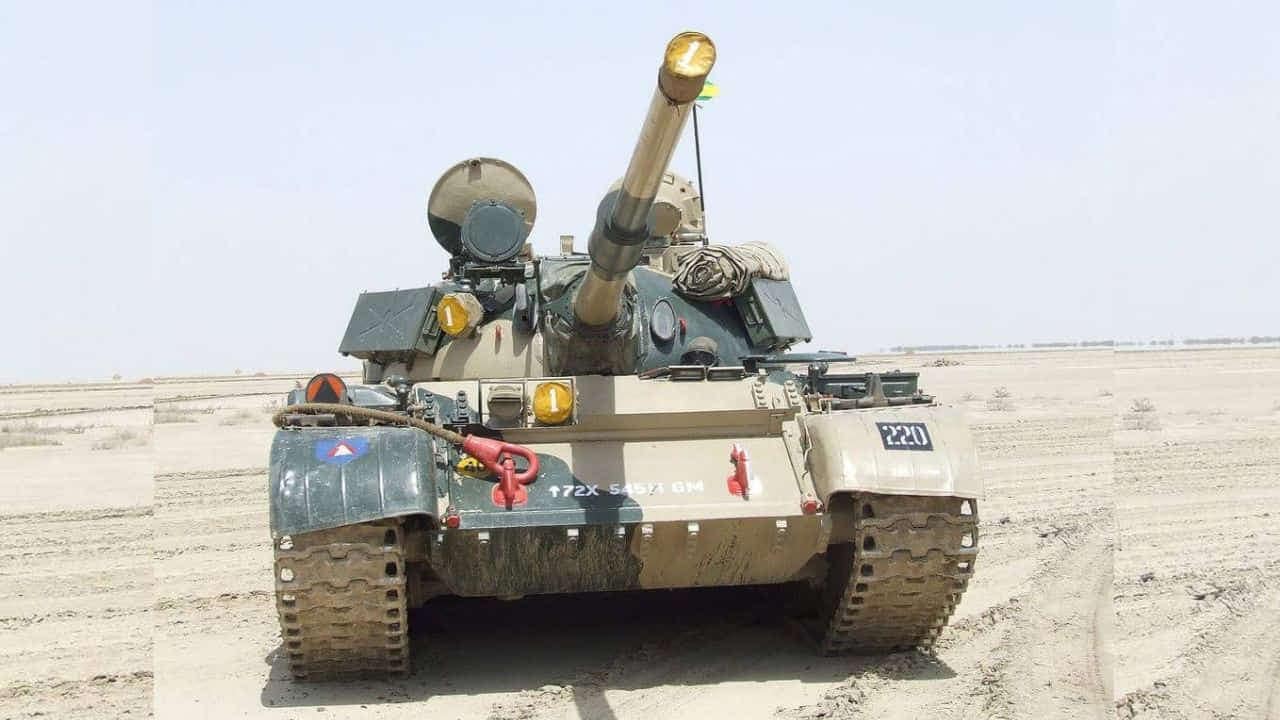
T-55 Tank Indian Army: Recently the Indian Army’s Vajra Corp released a photograph. Three tanks are visible behind the soldiers in the photo. At first glance, this common military photograph may take place, but the special thing is why the decades-old T-55 tanks are still overlooking with the army today.

The Indian Army had removed T-55 from its Forward Combat Roll over the years ago. Following this, modern tanks like T-72 invincible and T-90 Bhishma took their place. Despite this T-55 appears today in some places.

T-55 Tank Indian Army: Old Soviet Design

The circular turret of the tanks appearing behind in the picture, the five large road wheel, the long main cannon and the old Soviet design indicate that these are T-55 tanks.

T-72 And the design of T-55 appears quite different than T-90. It weighed only 36 tonnes and is more rounded and does not see the Modern Explosive Reactive Armour or Advance Sensor System. That’s why these tanks are easily identified.

India bought around 1800 T-54/T-55 from Russia, Czechoslovakia and Poland, which was purchased in several phases from 1964 to 1971. T-55 Tank Indian Army

T-55 showed in the rust of 1971

The T-55 tank is considered to be the most successful tank of the Cold War round. In the 1950s, the Soviet Union had made it and many countries in the world used it.

India also bought a large number of T-55 tanks. 1971 These tanks had played a significant role during the India-Pakistan war. In that war, Indian T-55 had caused heavy damage to Pakistani tanks M-24 Shafi, Chinese T-59 M-47/M-48 Patton. T-55 in wars like Garibpur, Ninakot, Basantar had broken the enemy lines and destroyed more than 58 Pakistani tanks.

These tanks were the main war tank of the Indian Army and played a decisive role on the Western Front (Panjab-Rajasthan). The special thing was that these tanks had an infrared night vision, which had no response to Pakistan, with many Pakistani tanks in the night war destroyed like the "Siting Ducks".

The Chinese version of T-55 was T-59. which was like T-55 in appearance. The Indian Army had a big challenge to recognize them. For which the Indian Army imposes fake bore evacuators on their tanks to identify different from Pakistani T-59.

At that time T-55 was considered the backbone of the Indian armor core. In that round, its marching capacity, reliability and easy maintenance made it extremely useful for the army. T-55 Tank Indian Army

AK-47 was like T-55

Often it is compared to AK-47 rifle, as it worked smoothly even in difficult weather, desert and dusty areas. The Indian Army put it in service for more than four decades due to reduced maintenance needs.

टी-55 की एक और बड़ी विशेषता इसकी मोबिलिटी थी। इसमें 580 हॉर्सपावर का वी-55 इंजन लगाया गया था, जिसकी मदद से यह सड़क पर लगभग 50 किलोमीटर प्रति घंटे की रफ्तार हासिल कर सकता था। स्नॉर्कल सिस्टम की मदद से यह गहरे पानी वाले हिस्सों को भी पार कर सकता था। राजस्थान और पंजाब के रेतीले क्षेत्रों में इसकी प्रदर्शन क्षमता ने इसे भारतीय सेना के लिए एक भरोसेमंद प्लेटफॉर्म बना दिया।

टी-55 की पहचान उसकी 100 मिमी डी-10टी राइफल्ड गन से भी जुड़ी रही है। यह उस दौर के लिए बेहद प्रभावी हथियार माना जाता था। टैंक में 43 राउंड तक गोला-बारूद ले जाने की क्षमता थी और इसका फायरिंग रेट भी अच्छा थी। प्रोजेक्ट गुलमोहर के तहत इसी प्लेटफॉर्म पर 105 मिमी एल-7ए1 गन लगाई गई, जिससे इसकी मारक क्षमता और बढ़ गई।

मूल टी-55 टैंक की प्रभावी मारक दूरी लगभग 1,500 मीटर मानी जाती थी, जबकि अधिकतम टारगेटेड दूरी 2 से 2.5 किलोमीटर तक पहुंच सकती थी। वहीं, गुलमोहर अपग्रेड के बाद नई 105 मिमी गन और आधुनिक फायर कंट्रोल सिस्टम के कारण इसकी प्रभावी दूरी 2 से 3 किलोमीटर तक पहुंच गई।

टी-55 का एक बड़ा फायद इसका छोटाा साइज था। लगभग 2.4 मीटर ऊंचाई और 36 टन वजन वाले इस टैंक का सिल्हूट अपेक्षाकृत छोटा था। युद्धक्षेत्र में इसका मतलब यह था कि दुश्मन के लिए इसे पहचानना और निशाना बनाना कठिन हो जाता था। कम ऊंचाई के कारण यह प्राकृतिक आवरण का बेहतर उपयोग कर सकता था।

सबसे महत्वपूर्ण बात यह थी कि टी-55 दुनिया के शुरुआती टैंकों में शामिल था, जिसमें परमाणु, जैविक और रासायनिक हमलों से सुरक्षा देने वाली एनबीसी सिस्टम लगाया गया था। यही वजह थी कि कठिन युद्ध परिस्थितियों में भी चालक दल की सुरक्षा बेहतर बनी रहती थी। (T-55 Tank Indian Army)

T-55 Tank Indian Army
T-55 Tank

समय के साथ क्यों कम हो गई उपयोगिता?

तकनीक के तेजी से विकास के साथ टैंकों की भूमिका भी बदलती गई। नए बैटलफील्ड में बेहतर सुरक्षा, अधिक मारक क्षमता, डिजिटल फायर कंट्रोल सिस्टम और आधुनिक सेंसर की जरूरत बढ़ गई। आधुनिक युद्ध में एंटी-टैंक गाइडेड मिसाइल, थर्मल साइट्स, लंबी रेंज जैसे फीचर नहीं थे। जिसके चलते यह पूरी तरह आउटक्लास हो चुका था।

टी-55 की मूल 100 मिमी तोप और पुरानी फायर कंट्रोल तकनीक आधुनिक टैंकों की तुलना में कमजोर पड़ने लगी। इसके अलावा इसकी सुरक्षा भी नए एंटी-टैंक हथियारों के सामने सीमित मानी जाने लगी।

इसी वजह से भारतीय सेना ने धीरे-धीरे टी-72 अजेय और बाद में T-90 भीष्म टैंकों को अपनाया। (T-55 Tank Indian Army)

प्रोजेक्ट गुलमोहर से मिली नई जिंदगी

टी-55 को पूरी तरह हटाने से पहले भारतीय सेना ने उसे आधुनिक बनाने का फैसला किया। इसी उद्देश्य से प्रोजेक्ट गुलमोहर शुरू किया गया। इसमें पौलेंड से तकनीकी मदद ली गई। पुणे के खडकी स्थित 512 आर्मी बेस वर्कशॉप में इस ओवरहॉल को अंजाम दिया गया।

प्रोजेक्ट गुलमोहर 1987 में लॉन्च किया गया। इसका मकसद टी-55 टैंकों की सेवा अवधि 15-20 साल बढ़ाना और उनकी युद्धक क्षमता में सुधार करना था। क्योंकि नए टैंक खरीदना महंगा था, जिनकी कीमत लगभग 1800 करोड़ रुपये थी, जबकि अपग्रेड करना सस्ता और प्रभावी था।

इस प्रोजेक्ट पर कुल लगभग 232 करोड़ रुपये खर्च किए गए। दिलचस्प बात यह रही कि प्रति टैंक ओवरहॉल की लागत लगभग 10 लाख रुपये के आसपास रही, जो नए टैंक खरीदने की तुलना में काफी कम थी। शुरुआत में करीब 800 टैंकों के आधुनिकीकरण का लक्ष्य रखा गया था, लेकिन परियोजना की सफलता के बाद यह संख्या बढ़ती चली गई। वर्ष 1998 तक 900 से अधिक टी-55 टैंकों का ओवरहॉल और अपग्रेड पूरा किया जा चुका था। इसके बाद 2001 तक यह आंकड़ा 1,000 से भी अधिक टैंकों तक पहुंच गया।

इस प्रोजेक्ट के तहत टैंकों को पूरी तरह खोलकर दोबारा तैयार किया गया। कई महत्वपूर्ण हिस्सों को बदला गया और नई तकनीक जोड़ी गई।

गुलमोहर कार्यक्रम के दौरान सबसे बड़ा बदलाव मुख्य हथियार में किया गया। पुराने 100 मिमी गन सिस्टम की जगह अधिक प्रभावी 105 मिमी गन लगाई गई।

इसके साथ आधुनिक फायर कंट्रोल सिस्टम, डिजिटल बैलिस्टिक कंप्यूटर और बेहतर टारगेट साधने वाले उपकरण भी लगाए गए।

कुछ टैंकों में नाइट विजन और थर्मल इमेजिंग जैसी सुविधाएं भी जोड़ी गईं ताकि रात में भी उनका इस्तेमाल किया जा सके। साथ ही, इंजन, ट्रांसमिशन और अन्य मैकेनिकल सिस्टम की भी व्यापक मरम्मत की गई। (T-55 Tank Indian Army)

सेना ने कब हटाया टी-55 को?

हालांकि समय के साथ सेना का ध्यान अधिक आधुनिक टी-72 और टी-90 टैंकों की ओर बढ़ने लगा। साल 2001 में भारतीय सेना ने फैसला किया कि आने वाले सालों में टी-55 बेड़े को चरणबद्ध तरीके से हटाकर उसकी जगह टी-72एम1 अजेया टैंकों को दिया जाएगा। इसके बावजूद प्रोजेक्ट गुलमोहर के तहत ओवरहॉल और रखरखाव का काम जारी रहा और 2008 में अंतिम टी-55 टैंक का ओवरहॉल पूरा किया गया।

इसके बाद अगले कुछ वर्षों में टी-55 की सक्रिय तैनाती समाप्त हो गई। उपलब्ध आंकड़ों के अनुसार साल 2006 में भारतीय सेना के पास लगभग 715 अपग्रेडेड टी-55 टैंक सर्विस में थे, जबकि 67 टैंक रिजर्व स्टोरेज में रखे गए थे। संख्या कम होने की वजह यह थी कि प्रोजेक्ट के दौरान 900 से अधिक टैंकों का आधुनिकीकरण जरूर किया गया था, लेकिन कई पुराने और तकनीकी रूप से खराब हो चुके टैंक समय के साथ सेवा से बाहर कर दिए गए थे।

टी-55 को सक्रिय युद्धक भूमिका से हटाने की प्रक्रिया 24 फरवरी 2009 से शुरू हुई। इसके बाद चरणबद्ध तरीके से इन्हें यूनिटों से बाहर किया गया और मई 2011 तक टी-55 पूरी तरह सक्रिय सैन्य सेवा से हट चुका था।

2011 तक अधिकांश टी-55 टैंक रेगुलर आर्मर्र युनिट से बाहर हो चुके थे। (T-55 Tank Indian Army)

आज ये टैंक कहां हो रहे हैं इस्तेमाल?

हालांकि टी-55 अब फ्रंट लाइन का मुख्य बैटल टैंक नहीं हैं, लेकिन पूरी तरह गायब भी नहीं हुए हैं। कितने टैंक अभी मौजूद हैं इनकी कोई आधिकारिक लिस्ट उपलब्ध नहीं हैं। लेकिन माना जा रहा है, जो टैंक रिजर्व रखे गए थे, ये उनमें से ही कुछ टैंक हैं।

सूत्रों ने बताया कि इनका इस्तेमाल कई तरह की सैन्य गतिविधियों में किया जाता है। कुछ टैंक ट्रेनिंग सेंटर्स में सैनिकों को बख्तरबंद युद्ध की बुनियादी जानकारी देने के लिए रखे गए हैं।

सूत्रों ने बताया कि 2024 में पैंथर डिवीजन (वेस्टर्न कमांड) के इंटीग्रेटेड कॉम्बैट ट्रेनिंग एक्सरसाइज में टी-55 इस्तेमाल हुए थे। वहीं, कुछ टैंक अभी भी ट्रेनिंग, ड्राइवर ट्रेनिंग या सपोर्ट वाहन के रूप में रखे गए हैं।

सूत्रों ने बताया कि कुछ जगहों पर इन्हें स्टैटिक डिफेंस स्ट्रक्चर या एक्सरसाइज के लिए इस्तेमाल किया जाता है। सीमा क्षेत्रों में सुरक्षा जरूरतों को देखते हुए 2017 के बाद एलओसी के कुछ संवेदनशील इलाकों में टी-55 टैंकों को स्टैटिक डिफेंस प्लेटफॉर्म के रूप में भी इस्तेमाल किया गया। इन टैंकों को बंकर और पिलबॉक्स जैसे स्ट्रक्चर में बदल दिया गया, ताकि उनकी 105 मिमी गन का इस्तेमाल फायर सपोर्ट देने के लिए किया जा सके। कई टैंक तकनीकी प्रशिक्षण और रखरखाव से जुड़े पाठ्यक्रमों में भी इस्तेमाल किए जाते हैं। वहीं, कुछ टी-55 संग्रहालयों और सैन्य स्मारकों का हिस्सा भी बन चुके हैं। (T-55 Tank Indian Army)

A number of changes in the new embodiment of the Jorawar tank, is the army to meet and the more powerful platform?

Zorawar Tank Upgrades
Comments on PMO Tweet

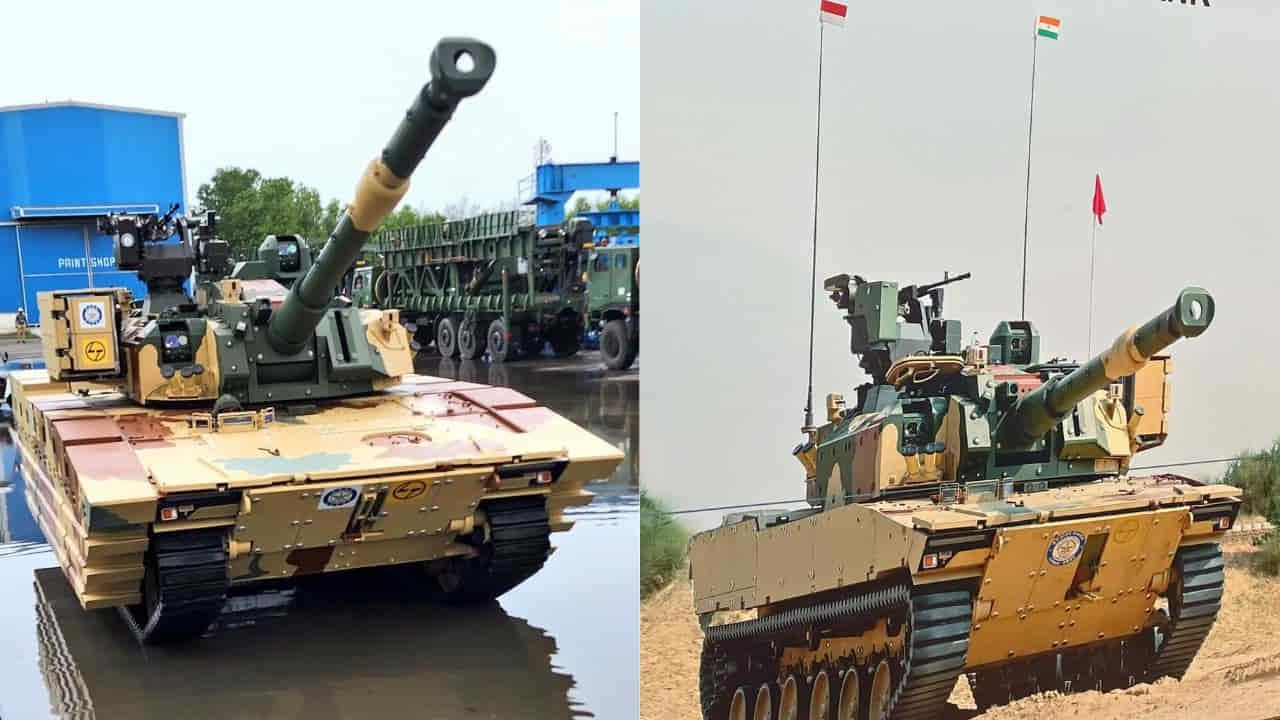
Zorawar Tank Upgrades: A number of changes have been made to the Indigenous Jorawar Light Tank being built for the Indian Army. Recently Prime Minister Narendra Modi inspected the Jorawar tank at Hazira-based L&T plant in Gujarat. Several important changes are visible if the photographs were compared to the initial prototype of 2024 and 2025.

The formulas say that the front imperfections are being overcome during development and trials and the Jorovar tank is likely to be included in the army during 2028-29.

Zorawar Tank Upgrades: The foundation of the Zorawar Project lying after Galvan in 2020

East Ladakh In 2020, the surged military tensions between India and China made the Indian Army the need for a mild but powerful tank, which can easily work in elevated hilly areas.

T-72 and T-90 tanks present to the Indian Army were designed for deserts and plains. They were deployed in areas with heights like Ladakh, but some of their limits were in front of the situation.

In view of this need, DRDO and L&T together project Jorawar Started. The tank weighing about 25 tonnes is being developed specifically for altitude areas. (Zorawar Tank Upgrades)

Zorawar Tank Upgrades
Image Source: DRDO

The biggest change in new photos of the armor

The biggest difference when comparing photos of old and new prototypes appears in the front part of the tank.

The front plate in the first prototype had a relatively thin look. While the front armor plates in new photographs are visible to be thicker and several layers. The formulas say that this change can be done after the experiences met with the tests.

Although it has not officially been confirmed, the additional layers on the lower front plate in the photos are visible clean. This is done to enhance the safety of the tank.

The formulas say that Jorawar is being tried to give the security level of NATO level (STANAG level 4) to protect against threats like 30 mm APFSDS shells. If this is, it will be considered as an important achievement in the category of lightweight tanks. (Zorawar Tank Upgrades)

Zorawar Tank Upgrades
Image Source: DRDO

First Time Showing Fuel Port Armour

Another important change in new photos has appeared. Additional protection armor is overlooking around the fuel port of the tank.

This part in the old prototype appeared open, but now there is additional armor mounted. The attack of the fuel system during the war is a great threat to any armored vehicle. Increasing the safety of this part in such a practical improvement is being considered. (Zorawar Tank Upgrades)

Changes to Track Armor

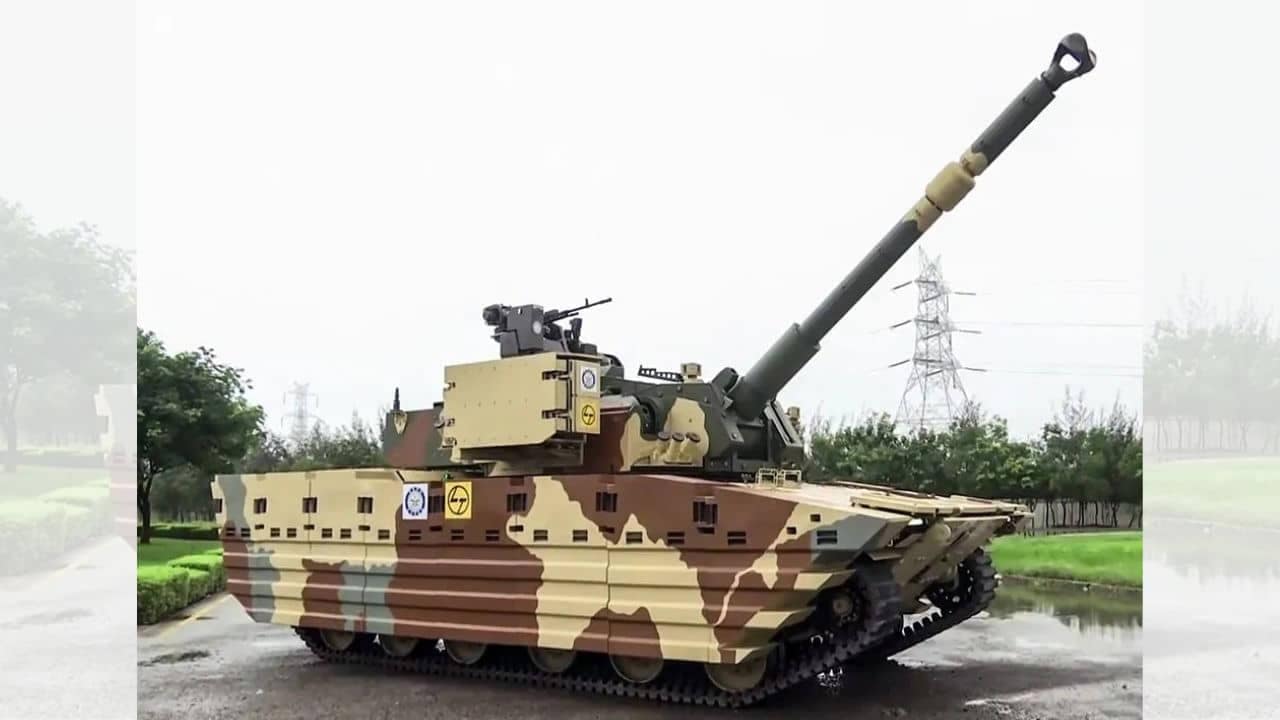
When compared to old and new photos, it appears that significant changes have been made to the side armor above the track section of the tank. The side skirts engaged above the track in the photos of the initial prototyping of the Jorawar tank appeared torn in many small parts. The bolts, joints and different modules on these were seen clean.

But the armor plates mounted above the track in the new prototype are visible more large, thicker and integrated than before. The biggest change is that now replacing different modules is showing a long and plane plate. The whole part in the new design looks more neat and stronger, while the first where many joints and bolts were seen.

Tracks, road wheels and suspension systems are extremely important in any tank. If the enemy damages these parts, the tank may stop in its place, whether its main cannon and other weapons are working perfectly. The additional protection armor is applied over the track. It is called a side skirt. Its work is to provide protection from small arms pills, pellets, rocket driven arms and drone attacks. (Zorawar Tank Upgrades)

Changes to the Chamoflage pattern

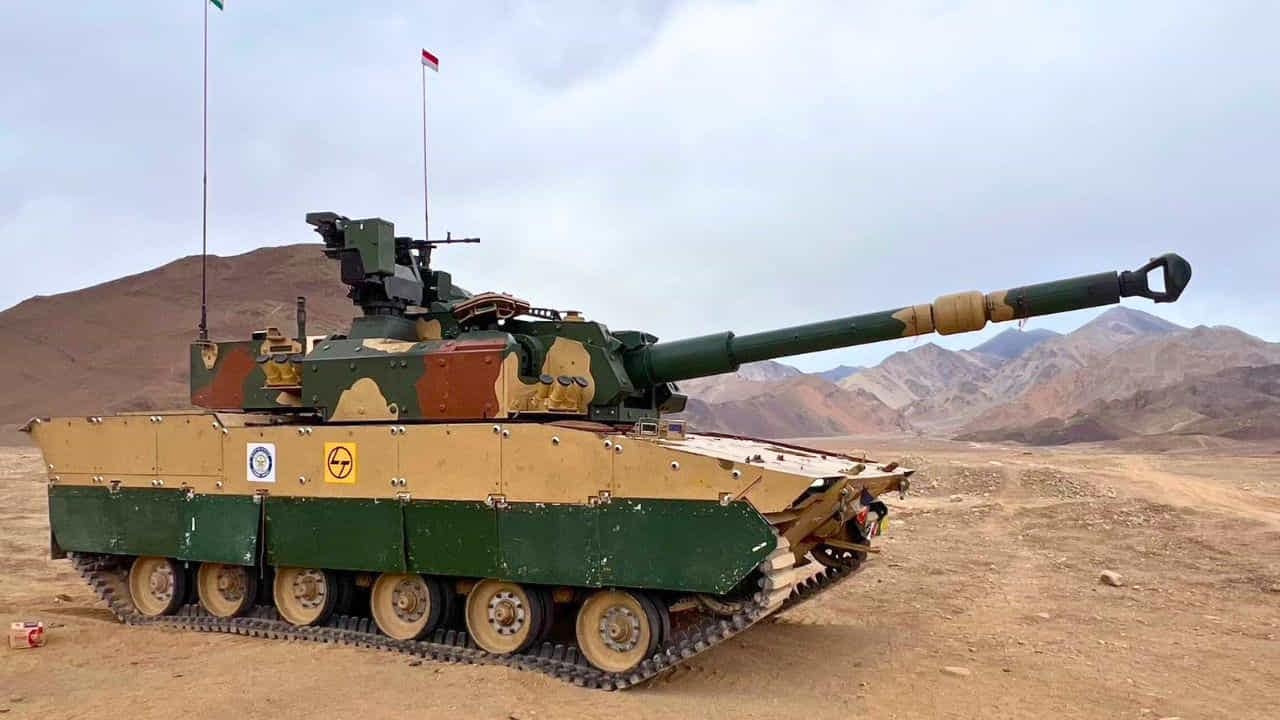
The color of the tank in new photos and the chamoflage pattern is also visible different. Relatively light colors were used in old prototypes. New photos have a combination of dark brown, green and tan shades. This pattern is considered better for both cultivated and deserted areas. Let's tell that the camouflage is not only filled with color, but also part of the strategy to reduce thermal and visual signatures.

Zorawar Tank Upgrades
Image Source: DRDO

Correction appeared in the turret and sensor system

New photos show some changes in sensors and optical systems mounted above the terate. Jorawar Includes capabilities such as modern fire control system, thermal site, laser range finder and remote wastage station. The integration of all these systems in the new prototype version is already seen better. This gives the crew better information of Battlefield and can be processed faster on the target. (Zorawar Tank Upgrades)

Platforms being prepared for High-Altitude War

Jorawar is being designed by taking into account the needs of the Indian segment. It will be a lightweight, fluffy and technologically advanced armored platform, which is being specially formulated for areas with height.

This tank with a weight of about 25 tonnes can be rapidly transported from one area to another through large military transport aircraft. Also it is also being considered suitable for rapid deployment in elevated areas.

This capacity for the army is therefore important because it has always been challenging to deliver heavy weapons on time in hillsides.

At the same time, Jorawar is not being built only for the mountains. This platform is designed in such a way that it can also float a limited in water. The ability to firing on high elevation is also included, which can also play a limited artillery role when needed. (Zorawar Tank Upgrades)

The army has new prototype waiting

The army has not yet got the second prototype formally for user trials. Zorovar Tank The first prototyping of has already been deployed in the High Altitude terrain, where its early trials were carried out. During deployment in high altitudes, some technical shortcomings came out, as new factors such as weather, oxygen reduction and temperature work at altitude. That’s why the second prototype of the Jorawar tank is prepared. This second prototype is built in Gujarat’s Hazira.

Sources say that the Indian Army user trials are expected to be launched in Winter this year. These trials can last for 12-18 months, with performance tests of the tank in summer, winter, high-altitude and various terences. If user trials have been successful, the induction of the tank can be started. (Zorawar Tank Upgrades)

354 tanks need

The Indian Army needs such 354 light tanks. DRDO and L&T beginners 59 tanks will be provided as per the existing plan. Different procedures will be adopted for the rest of the tanks, in which other companies can also participate. The entire project is about Rs 17,500 crore.

In a recent interview, General Upendra Dwivedi said that Jorawar can be included in 2028-29 as per the current timeframe. He also said that India needs Indian solutions for its challenges, as the country’s geographical conditions and security challenges are different.

The Army chief said there are mountains, deserts, forests, plains, river areas and long disputed border areas in India. In such an environment, the army has to be prepared for every situation from traditional wars to technology-based modern wars. (Zorawar Tank Upgrades)

The army is bringing special ‘mortar specialist vehicle’, from the mountains to the desert to the enemy in only 20 seconds.

Mortar Specialist Vehicle
Image for reference only.

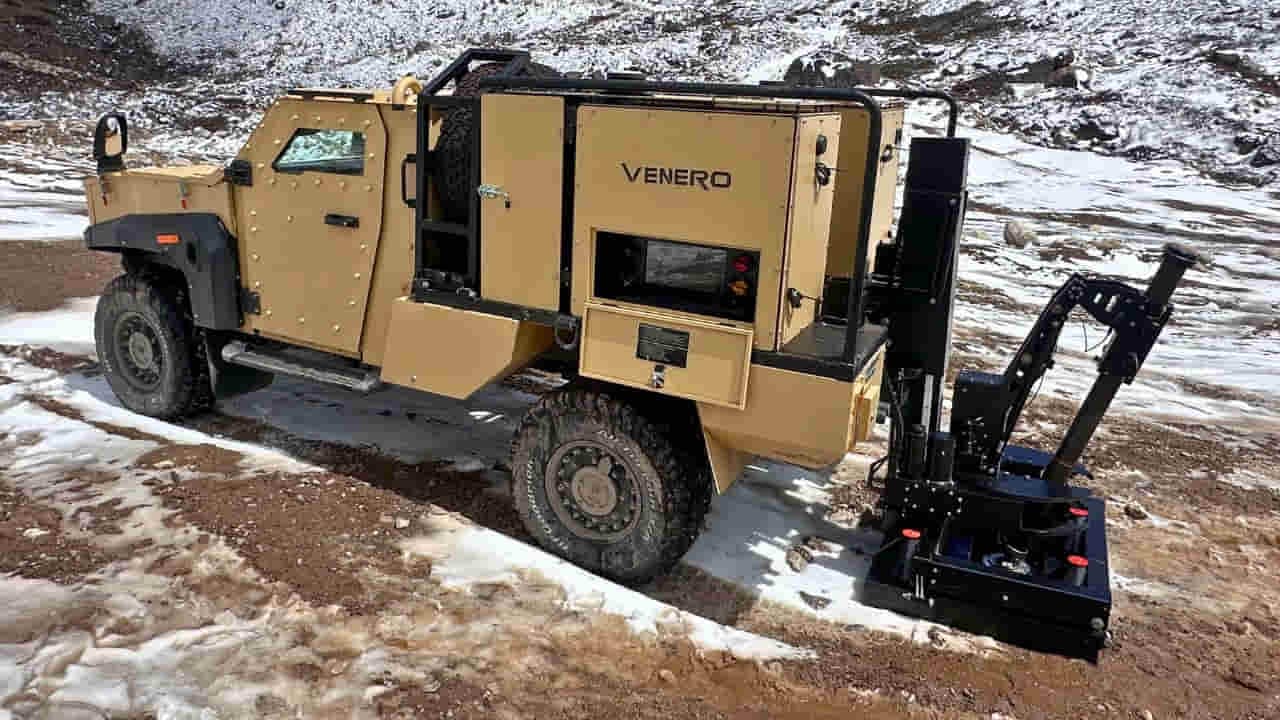
Mortar Specialist Vehicle: The Indian Army is moving rapidly towards modernizing its firepower and combat capacity. The Ministry of Defence has first released the Request for Information (RFI) for a state-of-the-art platform that can completely change the traditional mortar system. The name of this new system is "Mortar Specialist Vehicle" (MSV). The aim is to improve the Mortar Killer Capacity, Accuracy and Response Time in the Battleground.

This project will be further extended under Defence Exhibition Provider-2020 as per the documents issued on behalf of the Ministry of Defence. It has been planned to develop in line with the "Make in India" and "Sustained India" campaign. The Indian companies want to participate in this project and build it in the country.

What is Mortar Specialist Vehicle?

Indian Army Infantry Battalions are currently used as 81mm and 120mm mortar fire support arms. The whole process of running these mortars is manual. Depends significantly on the efficiency of troops in the direction, distance and angle of the target.

The Ministry of Defence has assumed that the accuracy of firing has been impacted several times due to human mistakes. This increases the consumption of ammunition and reduces the opportunity to attack the enemy first vigorously. The concept of Mortar Specialist Vehicle has been brought to remove the same problem.

एमएसवी एक व्हील्ड मिलिट्री व्हीकल होगा, जिस पर मोर्टार सिस्टम लगाया जाएगा। इसे केवल दो सैनिक ऑपरेट कर सकेंगे। मोर्टार फायर कंट्रोलर या ऑब्जर्वेशन पोस्ट से टारगेट की जानकारी मिलने के बाद यह सिस्टम आटोमैटिक कैल्कुलेशन करेगा और मोर्टार को सही दिशा में सेट कर देगा। इससे फायरिंग की रफ्तार और सटीकता दोनों बढ़ेंगी।

कम होगी मानवीय गलतियां

सेना के लिए इस प्रोजेक्ट का सबसे बड़ा फायदा यह है कि Mortar ऑपरेशन में मानवीय हस्तक्षेप बहुत कम हो जाएगा। अभी किसी टारगेट पर फायर करने से पहले कई कैल्कुलेशंस करनी पड़ती हैं। युद्ध जैसे हालात में समय की कमी और दबाव के चलते गलती की संभावनाएं बनी रहती हैं।

नए सिस्टम में बैलिस्टिक कंप्यूटर, डिजिटल डेटा प्रोसेसिंग और ऑटोमैटिक लेइंग मैकेनिज्म का इस्तेमाल किया जाएगा। टारगेट की जानकारी मिलने के बाद व्हीकल खुद मोर्टार की दिशा और ऊंचाई तय करेगा। इससे पहली ही फायरिंग में टारगेट को निशाना बनाने की संभावना बढ़ जाएगी। (Mortar Specialist Vehicle)

पहाड़ों से रेगिस्तान तक हर जगह तैनाती

रक्षा मंत्रालय ने स्पष्ट किया है कि एमएसवी को भारत की विविध भौगोलिक परिस्थितियों को ध्यान में रखकर डिजाइन किया जाएगा। यह जम्मू-कश्मीर, लद्दाख, हिमाचल प्रदेश, उत्तराखंड, सिक्किम और अरुणाचल प्रदेश जैसे ऊंचाई वाले क्षेत्रों में भी काम करने में सक्षम होगा।

डॉक्यूमेंट के अनुसार व्हीकल को 4500 मीटर तक की ऊंचाई वाले इलाकों में ऑपरेशन करने योग्य होना चाहिए। इसके अलावा यह मैदानी क्षेत्रों, चट्टानी इलाकों, रेगिस्तान और बर्फ से ढके क्षेत्रों में भी प्रभावी ढंग से काम कर सकेगा।

सेना ने यह भी तय किया है कि व्हीकल माइनस 25 डिग्री सेल्सियस से लेकर प्लस 50 डिग्री सेल्सियस तक के तापमान में बिना किसी बाधा के काम कर सके। (Mortar Specialist Vehicle)

Mortar Specialist Vehicle
Vehicle-mounted mortar systems for infantry use.

बेहद तेज और दमदार होगा व्हीकल

तकनीकी जरूरतों के अनुसार एमएसवी की अधिकतम रफ्तार राजमार्ग पर कम से कम 80 किलोमीटर प्रति घंटा और कच्ची सड़कों पर 40 किलोमीटर प्रति घंटा होगी। व्हीकल को 12 सेकंड में शून्य से 80 किलोमीटर प्रति घंटा की रफ्तार हासिल करनी होगी।

इसकी ऑपरेशनल लिमिट भी काफी बड़ी रखी गई है। व्हीकल पूरी क्षमता के साथ राजमार्ग पर कम से कम 400 किलोमीटर और मुश्किल इलाकों में लगभग 250 किलोमीटर तक चल सकेगा।

डॉक्यूमेंट के अनुसार व्हीकल में प्रति टन कम से कम 30 हॉर्सपावर की शक्ति होनी चाहिए। यह 30 डिग्री तक की चढ़ाई चढ़ सकेगा और 17 डिग्री तक के ढलान पर संतुलन बनाए रख सकेगा।

दुश्मन के ड्रोन से भी सुरक्षा

यूक्रेन युद्ध और पश्चिम एशिया के संघर्षों ने दिखाया है कि छोटे Kamikaje Drone भी मिलिट्री व्हीकलों के लिए बड़ा खतरा बन सकते हैं। इसी अनुभव को ध्यान में रखते हुए भारतीय सेना ने एमएसवी में एंटी-ड्रोन कोप केज लगाने की भी मांग की है।

यह सिक्योरिटी स्ट्रक्चर व्हीकल को ऊपर से आने वाले ड्रोन हमलों से बचाने में मदद करेगी। जिसे आधुनिक युद्धक्षेत्र की नई जरूरत माना जा रहा है। (Mortar Specialist Vehicle)

मोर्टार तैनात करने में लगेगा सिर्फ कुछ सेकंड

एमएसवी की सबसे बड़ी विशेषता इसका फास्ट रेस्पॉन्स टाइम होगा। डॉक्यूमेंट के अनुसार मोर्टार को फायरिंग के लिए तैयार करने में 20 सेकंड से कम समय लगना चाहिए। टारगेट पर निशाना साधने में भी 20 सेकंड से कम समय लगेगा।

यदि फायरिंग के बाद दोबारा टारगेट बदलना हो तो सिस्टम पांच सेकंड के भीतर मोर्टार को नई दिशा में घुमा सकेगा। दुश्मन की जवाबी कार्रवाई से बचने के लिए फायरिंग के बाद व्हीकल को तुरंत जगह बदलने की क्षमता भी दी जा रही है। इसके लिए 20 सेकंड से कम समय का मानक तय किया गया है।

81 मिमी और 120 मिमी दोनों मोर्टारों के साथ काम करेगा

सेना चाहती है कि यह प्लेटफॉर्म पूरी तरह मॉड्यूलर हो। एक ही व्हीकल पर 81 मिमी और 120 मिमी दोनों प्रकार के मोर्टार लगाए जा सकें। भविष्य में यदि बड़े कैलिबर के मोर्टारों की जरूरत पड़े तो उन्हें भी इसमें जोड़ा जा सके।

व्हीकल में लगभग 54 राउंड गोला-बारूद ले जाने की क्षमता रखने की भी योजना है। अलग-अलग प्रकार के हाई एक्सप्लोसिव, स्मोक और इल्यूमिनेशन राउंड के लिए विशेष स्टोरेज सिस्टम उपलब्ध होगा। (Mortar Specialist Vehicle)

हेलीकॉप्टर से भी ले जाया जा सकेगा

भारतीय सेना ने इस व्हीकल को अत्यधिक मोबाइल बनाने पर जोर दिया है। इसलिए इसे रेल के अलावा चिनूक सीएच-47 और एमआई-17 हेलीकॉप्टरों के जरिए भी ले जाने योग्य बनाने की मांग की गई है। डॉक्यूमेंट में इसे पैरा ड्रॉप योग्य बनाने का भी उल्लेख है। ताकि जरूरत पड़ने पर सेना इसे दूरदराज के इलाकों में हवाई मार्ग से भी तेजी से पहुंचा सके।

चालक दल की सुरक्षा पर विशेष ध्यान

एमएसवी में स्टैनैग लेवल-1 बैलिस्टिक सुरक्षा की मांग की गई है। व्हीकल में फायर डिटेक्शन सिस्टम, अग्निशमन उपकरण, फर्स्ट एड किट, रिकवरी सिस्टम और अन्य सुरक्षा सुविधाएं भी होंगी।

इसके अलावा रग्डाइज्ड मिलिट्री ग्रेड टचस्क्रीन बेस्ड व्हीकल इंफॉर्मेशन सिस्टम लगाया जाएगा, जिससे ड्राइवर को व्हीकल की स्थिति और अन्य जरूरी जानकारियां मिलती रहेंगी। (Mortar Specialist Vehicle)

स्वदेशी कंपनियों के लिए बड़ा मौका

रक्षा मंत्रालय ने स्पष्ट किया है कि यह परियोजना आत्मनिर्भर भारत और मेक इन इंडिया कार्यक्रमों के तहत आगे बढ़ेगी। कंपनियों को स्वदेशीकरण की विस्तृत योजना प्रस्तुत करनी होगी। साथ ही महत्वपूर्ण तकनीकों को भारत में विकसित करने का रोडमैप भी बताना होगा।

आरएफआई में यह भी कहा गया है कि कॉन्ट्रैक्ट मिलने के दो साल के भीतर व्हीकल की सप्लाई शुरू होनी चाहिए। कंपनियों को तकनीकी क्षमता, उत्पादन क्षमता, वित्तीय स्थिति और स्वदेशी सामग्री के स्तर की जानकारी भी देनी होगी।

सेना क्यों मान रही है इसे अहम परियोजना?

भारतीय सेना लंबे समय से फायर सपोर्ट सिस्टम को अधिक मोबाइल और प्रिसाइज बनाने पर काम कर रही है। आधुनिक युद्धों में दुश्मन की स्थिति का पता लगते ही तुरंत जवाब देना जरूरी होता है। ऐसे में पारंपरिक मोर्टारों की तुलना में एक ऑटोमेटेड प्लेटफॉर्म सैनिकों को बड़ा फायदा दे सकता है।

रक्षा मंत्रालय के डॉक्यूमेंट में भी कहा गया है कि मोर्टार स्पेशलिस्ट व्हीकल का उद्देश्य सटीकता बढ़ाना, प्रतिक्रिया समय कम करना और इन्फैंट्री यूनिट्स को अधिक प्रभावी फायर सपोर्ट उपलब्ध कराना है। यही वजह है कि सेना इसे अपनी युद्धक क्षमता में महत्वपूर्ण सुधार के तौर पर देख रही है। (Mortar Specialist Vehicle)

Explained: Army Chief released the Master Plan of Indian Army 2047! Preparations to become ‘Future Ready Force’ in the next 21 year

Indian Army Strategic Guidelines 2047 Explained
Image Source: ADGPI/X

Indian Army Strategic Guidelines 2047: Indian Army Chief General Byendra Dwivedi has released a document that is being considered a strategic roadmap of the Army for two decades to come. Its name is "Indian Army Stratgeic Guidelines 2047′′. This document also mentions how the Indian Army wants to be by 2047 and how it is looking at its role in the changing world.

This document is designed based on "Definance Forces Vision 2047" as per the formulas. The aim is to transform the army into strengths that are able to withstand future wars, new techniques, and changing security environments.

Indian Army Strategic Guidelines 2047: Why Need New Strategic Documents?

"The Indian Army Chief General Deputy Director Unveiled the "Indian Army Stratgeic Guidelines 2047". This important document is based on the structure of the "Definance Forces Vision 2047" and decides the direction of transforming the Indian Army into the ready force for the future.
This document changes strategic thinking into clear and executed efforts, so that Indian Army’s capabilities, structures and actions can proceed to suit the National Vision of "Developed India 2047′′. ""

In the past few years, the world’s events have changed. Russia-Ukraine war, West Asia’s struggle, drone-based attack, cyber attack, and space-based surveillance have changed the form of war.

The army of any country today cannot be filled only with tanks, cannons and fighter planes. Multi domain operations such as data, artificial intelligence, cyber potential, electronic warfare and space technology have also become as important.

The Indian Army believes that strong security systems are required to create a developed nation by 2047. This new roadmap is designed under this thinking.

Army Special Edition of Defence Forces Vision 2047

Defence Minister Rajnath Singh in March 2026 Defence Forces Vision 2047 was released. The comprehensive direction was set for the three forces in that document.

Indian Army Strategic Guidelines 2047 is the Army Special Edition of the same vision. This new document indicates how the Indian Army will reach that goal.

It covers topics such as capacity building, modernization, organizational change, technical development and war preparation in detail.

Three phases in return forces

The change of the Indian Army will not be in a day as per the document. The three phases have been fixed for this.

The first step will last up to 2032. It is called the decade of Transformation. During this time large changes in the structure, arms, technology and operating system of the Army will be made.

The second stage will be up to 2037. The reforms made in the first phase will be strengthened and the joint military capacity will be further improved.

The third step will last up to 2047. The Indian Army has been fully aiming to develop as a ready force for future wars.

What is Multi Domain Operation?

The most important part of this document Multi Domain Operation की अवधारणा है।

पहले युद्ध मुख्य रूप से जमीन, समुद्र और हवा में लड़े जाते थे। अब साइबर स्पेस, अंतरिक्ष, सूचना युद्ध और इलेक्ट्रॉनिक स्पेक्ट्रम भी युद्ध का हिस्सा बन चुके हैं।

मल्टी डोमेन ऑपरेशन का मतलब है कि सेना एक साथ कई क्षेत्रों में काम करेगी और सभी क्षेत्रों से मिलने वाली जानकारी का उपयोग करेगी।

उदाहरण के लिए यदि सीमा पर कोई गतिविधि होती है तो उपग्रह, ड्रोन, रडार, साइबर नेटवर्क और जमीनी सैनिक एक साथ काम करेंगे। इससे फैसले तेजी से लिए जा सकेंगे।

2026 को क्यों बनाया गया डेटा सेंट्रिसिटी का वर्ष?

भारतीय सेना ने 2026 को “ईयर ऑफ नेटवर्किंग एंड डेटा सेंट्रिसिटी” घोषित किया है। इसका मतलब है कि सेना अब डेटा बेस्ड डिसिजन सिस्टम की ओर बढ़ रही है। भविष्य के युद्ध में जानकारी सबसे बड़ा हथियार मानी जा रही है। जिस सेना के पास अधिक और सटीक जानकारी होगी, उसे बढ़त मिलेगी। सेना का लक्ष्य है कि विभिन्न वेपन सिस्टम्स, कमांड सेंटर, निगरानी उपकरण और सैनिक एक साझा डिजिटल नेटवर्क से जुड़े रहें।

इस रणनीतिक डॉक्यूमेंट में कई नई तकनीकों का उल्लेख किया गया है।

आर्टिफिशियल इंटेलिजेंस, मशीन लर्निंग, क्वांटम टेक्नोलॉजी, ब्लॉकचेन, ड्रोन, स्वार्म ड्रोन, साइबर वॉरफेयर और इलेक्ट्रॉनिक वॉरफेयर जैसे क्षेत्रों को प्राथमिकता दी जाएगी।

सूत्रों का कहना है कि आने वाले सालों में तकनीक आधारित युद्ध का महत्व लगातार बढ़ेगा। इसलिए सेना केवल हथियार खरीदने पर नहीं बल्कि तकनीक विकसित करने पर भी ध्यान दे रही है।

सेना के स्ट्रक्चर में भी होंगे बदलाव

डॉक्यूमेंट में संगठनात्मक परिवर्तन को भी महत्वपूर्ण स्थान दिया गया है। भारतीय सेना, नौसेना और वायुसेना के बीच बेहतर तालमेल स्थापित करने के लिए जॉइंट स्ट्रक्चर डेवलप किया जाएगा।

थिएटर कमांड का कॉन्सैप्ट भी इसी हिस्सा है। जिसका उद्देश्य अलग-अलग सेनाओं की क्षमताओं को एक साथ उपयोग करना है। इससे संसाधनों का बेहतर उपयोग होगा और युद्ध के समय फैसले लेने की प्रक्रिया तेज होगी।

इसके अलावा भारतीय सेना अपने कई पुराने प्लेटफॉर्म को बदलने की प्रक्रिया में पहले से ही लगी हुई है। नए डॉक्यूमेंट में मैकेनाइज्ड फोर्सेज, आर्टिलरी, कॉम्बैट एविएशन, एयर डिफेंस और इन्फैंट्री के आधुनिकीकरण पर विशेष जोर दिया गया है।

सेना का उद्देश्य ऐसे वेपंस और सिस्टम्स हासिल करना है जो भविष्य के युद्धों में भी प्रभावी साबित हों। इस डॉक्यूमेंट में आत्मनिर्भरता को भी प्रमुख स्थान दिया गया है।

पिछले कुछ वर्षों में भारत ने रक्षा उत्पादन के क्षेत्र में तेजी से प्रगति की है। स्वदेशी तोपें, मिसाइलें, ड्रोन, रडार और संचार प्रणालियां विकसित की गई हैं।

सेना चाहती है कि भविष्य में विदेशी हथियारों पर निर्भरता और कम हो। इसी कारण भारतीय उद्योग, स्टार्टअप, अनुसंधान संस्थानों और रक्षा कंपनियों को सेना की जरूरतों से जोड़ा जा रहा है।

सैनिकों के स्किल्स डेवलपमेंट पर भी फोकस

रणनीतिक दिशानिर्देश केवल हथियारों और तकनीक तक सीमित नहीं हैं। डॉक्यूमेंट में मानव संसाधन विकास को भी उतना ही महत्वपूर्ण माना गया है। भविष्य के सैनिक को केवल शारीरिक रूप से मजबूत होना ही पर्याप्त नहीं होगा। उसे तकनीक, डेटा और आधुनिक प्रणालियों को समझने की क्षमता भी होनी चाहिए।

इसी कारण प्रशिक्षण कार्यक्रमों, कौशल विकास योजनाओं और करियर प्रबंधन प्रणाली को बेहतर बनाने पर जोर दिया गया है।

पूरे राष्ट्र को जोड़ने की सोच

इस डॉक्यूमेंट में “होल ऑफ नेशन अप्रोच” की अवधारणा भी शामिल की गई है। इसका अर्थ है कि राष्ट्रीय सुरक्षा केवल सेना की जिम्मेदारी नहीं है। इसमें सरकार, उद्योग, शिक्षा संस्थान, तकनीकी क्षेत्र और नागरिक समाज की भी भूमिका होती है।

गतिशक्ति जैसी राष्ट्रीय परियोजनाओं, दोहरे उपयोग वाले बुनियादी ढांचे, पूर्व सैनिक कल्याण और रक्षा कूटनीति को भी इस व्यापक दृष्टिकोण का हिस्सा माना गया है।

विकसित भारत 2047 से क्या है संबंध?

प्रधानमंत्री नरेंद्र मोदी ने 2047 तक भारत को विकसित राष्ट्र बनाने का लक्ष्य रखा है। भारतीय सेना का मानना है कि आर्थिक विकास, निवेश, उद्योग और सामाजिक प्रगति तभी संभव है जब देश सुरक्षित हो।

इसी वजह से यह रणनीतिक डॉक्यूमेंट विकसित भारत 2047 के लक्ष्य के साथ सीधे जुड़ा हुआ है।

सेना के अनुसार राष्ट्रीय सुरक्षा और राष्ट्रीय विकास एक-दूसरे के पूरक हैं। इसी सोच के तहत 2047 तक की पूरी योजना तैयार की गई है।

Road Hadse had snatched the dream of the Jambaj Marcos commando of the country, the court assured a compensation of Rs 2.46 crore

MARCOS Commando Compensation
Image for reference only.

MARCOS Commando Compensation: Marcos Commando Lakpat Singh of the Indian Navy participating in the toughest and risky campaigns to protect the country’s marine borders has given great relief by Delhi’s Motor Accident Claims Tribunal. The Tribunal has ordered severely injured commands in a road accident to compensate for Rs 1.65 crore. This amount has exceeded Rs 2.46 crore after adding interest.

The court ruled out that no economic compensation can be compensated for the pain, struggle and broken dreams that a young soldier has suffered after this accident. The court assumed that this accident was not only a physical injury, but it affected the entire military career of a promising soldier.

MARCOS Commando Compensation: Christmas day was painful

The case is of 25 December 2018. At that time Lakpat Singh Visakhapatnam Located in INS Karana Unit. He was going to the city on the motorcycle with his fellow soldier. When his bike arrived near Talugugu Talli Flyover, a swift car coming from the back to the fast speed strongly hit his motorcycle.

The collision was so much that both falls on the road. Lakpat Singh had severe injuries in many parts of the body. They were immediately transported to INS Kalyani Hospital, where their condition was extremely delicate. The physicians put them in the category "Degener in List". He was transported the military hospital of Pune from the airway to better cure later.

Treatment lasted for six months, multiple operations

अदालती रिकॉर्ड के मुताबिक लखपत सिंह को कूल्हे, हाथ, कोहनी, पसलियों और शरीर के अन्य हिस्सों में गंभीर फ्रैक्चर हुए थे। पुणे के मिलिट्री अस्पताल में उनका लगभग छह महीने तक इलाज चला। इस दौरान कई बड़े ऑपरेशन किए गए।

इलाज के बाद भी वे पूरी तरह सामान्य नहीं हो सके। मेडिकल बोर्ड ने उन्हें पहले अस्थायी और बाद में स्थायी रूप से मार्कोस ड्यूटी तथा अंडरवाटर डाइविंग के लिए अयोग्य घोषित कर दिया।

कौन हैं मार्कोस कमांडो?

मार्कोस यानी मरीन कमांडो फोर्स भारतीय नौसेना की स्पेशल ऑपरेशन यूनिट है। इसे दुनिया की सबसे कठिन मिलिट्री ट्रेनिंग्स में से एक माना जाता है। इन कमांडो को समुद्र, नदी और तटीय क्षेत्रों में स्पेशल ऑपरेशन के लिए तैयार किया जाता है।

मार्कोस बनने के लिए सैनिकों को बेहद कठिन शारीरिक और मानसिक प्रशिक्षण से गुजरना पड़ता है। लखपत सिंह ने भी वर्षों की मेहनत के बाद यह उपलब्धि हासिल की थी। लेकिन सड़क दुर्घटना के बाद वह दोबारा कभी मार्कोस की भूमिका में नहीं लौट सके। (MARCOS Commando Compensation)

88 प्रतिशत स्थायी दिव्यांगता

मामले की सुनवाई के दौरान दिल्ली कैंट स्थित बेस अस्पताल द्वारा जारी दिव्यांगता प्रमाणपत्र अदालत में पेश किया गया। मेडिकल बोर्ड ने लखपत सिंह की स्थायी दिव्यांगता 88 प्रतिशत निर्धारित की।

रिकॉर्ड के अनुसार उनके शरीर के दाहिने हिस्से पर सबसे अधिक असर पड़ा। हाथ, पैर, कोहनी, पीठ और कूल्हे की सामान्य कार्यक्षमता पर बुरा असर पड़ा। अदालत ने माना कि इतनी गंभीर स्थिति में वह पहले की तरह एक्टिव ड्यूटी नहीं कर सकते।

कमांडो से डेस्क जॉब पर हुए शिफ्ट

दुर्घटना से पहले लखपत सिंह पानी के भीतर स्पेशल मिलिट्री ऑपरेशंस में हिस्सा लेने वाले प्रशिक्षित डाइवर थे। लेकिन हादसे के बाद उन्हें डेस्क जॉब पर शिफ्ट होना पड़ा।

उन्होंने अदालत को बताया कि अब उन्हें कई रोजमर्रा के कामों में भी मदद की जरूरत पड़ती है। उनके अनुसार वह Sniper और बम डिस्पोजल जैसे एडवांस कोर्स भी नहीं कर पाएंगे, ताकि भविष्य में प्रमोशन के बेहतर मौके मिल सकें।

सुनवाई के दौरान यह तथ्य सामने आया कि यदि दुर्घटना नहीं होती तो लखपत सिंह लंबे समय तक नौसेना में सेवा कर सकते थे। लेकिन मेडिकल कैटेगरी बदलने के कारण उनका करियर प्रभावित हो गया।

नौसेना के रिकॉर्ड पेश करने वाले गवाहों ने अदालत को बताया कि वह भविष्य में अधिकारी स्तर तक पहुंच सकते थे। दुर्घटना के कारण प्रमोशन के अवसर सीमित हो गए और आगे के कई ट्रेनिंग प्रोग्राम्स में शामिल होना भी संभव नहीं रहा। (MARCOS Commando Compensation)

पेंशन में भी हुआ भारी नुकसान

अदालत के सामने पेश नौसेना मुख्यालय के दस्तावेजों में बताया गया कि यदि लखपत सिंह सामान्य रूप से सेवा पूरी करते तो उन्हें रिटायर होने के बाद लगभग 69,509 रुपये मासिक पेंशन मिल सकती थी।

लेकिन वर्तमान मेडिकल कंडीशंस में उनकी अनुमानित पेंशन लगभग 14,484 रुपये प्रतिमाह रह जाएगी। यानी हर महीने हजारों रुपये की कमी होगी। अदालत ने इसे भी आर्थिक नुकसान का महत्वपूर्ण आधार माना।

हालांकि मेडिकल बोर्ड ने दिव्यांगता 88 प्रतिशत बताई, लेकिन अदालत ने उनके प्रोफेशन को देखते हुए कमाई क्षमता का नुकसान 100 प्रतिशत माना।

ट्रिब्यूनल ने कहा कि एक मरीन कमांडो और अंडरवाटर डाइवर के तौर पर जो स्किल्स उनके पास थी, उसका इस्तेमाल अब नहीं हो सकता। इसलिए उनकी प्रोफेशनल क्षमता लगभग पूरी तरह प्रभावित हुई है। (MARCOS Commando Compensation)

कैसे तय हुई मुआवजे की राशि

अदालत ने विभिन्न मदों के तहत मुआवजा निर्धारित किया। इसमें भविष्य की आय का नुकसान, प्रमोशन न मिलने से होने वाला आर्थिक नुकसान, विशेष आहार, आने-जाने का खर्च, सहायक कर्मचारी की आवश्यकता, मानसिक पीड़ा और जीवन की सुविधाओं में कमी जैसे पहलुओं को शामिल किया गया।

ट्रिब्यूनल ने कुल 1,65,69,404 रुपये का मुआवजा तय किया। इसके साथ 9 प्रतिशत वार्षिक ब्याज भी दिया गया। दावा याचिका दाखिल होने की तारीख से ब्याज जोड़ने के बाद कुल राशि 2,46,46,988 रुपये पहुंच गई है।

फैसले के अंत में ट्रिब्यूनल ने लखपत सिंह के बारे में विशेष टिप्पणी करते हुए कहा कि यह मामला केवल एक सड़क दुर्घटना का नहीं है, बल्कि एक ऐसे सैनिक का है जिसने देश की सेवा के लिए कठिन प्रशिक्षण लिया था और जिसके सपने एक लापरवाह ड्राइविंग की वजह से प्रभावित हो गए।

अदालत ने कहा कि लखपत सिंह अब शायद कभी तैराकी और मरीन कमांडो की जिम्मेदारियां नहीं निभा पाएंगे। उन्होंने वर्षों की कठिन ट्रेनिंग के बाद यह मुकाम हासिल किया था, लेकिन एक दुर्घटना ने उनकी जिंदगी की दिशा बदल दी। ट्रिब्यूनल ने यह भी कहा कि सड़क पर थोड़ी सी लापरवाही किसी व्यक्ति का जीवन बदल सकती है और देश को ऐसे मूल्यवान सैन्य संसाधनों से वंचित कर सकती है।

बीमा कंपनी को भुगतान का आदेश

ट्रिब्यूनल ने वाहन के बीमाकर्ता को पूरी मुआवजा राशि जमा करने का आदेश दिया। फैसले के अनुसार 50 लाख रुपये तुरंत लखपत सिंह को जारी किए जाएंगे, जबकि शेष राशि लंबी अवधि की सावधि जमा योजनाओं में रखी जाएगी ताकि भविष्य में उन्हें नियमित आर्थिक सुरक्षा मिलती रहे। (MARCOS Commando Compensation)

Tejas Mk2 and Stealth Fighter AMCA got speed, ADA started preparing high-tech system integration

Tejas MK2-AMCA Development
Image for reference only.

Tejas MK2-AMCA Development: Indigenous fighter aircraft programmes in India have grabbed the pace. On the one hand, Tejas Mark-2 is being devloped for the Indian Air Force, on the other hand, the country’s first fifth generation stalth fighter jet advanced medium combat aircraft (AMCA) is also moving rapidly. The DRDDO’s Wing Aeronautical Development Agency (ADA) has released several important engineering tenders in recent times.

ADA is devloping not only new aircraft, but also preparing for State-of-the-art surveillance systems, Flight Data Networks and Complex Internal Systems integration for them.

Tejas MK2-AMCA Development: Why are Tejas Mark-2 and AMCA so important?

Indian Air Force has been working on the modernization of its fighter jet for a long time. After Tejas Mark-1 now Tejas Mark-2 is being developed with more powerful engines, long ranges, and modern vanity systems.

Tejas MK-2 Being viewed as an alternative to Mirage-2000, Jaguar and some Mig-29 aircraft. On the other hand, AMCA is intended to gain capacity that is presently present only to the US, China, and to some extent to Russia.

AMCA will be India’s first indigenous fifth generation stalth fighter aircraft. It would be a plane that would be able to carry out long-distance operations from the enemy radar.

Both of these programmes are being spent thousands of crore and are counted in the most important projects of India’s defence self-sufficiency.

Both projects are considered to be a significant part of the self-sufficient India campaign. That the government and the Defence Research Institute are trying to pursue these programs at a faster pace. (Tejas MK2-AMCA Development)

Large focus on fiber optic sensing system

One of the most important tenders released from the side of the ADA is connected to the fiber optic optical sensing system suite. Under this project, equipment will be purchased which can continuously monitor the status of the aircraft during the flight.

In simple language, this system will be a kind of digital doctor within the plane. Engineered through the special fiber optic network engaged inside the plane can see in real time how much pressure on the plane during flight, in which part the vibration is increasing, how much temperature is changing and how much stress is coming on the structure.

Modern fighter planes continuously make fast speeds, sharp turns and tough battles. In such a situation, it is extremely important to constantly monitor the structure of the aircraft. ADA is devloping this new system for the same purpose.

How will fiber optic technology work?

Special types of optical cables are installed within the aircraft in this technology. The waves of light are sent within these cables.

The structure has a very small level of change when the aircraft fly faster or has a greater pressure on it. These changes affect light waves.

The system immediately records these changes and the engineers get the information on which part of the aircraft is pressing.

This can lead to possible damage in the structure of the aircraft.

Why is it necessary for modern fighter jets?

Tejas Mark-2 and AMCA दोनों में बड़े पैमाने पर कंपोजिट मैटेरियल्स का इस्तेमाल किया जा रहा है।

कंपोजिट मैटेरियल पारंपरिक धातु से हल्का होता है और यह विमान का वजन कम करने में मदद करत है। लेकिन इनकी निगरानी के लिए पुराने तरीकों से काम नहीं चलता।

विशेषज्ञों के अनुसार स्टेल्थ विमानों और नई पीढ़ी के लड़ाकू विमानों में रियल टाइम सर्विलांस बेहद जरूरी होता है क्योंकि उनका स्ट्रक्चर ज्यादा मुश्किल होता है। यही वजह है कि एडीए इन एडवांस सिस्टम्स को फ्लाइट ट्रायल्स से पहले तैयार करना चाहता है।

विशेषज्ञों के अनुसार एएमसीए और तेजस एमके-2 के आगामी फ्लाइट ट्रायल्स के दौरान यह तकनीक बेहद उपयोगी साबित होगी। (Tejas MK2-AMCA Development)

फ्लाइट डेटा मैनेजमेंट सिस्टम पर भी काम तेज

एडीए ने एक और महत्वपूर्ण टेंडर फ्लाइट डेटा मैनेजमेंट सिस्टम (एफडीएमएस) के डेवलपमेंट के लिए जारी किया है। यह प्रोजेक्ट मुख्य रूप से सॉफ्टवेयर बेस्ड है। इसका उद्देश्य फ्लाइट ट्रायल्स से मिलने वाले विशाल डेटा को व्यवस्थित करना, प्रोसेस करना और उसका विश्लेषण करना है।

आज के लड़ाकू विमान हजारों सेंसरों से लैस होते हैं। उड़ान के दौरान इंजन, एवियोनिक्स, फ्लाइट कंट्रोल सिस्टम, रडार और स्ट्रक्चरल सेंसर लगातार डेटा भेजते रहते हैं।

एक फ्लाइट ट्रायल के दौरान लाखों डेटा पॉइंट्स जनरेट हो सकते हैं। यदि इस डेटा को सही तरीके से समझा और विश्लेषित नहीं किया जाए, तो जेट के डेवलपमेंट प्रोग्राम की रफ्तार धीमी पड़ सकती है। (Tejas MK2-AMCA Development)

तेजस एमके-2 के लिए क्यों महत्वपूर्ण है एफडीएमएस?

तेजस एमके-2 को लेकर उम्मीद है कि इसका पहला फ्लाइट ट्रायल अगले साल साल की शुरुआत में होगा। इसके बाद डेवलपमेंट्ल ट्रायल्स का लंबा चरण आएगा।

हर परीक्षण के बाद इंजीनियरों को यह समझना होगा कि विमान ने कैसा प्रदर्शन किया, कौन से सिस्टम अपेक्षा के अनुसार काम कर रहे हैं और किसमें में सुधार की जरूरत है।

एफडीएमएस इसी काम को आसान बनाएगा। इससे डेटा विश्लेषण की प्रक्रिया तेज होगी और डेवलपमेंट प्रोग्राम में समय की बचत होगी। सूत्रों का कहना है कि एडीए इस सिस्टम को बड़े फ्लाइट टेस्ट कैम्पेन शुरू होने से पहले पूरी तरह तैयार करना चाहती है। (Tejas MK2-AMCA Development)

एएमसीए में यह खास पैकेज

हाल ही में AMCA सिस्टम इंस्टॉलेशन डिटेल डिजाइन पैकेज का भी टेंडर जारी किया गया है। यह दो साल तक चलने वाला प्रोजेक्ट है और इसका संबंध सीधे एएमसीए के इंटरनल डिजाइन से है। इस स्टेज में इंजीनियर तय करते हैं कि विमान के भीतर कौन सा सिस्टम कहां लगेगा।

इसमें वायरिंग, हाइड्रोलिक लाइनें, ईंधन पाइपलाइन, कूलिंग सिस्टम, एवियोनिक्स और अन्य महत्वपूर्ण उपकरणों का पूरा लेआउट तैयार किया जाता है। (Tejas MK2-AMCA Development)

स्टेल्थ विमान बनाना इतना मुश्किल क्यों?

सामान्य लड़ाकू विमान और स्टेल्थ विमान में सबसे बड़ा अंतर उनके डिजाइन में होता है। स्टेल्थ विमान को इस तरह बनाया जाता है कि उसका रडार सिग्नेचर बहुत कम दिखाई दे। इसके लिए विमान के भीतर उपलब्ध जगह का बेहद सावधानी से इस्तेमाल करना पड़ता है।

एएमसीए में हथियारों को बाहरी हिस्से पर लटकाने के बजाय इंटरनल वेपन में रखा जाएगा। इससे रडार को उसके सिग्नेचर नहीं मिलेंगे। इंजीनियरों को यह सुनिश्चित करना होता है कि कोई भी सिस्टम विमान की स्टेल्थ विशेषताओं को प्रभावित न करे।

इसके अलावा मेंटेनेंस, सेफ्टी, टेंपरेचर कंट्रोल, और कॉम्बैट सर्ववाइबेलिटी को भी ध्यान में रखन पड़ता है। इसी वजह से सिस्टम इंस्टॉलेशन डिजाइन को पांचवीं पीढ़ी के लड़ाकू विमान विकास का सबसे मुश्किल फेज माना जाता है।

सरकार पहले ही एएमसीए के डेवलपमेंट को मंजूरी दे चुकी है। इसके बाद आरएफपी जारी करके निजी क्षेत्र की तीन कंपनियों को भी इस कार्यक्रम में शामिल करने की प्रक्रिया शुरू कर दी गई है। ताकि प्रोटोटाइप तैयार करने का काम तेज रफ्तार से आगे बढ़ सके। करीब 15,000 करोड़ रुपये के इस प्रोजेक्ट को भारत के सबसे बड़े रक्षा अनुसंधान कार्यक्रमों में गिना जा रहा है। (Tejas MK2-AMCA Development)