
📍New Delhi | 25 Aug, 2026, 3:32 PM
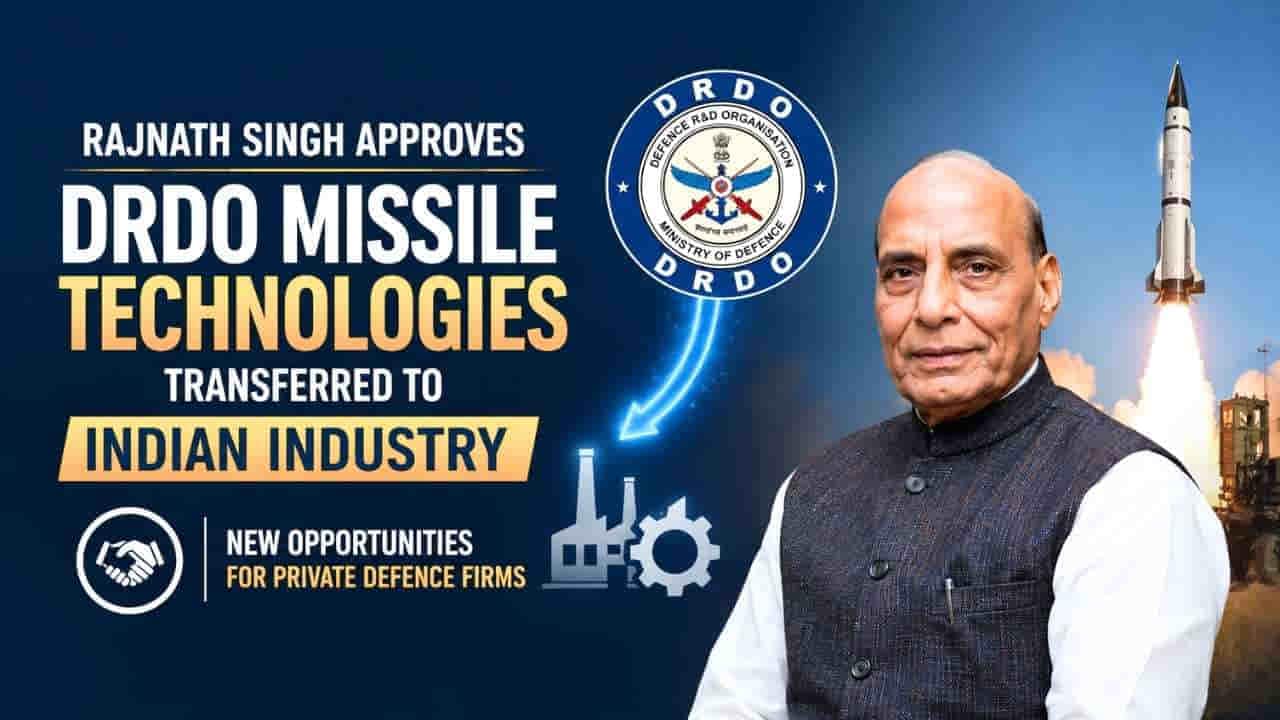
DRDO Missile Technology Transfer: Defence Minister Rajnath Singh has approved the technology of all conventional missile systems developed by DRDO on Tuesday. After this decision, not only government companies, but also private defence companies and MSMEs will play a huge role in the process of missile manufacturing.
As per the Ministry of Defence, this decision has been taken for the purpose of speeding up self-sufficient India and indigenous defence production. The technology developed in the laboratories of DRDO will directly reach the industry and the missiles will be produced in India.
DRDO Missile Technology Transfer: Old Arrangement Over Missile Construction
Over the years DRDO The responsibility of producing most of the missile projects was primarily held by India Dynamics Limited (BDL) and in some cases, India Electronics Limited (BEL). DRDO developed technology and large part of production handled public sector companies.
Now, the Ministry of Defence has made great changes in this model. DRDO’s 10 to 12 major Tactical Missile projects are being divided into public and private companies based on their capacity. It aims to increase production efficiency and broaden the defense industry.
The move is also being considered to suit the needs of the proposed Defense Exhibition Provider (DAP) 2026, which has been emphasised on increasing the participation of the private sector.
What are Tactical Missiles?
Tactical Missiles There are guided missiles that are used for precise attack within a limited distance in the war zone. They are used to target enemy military bases, radars, air defense systems, armored vehicles, warships and other important military targets.
These missiles differ from strategic missiles. Strategic Missiles are designed to attack large targets by going long distances, while Tactical Missiles are used for quick and precise action in the battle area.
What does Rajnath Singh’s approval mean?
The technology of all Conventional Missile Systems developed by DRDO will be transferred to Indian industries after the approval of Defence Minister. This technique to industries will be given after prescribed qualifications, security clearances, licenses and certification procedures.
The entire cycle from missile development to production will be completed in India. Ministry of Defence says it will strengthen domestic manufacturing capacity, reduce import dependence and promote Indian supply chain.
Which companies have a chance to find?
DRDO Development-Low-Production Partner (DcPP) has included many private companies under the model. These include companies such as Adani Defence and Aerospace, India Forge, ICOM and Solar Defence and Aerospace.
इनके अलावा बीडीएल और बीईएल भी कई प्रोजेक्ट में उत्पादन साझेदार बने हुए हैं। कुछ प्रोजेक्ट्स में सार्वजनिक और निजी कंपनियां मिलकर काम कर रही हैं।
डीसीपीपी मॉडल में डीआरडीओ और उद्योग साझेदार मिलकर सिस्टम का विकास, प्रोटोटाइप निर्माण, परीक्षण और उत्पादन की तैयारी करते हैं। इसके बाद सशस्त्र बलों से ऑर्डर मिलने पर बड़े पैमाने पर निर्माण शुरू होता है। (DRDO Missile Technology Transfer)
कौन-कौन सी मिसाइलें हो सकती हैं शामिल?
यह फैसला डीआरडीओ की लगभग सभी कॉन्वेंशनल मिसाइल सिस्टम्स पर लागू होगा।
एयर डिफेंस क्षेत्र में आकाश, आकाश-एनजी, क्यूआरएसएएम और अन्य एयर डिफेंस सिस्टम्स शामिल हैं। एंटी-टैंक श्रेणी में नाग, हेलीना, ध्रुवास्त्र और एमपीएटीजीएम जैसी मिसाइलें आती हैं।
एयर-टू-एयर श्रेणी में अस्त्र एमके-1 और अस्त्र एमके-2 शामिल हैं। एंटी-शिप और क्रूज मिसाइलों में ब्रह्मोस, रुद्रम सीरीज, एलआरएलएसीएम, एनएएसएम-एसआर और एनएएसएम-एमआर जैसी मिसाइलें शामिल हैं।
टैक्टिकल बैलिस्टिक मिसाइल श्रेणी में प्रहार और प्रलय जैसे सिस्टम आते हैं। इसके अलावा पिनाका के गाइडेड रॉकेट और स्मार्ट (SMART) जैसे एडवांस सिस्टम्स प्रणालियां भी इस दायरे में मानी जा रही हैं।
हालांकि ब्रह्मोस मिसाइल भारत और रूस का जॉइंट डेवलपमेंट है। इस जॉइंट वेंचर में डीआरडीओ की हिस्सेदारी 50.5 प्रतिशत और रूसी कंपनी की हिस्सेदारी 49.5 प्रतिशत है। ब्रह्मोस एयरोस्पेस मिसाइल के डिजाइन, डेवलपमेंट, उत्पादन, इंटीग्रेशन, परीक्षण और वैश्विक मार्केटिंग की जिम्मेदारी संभालती है। ब्रह्मोस मिसाइल का अंतिम इंटीग्रेशन और असेंबली ब्रह्मोस एयरोस्पेस द्वारा की जाती है। मिसाइल के विभिन्न हिस्सों के निर्माण में 200 से अधिक भारतीय कंपनियां, सार्वजनिक क्षेत्र के उपक्रम और एमएसएमई शामिल हैं। (DRDO Missile Technology Transfer)
🚨 Big Boost for India’s Missile Manufacturing Ecosystem!
Raksha Mantri Rajnath Singh has approved the Transfer of Technology (ToT) of DRDO-developed conventional missile systems to Indian defence industry, paving the way for large-scale indigenous production under the… pic.twitter.com/edomn6syMP— Raksha Samachar | 🇮🇳 (@RakshaSamachar) August 24, 2017
प्रलय और रुद्रम जैसे कार्यक्रमों में निजी कंपनियों की एंट्री
प्रलय मिसाइल कार्यक्रम में बीडीएल और बीईएल पहले से उत्पादन साझेदार हैं। इसके साथ अदाणी डिफेंस, भारत फोर्ज और सोलर डिफेंस जैसी कंपनियां भी जुड़ी हुई हैं।
प्रलय मिसाइल ने दिसंबर 2025 के अंत में यूजर इवैल्यूएशन ट्रायल पूरे किए थे। इसकी मारक क्षमता लगभग 150 से 500 किलोमीटर के बीच बताई जाती है।
वहीं, रुद्रम-1, रुद्रम-2 और रुद्रम-3 जैसी एयर-टू-सरफेस तथा एंटी-रेडिएशन मिसाइल प्रोजेक्ट्स में भी निजी कंपनियों की भागीदारी बढ़ाई गई है। ये मिसाइलें दुश्मन के रडार और एयर डिफेंस सिस्टम को निशाना बनाने के लिए विकसित की गई हैं।
हेलीकॉप्टर से दागी जाने वाली मिसाइलों पर भी काम
डीआरडीओ की नेवल एंटी-शिप मिसाइल-शॉर्ट रेंज (NASM-SR) भी उन प्रोजेक्ट्स में शामिल है जिनमें निजी उद्योग सहयोग कर रहा है। यह भारत की पहली स्वदेशी हेलीकॉप्टर लॉन्च एंटी-शिप मिसाइल मानी जाती है।
इसके अलावा वीएसएचओरैड्स, यूएलपीजीएम-वी3 और लॉन्ग रेंज ग्लाइड बम जैसे प्रोजेक्ट्स में भी निजी कंपनियों को जिम्मेदारी दी जा रही है। (DRDO Missile Technology Transfer)
डीआरडीओ की टीओटी पॉलिसी में क्या है खास?
DRDO's Transfer of Technology (ToT) पॉलिसी 2025 के तहत मिसाइल तकनीकें कैटेगरी-ए यानी मिलिटेक (MILTECH) के अंतर्गत आती हैं। इन तकनीकों का इस्तेमाल केवल भारतीय सशस्त्र बलों, गृह मंत्रालय या अन्य सरकारी एजेंसियों के लिए किया जा सकता है।
इसके तहत तकनीक केवल भारतीय उद्योगों को दी जाएगी और उत्पादन भारत में ही होगा। इसके लिए एंड यूजर सर्टिफिकेट, इंडस्ट्रियल लाइसेंस और अन्य सुरक्षा मंजूरियां जरूरी होंगी।
मिसाइलों में इस्तेमाल होने वाले विस्फोटक, प्रोपेलेंट और पायरो मैटेरियल से जुड़ी तकनीक केवल उन्हीं कंपनियों को मिलेगी जिनके पास पीईएसओ (PESO) लाइसेंस होगा।
फीस और रॉयल्टी में बड़ी राहत
डीआरडीओ की नई नीति के तहत डेवलपमेंट-कम-प्रोडक्शन पार्टनर और प्रोडक्शन एजेंसी के लिए टीओटी फीस पूरी तरह माफ रखी गई है। इसके अलावा भारतीय सेनाओं को सप्लाई किए जाने वाले प्रोडक्ट्स पर रॉयल्टी भी शून्य रखी गई है।
इसका उद्देश्य उद्योगों को अधिक से अधिक निवेश के लिए प्रोत्साहित करना है ताकि उत्पादन क्षमता तेजी से बढ़ाई जा सके। (DRDO Missile Technology Transfer)
डीआरडीओ ने निजी कंपनियों से मांगे आवेदन
हाल ही में डीआरडीओ के डायरेक्टर जनरल (मिसाइल्स एंड स्ट्रेटेजिक सिस्टम्स) क्लस्टर ने भविष्य की मिसाइल और बम वेपन सिस्टम के डेवलपमेंट एंड प्रोडक्शन के लिए निजी कंपनियों से आवेदन भी मांगे हैं। अब तक अग्नि सीरीज जैसी रणनीतिक मिसाइलों और अन्य संवेदनशील हथियार प्रणालियों के उत्पादन का काम मुख्य रूप से भारत डायनेमिक्स लिमिटेड (BDL) जैसी सरकारी कंपनियां करती रही हैं।
हैदराबाद स्थित रिसर्च सेंटर इमारत (आरसीआई) ने इसके लिए एक्सप्रेशन ऑफ इंटरेस्ट जारी किया है। इस प्रक्रिया के तहत योग्य भारतीय कंपनियों का चयन किया जाएगा, जिन्हें बाद में विभिन्न प्रोजेक्ट्स के लिए निविदाएं भेजी जाएंगी।
डीआरडीओ डेवलपमेंट-कम-प्रोडक्शन पार्टनर (DcPP) मॉडल के तहत हर प्रोजेक्ट के लिए कम से कम दो कंपनियों का चयन करेगा। ये कंपनियां डीआरडीओ के साथ मिलकर प्रोटोटाइप तैयार करेंगी, उनका परीक्षण करेंगी और बाद में बड़े पैमाने पर उत्पादन में भी भागीदारी करेंगी।
इन कंपनियों के पास डिफेंस मैन्युफैक्चरिंग लाइसेंस, पीईएसओ मंजूरी, पर्याप्त उत्पादन क्षमता, तकनीकी विशेषज्ञता और वित्तीय मजबूती होना जरूरी होगा। (DRDO Missile Technology Transfer)
रक्षा सचिव ने दिया था हिंट
इससे पहले मई में सीआईआई एनुअल बिजनेस समिट 2026 में बोलते हुए रक्षा सचिव राजेश कुमार सिंह ने कहा था कि सरकार अब बैलिस्टिक मिसाइलों के निर्माण में निजी कंपनियों को शामिल करने पर विचार कर रही है। अभी तक बैलिस्टिक मिसाइलों का उत्पादन मुख्य रूप से रक्षा क्षेत्र की सरकारी कंपनियों (डीपीएसयू) तक सीमित था, लेकिन सरकार निजी उद्योग को भी समान अवसर देना चाहती है। उनके अनुसार भविष्य में बैलिस्टिक मिसाइल उत्पादन में निजी उद्योग की भागीदारी बढ़ाने के लिए सरकार की ओर से महत्वपूर्ण फैसले लिए जा सकते हैं। (DRDO Missile Technology Transfer)