Home Blog Page 72

Tejas Mk1 Fighters: IAF won’t get the Tejas fighter plane deployed on the Western border from Pakistan, MiG-21 now Lifeline!

HAL Tejas Mk1A Engine Delivery: HAL receives fourth GE-F404-IN20 engine, moves closer to IAF handover
File Photo

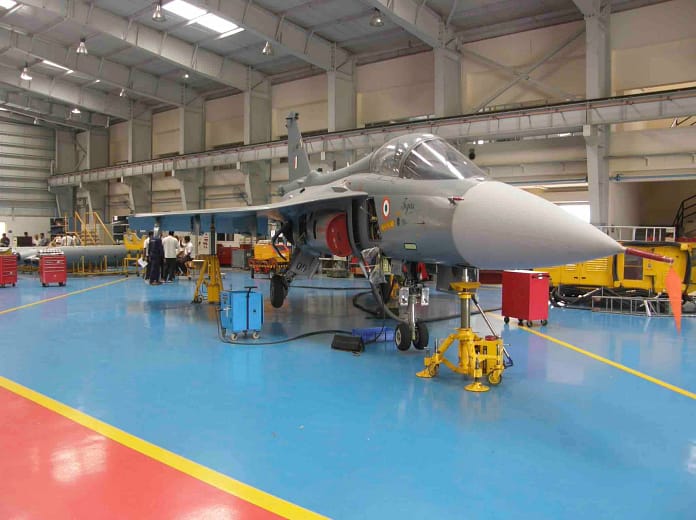
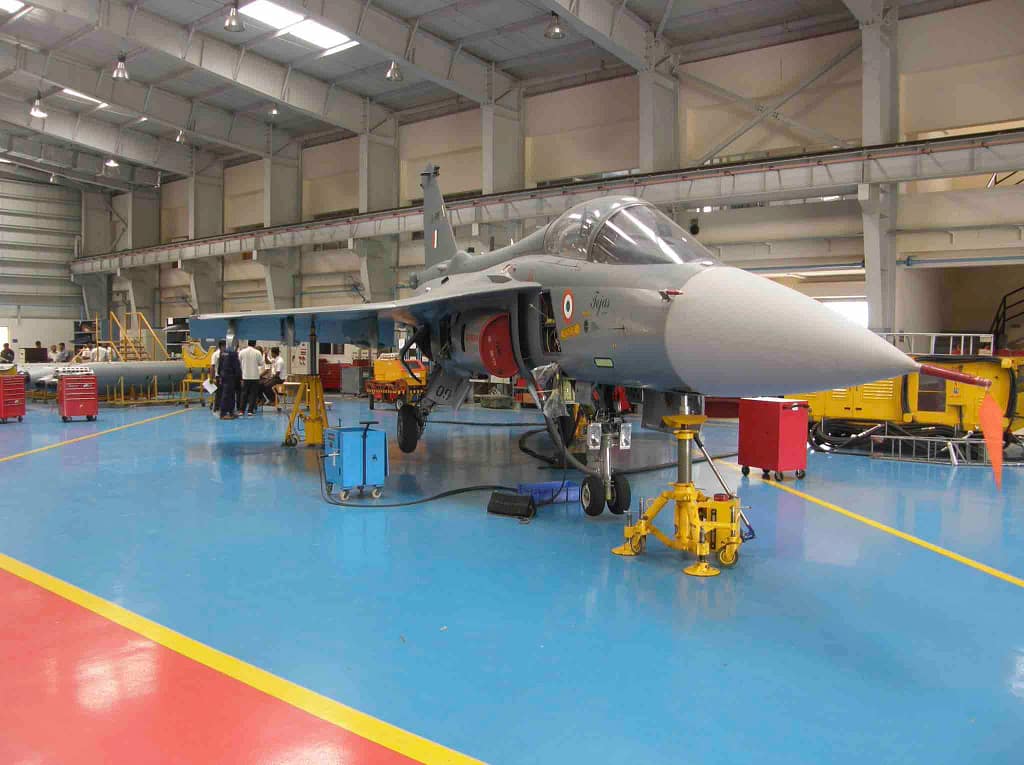
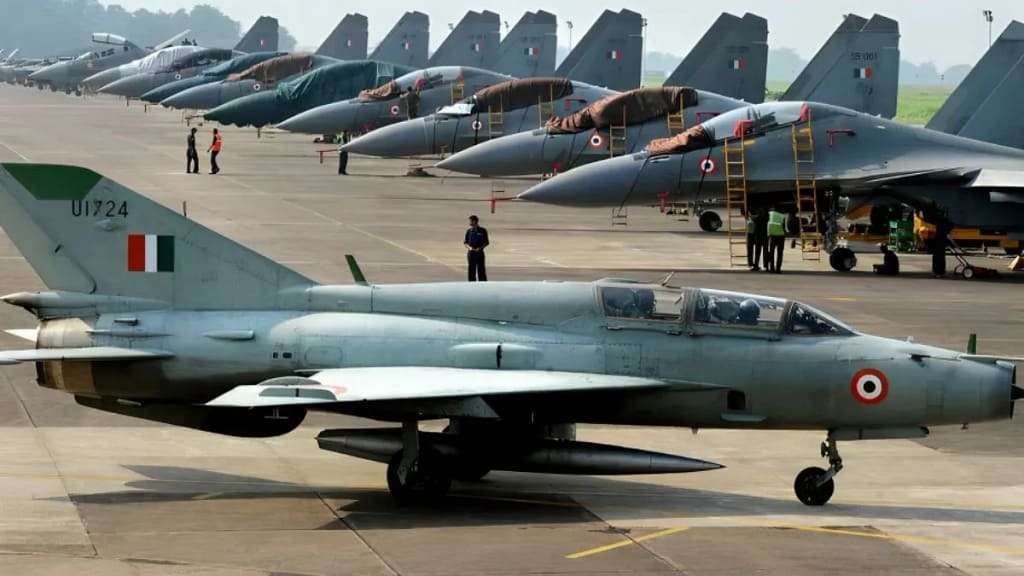
Tejas Mk1 Fighters: The Indian Air Force (IAF) has taken an important step to strengthen the air defense capacity on its Western border with Pakistan. IAF has deployed its Final Operational Clearance (FOC) Tejas Mk1 fighter planes. The move has been taken on the process of phase out of the Indian Air Force gradually of the MiG-21 aircraft under which the MiG-21 aircraft will be completely excluded by 2026.
Tejas Mk1 Fighters: IAF Deploys Tejas on Western Border, MiG-21 Out
File Photo

Recently IAF has deployed Tejas Mk1 FOC fighter jets from Pakistan from its Southern Air Force bases (Sulur). Tejas Mk1 FOC versions are now equipped with advanced air-to-air missiles such as Rafael Derby and Vimapal R-77 (AA-12 Adder). These are specially deployed at Jamnagar Airforce Station.

According to reports, Naal Airbase, Bikaner, Rajasthan, where the last operation of MiG-21 is currently deployed Squadron, had to be built first Tejas Squadron in July 2024. But the accelerating supply delays the implementation of this plan. Upgraded Tejas Mk1A includes tools like Active Electronically Scanned Array (AESA) Radar. It is expected to be formally included in IAF by March 2025. Hindustan Aeronautics Limited (HAL) has promised at least four units of these aircraft.

MiG-21: 1971 की जंग में अहम भूमिका निभाने वाले “उड़ते ताबूत” को मिली लाइफलाइन! वायुसेना अब क्यों नहीं करना चाहती रिटायर

The deployment of Tejas aircraft has been carried out strategically with the exit of the MiG-21 aircraft, so that there is no reduction in air defense coverage. Tejas will now play several Operational Rolls that were first near the MiG-21 planes. Tejas Mk1 deployed on the Western border of the aircraft will not only help the war missions, but also work a resistive.
Tejas Mk1 Fighters: IAF Deploys Tejas on Western Border, MiG-21 Out

इससे पहले खबरें आई थीं कि मिग-21 को और सेवा विस्तार दिया जा सकता है। पहले मिग-21 बायसन को 2025 तक पूरी तरह से वापस लिए जाने की डेडलाइन तय की गई थी। लेकिन अब यह डेडलाइन और आगे खिसक सकती है। भारतीय वायु सेना के सूत्रों ने बताया कि स्वदेशी तेजस एमके1ए फाइटर जेट्स के उत्पादन में देरी के चलते मिग-21 बायसन की फेज आउट करने की प्रक्रिया को आगे बढ़ा दिया गया है। हिंदुस्तान एयरोनॉटिक्स लिमिटेड (HAL) द्वारा निर्मित तेजस एमके1ए, जो अत्याधुनिक तकनीक और मल्टीरोल क्षमताओं से लैस है, मिग-21 का स्थान लेने के लिए तैयार है। परंतु इंजन सप्लाई की समस्या के कारण इसका उत्पादन समयसीमा से पीछे चल रहा है।

1964 में भारत के पहले सुपरसोनिक फाइटर जेट के रूप में शामिल किए गए मिग-21 ने दक्षिण एशिया में हवाई युद्ध के तौर-तरीकों को बदल दिया। 1971 के भारत-पाक युद्ध में इसने महत्वपूर्ण भूमिका निभाई और बांग्लादेश के गठन में योगदान दिया। 1999 के कारगिल युद्ध और 2019 के बालाकोट एयरस्ट्राइक में इसकी मौजूदगी ने इसे भारत के सैन्य इतिहास का अभिन्न हिस्सा बना दिया।

हालांकि, मिग-21 का इतिहास विवादों से भी अछूता नहीं रहा। इसे “फ्लाइंग कॉफिन” का नाम इसलिए दिया गया क्योंकि इसके फ्लाइट ऑपरेशन के दौरान 400 से अधिक दुर्घटनाएं हुईं, जिसमें कई पायलटों ने अपनी जान गंवाई। बावजूद इसके, मिग-21 की क्षमता और इसकी रणनीतिक उपयोगिता को नकारा नहीं जा सकता।

Tejas Mk1 Fighters: वायुसेना की मौजूदा जरूरत

वर्तमान में भारतीय वायुसेना में मिग-21 बायसन के दो स्क्वाड्रन हैं, जिनमें कुल 31 विमान शामिल हैं। जबकि वायुसेना को कुल 42 स्क्वाड्रन जरूरत है, लेकिन फिलहाल यह आंकड़ा केवल 30 के करीब है। ऐसे में तेजस एमके1ए जैसे अत्याधुनिक विमानों की तैनाती बेहद महत्वपूर्ण हो जाती है।

मिग-21 बायसन को सेवा विस्तार देने का मतलब यह है कि भारतीय वायुसेना को अपनी ऑपरेशनल कैपेबिलिटी बनाए रखने के लिए अभी भी पुराने विमानों पर निर्भर रहना पड़ रहा है। भारतीय वायुसेना के एक वरिष्ठ अधिकारी ने कहा, “मिग-21 ने वर्षों तक हमारी वायुसेना की रीढ़ की हड्डी के रूप में काम किया है। हालांकि अब समय आ गया है कि इसे आराम दिया जाए और अत्याधुनिक विमानों को उसकी जगह दी जाए।”

1971 India-Pakistan War: Indira Gandhi had gone in the Shimla agreement to the trumpet moves! How Gidragada had Julpikar Ali Bhutto

1971 India-Pakistan War: How Indira Gandhi Outmaneuvered Bhutto at Shimla

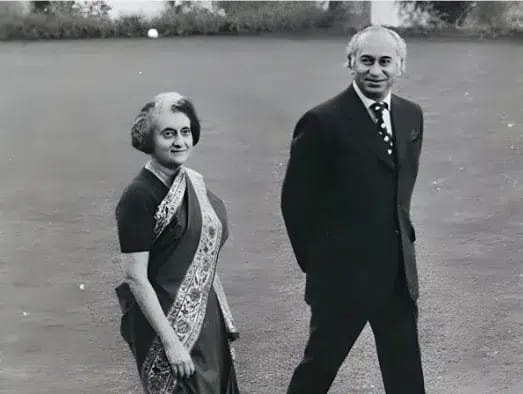
1971 India-Pakistan War: भारत ने 1971 में पाकिस्तान के खिलाफ युद्ध जीत लिया था, लेकिन एक बड़ा मौका खो दिया था, जो भविष्य में कश्मीर मुद्दे को सुलझा सकता था। यह कहानी दिसंबर 1971 से शुरू होती है जब भारत और पाकिस्तान के बीच तीसरा युद्ध हुआ था। युद्ध के बाद, भारत के पास 93,000 पाकिस्तानी युद्धबंदी थे और पाकिस्तान के 5000 वर्ग किलोमीटर क्षेत्र पर कब्जा था। इस पृष्ठभूमि में, भारत और पाकिस्तान ने 1972 में शिमला में मिलने का फैसला किया ताकि भविष्य के बारे में फैसला लिया जा सके। भारत की प्रधानमंत्री इंदिरा गांधी ने पाकिस्तान के प्रधानमंत्री जुल्फिकार अली भुट्टो से मुलाकात की और भारत की मांगों से अवगत कराया।

1971 India-Pakistan War: How Indira Gandhi Outmaneuvered Bhutto at Shimla

1971 India-Pakistan War: भारत और पाकिस्तान के बीच ऐतिहासिक समझौता

अंरराष्ट्रीय मामलों के जानकार और पत्रकार शशांक मट्टू बताते हैं कि इंदिरा गांधी जानती थीं कि शांति वार्ता में भारत मजबूत स्थिति में है। उन्होंने कश्मीर मुद्दे को हल करने के लिए दोनों देशों को अंतिम समझौते पर पहुंचने के लिए दबाव डाला। गांधी ने यह प्रस्ताव रखा कि भारत-पाकिस्तान के बीच जो संघर्ष विराम रेखा थी, उसे अंतर्राष्ट्रीय सीमा बना दिया जाए। इसका मतलब था कि दोनों पक्ष अपने कब्जे वाले कश्मीर के इलाकों को रखेंगे और विवाद को समाप्त कर देंगे।

1971 War Surrender Painting: रक्षा समाचार की खबर का असर! ‘गायब’ हुई पेंटिंग को मिली नई जगह, अब यहां देख सकेंगे लोग

भारत की योजना थी कि कश्मीर का समाधान हो जाने के बाद, पाकिस्तान की जमीन वापस की जाए और युद्धबंदी रिहा किए जाएं। इस समझौते के जरिए भारत यह चाहता था कि दोनों देशों के रिश्ते अच्छे हों और दुश्मनी समाप्त हो।

1971 India-Pakistan War: कश्मीर पर समझौते से इंकार

लेकिन जुल्फिकार अली भुट्टो भारत की मांगों को मानने के लिए तैयार नहीं थे। शिमला सम्मेलन में भारत की तरफ से मौजूद भारतीय राजनयिक केएन बक्शी के मुताबिक भुट्टो ने अपने पुराने आक्रामक रुख के बावजूद भारतीय अधिकारियों से कहा कि वह भारत-पाकिस्तान के संबंधों को सुधारने के लिए तैयार हैं।

भुट्टो ने भारत से यह आग्रह किया कि वह उन्हें “राजनयिक कौशल” दिखाने का मौका दे और एक ऐसी डील पेंश करें, जिसे वह अपनी जनता के बीच स्वीकार कर सकें। भुट्टो ने यह भी कहा कि अगर वह भारत की कश्मीर पर मांगों को स्वीकार कर लेते हैं, तो पाकिस्तान में उनका समर्थन समाप्त हो जाएगा और पाकिस्तान में लोकतंत्र खत्म हो जाएगा।

1971 India-Pakistan War: When a child was swept and cried out like the Pakistani General, Ravalpindi and Yahya Khan was abscessed on the Surender’s Surrender’s Surrender’s Curr

शशांक मट्टू के मुताबिक, यह हालात शिमला सम्मेलन को विफल करने की तरफ बढ़ रहे थी, लेकिन फिर अचानक चीजें बदल गईं। केएन बक्शी के मुताबिक, भुट्टो ने इंदिरा गांधी से एक आखिरी बार मुलाकात की और भारत से कश्मीर पर समझौता करने का अनुरोध किया। गांधी ने यह प्रस्ताव स्वीकार किया और शिमला समझौता 2 जुलाई 1972 को हस्ताक्षरित हुआ।

इस समझौते में भारत और पाकिस्तान ने कश्मीर विवाद को द्विपक्षीय आधार पर हल करने का निर्णय लिया। इसका मतलब था कि इस मुद्दे पर किसी बाहरी हस्तक्षेप (जैसे अमेरिका, ब्रिटेन या संयुक्त राष्ट्र) की आवश्यकता नहीं होगी। दोनों देशों ने यह तय किया कि संघर्ष विराम रेखा (LoC) को एक नई अंतर्राष्ट्रीय सीमा के रूप में स्वीकार किया जाएगा।

इसके अलावा, दोनों देशों ने राजनयिक संबंध बहाल करने, युद्धबंदियों को वापस करने और पाकिस्तान के कब्जे वाले क्षेत्र को भारत को लौटाने पर सहमति जताई। साथ ही, दोनों देशों ने एक-दूसरे के खिलाफ दुष्प्रचार खत्म करने पर भी सहमति जताई।

शिमला समझौते की विफलता, भुट्टो ने मोड़ा मुंह

भारत ने शिमला समझौते के जरिए पाकिस्तान को शांति का पैगाम देने की उम्मीद जताई थी, लेकिन यह कुछ समय बाद टूट गई। भुट्टो ने पाकिस्तान के नेताओं के दबाव में आकर शिमला समझौते पर दी गई अपनी प्रतिबद्धताओं से मुंह मोड़ लिया। पाकिस्तान ने भारत के खिलाफ अपने आक्रामक प्रचार को फिर से शुरू कर दिया और राजनयिक संबंधों को फिर से स्थापित करने में भी सालों लग गए।

यहां तक कि सबसे महत्वपूर्ण समझौते, यानी कश्मीर विवाद पर द्विपक्षीय समाधान और LoC को अंतर्राष्ट्रीय सीमा में बदलने के मुद्दे पर पाकिस्तान ने समझौता का पालन नहीं किया। भुट्टो ने इंदिरा गांधी को यह भरोसा दिलाया था कि वह धीरे-धीरे पाकिस्तान में आम राय को बदलेंगे और कश्मीर पर भारत के साथ एक समझौते पर पहुंचेंगे। हालांकि, भुट्टो ने धीरे-धीरे अपनी वायदों से मुंह मोड़ लिया और कश्मीर विवाद फिर से एक बड़ा मुद्दा बन गया।

इस समझौते के बाद कई लेखकों ने कहा कि गांधी ने भुट्टो के साथ एक अनौपचारिक रूप से सहमति जताई थी कि संघर्ष विराम रेखा (LoC) को eventually अंतर्राष्ट्रीय सीमा में बदल दिया जाएगा, लेकिन पाकिस्तान ने इस समझौते पर अपनी प्रतिबद्धता से मुंह मोड़ लिया।

क्या भारत ने सही फैसला लिया?

भारतीय दृष्टिकोण से, शिमला समझौते को लेकर बहुत से आलोचनाएं की गई हैं। कुछ लोगों का मानना है कि भारत के पास शिमला में मजबूत स्थिति थी। भारत के पास पाकिस्तान के युद्धबंदी और उसके कब्जे वाले क्षेत्रों का कब्जा था। यदि भारत ने कश्मीर मुद्दे पर एक अंतिम समझौते को मजबूती से लागू किया होता, तो पाकिस्तान को मजबूर होकर यह स्वीकार करना पड़ता और कश्मीर विवाद का समाधान हो जाता।

हालांकि, कुछ इतिहासकारों का कहना है कि भुट्टो कश्मीर पर कोई समझौता स्वीकार नहीं कर सकते थे। इतिहासकार श्रीनाथ राघवन का कहना है कि अगर भारत ने कश्मीर पर समझौता थोप दिया होता, तो पाकिस्तान की सेना भुट्टो को सत्ता से हटा देती। वहीं, एबेंसडर टीसीए राघवन शिमला में भारत के रुख का समर्थन करते हैं। उनका कहना है कि पाकिस्तान की ज़मीन और 93,000 युद्ध बंदियों को अनिश्चितकाल तक दबाव के रूप में रखना संभव नहीं था। वे चेतावनी देते हैं कि इस तरह की नीति से अमेरिकी हस्तक्षेप हो सकता था। 50 साल बाद भी शिमला समझौता एक विवादित मुद्दा है।

SLINEX 2024: India-Sri Lankan naval exercises launched in Visakhapatnam, will find maritime terrorism combat

SLINEX 2024: India-Sri Lanka Naval Exercise Begins in Visakhapatnam

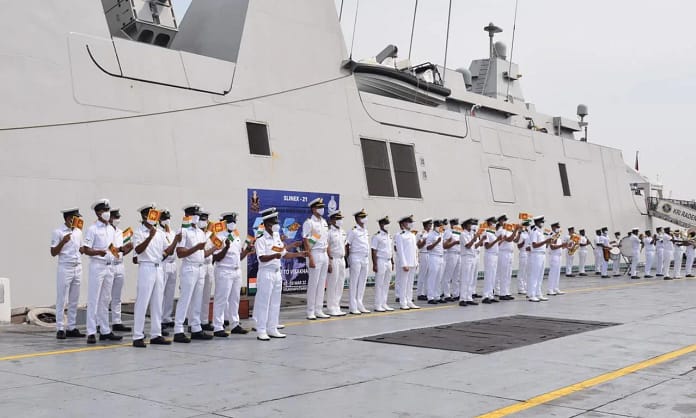
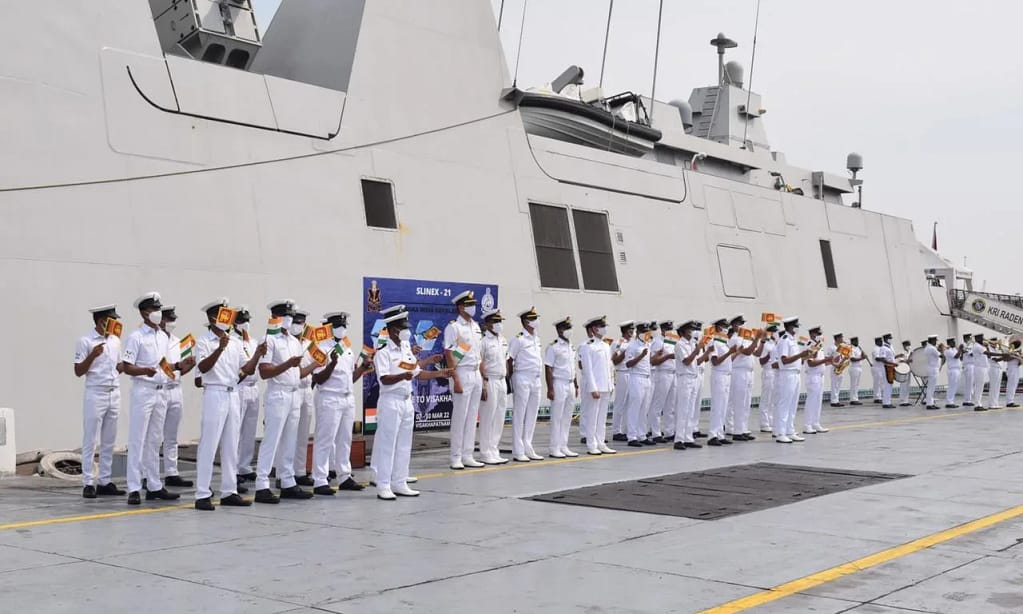
SLINEX 2024: Bilateral Numeric Exercises between India and Sri Lanka SLINEX 2024 (Sri Lanka-India Exercise) is being organized in Visakhapatnam between 17 to 20 December 2024. This exercise will be conducted in the aegis of the Eastern Naval Command. The main objective of this exercise is to further strengthen marine safety cooperation between the two countries. This exercise is happening in such a time, when Sri Lanka President Anura Kumara Dsenike is on India’s visit. Let's say 1Between 7-19 December India had 800 km long notam in this area (Notice for Airmen) Also released.

SLINEX 2024: India-Sri Lanka Naval Exercise Begins in Visakhapatnam

SLINEX 2024: Two steps will be organized

This time SLINEX will be organized in two steps:

  1. Harbour Phase (17-18 December): This stage will have professional and social dialogue between the novice units at the port.
  2. C phase (19-20 December): Joint military exercises will be carried out in the sea, including operations of special forces, gun firing, navigation exercises, communication drills, helicopter operations, and semanship activities.

Units participating in practice

In this exercise, India and Sri Lanka’s navy will participate with its superior units:

  • From India:
    • INS Sumitra – A naval offshore patrol vessel of the eastern fleet.
    • Team of Special Forces.
  • From Sri Lanka:
    • SLNS Series – An offshore patrol vessel on which the team of special forces will be deployed.

Importance and purpose of practice

SLINEX was started in 2005 and has since become a symbol of strong marine cooperation between India and Sri Lanka. The aim of this exercise is to enhance mutual understanding between the Navy of both the countries, share best practices and further empower mutual operational capacity in the sea.

The scope of this exercise is increasing every year. The SLINEX 2024 of this year is not only strategically important, but also highlights deep diplomatic and cultural relations between the two countries. The units participating in the exercise will share their experiences and techniques, thereby promoting a safe and rule-based marine environment.

Joint Practices & Activities

Major activities carried out during the C phase include the following:

  • Joint Practice of Special Forces: It will be stressed on terrorism prevention operations and marine commando training.
  • Gun Firing: Gunfireping will be performed during war exercises.
  • Communication and Navigation Practice: Modern marine communications and navigation techniques will be shared.
  • Helicopter operation: Coordination and operation of helicopters for air and marine safety.

Relationships and Maritime Cooperation of India and Sri Lanka

There are long-term friendly relationships due to geographical proximity and cultural similarities between India and Sri Lanka. The navy of both countries through SLINEX together faces marine security challenges and contributes to sustainability in the area.

The SLINEX of this bar is being held strategically important places such as Visakhapatnam, headquartered by the Eastern Naval Command. This place is an important centre for the marine interests of India and is a platform for Indian Navy to strengthen its presence in the Eastern Indian Ocean.

SLINEX 2024 is also an example of how India prioritizes strategic and security cooperation with its neighboring countries under its "Padosh First" (Neighbourhood First) policy.

Increased trust and cooperation

The purpose of SLINEX is not limited to just military practice. It is also a great platform to enhance trust and cooperation between the two countries. This exercise strengthens strategic partnerships to deal with threats like maritime terrorism, human trafficking and illegal fishing, as well as contribute to regional maritime security.

The opening ceremony of this exercise will be held on 17 December 2024including representatives from both countries. This function will show the spirit of bilateral cooperation and make the formal beginning of SLINEX 2024.

SLINEX 2024 will give India and Sri Lankan navys the opportunity to face new challenges and understand the ways of modern marine war. This exercise is also an important link not only for security but also for economic and cultural exchanges for both countries.

India-Azerbaijan: Azerbaijan wanted to buy ‘Lo Quality’ Indian arms, but India responded to the friend Armenia.

India-Azerbaijan: Buddhist Indian weapons, India prioritized Armenia ties

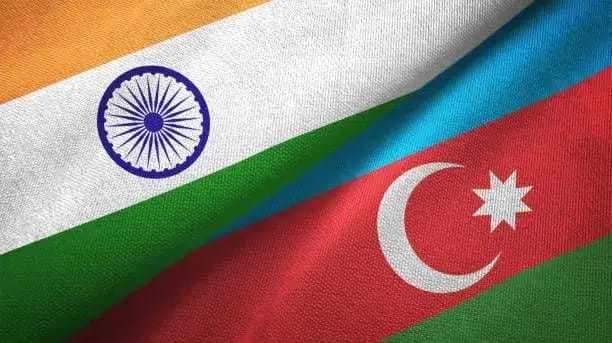
India-Azerbaijan: India and Azerbaijan have recently come an interesting turn in relations. Azerbaijan’s long struggle with its neighbour and rival country Armenia. As per the formulas, Azarbazan recently proposed to sell arms to India through a friendly country in the Middle East. But India did not pay attention to this offering of Azerbaijan and put it in a shelving. After the arms were sold to Armenia on behalf of India, Azerbaijan had publicly criticized the quality of Indian weapons, in which it was alleged that these weapons do not have any special impact on the military balance and Azerbaijan could easily combat them.

India-Azerbaijan: Buddhist Indian weapons, India prioritized Armenia ties

India-Azerbaijan: India’s clear stance

According to the sources, Azerbaijan did not directly offer it from India. Instead, through a third friend country it was conveyed that if India is looking for a long-term partner to export its indigenous weapons, he can collaborate Azerbaijan. Azerbaijan has shown interest in specially Indian-made cannons and rounds. This interest came despite the recent purchase of JF-17 Block III fighter jets from Pakistan.

However, India slew this proposal and clarified that it may not have a third country’s role in deciding its bilateral relations and priorities.

India-Azerbaijan: India’s strong defence relationship with Armenia

Armenia has bought large quantities of weapons and defence systems from India to strengthen its armed forces in recent years. These include rocket launcher, artillery, ammunition, sniper rifles and anti-tank missiles.

According to sources, Armenia is also considering the possibility of buying Astra missiles from India to strengthen its Sukhoi SU-30 fighter aircraft fleet.

Armenia is not just a defense partner for India, but it is also considered a political associate in the field. Armenia has always supported India’s stance on Jammu and Kashmir, making both countries concerned and stronger.

Azarbajan's Turks and Deep Relationships from Pakistan

On the contrary, Azerbaijan is known for its close relations with Turki and Pakistan. Since 2017, these three countries have made efforts to deepen their trilateral cooperation. Recently in 2023, Azerbaijan also supported Pakistan’s stance on Jammu and Kashmir.

While Azerbaijan has relied on Turkey and Israel for its defence needs, Israel supplies a variety of weapons systems where Turkey advances drones and UAV technology. However, recent geopolitical events, in which Israel’s entanglement in the Gaza, leading to a reduction in arms exports, as the reasons have forced Azerbaijan to turn to the other market for the purchase of military equipment.

Nagorno-Karabakh Dispute

The struggle between Azerbaijan and Armenia began in 1991 after the disintegration of the Soviet Union. Ethnic Armenians living in the Nagorno-Karabakh region declared themselves as "Republic of EARTASakh" which did not recognize any country in the world, even by themselves Armenia did not.

There have been two major wars between the two countries on this dispute. Azerbaijan used drones and other state-of-the-art weapons purchased from Turkey in 2020 struggle. In September 2023, Azerbaijan recapsulated the Nagorno-Karabakh region through a military campaign.

Economic and Trading Relations: Azerbaijan vs Armenia

Azarbajan is an important business partner for India, based on political and diplomatic relations. In 2023, the trade between the two countries reached $ 1.435 billion, which is India’s largest economic relationship in the South Caucasian region.

India is the seventh largest trading partner of Azerbaijan and is the third largest importer of the crude oil of Azerbaijan. ONGC Foreign Limited (OVL) subsidiary of Indian Oil and Natural Gas Corporation (ONGC) has recently extended its investment in Azerbaijan’s oil sectors and pipelines.

On the contrary, the trade between India and Armenia in 2023 was only $134 million, which is close to the tenth of the trade with Azerbaijan.

A growing number of Indian tourists in Azerbaijan

Azerbaijan has become a popular destination for Indian tourists. In 2023, about 1,17,000 Indians visited Azerbaijan. In the first 10 months of 2024, this number grew to 2,01,000.

The visa rules behind this growing popularity have the availability of direct flights to Dhail and Azerbaijan from India. Currently, 14 direct flights are operated every week for Baku from Delhi and Mumbai. On the contrary, there is no direct flight available between India and Armenia.

India has overlooked the proposal to buy Azerbaijan’s weapons that it is alert and independent of its foreign policy and defence partners. India’s growing relations with Armenia are not only limited to the defence sector, but also point to a comprehensive strategic partnership. Armenia’s cooperation with countries such as France and Greece is critical of the importance of ensuring regional stability for India.

IMA Passing Out Parade: Afsar in the Army, the son of Dhobi, who created the ‘Rasoiya’ of the Army, unique story of the struggle

IMA Passing Out Parade: Army Mess Cook and Washerman Son Become Officer
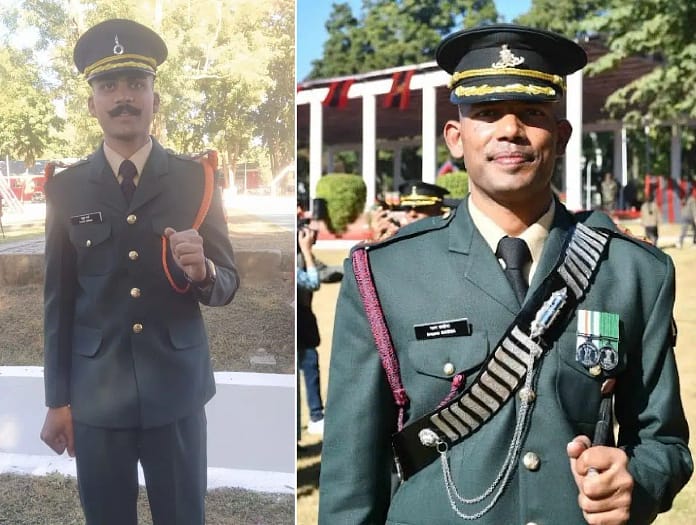
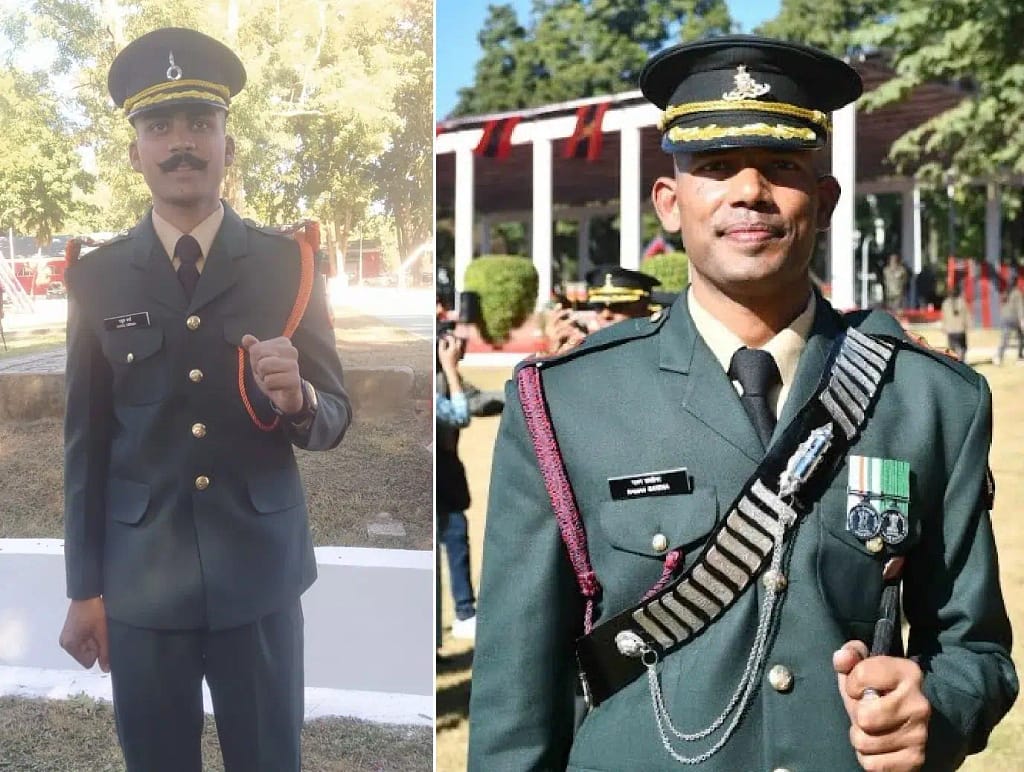
Lt Rahul Verma and Lt Raman Saxena

Passing Out Parade: Several inspiring stories behind the batting boots and medals in the Passing Out Parade, Indian Military Academy (IMA) are also hidden. These stories are the meritorious students who have grown up from the extremely poor, and have reached their hard work and symmetrical force. There were many such conflicts in this event. The story of two of these young officers, Lt. Rahul Verma and Lt. Raman Saxena is similar.

IMA Passing Out Parade: Army Mess Cook and Washerman Son Become Officer
Lt Rahul Verma and Lt Raman Saxena

IMA Passing Out Parade: Travel from Cook to Officer

The story of Agra’s Raman Saxena is extremely inspirational. Raman’s way to recruit Indian Army was completely different from any other officer. His journey began with a hotel kitchen. After taking a hotel management degree in 2007, Raman began to work as a chef in the hotel. But the fate was somewhat more sanctioned. In 2014 he received the appointment as Rus (Cook) in General Cadets (GC) Mess in Indian Military Academy (IMA). That’s why they’ve been turning into life.

"When I was working in the hotel, my father inspired me to be admitted to the Indian Army. "At the same time, Raman dreamed of becoming the officer in the army for the first time. They found a new spur by serving food in the mess and looking at the guest and the realms there. "It inspired me very much," he says. I decided that I have to become one of them a day. ""

However, Raman’s journey was not so easy. They did not pass these exams in the first two attempts. But they did not lose and continued their efforts. Under the "Special Commission Officer (SCO) Scheme, the Junior Commission officers have the opportunity to become Officers at the age of 28 to 35," Raman explains. "At the age of 34 years, I achieved success in the third endeavor. ""

The back of Raman’s success was the support of his father, who is a retired captain. He served in the Army for 30 years. In addition, the guidance of his senior officer Karnal Vikram Singh was also very important. Karnal Vikram Singh always showed the right direction to complete Raman his dream.

Passing Out Parade: The struggle to become assaulted by the son of Dhobi

On the other hand, Rahul Verma’s story of Kota district of Rajasthan is equally inspiring. Rahul’s fathers are associated with the Dhobi business. His childhood beaten in that small corner of the house, where clothes were pressed. From the moment he wings his dreams with his hard work and struggle. "You should choose a profession that gives respect to you," his father always told them. "For Rahul, this word became the original mantra of his life.

"My father is my greatest inspiration," says Rahul. He always said that no man who is now not necessarily the son of the king became the king, but he could reach the peak. "These words of his father gave Rahul the power to move toward his dreams.

Rahul continued his studies despite home conditions. "I studied at a light light light of a bulb at night," Rahul explains. In spite of the lack of money in the house and other difficulties, Rahul crossed this difficult journey with his hard work and effort.

The Motivational Journey of Both

Both Raman Saxena and Rahul Verma were standing in the place where every young man dreamed of — Becoming Officer in the Indian Army. But this trip was not easy for both of these. On the one hand Raman found his floor while working in the Catering Department of the Army, while on the other hand Rahul gave his dream to the small room with his father’s inspiration where the clothes were pressed.

The stories of these two prove that if any work is done by hard work and dedication, success can be achieved by any difficult path. Raman and Rahul’s hard work will lead to realizing their dreams.

IMA Passing Out Parade: The story of success written by the son of daily labourers who earn Rs 100 daily, Afsar in Indian Army

IMA Passing Out Parade Daily: Wage Labourer's Son Lt Kabilan V Becomes Indian Army Officer
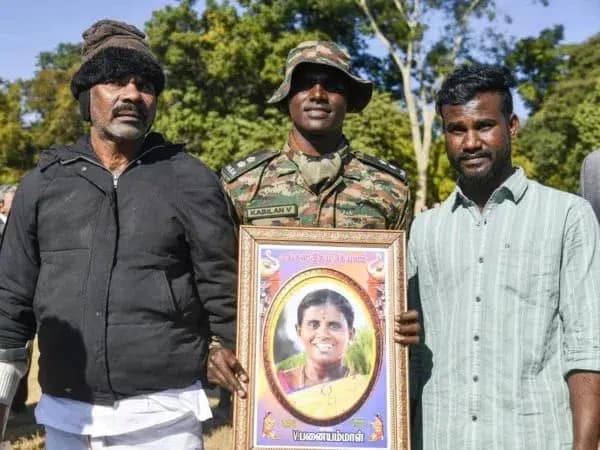
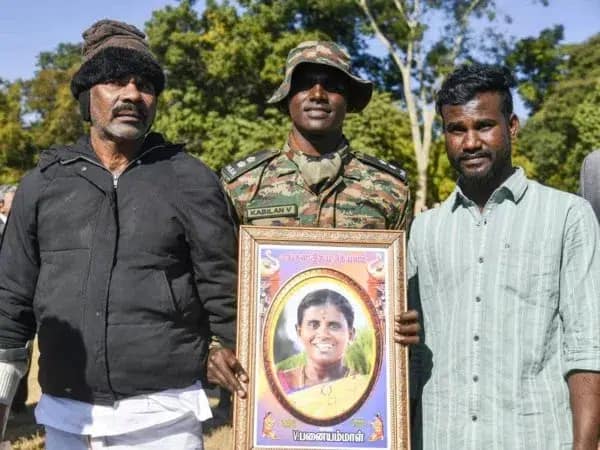
Lt Kabilan V

Passing Out Parade: The passing out parade of the Indian Military Academy is full of conflict stories every time. Where the parade had once heard the echo of the steps of proud families and soldiers, a story in the parade was that touched everyone’s heart. This story is the Lt Kabilan V, from a small village in Tamil Nadu and who dreamed of becoming Officer in the Indian Army.

IMA Passing Out Parade Daily: Wage Labourer's Son Lt Kabilan V Becomes Indian Army Officer
Lt Kabilan V

Kebalan’s father Vetristevam P, who worked as a daily labourer, earned Rs 100 per day. But now they are on wheelchairs. Their body was partially paralyzed due to a stroke that came when working a heavy three months ago. The pride of their face and the shine of happiness was visible clean. He had a picture of Panmyamal, who was the mother of Kabalin, who passed away due to cancer and COVID-19 three years ago.

Kaban’s journey has been extremely hard. "I failed several times," he said, And the smile that they had on their face, realized that those failures they had won from their struggle. "I had to go to the army, and I did that. This is not just my personal success, but the success of all those who dream of joining the Indian Army. If a person who is the son of a daily worker, earned Rs 100 daily, he can do this, then anyone can do it. ""

Kabalan was born in the Melbourne village of Tamil Nadu. He studied from the government school and then acquired a degree in civil engineering from the University of Anna. Since childhood, Kaban dreamed that he went to the Indian army, but every time he failed. He applied on every way from NCC to Graduate Entry, but his dream remained unfinished every time. Yet, Kabalan does not lose and continue to move towards his goal.

"Seven inspires me," Kabalin boasts his journey in this words. He was courageous, who gave him the direction to fulfill his dream. But the courage itself was not their only strength. Kabalan took responsibility for his family after his mother’s demise. His younger brother was preparing for civil service and fell in the health of his father. In this case, Kabalan took a hard job along with his studies. He worked as a hydroscopic observer at Delta Squad of National Disaster Response Force (NDRF).

"He also had to fulfill his dream while following his family," says Sabal Esan, all Lt. (Retired) Guidance of Kabalan. "By flooding in Chennai and Kanyakumari, Kabalan was part of our rescue team. He saved about 200 lives together with other volunteers. ""

The burden of dual responsibility of work and study could be very heavy on Kailn, but they did not lose. "I worked from 10 am to 4 pm, and then from 6 pm to 10 pm, preparing for the Army recruitment exam," he said. His struggle and sacrifice finally brought color. Today there is a sign of the para regiment on their shoulder, which symbolizes the beginning of their next stage. You will have success. Your perseverance and dedication will only reach the door of success, "Kabilan said.

The story of Kabillan is the inspiration for those who believe that circumstances or social situations in life matters. Kaban proved that if one has true hard work and dedication, then no difficult way would be difficult.

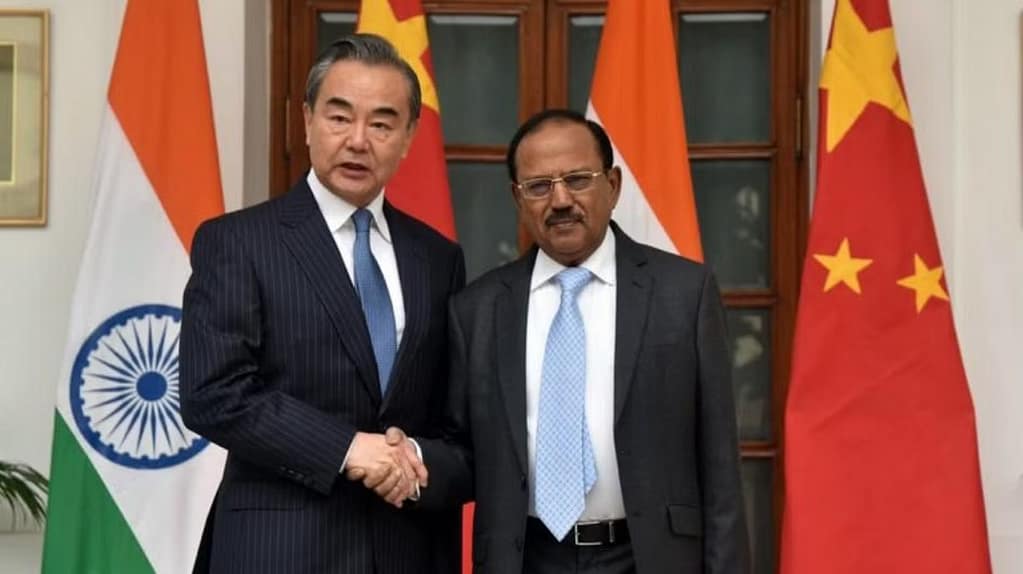
NSA China Visit: National Security Advisor Ajit Doval Goes to China, Aham Negotiations to Solve Border Disputes on LAC

NSA China Visit: Ajit Doval to Visit China for Key LAC Border Talks

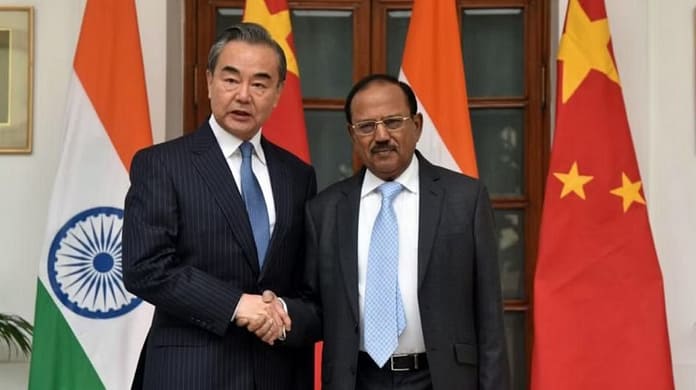
NSA China Visit: India’s National Security Advisor (NSA) Ajit Dowal will visit China on December 17-18 where they will make significant talks of the Special Representative Level (SR) with Chinese Foreign Minister Wang Yi. The main objective of this meeting is to resolve the ongoing stressful situation on the India-China border with the Line of Actual Control (LAC). The meeting is beginning to resume the SR level talks between India-China, which was agreed during the Kazan meeting of Prime Minister Modi and China President Xi Jinping. The talks are getting the first time after the nap in the Galvan Valley in 2020, and the first will be such a meeting in the last five years.

NSA China Visit: Ajit Doval to Visit China for Key LAC Border Talks

Ajit Dowal’s visit is a key step by taking the status of the border on the LAC between China and India, as earlier there was an agreement between the two countries in October and managing the border. Under this agreement, both countries agreed to take some new steps to maintain peace on LAC.

NSA China Visit: Stress Was Constantly Growing From 2020

The tension on LAC between India and China began to rise from 2020, when China’s military had extended military activities in the eastern Ladakh region. This resulted in violent shackles between the soldiers of both the countries, in which many soldiers knew. After the incident occurred in the Galvan Valley, both nations had circumcised in relationships and went deeper on the border.

Ajit Dowal had led the Indian side and Wang Yi led the Chinese side. At that time many agreements were agreed between the two countries, but thereafter the tension on the border began to rise.

The purpose of special representative negotiations

The main objective of this bar’s special representative level talks is to further clarify the boundaries of LAC. According to the formulas, this negotiation will focus on the expansion and clean identification of the current situation on LAC. It is aimed to ensure that no misconception or confrontation between the soldiers of both the countries remained. Also, the goal of the interaction is to find a stable and long-term solution to prevent such events in the future.

This meeting is an important step towards normalizing relationships between both countries and restoring trust. As a result, the next Core Commander-level meeting date may be fixed between the high authorities of both countries, which will focus on the issues of patrolling and buffer zones on the border.

Increased diplomatic interactions between India-China

Earlier, India’s External Affairs Minister S. Jaishankar on December 3 had reported that India is committed to resolve border disputes through bilateral dialogues with China. He said that India wants to be an agreement between the two countries, based on judicial, reasonable and mutual acceptance. India has also cleaned that it is ready to work together with China to maintain peace on the border in any situation.

Several military and diplomatic efforts have been made from 2020 to now between India and China to reduce stress on LAC. These also include diplomatic negotiations at different levels, in addition to the meetings of military officers from both countries. Now, this upcoming visit of Ajit Doval is an important opportunity towards the resolution of the border dispute for both countries.

What can happen in the coming time?

After special representative negotiations, a new round of military and diplomatic interaction between the two countries may begin. In this conversation, concrete steps will be taken to resolve disputes not only on the border, but also to reestablish trust between the two countries. In addition, this talk may also be a chance to write a new chapter in China and India’s relationships.

भारत और चीन के बीच सीमा विवाद को सुलझाने के लिए यह वार्ता एक महत्वपूर्ण अवसर है, क्योंकि इससे दोनों देशों के रिश्तों में सुधार हो सकता है और सीमा पर शांति बनी रह सकती है। यह वार्ता भारतीय सैनिकों और नागरिकों के लिए भी महत्वपूर्ण है, क्योंकि इससे राष्ट्रीय सुरक्षा को और मजबूती मिलेगी।

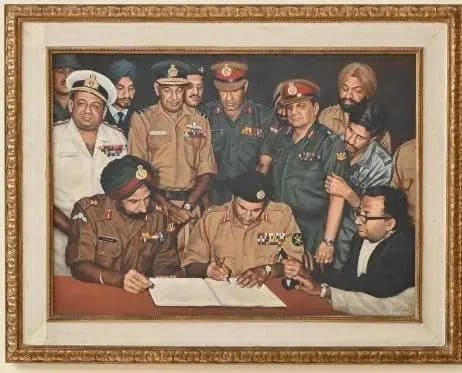
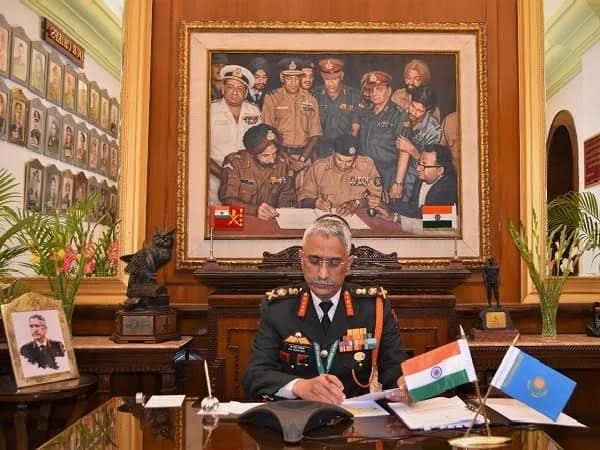
1971 War Surrender Painting: Effect of the news of defence news! The new place of ‘gayb’ painting was found, now people can see here now.

1971 War Surrender Painting: News Impact! Gets New Placement at Manekshaw Centre

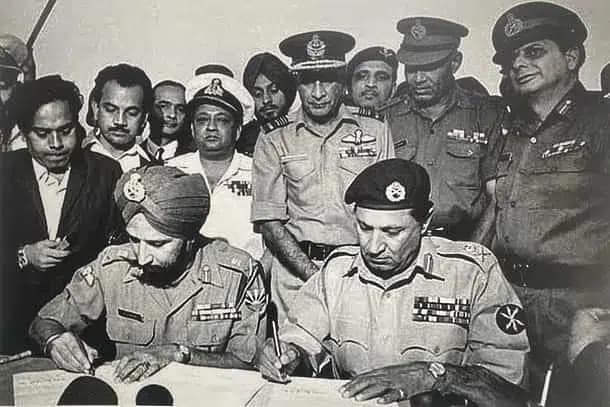
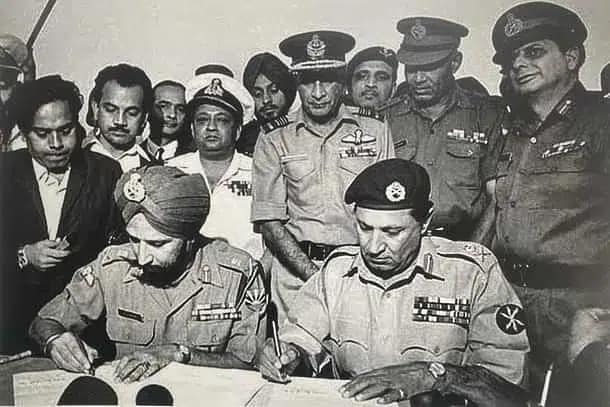
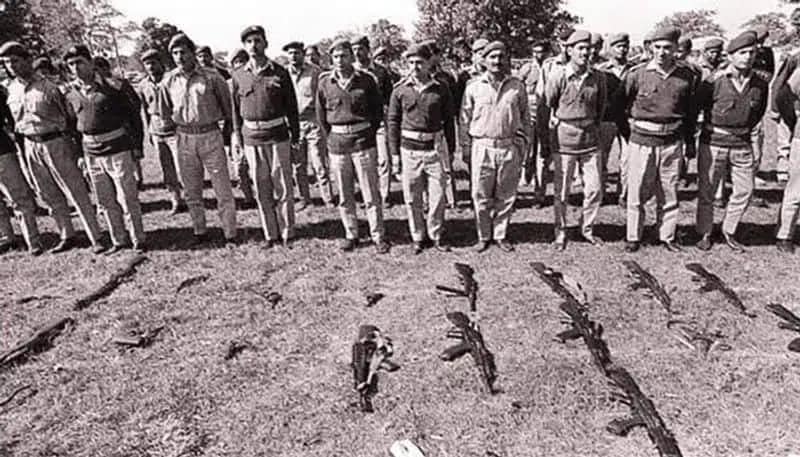
1971 War Surrender Painting: A historical painting from the background of the head general office of the Indian Army which was surrendered to the Pakistan army in the rust of 1971. Defence News.com raised the issue from Murjore. But now the big news is revealed. On 16th December after the question of former military officers and defence news.com, that historic painting has been found new on the occasion of Vijay Day. The painting is now applied to the Maneksho Center. The Centre is dedicated to the name of the Hero Field Marshal Sam Manekasho of the Rust of 1971. Let’s say that this image is reminiscent of a large ethic victory of the Indian Army, when more than 93 thousand Pakistan army had surrendered unconditional in front of the Indian Army in Dhaka, East Pakistan i.e. today’s Bangladesh.

1971 War Surrender Painting: News Impact! Gets New Placement at Manekshaw Centre

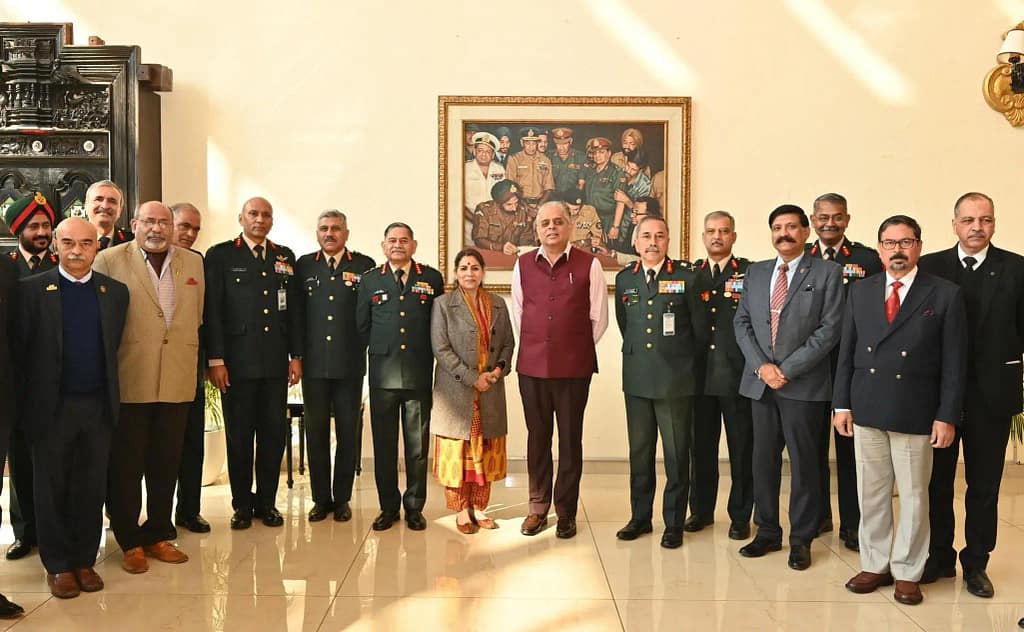
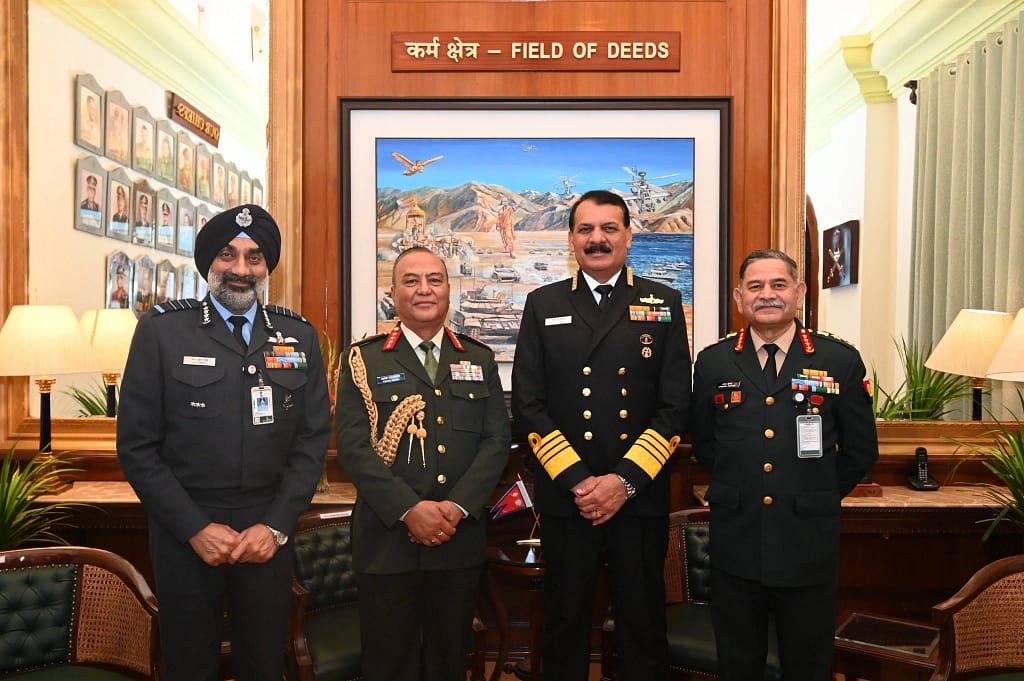
The incident took care of all at the moment, when the chiefs of the three forces, including the head of the Army, met the Army Chief of the Nepalese Army, who had visited India by 14 December these days. At that time, the image looked unshakeable from the wall, and there was a second photo in place. The image was taken on 16 December 1971 during the dedication of the army of Pakistan in Dhaka, which is considered one of the biggest wins of the Indian Army.

1971 War Surrender Painting: News Impact! Gets New Placement at Manekshaw Centre

1971 War Surrender Painting: Former Army Officers Hit Deep Anxiety

Tell that no prior information was shared on the army’s side with the decision to remove the picture. After which the former officers of Defence experts and the Army had expressed deep concern. Some experts believed that there could be a special ideology behind the removal of this picture, trying to negate the historical and military pride of the Indian Army. As of December 9, this photo was present on the office wall of the head, in which they met some authors writing books on Indian Military History on that day. Thereafter two photographs were shared on the X account on the side of the Indian Army ADGPI, in which the two photographs were still in the office of the Army President.

1971 War Surrender Painting: News Impact! Gets New Placement at Manekshaw Centre

Indian Army: This historical photo disappeared from the office wall of the Army chief, former Officer Bole- Is the Government ignoring the glorious victory of the Indian Army?

What is written in the post

While today, the event that the entire nation celebrates the victory of India in the rust of 1971 is selibrating the Vijay Day, to make this glorious day more special this year, the senior officials and seals of the Indian Army have established the historic painting of the 1971 War Surrender in Maneksho Centre, New Delhi in a prestigious place. This information has been given in the post issued on the side of the Army.

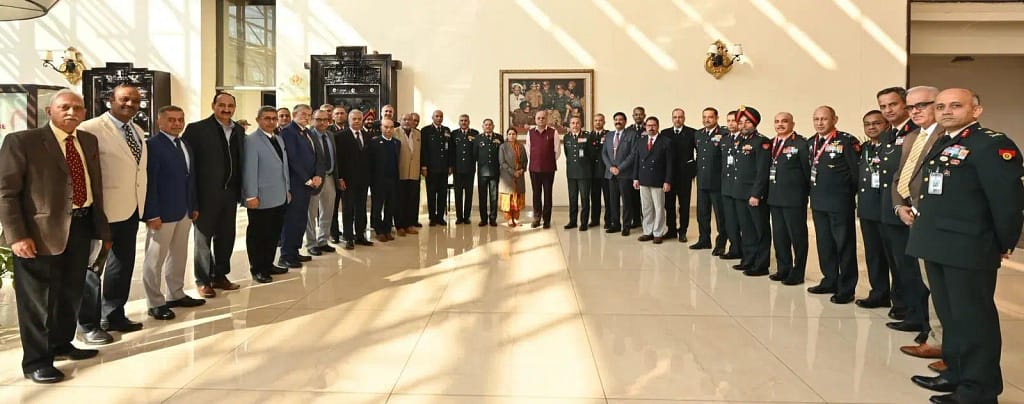
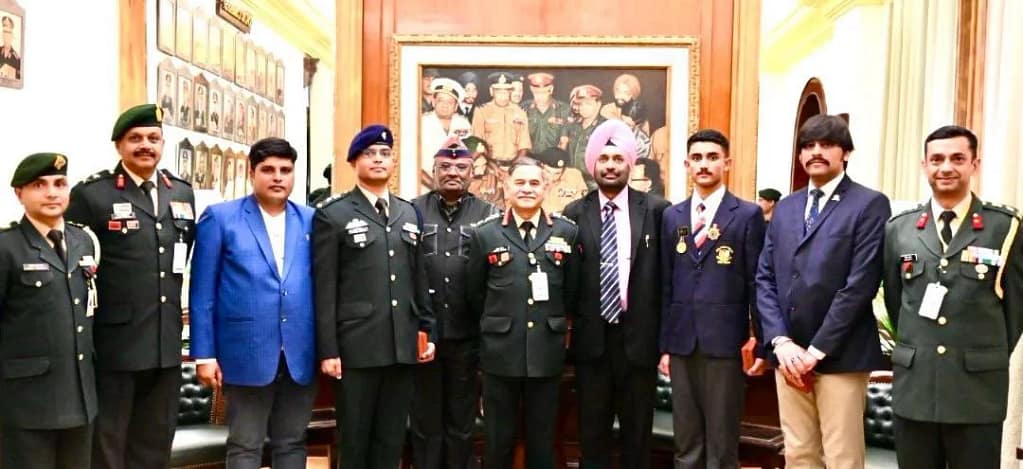
On the occasion of Vijay Day, with the President Sunita Dwivedi of General Sub-Central Dwivedi COAS and AWWA, established the surrender painting of 1971 at its most appropriate location, the Manekasho Centre. The Centre is named after the Architect and Hero of the 1971 War, the Field Marshal Sam Manekasho. On this occasion, senior officers and retired officers of the Indian Army were present.

This painting symbolizes one of the largest military wins of the Indian armed forces and reflects India’s justice and commitment to humanity. After establishing this at the Maneksho Centre, the dignitaries and audiences that come here will have the opportunity to visit it.

Indian Army: Historic Photo Disappears from Army Chief's Office Wall, Former Officers Question if Government is Overlooking Indian Army's Glorious Victory

Who created new paintings

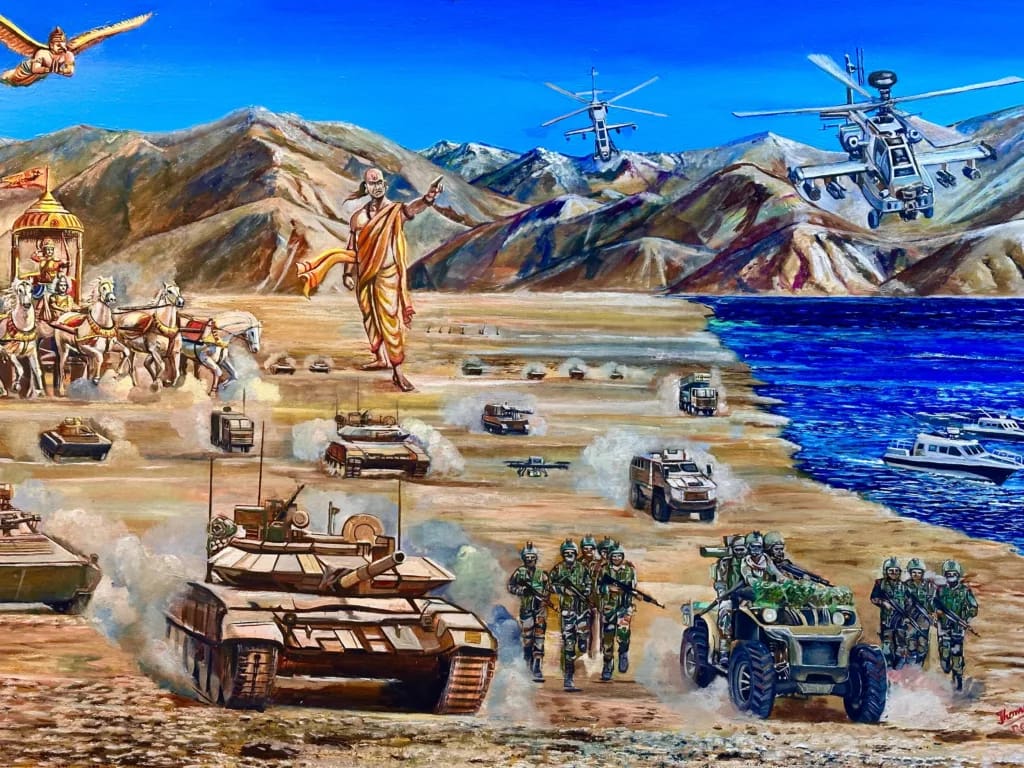
The sources of the army said that the new painting, the ‘Employment of Works’, which is created by the Lt. Col. Thomas Jacob of the 28 Madras regiment. The army in this painting is represented as a "Director of the Righteousness", which fights not only the defender of the nation but to protect justice and protect the values of the country. This painting tells how advanced the army has become technically. The painting snow-covered hills are seen in the background, on the right side, the Pongongong Tasto Lake of East Ladakh and the chariot of Garuda and Shri Krishna on the left, as well as the chantky and modern equipment such as tanks, all-terren whicells, infantry vehicles, petrol bots, indigenous light combet helicopters and H-64 Apache attack helicopters have been shown.

Indian Army: Historic Photo Disappears from Army Chief's Office Wall, Former Officers Question if Government is Overlooking Indian Army's Glorious Victory

1971 War of Ahmad

On the other hand, Air Vice Marshal (Retired) Manmohan Bahadur commented on the matter that the 1971 war was the biggest victory in India’s defence history. He also said that this war symbolizes the first military triumph as the unified nation of India, and deleting this picture is to ignore this great achievement of the Indian Army. He had said that this picture was a symbol of India’s tactical strength and success for many countries’ military heads and dignitaries.

Indian Army: Historic Photo Disappears from Army Chief's Office Wall, Former Officers Question if Government is Overlooking Indian Army's Glorious Victory

The importance of the dedication picture of 1971

The Retired Lieutenant General H.S. Panag of the Indian Army said that this image was a symbol of India’s first major military triumph over the past 1000 years. It was not only a military point of view but also a symbol of Indian unity and power. They alleged that those who have caused the removal of this picture are trying to erase the pride of the Indian Army, and a special ideology behind the move that promotes India’s ancient and medieval history.

Indian Army: Historic Photo Disappears from Army Chief's Office Wall, Former Officers Question if Government is Overlooking Indian Army's Glorious Victory

Explained- change time needed

The Retired Western Commander Lieutenant General Kamaljeet Singh also gave his opinion on the issue. He had to say that it would not be right to comment on this picture without seeing the whole situation. He suggested that changes need time and the coming generations should give the opportunity to understand and change their attitudes. He also believes that the matter has become part of political and cultural discussions and needs to move forward.

Establishing this historic painting by the Indian Army on the occasion of Vijay Day at the Manekasho Centre is an important step to honour the history and pride of the Indian Army. This painting is not only a symbol of the greatness of the Indian Army, but will acquaint the coming generations with our military history and achievements.

1971 India-Pakistan War: When a child was swept and cried out like the Pakistani General, Ravalpindi and Yahya Khan was abscessed on the Surender’s Surrender’s Surrender’s Curr

1971 India-Pakistan War: When a Pakistani General Broke Down Like a Child, Blamed Rawalpindi and Yahya Khan for the Surrender

1971 India-Pakistan War: 16 December 1971, the Golden Day of Indian History, when the Pakistan Army surrendered to the Indian Army in Dhaka. This day is not only a symbol of a military victory, but the unique strategy of the Indian Army, the adventurousness and the precedent of leadership. Recalling this day, the field Marshal Sam Manekshō’s words cannot be taken up, whose skilled leadership brought India to this glorious victory. Siddiq Salik "Witness to Surender" (Witness to Surrender) is derived from the circumstances and stress of the time.

1971 India-Pakistan War: When a Pakistani General Broke Down Like a Child, Blamed Rawalpindi and Yahya Khan for the Surrender

1971 India-Pakistan War: The atmosphere before the surrender

A few days before December 16, the governor Malik in Dhaka’s Goverment House, General Niaji and other senior officers were sitting in a room. The atmosphere was heavy and the conversation was getting too low. The silence in every while is laid on the entire room. Governor Malik was speaking mostly, he was also very common. "The conditions are not always the same," he said. Good days can turn into bad days and bad days can be good. A general career will also fluctuate. Ever wondering when he gloves success, the defeat breaks his self-esteem. ""

As soon as the governor Malik eliminated this, a large stature body trembling of General Niji. He concealed his face with his hands and began to cry like a child. "General Honors come hard days in the life of a commander," said the governor holding his hand while consoled. But do not dare. The above is great. ""

‘Sahib is crying’

Meanwhile, a Bengali waiter came into room with a tray of coffee and snacks. But he was immediately knocked out. "Sahib is crying inside," he said to the rest of the Bengalis. "The matter was heard by the military secretary of the Pakistani governor and said the waiter to remain silent.

The event was the most pronounced and painful description of the truth of that war in a way. "The situation is worse," the governor Malik then said to General Niji. I think we should ask the President to arrange a warfare by sending a message. ""

General Niji said in the weak tone after silence, "I will assume the order. " But there was no action on this offer.

1971 India-Pakistan War: When a Pakistani General Broke Down Like a Child, Blamed Rawalpindi and Yahya Khan for the Surrender

Breaking Expectations of Niji

Then General Niji returned his headquarters and closed himself in his room. For three days he did not meet anyone. During that, the author Siddiq Salik tried to meet him on the night of December 8/9. When he arrived in the room, he saw that General Niji was headed on his arm. His face was not visible to anyone.

"Salik, thank your destiny that you are not a general today," says the same thing during that conversation. "The pain and helplessness of their voice was glimpse. It was the time that the Indian army had surrounded Pakistan around. The confidence of the niaji was completely broken.

Chapter 23: Dhaka's day of capture and surrender

On December 16, Dhaka replaced the Pakistani Army Khaki uniform in Dhaka by the green uniform of the Indian Army. The Bengali people stood quietly along the shore and watched this nazar. Perhaps they weren’t sure how their future will be after such a major change.

After the surrender of Dhaka, Siddiq Salik interacted with General Niazi in Fort William, Kolkata. During this time, Niazi expressed his heartburn and anger. He did not regret his failures. He also attributed to the entire events to the General Yahya Khan.

‘Kurbani didn’t mean any’

When the Siddiq Salik asked him why he could not save Dhaka and try, the response of Nyaji was, "What does this happen? More deaths occur. Dhaka's drains are lost. Lashes remain on the streets. And in the end, the result remains. I’ll move 90,000 prisoners to West Pakistan, and not 90,000 widows and millions of orphans except there. This malaise sucks. ""

This confession of General Niji leaves the outcome of the war and the story of the rupture of Pakistan. This historical day is remembered as a symbol of India’s courage, strategy and humanity. The great thing of Field Marshal Sam Maneksho is today: "If a person says he does not feel afraid of death, either he is lying or then he is a gosser. ""

1971 India-Pakistan War: When a Pakistani General Broke Down Like a Child, Blamed Rawalpindi and Yahya Khan for the Surrender

Day of surrender

On 16 December 1971, the Lieutenant General Jagjit Singh Arora, led by the Indian Army forced Pakistan to sign the documents of surrender to the army in Dhaka. It was the result of the wonderful scheme and braveness of the Indian Army. This victory not only awakened Bangladesh, but also recorded the day in the history of the Indian Army in golden letters.

Siddiq Salik, who was the official of the Pakistan Army during the war, his book "Witness to Surender" In this historical event is referring to. He wrote how Pakistan army officials were broken before surrender. Salik wrote that when they were talking about wars from General Niazi, Niazi did not attribute themselves to his failures, but blamed Ravalpindi and Yahya Khan.

The efficient leadership of Sam Maneksho

The leadership of the Indian Army’s major field Marshal Sam Maneksho in this war was also extremely important. His skilled leadership and clear strategy united the Indian army and brought the enemy to the knees. Maneksho elevated the morale of his soldiers and took the right decision on every step.

16 दिसंबर 1971 को, जब नियाज़ी ने आत्मसमर्पण किया, तो यह केवल एक कागज़ पर दस्तखत नहीं थे, बल्कि यह भारत की ताकत, भारतीय सेना की बहादुरी और सैम मानेकशॉ के नेतृत्व का प्रमाण था।

Combat Training: Indian Navy preparing large to fly marine robbers, making it dangerous Combat Traning Centre

Indian Navy to Build Advanced Combat Training Centre in Karwar

Combat Training: The Indian Navy has been preparing to create a state-of-the-art Combat Training Centre (CTC) in Karnataka’s Seaside City Carwar. This training centre will be specially designed to provide training to Navy Seals, Marcos Commando and Allied Special Forces to deal with terrorism and marine robbers.

Indian Navy to Build Advanced Combat Training Centre in Karwar

Combat Training: 75 acres of land will build

This centre will be built on 75 acres of land, equipped with modern facilities. This is a big step to enhance the capabilities of the Indian Navy’s Spashwal Forces. This training centre will have tools and facilities in real life.

What will happen? Combat Training At the Centre?

This state-of-the-art training centre will have a wide range of facilities that will make it the most advanced training centre in India.

  1. Three-Store Multilevel Kill House

It will be a three-story building, consisting of several structures such as hotel lobby, room, conference hall, office, ship equipment and living space. It also has ballistic protection for firing with various weapons, including sniper weapons. In addition, there will also be the facility of practicing in the scenarios that arise during the circumstances such as sneezing the mortgages.

  1. Maritime Workup Station

इसमें ऑयल रिग का नकली मॉडल, जहाज का मॉडल, विभिन्न समुद्री परिस्थितियों को दिखाने के लिए वेव जनरेशन पूल और ऑब्स्टेकल-कम-जंगल फायरिंग रेंज शामिल होगी। ऑयल रिग मॉडल को असली ऑयल रिग प्लेटफॉर्म के पैमाने पर तैयार किया जाएगा, जिसमें जैकेट डेक, मेन डेक, लिविंग क्वार्टर और टॉप डेक (हेलीपैड) जैसे स्ट्रक्चर होंगे।

  1. मिलिट्री ऑपरेशंस इन अर्बन टेरेन कॉम्प्लेक्स

यह एक आधुनिक ट्रेनिंग फैसिलिटी होगी, जो शहरी क्षेत्रों में मिलिट्री ऑपरेशनों के लिए तैयार की जाएगी। इसमें दो कंपाउंड होंगे—एक शहरी सेटअप और दूसरा ग्रामीण सेटअप।

  • शहरी सेटअप: यह एक छोटे शहर या कस्बे जैसा होगा, जिसमें कम से कम 10 बहुमंजिला इमारतें और 50 कमरे होंगे। इसमें अस्पताल, पुलिस स्टेशन, रेडियो स्टेशन, फैक्ट्री, बैंक, होटल, सिनेमा हॉल, स्कूल, गोदाम और प्रशासनिक भवन शामिल होंगे। इन इमारतों पर हेलीकॉप्टर से स्लिदरिंग और रैपलिंग जैसे विशेष अभियानों का अभ्यास किया जा सकेगा।
  • ग्रामीण सेटअप: यह एक भारतीय गांव का नक्शा होगा, जिसमें गोशाला, मंदिर, प्राथमिक स्वास्थ्य केंद्र, मिट्टी के घर, फसल भंडारण सुविधा और एक खुला मैदान या हेलीपैड होगा। यह सेटअप विशेष हेलीकॉप्टर अभियान के लिए तैयार किया जाएगा।

MARCOS कमांडो और मित्र देशों की स्पेशल फोर्सेज की ट्रेनिंग

यह ट्रेनिंग सेंटर विशेष रूप से भारतीय नौसेना के मार्कोस कमांडो के लिए तैयार किया जा रहा है, जो आतंकवाद विरोधी अभियानों में विशेषज्ञ हैं। इसके अलावा, इसे मित्र देशों के विशेष बलों को प्रशिक्षित करने और नए उपकरणों के परीक्षण के लिए भी उपयोग किया जाएगा।

इस सेंटर में अत्याधुनिक सिमुलेटर और मॉड्यूलर बिल्डिंग्स होंगी, जो वास्तविक परिस्थितियों का अनुभव कराएंगी। नौसेना के दस्तावेजों के अनुसार, यह परियोजना नई चुनौतियों से निपटने के लिए विशेष बलों को तैयार करने में मददगार साबित होगी। भारतीय नौसेना ने इस परियोजना की विस्तृत परियोजना रिपोर्ट (डीपीआर) तैयार करने के लिए एक सलाहकार को शामिल किया है। यह ट्रेनिंग सेंटर भारत की समुद्री सुरक्षा को नई ऊंचाइयों तक ले जाएगा। स्पेशल फोर्सेज की क्षमताओं को बढ़ाकर, यह केंद्र आतंकवाद और समुद्री लुटेरों के खिलाफ लड़ाई में एक महत्वपूर्ण भूमिका निभाएगा।