Home Blog Page 52

SIPRI Yearbook 2025: There are many countries that can be launched again in the world Nuclear Weapons

SIPRI Yearbook 2025: New Arms Race Looms as Countries Boost Nuclear Arsenals
AI Image

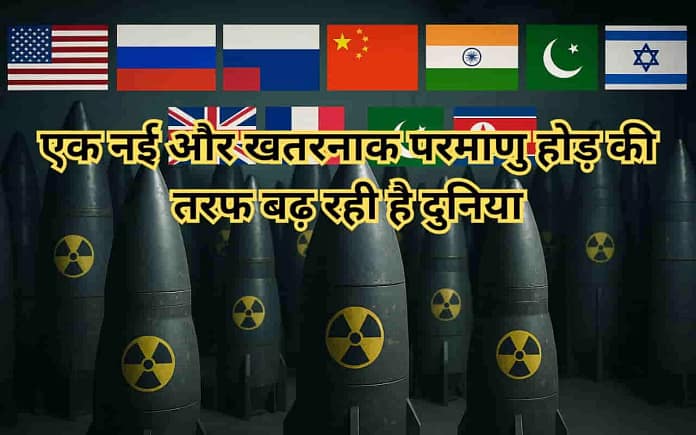
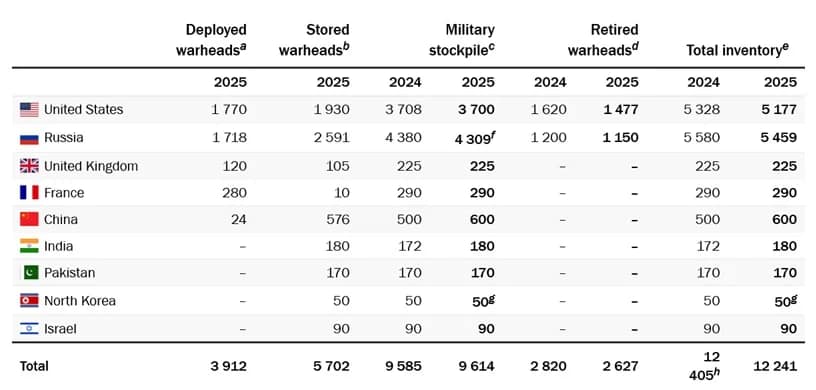
SIPRI Yearbook 2025: The task of raising nuclear weapons across the world is rapidly running. Countries equipped with nine nuclear weapons in 2024 US, Russia, UK, France, China, India, Pakistan, North Korea and Israel launched a vigorous program to upgrade their arms and add new versions. As of January 2025, there are about 12,241 nuclear warheads in the world, about 9,614 of which are placed in the military stockpiles, ready for use when needed. Of these 3,912 warheads are deployed with missiles and aircraft, while the rest are protected in central storage. Around 2,100 of these deployed warheads have been placed on high operational alerts on ballistic missiles, and most of them are near Russia and America. China has recently started deploying some warheads missiles during peace.

Russia and the U.S. gradually eliminated old warheads since the Cold War was over, according to SIPRI Yearbook 2025), thereby reducing the global demand of nuclear weapons every year. But now it is on the verge of changing the trend. The speed of eliminating old weapons is slow, while the work of deploying new weapons is accelerated. This change can become a new challenge for the world.

SIPRI Yearbook 2025: Russian and US

सिपरी के वेपंस ऑफ मास डिस्ट्रक्शन प्रोग्राम में एसोसिएट सीनियर फेलो और फेडरेशन ऑफ अमेरिकन साइंटिस्ट्स (FAS) में न्यूक्लियर इन्फॉर्मेशन प्रोजेक्ट के डायरेक्टर हंस एम. क्रिस्टेंसेन कहते हैं, “दुनिया में न्यूक्लियर हथियारों की संख्या में कमी का दौर, जो कोल्ड वॉर के खत्म होने के बाद से चला आ रहा था, अब खत्म होने की कगार पर है।” उनका कहना है, इसके बजाय, हम एक स्पष्ट ट्रेंड देख रहे हैं, जिसमें न्यूक्लियर आर्सेनल बढ़ रहा है, न्यूक्लियर रेटोरिक तेज हो रहा है और आर्म्स कंट्रोल समझौतों को छोड़ दिया जा रहा है।

रिपोर्ट के मुताबिक, रूस और अमेरिका के पास दुनिया के करीब 90 फीसदी न्यूक्लियर हथियार हैं। 2024 में इन दोनों देशों के मिलिट्री स्टॉकपाइल में खास बदलाव नहीं हुआ, लेकिन दोनों ने अपने हथियारों को मॉडर्नाइज करने के बड़े प्रोग्राम शुरू किए हैं। अगर इनके बीच कोई नया समझौता नहीं होता, तो 2010 का न्यू स्टार्ट ट्रीटी, जो फरवरी 2026 में खत्म हो रही है, उसके बाद इनके स्ट्रैटेजिक मिसाइल्स पर तैनात वॉरहेड्स की संख्या बढ़ सकती है। अमेरिका का मॉडर्नाइजेशन प्रोग्राम भले ही चल रहा हो, लेकिन 2024 में प्लानिंग और फंडिंग की दिक्कतों ने इसे धीमा कर दिया। नई नॉन-स्ट्रैटेजिक न्यूक्लियर वॉरहेड्स को जोड़ने से भी इस प्रोग्राम पर दबाव बढ़ा है।

रूस का मॉडर्नाइजेशन प्रोग्राम भी चुनौतियों से जूझ रहा है। 2024 में नए सरमात इंटरकॉन्टिनेंटल बैलिस्टिक मिसाइल (ICBM) के टेस्ट में नाकामी और अन्य सिस्टम्स के अपग्रेड में देरी हुई। अमेरिका का अनुमान था कि रूस अपने नॉन-स्ट्रैटेजिक वॉरहेड्स की संख्या बढ़ाएगा, लेकिन ऐसा अभी तक नहीं हुआ। फिर भी, आने वाले सालों में दोनों देशों की तैनाती बढ़ने की संभावना है। रूस अपनी पुरानी स्ट्रैटेजिक फोर्स को मॉडर्नाइज कर हर मिसाइल पर ज्यादा वॉरहेड्स तैनात कर सकता है, जबकि अमेरिका मौजूद लॉन्चरों पर ज्यादा वॉरहेड्स जोड़ सकता है और खाली साइलो को फिर से सक्रिय कर सकता है।

चीन का तेजी से बढ़ता जखीरा

चीन का न्यूक्लियर आर्सेनल सबसे तेजी से बढ़ रहा है। SIPRI के मुताबिक, चीन के पास अब कम से कम 600 वॉरहेड्स हैं, और 2023 से हर साल करीब 100 नए वॉरहेड्स जोड़े जा रहे हैं। जनवरी 2025 तक, चीन ने देश के उत्तरी रेगिस्तानी इलाकों और पूर्वी पहाड़ी क्षेत्रों में करीब 350 नए ICBM साइलो बनाए हैं या बनाने का काम पूरा कर लिया है। अगर चीन अपनी फोर्स को इसी तरह बढ़ाता है, तो दस साल में इसके पास 1500 वॉरहेड्स हो सकते हैं, जो रूस और अमेरिका के मौजूदा स्टॉकपाइल का करीब एक-तिहाई होगा।

ब्रिटेन, फ्रांस और अन्य देश भी नहीं हैं पीछे

ब्रिटेन ने 2024 में अपने न्यूक्लियर वॉरहेड्स की संख्या नहीं बढ़ाई, लेकिन 2023 की इंटीग्रेटेड रिव्यू रिफ्रेश में वॉरहेड्स की सीमा बढ़ाने की योजना को मंजूरी दी गई थी। जुलाई 2024 में चुनी गई लेबर सरकार ने चार नए न्यूक्लियर-पावर्ड बैलिस्टिक मिसाइल सबमरीन (SSBNs) बनाने और लगातार समुद्र में न्यूक्लियर डिटरेंस बनाए रखने का वादा किया। हालांकि, अब उसे ऑपरेशनल और फाइनेंशियल चुनौतियों का सामना करना पड़ रहा है।

फ्रांस ने 2024 में तीसरी जेनरेशन के SSBN और नए एयर-लॉन्च्ड क्रूज मिसाइल को डेवलप करने का काम जारी रखा। मौजूद सिस्टम्स को रिफर्बिश और अपग्रेड करने का भी प्रयास हुआ, जिसमें एक बेहतर बैलिस्टिक मिसाइल और नया वॉरहेड मॉडिफिकेशन शामिल है।

भारत-पाकिस्तान ने बढ़ाया न्यूक्लियर आर्सेनल

2024 में भारत ने अपने न्यूक्लियर आर्सेनल को थोड़ा और बढ़ाया है, और नए तरह के न्यूक्लियर डिलीवरी सिस्टम विकसित करने का काम जारी रखा है। विशेषज्ञों का मानना है कि भारत के नए ‘कैनिस्टराइज्ड’ मिसाइल्स, जो वॉरहेड्स के साथ ट्रांसपोर्ट किए जा सकते हैं, शांति के वक्त भी न्यूक्लियर वॉरहेड्स ले जाने में सक्षम हो सकते हैं। जब ये मिसाइल्स पूरी तरह से ऑपरेशनल हो जाएंगे, तो हर मिसाइल पर कई वॉरहेड्स ले जाने की क्षमता भी हो सकती है।

उधर, पाकिस्तान ने भी 2024 में नए डिलीवरी सिस्टम डेवलप करने और फिसाइल मटीरियल इकट्ठा करने का काम जारी रखा, जिससे संकेत मिलता है कि आने वाले दशक में उसका न्यूक्लियर आर्सेनल बढ़ सकता है।

SIPRI के वेपन्स ऑफ मास डिस्ट्रक्शन प्रोग्राम में एसोसिएट सीनियर रिसर्चर और FAS में न्यूक्लियर इन्फॉर्मेशन प्रोजेक्ट के एसोसिएट डायरेक्टर मैट कोरडा ने कहा, “ऑपरेशन सिंदूर के दौरान न्यूक्लियर से जुड़े सैन्य ढांचे पर हमले और गलत सूचनाओं का मेल एक सामान्य टकराव को भी न्यूक्लियर संकट में बदल सकता था। यह उन देशों के लिए एक सख्त चेतावनी है जो न्यूक्लियर हथियारों पर अपनी निर्भरता बढ़ाने की कोशिश कर रहे हैं।”

नॉर्थ कोरिया और इजरायल की तैयारी

नॉर्थ कोरिया अपने मिलिट्री न्यूक्लियर प्रोग्राम को अपनी नेशनल सिक्योरिटी का अहम हिस्सा मानता है। SIPRI के अनुसार, उसके पास अब करीब 50 वॉरहेड्स हैं, और पर्याप्त फिसाइल मटीरियल से 40 और वॉरहेड्स बनाए जा सकते हैं। जुलाई 2024 में साउथ कोरिया ने चेतावनी दी कि नॉर्थ कोरिया ‘टैक्टिकल न्यूक्लियर वॉपन’ डेवलप करने के आखिरी चरण में है। नवंबर 2024 में किम जोंग उन ने अपने देश के न्यूक्लियर प्रोग्राम को ‘असीमित तरीके से’ आगे बढ़ाने का ऐलान किया।

इजरायल, जो सार्वजनिक रूप से न्यूक्लियर हथियारों को स्वीकार नहीं करता, अपने आर्सेनल को मॉडर्नाइज कर रहा है। 2024 में उसने एक मिसाइल प्रोपल्शन सिस्टम का टेस्ट किया, जो उसके जेरिको फैमिली के न्यूक्लियर-कैपेबल बैलिस्टिक मिसाइल्स से जुड़ा हो सकता है। साथ ही, डिमोना में अपने प्लूटोनियम प्रोडक्शन रिएक्टर साइट को अपग्रेड करने का काम भी चल रहा है।
SIPRI Yearbook 2025: New Arms Race Looms as Countries Boost Nuclear Arsenals
Image From Sipri

आर्म्स कंट्रोल पर संकट

SIPRI डायरेक्टर डैन स्मिथ ने अपनी 2025 की रिपोर्ट में न्यूक्लियर आर्म्स कंट्रोल पर संकट की चेतावनी दी है। रूस और अमेरिका के बीच द्विपक्षीय न्यूक्लियर कंट्रोल कई सालों से संकट में है और अब लगभग खत्म हो चुका है। न्यू स्टार्ट, जो रूस और अमेरिका की स्ट्रैटेजिक न्यूक्लियर फोर्स को सीमित करता है, फरवरी 2026 तक प्रभावी है, लेकिन इसके नवीनीकरण या बदलाव की कोई बातचीत नहीं हो रही। अमेरिकी प्रेसिडेंट डोनाल्ड ट्रंप ने अपने पहले कार्यकाल में और अब फिर दोहराया कि किसी भी नए समझौते में चीन के न्यूक्लियर आर्सेनल पर भी सीमा होनी चाहिए, जो बातचीत को और मुश्किल बना देगा।

स्मिथ ने नए हथियारों की रेस के जोखिमों पर भी चेतावनी दी। आर्टिफिशियल इंटेलिजेंस (AI), साइबर कैपेबिलिटीज, स्पेस एसेट्स, मिसाइल डिफेंस और क्वांटम टेक्नोलॉजी जैसे नए तकनीकों का तेजी से विकास न्यूक्लियर कैपेबिलिटीज, डिटरेंस और डिफेंस को बदल रहा है, जिससे अस्थिरता बढ़ सकती है। मिसाइल डिफेंस और समुद्र में क्वांटम टेक्नोलॉजी के इस्तेमाल से देशों के न्यूक्लियर आर्सेनल की भेद्यता प्रभावित हो सकती है। साथ ही, AI और अन्य तकनीकों से संकट में फैसले तेज होने से गलतफहमी, गलत कम्युनिकेशन या तकनीकी गलती से न्यूक्लियर संघर्ष का खतरा बढ़ गया है।

नए देशों में न्यूक्लियर हथियारों की दिलचस्पी

ईस्ट एशिया, यूरोप और मिडल ईस्ट में न्यूक्लियर स्टेटस और स्ट्रैटेजी पर चर्चा हो रही है। इससे संकेत मिलता है कि और देश अपने न्यूक्लियर हथियार डेवलप कर सकते हैं। इसके अलावा, न्यूक्लियर-शेयरिंग अरेंजमेंट्स पर भी ध्यान बढ़ा है। 2024 में रूस और बेलारूस ने दावा दोहराया कि रूस ने बेलारूसी जमीन पर न्यूक्लियर हथियार तैनात किए हैं। कई यूरोपीय NATO सदस्यों ने अमेरिकी न्यूक्लियर हथियार अपने यहां रखने की इच्छा जताई, और फ्रांस के प्रेसिडेंट इमैनुएल मैक्रों ने ‘यूरोपीय पहलू’ में फ्रांसीसी न्यूक्लियर पावर की बात की।

Revealed in the report of SIPRI, arms worth Rs 52 lakh crores worldwide, increased by 4.2 per cent

मैट कोरडा ने कहा, “यह याद रखना बहुत जरूरी है कि न्यूक्लियर हथियार सुरक्षा की गारंटी नहीं देते। हाल ही में भारत और पाकिस्तान में हुई हिंसक घटनाओं ने साफ दिखाया कि न्यूक्लियर हथियार संघर्ष को रोकने में असफल रहते हैं। इनके साथ बढ़ोतरी और भयानक गलतफहमियों का जोखिम भी जुड़ा है, खासकर जब गलत सूचनाएं फैल रही हों, और ये देश की आबादी को सुरक्षित करने के बजाय असुरक्षित बना सकते हैं।”
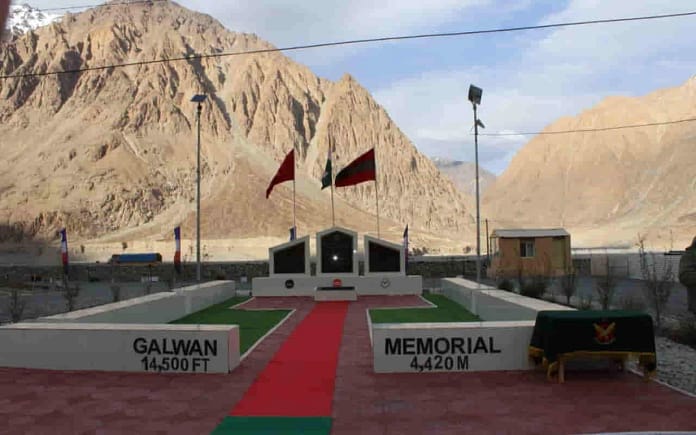
5 years of Galwan Clash: What are the 5 biggest lessons for India five years after Galwan violence? Ready to stay for two front wars!

5 Years of Galwan Clash: 5 Key Lessons India Must Not Forget
Indian Army

5 years of Galwan Clash: The violent clash between India and China has been completed today in the Sati Galvan Valley from LAC in East Ladakh on 15-16 June 2020. The 20 Indian soldiers, including Karnal Santosha Babu, were killed more than 40 soldiers of the Chinese Army, in the violent shackles between the forces of both the countries in Galwan, East Ladakh. While China has not officially mentioned its number. But the bloody struggle in Gallwan forced the nation’s safety policy, tactical approach, and thinking about neighboring countries.

5 years of Galwan Clash: what happened in Galvan?

The Galvan Valley in East Ladakh is a place where there has always been a dispute over India and China’s border (Line of Actual Control or LAC). There is no new thing to do on the border between India and China. Such events have been constantly increased since 2013. At the beginning of 2020, Chinese troops grew their presence in this area and started construction work. These construction work in the areas adjacent to LAC caused concern for India. Several round interactions occurred between the two countries, but the night of June 15 thrived during the conversation. But the sticks and stones were used in this nap in Gallwan, as both sides were not allowed to use arms. Yet, many soldiers were injured in this violence and 20 Indian soldiers were martyred. Soldiers died on the border in 45 years for the first time on the LAC. Under the agreements of 1996 and 2005, the two countries agreed that the arms will not be used on the border, but the Chinese troops in Gallwan attacked iron rods, nailed rods and barbed wires.

After this event, the forces of both countries raised their soldiers and weapons deployment in that area. The patrolling and monitoring of LAC was increased after Galvan, and the meetings took place several times between the two countries to overcome the situation.

This behavior of China was not sudden. China is gradually strengthening its position strategically in the region since China grabbed Tibet in 1959. Since the 1980s he has been building roads, air leases and around LAC. Also he is changing the demographic structure and weakening the local identity by settling the Han Chinese population in Tibet.

China’s intention is to strengthen its strategic position by engaging India on borders. Doklam (2017) before Galvan and earlier in 2013 there were similar events in Depusang and Chumar. But Gallwan was a warning, an alarm that threatened India.

First Lesson: Vigilance Required on the Limit

The incident of Galvan taught India that vigilance on the border should never be reduced. Prior to 2020, many believed that small border disputes between India and China continue to occur, but the probability of large battles is low. But Gallwan showed that the Chinese army can suddenly strengthen its position. Therefore, the Indian Army launched its deployment on LAC and new technology such as drones and satellites to monitor the enemy’s movements.

In addition, information found from locals and shepherds also proved to be important. Just like the Cargill War of 1999, the initial alert shepherds had also given in Gallwan. This means that it is necessary to make a rapport with people living in the border area so that time danger is detected.

Second Lesson: Training and Preparation of Soldiers

The nap in Gallwan showed that the soldiers are not just training to run weapons, but also preparing for the battle of hands (Hand-to-Hand Combat). At that night the soldiers defended themselves with no shoots and stones. Subsequently, Indian Army shifted its training. Now, the soldiers are given special training to fight in height areas and stay in the cold. Also, they are also being taught new tactics to deal with such a situation, where the use of arms is limited. The Army also launched a high-altitude training centre where soldiers are practiced to fight in altitude areas. In addition, the army upgraded its communication system so that the enemy’s movements can be found immediately.

3rd Lesson: The Balance of Diplomacy and Military Strength

After Galvan India understood that the balance of diplomacy (political interaction) and military strength is essential. India started a conversation with China after the nap, but at the same time strengthened its army and arms. India improved its border infrastructure, such as roads, bridges and helipads, to help soldiers quickly. Also, India bought weapons and technology from countries like Russia, America and France, and enlarged its military capacity. Galvanic violence helped China’s aggression even internationally. US, Japan, Australia and European Union supported India. The role of the quad (QUAD) group also strengthened. India clarified its position at the military and diplomatic level, we want peace, but will not show weakness.

Fourth lesson: public support and awareness

गलवान घटना पूरे देश को झकझोरने वाली थी। लोगों ने शहीदों को श्रद्धांजलि दी और सेना के लिए समर्थन जताया। सोशल मीडिया पर गलवान में सैनिकों की बहादुरी की कहानियां ट्रेंड हुईं, और लोग सैनिकों की बहादुरी की कहानियां शेयर करने लगे। यह घटना ने देशवासियों को यह सिखाया कि सीमा पर क्या हो रहा है, इसकी जानकारी रखना जरूरी है। स्कूलों और कॉलेजों में अब बच्चों को सीमा सुरक्षा और सैनिकों के बलिदान के बारे में बताया जाता है ताकि वे देश के प्रति जिम्मेदारी समझें।

पांचवां सबक: स्वदेशी हथियारों पर जोर

गलवान ने भारत को यह एहसास दिलाया कि विदेशी हथियारों पर निर्भरता कम करनी होगी। इसके बाद भारत ने अपनी डिफेंस इंडस्ट्री को मजबूत करने का फैसला लिया। अब ‘मेक इन इंडिया’ प्रोग्राम के तहत राइफल्स, ड्रोन और बुलेटप्रूफ जैकेट्स जैसे हथियार बनाए जा रहे हैं। इससे न सिर्फ सेना की ताकत बढ़ेगी, बल्कि देश की इकोनॉमी को भी फायदा होगा।

गलवान के बाद भारत ने LAC पर इंफ्रास्ट्रक्चर निर्माण तेज हुआ। सड़कों और पुलों को अपग्रेड किया गया, बॉर्डर पोस्ट्स को मजबूत किया गया और फॉरवर्ड बेस को एक्टिव किया गया। अब भारत सिर्फ प्रतिक्रिया नहीं देता, बल्कि रणनीतिक तैयारी भी करता है।

इसके साथ ही सरकार ने सेना को निर्णय लेने की अधिक स्वतंत्रता दी। भारतीय जवान अब उत्तरी लद्दाख की बर्फीली चोटियों पर लंबे समय तक तैनात रह सकते हैं। रणनीतिक दृष्टिकोण से यह बदलाव अहम था।

Galwan Visit: Why did Norden Commander Lt. Gen. Emblem Sharma go to Gallwan and Depusang, is there preparation for making India Gate?

पाकिस्तान और चीन की साजिशें

पहले गलवान और अब ऑपरेशन सिंदूर ने साबित किया कि चीन और पाकिस्तान की मिलीभगत गहरी होती जा रही है। गिलगित-बाल्टिस्तान में पाकिस्तान ने चीन को सैन्य सहूलियतें दी हैं, और चीनी सेना कई पाकिस्तानी सेना के अधिकारियों को ट्रेनिंग भी मुहैया करवा रही है। ऐसे में भारत के लिए दो फ्रंट वाला खतरा और गंभीर हो जाता है। गलवान के बाद भारत ने पश्चिमी मोर्चे यानी पाकिस्तान सीमा पर भी फोकस किया। अब भारत एक साथ दोनों मोर्चों पूर्वी लद्दाख और जम्मू-कश्मीर पर रणनीतिक तौर पर काम कर रहा है।

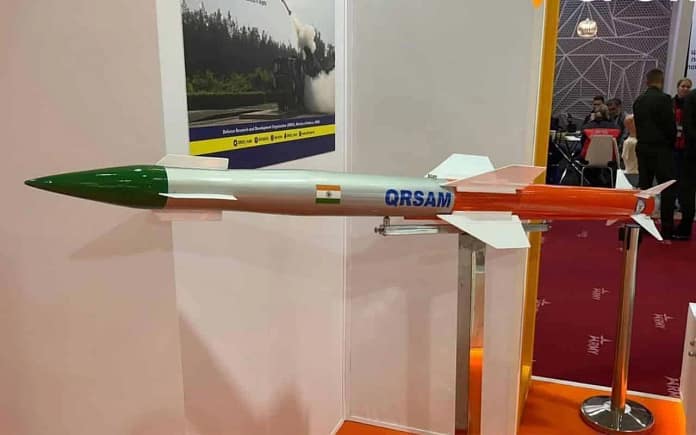
QRSAM Explained: Why is the new Air Defense Shield, going to meet India after the operation shifter, better than the system of Pakistan and China?

QRSAM Explained: India’s New Air Defence Shield After Operation Sindoor

QRSAM Explained: During the operation shift, Pakistan had tried to attack the drones, cruise missiles and fighter planes against India. India realized that the existing air defense system is effective after the missile, drone and aircraft attacks on Pakistan, but there are still some flaws. After which QRSAM i.e. decided to buy Quick Reaction Surface to Air Missile System. This system is equipped with advanced systems to tackle the challenges of Modern Warfare. This system can quickly deal with drones, low altitude flying missiles and sudden air attacks. The cost of QRSAM will be around 30,000 crores and the Ministry of Defence can approve this deal in the meeting of the Defence Acquisition Council i.e. DAC proposed in June. Soon the purchase is approved.

Why is QRSAM required?

Operation Cindoor showed that threats in today’s war come suddenly and very fast. Traditional air defense systems are deployed permanently in a place, not always effective in such rapid changing conditions. While QRSAM has been designed in such a way that it can identify and target targets even when walking. It is designed for mobile deployment, i.e. the army where it can be deployed.

What is the strength of QRSAM?

This system can target any air hazards that come to a range of about 30 kilometres. Whether it is a fighter jet, attack chopper, drone, or cruise missile. Both of its radar units and missiles are built in India. The system maintains a fully ‘track-wheel-shoot’ capacity i.e. it is possible to identify and kill the target from the vehicle. It is deployed on 6×6 high mobility vehicles, allowing it to be taken faster in the battlefield. Whether it is a desert, mountain area or plain area, QRSAM works effectively in every kind of terrain.

It has a multifunction fire control radar (MFCR), which can simultaneously track multiple targets. Also it gives battery surveillance radar (BSR) 360 degree coverage and detection capability up to 120km. It has electro-optical tracking system (EOTS), which can also track targets in case of bad weather or radar jamming.

Operation shifted lesson

India saw during operation shifter that Pakistan could use cheap but hazardous technology like drone. While China is already continuously upgrading its air defenses. Deployment of systems such as QRSAM in border areas such as Rajasthan, Punjab, Ladakh and Arunachal has become necessary.

During the operation shift, QRSAM was deployed on a limited scale, and it had shot down some drones sent by Pakistan. It was then decided to join the army.

The government has indicated that three QRSAM regiments will be given to the Army in the first phase. Each regiment will have six launchers and there will be six missiles on every launcher. There will be 36 missiles in a regiment. This system has been built by DRDO and fully built in the mandate. QRSAM missiles will be constructed by India Dynamics Limited (BDL) and will create radar and fire control systems BEL.

QRSAM has been developed with more than 90% of indigenous components under the Government’s Make in India Mission. DRDO’s Aguai worked on it and its construction covers BEL, BDL and other Indian defence companies. By 2024 it aims to create 99% indigenous.

Older Russian Systems Will Be Replaced

The Indian Army is still dependent on the old Russian system such as Shilka, Strella-10M, Osa-AK, Pitoura and Teguska for air defense. Many of these systems were purchased in the 70-80s and have now grown technically. For example, Schillka is a track gun system that can fire 8000 rounds in one minute, but it is not much effective against cruise missiles or drones.

Systems like Strella-10M are bearing just up to 5km and they have to reload frequently. There is only 8 kilometres of missiles in systems such as Talushka. OSA-AK also has several limitations, which is no longer very effective in front of modern air hazards.

QRSAM is going to replace all of these as it is better not only in the range but also more mobile, faster and all-veder operational. QRSAM’s biggest feature is that it can be deployed on the go. This system can also search and attack targets from the army’s ensemble where it will move. It can work better inaccessible and border areas, where it is difficult to setup a traditional air defense system.

Proven in Trials

There were several trials of QRSAM between 2020 to 2023, including tests in the Integrated Test Range of Silverpur, Odisha in 2019, 2020 and 2022. These trials have been tested both the day and night time, and the ability to work in every kind of season. In these trials it hit the targets like cruise missiles and drones extremely accurately. DRDO has taken care of in its designing that the system can work in all terrain from desert to mountain.

Joining QRSAM will make India’s military strategy big change. The system will be able to protect them from air attacks, especially when the movement of the tank or the infantry on forward locations.

So far, the Indian Army had to rely on permanently established air defense systems in border areas. But the deployment of QRSAM will eliminate these limits.

QRSAM missile targets the supersonic speed of the Mac 2.5-3. It targets precise through mid-course essential navigation and terminal active radar homeping. Its high explosive pre-fragmented warhead is able to completely destroy the goal.

Pakistan’s LY-80 and China’s HQ-9 system

सबसे पहले बात करें रेंज की। QRSAM की अधिकतम मारक दूरी 25 से 30 किलोमीटर तक है। वहीं पाकिस्तान का LY-80 सिस्टम चीन की मदद से बनाया एक लो-टू-मीडियम एयर डिफेंस सिस्टम है, जिसकी रेंज लगभग 40 किमी तक मानी जाती है। यह सिस्टम मोबाइल जरूर है, लेकिन इसके ट्रैकिंग और फायर कंट्रोल फीचर्स काफी हद तक पारंपरिक हैं। इसकी रडार क्षमता सीमित है और मल्टीटारगेट ट्रैकिंग की दक्षता QRSAM जैसी नहीं है।

दूसरी ओर चीन का HQ-9 सिस्टम लंबी दूरी के लिए डिजाइन किया गया है और यह S-300 की तकनीक पर आधारित है। HQ-9 के पास रेंज और एडवांस ट्रैकिंग सिस्टम जरूर हैं, लेकिन इसकी तैनाती प्रक्रिया धीमी और भारी है। यह सिस्टम स्थिर जगहों पर बेहतर काम करता है, जबकि मोबाइल वॉरफेयर की जरूरतें इससे पूरी नहीं होतीं।

QRSAM क्यों है अलग और बेहतर?

QRSAM को DRDO ने भारतीय सेना की खास जरूरतों को ध्यान में रखते हुए डिजाइन किया है। यह सिस्टम ट्रैक-व्हील-शूट कैपेबिलिटी से लैस है – यानी चलते वाहन से ही लक्ष्य को ट्रैक करके मिसाइल दागी जा सकती है। यह विशेषता पाकिस्तान और चीन के सिस्टम में नहीं मिलती।

QRSAM की मारक दूरी करीब 30 किलोमीटर है, लेकिन इसकी सबसे बड़ी ताकत है इसकी तेज तैनाती (Quick Deployment), हाई मोबिलिटी (Mobility) और मल्टीटारगेट क्षमता। इसमें दो अत्याधुनिक रडार सिस्टम BSR और MFCR — लगे हैं, जो 360-डिग्री कवरेज और 120 किमी तक की ट्रैकिंग क्षमता देते हैं। साथ ही इसमें Electro-Optical Tracking System (EOTS) है, जो बिना रडार के भी लक्ष्य खोज सकता है। इसके विपरीत, पाकिस्तान के LY-80 की रडार क्षमता सीमित है और चीन का HQ-9 सिस्टम भले ही लॉन्ग रेंज रडार से लैस हो, लेकिन उसकी रिस्पॉन्स टाइम धीमा है और वह क्लोज-इन थ्रेट्स को उसी फुर्ती से पकड़ नहीं सकता। वहीं QRSAM का रिएक्शन टाइम 6 सेकंड से भी कम है, और यह मात्र छह सेकंड में टारगेट को लॉक और फायर कर सकता है। वहीं, ट्रांसपोर्ट से फायर मोड में स्विच करने में LY-80 / HQ-16 का रिएक्शन टाइम ज्यादा समय लेता है।

टारगेट एंगेजमेंट

अगर टारगेट एंगेजमेंट की बात करें, तो उसमें QRSAM ज्यादा एडवांस्ड है। यह UAVs, फाइटर जेट, ड्रोन, हेलिकॉप्टर और क्रूज मिसाइल तक को सटीकता से निशाना बना सकता है। पाकिस्तान का LY-80 भी एयरक्राफ्ट और क्रूज मिसाइल के लिए सक्षम बताया गया है, लेकिन इसकी मल्टी-टारगेट एंगेजमेंट क्षमता सीमित है। चीन का HQ-9 लॉन्ग रेंज एयर थ्रेट जैसे बड़े फाइटर जेट्स और बैलिस्टिक मिसाइल को टारगेट करता है, लेकिन यह सिस्टम नजदीक के, तेज़ी से मूव करने वाले टारगेट्स के लिए उतना असरदायक नहीं माना जाता।

देता है रीयल टाइम प्रोटेक्शन

अब बात मोबिलिटी की करें तो QRSAM का सबसे बड़ा फायदा यही है कि यह हाई मोबिलिटी व्हीकल पर आधारित है और इसमें ट्रैक-व्हील-शूट की क्षमता है, यानी सेना की टुकड़ी के साथ-साथ चलते हुए भी यह मिसाइल फायर कर सकता है। पाकिस्तान का LY-80 भले ही मोबाइल हो, लेकिन इसकी तैनाती में ज्यादा समय लगता है। चीन का HQ-9 सिस्टम भारी और स्थिर होता है, जिसकी तैनाती युद्ध के बीच में करना बेहद मुश्किल होता है। HQ-9 और LY-80 मुख्य रूप से फिक्स्ड बेस सुरक्षा के लिए उपयोग किए जाते हैं, वहीं QRSAM एक पूरी तरह मोबाइल फोर्स के साथ मूव कर सकता है और यह टैंक रेजिमेंट या इन्फैंट्री कॉलम के साथ रीयल टाइम प्रोटेक्शन देता है।

11 Years of India Defence: From Tejas to Brahmaos, Mega Transformation of Army in 11 Years, How Made India A Modern Military Strength

11 Years of India Defence: From Tejas to BrahMos, A Military Makeover
AI Image

11 Years of India Defence: With the completion of 11 years in the centre of the Narendra Modi government, the National Democratic Alliance (NDA) government led by the Bharatiya Janata Party has taken a special focus on modernisation of Indian forces and technological advancements in the defence sector. In the last decade, from the purchase of state-of-the-art defence equipments to promote the indigenous industry, the government has taken concrete steps towards making the army more powerful and advanced. Under the "Make in India" and "Sustained India" initiative, India has not only bought important equipment from abroad, but also promoted indigenous production, thereby reducing foreign dependence. Let’s, the Indian Army, Air Force and Navy have been equipped with several state-of-the-art defence systems in the tenure of the Modi government over the past 11 years. It includes a long phase of missile systems, fighter aircraft, helicopters, submarines, radar systems and smart weapons.

2 Years of India Defence Missile & Air Defense System

India has taken several important steps to strengthen its air defenses. Five regiments from Russia were purchased S-400 trimph air defense systems, the range of which is 400 kilometres. This system is capable of further securing the air limits of India. In addition, the missile (MRSAM) from Israel to Barack-8 medium-range surface was purchased from the air, with a range of 70 kilometres. It has been ensured to protect important defence bases by integrating with indigenous systems.

At the Indigenous level, several units of the missile system hitting the air from the sky surface were purchased for the Indian Army and Air Force, whose range is 25 km. The Brahmos Supersonic cruise missile for the Indian Navy has been contracted about Rs 20,000 crore for purchase of more than 200 units. The range of these missiles is 290 kilometres, and the range of some advanced versions is up to 450 kilometres.

In order to strengthen the short-range air defense, Igla-S Man-Portable Air Defense System (MANPADS) has also been purchased from Russia. Additionally, the old long-distance radars of the Indian Air Force were contracted Rs 5,700 crore with Larson and Toubro to replace the Modern Active Upper Phased Array System (Active Aperture Phased Array System).

Artillery and smart ammunition

Purchased 145 M777 Ultra-Light Havitzer Gun from BAE Systems, which are extremely useful in mountainous areas. Furthermore 307 Advance ATAGS 155mm/52 Caliber Cannon and 327 High Mobility 6×6 Gun Towing Vehicles were contracted by 7,000 crores.

Meanwhile, 100 K9 Vazra-T guns were also included which had been dealt with $720 million in 2017. Additionally, 114 indigenous bow cannons will also be included in the Army by 2026. The thal army is in the process of procurement of 300 mounted gun systems (MGS) and 400 tow gun systems (TGS). These systems are being built by India Forge and Tata.

Rifle and Small Weapons

1.44 lakh sig 716 battle rifles were purchased for the Army, so as to replace the old INSAS rifles. The Indian Army is in the process of incorporating 114 bow cannon systems by 2026. Furthermore, the process of purchase of 300 mounted gun systems (MGS) and 400 tod gun systems (TGS) is also ongoing. The Army has also included 100 K9 Vazra-T Cannons for which $720 million contracted in 2017.

Fighter and transport aircraft for air Force

Several large contracts were made to strengthen Indian Air Force. In 2016, it was a contract worth Rs 60,000 crore to purchase 36 Rafale fighter aircraft with France. All these aircraft have now been deployed in Ambala and Hasimara. In addition, in October 2024, the contract was to buy 31 MQ-9B High Altitude Long Endurance Remotely Piloted Aircraft System (RPAS) from the US, which costs about 3 billion dollars. These drones will enhance the capabilities of surveillance and attack.

The Air Force from Hindustan Aeronautics Limited (HAL) will get 180 Tejas Light Combat Aircraft, 40 of which are currently operating. 56 C295 transport aircraft purchased at Rs 21,935 crore from Airbus Defense and Space to replace the old Avro-748 aircraft of Air Force.

In 2015, 22 Apache AH-64 attack helicopters were purchased from the US for Air Force. While the Indian Army is yet to get six Apache Helicopters.

Air Force gets 15 Chinok CH-47 Heavy-lift helicopters with contract in 2015. Also, 151 Mi-17V-5 Helicopters were assembled in India. 10 Prachand Light Combat Helicopter meets Air Force in 2023 and 5 Indian Army. The contract of Rs 53,000 crore for 156 indigenous Prachand Helicopter along with HAL.

Monitoring and Marine Capabilities

Indian Navy incorporated 6 Calvary-Class Scorpene submarines in the last decade. In 2023, a contract worth Rs 38,000 crore for three additional Scorpene submarines with France. The project covers three ships under 17A Frigates, and will be comprised of three and soon. The 4 units and pairs of P-8I Posden Marytime Petrol Aircraft are added. Earlier 8 aircraft were already near the Navy. Discussion on the purchase of 6 aircraft from the US. These aircraft play an important role in marine surveillance, submersible anti-war and intelligence operations.

Transparency in Defence Deals

The Modi government has also worked towards making the defence purchase process transparent and fast. The Ministry of Defence finalized contracts in a time bound manner to meet the urgent needs of the Army. As well as foreign purchases, India has stepped towards self-reliance in the defence sector by emphasizing indigenous production.

Also, India is working on multiple projects to further enhance its capabilities in the defence sector. For the Navy and the purchase of submarines and ships, additional fighter aircraft for the Air Force, and modern artillery plans for the Army are in progress. Development of indigenous drones and missile systems is also rapidly occurring.

Promote Indigenous Production

The Modi government not only emphasized foreign defence deals but also encouraged Indian companies to become self-sufficient. Institutes like HAL, India Forge, Tata, DRDO, L&T have received large defence contracts under Make in India Policy.

HAL’s fast program, DRDO’s sky and Nag Missile, India Forge’s ATAGS cannon, BEL’s radar system, and M777 cannons built in partnership with BAE are examples of this.

Under the "Make in India" and "Sustained India", the Government has given incentives to indigenous defence production. Systems like Tejas, Prachand, and Sky are examples of this. Indigenous companies like HAL, India Forge, and Tata have played a key role in building defence equipments. Institutions like HAL, India Forge, Tata, DRDO, L&T were also given large defence contracts under Make in India Policy. Also, the technology transfer has been promoted by partnering with foreign companies.

Focus on New Technology

India is now moving towards ‘Smart War’. That is, arms and platforms that make rapid decisions, have a greater impact in less resources, and shock the enemy on the force of technology. It is being worked on smart ammunition, radar connected accuracy, AI-enabled drones, and cyber war capabilities.

The Ministry of Defence has also made operational command structure more plethora and joint over time. The three forces have increased coordination. India has now been able to deliver more effective military responses with limited resources in limited time due to sharp decision, modern logistics and precise intelligence.

Pakistan air defense failure: Chinese air defense system, failed next to Brahmaos, China Bolah- not designed to prevent Brahmaos

India’s growing strength in defence sector

Over the past 11 years, India has not only extended its military capacity in the defence sector, but also strengthened its position on the global platform. A combination of procurement of state-of-the-art equipment and indigenous production has established India as a strong defence power. The effort is not only empowering the armed forces, but also giving India a new identity in the field of defence exports.

Pakistan UNSC CTC Co-Chair: What would Pakistan be vice president of anti-terrism committee in UN? Read 5 Points

Pakistan UNSC CTC Co-Chair: 5 Key Impacts on India
AI Generate Image

Pakistan UNSC CTC Co-Chair: Pakistan has recently appointed the Vice President of the Anti-Terrorist Committee of the United Nations Security Council (UNSC) after the Walagam panic attack and operation shift. Pakistan is seeing these appointments as a big win. While it is especially worrying about India, Pakistan is accused of promoting long-term terrorism and defeating terrorist organisations. India has been a victim of cross-border terrorism for years, and Pakistan’s appointment is not just a diplomatic challenge, but also threatened to protect the country.

Pakistan UNSC CTC Co-Chair: Shahbaj Sharif Awakens

Pakistan’s Prime Minister Shahbaj Sharif told this appointment a moment of pride for his country. He wrote on social media platform X that the appointment indicates that the international community is confident in Pakistan’s anti-terrorism efforts. Sherif claimed that Pakistan is one of the most affected countries from terrorism, where it knew more than 90,000 people and had an economic loss of more than 150 billion dollars. He said Pakistan’s sacrifice is unmatched in fighting terrorism.


The leaders like the Deputy Prime Minister of Pakistan and the External Affairs Minister Ishak Darer, as well as former External Affairs Minister Hina Rabbani Khar have said the same. They are telling it their diplomatic wins. But India has raised this appointment to Kadah Aitraj, damaging it to the global battle against terrorism.

क्या है पाकिस्तान की नियुक्ति की पृष्ठभूमि?

पाकिस्तान फिलहाल संयुक्त राष्ट्र सुरक्षा परिषद (यूएनएससी) का दो साल के लिए अस्थायी सदस्य है, उसे हाल ही में इसकी दो अहम समितियों में जगह मिली है। उसे तालिबान प्रतिबंध समिति का अध्यक्ष और आतंकवाद-रोधी समिति का उपाध्यक्ष चुना गया है।

संयुक्त राष्ट्र सुरक्षा परिषद की आतंकवाद-रोधी समिति (Counter-Terrorism Committee – CTC) का गठन 2001 में अमेरिका में हुए 9/11 आतंकी हमलों के बाद किया गया था। यह समिति आतंकवाद के खिलाफ वैश्विक नियम बनाने, आतंकी संगठनों पर नजर रखने और देशों को आतंकवाद से लड़ने में मदद करने का काम करती है। इस समिति में उपाध्यक्ष की भूमिका बहुत अहम होती है, क्योंकि यह देशों को आतंकवाद से जुड़े नियमों और फैसलों को प्रभावित करने का मौका देती है। भारत ने कई बार संयुक्त राष्ट्र में सबूत दिए हैं कि पाकिस्तान आतंकवाद को समर्थन देता है। फिर भी, उसे यह पद मिलना चिंता का विषय है।

वहीं, पाकिस्तान को इस अहम पद पर नियुक्त करने के कई बड़े प्रभाव हो सकते हैं। इससे न केवल दुनिया में आतंकवाद के खिलाफ लड़ाई प्रभावित होगी, बल्कि भारत और पाकिस्तान के बीच तनाव को भी बढ़ा सकती है।

पाकिस्तान की छवि सुधारने की कोशिश

पाकिस्तान लंबे समय से आतंकवाद को समर्थन देने के लिए दुनिया की आलोचना झेल रहा है। इस नियुक्ति से उसे मौका मिलेगा कि वह खुद को आतंकवाद के खिलाफ लड़ने वाला देश दिखाए। यह एक तरह से उसकी छवि को चमकाने की कोशिश हो सकती है। वह यह दावा कर सकता है कि वह आतंकवाद से लड़ने में गंभीर है। हालांकि, भारत ने बार-बार सबूत दिए हैं कि पाकिस्तान आतंकी संगठनों जैसे लश्कर-ए-तैयबा और जैश-ए-मोहम्मद को संरक्षण देता है। भारतीय राजदूत अनुपमा सिंह ने विश्व स्वास्थ्य संगठन की एक बैठक में कहा था कि इस नियुक्ति से पाकिस्तान को अपनी कथित “पीड़ित” छवि को और मजबूत करने का मौका मिल सकता है।

हाल ही में पहलगाम में हुए आतंकी हमले में अपनी संलिप्तता को लेकर पाकिस्तान इन हमलों पर पर्दा डाल सकता है या भारत के सबूतों को कमजोर कर सकता है। इससे भारत की आतंकवाद से लड़ाई कमजोर हो सकती है।

आतंकवाद-रोधी नियमों पर असर

यह समिति आतंकी संगठनों और लोगों को वैश्विक आतंकी सूची में डालने, आतंकवाद के लिए पैसे रोकने और देशों के बीच सहयोग बढ़ाने जैसे बड़े फैसले लेती है। पाकिस्तान इस पद का फायदा उठाकर इन फैसलों को अपने हित में मोड़ सकता है। उदाहरण के लिए, वह भारत के खिलाफ काम करने वाले आतंकी संगठनों पर कार्रवाई को कमजोर कर सकता है। पाकिस्तान भारत के खिलाफ सक्रिय आतंकी संगठनों पर कार्रवाई को कमजोर करने की कोशिश कर सकता है। इससे पहले भी पाकिस्तान ने चीन के समर्थन से UNSC की प्रस्ताव संख्या 1267 के तहत आतंकियों को सूचीबद्ध करने के प्रयासों को बार-बार बाधित किया है। अब उपाध्यक्ष के रूप में, उसका प्रभाव और बढ़ सकता है।

संयुक्त राष्ट्र की विश्वसनीयता पर उठे सवाल

इस नियुक्ति पर लगातार सवाल उठाए जा रहे हैं। एक देश, जिस पर आतंकवाद को बढ़ावा देने का आरोप है, उसे आतंकवाद-रोधी समिति में इतना बड़ा पद देना सही नहीं लगता। इससे यूएनएससी की साख पर सवाल उठ रहे हैं। यह उन देशों के लिए निराशा की बात है, जो आतंकवाद के खिलाफ मजबूत कार्रवाई चाहते हैं। इससे आतंकवाद के खिलाफ वैश्विक लड़ाई कमजोर पड़ सकती है।

बढ़ सकता है भारत-पाक के बीच तनाव

पहलगाम हमले औऱ उसके बाद ऑपरेशन सिंदूर के बाद भारत और पाकिस्तान के बीच पहले से ही रिश्ते तनावपूर्ण हैं। वहीं इस नियुक्ति के बाद पाकिस्तान यूएन में भारत के खिलाफ अपनी रणनीति धार दे सकता है। खासकर कश्मीर के मुद्दे पर, पाकिस्तान इस मंच का गलत इस्तेमाल कर सकता है और भारत को आतंकवाद के संदर्भ में बदनाम करने की कोशिश कर सकता है। भारत ने हमेशा कहा है कि कश्मीर उसका अभिन्न हिस्सा है, लेकिन पाकिस्तान इस मंच का इस्तेमाल अपनी कहानी को बढ़ावा देने के लिए कर सकता है।

पाकिस्तान हमेशा कश्मीर को यूएन जैसे मंचों पर उठाकर भारत को घेरने की कोशिश करता है। लेकिन इस नई भूमिका के साथ, वह कश्मीर को आतंकवाद से जोड़कर भारत को बदनाम कर सकता है। इसका सबसे बड़ा उदाहरण है कि पहलगाम के बाद जब भारत ने पहलगाम हमले में शामिल टीआरएफ को लेकर संयुक्त राष्ट्र सुरक्षा परिषद (UNSC) में चर्चा के दौरान आतंकी लिस्ट में नाम शामिल करने की बात कही, तो चीन ने कथित तौर पर कुछ आतंकवादियों या संगठनों को सूचीबद्ध करने से रोकने की कोशिश की।

पहले भी, पाकिस्तान और चीन ने मिलकर यूएन की आतंकी सूची में आतंकियों को शामिल करने के प्रयासों को रोका है। अब इस पद के साथ, वह इसे और आसानी से कर सकता है। इससे भारत के खिलाफ सक्रिय आतंकी संगठनों पर वैश्विक कार्रवाई मुश्किल हो सकती है।

भारत की कूटनीति पर असर

भारत ने संयुक्त राष्ट्र और अन्य वैश्विक मंचों पर पाकिस्तान के आतंकवाद समर्थन को बेनकाब करने में काफी मेहनत की है। भारतीय राजनयिकों, पर्वतनेनी हरीश और अनुपमा सिंह ने बार-बार पाकिस्तान की नीतियों की आलोचना की है। लेकिन इस नियुक्ति से भारत के इन प्रयासों को झटका लग सकता है। कुछ विश्लेषकों का मानना है कि यह भारत की कूटनीतिक विफलता का प्रतीक हो सकता है, क्योंकि पाकिस्तान को इतना महत्वपूर्ण पद हासिल करने से रोकने में भारत नाकाम रहा।

हाल ही में भारत और पाकिस्तान के बीच तनाव बढ़ने के बाद, भारतीय सांसदों के सात शिष्टमंडलों ने संयुक्त राष्ट्र सुरक्षा परिषद (यूएनएससी) के सदस्य देशों का दौरा किया। इनमें से एक शिष्टमंडल का नेतृत्व कांग्रेस सांसद शशि थरूर ने किया। शशि थरूर का कहना है, “यूएनएससी में कई आतंकवाद-रोधी समितियां हैं, और सदस्य देशों को बारी-बारी से इनकी जिम्मेदारी मिलती है। पाकिस्तान को उसकी सदस्यता के कारण यह भूमिका मिली है। लेकिन भारत का यूएन मिशन पाकिस्तान की हर गतिविधि पर कड़ी नजर रखेगा।”

Post Operation Sindoor: Who won’t fight if the operation wasn’t in Sindoor? Who is not the immunity behind the wrestling attack then Mastermind?

इस नियुक्ति को भारत की कूटनीतिक हार के रूप में देखा जा रहा है। कुछ विशेषज्ञ कह रहे हैं कि भारत पाकिस्तान को यह पद लेने से रोकने में नाकाम रहा। इससे भारत की वैश्विक छवि पर असर पड़ सकता है।

Epstein Files: What are Epstein files? Who changed the friendship of Musk and Trump to the enemy? Learn Bromance to Breakup

Epstein Files: What Sparked the Musk-Trump Feud? From Bromance to Breakup Explained
Image Gallery

Epstein Files: "When the faith is broken, he is more harmful than the enemy," says the Chanakya Policy. "Sometimes these days are finding two of the world’s most churched and impressive faces among American President Donald Trump and the world’s richest shellfish Allen Musk. This ‘Bromans’ between the two was in the spotlight for the last 10 months, but now this relationship has changed to a bitter fight. Both have attacked each other, and the centre of the dispute remains the ‘Epstein Files’ (Epstein Files). What are these files, and why did the friendship of Musk and trembling turn into the enemy?

Epstein Files: Bromance to Breakup: Trump-Musk's Broken Friendship

Alan Musk had open support in the Presidential election in the US in 2024. Not only that, they also spent $200 million in Trump’s promotion. After winning the election, the Trump made the Musk the head of ‘Department of Government Efficiency’. Thereafter, from the meetings of the Musk White House to the flights of the Airforce One, appeared present with the Trump.

Musk made several major decisions under the DOGE, including more than 10,000 government employees trimmed and a huge reduction in multiple agencies, such as the United States Agency for International Development (USAID). Musk was also criticised because of these decisions, but Trump always gave him with them.

"Allen, you’re doing a lot of effort," said Trump complimenting Musk in a joint session of Congress in March. You didn’t need it, but we do your work. "Trump also organized a showcase of Tesla’s carts on White House’s South Lawn, where he propagated the company of Musk. "I want people to know that patriotism should not be found. "Trump also reported that he himself bought a Tesla car.

But on May 31 Musk resigned from DOGE. The trembling on this spot made him a golden key to the White House icon, which he said he only gave to the "five people".

Friendship began to crack

A proverb in politics is famous - there is no permanent friend, not the enemy, just the interests are permanent. Tramp and musk friendship show the same. A few days before the DOGE of Musk left, an ambitious Bill of Trump, which was called ‘One Big Beautiful Bill Act’, started the dispute. Musk critiqued this bill in an interview that this bill will further increase the country’s budget deficit, which is against the DOGE’s mission.

On June 3, Musk kept its thing more strictly. He posted several on X, in which he called the bill "Danuna" and "Unethical". "This bill was passed in the dark of the night so soon that most members of the Congress could not read it. "" He appealed to his followers that he sought to cancel this bill by calling Congress members. He called it ‘disgusting abomination’.

Epstein Files Entry

The case became heated and warmed when the musk uttered an individual attack on the trem. The biggest threat in this entire dispute occurred when Musk accused the Trump to join Jeffrey Epstein. On June 5, Musk wrote on X, "Now it’s time to boil the real bomb: @realDonaldTrump’s names are in Epstein files. That’s why these were not public. Good Day, DJT!

These sensational charges of Musk (Epstein Files) have stirred across the US. Jeffrey Epstine was a notorious American financier and sex offender, found dead in the mysterious conditions in jail in 2019. Apstein had severe abuse of minor girls and severe charge of human trafficking. In 2008, he also convicted a 13-month sentence, accepting allegations related to the instinct in Florida. But in 2019, they again took charge of sex trafficking in New York. In the same year, his mystical death in jail occurred, which was officially reported suicide.

His files (Epstein Files) had revealed the inclusion of several large names, including politicians, merchants and other influential people. These files have not yet been completely public, leading to a variety of speculations. Musk claims that the name of the trembling is also in these files and therefore this data is not being public.

कहा जाता है कि एपस्टीन फाइल्स (Epstein Files) में कई लीगल डॉक्यूमेंट्स हैं। इनमें एप्सटीन के निजी जेट, जिसे “लोलिता एक्सप्रेस” के नाम से जाना जाता है, उनकी यात्रा के रिकॉर्ड भी हैं। इनमें उन लोगों के नाम हैं जो उनके साथ यात्रा करते थे। इसके अलावा एप्सटीन का “लिटिल ब्लैक बुक” या कॉन्टैक्ट लिस्ट, जिसमें कई प्रभावशाली लोगों जैसे पूर्व राष्ट्रपति बिल क्लिंटन, डोनाल्ड ट्रंप, ब्रिटेन के प्रिंस एंड्रयू, और अन्य के नाम शामिल हैं। इसके अलावा सबूतों में एप्सटीन की संपत्तियों (न्यूयॉर्क और यूएस वर्जिन आइलैंड्स) से जब्त की गई वस्तुओं की सूची, जैसे नग्न तस्वीरों वाली सीडी, मसाज टेबल, और सेक्स टॉयज भी हैं।

इन फाइल्स में 250 से अधिक नाबालिग लड़कियों के यौन शोषण से जुड़े दावे शामिल हैं, जिन्हें एप्सटीन ने अपने न्यूयॉर्क, फ्लोरिडा और यूएस वर्जिन आइलैंड्स के घरों में कथित तौर पर शोषित किया।

28 फरवरी, 2025 को, अमेरिकी न्याय विभाग ने अटॉर्नी जनरल पाम बॉन्डी के नेतृत्व में “एप्सटीन फाइल्स: फेज 1” के तहत करीब 200 पेज के दस्तावेज जारी किए। इनमें फ्लाइट लॉग्स, एक भारी रेडैक्टेड कॉन्टैक्ट बुक, और एक साक्ष्य सूची शामिल थी। लेकिन ये दस्तावेज ज्यादातर पहले से सार्वजनिक जानकारी पर आधारित थे और इनमें कोई नया सनसनीखेज खुलासा नहीं था। पाम बॉन्डी ने दावा किया कि न्यूयॉर्क में एफबीआई फील्ड ऑफिस ने हजारों पेज के दस्तावेज छिपाए हैं, और उन्होंने एफबीआई निदेशक काश पटेल को इन सभी दस्तावेजों को 28 फरवरी, 2025 की सुबह 8 बजे तक सौंपने का आदेश दिया। बॉन्डी ने यह भी कहा कि पीड़ितों की पहचान की रक्षा के लिए कुछ जानकारी रेडैक्ट की जाएगी।

हालांकि, यह सच है कि ट्रंप का नाम एप्सटीन (Epstein Files) के फ्लाइट लॉग्स में कई बार आया है। रिकॉर्ड्स के अनुसार, ट्रंप ने 1990 के दशक में एप्सटीन के निजी जेट में कम से कम सात बार यात्रा की थी, जिसमें 1995 में उनके बेटे एरिक ट्रंप और 1994 में तत्कालीन पत्नी मारला मैपल्स और बेटी टिफनी ट्रंप के साथ उड़ानें शामिल थीं। लेकिन इन दस्तावेजों में ट्रंप पर कोई आपराधिक गतिविधि का आरोप नहीं है। ट्रंप ने कहा था कि उन्होंने 2004 में एक रियल एस्टेट विवाद के बाद एप्सटीन से संबंध तोड़ लिए थे और उसे अपने मार-ए-लागो क्लब से प्रतिबंधित कर दिया था। 2019 में, ट्रंप ने कहा कि वह एप्सटीन के “फैन” नहीं थे और पिछले 15 सालों से उनसे बात नहीं की थी।

आरोपों के बाद ट्रंप ने किया पलटवार

वहीं, ट्रंप ने भी पलटवार कर मस्क को धमकी दी। ट्रंप ने X पर लिखा, “एलन मेरे लिए बोझ बन रहा था। मैंने उसे DOGE से हटाया, और उसने मेरे इलेक्ट्रिक व्हीकल (EV) मैंडेट को खत्म करने के फैसले पर बवाल मचाया।” ट्रंप ने दावा किया कि मस्क को पहले से पता था कि वह EV मैंडेट को खत्म करने वाले हैं, और यह उनकी नाराजगी की असली वजह है।

ट्रंप ने यह भी कहा कि मस्क की मदद के बिना भी वह 2024 का चुनाव जीत सकते थे, खासकर पेन्सिलवेनिया जैसे महत्वपूर्ण राज्य में। उन्होंने मस्क पर “थैंकलेस” का आरोप लगाया। ट्रंप ने कहा, अगर उन्होंने सरकार की आलोचना बंद नहीं की, तो उनकी कंपनियों Tesla और SpaceX के सभी कॉन्ट्रैक्ट्स रद्द कर दिए जाएंगे।

जब एक यूजर ने कहा कि इससे NASA के प्रोजेक्ट्स जैसे इंटरनेशनल स्पेस स्टेशन पर असर पड़ेगा, तो मस्क ने इसका जवाब और तल्खी से दिया। उन्होंने ट्रंप पर इम्पीचमेंट की मांग की और लिखा, “मेरे बिना ट्रंप चुनाव हार जाते।” मस्क ने यह भी कहा कि अगर ट्रंप उनकी कंपनियों के कॉन्ट्रैक्ट्स रद्द करेंगे, तो यह अंतरराष्ट्रीय अंतरिक्ष स्टेशन (ISS) के लिए खतरा बन सकता है। उन्होंने ट्रंप को चुनौती देते हुए लिखा, “Go ahead, make my day.”

Trump Meets Al-Shara: सामने आया अमेरिका और ट्रंप का दोगलापन, ‘पूर्व वांटेड आतंकी से की मुलाकात, रखा था 85 करोड़ का इनाम

क्या खत्म हो गई दोस्ती?

ट्रंप पहले भी अपने सहयोगियों से झगड़ा कर बाद में मेल-मिलाप करते रहे हैं। लेकिन एलन मस्क जैसे हाई-प्रोफाइल व्यक्ति से इतनी बड़ी लड़ाई पहली बार हुई है। दूसरी तरफ मस्क ने यह तक कह दिया कि अब अमेरिका में एक नया राजनीतिक दल बनना चाहिए जो आम लोगों की बात करे। उन्होंने X पर एक पोल शुरू किया, जिसमें पूछा, “क्या अमेरिका में एक नई राजनीतिक पार्टी बनानी चाहिए, जो 80 फीसदी मध्यमार्गी लोगों का प्रतिनिधित्व करे?”

Post Operation Sindoor: Who won’t fight if the operation wasn’t in Sindoor? Who is not the immunity behind the wrestling attack then Mastermind?

Post Operation Sindoor: China’s Shadow War with India Exposed Through Pakistan’s Proxy Role
AI Imagee

Post Operation Sindoor: India demolished terrorist bases in Pakistan by adopting the policy of zero tolerance against panic in operation shifter. After which Pakistan attacked drones in many places on the western border of India. The drone attack was made from Rajasthan to Ladakh. India responded to Pakistan in this struggle from 6-7 May to 10 May 2025 and targeted many Strategic Airbases of Pakistan. At the same time, Pakistan was not alone in this rust. But China helped Pakistan on every step and is also being put in place that China was the only hand behind the Wrestour attack. Even though the battle was fighting the Pakistani army but the real remote behind the scenes was near China. China not only helped to monitor weapons, intelligence, satellites, cyber wars but also supported Pakistan on international forums.

Post Operation Sindoor: Operation Shifter: How started it rust?

On 22nd April 2025, when a major panic attack occurred in the wrestling of Kashmir. 26 people were killed in the attack, which most tourists were. The resistance to the attack took by The Resistance Front (TRF) which is a part of the Pakistani terrorist organization Laskar-e-Taiba. India took this attack very seriously and started operation shift on May 6-7. In this operation, India destroyed panic bases in 9 places in Pakistan and Pakistan authorized Kashmir (PoK). India used fighter jets like its Rafael, Sukhoi-30 MKI, Mig-29 and Mirage 2000. These jets attacked weapons such as Brahmos missiles, SCALP cruise missiles and harp drones.

दूसरी तरफ, पाकिस्तान ने अपने JF-17 और J-10C जेट्स से जवाबी हमले किए, जिसमें उसने चीन की बनी PL-15E मिसाइलें और CM-401 हाइपरसोनिक मिसाइलें दागीं।

पहलगाम हमले के पीछे चीन का हाथ?

पाकिस्तान के एक पूर्व सैन्य अधिकारी आदिल राजा ने खुलासा किया है कि पहलगाम हमला पाकिस्तानी सेना प्रमुख जनरल आसिम मुनीर ने चीन के इशारे पर करवाया था। आदिल राजा ने कहा कि चीन ने मुनीर को इस हमले का आदेश दिया, ताकि भारत पर दबाव बनाया जा सके। पहलगाम में हमले के बाद एक प्रतिबंधित हुवावे कंपनी के सैटेलाइट फोन का सुराग मिला था, जो चीन के Beidou नेविगेशन सिस्टम से जुड़ा था। इसका मतलब है कि पाकिस्तानी सेना और आतंकियों को चीन की सीधी मदद मिल रही थी।

चीन के हथियारों का हुआ इस्तेमाल

पाकिस्तान ने इस जंग में चीन के हथियारों और ड्रोनों का बड़े पैमाने पर इस्तेमाल किया। स्टॉकहोम इंटरनेशनल पीस रिसर्च इंस्टीट्यूट (SIPRI) की एक रिपोर्ट के मुताबिक, पाकिस्तान के 81 फीसदी हथियार चीन से आते हैं। इस जंग में पाकिस्तान ने PL-15E मिसाइलें दागीं, जो पंजाब के होशियारपुर में बिना टारगेट को हिट किए गिर गईं। JF-17 जेट्स ने CM-401 हाइपरसोनिक मिसाइलें दागीं, जो भारत के एयर डिफेंस का निशाना बन गईं। पाकिस्तान ने चीन के CH-4 ड्रोन भी इस्तेमाल किए, लेकिन भारत के S-400 एयर डिफेंस सिस्टम ने इन्हें आसानी से नष्ट कर दिया।

चीन ने दी सैटेलाइट और खुफिया जानकारी

चीन ने पाकिस्तान को 5 सैटेलाइट्स की मदद दी, ताकि वह भारतीय सेना की गतिविधियों पर नजर रख सके। रिपोर्ट्स के मुताबिक, चीन ने पाकिस्तान को रियल-टाइम खुफिया जानकारी दी और जमीनी व हवाई ऑपरेशनों में मदद की। चीन ने सैटेलाइट कवरेज को भारत की ओर इस तरह से एडजस्ट किया ताकि पाकिस्तान को ऑपरेशनल एडवांटेज मिल सके।

सेंटर फॉर जॉइंट वारफेयर स्टडीज़ – CENJOWS के डायरेक्टर रिटायर्ड मेजर जनरल डॉ. अशोक कुमार ने ऑपरेशन सिंदूर के दौरान चीन की भूमिका पर कहा था, “चीन ने पाकिस्तान की मदद की ताकि वे अपने एयर डिफेंस रडार को दोबारा तैनात कर सकें और सैटेलाइट कवरेज को इस तरह एडजस्ट कर सकें कि भारत की ओर से होने वाली किसी भी हवाई गतिविधि की उन्हें पहले से जानकारी मिल जाए।”

उन्होंने यह भी खुलासा किया था, “इस युद्ध में चीन की मदद सिर्फ लॉजिस्टिक सपोर्ट तक सीमित नहीं थी, बल्कि यह रणनीतिक स्तर पर भी थी। चीन ने अपने डिफेंस सिस्टम्स को भारत के खिलाफ असली युद्ध में टेस्ट करने का मौका देखा और उसी उद्देश्य से पाकिस्तान को एडवाइस, टेक्नोलॉजी और सैटेलाइट इंटेलिजेंस उपलब्ध कराई।” मेजर जनरल डॉ. अशोक कुमार के मुताबिक, “हम अब अपनी हर मिलिट्री स्ट्रेटेजी में दो फ्रंट को ध्यान में रखते हैं, चीन के पास जो भी सिस्टम या हथियार हैं, उसे मान लेना चाहिए कि कल वे पाकिस्तान के पास होंगे।” कुल मिला कर माना जाए कि चीन और पाकिस्तान के संबंध इतने घनिष्ठ हो चुके हैं कि भारत को अब हर संभावित हमले में दोनों को एक साथ सोचकर तैयारी करनी होगी।

चीन ने फैलाया प्रोपेगंडा

चीन ने इस जंग में इन्फॉर्मेशन वॉरफेयर भी शुरू किया। कॉग्निटिव वॉरफेयर स्ट्रेटेजी में दुश्मन लोगों के दिमाग को प्रभावित करके उनके खिलाफ झूठी कहानियां फैलाता है। चीन ने सोशल मीडिया और मीडिया के जरिए भारत को बदनाम करने की कोशिश की। चीनी मीडिया ने पाकिस्तान का साथ देते हुए पहलगाम हमले में उसकी भूमिका को नकारा और इसे भारत का “फॉल्स फ्लैग ऑपरेशन” बताया। चीनी सोशल मीडिया पर ऐसी खबरें फैलाई गईं कि पाकिस्तान ने भारत के राफेल जेट्स को मार गिराया, जो सच नहीं था। चीनी ब्लॉगर्स और “वूमाओ सैनिकों” (5 सेंट आर्मी), जो पैसे लेकर प्रचार करते हैं) ने पाकिस्तान की मदद की और भारत को इस तरह से पेश किया कि जैसे वह हमलावर है। ये लोग पाकिस्तान की इंटर-सर्विसेज पब्लिक रिलेशंस (ISPR) से सीधे जानकारी ले रहे थे।

संयुक्त राष्ट्र में चीन का समर्थन

चीन ने संयुक्त राष्ट्र सुरक्षा परिषद (UNSC) में भी पाकिस्तान का साथ दिया। उसने तुर्की और बांग्लादेश के साथ मिलकर UNSC की काउंटर-टेररिज्म कमेटी 1267 में पहलगाम हमले की जिम्मेदार TRF (The Resistance Force) को बचाने की भी कोशिश की। इससे साफ है कि चीन हर मंच पर पाकिस्तान को बचाने की कोशिश कर रहा था।

भारत की जीत, चीन-पाकिस्तान की हार

चीन की सारी मदद के बावजूद, ऑपरेशन सिंदूर में पाकिस्तान हार गया। भारत ने न केवल 9 आतंकी ठिकानों को नष्ट किया, बल्कि पाकिस्तान की सेना को भी भारी नुकसान भी पहुंचाया। भारतीय वायुसेना ने 6 पाकिस्तानी फाइटर जेट्स, 2 हाई-वैल्यू सर्विलांस विमान, और एक C-130 मिलिट्री ट्रांसपोर्ट एय़रक्राफ्ट को भी नष्ट कर दिया। इसके अलावा, 10 से ज्यादा आर्म्ड ड्रोन, कई क्रूज़ मिसाइलें, और रडार साइट्स को भी निशाना बनाया। चीन के HQ-9B और HQ-16 एय़र डिफेंस सिस्टम भारत की मिसाइलों के सामने टिक नहीं पाए।

पाकिस्तान ने कहा कि भारत ने 19 जगहों पर हमला किया, जबकि भारत का दावा है कि उसने सिर्फ 11 जगहों को निशाना बनाया। शायद पाकिस्तान खुद को पीड़ित दिखाने के लिए ऐसा कह रहा है।

चीन की हकीकत सामने आई

यह पहली बार था जब चीन की हथियार प्रणालियों का असली जंग में टेस्ट हुआ। चीन की PL-15E मिसाइलें, CM-401 हाइपरसोनिक मिसाइलें, और HQ-9B सिस्टम सब नाकाम रहे। इससे सवाल उठ रहे हैं कि क्या चीन की तकनीक असली जंग में काम कर सकती है? यह चीन के हथियार निर्यात के लिए भी झटका है, क्योंकि अब दूसरे देश उस पर भरोसा करने से पहले दो बार सोचेंगे।

पाकिस्तान को क्यों इस्तेमाल कर रहा है चीन?

चीन पाकिस्तान को एक रणनीतिक मोहरे के तौर पर इस्तेमाल कर रहा है। इसका मकसद है भारत को दबाव में रखना, ताकि चीन अपनी क्षेत्रीय महत्वाकांक्षाएं पूरी कर सके। चीन, पाकिस्तान को अपने हितों के लिए इस्तेमाल कर रहा है। इसके पीछे कई कारण हैं। चीन, भारत को अपनी राह का रोड़ा मानता है। वह पाकिस्तान का इस्तेमाल करके भारत पर दबाव बनाना चाहता है। भारत की आर्थिक तरक्की और चीन से कई कंपनियों का भारत आना उसे परेशान कर रहा है।

वहीं, पाकिस्तान की भौगोलिक स्थिति चीन के लिए बहुत अहम है। यह चीन को हिंद महासागर तक पहुंच देता है, जिससे वह मलक्का स्ट्रेट की समस्या से बच सकता है। पाकिस्तान, चीन के “स्ट्रिंग ऑफ पर्ल्स” रणनीति का हिस्सा है, जिसके तहत वह भारत को घेरना चाहता है।

इसके अलावा, भारत में मैन्युफैक्चरिंग यूनिट्स का बढ़ना और चीन की अर्थव्यवस्था का कमज़ोर होना भी एक वजह है। चीन नहीं चाहता कि भारत निवेश के लिए एक सुरक्षित जगह बने, इसलिए उसने पाकिस्तान से आतंकी हमले करवाए।

India-China LAC: India, India, India, India, India, India, India, India, India, India, India, Pakistan, India, India, India, India, India, India, India, India, India, India, India, India, India, India, India, India, India, India, India, India, India, India, India, India, India, India, India, India, India, India, India, India, India, India, India, India, India, India, Pakistan, India, India, India, India, India, India, India, India, India, India, India, India, India, India, India, India, India, India, India, India, India, India, India, India, India, India, India, India, India, India, India, India, India, India, India, India, India, India, India, India, India, India

चीन की मदद के बावजूद, पाकिस्तान ने इस 4 दिनों की छोटी सी जंग में मुंह की खाई। भारत की स्वदेशी ब्रह्मोस मिसाइल और S-400 सिस्टम के आगे चीन के हथियार कमजोर साबित हुए। भारत ने साफ कर दिया कि वह किसी भी आतंकी हमले का मज़बूत जवाब देगा और आतंकियों व उनके समर्थक देशों में फर्क नहीं करेगा। भारत ने यह भी कहा कि वह परमाणु हथियारों के डर को स्वीकार नहीं करेगा।

Explained: Why is Operation Spider Web of Ukraine a big lesson for India? Read the full story of Trojan Horse Attack

Why Ukraine's 'Operation Spider Web' is a Big Lesson for India? Read the Full Story of the 'Trojan Horse' Attack
AI Image

Operation Spider Web: The last three years between Ukraine and Russia is running war from three months. Russia-Ukraine war began on 24 February 2022, when Russia began massive attack on Ukraine. While the tension between the two countries was running since 2014, Russia had captured the Crimea and the conflict began in the Donbas region. Over the last 11 years of tension is released between both the total ones. There have been two direct meetings (May 16 and June 2) in 2025 between the two sides with peace breaks. But there was no convincing result of war closing. Whereas, before the two June meeting, Ukraine attacked a large attack from the drone in Russia, in which nearly 41 stratgeic bombers of Russia destroyed the stand-off. This named Operation Spider Web. This operation not only gave a big blow to Russia’s military strength, but also showed how effective the small and affordable techniques can be in the modern war. Let's understand how Ukraine targeted one-third of the Stratgeic Bomber planes of Russia.

What was Operation Spider Web?

Operation Spider Web (Operation Spider Web) was a military strategy of Ukraine, in which military bases of Russia were attacked using small drones. These drones were so small and cheap that they could be easily hidden, but their strength was so that they were able to destroy Russia’s large-large Strategic Bomber aircraft. The price of a drone is about Rs 50000 as per estimate. Ukraine chose some of its 40,000 drone troops for this mission.

इस ऑपरेशन की सबसे खास बात यह थी कि इन ड्रोनों को रूस की सीमा के अंदर छिपाकर ले जाया गया और फिर वहां से हमला किया गया। यहां कि फ्रंटलाइन से 4000 किमी दूर साइबेरिया में मौजूद रूसी एयरबेस पर भी जहाजों को निशाना बनाया।

रिपोर्ट्स के मुताबिक, यूक्रेन ने दावा किया कि इस हमले में रूस के 117 ड्रोन और 117 ऑपरेटर शामिल थे, जिन्होंने मिलकर 41 रूसी विमानों को तबाह कर दिया। इससे रूस के रणनीतिक बमवर्षकों के बेड़े का लगभग एक-तिहाई हिस्सा नष्ट हो गया। इन सैनिकों ने रूस की सीमा में घुसकर ड्रोनों को छिपाने और लॉन्च करने का काम किया। इस ऑपरेशन में यूक्रेन के राष्ट्रपति वोलोदिमिर ज़ेलेंस्की ने भी अहम भूमिका निभाई। उन्होंने कहा, “यह हमारी सबसे बड़ी सफलता है। हमने दिखा दिया कि छोटे हथियार भी बड़े नुकसान पहुंचा सकते हैं।”

ऑपरेशन का पहला चरण: ड्रोनों को रूस में भेजना

ऑपरेशन (Operation Spider Web) की शुरुआत यूक्रेन के सैनिकों ने रूस की सीमा में घुसकर की। इसके लिए यूक्रेन ने खास तरह के ड्रोन इस्तेमाल किए, जिन्हें फर्स्ट-पर्सन व्यू (FPV) ड्रोन कहा जाता है। ये ड्रोन कैमरे से लैस होते हैं, जिससे ऑपरेटर दूर बैठकर ड्रोन को कंट्रोल कर सकता है और सीधे निशाना साध सकता है। इन ड्रोनों को रूस की सीमा में ले जाने के लिए यूक्रेन ने ट्रकों का इस्तेमाल किया।

इन ट्रकों को रूस की सीमा के पास ले जाया गया, जहां से सैनिकों ने ड्रोनों को छिपाने का काम शुरू किया। ड्रोनों को रूस के सैन्य ठिकानों के पास जंगलों, गांवों और छोटे-छोटे घरों में छिपाया गया। इस काम में स्थानीय लोगों की मदद भी ली गई, जो रूस के खिलाफ थे और यूक्रेन का समर्थन कर रहे थे। एक बार ड्रोन छिप जाने के बाद, सैनिकों ने इन्हें मोबाइल नेटवर्क के जरिए कंट्रोल करने की तैयारी शुरू की।

ऑपरेशन का दूसरा चरण: हमले की तैयारी

ड्रोनों को छिपाने के बाद यूक्रेन के सैनिकों ने रूस के सैन्य ठिकानों की सही जानकारी जुटाई। इसके लिए सैटेलाइट तस्वीरों और जासूसी का सहारा लिया गया। रूस के जो स्ट्रैटेजिक बॉम्बर विमान इस ऑपरेशन के निशाने पर थे, वे मुख्य रूप से पांच हवाई ठिकानों पर मौजूद थे जिनमें मुरमांस्क, इवानोवो, रियाज़ान, अमूर और इरकुत्स्क शामिल थे।

इन ठिकानों पर रूस के 41 विमान मौजूद थे, जिनमें से ज्यादातर स्ट्रैटेजिक बॉम्बर थे। ये विमान लंबी दूरी तक मिसाइल दागने में सक्षम थे और यूक्रेन के लिए बड़ा खतरा थे। यूक्रेन की रणनीति थी कि इन विमानों को नष्ट करके रूस की हवाई ताकत को कमजोर किया जाए। ड्रोन हमले में रूस के 57 अरब डॉलर के सैन्य विमानों को नष्ट कर दिया गया। रिपोर्ट्स के मुताबिक रूस के जो 41 एयरक्राफ्ट नष्ट हुए उनमें ए-50 अर्ली वार्निंग प्लेंस, TU-23M3, TU-95 जैसे स्ट्रैटेजिक बॉम्बर्स भी थे। रूस के पास अब 100 से कम स्ट्रैटेजिक बॉम्बर्स बचे हैं। यह रूस के स्ट्रैटेजिक बॉम्बर बेड़े का 34% हिस्सा था।

ड्रोनों को इन ठिकानों तक पहुंचाने के लिए यूक्रेन ने रात का समय चुना। सैनिकों ने ट्रकों के जरिए ड्रोनों को ठिकानों के पास पहुंचाया और फिर वहां से ड्रोनों को लॉन्च किया। ड्रोन इतने छोटे थे कि रूस के रडार सिस्टम इन्हें पकड़ नहीं सके। जैसे ही ट्रक लक्ष्य के पास पहुंचे, उनकी छत खुली और ड्रोन बाहर निकलकर एक साथ एयरबेस पर टूट पड़े। इन हमलों में छोटे-छोटे FPV ड्रोन इस्तेमाल हुए, जिनकी कीमत मात्र 40,000 से 50,000 रुपये के बीच थी, लेकिन असर टैंक या मिसाइल जितना था।

ऑपरेशन का तीसरा चरण: हमला और नुकसान

जब ड्रोन रूस के हवाई ठिकानों तक पहुंचे, तो उन्होंने एक साथ हमला शुरू कर दिया। ये सभी ड्रोन विस्फोटकों से लैस थे, जो विमानों को नष्ट करने के लिए काफी थे। यूक्रेन के सैनिकों ने 117 ड्रोनों का इस्तेमाल किया, जिसमें से हर ड्रोन ने एक विमान को निशाना बनाया।

हमले में रूस के 41 विमानों को नुकसान पहुंचा, जिसमें से कई पूरी तरह से नष्ट हो गए। रूस की वायु सेना और सुरक्षा बल इस हमले से हैरान रह गए, क्योंकि उन्हें उम्मीद नहीं थी कि इतने छोटे ड्रोन इतना बड़ा नुकसान कर सकते हैं। इस हमले में रूस के एक तिहाई स्ट्रैटेजिक बॉम्बर विमानों को नुकसान पहुंचा, जो रूस के लिए एक बड़ा झटका था।

ऑपरेशन की सफलता के पीछे क्या था?

इस ऑपरेशन (Operation Spider Web) की सफलता के पीछे कई कारण थे। पहला, यूक्रेन ने सस्ते और छोटे ड्रोनों का इस्तेमाल किया, जिन्हें रूस के रडार सिस्टम पकड़ नहीं सके। दूसरा, यूक्रेन ने रूस की सीमा के अंदर अपनी जासूसी और स्थानीय लोगों की मदद से सही जानकारी जुटाई। तीसरा, इस ऑपरेशन में यूक्रेन के सैनिकों ने बहुत साहस और समझदारी दिखाई। इस हमले की खास बात यह थी कि ड्रोन ट्रकों के अंदर छिपाकर रूस के अंदर भेजे गए थे। ये ट्रक रूस में सामान्य नागरिक ट्रकों की तरह चलाए जा रहे थे। अंदर छिपे ड्रोन को मोबाइल नेटवर्क के जरिए ऑपरेटर कंट्रोल कर रहे थे।

यूक्रेन के राष्ट्रपति ज़ेलेंस्की ने कहा, “यह ऑपरेशन (Operation Spider Web) हमारी तकनीक और साहस का प्रतीक है। हमने दिखा दिया कि युद्ध में ताकत ही सब कुछ नहीं होती, रणनीति भी बहुत मायने रखती है।”

रूस के नुकसान का आकलन

यूक्रेन के जासूसी विभाग SBU के प्रमुख ने कहा कि “रूसी विमानों को बम सहित नष्ट किया गया।” रूस की सेना ने माना कि उनके रडार सिस्टम और एयर डिफेंस सिस्टम छोटे ड्रोनों को पकड़ने में नाकाम रहा। रूस के रक्षा मंत्रालय ने कहा कि वे अपनी सुरक्षा व्यवस्था को मजबूत करेंगे और भविष्य में ऐसे हमलों को रोकने के लिए नए कदम उठाएंगे।

हालांकि, इस हमले से रूस को बड़ा नुकसान हुआ। रूस के स्ट्रैटेजिक बॉम्बर विमान लंबी दूरी तक हमला करने में सक्षम थे, और इनका नष्ट होना रूस की सैन्य ताकत के लिए एक बड़ा झटका था। विशेषज्ञों का कहना है कि रूस को इन विमानों को दोबारा बनाने में कई साल लग सकते हैं, क्योंकि ये विमान बहुत महंगे और जटिल होते हैं।

आधुनिक युद्ध में ड्रोन गेम-चेंजर

ऑपरेशन सिंदूर में (Operation Spider Web) जिस तरह से पाकिस्तान ने भारत पर हमला करने के लिए सस्ते ड्रोनों का इस्तेमाल किया औऱ जिस तरह से यूक्रेन ने रूस के बॉम्बर्स नष्ट किए, उसने यह साबित कर दिया कि आधुनिक युद्ध में ड्रोन एक गेम-चेंजर साबित हो सकते हैं। ये ड्रोन न केवल सस्ते होते हैं, बल्कि इन्हें कहीं भी छिपाकर हमला करने के लिए इस्तेमाल किया जा सकता है। इस ऑपरेशन ने दुनिया भर की सेनाओं को यह सोचने पर मजबूर कर दिया कि वे अपनी सुरक्षा व्यवस्था को कैसे बेहतर करें।

सैन्य विशेषज्ञों का कहना है कि इस ऑपरेशन (Operation Spider Web) ने यह साफ कर दिया है कि आने वाले युद्धों में ड्रोन और ‘छल’ (Trojan Horse) जैसे हमले निर्णायक भूमिका निभाएंगे। यूक्रेन के इस प्रयोग ने युद्ध की परिभाषा ही बदल दी है। उनका कहना है कि भविष्य में ड्रोन युद्ध और बढ़ेगा। छोटे और सस्ते ड्रोन बड़े हथियारों को नष्ट करने में सक्षम होंगे, जिससे युद्ध की रणनीति पूरी तरह से बदल जाएगी। यूक्रेन ने इस ऑपरेशन के जरिए यह दिखा दिया कि तकनीक और रणनीति का सही इस्तेमाल किसी भी सेना को मजबूत बना सकता है, चाहे वह कितनी भी छोटी क्यों न हो।

भारत में ड्रोन टेक्नोलॉजी

भारत ने हाल के वर्षों में ड्रोन तकनीक पर काफी ध्यान दिया है। भारतीय सेना ने DRDO के जरिए स्वदेशी ड्रोन विकसित किए हैं, जैसे कि रुस्तम-2 और घटक। इसके अलावा, भारत ने इजरायल और अमेरिका से ड्रोन खरीदे हैं, जैसे कि हैरन और प्रेडेटर ड्रोन। 2023 में भारत ने ड्रोन नियमों को आसान बनाया, जिसके बाद निजी कंपनियां भी ड्रोन बनाने में सक्रिय हो गई हैं।

Pakistani propaganda: जब TRF पर मंडराया खतरा तो घबराया पाकिस्तान, कश्मीर में बनाया नया आतंकी संगठन तहरीक-ए-तालिबान कश्मीर!

हालांकि, भारत को अभी भी बड़े पैमाने पर ड्रोन ऑपरेशन और सस्ते FPV ड्रोनों के इस्तेमाल में काफी काम करने की जरूरत है। यूक्रेन का यह ऑपरेशन भारत को एक रोडमैप देता है कि कैसे सस्ते ड्रोन का इस्तेमाल बड़े दुश्मन के खिलाफ किया जा सकता है।

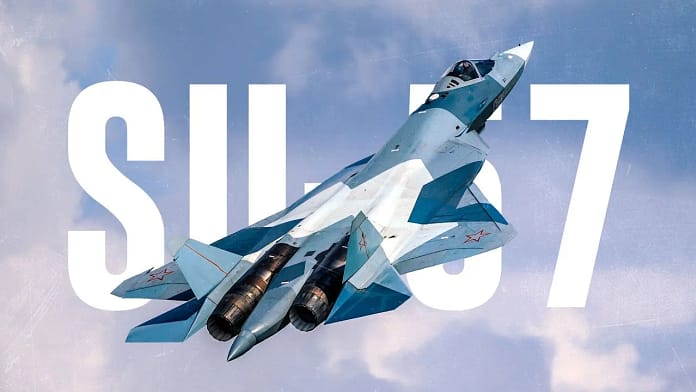
Russia Su-57E India Offer: Russia’s largest offer to India, Su-57E will be able to take super-30 configration, reduction of the fifth generation steelth fighter

Su-57 fighter jet india
Su-57 Stealth Fighter

Russia Su-57E India offer: India has put a new and attractive proposal to deliver its fifth-generation steel fatter jet Su-57E to India struggling with the lack of fighter jets. This time Russia promises that this jet will include India’s own technology and weapon system. According to the sources of Russia’s government defense company Rostake, the technology being created for India’s super-30 jets in Su-57E, such as GaN-based AESA radar and mission computers made in India, will be inserted. The Indian Air Force (IAF) will use its indigenous weapons, such as Astra missiles and precise target weapons in this jet.

Russia Su-57E India Offer: Connection of Su-57E and Super-30

This proposal of Su-57E is linked to the upgrade program of the existing Su-30MKI jets of the Indian Air Force called Super-30. In Super-30, advanced systems like GaN-based Active Electronically Scanned Array (AESA) Radar and Mission computers built in India are being installed. Russia said that the same technology will be used in Su-57E, so that both jets remain similar. It will not only make maintenance easier, but also help Indian Air Force to easily use their arms, such as Astra missile and Precision-Guide weapons, in Su-57E.

"Su-57E may be a platform for India, with super-30 systems used," Rostake sources told. It will help India prepare its technology for war, as well as the Fighter Jet of the fifth generation. "This strategy will help India to add advanced avionics and depensation systems, which will be beneficial for India’s own programs, such as AMCA, in the future.

HAL will be in Nasik Production

रूस ने Su-57E के प्रोडक्शन के लिए हिंदुस्तान एयरोनॉटिक्स लिमिटेड (HAL) के नासिक प्लांट को चुना है। यह वही प्लांट है, जहां 220 से ज्यादा Su-30MKI जेट्स बनाए जा चुके हैं। नासिक में पहले से मशीनरी और इक्विपमेंट्स मौजूद होने से इसके बनाने में लागत भी कम आएगी। लेकिन, भारत की तकनीक को इस जेट में जोड़ने और इसे पूरी तरह तैयार करने में 3-4 साल का वक्त लग सकता है।

इस बीच, रूस ने तुरंत 20-30 Su-57E जेट्स देने का प्रस्ताव रखा है। इससे भारतीय वायुसेना को तुरंत पांचवीं पीढ़ी का जेट मिलेगा, जो उसकी मौजूदा कमी को पूरा करेगा। साथ ही, नासिक में प्रोडक्शन शुरू होने से भारत में नौकरियां बढ़ेंगी और एयरोस्पेस इंडस्ट्री को बढ़ावा मिलेगा, जिससे ‘आत्मनिर्भर भारत’ को बढ़ावा मिलेगा।

फाइटर जेट्स की कमी

भारतीय वायुसेना इस समय फाइटर जेट्स की कमी से जूझ रही है। पुराने मिग-21 जेट्स रिटायर हो रहे हैं, और स्वदेशी तेजस जेट की डिलीवरी में देरी हो रही है। वायुसेना को 42 स्क्वाड्रन चाहिए, लेकिन अभी केवल 31 हैं। दूसरी तरफ, चीन और पाकिस्तान अपनी हवाई ताकत बढ़ा रहे हैं। चीन का J-20 फाइटर जेट पहले से सर्विस में है, और पाकिस्तान 2029 तक J-31 हासिल करने की योजना बना रहा है।

ऐसे में Su-57E तुरंत एक फायदे का सौदा हो सकता है। यह जेट स्टील्थ (रडार से बचने की क्षमता), सुपरमैन्यूवरेबिलिटी (जेट की तेज गति और चपलता), और एडवांस रडार सिस्टम के साथ आता है। हालांकि, इसकी स्टील्थ क्षमता अमेरिका के F-35 से कम मानी जाती है, लेकिन यह हाइपरसोनिक हथियार ले जाने और 360-डिग्री थ्रस्ट वेक्टरिंग (जेट को किसी भी दिशा में तेजी से मोड़ने की क्षमता) जैसी खूबियों से लैस है। वहीं, जब तक भारत का अपना AMCA जेट तैयार नहीं हो जाता, यह भारतीय वायुसेना के लिए एक ताकतवर हथियार साबित हो सकता है।

AMCA की चुनौतियां

भारत का महत्वाकांक्षी प्रोजेक्ट, एडवांस्ड मीडियम कॉम्बैट एयरक्राफ्ट (AMCA), एक स्वदेशी पांचवीं पीढ़ी का फाइटर जेट है। लेकिन इसका पहली टेस्ट उड़ान 2029 में होगी, और प्रोडक्शन 2034-35 से पहले शुरू नहीं होगा। इस लंबी समयसीमा के कारण भारतीय वायुसेना को एक अंतरिम जेट की जरूरत है, और Su-57E इस कमी को पूरा कर सकता है।

Su-57E की खासियतें

Su-57E एक ताकतवर फाइटर जेट है, जो अपनी खास विशेषताओं के लिए जाना जाता है। इसका स्टील्थ डिजाइन रडार से बचने की अच्छी क्षमता देता है, हालांकि यह अमेरिका के F-35 से थोड़ा कम है। इसकी 360-डिग्री थ्रस्ट वेक्टरिंग तकनीक सुपरमैन्यूवरेबिलिटी प्रदान करती है, जिससे यह हवा में तेजी से दिशा बदल सकता है। साथ ही, यह हाइपरसोनिक मिसाइलों और भारी हथियार ले जाने में सक्षम है। इसका GaN-बेस्ड AESA रडार दुश्मन के विमानों और मिसाइलों को दूर से ही पकड़ लेता है। भारत के अपने सिस्टम, जैसे एस्ट्रा मिसाइल और मिशन कंप्यूटर, इसे और ताकतवर बनाएंगे। सुपर-30 जेट्स के साथ समानता होने से रखरखाव और ट्रेनिंग भी आसान होगी।

Su-57E को लेकर यह हैं चुनौतियां

हालांकि रोस्टेक का यह प्रस्ताव आकर्षक है, लेकिन इसमें कुछ चुनौतियां भी हैं। पहली, भारत में Su-57E को पूरी तरह तैयार करने में 3-4 साल लगेंगे। इस दौरान वायुसेना को रूस से खरीदे गए जेट्स पर निर्भर रहना होगा। दूसरी, Su-57E की स्टील्थ क्षमता और इसके नए AL-51 इंजन की तैयारियों को लेकर कुछ सवाल हैं, क्योंकि यह इंजन अभी पूरी तरह डेवलप नहीं हुआ है।

IAF Fighter Jet Shortage: Indian Air Force Should Not Do Russian Su-57E or American F-35 Fighter Jets! Indigenous MRFA and AMCA Focus

तीसरे इसके साथ भू-राजनीतिक जोखिम भी हैं। अमेरिका का CAATSA कानून रूस से हथियार खरीदने वाले देशों पर प्रतिबंध लगा सकता है, जो भारत के लिए समस्या बन सकता है। इसके अलावा, Su-30MKI प्रोग्राम में भारत को स्पेयर पार्ट्स और रखरखाव में कुछ दिक्कतें आई थीं, जो Su-57E डील में भी सामने आ सकती हैं। इन सब मुद्दों को हल करना होगा।

Explained: Why Posted 72 Infantry Division in Ladakh? What is the New Strategy of Dealing with China of Indian Army

72 Infantry Division in Ladakh: India’s New Military Strategy to Counter China at the LAC – Explained

72 Infantry Division: Indian Army is making major changes in its Order of Battle (ORBAT). The Indian Army has decided to create a new Division 72 Infantry Division for long-term military deployment on the Real Control Line (LAC) in East Ladakh. 72 Infantry Division will be placed under Leh-based 14 Fire & Fury Corps. This corps were built after the Cargill War of 1999. This corps protects the Eastern Ladakh from Sichen.

The Indian Army was seeking an additional division for Eastern Ladakh already before the Cargil War of 1999, but no government (BJP or Congress) paid attention to it. Mountain Strike Corps was approved by making, but it was not completed due to lack of budget. While the 72 Infantry Division is part of the same corps now being replaced under the new Integrated Battle Group (IBG).

72 The decision to create the Infantry Division was taken in 2017. At that time it was to share 17 Mountain Strike Corps (MSC), headquartered in Sheetgarh, West Bengal. But after the Galvanic event in 2020, the army changed its strategy. Now this division is being deployed under 14 corps in Ladakh. Its headquarters are being built in Leh, with 25 Officers, 30 Jr. Kamsand Officers (JCOs) and 112 Young.

72 No New Recruitment in Infantry Division

72 Infantry Division will have 10,000 to 15,000 youth. This will lead a Major General. This division is being formed without recruiting new troops. Instead, the army is reorganizing existing brigades. After the 2020 Galvan conflict, the army had transferred some resources from Bareilly to 6 Mountain Brigade and 1 Strike Corps located Mathura to Ladakh. These included Armored Vehicles, Infantry Fighting Vehicles and Soldiers. Now these units will be included in the 72 Infantry Division.

This division will have three to four Brigades, each of which will lead a Brigadier. It is headquartered in East Ladakh. A Brigade headquarters have already started working while the rest of the units are taking training of High Altitude Warfare in Western India. This division will be part of 14 corps, which has the responsibility of LoC, and Sichen Glacier in the 832 km long LAC, Dras-Kargil-Batalic Sector.

Why 72 Infantry Division?

72 The decision to constitute the Infantry Division (72 Infantry Division) was taken after the military tension commenced after the Galvan conflict of 2020. At that time, the Army had temporarily positioned the Counter Insurgency Force (CIF) "Uniform Force" in the East Ladakh to handle the responsibility of critical areas around the Galvan Valley and its. After the 72 division has been deployed, the CIF Uniform 16th Core will return to its old place in Riyasi, Jammu. The Division will work closely with the rest of the 14 Corps two Division 8 Mountain Division (for LoC) and 3 Infantry Division (for LAC).

What will change from this division?

72 इन्फैंट्री डिवीजन (72 Infantry Division) के आने से लद्दाख में सेना की तैनाती में बड़ा बदलाव आएगा। सबसे बड़ा फायदा यह होगा कि सेना LAC पर ज्यादा तेजी से जवाब दे सकेगी। पहले से मौजूद ब्रिगेड्स को इस डिवीजन के तहत नए सिरे से सिस्टेमैटिक किया जाएगा, जिससे कमांड सिस्टम बेहतर होगा। यह डिवीजन ऊंचाई वाले इलाकों में काम करने के लिए तैयार की जा रही है। लद्दाख में मौसम बहुत ठंडा रहता है और ऑक्सीजन की कमी होती है। इसके लिए सैनिकों को खास ट्रेनिंग दी जा रही है, ताकि वे इन हालातों में काम कर सकें। इस डिवीजन में टैंक और बख्तरबंद गाड़ियां भी होंगी, जो जरूरत पड़ने पर दुश्मन पर हमला करने में मदद करेंगी।

सेना की दूसरी सबसे बड़ी रिस्ट्रक्चरिंग

यह 2020 में चीन के साथ तनाव शुरू होने के बाद सेना की दूसरी सबसे बड़ी रिस्ट्रक्चरिंग है। अक्टूबर 2021 में, हिमाचल प्रदेश और उत्तराखंड में 545 किमी वास्तविक नियंत्रण रेखा (LAC) को लखनऊ स्थित सेंट्रल कमांड के कंट्रोल में लाया गया था। बरेली में स्थित ‘उत्तर-भारत’ क्षेत्र को इन दो पहाड़ी राज्यों में LAC की सुरक्षा की जिम्मेदारी दी गई, और वेस्टर्न कमांड की एक महत्वपूर्ण स्ट्राइक डिवीजन को सेंट्रल कमांड को सौंपा गया। पहले, हिमाचल में LAC की सुरक्षा का जिम्मा चंडीमंदिर स्थित वेस्टर्न कमांड के पास था।

वहीं, वेस्टर्न कमांड के तीन मुख्य कॉर्प्स 2 स्ट्राइक कॉर्प्स (अंबाला), 11 कॉर्प्स (जालंधर), और 9 कॉर्प्स (योल, हिमाचल) का अब केवल फोकस “पश्चिम की ओर” रहेगा। इसका मतलब है कि इन तीनों कॉर्प्स का पूरा फोकस अब पाकिस्तान की ओर होगा।

2 स्ट्राइक कॉर्प्स (अंबाला, हरियाणा) में तैनात है, जिसका मुख्य काम हमला करना है। यह कॉर्प्स जरूरत पड़ने पर दुश्मन के इलाके में जाकर हमला करने के लिए तैयार रहती है। इसका मुख्यालय अंबाला में है और यह हरियाणा, पंजाब और राजस्थान के कुछ हिस्सों में सक्रिय है। इस कॉर्प्स में टैंक, बख्तरबंद गाड़ियां और हमलावर सैनिक होते हैं, जो तेजी से हमला कर सकते हैं।

11 कॉर्प्स का मुख्यालय जालंधर में है। यह कॉर्प्स पंजाब के इलाके में पाकिस्तान से लगने वाली सीमा की सुरक्षा करती है। इसका काम रक्षा करना और दुश्मन को रोकना है। यह कॉर्प्स जालंधर, अमृतसर, गुरदासपुर जैसे इलाकों में तैनात है।

9 कॉर्प्स का मुख्यालय योल (हिमाचल प्रदेश) में है। यह कॉर्प्स हिमाचल और जम्मू-कश्मीर के कुछ हिस्सों में सक्रिय है। इसका काम रक्षा करना और पहाड़ी इलाकों में सीमा की सुरक्षा करना है। यह कॉर्प्स खास तौर पर ऊंचाई वाले इलाकों में काम करने के लिए तैयार की गई है।

LAC पर चीन बना रहा इंफ्रास्ट्रक्चर

चीन ने LAC पर अपनी सैन्य मौजूदगी को लगातार मजबूत किया है। उसने लद्दाख और अरुणाचल प्रदेश, खासकर तवांग, में सड़कें, शिविर, और दोहरे उपयोग (सैन्य और नागरिक) वाले गांव बनाए हैं। हाल ही में, पांगोंग त्सो झील के पास 400 मीटर लंबा एक पुल बनाया गया, जो खासतौर पर चीनी सेना की मोबिलिटी देने के लिए बनाया गया है। इसके अलावा, चीन ने कच्ची सड़कों को पक्का करने के अलावा और सर्विलांस सिस्टम को बढ़ाने के लिए इंफ्रास्ट्रक्चर डेवलप किया है।

Pahalgam Attack: Temporary operating base will be deployed in altitude areas to prevent infiltration from across the border

अक्टूबर 2024 से शुरू हुआ बातचीत का दौर

गलवान संघर्ष के बाद, भारत और चीन ने कई दौर की सैन्य और कूटनीतिक बातचीत की। 2021 में पांगोंग त्सो, गोगरा, और हॉट स्प्रिंग्स जैसे क्षेत्रों में डिसएंगेजमेंट पर सहमति बनी, लेकिन डेपसांग और डेमचोक जैसे क्षेत्रों में समस्याएं बनी रहीं। वहीं, 2024 के अंत में, भारत और चीन ने डेपसांग और डेमचोक में सैनिकों की वापसी पर सहमति जताई। अक्टूबर 2024 में, प्रधानमंत्री नरेंद्र मोदी और चीनी राष्ट्रपति शी जिनपिंग ने ब्रिक्स शिखर सम्मेलन के दौरान मुलाकात की और बातचीत को फिर से शुरू करने को लेकर राष्ट्रीय सुरक्षा सलाहकार अजीत डोवाल और विदेश सचिव विक्रम मिस्री ने भी चीनी अधिकारियों के साथ चर्चा की। भारत का रुख स्पष्ट है: सीमा पर शांति स्थापित किए बिना संबंध सामान्य नहीं हो सकते।