📍New Delhi | 8 Oct, 2026, 1:38 PM
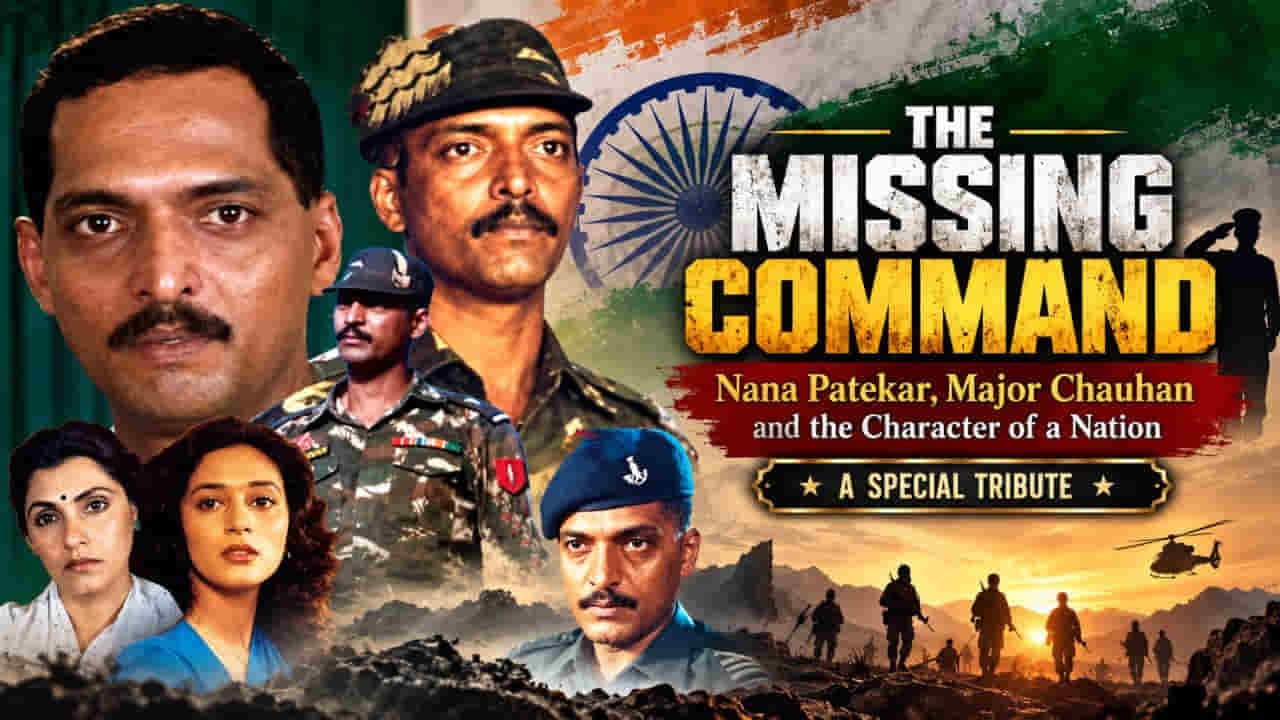
On 8 October 2026, Indian cinema lost undoubtedly one of its most exceptional actors. Nana Patekar passed away at the age of 75 in Goa following a Sustained cardiac arrest. His departure marks the end of an era. His remarkable journey through films like Parinda, Krantiveer, Ab Tak Chhappan, Natsamrat and Welcome demonstrated his exceptional versatility. He could portray anger, anguish, vulnerability and humour – all emotions with equal conviction. His commanding presence, unmistakable voice and expressive silences often conveyed more than ever could. A recipient of three National Film Awards and the Padma Shri, his extended contribution beyond cinema to his work forceed.
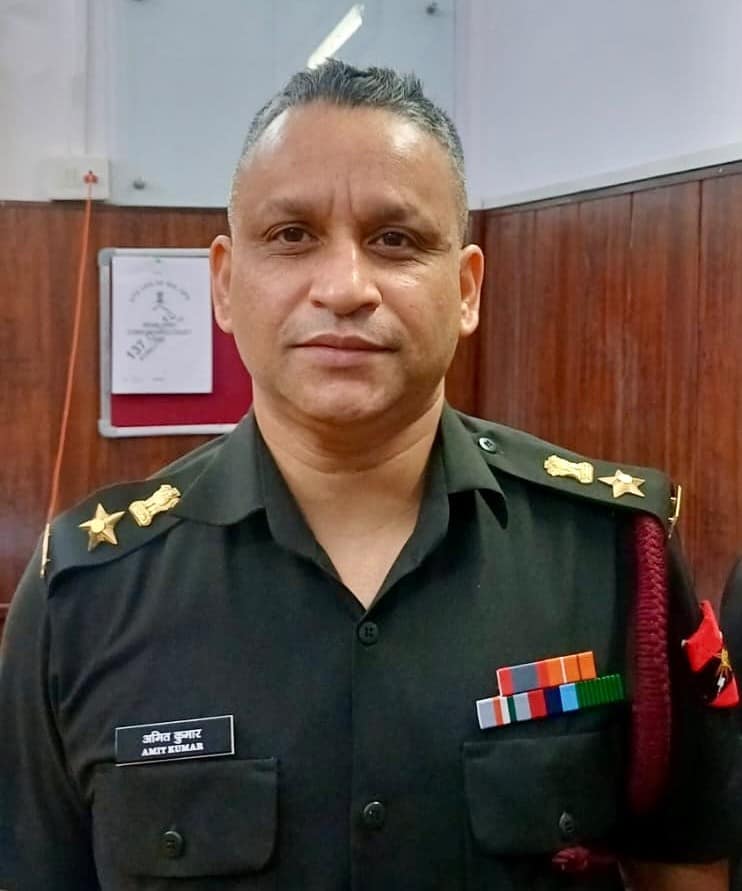
Yet, for me, having worn the uniform for more than two decades, he will always remain Major Chauhan.
A Celebrate Beyond Cinema
More than three decades ago, Major Chauhan played by Nana Patekar in PrahaarI saw him mainly as a young viewer Hard and uncompromising commando instructor, whose military ruthlessness demanded the highest standards from his trainees. After more than two decades in uniform, I see that nothing is more important: discipline, integrity and the courage to stand by what one believes is right. The military training and close interactions with soldiers are not merely in its military setting. It lies in the lessons about leadership and responsibility that the remain relevant beyond the uniform.
In my article, Every Generation Needs A Major ChauhanThe Raksha Samachar is a big question that can be seen in the soldier. Great place in our everyday institutions?
Leadership Is Not About Lowering Standards
We live in an age of speed, and instant solutions. Life has undoubtedly become easier, but the ability to face difficulty just as necessary. That was one of the lessons I took from Major Chauhan. His training was demanding, but its purpose was not just to make his trainees suffer. He wanted them to discover that they were of more than they were. When the trainees struggled, he did not immediately make the task easier. He showed them the way and expected them to try again. The lesson was simple: A good leader does not abandon someone who is struggling, but neither does he always lower the standard. Affordable Leadership A person develops the strength and confidence to reach it.
The Difference Between Toughness and Cruelty
It is important to have a small value for its own value. Humiliation is not leadership, and fear cannot be a A demanding leader must therefore know the difference between the people and the people. This is where the idea of a creative major chauhan becomes relevant. We need mentors and leaders who can demand high standards without humiliating people, correct without discouraging, and support people without making them independent on constant reassurance.
What are the benefits of the society?
The Armed Forces are naturally seen in the context of defending our borders and safeguards the country’s territorial integrity. That remains their foremost responsibility. But their contribution to the nation goes beyond the Battlefield. Military life develops men and women trained in discipline, teamwork, responsibility and leadership. India is a COUNTRIES OF COMMUNICATIONS. RESUME SAMPLE PROVIDES STYLISTIC IDEAS THAT YOU MAY USE IN THE RESUME Common identity and purpose.
The contribution does not end when a soldier hangs up his uniform. Every year, trained personnel retire from the Armed Forces and return to civilian life. They carry with them years of experience in leadership, teamwork, crisis management, discipline and accountability. What they have learnt in uniform can continue to serve society long after their military service has ended.
Responsibility: The Foundation of Leadership
Our society rightly respects its soldiers. We applaud them, remember their sacrifices and express our gratitude to those serving in difficult areas. Such recognition matters. But perhaps respect for the soldier should go one step further. Instead of only admiring the uniform, we can also ask what we can learn from the values associated with it.
One of the first lessons military life teaches is that responsibility comes with leadership. When something goes wrong, a leader cannot always look for someone else to blame. He must first ask what he could have done differently. That lesson has value far beyond the Armed Forces. Whether we work in an office, hospital, school, business or public institution, accepting responsibility and finding a solution is often more useful than simply identifying whom to blame.
Bringing Military Values Into Everyday Life
How, then, can these values become part of everyday life?
Education is not only about marks and examinations. Children need opportunities to work in teams, face manageable challenges, accept setbacks and learn that success sometimes requires repeated effort. Sports, adventure programmes, community service and wider participation in the National Cadet Corps can develop cooperation, responsibility and perseverance in ways that textbooks alone cannot.
Organisations also need people who can work in teams, accept responsibility and remain steady under pressure. Leadership development need not be expensive. Community service, disaster-management training and structured team activities can expose young professionals to situations outside their normal workplace.
Leading by Personal Example
Perhaps the most important lesson is also the simplest: a leader must practise what he expects from others. An administrator cannot demand punctuality while regularly arriving late, nor can a manager demand integrity when his own decisions are guided by convenience.
But institutions must not depend too heavily upon one strong leader. Commanders change, officers are posted out and people retire. Procedures, traditions, training and institutional memory provide continuity.
The leader eventually leaves. The standard should remain.
Discipline Must Be Balanced by Empathy
The useful lessons lie in the values, not in replicating military command structures. Discipline needs empathy, authority needs accountability, and high standards need fairness and mentorship. Without these safeguards, discipline can become rigid, authority can become arrogant, and toughness can turn into cruelty.
The Enduring Legacy of Major Chauhan
Nana Patekar’s passing reminds us of an extraordinary actor whose characters will continue to live in the memories of generations. For me, Major Chauhan remains relevant not because of his military ruthlessness, but because he reminds us that discipline matters, leadership begins with personal example, courage extends beyond the battlefield, and responsibility cannot always be passed to someone else.
The responsibility for building a strong nation cannot rest entirely upon the men and women guarding its borders. A soldier can defend the frontier, but the strength of society ultimately depends upon the conduct of its citizens and institutions.
We neither can nor should turn everyone into a soldier. We simply need to carry some of the soldier’s finest values- discipline, resilience, responsibility, integrity and courage-into our own lives and institutions.
Every generation needs a Major Chauhan. More importantly, every generation needs the courage to become one.
Perhaps that would be the most fitting tribute to Nana Patekar: not merely remembering the extraordinary actor who brought Major Chauhan to life, but carrying forward the values that made his character unforgettable.